


A Complete Guide to Folding Carton Packaging and Common Box Styles
Folding cartons are the unsung heroes of the packaging world. They sit on retail shelves holding everything from cereal and cosmetics to electronics and pharmaceuticals. They are lightweight, versatile, cost-effective, and endlessly customisable. Yet despite their ubiquity, many brands underestimate the impact that the right folding carton style can have on product protection, shelf presence, and customer experience.
Choosing the right folding carton is not simply a matter of picking a box that fits. It requires an understanding of how different styles function, how they are assembled, how they display the product, and how they align with your brand's identity. The right carton protects the product, communicates value, and enhances the unboxing experience. The wrong carton can lead to damage, frustration, and a missed opportunity to connect with customers.
This guide provides a comprehensive overview of folding carton packaging—what it is, why style matters, key selection factors, common box types, popular design variations, customisation options, applications, and sustainable solutions.
- What Is Folding Carton Packaging?
- Why the Right Folding Carton Style Matters
- Key Factors to Consider When Selecting a Folding Carton Style
- Common Types of Folding Carton Boxes
- Straight Tuck End
- Reverse Tuck End
- Auto-Bottom Carton
- Snap-Lock Bottom Carton
- Sleeve and Tray Carton
- Display Carton
- Popular Folding Carton Styles and Design Variations
- Folding Carton Customization and Finishing Options
- Common Applications of Folding Carton Packaging
- Sustainable Materials and Eco-Friendly Folding Carton Solutions
- Conclusion
What Is Folding Carton Packaging?
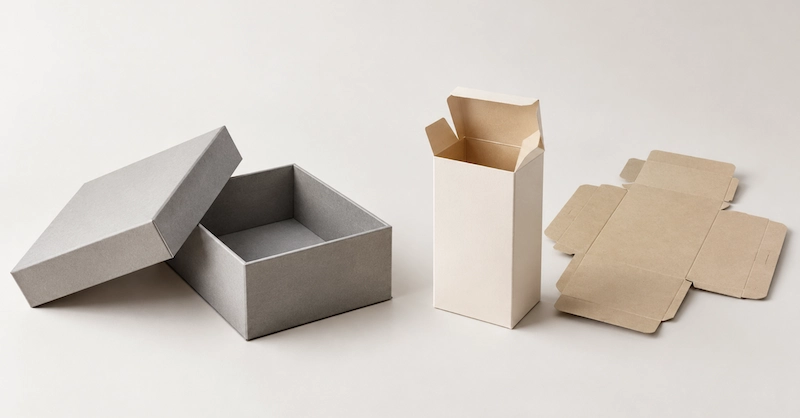
Folding cartons are paperboard boxes that are typically delivered flat and folded into shape for use. They are made from a single piece of paperboard that is cut, scored, and folded to create the finished box. The paperboard used is typically between 200 and 400 gsm (grams per square metre), making it lightweight yet sturdy enough to protect a wide range of products.
The defining characteristic of a folding carton is that it is delivered flat and requires folding and gluing to assemble. This makes them highly efficient to transport and store—a major advantage over rigid boxes, which are shipped pre-assembled and take up significantly more space.
Folding cartons are used across virtually every industry. They are the standard packaging format for retail products such as cereals, frozen foods, cosmetics, pharmaceuticals, toys, and electronics. Their versatility, affordability, and printability make them one of the most widely used packaging solutions in the world.
Unlike corrugated boxes, which are designed primarily for shipping and protection, folding cartons are designed for retail presentation and consumer interaction. They are printed with high-quality graphics and finished with various coatings and embellishments to attract attention and communicate brand identity
Why the Right Folding Carton Style Matters
The style of your folding carton affects far more than its appearance. It influences how the product is protected, how it is displayed, how easy it is to open, and how the customer experiences the brand.
Product protection is the foundation. Different carton styles offer different levels of protection. A style with a secure closure and reinforced structure will protect fragile products better than a simple tuck-top box. Choosing the right style ensures that the product arrives intact and undamaged.
Shelf presence is critical in retail environments. The carton style determines how the product sits on the shelf, how much of it is visible to the shopper, and how easy it is to browse. A well-chosen style enhances the product's visibility and appeal, making it more likely to be picked up and purchased.
Ease of assembly affects operational efficiency. Some carton styles are quick and easy to assemble, while others are more complex and time-consuming. Choosing a style that aligns with your assembly process reduces labour costs and speeds up production.
Customer experience is shaped by the carton style. A carton that is difficult to open frustrates customers. A carton that opens smoothly and reveals the product beautifully creates a positive experience. The style should be chosen with the customer's interaction in mind.
Brand identity is expressed through the carton style. A minimalist, elegant carton conveys sophistication. A bold, colourful carton conveys energy and excitement. The style should align with the brand's personality and values.
Key Factors to Consider When Selecting a Folding Carton Style
Selecting the right folding carton style requires careful consideration of several factors.
Product dimensions and weight are the starting point. The carton must be large enough to hold the product securely, with allowances for any internal packaging or cushioning. The weight of the product determines the required board strength.
Product fragility influences the structural design. Fragile products require cartons with reinforced bases, secure closures, and internal protection. More robust products can use simpler, lighter cartons.
Display requirements should be considered. Will the product be displayed on a shelf, hung from a pegboard, or presented in a display unit? Some carton styles are designed specifically for hanging, while others are designed for shelf display.
Opening experience matters for customer satisfaction. Consider how the customer will interact with the carton—will they open it once and discard it, or will they need to open and close it repeatedly? Easy-open features and resealable closures enhance the customer experience.
Budget and production volume affect the choice of style and materials. Simpler styles are more economical, while complex styles with premium finishes cost more. The volume of production also influences the cost per unit.
Sustainability goals should guide material selection. If your brand prioritises sustainability, choose recycled or FSC-certified board and finishes that are compatible with recycling.
Common Types of Folding Carton Boxes
There are several standard folding carton styles, each with distinct characteristics and applications.
Straight Tuck End
The straight tuck end carton is one of the most common and economical styles. The tuck flaps on both the top and bottom fold in the same direction—typically from the front panel to the back panel. This simple design is easy to assemble and cost-effective to produce. It is widely used for products that are inserted from one end, such as cosmetics, toiletries, and small consumer goods. The straight tuck end is ideal for products that do not require a high level of protection.
Reverse Tuck End
The reverse tuck end carton features tuck flaps that fold in opposite directions. The top flap folds from front to back, while the bottom flap folds from back to front (or vice versa). This design provides a more secure closure than the straight tuck end, as the opposing flaps create a more interlocked structure. Reverse tuck cartons are often used for products that need a more secure closure, such as electronics, hardware, and heavier items.
Auto-Bottom Carton
The auto-bottom carton, also known as a crash-lock bottom, features a base that locks into place automatically when the carton is erected. This design provides excellent structural support and does not require glue or tape to hold the bottom closed. Auto-bottom cartons are ideal for products that need a secure, stable base, such as food items, cosmetics, and retail products. They are quick to assemble and offer good protection.
Snap-Lock Bottom Carton
The snap-lock bottom carton uses interlocking tabs that click into place when the carton is assembled. This design provides a secure closure that is easy to assemble and disassemble. Snap-lock bottoms are commonly used for products that are sold in retail environments where easy assembly and disassembly are important. They offer a good balance of security and convenience.
Sleeve and Tray Carton
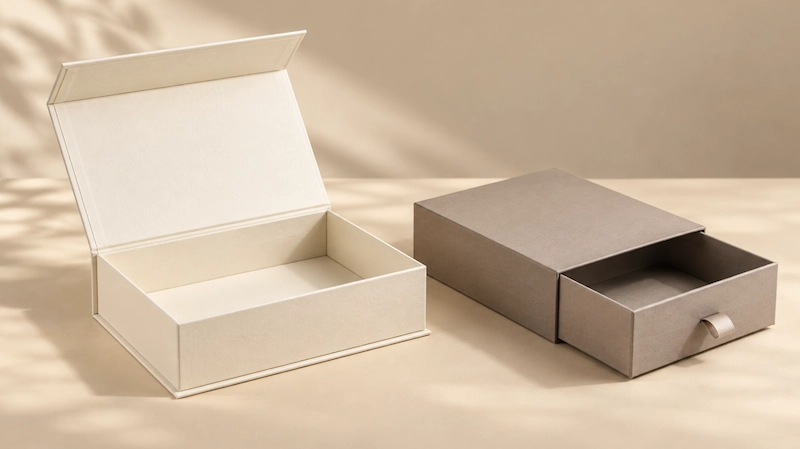
The sleeve and tray carton consists of two pieces: an inner tray that holds the product and an outer sleeve that slides over the tray. This design provides excellent protection and a premium presentation. The sleeve can be printed with high-quality graphics, while the tray provides structural support. Sleeve and tray cartons are often used for premium products, gift sets, and electronics.
Display Carton
The display carton is designed to be opened and displayed on a shelf, revealing the product inside without removing it from the carton. This style often features a cutaway section, a window, or an open-top design that allows the shopper to see the product. Display cartons are commonly used for retail products that benefit from being visible on the shelf, such as cosmetics, confectionery, and hardware.
Popular Folding Carton Styles and Design Variations
Beyond the standard types, there are numerous design variations that can enhance the functionality and appeal of folding cartons.
Tuck-top with a hang tab is a variation that adds a hang tab to the top of the carton, allowing it to be hung from a pegboard or display hook. This is commonly used for small products such as hardware, accessories, and impulse items.
Tuck-top with a window incorporates a clear window into the carton design, allowing the product to be visible while still being protected. This is effective for products where visual appeal is important, such as cosmetics, food items, and toys.
Tuck-top with a euro slot features a cut-out slot on the top of the carton for hanging on a retail display hook. This is a common variation for products sold in retail environments where pegboard display is used.
Tuck-top with a locking tab uses a tab that locks the top flap securely in place, preventing accidental opening. This is useful for products that need a more secure closure.
Tuck-top with a tamper-evident seal adds a seal that indicates whether the carton has been opened. This is important for products where tamper resistance is a concern, such as pharmaceuticals, food, and cosmetics.
Tuck-top with a perforated tear strip includes a perforated line that allows the consumer to tear open the carton easily. This is a common feature for products that need to be opened quickly and easily.
Tuck-top with a reclosable feature allows the carton to be reopened and closed multiple times. This is useful for products that are consumed over time, such as cereal, snacks, and frozen foods.
Folding Carton Customization and Finishing Options
Folding cartons offer extensive customisation options to enhance their appearance and functionality.
Printing options include offset lithography, digital printing, and flexographic printing. Offset lithography offers the highest print quality and is ideal for detailed graphics and vibrant colours. Digital printing is cost-effective for short runs and allows for variable data. Flexographic printing is cost-effective for high-volume runs and is commonly used for corrugated board.
Coating and finishing options enhance the appearance and durability of the carton. Aqueous coating provides a protective layer with a gloss or matte finish. UV coating creates a high-gloss finish that is scratch-resistant. Soft-touch lamination adds a velvety texture. Matte lamination offers a subtle, non-reflective finish. Foil stamping applies a metallic sheen to logos and text. Embossing and debossing add tactile depth. Spot UV applies a glossy coating to selected areas for contrast.
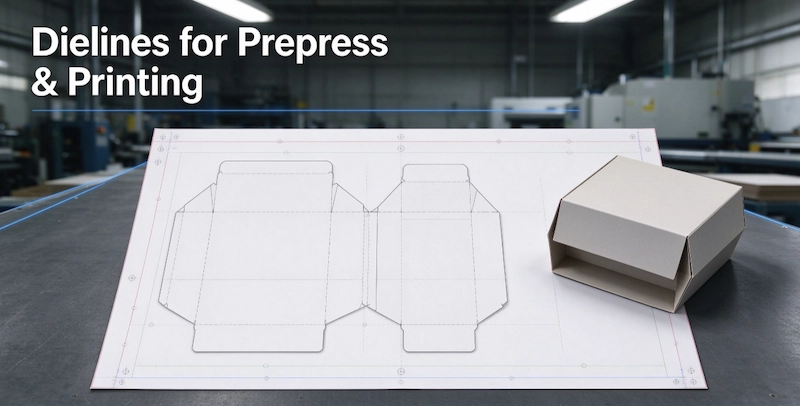
Structural customisation allows for unique shapes and features. Die-cutting can create custom windows, handles, and locking mechanisms. Custom sizes and proportions can be designed to fit specific products. Inserts and dividers can be added to hold multiple items securely.
Sustainability options are increasingly important. Recycled board, FSC-certified board, and biodegradable coatings are all available. Minimising material use through right-sizing and design efficiency reduces environmental impact.
Common Applications of Folding Carton Packaging
Folding cartons are used across a vast range of industries and applications.
Food and beverage packaging uses folding cartons for cereals, frozen foods, snacks, confectionery, tea, and coffee. The cartons must meet food safety requirements and often need to be resealable or tamper-evident.
Cosmetics and personal care packaging uses folding cartons for skincare, makeup, hair care, and fragrance. The cartons often feature premium finishes and are designed to stand out on retail shelves.
Pharmaceutical and healthcare packaging uses folding cartons for medicines, supplements, and medical devices. These cartons must meet strict regulatory requirements, including tamper-evident features and clear labelling.
Electronics and technology packaging uses folding cartons for accessories, components, and consumer electronics. The cartons often require a premium look and must protect delicate products.
Retail and consumer goods packaging uses folding cartons for toys, hardware, stationery, and household products. The cartons are designed for shelf display and often include hang tabs or windows.
E-commerce and subscription boxes use folding cartons for shipping products directly to consumers. The cartons can be printed with branding and customised to create a memorable unboxing experience.
Sustainable Materials and Eco-Friendly Folding Carton Solutions
Sustainability is a growing priority for brands and consumers alike. Folding cartons are well-positioned to meet this demand because paperboard is a renewable, recyclable, and biodegradable material.
Recycled board is an excellent sustainable option. It is made from recovered paper fibres and reduces the demand for virgin materials. Recycled board is widely available and can be used for most folding carton applications.
FSC-certified board provides assurance that the fibre used in the carton comes from responsibly managed forests. FSC certification is widely recognised and valued by environmentally conscious consumers.
Biodegradable and compostable coatings offer an alternative to traditional plastic-based coatings. These coatings are designed to break down in composting conditions, reducing the environmental impact of the carton.
Water-based coatings are another sustainable option. They contain fewer volatile organic compounds than solvent-based coatings and are compatible with paper recycling streams.
Lightweighting and right-sizing reduce material use and waste. By designing cartons that use the minimum material necessary for protection and presentation, brands can significantly reduce their environmental footprint.
Recyclability is a key consideration. Folding cartons are generally recyclable, but the presence of certain coatings, laminates, or adhesives can affect recyclability. Choosing materials and finishes that are compatible with recycling ensures that the carton can be processed responsibly at end of life.
Communication is essential. Brands should clearly communicate their sustainability efforts to consumers through labelling and messaging. This builds trust and demonstrates a genuine commitment to environmental responsibility.
Conclusion
Folding carton packaging is one of the most versatile and effective packaging solutions available. From standard tuck-end cartons to custom display designs, folding cartons offer a balance of protection, presentation, and cost-efficiency that is hard to match.
Choosing the right folding carton style requires an understanding of your product, your brand, and your customers. The right style protects the product, enhances shelf presence, improves the customer experience, and reinforces brand identity.
With the growing emphasis on sustainability, folding cartons are also evolving to meet the environmental expectations of modern consumers. Recycled materials, FSC certification, biodegradable coatings, and design for recyclability are all part of the solution.
Whether you are launching a new product, refreshing an existing brand, or exploring sustainable packaging options, folding cartons offer a reliable, flexible, and future-ready packaging solution.

About Printing Craftsmanship
What is embossing, and how is it different from debossing?
Embossing is a technique that creates a raised impression on a material, while debossing presses the design inward, creating a recessed effect. Both techniques add texture and sophistication to printed materials.
What is hot stamping, and where is it used?
Hot stamping is a printing process that applies metallic or pigmented foil to a surface using heat and pressure. It is widely used for:
Luxury packaging (cosmetics, wine, gourmet foods)
Business cards
Event invitations
Labels and stickers
High-end stationery
OEM Services
Can you help with packaging design if I don’t have one?
Yes! Our experienced design team can assist in creating packaging that aligns with your brand’s vision. We can develop concepts, offer material recommendations, and ensure compliance with industry standards.
What is the minimum order quantity (MOQ) for OEM orders?
Our MOQ varies depending on the type of packaging and material used. We offer flexible MOQ options to accommodate both small businesses and large-scale manufacturers. Contact us for a tailored quote based on your needs.
About Us
Can I get a sample?
Yes, currently sample free for reference, only need to pay the delivery charge. Customized sample charge sample fee and delivery cost.

Start Your Packaging Journey Today
Discover Our Curated Collection of Bespoke Packaging Cases & Tailored System Solutions
© 2025 WINPACK PRINTING. All rights reserved

Winpack Printing
https://www.facebook.com/alexwenhua123?mibextid=ZbWKwL
https://www.instagram.com/wenhua_printpackaging/