

Choosing the Best Sticker Material: Key Options & Tips
Stickers are everywhere—on product packaging, laptops, water bottles, retail displays, and promotional mailers. They are one of the most versatile and effective tools for branding, communication, and personal expression. But the success of a sticker depends not only on its design but also on the material from which it is made.
The choice of sticker material affects everything: how the sticker looks, how long it lasts, where it can be used, and how much it costs. A material that works perfectly for an indoor promotional sticker may fail completely for an outdoor product label. A material that is affordable for a large giveaway may not provide the durability required for a premium product.
This guide explores the most common sticker material options—vinyl, paper, polyester, and holographic—their strengths and limitations, and the key considerations for choosing the right material for your project. With this knowledge, you can select a sticker material that meets your needs for durability, appearance, sustainability, and cost.
- Common Sticker Material Options
- Vinyl Stickers
- Paper Stickers
- Polyester Stickers
- Holographic Stickers
- Important Sticker Material Considerations
- Application & Usage
- Strength & Longevity
- Printing & Appearance
- Price & Affordability
- Sustainability & Eco-Friendliness
- Practical Tips for Choosing Sticker Materials
- Conclusion
Common Sticker Material Options
Vinyl Stickers
Vinyl is one of the most popular and versatile sticker materials available. It is a synthetic plastic material known for its exceptional durability, weather resistance, and flexibility.
Strengths & Limitations
Vinyl stickers are extremely durable and weatherproof. They resist water, UV light, and temperature extremes, making them suitable for outdoor applications. They are also highly flexible, conforming to curved or irregular surfaces. The material is tear-resistant and can withstand rough handling. Vinyl stickers are available in a range of finishes, including gloss, matte, and clear.
However, vinyl is a plastic material and is not biodegradable. This can be a drawback for brands with strong sustainability commitments. Vinyl stickers also tend to be more expensive than paper stickers. They require more careful disposal considerations.
Paper Stickers
Paper stickers are the most common and traditional sticker material. They are made from paper and are available in a range of weights and finishes.
Strengths & Limitations
Paper stickers are affordable and cost-effective, making them ideal for large-volume runs and budget-conscious projects. They accept printing very well, producing vibrant colours and sharp details. They are a natural, renewable material and are generally recyclable and biodegradable.
However, paper stickers are not waterproof and will be damaged by moisture. They are less durable than vinyl and can tear easily. They have limited outdoor use and are not suitable for applications that will be exposed to the elements.
Polyester Stickers
Polyester is a high-performance synthetic material that offers excellent durability and resistance to harsh conditions.
Strengths & Limitations
Polyester stickers are strong and resistant to tearing, chemicals, oils, and extreme temperatures. They are highly weather-resistant and suitable for demanding outdoor applications. They have a smooth, professional appearance and accept printing very well. Polyester stickers are often used in industrial, automotive, and high-end product labelling.
However, polyester is a plastic material and is not biodegradable. It is generally more expensive than vinyl and paper. It requires more careful disposal considerations.
Holographic Stickers
Holographic stickers create a unique, eye-catching visual effect by diffracting light into a rainbow of colours. They are made from a special film that creates this effect.
Strengths & Limitations
Holographic stickers are visually striking and attention-grabbing. The iridescent effect creates a premium, distinctive appearance that stands out. Holographic film can be combined with various adhesive types for different applications.
However, holographic stickers can be more expensive than standard materials. The effect may not suit all brand aesthetics. The holographic film may be more challenging to print on, requiring specialised equipment.
Important Sticker Material Considerations
Application & Usage
How the sticker will be used is the most important consideration. Will it be applied to a product package, a laptop, a water bottle, or an outdoor sign? Will it be handled frequently or remain in place for years? The application will determine the required durability and performance characteristics.
Indoor applications are the least demanding. Paper stickers may be perfectly adequate for indoor product labels, packaging, or promotional materials. If the sticker will be handled frequently, a more durable option such as vinyl or polyester may be appropriate.
Outdoor applications demand materials that resist weather, UV light, and temperature extremes. Vinyl and polyester stickers are suitable for outdoor use, while paper is not. The material should be printed with UV-resistant inks to prevent fading
Strength & Longevity
The sticker's expected lifespan should influence the material choice.
Short-term applications (such as event stickers or temporary promotions) do not require the most durable materials. Paper stickers may be perfectly adequate and more cost-effective.
Long-term applications (such as product labels, equipment labels, or permanent branding) demand materials that will last. Vinyl or polyester stickers are better suited for long-term use.
Printing & Appearance
The appearance of the sticker depends on the print quality and the material's finish.
Colour vibrancy and detail are generally best on smooth, coated surfaces. Paper and vinyl both accept printing well, though the specific finish—gloss, matte, or satin—affects the final appearance.
Finish options include gloss for a shiny, reflective surface that makes colours "pop"; matte for a subtle, non-reflective finish that reduces glare; and clear for a transparent, no-label look.
Price & Affordability
Budget is always a consideration. The cost of stickers varies significantly by material.
Paper stickers are the most affordable option and are ideal for large-volume runs.
Vinyl stickers are moderately priced, offering good value for outdoor and durable applications.
Polyester stickers are more expensive, reflecting their premium performance characteristics.
Holographic and specialty stickers are the most costly, reserved for high-impact, premium applications.
Sustainability & Eco-Friendliness
For brands with sustainability commitments, material choice matters.
Paper stickers are the most sustainable option. They are made from a renewable resource and are generally recyclable and biodegradable. However, the adhesive may affect recyclability, so choose adhesives that are compatible with recycling processes.
Vinyl and polyester stickers are made from plastic and are not biodegradable. They may not be recyclable through standard recycling streams. These materials should be chosen only when performance requirements justify the environmental trade-offs.
Sustainability certifications and labels can help guide choices. Look for materials that are certified as environmentally responsible or that have been assessed for their environmental impact.
Practical Tips for Choosing Sticker Materials
With so many options available, making the right choice can seem challenging. Here are practical tips to guide your decision.
Define the sticker's purpose and environment. Understanding where and how the sticker will be used is the starting point for selecting the right material. Consider the conditions it will face—indoor or outdoor, frequent handling, exposure to moisture or chemicals.
Order samples before committing to a large run. The best way to evaluate a material is to see and feel it in person. Request samples of the material you are considering and test it in real-world conditions. Apply it to the intended surface, expose it to the expected environment, and observe its performance.
Consider the adhesive as well as the material. The adhesive is as important as the material itself. Different adhesives are designed for different applications—some are permanent, some are removable, and some are repositionable. Some adhesives are designed for specific surfaces, such as glass, metal, or plastic. Discuss your surface and removal requirements with your supplier.
Work with an experienced supplier. A knowledgeable supplier can guide you toward the best material for your needs. They understand the strengths and limitations of each option and can recommend materials that meet your requirements for durability, appearance, sustainability, and cost.
Test the material with your printer. Not all materials are compatible with all printing methods. Ensure your chosen material is compatible with your printing equipment—whether digital, offset, or flexographic. Some materials may require specialised inks or coatings.
Consider the sticker shape and size. Intricate shapes may require materials that are easier to cut. Some materials may be more difficult to die-cut than others. Discuss your design with your supplier to ensure the material can be cut to the required shape.
Plan for the adhesive transfer. Consider how the sticker will be removed. Will it need to come off cleanly without leaving residue? Will it need to be repositionable during application? The adhesive type affects the removal characteristics.
Conclusion
Choosing the right sticker material is a critical decision that affects the sticker's appearance, durability, and cost. Understanding the strengths and limitations of each material—vinyl, paper, polyester, holographic, and others—enables you to select the option that best meets your needs.
By considering the application, strength and longevity, printing and appearance, price, and sustainability, you can make an informed choice that supports your brand's goals. Practical steps such as ordering samples and working with an experienced supplier further ensure that your stickers perform as expected.
The right sticker material, combined with a great design, creates a sticker that stands out, communicates your message effectively, and builds your brand. Take the time to make the right choice—your customers will notice.
About Printing Craftsmanship
What is screen printing used for?
Screen printing is ideal for printing on a variety of surfaces, including:
Fabric (t-shirts, tote bags)
Plastic (bottles, packaging)
Paper (posters, packaging)
Metal and glass (signs, promotional products)
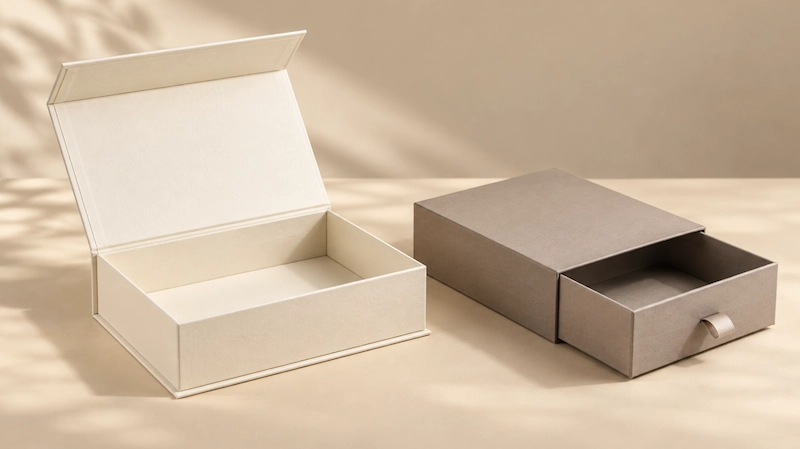
Rigid Drawer Box
How long does it usually take from design confirmation to delivery?
The lead time is usually 15-25 days, depending on the production of the order
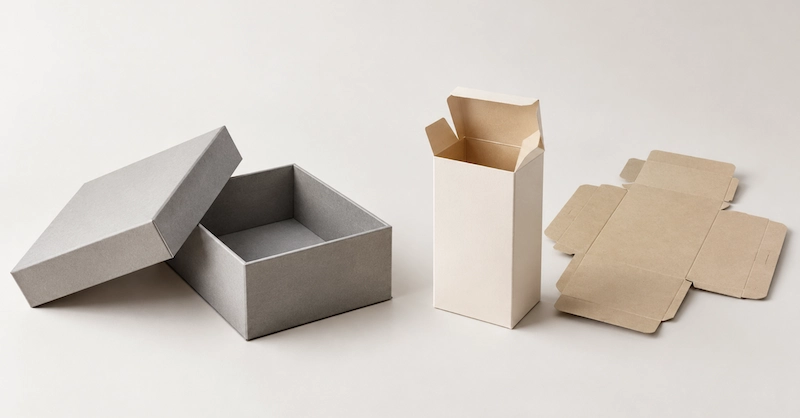
Rigid Lift-off Box
Can I order a sample of my rigid box?
Yes, we strongly recommend that you do so, we provide a variety of sample types to meet different usage situations and help you guarantee the best results!
Rigid Magetic Boxes
Can I get a sample before placing an official order?
Yes, we provide samples to our customers. Please contact our sales team to inquire about sample availability and pricing.
OEM Services
Do you offer eco-friendly and sustainable packaging options?
Yes! We provide environmentally friendly packaging solutions, including recyclable, biodegradable, and FSC-certified paper materials. Let us know if you’re looking for sustainable options.
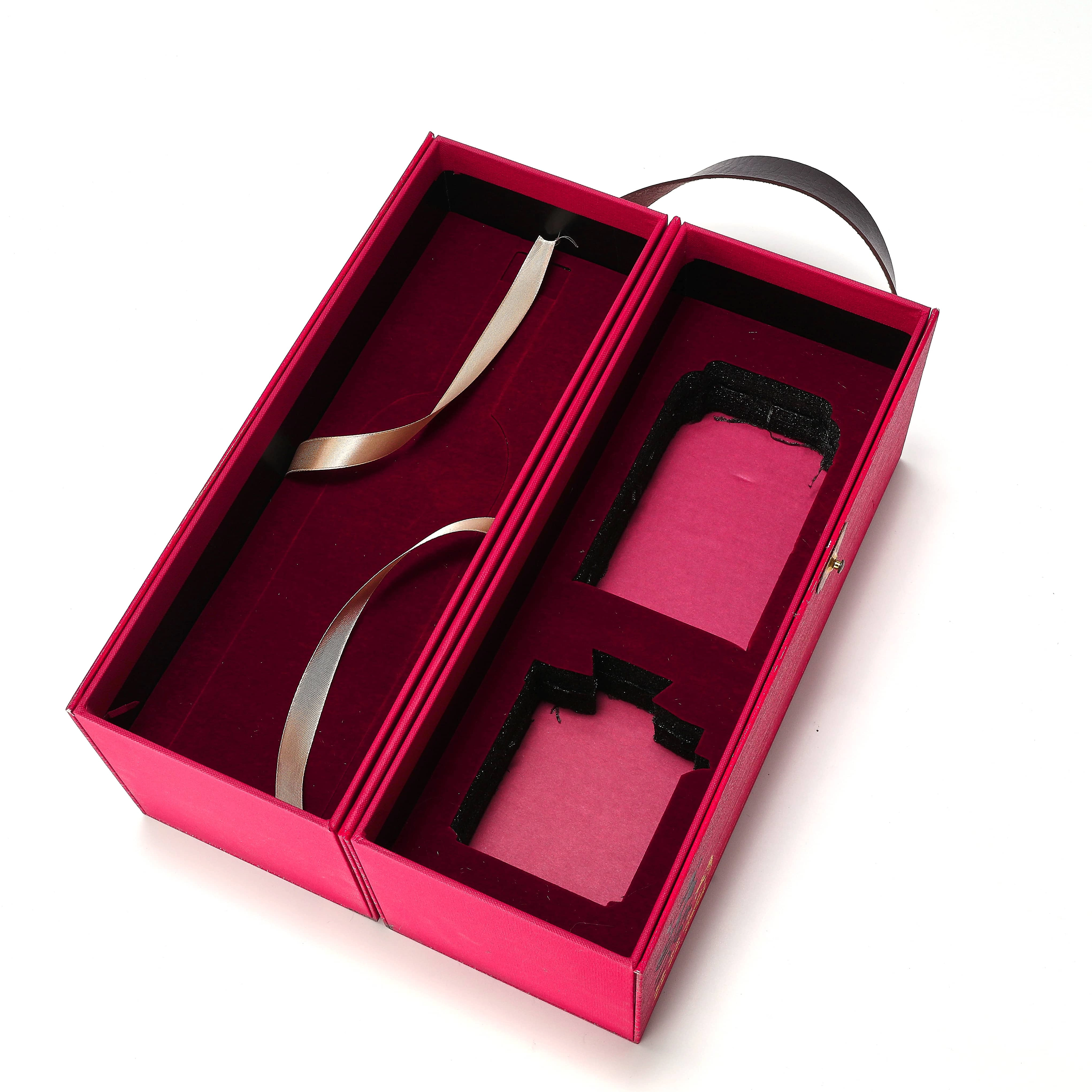

Start Your Packaging Journey Today
Discover Our Curated Collection of Bespoke Packaging Cases & Tailored System Solutions
© 2025 WINPACK PRINTING. All rights reserved

Winpack Printing
https://www.facebook.com/alexwenhua123?mibextid=ZbWKwL
https://www.instagram.com/wenhua_printpackaging/