




How to Prepare a Custom Packaging RFQ: A Buyer's Checklist
A practical guide for B2B packaging buyers to prepare accurate specifications, compare supplier quotations, and reduce misunderstandings before production.
A BUYER'S CHECKLIST
Requesting a quotation for custom packaging involves more than sharing a reference image and asking for a price. A useful Request for Quotation (RFQ) should explain what you need, how the packaging will be used, and which specifications are already confirmed.
For brand owners, purchasing managers, and packaging developers, a structured RFQ helps suppliers understand the project and prepare quotations based on comparable requirements.
Quick Answer
A custom packaging RFQ should include the packaging type, dimensions, materials, printing requirements, surface finishes, accessories, order quantity, artwork status, delivery destination, and expected timeline. Buyers should also identify which specifications are fixed and which remain open to supplier recommendations. A complete RFQ improves quotation clarity and makes it easier to compare suppliers.
Key Takeaways
What Is a Custom Packaging RFQ?
A Request for Quotation (RFQ) is a structured request asking suppliers to price a defined packaging product under specified technical and commercial conditions.
For custom paper packaging, an RFQ typically describes the packaging structure, dimensions, materials, order quantities, printing, finishing, accessories, and delivery requirements.
Unlike a general inquiry such as "How much does a custom gift box cost?", an RFQ gives suppliers a common basis for preparing quotations.
Why Packaging Specifications Matter for Accurate Quotations
Two suppliers can quote different prices for what appears to be the same packaging concept. One supplier may assume a lighter board or simpler insert, while another may include additional finishing or more protective packing.
Without consistent specifications, the buyer may be comparing different products rather than different suppliers.
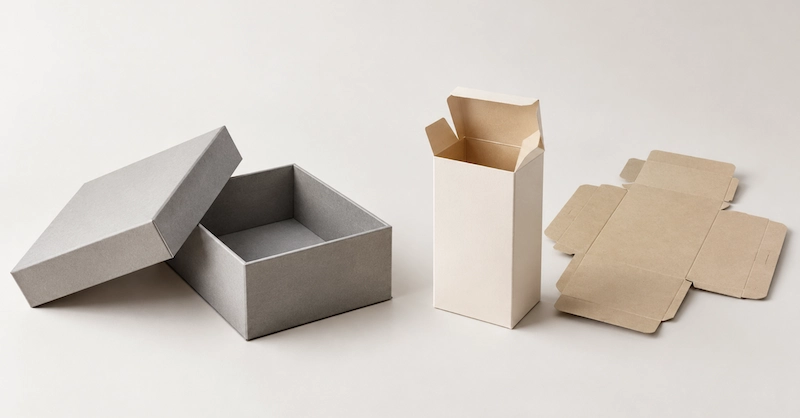
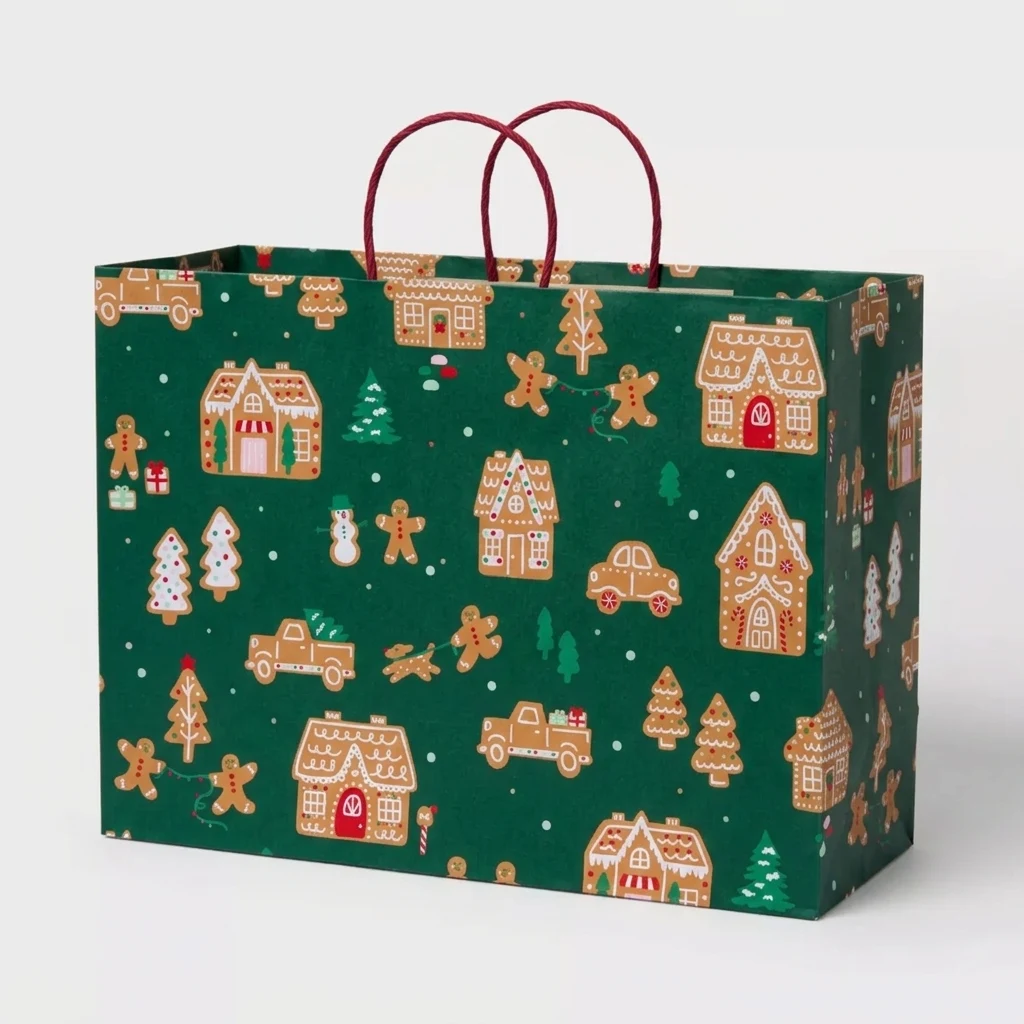
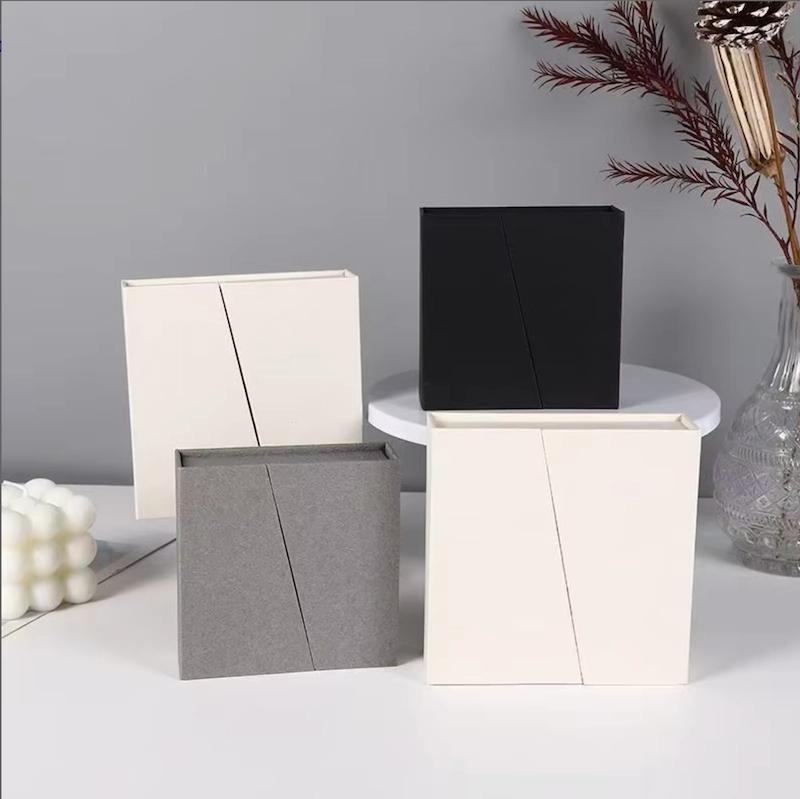
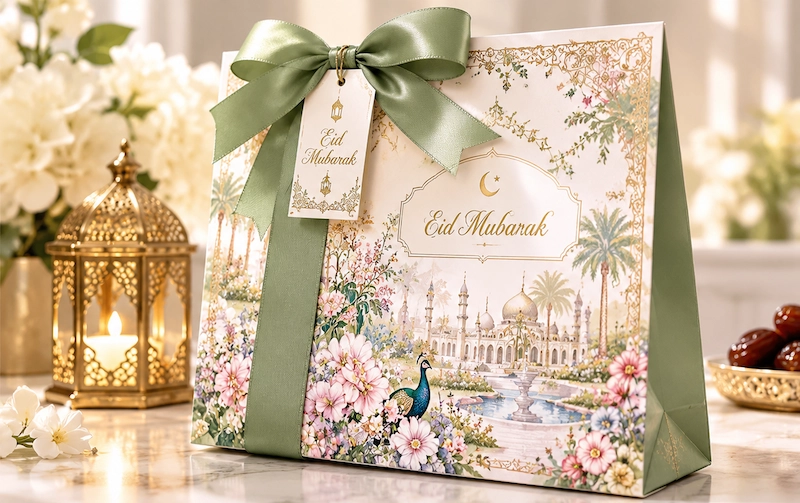
A rigid magnetic box, a folding carton, and a paper bag have different structural and material requirements. Their costs cannot be evaluated using one generic specification.
Send each supplier the same RFQ revision and ask them to identify substitutions, exclusions, and assumptions separately.
Initial Inquiry vs. Comparable RFQ vs. Production Approval
Packaging sourcing normally involves three different levels of information.
| Stage | Main Purpose | Information Needed |
|---|---|---|
| Initial Inquiry | Explore feasibility and estimated pricing | Packaging concept, approximate size, quantity, reference images |
| Comparable RFQ | Compare supplier quotations | Defined structure, materials, dimensions, finishes, quantities, delivery terms |
| Production Approval | Confirm final manufacturing requirements | Approved artwork, specifications, samples, tolerances, and production details |
An RFQ does not need to contain every final production detail. However, it should provide enough information to establish the assumptions behind the quotation.
Custom Packaging RFQ Checklist: 12 Key Details to Prepare
The following checklist can help buyers organize the information needed before requesting a custom packaging quotation.
Essential RFQ Information
Packaging Structure and Dimensions
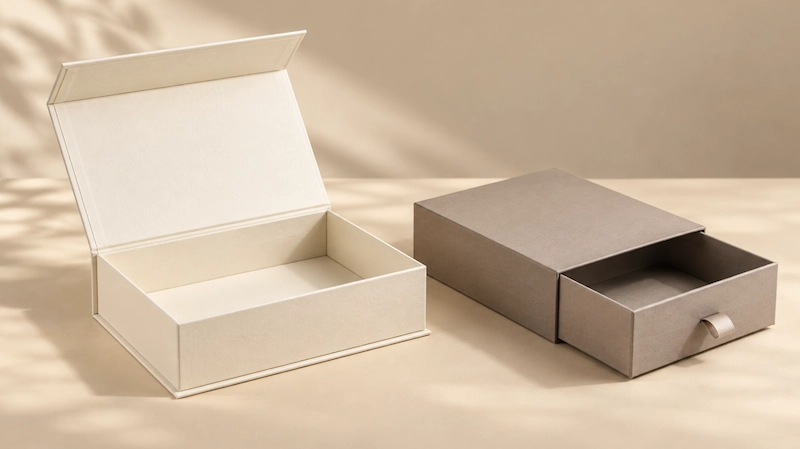
Specify whether the project requires a rigid gift box, magnetic closure box, drawer box, folding carton, paper bag, or another packaging format.
Include dimensions in millimeters and clearly identify whether they refer to the internal usable space or the external box size. If the packaging must fit a product, provide the product dimensions and any necessary clearance requirements.
Materials and Surface Finishes
Identify preferred board materials, wrapping paper, colors, textures, and finishes where known. If material selection is still open, explain the intended appearance, product weight, and budget considerations.
Common finishing options to discuss may include matte or gloss lamination, foil stamping, embossing, debossing, and spot UV. Availability and suitability should be confirmed for the selected material and box structure.
Quantity and Delivery
State the estimated order quantity and whether multiple designs or sizes are required. Buyers may also request quotations at several quantity levels to understand how unit costs change.
For fragile products or demanding distribution environments, buyers may need to define packaging performance requirements. The ISTA packaging test procedures provide a useful reference for evaluating packaged products under different transport conditions. Any specific testing requirements should be agreed with the supplier before production.
Reference Images vs. Dielines vs. Print-Ready Artwork
Packaging buyers often send different types of design files during sourcing. These files serve different purposes and should not be treated as interchangeable.
| File Type | Purpose | Limitations |
|---|---|---|
| Reference Image | Communicates the desired style or structure | May not provide accurate dimensions or production details |
| Dieline | Defines the packaging layout and cutting or folding geometry | May still require technical verification |
| Print-Ready Artwork | Provides artwork prepared for the agreed production process | Must be checked against the approved dieline and printing specifications |
For color-sensitive packaging projects, buyers should confirm the required color profiles and proofing expectations with their supplier. The International Color Consortium's color management resources provide useful background on color management in print production.
How to Compare Custom Packaging Supplier Quotations
A lower unit price does not automatically mean a lower total purchasing cost. Compare quotations using the same specifications, order quantity, included services, and delivery conditions.
| Comparison Item | Supplier A | Supplier B |
|---|---|---|
| Packaging structure | To confirm | To confirm |
| Materials and thickness | To confirm | To confirm |
| Unit price and currency | To confirm | To confirm |
| Quoted quantity | To confirm | To confirm |
| Tooling and setup fees | To confirm | To confirm |
| Sample costs | To confirm | To confirm |
| Printing and finishes | To confirm | To confirm |
| Production lead time | To confirm | To confirm |
| Shipping and trade terms | To confirm | To confirm |
| Exclusions and assumptions | To confirm | To confirm |
International buyers should specify the agreed trade term and named place when requesting quotations. The official ICC Incoterms® rules explain how delivery responsibilities, costs, and risks are allocated between buyers and sellers.
Ask suppliers to identify any alternatives they recommend and explain how those alternatives affect appearance, protection, price, or production.
Common Packaging RFQ Mistakes to Avoid
Common Mistakes
One of the simplest ways to reduce confusion is to use a version number for each RFQ revision. When specifications change, send the updated version to every supplier participating in the quotation process.
Custom Packaging RFQ Template for Buyers
Use the following template when preparing your next custom packaging inquiry.
Copy-and-Use RFQ Template
Project Name: [Enter project name]
Packaging Type: [Rigid box / folding carton / paper bag / other]
Dimensions: [L × W × H, mm; specify internal or external]
Product Details: [Product size, weight, intended use]
Materials: [Preferred board and paper, or request recommendations]
Printing: [Colors, artwork status, special requirements]
Finishing: [Foil stamping, embossing, lamination, etc.]
Accessories: [Inserts, ribbons, handles, closures, etc.]
Quantity: [Estimated order quantity and variants]
Sampling: [Sample type and approval requirements]
Delivery: [Destination, trade term, packing requirements]
Timeline: [Target date and project status]
Attachments: [Reference images, dielines, artwork, product photos]
Quotation Request: Please identify pricing assumptions, exclusions, setup fees, sample costs, and available alternatives.
Buyers can adapt this template to suit the packaging format, product category, and stage of development. For projects with several packaging components, prepare separate specification details for each component.
Frequently Asked Questions
What information is required for a custom packaging quotation?
At minimum, provide the packaging type, approximate dimensions, order quantity, material preferences, printing requirements, and delivery destination. More detailed specifications generally make quotations easier to compare.
Can I request a packaging quotation without a dieline?
Yes. A preliminary quotation may be possible using reference images, dimensions, and a clear description. However, the final quotation may change after the packaging structure and dieline are confirmed.
Should I request packaging samples before mass production?
Sampling is useful for reviewing structure, fit, appearance, and finishing details. The appropriate sample type and approval process should be agreed with the supplier.
Why do different packaging suppliers quote different prices?
Differences may come from materials, manufacturing assumptions, quantities, finishing methods, included services, delivery terms, or cost structures. Review the quotation details rather than comparing unit prices alone.
How can I make packaging quotations easier to compare?
Send the same RFQ to each supplier, request itemized assumptions, and compare quotations using a consistent checklist covering materials, quantity, tooling, sampling, production, and delivery.
Planning a Custom Packaging Project?
Share your packaging concept, dimensions, quantity, and design references with Winpack Printing. Our team can review your inquiry and discuss the information needed for a quotation.
Contact Winpack Printing



Winpack Printing
https://www.facebook.com/alexwenhua123?mibextid=ZbWKwL
https://www.instagram.com/wenhua_printpackaging/