


New Matte Finish : A Refined Look
Walk through any premium retail space or scroll through the latest direct-to-consumer brand launches, and you will notice a quiet but unmistakable shift. The glossy, mirror-like finishes that once dominated the packaging landscape are giving way to something more restrained, more tactile, and more deliberate. Matte finish has emerged as the defining aesthetic of contemporary packaging design.
This is not a fleeting trend. It is a fundamental evolution in how brands communicate value, quality, and authenticity. In an era of visual overload, matte finish offers something increasingly rare: a moment of calm. It whispers rather than shouts. It invites touch rather than demanding attention. And for brands that understand its power, it delivers a refined look that resonates deeply with today's consumers.
This guide explores the many dimensions of matte finish—from its role as a smart design choice to its ability to enhance perceived value, from its contrast with gloss to its growing alignment with sustainability. Whether you are considering matte for your packaging or simply want to understand why it has become the language of modern luxury, this guide will show you why matte finish is more than a surface treatment—it is a statement.
- Matte Finish as a Smart Design Choice
- How Matte Finish Enhances Perceived Value
- Matte vs. Gloss: Which Finish Should You Choose?
- Matte and Gloss: Creating Contrast in Design
- Where Matte Finish Works Best
- Water-Based Matte Finish: Style Meets Sustainability
- Designing with Matte: Trends for the Future
- Conclusion
Matte Finish as a Smart Design Choice
Matte finish is not merely an aesthetic preference—it is a strategic design decision that reflects a deeper understanding of how consumers interact with packaging. In 2026, the demand for matte finish packaging boxes has reached new heights, driven by a blend of global consumer trends, evolving brand requirements, and a cultural shift toward minimalism and tactility.
The appeal of matte lies in its restraint. Unlike glossy finishes that reflect light and create glare, matte surfaces diffuse light, resulting in a smooth, non-reflective appearance that feels calm and approachable. This quality is particularly valuable in packaging that aims to convey serenity, purity, or understated luxury. The absence of shine does not mean the absence of quality—quite the opposite. Matte signals that a brand does not need to shout to be noticed.
At packaging exhibitions in 2026, a significant transformation has been observed: the once-ubiquitous, dazzling gloss lamination is being replaced by a matte lamination that offers a delicate touch and a soft visual aesthetic. According to industry reports, over 65% of new packaging solutions at major exhibitions now feature matte or semi-matte surface treatments. This is not a coincidence—it is a reflection of changing consumer preferences. Younger generations, particularly Gen Z and Alpha, are increasingly drawn to products with "story," "texture," and "uniqueness." The understated luxury and warm tactility of matte finish perfectly align with this desire for substance over superficiality.
How Matte Finish Enhances Perceived Value
One of the most compelling reasons for the rise of matte finish is its remarkable ability to enhance perceived value. In the world of premium packaging, perception is reality—and matte finish shapes perception in ways that gloss simply cannot.
Matte finishes communicate sophistication and restraint. Research in colour psychology and packaging has shown that matte surfaces reduce "visual noise," allowing consumers to focus their attention on the brand identity and the product itself. This creates an atmosphere of calm, professionalism, and trust. The consumer is not distracted by reflections or glare; they are drawn into the brand's world.
The tactile experience is equally important. A matte finish can give boxes a soft and velvety texture that is pleasant to the touch. This tactile dimension adds a layer of sensory engagement that gloss cannot replicate. When a customer holds a matte-finish box, they feel quality. The texture, the weight, the subtle grain—all of these elements contribute to a perception of craftsmanship and care.
Matte finish on dark colours reads as particularly restrained and contemporary. According to industry observers, this has become the current default for premium independent brands. The combination of a deep, ultra-matte surface with subtle accents—such as gold foil or embossing—creates a powerful contrast that signals luxury and exclusivity.
Studies have shown that packaging with low-saturation colours combined with matte tactile finishes generates significantly higher consumer brand好感度 compared to traditional glossy packaging. This is not about being flashy—it is about being unforgettable.
Matte vs. Gloss: Which Finish Should You Choose?
The choice between matte and gloss is one of the most fundamental decisions in packaging design. Each finish communicates a different brand personality and serves different purposes.
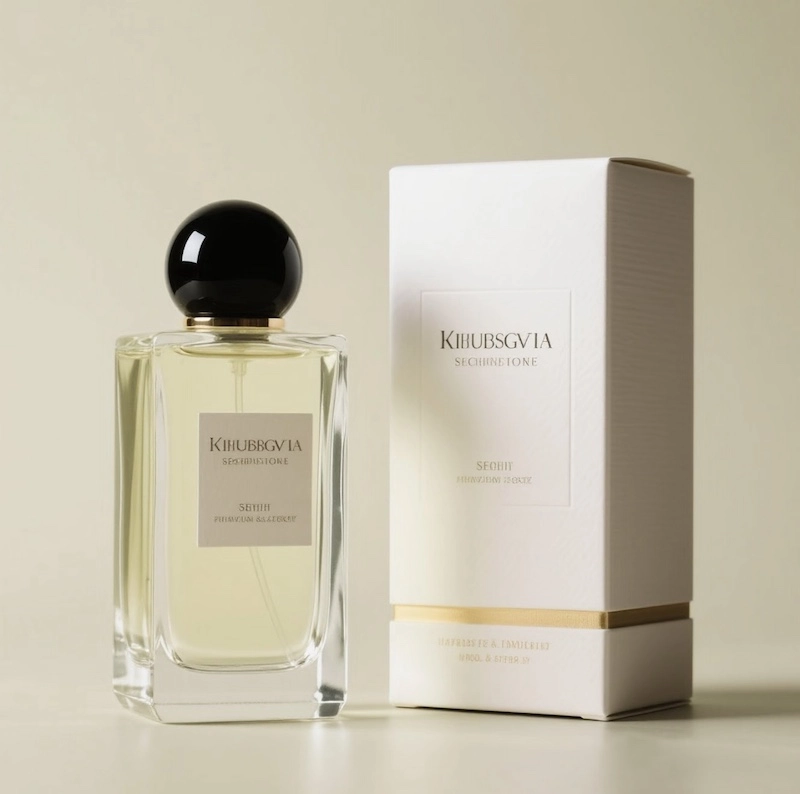
Gloss finish is known for vibrant colours and shine. It enhances colour vibrancy and contrast, giving labels a photo-quality look that catches the eye. Gloss is perfect for products that need a modern, energetic feel—ideal for grabbing attention on crowded shelves. It has traditionally been associated with high-end, luxurious products, often used to package perfume, cosmetics, and indulgent treats.
However, gloss has its limitations. The reflective surface can create glare, making text difficult to read under certain lighting conditions. It is also more prone to showing fingerprints and smudges, which can detract from the packaging's appearance over time.
Matte finish, by contrast, offers a softer, more understated appearance. Matte materials absorb and gently diffuse ink, resulting in a soft, muted appearance that exudes elegance. This makes matte ideal for natural foods, wellness products, and eco-friendly markets. It is also perfect for brands aiming for a vintage or upscale feel—think luxury candles or premium wine labels.
The choice ultimately depends on your brand's personality. Gloss suits bold, youthful, and playful brands. Matte leans towards premium, elegant, and sophisticated brands. If you want colours to pop and images to stand out, gloss may be more appropriate. If you want to convey understated elegance and reduced glare, matte is the better choice.
It is worth noting that matte finishes tend to photograph better, making them ideal for products that will be shared on social media. In an age where unboxing videos and product photography drive purchasing decisions, this is a significant advantage.
Matte and Gloss: Creating Contrast in Design
While matte and gloss are often presented as opposing choices, some of the most striking packaging designs combine both finishes to create contrast, depth, and visual interest.
Spot gloss on a matte background is one of the most effective techniques in modern packaging design. By applying a glossy coating to selected areas—such as a logo, product name, or key graphic element—brands can draw attention to what matters most. The contrast between the glossy highlight and the matte background creates visual interest and guides the customer's eye.
More brands are using spot gloss and spot matte—or spot soft touch—to create distinction between sections in the artwork. This technique adds a layer of sophistication that flat printing cannot achieve. The interplay of textures invites touch and engagement, making the packaging feel more premium and considered.
The combination of matte substrate and foil detail has become the dominant luxury packaging technique of the past decade. A deep matte black surface contrasted with radiant gold foil accents evokes both mystery and opulence. This pairing—matte for restraint, foil for brilliance—creates a tension that is visually arresting and emotionally resonant.
Embossing and debossing further enhance the effect. When combined with matte finishes, these techniques add a three-dimensional quality that invites touch and reinforces the design. A brand logo that is embossed on a matte surface feels substantial and permanent.
The interplay of matte and gloss is not just about aesthetics—it is about creating a multi-sensory experience that engages both sight and touch.
Where Matte Finish Works Best
Matte finish is not a one-size-fits-all solution. Its effectiveness depends on the product category, the brand positioning, and the desired consumer experience.
Luxury cosmetics and skincare are among the most prominent adopters of matte finish. The velvety, non-reflective surface communicates the purity and premium quality that consumers expect from high-end beauty products. Soft-touch matte finishes on tubes and packaging add "a tactile sense of luxury and personalisation" to everyday products.
Premium food and beverage products also benefit from matte finish. The understated elegance of matte aligns with the natural, authentic qualities that consumers seek in artisanal and organic foods. Matte finishes on chocolate packaging, wine labels, and gourmet gift boxes signal quality without excess.
Electronics and consumer goods have embraced matte finish as a way to convey sophistication and modernity. Brands like Apple have long used matte white packaging to create a sense of purity and precision. The finish complements the sleek, minimalist design of the products themselves.
E-commerce and direct-to-consumer brands are increasingly adopting matte finish for their shipping boxes. The tactile experience of a matte-finish box enhances the unboxing experience, turning a routine delivery into a memorable brand moment. This is particularly valuable in the subscription box and premium DTC sectors, where packaging is the primary physical touchpoint with the customer.
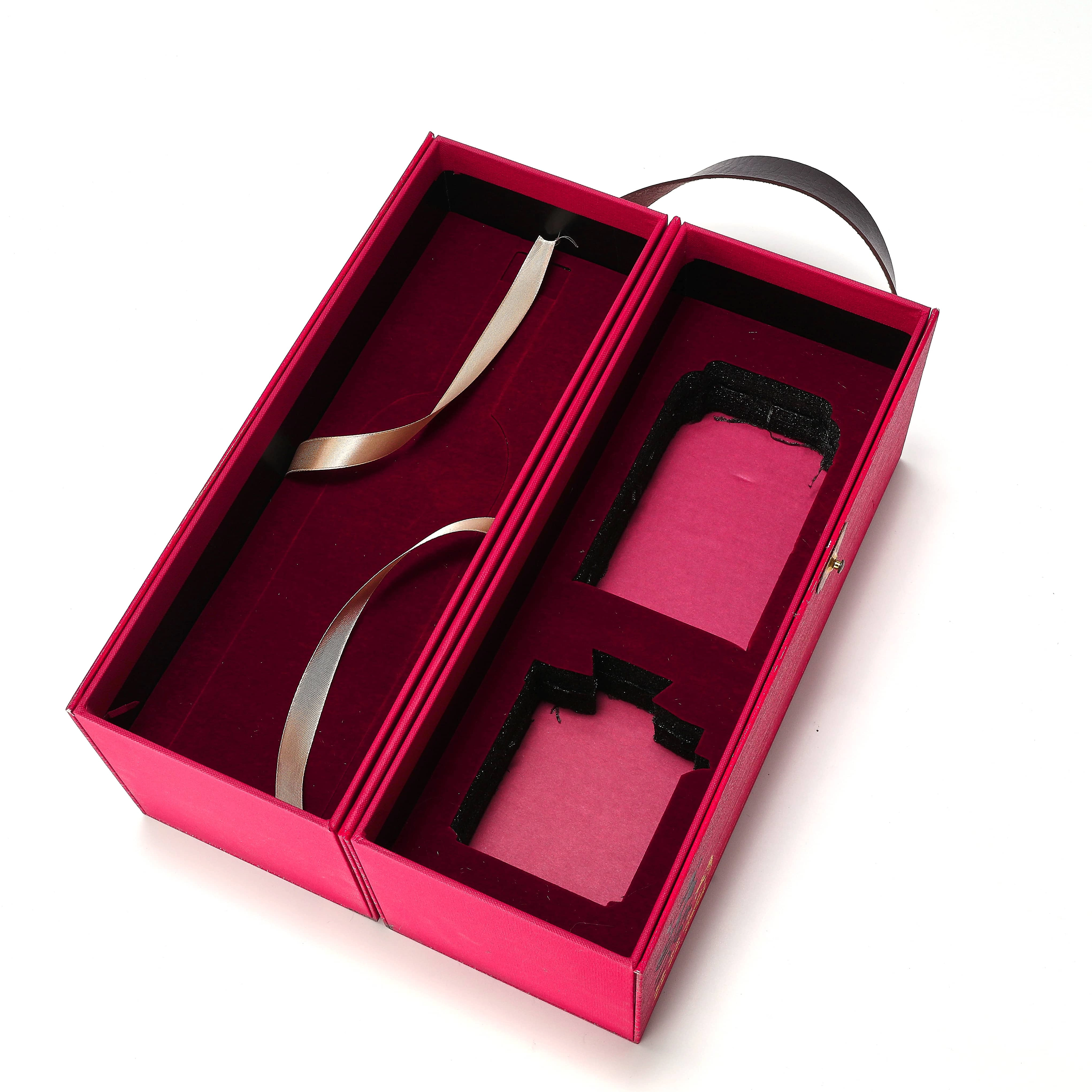
Jewellery and gift packaging has long favoured matte finishes for their ability to convey exclusivity and permanence. The deep matte black surface of a jewellery box, contrasted with gold foil accents, creates a sense of occasion and treasure.
Water-Based Matte Finish: Style Meets Sustainability
The evolution of matte finish has been accompanied by significant advances in sustainability. Water-based matte coatings are emerging as a preferred solution for brands that want the refined look of matte without compromising their environmental commitments.
Water-based matte coatings use water as the primary carrier for the coating solids, significantly reducing volatile organic compound emissions compared to solvent-based alternatives. This makes them environmentally friendly and compliant with increasingly stringent regulations.
UFlex has launched a sustainable water-based soft touch coating that delivers a matte finish with a uniform, consistent surface. The coating is 100% aqueous and environmentally friendly, aligning with global sustainability trends and low-VOC requirements. It offers practical benefits such as good scratch resistance and antiblocking performance, making it suitable for high-value packaging segments including luxury cosmetics, premium wine and spirits, high-end consumer electronics, and jewellery and gift boxes.
Innovations in material science are also enabling matte finishes without secondary coatings. For example, new matte-finish MDO-PE print films integrate a premium matte aesthetic directly into the material, eliminating the need for secondary coatings or overprint varnishes. These films offer modern shelf appeal, tactile differentiation, and premiumisation in a fully recyclable format.
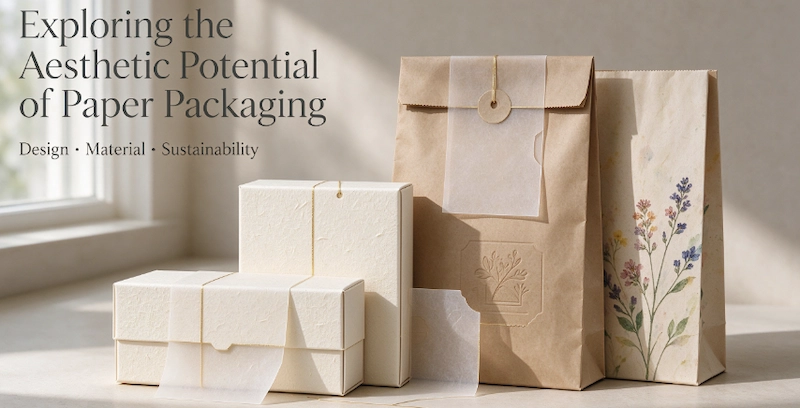
Paper-based packaging with matte finish is another sustainable trend. Brands are combining natural kraft looks with matte finishes to reinforce authentic shelf presence while using recyclable, FSC-certified materials. This approach achieves significant weight reductions compared to traditional packaging, lowering transportation emissions and material use.
Water-based matte finishes prove that style and sustainability are not mutually exclusive—they are complementary.
Designing with Matte: Trends for the Future
The rise of matte finish is not a passing moment—it is a fundamental shift in how brands approach packaging design. Several trends are shaping the future of matte finish in packaging.
Quiet luxury is perhaps the most significant trend shaping premium packaging in 2026. The aesthetic is defined by restraint, material integrity, and understated elegance. Matte and soft-touch coatings are doing much of the heavy lifting in this space, providing the tactile and visual qualities that define quiet luxury. Consumers are increasingly drawn to packaging that feels authentic, substantial, and private—qualities that matte finish delivers naturally.
Minimalism and quiet luxury are characterised by clean lines, soft neutrals, and frosted and matte finishes. This trend reflects a broader cultural shift away from excess and toward intentionality. Brands that embrace this aesthetic are signalling that they value quality over quantity, substance over spectacle.
Tactile finishes are becoming increasingly important. Embossed textures, soft-touch coatings, and matte/gloss contrasts are no longer optional—they are expected. Consumers want packaging that engages their senses, that invites them to touch and explore. Matte finish, with its inherent tactility, is at the centre of this movement.
The integration of matte with digital technologies is another emerging trend. QR codes and NFC tags are being incorporated into matte-finish packaging, creating a bridge between the physical and digital worlds. This allows brands to extend the packaging experience beyond the unboxing moment.
Sustainability will continue to drive innovation in matte finishes. As consumer expectations for environmental responsibility grow, brands will increasingly demand matte finishes that are water-based, recyclable, and derived from renewable sources. The future of matte finish is not just about looking good—it is about doing good.
Conclusion
Matte finish has evolved from a niche preference to a defining aesthetic of contemporary packaging design. It is a finish that speaks softly but carries weight—a finish that communicates sophistication, quality, and authenticity through restraint rather than excess.
For brands, the choice of matte finish is a strategic decision that signals values, shapes perceptions, and creates memorable experiences. It enhances perceived value through its tactile and visual qualities. It creates contrast and depth when combined with gloss and foil. It aligns with sustainability through water-based and recyclable formulations. And it is at the forefront of design trends that will shape the future of packaging.
In a world of visual overload, matte finish offers something increasingly precious: a moment of calm, a touch of quality, and a connection that goes beyond the surface. It is a refined look—and a powerful statement.
About Us
What kind of format is available for printing?
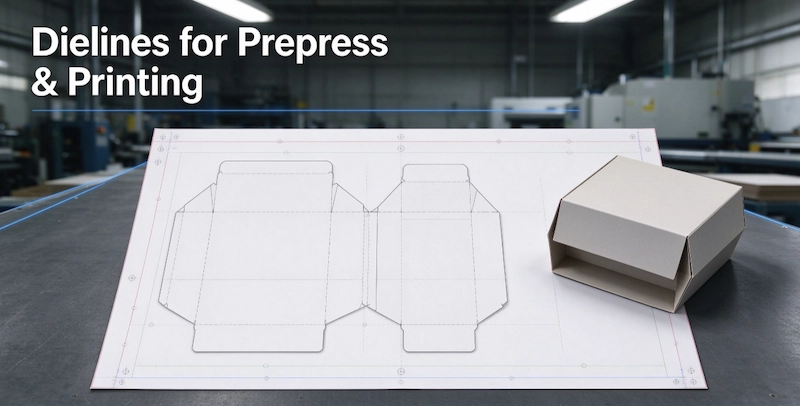
CDR, AI, PS , PSD. high resolution JPG (please Convert text to curves. If not, some words will be missing.)
Do you inspect the finished products?
Yes, each step of production and finished product will be carried out inspection
Are you a manufacturer?
Yes, we are manufacturer, and we have over decade experience in this field.
About Printing Craftsmanship
What are the advantages of embossing?
Enhances the visual and tactile appeal of printed products.
Creates a premium and professional look.
Improves brand recognition with distinct textures.
Increases durability as the embossed design remains intact over time.
Special Shape Boxes
How long does it usually take from design confirmation to delivery?
The lead time is usually 15-25 days, depending on the production of the order

Start Your Packaging Journey Today
Discover Our Curated Collection of Bespoke Packaging Cases & Tailored System Solutions
© 2025 WINPACK PRINTING. All rights reserved

Winpack Printing
https://www.facebook.com/alexwenhua123?mibextid=ZbWKwL
https://www.instagram.com/wenhua_printpackaging/