




Choosing between a rigid box and a folding carton is more than a packaging design decision. The structure you select affects product presentation, material usage, shipping efficiency, storage requirements, and total packaging cost.
For B2B buyers, packaging procurement managers, and brand owners, the right choice should balance product protection, brand positioning, manufacturing requirements, and supply chain efficiency.
This guide compares rigid boxes and folding cartons, explains their main advantages and limitations, and provides practical checklists to help you prepare a more accurate custom packaging quotation.
Quick Answer
Choose a rigid box when structural rigidity, premium presentation, product arrangement, and the opening experience are major priorities. Rigid boxes are commonly considered for jewelry, perfume, luxury cosmetics, gift sets, and premium product collections.
Choose a folding carton when efficient production, flat shipping, compact storage, retail functionality, and cost control are more important. Folding cartons are widely used for cosmetics, skincare, personal care, supplements, and retail products.
Neither format is universally better. The best packaging structure depends on product dimensions, weight, order quantity, printing requirements, shipping conditions, and total project cost.
Key Takeaways
Rigid Box vs Folding Carton: Quick Comparison
The fundamental difference between a rigid box and a folding carton is their structural construction. A rigid box is designed to maintain its finished shape, while a folding carton uses creased paperboard that can be folded into its final form.
The Paperboard Packaging Council's overview of paperboard packaging provides industry background on paperboard packaging formats, including folding cartons and rigid boxes.
| Comparison Factor | Rigid Box | Folding Carton |
|---|---|---|
| Construction | Stiff board, often wrapped with decorative paper | Printed paperboard, die-cut and creased |
| Structural rigidity | Generally higher | Depends on board grade and carton design |
| Presentation | Common for premium gift and product presentation | Suitable for standard and premium retail packaging |
| Shipping format | Conventional styles normally ship assembled | Many styles can be supplied flat |
| Storage | Usually requires more empty-box storage space | Often more compact before erection |
| Cost tendency | Generally higher for comparable applications | Often more cost-efficient at suitable volumes |
| Typical applications | Jewelry, perfume, gift sets, premium collections | Skincare, cosmetics, supplements, retail products |
What Is a Rigid Box?
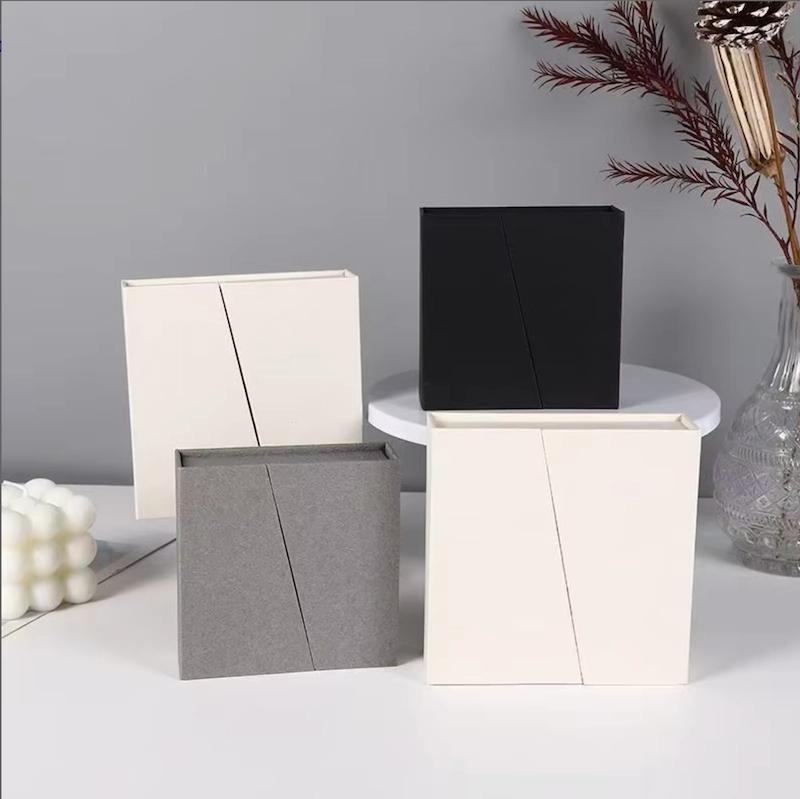
A rigid box is a paper-based packaging structure manufactured using relatively stiff board that maintains its three-dimensional shape.
In a typical construction, rigid board forms the structural body, while printed, colored, or specialty paper is wrapped around the exterior.
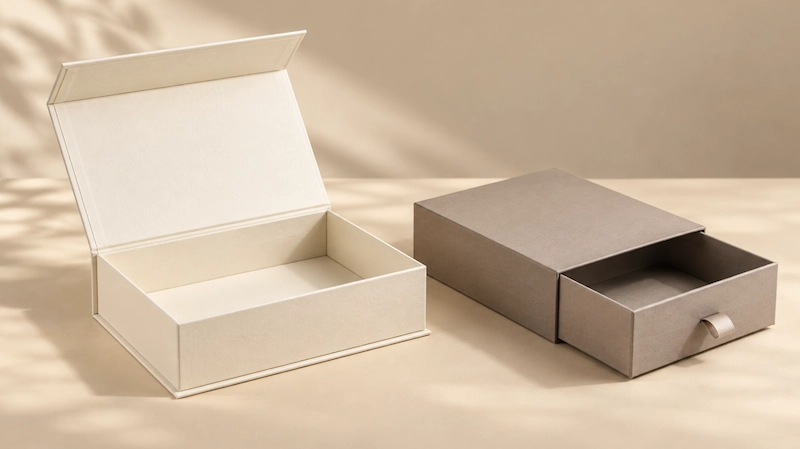
Common rigid box styles include lift-off lid boxes, magnetic closure boxes, drawer boxes, book-style boxes, and shoulder-neck boxes.
Materials and Construction
Board selection influences structural rigidity, finished appearance, packaging weight, and manufacturing cost.
Paperboard performance should be evaluated using more than thickness alone. The TAPPI paper and paperboard physical properties resources provide technical background on material characteristics and standardized testing methods relevant to paperboard specifications.
For a more detailed explanation of board cores, wrapping papers, and decorative materials, read Winpack Printing's guide to rigid box materials and paperboard options.
Typical Rigid Box Advantages
Conventional rigid boxes are normally supplied assembled. Collapsible rigid boxes are a separate structural option that may reduce empty-box shipping and storage volume.
What Is a Folding Carton?
A folding carton is generally manufactured from paperboard that is printed, die-cut, creased, folded, and glued to form the required packaging structure.
In many folding carton designs, the structural board and printable surface are part of the same substrate. This can simplify production compared with constructions requiring a separate rigid core and wrapping paper.
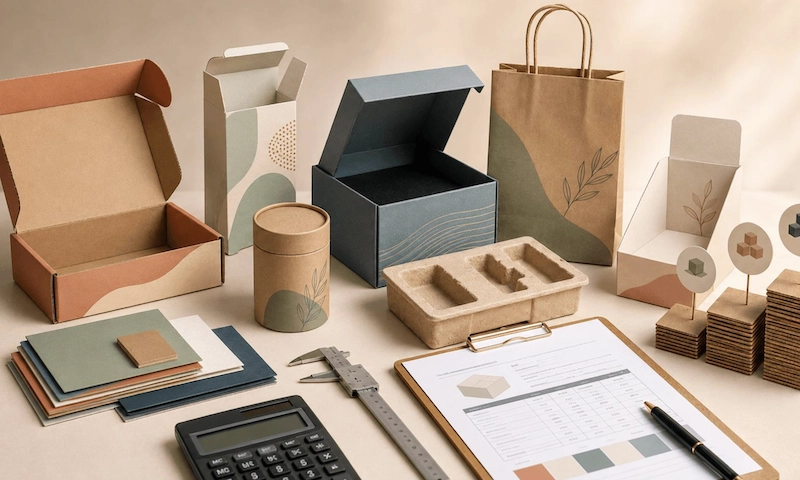
Common styles include straight tuck end cartons, reverse tuck end cartons, auto-lock bottom cartons, sleeves, window cartons, and custom die-cut structures.
Typical Folding Carton Advantages
Folding cartons are not automatically suitable for every heavy or fragile product. Board grade, carton geometry, inserts, and the complete packing system should be evaluated.
Key Differences That Matter to B2B Buyers
Materials and Construction
Rigid boxes generally use a stiff board core with an exterior wrapping material. Folding cartons typically start with printable paperboard converted through cutting, creasing, folding, and gluing.
These differences influence material usage, tooling, production steps, box weight, and packing efficiency.
Product Protection
For comparable sizes and suitable designs, rigid boxes generally resist deformation better than conventional folding cartons.
However, a stronger outer box does not automatically guarantee better shipping protection. Fragile products may require fitted inserts, secondary protection, and appropriate transportation validation.
Packaging Cost
Rigid boxes often have higher manufacturing costs because of substantial board construction, wrapping materials, assembly requirements, and greater empty-box shipping volume.
Folding cartons can be more cost-efficient for suitable applications, but complex die cutting, specialty substrates, inserts, foil stamping, and other finishes may increase their price.
Shipping and Storage
Conventional rigid boxes normally occupy their finished volume during shipping and storage. Many folding cartons can remain flat until product packing.
For international procurement, request master carton dimensions, gross weight, and packing quantity for both options.
Printing and Finishing
Both formats may support CMYK printing, spot colors, foil stamping, embossing, debossing, spot UV, lamination, and suitable specialty papers.
Actual finishing compatibility depends on the material, folds, edges, geometry, and the manufacturer's production capabilities.
When Should You Choose a Rigid Box?
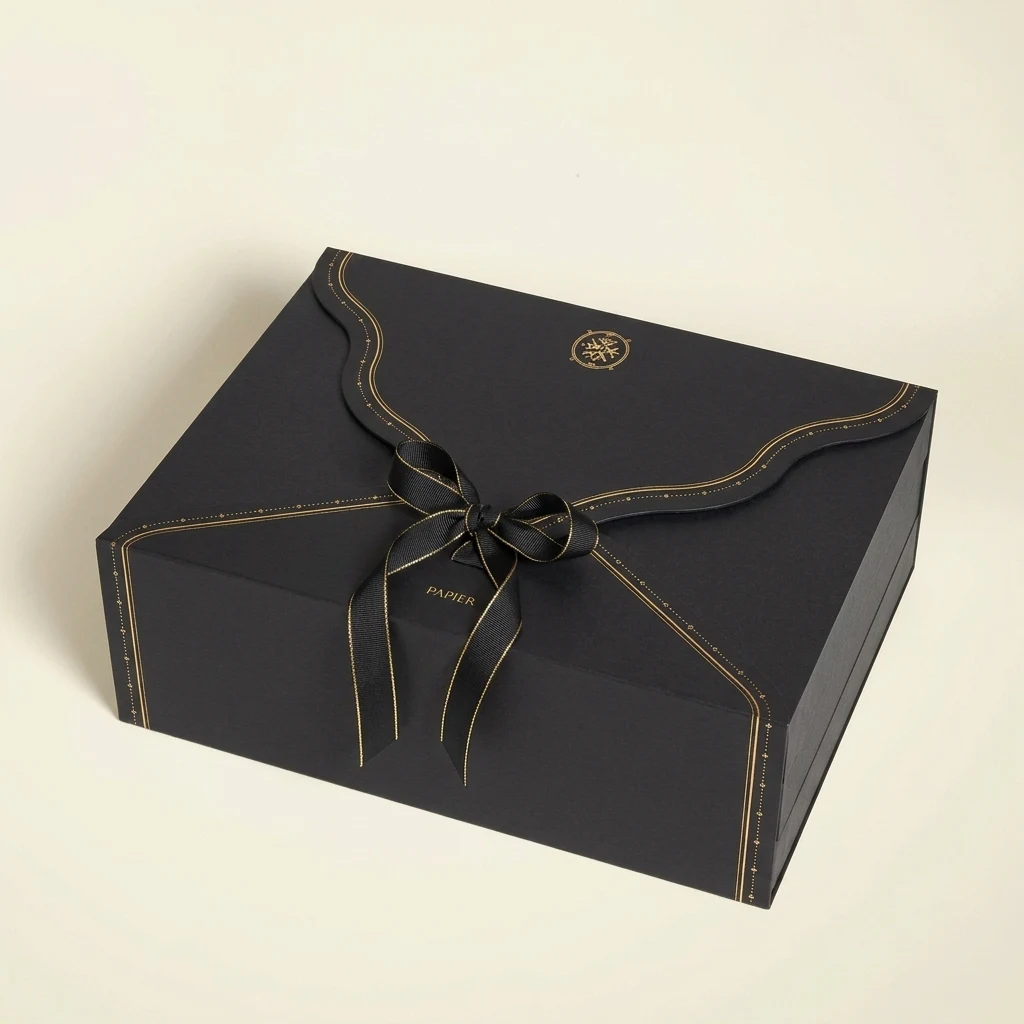
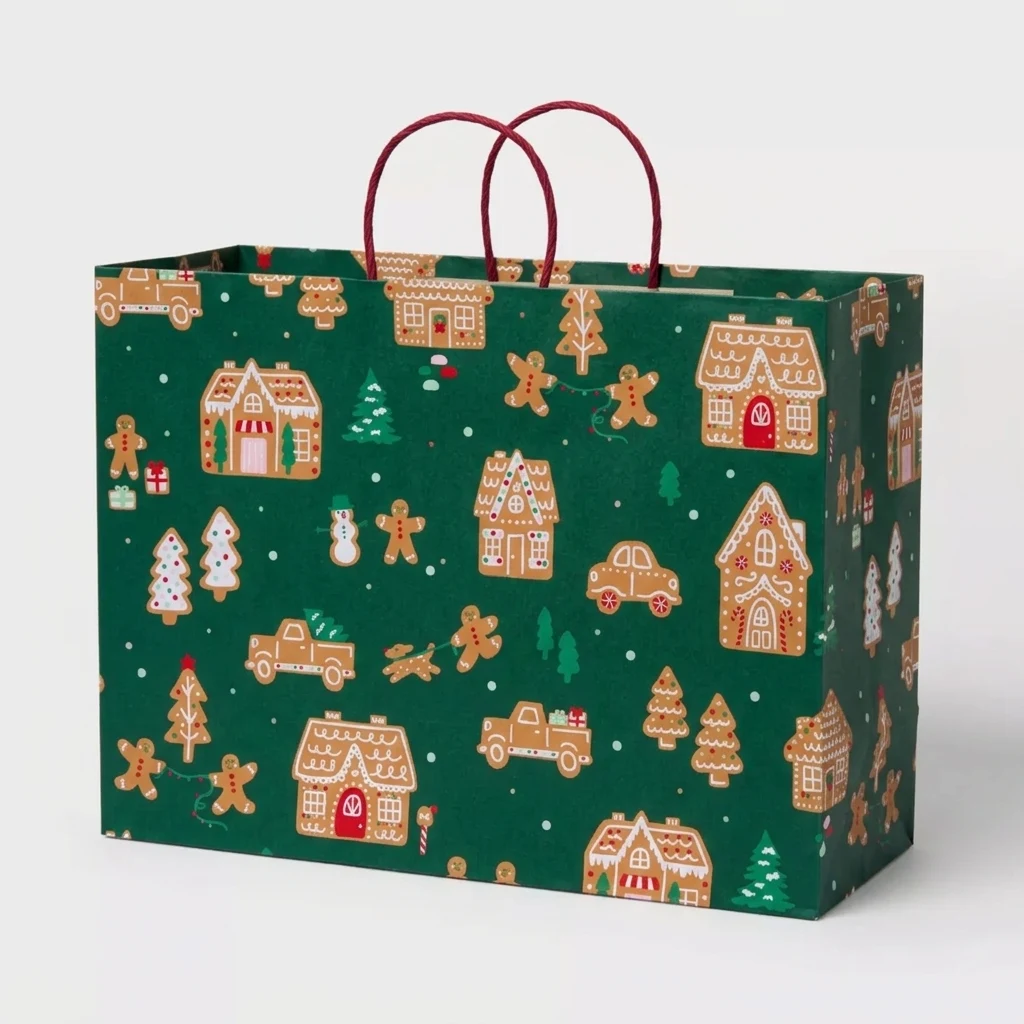
A rigid box is worth evaluating when product presentation, structural presence, and the opening experience justify additional materials, manufacturing processes, and logistics requirements.
Applications Worth Considering
Buyers should verify product weight, internal dimensions, insert design, opening performance, and transportation requirements before finalizing the structure.
When Should You Choose a Folding Carton?
A folding carton is often a practical choice when the project prioritizes retail functionality, efficient production, compact storage, and cost control.
Applications Worth Considering
If the carton must carry a heavy product or provide additional protection, confirm board specifications and structural performance before production.
Sustainability and Material Efficiency
Neither rigid boxes nor folding cartons should automatically be described as the more sustainable choice.
Environmental considerations include material quantity, board composition, coatings, adhesives, manufacturing waste, transportation efficiency, reuse potential, and local recycling systems.
When evaluating paper-based packaging, buyers should consider material composition, coatings, adhesives, and the recycling infrastructure in the destination market. The American Forest & Paper Association's industry resources provide information on paper and cardboard recycling, material recovery, and related industry topics.
Folding cartons may use less material and occupy less shipping volume in certain applications, but this does not automatically establish a lower overall environmental impact.
Rigid boxes may be designed for repeated use, but actual reuse depends on consumer behavior, durability, and the intended application.
Buyers should request appropriate documentation when recycled content, responsible sourcing, or specific environmental attributes are required.
How to Choose Between a Rigid Box and Folding Carton
Instead of starting with appearance, compare the structures against your product requirements and purchasing priorities.
| Your Main Priority | Start by Evaluating |
|---|---|
| High structural rigidity | Rigid box |
| Luxury gift presentation | Rigid box |
| Structured product reveal | Rigid box |
| Efficient flat shipping | Folding carton |
| Lower empty-box storage volume | Folding carton |
| Higher-volume retail packaging | Folding carton |
| Premium appearance with lighter construction | Premium folding carton |
| Rigid presentation with improved shipping efficiency | Collapsible rigid box |
| Fragile product protection | Evaluate the complete packaging system |
If both structures are technically possible, compare physical samples and quotations based on equivalent product requirements.
Packaging Sample Approval Checklist
Before approving production, buyers should verify both visual appearance and functional performance using an appropriate physical sample.
What to Check Before Mass Production
For rigid packaging projects, our custom rigid box sampling and prototyping guide explains structural mock-ups, print proofs, material checks, and sample approval considerations.
A visually attractive sample does not automatically prove transportation performance. Any required testing should reflect the actual product and distribution conditions.
What Should Buyers Include in a Packaging RFQ?
A clear request for quotation helps packaging manufacturers evaluate the correct structure, materials, production requirements, and costs.
| RFQ Item | Information to Provide |
|---|---|
| Product details | Product type, dimensions, weight, and photos |
| Preferred structure | Rigid box, folding carton, or both for comparison |
| Packaging dimensions | Required internal dimensions and units |
| Order quantity | Estimated quantity per design or SKU |
| Materials | Board preferences and surface requirements |
| Artwork | Logo, graphics, dielines, or reference files |
| Finishing | Printing colors, foil, embossing, or coatings |
| Inserts | Product arrangement and protection needs |
| Logistics | Destination, packing preferences, and target schedule |
| Compliance | Any required documentation or testing standards |
If both structures are technically possible, request quotations using comparable specifications. Ask suppliers to identify differences in board, inserts, finishing, assembly, and packing.
Final Recommendation
There is no universal winner in the rigid box vs folding carton comparison.
Choose a rigid box when structural rigidity, product presentation, and the opening experience justify a more substantial packaging construction.
Choose a folding carton when efficient production, flat shipping, compact storage, retail functionality, and cost control are greater priorities.
Some brands use both formats: folding cartons for regular retail products and rigid boxes for premium collections, gift sets, launch kits, or limited editions.
The most reliable decision comes from comparing actual specifications, physical samples, and total project requirements.
Frequently Asked Questions
What is the main difference between a rigid box and a folding carton?
A rigid box uses a stiff board structure that maintains its finished shape, while a folding carton uses creased paperboard designed to fold into shape.
Are rigid boxes more expensive than folding cartons?
Rigid boxes generally have a higher cost tendency due to materials, wrapping, assembly, and logistics. Actual costs depend on dimensions, quantity, finishes, and other specifications.
Can folding cartons be used for luxury products?
Yes. Carefully selected paperboard, printing, structural design, and compatible decorative finishes can create a premium appearance.
Do rigid boxes ship flat?
Conventional rigid boxes generally ship assembled. Collapsible rigid boxes are designed to fold into a more compact format for transport and storage.
Which packaging is better for cosmetics?
Folding cartons are commonly used for individual cosmetic products, while rigid boxes may suit gift sets, perfume, and premium collections. The choice depends on product requirements and positioning.
Which packaging is more sustainable?
Neither format is automatically more sustainable. Compare material use, sourcing, manufacturing, shipping, reuse, and local end-of-life options.
Should I request samples before placing an order?
For custom packaging, physical samples are advisable to check dimensions, product fit, printing, finishing, and functional performance before production approval.
Not Sure Which Box Structure Fits Your Product?
Winpack Printing provides custom paper packaging solutions for B2B buyers. Share your product dimensions, estimated quantity, artwork, preferred finishes, budget considerations, and shipping requirements.
Our team can review your packaging requirements and discuss suitable rigid box or folding carton options, subject to project specifications and technical feasibility.
Discuss Your Packaging Requirements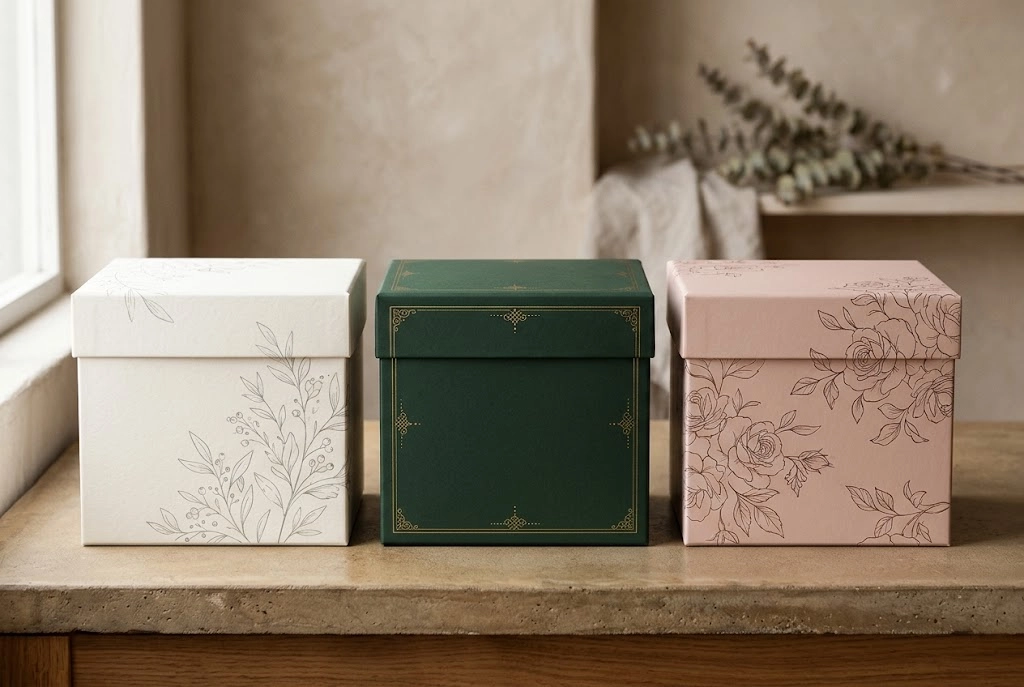



Winpack Printing
https://www.facebook.com/alexwenhua123?mibextid=ZbWKwL
https://www.instagram.com/wenhua_printpackaging/