


Secondhand Business: A Guide to Market Trends and Sustainable Packaging
Once viewed as a niche pursuit for bargain hunters and vintage enthusiasts, secondhand commerce has become a dominant force in the global retail landscape. What was once a small, alternative market has matured into a multi-billion-dollar industry that is reshaping how consumers think about ownership, value, and sustainability.
At the heart of this transformation are three powerful forces: economic pressure, environmental awareness, and technological innovation. Consumers are discovering that secondhand shopping offers not only significant savings but also a way to participate in a more circular economy. Platforms powered by artificial intelligence are making the discovery and purchase of used goods as seamless as buying new. The result is a market that is growing at twice the rate of the broader retail sector.
For businesses operating in or entering this space, understanding the dynamics of secondhand commerce is essential—and so is recognising the critical role that packaging plays in the customer experience. This guide explores the secondhand market, its sustainability advantages, and how thoughtful packaging can help businesses succeed in this rapidly growing sector.
- What Is Secondhand Commerce? Understanding the Growing Market
- How Does Secondhand Commerce Work?
- Why Is Secondhand Shopping More Sustainable?
- Why Sustainable Packaging Matters for Secondhand Businesses
- Best Packaging Solutions for Secondhand Products
- Common Packaging Challenges in the Secondhand Industry
- Secondhand Market Trends: What Does the Future Look Like?
- Conclusion
What Is Secondhand Commerce? Understanding the Growing Market
Secondhand commerce refers to the buying and selling of pre-owned goods. It encompasses a wide range of channels and categories, from clothing and accessories to electronics, furniture, and home goods. The market includes peer-to-peer platforms, brand-led resale programmes, charity shops, and specialised refurbishers.
The scale of the secondhand market is staggering. The global secondhand apparel market alone was valued at approximately $256 billion in 2025 and is projected to reach $317 billion by 2027. By 2030, the global secondhand market is expected to hit $393 billion, representing roughly 10% of total apparel spending. In the United States, the secondhand apparel market is projected to reach $78.8 billion by 2030.
In 2025, the U.S. secondhand market grew nearly four times faster than the broader retail clothing market. Over the next five years, the global secondhand market is expected to grow twice as fast as the rest of the fashion industry combined.
This growth is being driven by changing consumer behaviour. In 2025, 59% of consumers shopped secondhand apparel—a seven-point increase in just three years. The market is no longer defined by bargain hunters; it has become a mainstream shopping channel for a diverse range of consumers.
How Does Secondhand Commerce Work?
Secondhand commerce operates through several distinct models, each with its own dynamics and logistics.
Peer-to-peer platforms are the most visible and fastest-growing segment. Marketplaces like Vinted, Depop, and ThredUp connect individual sellers with buyers. These platforms handle listing, payment processing, and often provide shipping labels, but the packaging and shipping are typically managed by the seller. This decentralised model creates significant challenges for consistency and quality.
Brand-led resale programmes are another growing segment. Major brands including Patagonia, Dr Martens, Zara, and Mulberry have launched their own secondhand channels. These programmes give brands greater control over the customer experience, including packaging quality and brand presentation.
Refurbishers and recommerce specialists focus on specific product categories. Companies like Swappie buy, refurbish, and resell used iPhones, operating a more centralised model that allows for consistent packaging and quality control.
Charity shops and thrift stores remain an important part of the ecosystem, providing accessible secondhand shopping in physical locations. Foot traffic at thrift stores increased by 25.6% between 2022 and 2025, far outpacing visits to luxury and traditional retailers.
Why Is Secondhand Shopping More Sustainable?
The sustainability case for secondhand shopping is compelling, though not without nuance.
At its best, secondhand commerce extends the lifespan of products, reducing the need for new production and keeping items out of landfill. Every secondhand purchase helps shift behaviour in ways that support a circular economy and reduce the environmental impact of new production. Secondhand fashion helps reduce emissions and environmental pressure by reselling lightly used items without requiring new resource extraction or manufacturing.
However, the relationship between secondhand shopping and sustainability is complex. Research has found that while digital resale platforms successfully extend garment lifespans, they also introduce trade-offs. Peer-to-peer models tend to generate higher shipping emissions and packaging waste compared to traditional retail. Some researchers have noted that secondary markets can enable overconsumption rather than curb it, with consumers purchasing more items overall because they feel their secondhand purchases are "greener".
Additionally, the donation and resale ecosystem has its own waste challenges. Often only 10–20% of clothing donations actually reach retail racks, with the rest exported or creating environmental burdens elsewhere.
For businesses in the secondhand space, these complexities underscore the importance of sustainable practices throughout the value chain—including packaging.
Why Sustainable Packaging Matters for Secondhand Businesses
For secondhand businesses, packaging is not just a logistical necessity—it is a reflection of brand values and a critical touchpoint in the customer experience.
Packaging communicates sustainability credibility. A secondhand business that uses excessive plastic, oversized boxes, or non-recyclable materials undermines its own sustainability messaging. Customers who choose secondhand for environmental reasons expect the entire experience to reflect those values. Choosing eco-friendly packaging demonstrates that sustainability is more than just a marketing claim.
Packaging affects customer trust and repeat purchases. The unboxing experience for a secondhand item is just as important as for a new one. Thoughtful, professional packaging signals that the item has been carefully handled and inspected. This is particularly important for higher-value items like electronics or designer clothing. Poor packaging can erode trust and discourage repeat business.
Packaging impacts operational efficiency. In peer-to-peer models, inconsistent packaging is a major challenge. Sellers using unsuitable materials—such as plastic bin bags—can lead to lost, unlabelled, or damaged parcels. Standardised, sustainable packaging solutions can improve sorting efficiency and reduce claims.
Packaging can drive customer participation. For businesses that rely on customers sending items in, packaging is a critical conversion tool. Companies like Swappie have found that providing secure, professional packaging increases customer trust and boosts send-in rates.
Best Packaging Solutions for Secondhand Products
The secondhand industry has unique packaging needs that differ from traditional retail. Several innovative solutions are emerging to meet these needs.
Reusable packaging systems are gaining traction. PostNord and Vinted have partnered to offer reusable packaging for sellers in Sweden. The packaging, made from 50% virgin fibre and 50% recycled fibre, is designed to be reused multiple times. The pilot has been well received, with 23% of Vinted sellers already using the new packaging.
Tailor-made reusable kits are being adopted by refurbishers. Swappie partnered with RePack to design a secure, reusable "Sales-pack Kit" for iPhone trade-ins. The packaging fits all iPhone models, features a tamper-evident design with integrated padding, and is unbranded for security. Because the packaging is reusable, the company can justify investing in a durable, highly protective design.
Paper-based and recyclable materials remain a core option. Best practices for sustainable packaging in secondhand e-commerce include using biodegradable filling materials such as paper or shredded cardboard, reusing shipping boxes that are in good condition, and avoiding boxes that are too large for items. The goal is to create flexible packaging solutions that promote sustainability across the entire industry.
Returnable packaging models are emerging as an opportunity, though they come with challenges around cost, return rates, durability, functionality, and logistics.
Common Packaging Challenges in the Secondhand Industry
The secondhand industry faces distinct packaging challenges that require creative solutions.
Inconsistent packaging quality is a major issue in peer-to-peer models. Sellers use whatever materials they have on hand, from plastic bags to old shoeboxes. This leads to damaged parcels, sorting difficulties, and a poor customer experience. Standardising packaging through partnerships with carriers or platforms can address this challenge.
Security concerns are heightened for high-value items. Customers worry that expensive electronics or designer goods may be damaged or stolen in transit. Packaging that is anonymous, tamper-evident, and well-padded helps address these concerns.
Balancing durability and sustainability is a constant tension. Packaging must be durable enough to withstand the shipping process while using recycled materials. Recycled materials may not always offer the same quality as new materials, requiring careful design and testing.
Reverse logistics add complexity. Packaging that is reused or returned must be tracked, cleaned, and redistributed. While returnable packaging is emerging as an opportunity, significant barriers remain.
Cost pressures are real. In peer-to-peer models, the seller often bears the cost of packaging. Affordable, sustainable solutions are essential for encouraging adoption.
Secondhand Market Trends: What Does the Future Look Like?
Several key trends will shape the future of secondhand commerce and its packaging needs.
Gen Z and Millennials will drive market growth. These younger generations are expected to account for roughly 71% of total market growth through 2030. This cohort has grown up with resale as a normal part of shopping, creating a durable foundation for continued growth.
AI will transform discovery and reduce friction. Artificial intelligence is helping online platforms catalogue vast assortments and match buyers with items. Nearly half of shoppers now discover secondhand finds through social media and influencer feeds rather than traditional search. AI is also reducing the "points of friction" between spotting an item and buying it.
Supply will become the new constraint. With rapidly growing demand, the industry is racing to find enough stock. To unlock additional market value, the focus must shift to making the act of selling just as easy as clicking "buy".
Cost pressure will make secondhand essential. Economic pressures are moving resale from optional to essential for many consumers. Almost three-quarters of consumers report that rising prices are impacting their apparel spending, and many plan to increase secondhand shopping to offset those prices.
Packaging innovation will be critical. As the market scales, the need for standardised, sustainable, and cost-effective packaging solutions will only grow. Partnerships between platforms, carriers, and packaging innovators will be essential for meeting this need.
Conclusion
Secondhand commerce has evolved from a fringe activity to a mainstream shopping channel that is reshaping the retail landscape. With the global market projected to reach $393 billion by 2030, the opportunities for businesses in this space are immense.
For brands operating in the secondhand economy, success will depend on more than just having the right inventory. It will depend on building trust, delivering a consistent customer experience, and demonstrating a genuine commitment to sustainability. Packaging is a critical part of that equation—it is the touchpoint that connects the transaction to the customer's physical experience.
As the market continues to grow, innovative packaging solutions—reusable systems, sustainable materials, and secure designs—will become essential tools for building customer confidence and operational efficiency. The businesses that invest in thoughtful packaging today will be well-positioned to lead the secondhand market tomorrow.




OEM Services
Do you ship internationally?
Yes, we have a well-established global supply chain and offer international shipping services. Whether you need local or worldwide delivery, we ensure reliable logistics support.
About Us
What kind of format is available for printing?
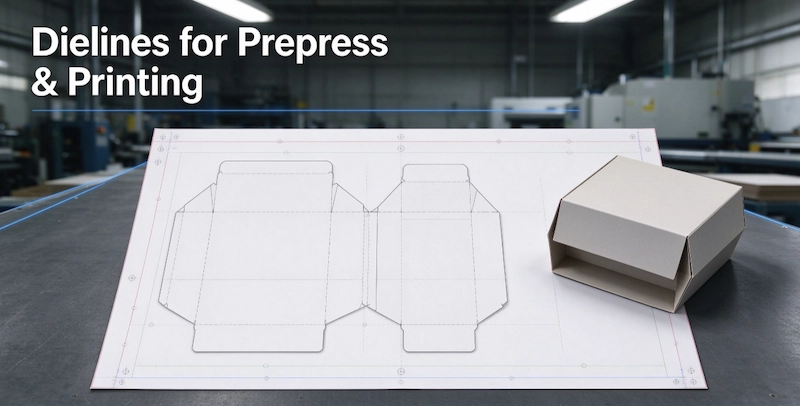
CDR, AI, PS , PSD. high resolution JPG (please Convert text to curves. If not, some words will be missing.)
Can you do the design for us?
Yes. We can offer free design the artwork according to your requirement.
What is the minimum order quantity for packaging?
1000 units. The MOQ is based on every unique box (e.g. size, design).
About Printing Craftsmanship
What are the different types of printing techniques?
There are various printing techniques used for different purposes, including:
Offset Printing – Ideal for high-volume commercial printing, offering sharp and high-quality images.
Digital Printing – Suitable for short-run printing with fast turnaround times.
Screen Printing – Used for printing on textiles, plastics, and other materials with thick ink layers.
Hot Stamping – Adds metallic or pigmented foil using heat and pressure for a luxurious look.
Embossing & Debossing – Creates raised or recessed designs for a textured effect.
UV Printing – Uses ultraviolet light to instantly dry ink, offering vibrant colors and enhanced durability.



Start Your Packaging Journey Today
Discover Our Curated Collection of Bespoke Packaging Cases & Tailored System Solutions
© 2025 WINPACK PRINTING. All rights reserved

Winpack Printing
https://www.facebook.com/alexwenhua123?mibextid=ZbWKwL
https://www.instagram.com/wenhua_printpackaging/