


What Is Aqueous Coating? A Complete Guide
When you hold a beautifully printed packaging box, a glossy magazine cover, or a premium product label, you are likely experiencing the benefits of a protective coating. Among the various coating options available, aqueous coating stands out as one of the most versatile, environmentally friendly, and cost-effective solutions in the printing and packaging industry.
Aqueous coating is a water-based protective finish applied to printed materials. It enhances the appearance of the print, provides a protective barrier against wear and moisture, and can be formulated to achieve various finishes—from high gloss to soft matte. It is widely used in packaging, commercial printing, and label production, offering an excellent balance of performance, sustainability, and affordability.
This guide explores everything you need to know about aqueous coating: what it is, why you should choose it for your packaging, how it works, how it can help reduce costs, and how to select the right type for your products.
What Is an Aqueous Coating?
Aqueous coating is a clear, water-based protective coating applied to printed paper and paperboard surfaces. It is the most commonly used coating in the commercial printing industry, valued for its versatility, environmental benefits, and cost-effectiveness.
The term "aqueous" refers to the water-based nature of the coating. Unlike other coatings that rely on solvents or UV-curing chemistry, aqueous coatings use water as the primary carrier for the coating solids. This makes them significantly more environmentally friendly than solvent-based alternatives, as they emit fewer volatile organic compounds (VOCs) during application and drying.
Aqueous coatings are typically applied as a thin, transparent layer over printed ink. They serve two primary functions:
Protection: The coating forms a barrier that protects the printed surface from scuffs, scratches, fingerprints, smudges, and moisture. This is particularly important for packaging that will be handled frequently or exposed to challenging environments.
Enhancement: The coating enhances the visual and tactile qualities of the print. Depending on the formulation, it can create a high-gloss shine, a subtle satin sheen, or a soft, velvety matte finish.
Aqueous coatings are available in a range of formulations, including gloss, matte, satin, and specialty finishes such as soft-touch. They can be applied as a flood coating covering the entire printed sheet or as a spot coating applied to specific areas of the design.
Why Choose Aqueous Coating for Packaging?
Aqueous coating offers a compelling combination of benefits that make it an excellent choice for packaging applications.
Superior Protection: Aqueous coatings are more durable than other coatings and varnishes, providing exceptional scratch, rub, and fingerprint resistance. This is crucial for packaging that will be handled by consumers, shipped long distances, or displayed on retail shelves. The protective layer helps maintain the appearance of the packaging throughout its lifecycle.
Excellent Print Enhancement: Aqueous coatings enhance the visual impact of printed graphics. Gloss coatings make colours appear more vibrant and saturated, while matte coatings create a sophisticated, understated look. The coating also improves the contrast and depth of images, making the design more eye-catching and professional.
Environmental Friendliness: Aqueous coatings are water-based and contain significantly fewer VOCs than solvent-based coatings. They are considered environmentally friendly and are widely accepted in packaging that must meet strict food safety or sustainability standards. Many aqueous coatings are also recyclable and compatible with paper recycling streams.
Fast Drying: Aqueous coatings dry quickly when exposed to heat, making them compatible with high-speed printing operations. This efficiency reduces production time and allows for faster turnaround on print jobs. The rapid drying also minimises the risk of smudging or marking during further processing.
Versatility: Aqueous coatings are available in a wide range of finishes—gloss, matte, satin, soft-touch, and more. They can be applied as flood coatings or as spot coatings, allowing for creative effects that highlight specific elements of the design. This versatility makes them suitable for a broad range of packaging applications.
Cost-Effectiveness: Aqueous coatings are generally more affordable than lamination and other protective finishes. They offer excellent protection and aesthetic enhancement at a lower cost, making them an attractive option for both small and large production runs.
How Does Aqueous Coating Work?
The application of aqueous coating is a straightforward process that integrates seamlessly into the printing workflow.
Application: Aqueous coating is typically applied after the printing process, using a separate coating unit on the printing press or an offline coater. The coating is applied as a liquid film to the printed sheet. The coating is water-based, consisting of a clear polymer dispersion in water, along with additives that control viscosity, flow, and finish.
Drying: After application, the coated sheets pass through a drying section where hot air is blown across the surface. The heat evaporates the water from the coating, leaving behind a thin, solid film of polymer on the printed surface. This drying process typically takes only a few seconds, making aqueous coating compatible with high-speed production.
Curing: Unlike UV coatings that require UV light to cure, aqueous coatings cure through simple evaporation of the water carrier. Once the water has evaporated, the coating is dry and ready for further processing, such as die-cutting, folding, or gluing.
The chemistry of aqueous coatings involves several key components:
-
Polymers: The primary solids in the coating, typically acrylic resins or styrene-acrylic copolymers. These form the protective film after drying.
-
Water: The carrier that allows the coating to be applied as a liquid.
-
Additives: Small amounts of additives control the coating's viscosity, flow, and surface properties.
The result is a clear, durable film that bonds with the printed surface, providing a protective and decorative layer that enhances the final product.
How Can Aqueous Coating Help Reduce Costs?
Aqueous coating is not only an effective protective finish but also a cost-saving solution for packaging and printing operations.
Lower Material Costs: Aqueous coatings are typically less expensive than lamination and other protective finishes. Aqueous coating is a more affordable alternative to lamination, providing similar protective and aesthetic benefits at a lower cost per unit. This makes it an attractive option for brands seeking premium quality without the premium price tag.
Reduced Production Time: Aqueous coatings dry quickly, allowing for faster turnaround on print jobs. This efficiency reduces labour costs and increases production capacity. The rapid drying also allows for immediate further processing, such as folding, gluing, and die-cutting, without the risk of smudging or marking.
Lower Waste: Because aqueous coatings are water-based, they produce less hazardous waste than solvent-based coatings. Waste disposal costs are lower, and the environmental compliance burden is reduced. The coatings themselves can be formulated without heavy metals or other hazardous substances, simplifying waste management.
Energy Efficiency: The drying process for aqueous coatings requires less energy than UV curing, reducing energy costs and the carbon footprint of the production process. The use of hot air drying is energy-efficient compared to the high-energy UV lamps required for UV coatings.
Reduced Rework and Waste: Aqueous coatings provide a durable protective layer that reduces the risk of damage during handling, shipping, and display. This minimises product damage and returns, saving money on replacements and customer service.
Food Safety Compliance: Aqueous coatings are available in food-safe formulations, allowing brands to use them on food packaging without the cost of specialised food-grade coatings. This simplifies compliance with food safety regulations and reduces the cost of regulatory testing and certification.
How to Choose the Right Aqueous Coating for Your Products?
Selecting the right aqueous coating depends on several factors, including your product, your brand's aesthetic, and your performance requirements.
Consider the desired finish:
-
Gloss Aqueous Coating: Offers a shiny, reflective surface that makes colours "pop" and adds depth and detail. It is ideal for packaging that needs to stand out on the shelf and for designs with high-impact images.
-
Matte Aqueous Coating: Provides a subtle, non-reflective finish that conveys sophistication and understated elegance. It is well-suited for minimalist designs, text-heavy packaging, and brands seeking a modern, refined look.
-
Satin Aqueous Coating: Combines the best of both worlds—soft and subtle like matte, yet with a slight sheen that adds visual interest. It creates a finish that looks refined while still offering good protection against fingerprints and scuffs.
-
Soft-Touch Aqueous Coating: Adds a velvety, smooth texture that feels luxurious to the touch. It is often used for premium products and packaging that benefits from a tactile experience.
Consider the level of protection required: Products that will be handled frequently, shipped long distances, or exposed to challenging environments may require a coating with enhanced durability and scuff resistance. Discuss your requirements with your printer to select the appropriate formulation.
Consider the printing process: Aqueous coatings are compatible with most printing methods, including offset, flexographic, and digital printing. However, the specific coating formulation may need to be adjusted for different printing processes. Work with your printer to ensure compatibility.
Consider sustainability requirements: If your brand has sustainability commitments, choose an aqueous coating that is recyclable, food-safe (if applicable), and free from heavy metals. Many aqueous coatings are compatible with paper recycling streams, supporting circular economy principles.
Consider the substrate: The type of paper or board being printed affects the performance of the aqueous coating. Coated papers may require different formulations than uncoated papers. Discuss your substrate with your coating supplier to select the appropriate coating.
Consider the budget: Aqueous coatings are available in a range of formulations with different costs. Gloss and matte coatings are typically the most economical, while specialty finishes such as soft-touch command a premium. Consider your budget and your brand's quality expectations when making your selection.
Conclusion
Aqueous coating is a versatile, cost-effective, and environmentally friendly solution for protecting and enhancing printed packaging. Its ability to deliver durable protection, vibrant aesthetics, and fast drying times makes it a preferred choice for brands seeking to elevate their packaging without excessive cost.
Understanding the different types of aqueous coatings—from gloss and matte to soft-touch and satin—enables you to select the right finish for your product and brand. By considering your desired look, protection requirements, sustainability goals, and budget, you can choose an aqueous coating that enhances your packaging and supports your business objectives.
Whether you are packaging cosmetics, food, electronics, or consumer goods, aqueous coating offers a reliable solution that balances performance, appearance, and cost. It is a finish that delivers both immediate visual impact and lasting value.
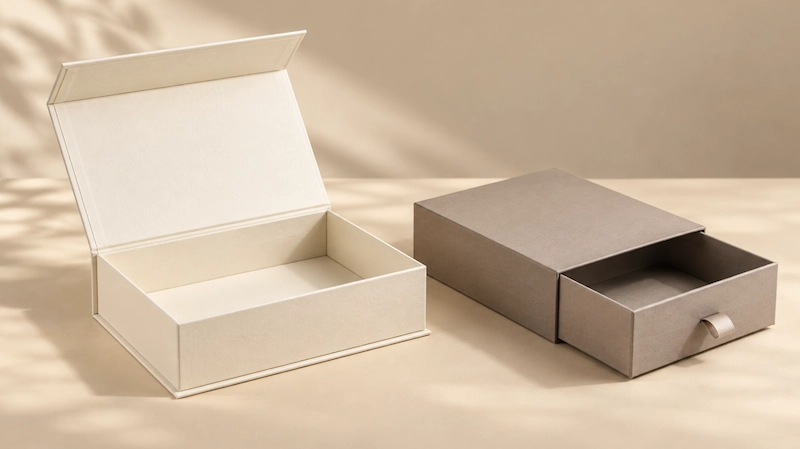
Rigid Magetic Boxes
Can I order a sample of my packaging box?
Yes, we strongly recommend that you do so, we provide a variety of sample types to meet different usage situations and help you guarantee the best results!
About Us
What kind of format is available for printing?
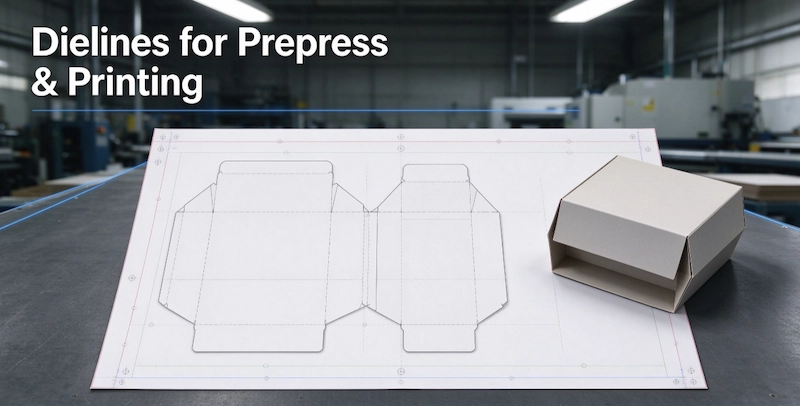
CDR, AI, PS , PSD. high resolution JPG (please Convert text to curves. If not, some words will be missing.)
How to start the mass production?
Once received the 30% deposite, we will arrange the mass prouction.The balance need to be paid before delivery.
Special Shape Boxes
Can I get a sample before placing an official order?
Yes, we provide samples to our customers. Please contact our sales team to inquire about sample availability and pricing.
About Printing Craftsmanship
What is the difference between offset and digital printing?
Offset Printing: Best for large-volume production, offering high-quality prints at a lower cost per unit.
Digital Printing: Suitable for short runs, allowing quick setup, customization, and fast printing.


Start Your Packaging Journey Today
Discover Our Curated Collection of Bespoke Packaging Cases & Tailored System Solutions
© 2025 WINPACK PRINTING. All rights reserved

Winpack Printing
https://www.facebook.com/alexwenhua123?mibextid=ZbWKwL
https://www.instagram.com/wenhua_printpackaging/