

What Is the Difference Between Stickers and Labels?
Stickers and labels are everywhere. They adorn product packaging, shipping boxes, laptops, water bottles, retail shelves, and promotional mailers. They are both adhesive-backed pieces of material that carry information, branding, or decoration. Because they look similar and are often produced using similar materials and printing methods, many people use the terms interchangeably.
But stickers and labels are not the same thing. They serve different purposes, are used in different contexts, and are designed with different priorities in mind. Understanding the distinction is important for businesses that want to use them effectively—whether for branding, product information, or customer engagement.
This guide explains the key differences between stickers and labels, explores their unique uses, and provides practical guidance on choosing the right option for your needs.
Stickers vs. Labels: Key Differences and Uses
The most fundamental difference between stickers and labels lies in their purpose and application.
Stickers are primarily decorative or promotional. They are designed to be applied to a surface for visual impact, self-expression, or branding. A sticker is often something the consumer chooses to apply—a logo on a laptop, a motivational quote on a water bottle, or a fun design on a phone case. Stickers are used for personal expression, brand promotion, and adding visual interest to objects.
Labels are primarily informational. They are designed to convey important information about a product, such as its ingredients, usage instructions, warnings, barcodes, or expiration dates. A label is typically applied by a manufacturer or retailer as part of the product packaging. It is not usually optional—it is a required component that ensures the product meets regulatory standards and provides the consumer with essential details.
Stickers are often larger and more visually elaborate. Because their main job is to catch the eye, stickers tend to feature bold graphics, bright colours, and creative designs. They may be die-cut into custom shapes that match the artwork. Labels, by contrast, are often more functional in appearance. While they can be beautifully designed, their primary purpose is to communicate information clearly and legibly. Labels are usually rectangular or circular, though custom shapes are also possible.
Stickers are typically used on non-product surfaces or as promotional extras. They are applied to laptops, cars, windows, notebooks, and packaging as a decorative or branding element. Labels are applied directly to products or their packaging as an integral part of the product's presentation and compliance.
Stickers are often removable or repositionable. Many stickers are designed to be peeled off without leaving residue, especially if they are promotional or decorative. Labels are usually permanent—they are meant to stay on the product for its entire lifecycle, providing information that the consumer may need to reference repeatedly.
Labels must meet regulatory requirements. Depending on the industry and product, labels may need to include specific information in a specific format. Food labels must list ingredients and allergens. Pharmaceutical labels must include dosage instructions and warnings. Cosmetic labels must list ingredients and may need to include batch numbers. Stickers have no such requirements—they are purely optional and creative.
In short, stickers are about expression and promotion. Labels are about information and compliance. Both have their place, and both can be customised to reflect a brand's identity.
Why Use Custom Stickers for Your Business?
Custom stickers are a powerful and cost-effective tool for building brand awareness, engaging customers, and adding a personal touch to your packaging.
Brand recognition is one of the primary benefits. A well-designed sticker featuring your logo, colours, and tagline can turn any surface into a brand touchpoint. When customers apply your sticker to their laptop, water bottle, or notebook, they become walking advertisements for your brand. This organic exposure is invaluable and builds recognition over time.
Customer engagement is another key advantage. Stickers are fun, tactile, and shareable. They invite interaction in a way that other marketing materials do not. Including a sticker in a product package or order shipment creates a moment of delight that customers remember and often share on social media.
Packaging enhancement is a practical use. A custom sticker can be used to seal a box, decorate a mailer, or add a finishing touch to a gift. It transforms ordinary packaging into something special and branded. Even a simple sticker can elevate the unboxing experience and make the customer feel valued.
Promotional giveaways are a classic use for stickers. At events, trade shows, or as part of a marketing campaign, stickers are an affordable and effective giveaway that people actually want to take home. They are small, lightweight, and easy to distribute.
Personalisation is another benefit. Custom stickers can be produced with variable data, such as the customer's name or a unique message. This adds a personal touch that strengthens the relationship between the brand and the customer.
Versatility makes stickers suitable for almost any industry. Whether you run a coffee shop, a clothing brand, a tech startup, or a charity, stickers can be adapted to suit your brand and your goals.
Custom Sticker Sizes, Shapes, Materials, and Design Options
One of the greatest strengths of custom stickers is the range of options available. You can tailor every aspect of your stickers to match your brand and your intended use.
Sizes range from tiny stickers used for product seals to large stickers used for promotional displays. The size you choose depends on the amount of information or artwork you want to include and where the sticker will be applied. Small stickers are ideal for logo-only designs or as packaging seals. Larger stickers can accommodate more detailed artwork, messages, or multiple elements.
Shapes are virtually unlimited. The most common shapes are circles, squares, and rectangles, but die-cut stickers can be produced in any custom shape—a silhouette of your logo, a product shape, or an abstract design. Custom shapes make stickers more distinctive and memorable. Kiss-cut stickers on a backing sheet are also popular for retail and multi-sticker sets.
Materials affect durability, appearance, and cost. Vinyl is the most popular choice for stickers because it is durable, weather-resistant, and suitable for both indoor and outdoor use. Paper stickers are more affordable but less durable. Polyester stickers offer exceptional strength and chemical resistance. Holographic and metallic materials create striking visual effects.
Finishes add texture and protection. Gloss finish creates a shiny, reflective surface that makes colours pop. Matte finish offers a subtle, non-reflective appearance that feels sophisticated. Soft-touch finish adds a velvety texture that feels luxurious. Lamination can be applied for extra durability and protection against scratches, water, and UV light.
Design options are limited only by your creativity. Full-colour printing, foil stamping, embossing, and spot UV are all available. You can print your logo, tagline, artwork, or any other design element. The key is to create a design that is clear, recognisable, and aligned with your brand identity.
Adhesive options should also be considered. Permanent adhesive is the standard for most stickers. Removable adhesive allows the sticker to be peeled off cleanly. Repositionable adhesive allows the sticker to be moved and reapplied. The choice depends on how the sticker will be used and whether it needs to be removed later.
What Are Product Labels and What Are They Used For?
Product labels are informative pieces of material applied directly to a product or its packaging. They are a legal requirement for many products and serve as the primary means of communication between the manufacturer and the consumer.
Product labels provide essential information. They tell the consumer what the product is, how to use it, and what it contains. This includes ingredients, nutritional information, usage instructions, warnings, and manufacturer details. Without this information, the product cannot be legally sold in most markets.
Labels ensure regulatory compliance. Different industries have different labelling requirements. Food and beverage labels must comply with food safety regulations. Pharmaceutical labels must meet strict requirements for dosage and warnings. Cosmetic labels must list ingredients and may need to include batch numbers. Compliance is not optional—it is a legal obligation.
Labels facilitate identification and tracking. Barcodes, QR codes, serial numbers, and batch numbers are all commonly included on labels. These allow products to be scanned, tracked, and traced through the supply chain. They also enable inventory management and recall procedures if necessary.
Labels communicate brand identity. While their primary purpose is informational, labels also serve as a branding tool. The design, colours, and typography of a label communicate the brand's personality and values. A premium label design can enhance the perceived value of a product and make it stand out on the shelf.
Labels provide important safety information. Warnings, allergens, and usage instructions are critical for consumer safety. Labels ensure that consumers are aware of any risks or special handling requirements associated with the product.
Labels can be used for promotional purposes. While informational content is mandatory, labels can also include promotional messages, limited-time offers, or QR codes that link to additional content. This makes labels a multi-functional marketing tool.
Product Label Types, Sizes, Shapes, and Applications
Product labels come in many forms, each suited to different applications and products.
Types of labels include:
-
Pressure-sensitive labels: The most common type, applied by peeling off a backing sheet. They are available in a wide range of materials and finishes.
-
Shrink sleeve labels: These are printed on a plastic film that shrinks to fit the shape of the product when heat is applied. They are ideal for curved or irregularly shaped containers.
-
Wrap-around labels: These are applied around the entire circumference of a container. They are commonly used for bottles and cans.
-
In-mould labels: These are placed inside a mould before the container is formed, becoming an integral part of the container. They are highly durable and resistant to moisture.
-
Hang tags: These are attached to products by a string or plastic fastener. They are commonly used for clothing and accessories
-
Sizes vary widely depending on the product and the amount of information required. A small bottle of essential oil may have a tiny label with minimal text. A large cereal box may have a label that covers a significant portion of the front and back panels. The size must be sufficient to accommodate all mandatory information while remaining legible.
Shapes are typically rectangular or circular, but custom shapes are also available. The shape should align with the product's design and the available surface area. A curved bottle may require a curved label, while a flat box can accommodate a standard rectangular label.
Applications span every industry. Food and beverage labels must meet food safety regulations. Pharmaceutical labels must include dosage and warning information. Cosmetic labels must list ingredients. Industrial labels must include safety warnings and handling instructions. Retail labels must include pricing and barcode information.
Materials for labels include paper, vinyl, polyester, and specialty films. The choice depends on the product, the environment, and the required durability. Waterproof labels are essential for products that may be exposed to moisture. Chemical-resistant labels are needed for products that contain solvents or oils. Freezer-grade labels are required for frozen products.
Printing and finishing options are similar to those for stickers. Flexographic, digital, and offset printing are all used. Coatings such as gloss, matte, and varnish protect the label and enhance its appearance. Foil stamping and embossing add a premium look.
Conclusion
Stickers and labels may look similar, but they serve fundamentally different purposes. Stickers are primarily decorative, promotional, and optional—they are about expression and brand engagement. Labels are primarily informational, regulatory, and essential—they are about compliance and consumer safety.
Understanding this distinction helps businesses make informed decisions about their packaging and marketing. Custom stickers are a powerful tool for building brand awareness and delighting customers. Product labels are a legal requirement and a critical means of communicating essential information.
In practice, many businesses use both. A product may have a label that provides regulatory information and a sticker that adds a decorative or promotional element. When used together thoughtfully, stickers and labels can enhance the product experience, strengthen the brand, and ensure compliance—each fulfilling a distinct and valuable role.
OEM Services
Can I request a sample before mass production?
Yes, we provide sample proofing before mass production to ensure that the design, materials, and quality meet your expectations. We encourage testing and approval before proceeding with full-scale manufacturing.
What quality control measures do you have in place?
We implement strict quality control throughout our production process, including:
ISO-certified quality management systems
pressSIGN color management for consistent printing quality
ERP production tracking for precision and efficiency
Rigorous inspections at every stage of production
About Us
How long does shipping take?
Air freight options range from 7-21 days, while ocean freight options range from 26-71 days. If you need some units expedited earlier, consider splitting your shipment between air and ocean!
Rigid Magetic Boxes
Can I get a sample before placing an official order?
Yes, we provide samples to our customers. Please contact our sales team to inquire about sample availability and pricing.
Rigid Drawer Box
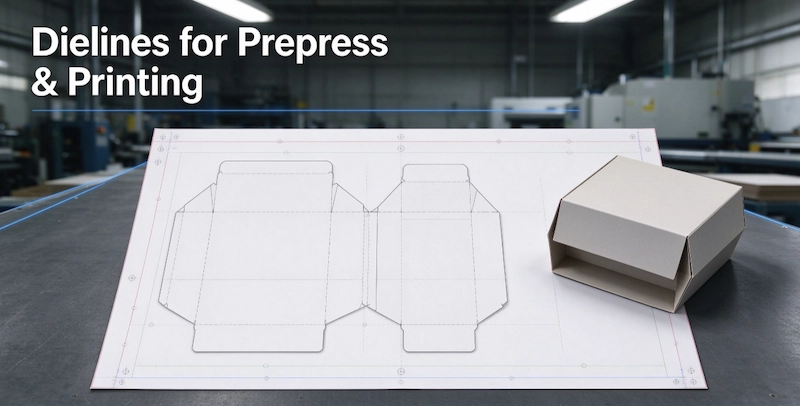
Can you provide me with a die-cutting line template?
We will provide a die-cutting line template after you place an order for samples or products.

Start Your Packaging Journey Today
Discover Our Curated Collection of Bespoke Packaging Cases & Tailored System Solutions
© 2025 WINPACK PRINTING. All rights reserved

Winpack Printing
https://www.facebook.com/alexwenhua123?mibextid=ZbWKwL
https://www.instagram.com/wenhua_printpackaging/