


What to Consider When Sourcing Paper Packaging from China
China has become the world's largest producer and exporter of paper packaging, supplying everything from simple folding cartons to intricate luxury rigid boxes to brands across the globe. The country's advanced manufacturing infrastructure, competitive costs, and deep expertise in paper-based packaging have made it a preferred sourcing destination for businesses of all sizes—from emerging DTC startups to multinational corporations.
Yet sourcing paper packaging from China is not simply a matter of finding a supplier and placing an order. It requires careful consideration of product requirements, material selection, shipping logistics, branding options, and sustainability credentials. Brands that approach sourcing strategically—with clear specifications, realistic expectations, and a thorough understanding of the supply chain—are far more likely to achieve successful outcomes than those who focus solely on price.
This guide explores the key factors to consider when sourcing paper packaging from China. From defining your product requirements and selecting the right materials to navigating shipping and storage, choosing printing and finishing options, and embracing sustainable solutions, this guide provides a practical framework for making informed sourcing decisions.
Product Requirements & Material Selection
The foundation of any successful packaging project is a clear understanding of what you need. Before approaching suppliers, take the time to define your product requirements in detail. This clarity will not only streamline the sourcing process but also ensure that you receive accurate quotes and avoid costly misunderstandings.
Product dimensions and weight are the starting point. Knowing the exact size and weight of the product—or the range of sizes if you have multiple SKUs—allows suppliers to recommend the appropriate box style, board thickness, and structural design. Providing accurate dimensions prevents the common problem of boxes that are too small or too large, both of which lead to product damage, wasted materials, and higher shipping costs.
Product fragility and protection requirements must be assessed. A delicate glass bottle requires different packaging than a sturdy plastic container. Consider whether your product needs cushioning, dividers, custom inserts, or moisture barriers. For fragile items, paper-based solutions such as molded pulp inserts, corrugated dividers, and tissue paper wrapping can provide effective protection while aligning with sustainability goals.
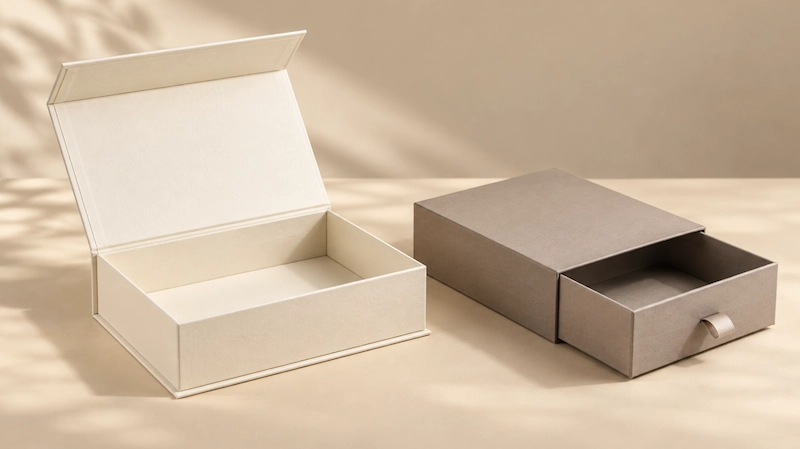
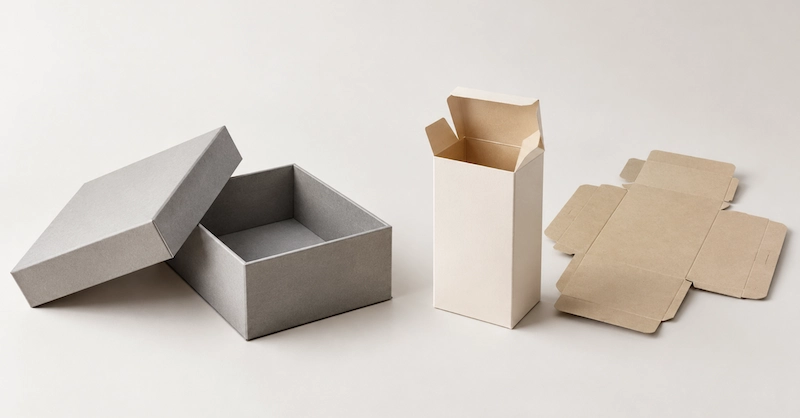
Box style and structure should be defined based on the product and the intended use. Folding cartons, rigid boxes, mailer boxes, and corrugated shippers each serve different purposes. The box style affects not only protection but also presentation, unboxing experience, and cost. Consider how the product will be displayed, shipped, and opened by the customer.
Material selection is one of the most consequential decisions. Paper packaging materials range from lightweight folding carton board to heavy-duty rigid greyboard, from standard kraft paper to premium specialty papers. The choice of material affects the packaging's strength, appearance, printability, and environmental impact.
Key material considerations include:
-
GSM (grams per square metre) : Determines the weight and thickness of the paper or board. Higher GSM generally means a sturdier, more premium feel.
-
Board type: SBS (Solid Bleached Sulphate) offers a bright white surface ideal for high-quality printing. CUK (Coated Unbleached Kraft) combines strength with a printable white surface. Recycled board provides a sustainable option at lower cost. Kraft board offers a natural, rustic appearance.
-
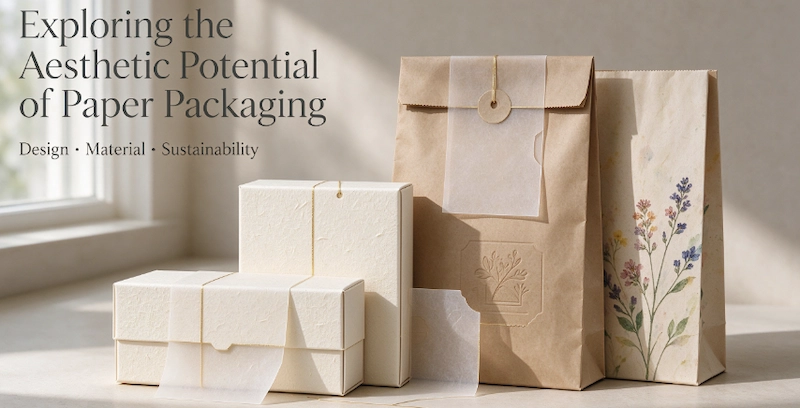
Texture and finish: Smooth, textured, coated, or uncoated surfaces each communicate different brand qualities and affect how ink and finishes perform.
-
Certifications: FSC or PEFC certification ensures that the fibre comes from responsibly managed forests.
Compliance requirements must also be considered. If your product is food, cosmetics, or pharmaceuticals, the packaging must meet relevant safety and regulatory standards. This may include food-contact certification, child-resistant features, or tamper-evident design. Ensure that your supplier can provide the necessary documentation.
Shipping, Handling & Storage Conditions
The journey from a Chinese factory to your warehouse or fulfilment centre involves multiple stages, each with its own considerations. Understanding these logistics is essential for ensuring that your packaging arrives intact, on time, and ready for use.
Shipping methods vary depending on the volume, urgency, and destination. Sea freight is the most economical option for large orders, though it takes longer. Air freight is faster but more expensive. For urgent orders or small quantities, express courier services offer the fastest delivery. The choice of shipping method affects cost, lead time, and the level of handling your packaging will receive.
Packaging for transit is critical. Your paper packaging will itself be packaged for shipping—typically in corrugated master cartons on pallets. It is essential that the master cartons are sturdy enough to protect the contents during transit and that the packaging is properly secured to prevent movement or damage. Discuss transit packaging requirements with your supplier to ensure that your order arrives in perfect condition.
Palletisation and container loading affect shipping efficiency and cost. How the master cartons are stacked and secured on pallets, and how the pallets are loaded into containers, determines how much product can be shipped and how safe it is during transit. Optimising palletisation can reduce shipping costs and minimise the risk of damage.
Handling considerations should be communicated to all parties. If your packaging is fragile or has specific orientation requirements, these should be clearly marked on the master cartons. Labels such as "Fragile," "This Side Up," and "Keep Dry" help ensure that handlers treat the shipment appropriately.
Storage conditions at your destination also matter. Paper packaging is sensitive to moisture and humidity. If your warehouse is not climate-controlled, or if the packaging will be stored for extended periods, consider moisture-resistant materials or protective wrapping. Proper storage ensures that the packaging remains in optimal condition until it is used.
Lead times and production schedules must be factored into your planning. Production lead times vary depending on the complexity of the order, the availability of materials, and the supplier's production schedule. Shipping adds additional time. Allow sufficient buffer to avoid stockouts or delays in your own operations.
Customs clearance and duties are part of the sourcing equation. Ensure that you understand the customs requirements for importing paper packaging into your country, including any applicable duties, taxes, or regulatory requirements. Working with an experienced freight forwarder or customs broker can simplify this process.
Branding, Printing & Finishing Options
Your packaging is a canvas for your brand. The printing and finishing options you choose determine how your brand is presented and how customers perceive your product. Chinese suppliers offer a wide range of capabilities, from basic printing to sophisticated finishing techniques.
Printing methods available from Chinese manufacturers include offset lithography, flexographic printing, and digital printing. Offset lithography offers the highest print quality and is ideal for detailed graphics and vibrant colours. Flexographic printing is cost-effective for high-volume runs and is commonly used for corrugated board. Digital printing is cost-effective for short runs and allows for variable data.
Colour matching is essential for brand consistency. Provide Pantone references or colour proofs to ensure accurate reproduction. Be aware that the colour of the paper or board affects how ink appears—the same ink will look different on a bright white board versus a natural kraft board. Work with your supplier to achieve the desired result.
Printing coverage should be considered. Full coverage printing (printing over the entire surface) provides maximum visual impact but adds cost and may affect recyclability. Minimal printing with strategic use of white space can be equally effective and more sustainable.
Finishing options enhance both the appearance and durability of paper packaging. Common finishes include:
-
Aqueous coating: A water-based protective coating available in gloss, matte, or satin. It provides good protection and is recyclable.
-
UV coating: A high-gloss, durable finish cured with ultraviolet light. It offers excellent scratch resistance.
-
Matte lamination: A film-based finish that provides a soft, non-reflective surface. It adds durability but may affect recyclability.
-
Soft-touch lamination: A velvety, tactile finish that signals luxury. It is often used for premium products.
-
Foil stamping: A metallic foil applied to the surface using heat and pressure. It adds a premium, eye-catching accent.
-
Embossing and debossing: Raised or recessed areas that add tactile dimension to the packaging.
-
Spot UV: A glossy coating applied to selected areas to create contrast with a matte background.
-
Die-cutting: Custom shapes, windows, and structural features created with precision dies.
Sustainability of finishes should be evaluated. Some finishes, such as aqueous coatings and water-based varnishes, are compatible with paper recycling. Others, such as plastic lamination and foil stamping, may complicate recycling. If sustainability is a priority, discuss recyclable and repulpable finishing options with your supplier.
ng to verify print quality, colour accuracy, finishing, and structural integrity. Physical samples allow you to assess the tactile experience and ensure that the packaging meets your expectations.
Sustainable Materials & Eco-Friendly Solutions
Sustainability has become a central concern for brands and consumers alike. Paper packaging is inherently well-positioned to meet this demand, as paper is renewable, recyclable, and biodegradable. However, not all paper packaging is equally sustainable. Sourcing eco-friendly solutions requires attention to materials, certifications, and end-of-life considerations.
Recycled content is a key indicator of sustainability. Packaging made from post-consumer recycled fibres reduces demand for virgin materials and diverts waste from landfill. Many Chinese suppliers offer recycled board options that are suitable for a wide range of applications.
FSC and PEFC certification provide assurance that the fibre used in packaging comes from responsibly managed forests. These certifications are widely recognised and valued by consumers. When sourcing from China, request documentation to verify that the materials hold the relevant certifications.
Alternative fibres are emerging as sustainable options. Bamboo, sugarcane bagasse, wheat straw, and other agricultural residues can be used to produce paper and board. These materials offer a renewable alternative to wood pulp and can reduce environmental impact.
Water-based and bio-based coatings offer sustainable alternatives to plastic-based finishes. These coatings provide protection and aesthetic enhancement without compromising recyclability. They are compatible with paper recycling streams and reduce the use of harmful chemicals.
Lightweighting and right-sizing reduce material use and waste. By designing packaging that uses the minimum material necessary for protection and presentation, brands can significantly reduce their environmental footprint. Right-sizing also reduces shipping costs and emissions.
Design for recyclability is essential. Packaging that is difficult to recycle ends up in landfill. Using a single material, avoiding mixed-material constructions, and clearly labelling the packaging for recycling all increase the likelihood that it will be properly processed. Discuss recyclability with your supplier and request evidence to support sustainability claims.
Sustainability certifications for the manufacturing process itself are increasingly important. ISO 14001 certification demonstrates that the manufacturer has implemented an effective environmental management system. Some suppliers have achieved carbon neutrality or are working toward it.
Transparency and verification are essential. As sustainability claims become more common, so does the risk of greenwashing. Request documentation and certifications to verify that the packaging meets your sustainability requirements. Work with suppliers who are transparent about their materials, processes, and environmental impact.
Conclusion
Sourcing paper packaging from China offers significant opportunities for brands seeking high-quality, cost-effective, and sustainable packaging solutions. However, successful sourcing requires careful planning, clear communication, and attention to detail at every stage.
By defining your product requirements and material specifications, understanding shipping and storage logistics, choosing the right printing and finishing options, and prioritising sustainability, you can ensure that your packaging meets your brand's standards and your customers' expectations.
The most successful sourcing relationships are built on partnership, not transactions. Choose suppliers who are transparent, responsive, and committed to quality. Invest time in sampling and prototyping. Communicate your requirements clearly. And remember that the lowest price is not always the best value—quality, reliability, and sustainability matter just as much as cost.
With the right approach, sourcing paper packaging from China can be a strategic advantage that supports your brand's growth and success.

OEM Services
How do I get a quote for my OEM order?
To receive a custom quote, simply contact us with your packaging requirements, including:
Product type and dimensions
Material preferences
Design specifications
Order quantity
Any special requests
Our team will assess your needs and provide a competitive quote tailored to your project.
Do you ship internationally?
Yes, we have a well-established global supply chain and offer international shipping services. Whether you need local or worldwide delivery, we ensure reliable logistics support.
About Us
How to start the mass production?
Once received the 30% deposite, we will arrange the mass prouction.The balance need to be paid before delivery.
Rigid Lift-off Box
How long does it usually take from design confirmation to delivery?
The lead time is usually 15-25 days, depending on the production of the order
Rigid Drawer Box
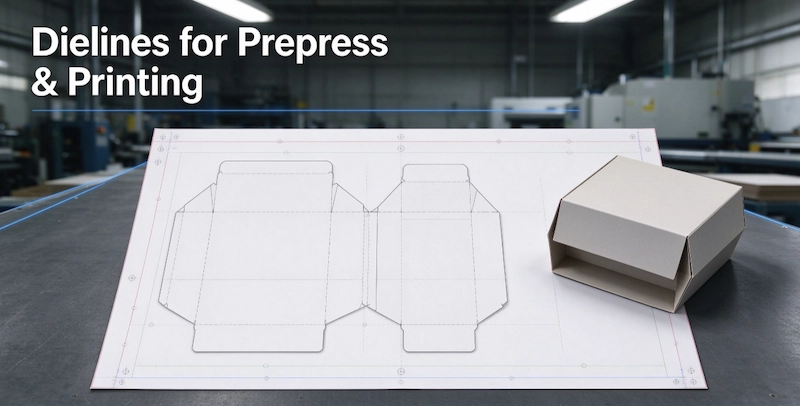
Can you provide me with a die-cutting line template?
We will provide a die-cutting line template after you place an order for samples or products.



Start Your Packaging Journey Today
Discover Our Curated Collection of Bespoke Packaging Cases & Tailored System Solutions
© 2025 WINPACK PRINTING. All rights reserved

Winpack Printing
https://www.facebook.com/alexwenhua123?mibextid=ZbWKwL
https://www.instagram.com/wenhua_printpackaging/