

Window Boxes: A Superior Way to Draw Customers In
In a marketplace where consumers are presented with endless choices, the ability to capture attention is everything. Packaging is often the first point of contact between a product and a potential buyer, and it must work harder than ever to stand out. Among the many packaging formats available, window boxes have proven to be one of the most effective tools for drawing customers in and encouraging them to engage with a product.
A window box does something that no amount of printed graphics can replicate: it lets the customer see the actual product. This transparency builds confidence, creates anticipation, and removes the uncertainty that often accompanies a purchase. Whether you are selling cosmetics, baked goods, electronics, or artisanal gifts, a well-designed window box invites the customer to look closer—and looking closer is the first step toward buying.
This guide explores why window boxes are a superior choice for brands seeking to attract customers, how they function as a symbol of marketplace success, the customization options available, and the marketing advantages they deliver.
- Why Are Window Boxes Important to You?
- Window Containers: A Symbol of Success in the Marketplace
- We Meet All Your Window Container Requirements
- Personalized Window Boxes
- Product-Specific or Demand-Driven Boxes
- All These Boxes Include Business-Friendly Marketing Features
- Make It Easier for Your Customers to Decide
- Conclusion
Why Are Window Boxes Important to You?
For brands competing for attention, window boxes offer a distinct advantage that standard closed boxes cannot match.
Transparency builds trust. When a customer can see the product through a window, they know exactly what they are getting. There is no guesswork, no reliance on a photograph that may or may not represent the product accurately. This transparency reassures the buyer and reduces the perceived risk of purchase. For products where appearance matters—colour, texture, size, or finish—a window is invaluable.
Visibility drives engagement. A window box invites the customer to look. The eye is naturally drawn to openings and contrasts, and a well-positioned window creates a focal point that pulls attention toward the product. Once the customer is looking, they are engaging. And engagement is the precursor to purchase.
Differentiation in a crowded market. Most packaging on a shelf is opaque. A window box stands out simply because it offers something different. It breaks the visual monotony and signals that the brand has nothing to hide. This differentiation can be the deciding factor in a competitive category.
Enhanced perceived value. A window box communicates that the product inside is worth showing off. It suggests confidence—the brand believes the product will impress when seen. This confidence transfers to the customer's perception of value, allowing brands to command higher prices.
Practical benefits for the retailer. Window boxes are often shelf-ready, meaning they can be placed directly on the retail shelf without additional unpacking. This reduces labour costs for retailers and increases the likelihood that the product will be displayed properly.
For brands that want to make a strong impression and encourage purchase, window boxes are not just an option—they are a strategic necessity.
Window Containers: A Symbol of Success in the Marketplace
Across industries, window containers have become a hallmark of successful brands. They are used by some of the most recognisable names in retail, from premium confectionery to high-end cosmetics, because they deliver results that closed packaging cannot.
Proven performance in retail. Brands that adopt window packaging often see improved sell-through rates. The ability to see the product creates an emotional connection that drives purchase decisions. Customers are more likely to pick up a box when they can see what is inside.
Association with quality. Window boxes are often perceived as more premium than standard boxes. The window itself is a design feature that requires precision manufacturing, and this precision signals quality. Brands that use window containers are positioning themselves in the upper tier of their category.
Versatility across categories. Window containers are used for a vast range of products: baked goods, chocolates, teas, cosmetics, candles, electronics accessories, toys, and gift sets. This versatility makes them a go-to solution for brands in diverse sectors.
Building a reputation for transparency. Brands that consistently use window packaging build a reputation for openness and honesty. Customers learn to trust that what they see is what they get. This trust is a valuable asset that extends beyond the individual product to the brand as a whole.
A signal of confidence. When a brand displays its product through a window, it is saying: we are proud of what we make, and we want you to see it. This confidence is attractive to customers and differentiates the brand from competitors who hide behind opaque packaging.
In short, window containers are not just a packaging choice—they are a statement of confidence and quality that resonates with customers and drives success in the marketplace.
We Meet All Your Window Container Requirements
Every brand has unique packaging needs. Products come in different shapes and sizes, brands have different aesthetic preferences, and retailers have different display requirements. A capable packaging partner must be able to accommodate all of these variables.
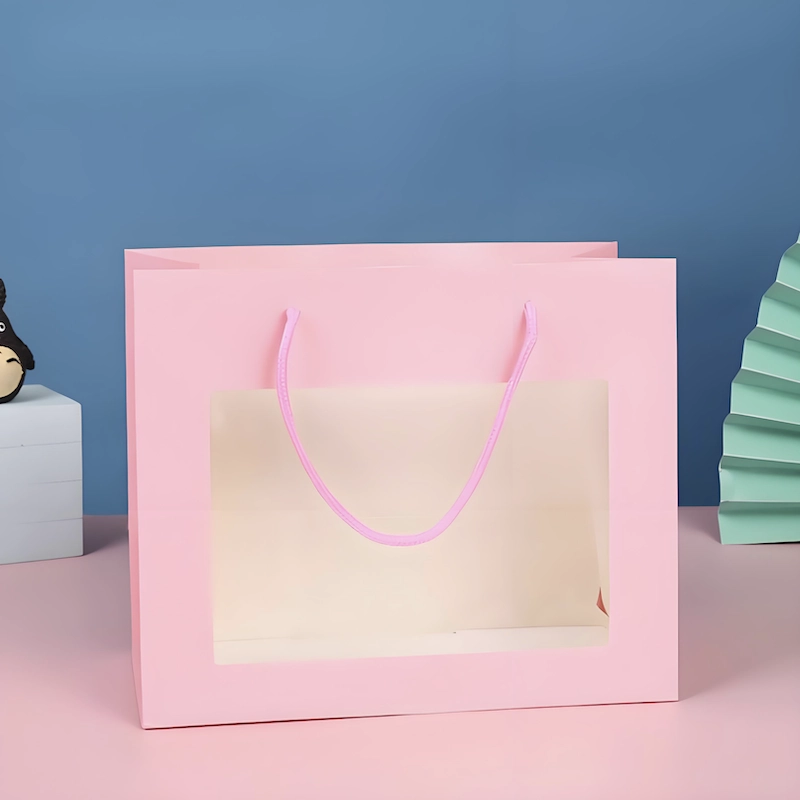
Custom window sizes and shapes. Windows can be designed in virtually any size and shape. A small circular window can draw attention to a key feature, while a large rectangular window can showcase the entire product. Custom shapes—stars, hearts, logos, or abstract designs—add a distinctive touch that reinforces brand identity.
Window positioning. The placement of the window affects both the aesthetics and the functionality of the box. A window on the front panel provides maximum visibility for shelf display. A window on the top panel allows customers to see the product from above, which is useful for products displayed on low shelves or in display cases. Multiple windows can be used to provide views from different angles.
Material compatibility. Windows can be incorporated into a wide range of box materials, including folding carton board, rigid board, and corrugated board. The choice of material affects the strength of the box, the clarity of the window, and the overall aesthetic.
Window film options. The window itself can be made from various materials, including PET, PVC, or biodegradable films. Clear film provides maximum visibility, while frosted or tinted film can create a softer, more mysterious effect. For brands with sustainability commitments, recyclable and compostable window films are available.
Structural integrity. A window creates an opening in the box, which can affect its structural integrity. A skilled manufacturer ensures that the box remains strong enough to protect the product while still providing the desired visibility. Reinforcements and strategic placement can maintain strength without compromising the design.
Production quality. The window must be cleanly cut and securely sealed. Any imperfection—a jagged edge, a loose film, or a misaligned window—detracts from the packaging's appearance and the brand's credibility. Precision manufacturing is essential.
Whatever your requirements, a capable window box supplier can meet them. From the initial design concept to the final production run, the right partner will work with you to ensure that your window boxes are exactly what you need.
Personalized Window Boxes
Personalization is one of the most powerful ways to make your packaging stand out. Custom window boxes can be tailored to reflect your brand identity, your product's unique features, and your customers' preferences.
Custom printing. The printed areas of the box—everything outside the window—can be fully customized with your brand colours, logo, graphics, and messaging. High-quality printing ensures that your brand is presented professionally and attractively.
Logo placement. Your logo can be prominently displayed around the window, creating a natural frame that draws the eye. Foil stamping, embossing, or spot UV can be used to make the logo stand out further.
Window shape personalization. The window itself can be shaped to reflect your brand. A coffee brand might use a window shaped like a coffee bean. A jewellery brand might use a window shaped like a diamond. A bakery might use a window shaped like a wheat sheaf. These personalized shapes reinforce brand identity and create a memorable visual.
Interior printing. The inside of the box can also be printed, creating a surprise when the customer opens it. A message, a pattern, or a brand story on the interior adds a layer of discovery that enhances the unboxing experience.
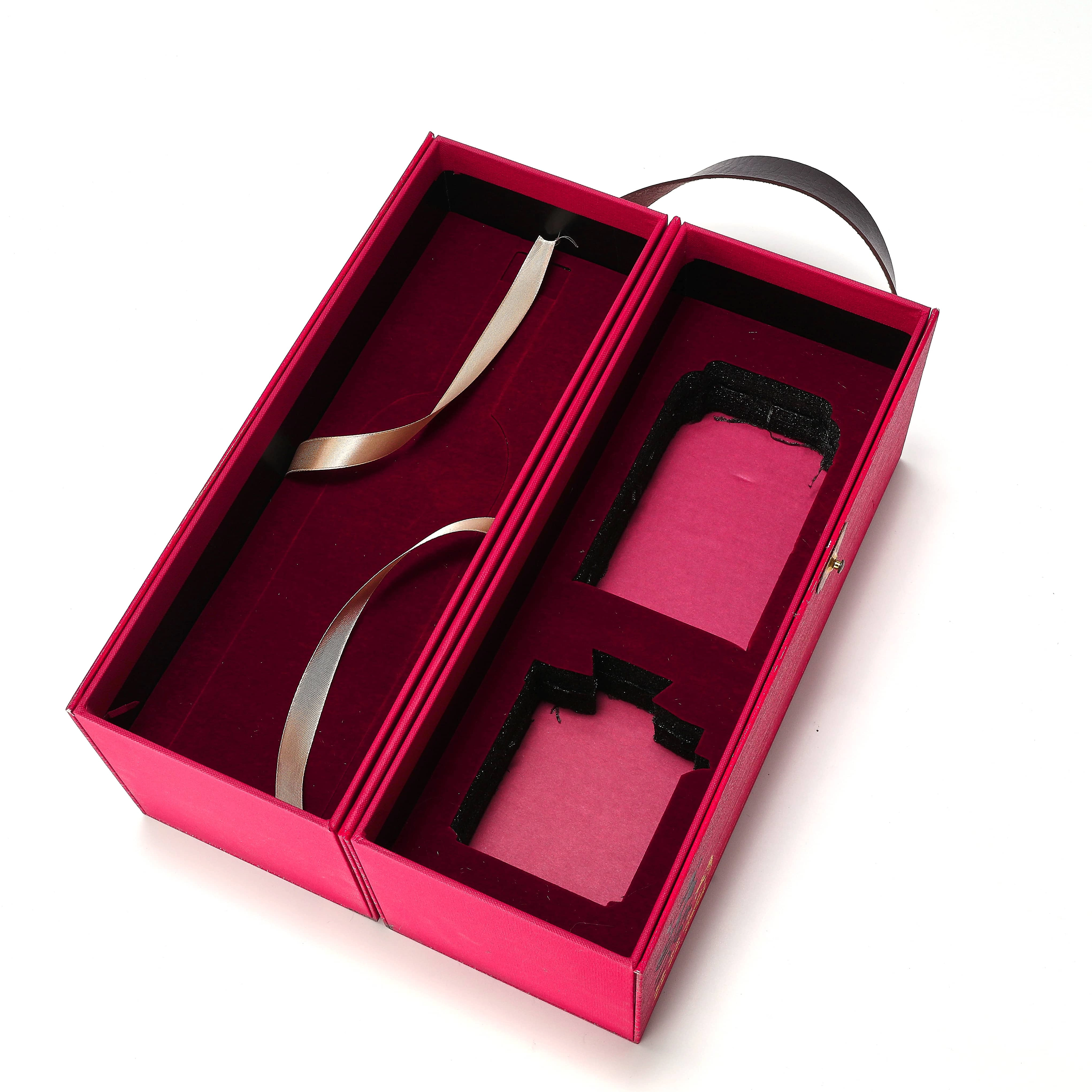
Custom inserts. Window boxes can be fitted with custom inserts that hold the product securely and present it beautifully. Inserts can be made from paperboard, foam, or molded pulp, depending on the product's needs.
Size and structure personalization. The size and shape of the box itself can be customized to fit your product perfectly. A well-fitted box reduces movement during transit, minimizes the need for void fill, and presents the product professionally.
Personalized window boxes are not just packaging—they are a reflection of your brand. Every element can be designed to communicate who you are and what you stand for.
Product-Specific or Demand-Driven Boxes
Window boxes can be designed for specific products or to meet specific market demands. This flexibility makes them suitable for a wide range of applications.
Product-specific designs. A window box designed for a bottle of wine will look different from a window box designed for a cupcake. The size, shape, window placement, and structural features must be tailored to the product. A tall, narrow window may be ideal for a bottle, while a wide, shallow window may be better for a flat product like a chocolate bar or a cosmetic palette.
Demand-driven designs. Sometimes, market demand dictates the packaging format. For example, if retailers require shelf-ready packaging that can be placed directly on the shelf, a window box with a display-ready design may be the answer. If customers demand sustainable packaging, a window box made from recycled board with a compostable window film may be appropriate.
Seasonal and limited-edition boxes. Window boxes can be produced for seasonal promotions or limited-edition product launches. A festive window box for holiday gifts, a spring-themed box for Easter confections, or a limited-edition design for a special product launch—all are possible with custom window packaging.
Multi-product boxes. Window boxes can be designed to hold multiple products, with dividers or compartments that keep items separate and organized. This is ideal for gift sets, sampler packs, and subscription boxes.
Retail-specific requirements. Different retailers have different requirements. Some may require specific dimensions to fit their shelving. Others may require specific labelling or barcodes. Custom window boxes can be designed to meet these requirements while still maintaining the brand's aesthetic.
By designing window boxes that are specific to the product and the market, brands can ensure that their packaging performs optimally in every context.
All These Boxes Include Business-Friendly Marketing Features
Window boxes are not just functional—they are powerful marketing tools. They include features that support brand promotion and sales.
The window itself is a marketing feature. It draws attention, creates interest, and invites engagement. It is a visual hook that captures the customer's eye and encourages them to pick up the box.
Branding on all visible surfaces. The printed areas of the box provide ample space for brand messaging, product information, and promotional content. From the front panel to the side panels to the top, every surface can be used to communicate with the customer.
Shelf presence. Window boxes are designed to stand out on the shelf. Their unique appearance, combined with the visibility of the product inside, makes them more likely to be noticed and selected.
Storytelling opportunities. The packaging can tell the brand's story—how the product was made, where the ingredients come from, what makes it special. This storytelling builds an emotional connection with the customer.
QR codes and interactive elements. Window boxes can include QR codes that link to digital content, such as product videos, recipes, or loyalty programs. This extends the brand experience beyond the physical package.
Social media appeal. Window boxes are highly shareable. Their visual appeal and the anticipation they create make them ideal for unboxing videos and social media posts. This organic exposure extends the brand's reach.
Sustainability messaging. If the box is made from sustainable materials, this can be communicated on the packaging, reinforcing the brand's environmental commitment and appealing to eco-conscious consumers.
These marketing features work together to make window boxes a powerful tool for brand promotion and sales growth.
Make It Easier for Your Customers to Decide
The ultimate goal of packaging is to help the customer make a purchase decision. Window boxes excel at this because they remove barriers and create confidence.
See the product, trust the product. When customers can see what they are buying, they feel more confident in their decision. There is no uncertainty about colour, size, or quality. This confidence reduces hesitation and speeds up the purchase decision.
Reduce returns. When customers know exactly what they are getting, they are less likely to be disappointed. This reduces returns and the associated costs and logistical challenges.
Encourage impulse purchases. The visibility of the product, combined with attractive packaging, can trigger impulse purchases. A customer who sees a beautifully presented product through a window is more likely to buy on the spot.
Enhance gift-giving. Window boxes are particularly effective for gift products. The recipient can see the gift before opening it, which adds to the excitement and perceived value. The giver can feel confident that the gift looks as good as it tastes or performs.
Create a memorable unboxing experience. The window is just the beginning. When the customer opens the box, the experience continues with the interior design, the insert, and the product presentation. A well-designed window box creates a multi-sensory experience that customers remember and share.
By making it easier for customers to decide, window boxes help brands convert more browsers into buyers and build lasting relationships with their customers.
Conclusion
Window boxes are a superior way to draw customers in. They offer transparency, build trust, and create visual interest that captures attention in a crowded marketplace. They are versatile, customizable, and capable of meeting the specific needs of different products and markets. They are powerful marketing tools that support brand promotion and sales growth. And they make it easier for customers to decide, reducing hesitation and encouraging purchase.
For brands seeking to stand out and succeed, window boxes are not just an option—they are a strategic advantage. By investing in high-quality, customized window packaging, brands can create a memorable experience that drives sales and builds loyalty.
OEM Services
What quality control measures do you have in place?
We implement strict quality control throughout our production process, including:
ISO-certified quality management systems
pressSIGN color management for consistent printing quality
ERP production tracking for precision and efficiency
Rigorous inspections at every stage of production
Do you offer eco-friendly and sustainable packaging options?
Yes! We provide environmentally friendly packaging solutions, including recyclable, biodegradable, and FSC-certified paper materials. Let us know if you’re looking for sustainable options.
About Printing Craftsmanship
What is hot stamping, and where is it used?
Hot stamping is a printing process that applies metallic or pigmented foil to a surface using heat and pressure. It is widely used for:
Luxury packaging (cosmetics, wine, gourmet foods)
Business cards
Event invitations
Labels and stickers
High-end stationery
What are eco-friendly printing options?
Vegetable-based inks instead of petroleum-based inks.
Recycled paper or sustainably sourced materials.
Water-based coatings instead of harmful chemical coatings.
Digital printing to reduce waste and energy consumption.
About Us
Do you inspect the finished products?
Yes, each step of production and finished product will be carried out inspection

Start Your Packaging Journey Today
Discover Our Curated Collection of Bespoke Packaging Cases & Tailored System Solutions
© 2025 WINPACK PRINTING. All rights reserved

Winpack Printing
https://www.facebook.com/alexwenhua123?mibextid=ZbWKwL
https://www.instagram.com/wenhua_printpackaging/