




Choosing the Right Takeaway Boxes for Your Food Business
- How packaging choices affect your bottom line
- Cost versus total value
- Operational impact: storage, packing speed, and deliveries
- Branding and customer perception
- Material choices: pros, cons, and suitability
- Comparison of common materials
- Sustainability and end-of-life
- Design & functionality: matching box style to cuisine and service model
- Common box styles and ideal use-cases
- Design features that matter
- Printing and branding
- Selecting a supplier and ensuring compliance
- Key supplier capabilities to vet
- Regulatory and food-safety considerations
- Case study comparison (example purchase decision)
- Integrating Winpack: manufacturing strength and custom options
- Why choose Winpack for takeaway boxes?
- Product fit: takeaway offerings and customization
- Competitive strengths
- Practical checklist and buying roadmap
- Testing protocol
- FAQ
- 1. What is the best material for hot and oily takeaway food?
- 2. Are compostable takeaway boxes always better for the environment?
- 3. Can takeaway boxes be microwaved?
- 4. How many custom-printed designs should I hold in inventory?
- 5. What certifications should I request from a packaging supplier?
- 6. How do I reduce condensation and sogginess on steamed or fried foods?
- Contact & next steps
- References
How packaging choices affect your bottom line
Choosing the right takeaway boxes is more than aesthetics — it influences food safety, customer experience, operational efficiency, and profit margins. A poor choice can lead to soggy food, heat loss, spills, higher returns, and brand damage; the right box reduces waste, protects food quality, and even boosts perceived value. This section breaks down the core business drivers you should consider when selecting takeaway boxes.
Cost versus total value
Unit price is only part of the equation. Consider landed cost (unit price + shipping + storage), fill efficiency (how well boxes stack and transport), and waste handling (biodegradable vs landfill costs). For example, a slightly more expensive compostable box may lower disposal complaints and align with a High Quality eco-brand, improving lifetime customer value.
Operational impact: storage, packing speed, and deliveries
Boxes that fold flat, nest efficiently, or open/close quickly reduce kitchen labor and storage footprint. For high-volume delivery, choose boxes designed for stacking and insulation. Poorly chosen boxes can slow staff and increase error rates during peak times.
Branding and customer perception
Packaging is an extension of Winpack. Custom printing, tactile finishes, and structural choices (e.g., window boxes vs gable boxes) influence the perceived quality of the food. Consistent and clear branding on takeaway boxes can increase social shares and repeat orders.
Material choices: pros, cons, and suitability
Material selection is the technical core of choosing takeaway boxes. Below are the most common materials used for takeaway boxes with practical considerations for foodservice businesses.
Comparison of common materials
| Material | Key advantages | Limitations | Best uses |
|---|---|---|---|
| Paperboard (kraft) | Lightweight, recyclable, printable, cost-effective | Less grease resistance unless coated; may weaken with moisture | Dry foods, sandwiches, salads (with liner) |
| Coated (PE/PP) paperboard | Water and grease resistant, microwave-safe (usually) | Requires proper recycling streams; not industrial compostable | Hot foods, oily dishes, soups with secure lids |
| Bagasse (sugarcane) | Compostable (industrial), good heat resistance, sturdy | Heavier, may be pricier; industrial composting required for certification | Hot meals, curries, oily foods |
| PLA (bioplastic) | Compostable in industrial facilities, clear appearance possible | Not home-compostable; poor heat resistance above ~60°C | Cold items, salads, clear lids |
| PET/PP (plastic) | Excellent barrier properties, clear, lightweight | Environmental concerns, recycling dependent on local systems | Cold drinks, salads, deli items |
| Aluminum | Excellent thermal retention, oven-safe | Not always recyclable locally, heat conductor (care handling) | Baked dishes, trays, pizza alternatives |
Sustainability and end-of-life
Ask where your boxes will end up: recycling streams, municipal composting, or landfill. Certified compostable materials (e.g., EN 13432, ASTM D6400) require industrial composting. Recyclability depends on local facilities and whether materials are coated or combined (e.g., paperboard with plastic lining is harder to recycle). Always confirm local waste handling before selecting a solution.
Design & functionality: matching box style to cuisine and service model
Box shape and features directly impact how well food stays fresh, how easy it is to eat, and how it travels. Below are common takeaway box styles and when to use them.
Common box styles and ideal use-cases
- Folding takeaway boxes — versatile, cost-effective for noodles, burgers, and mixed plates.
- Gable boxes — good for gift-like presentation and small catering portions; easy to carry.
- Window boxes — great for bakery and pastry visibility; increases impulse appeal.
- Clamshells — commonly used for fast-food meals, strong for sandwiches and fried items.
- Pillow boxes / special-shape boxes — niche packaging for High Quality or single-item desserts.
Design features that matter
Consider vents (for fried foods to prevent sogginess), secure locking tabs (for deliveries), insulation options (double-wall), and lid types (clear lid for visibility vs full-cover for heat retention). Custom inserts or dividers help portion control and reduce mixing of sauces and textures.
Printing and branding
High-resolution printing, anti-grease inks, and spot finishes can elevate perceived value. However, complex finishes add cost — prioritize durable branding in high-visibility areas and consider variable elements for promotions (QR codes, nutritional info, recycling instructions).
Selecting a supplier and ensuring compliance
Your supplier determines lead times, quality, print fidelity, and compliance with food contact regulations. Choose a partner that understands food packaging standards, can scale, and offers traceability.
Key supplier capabilities to vet
- Food-contact certifications and material safety data sheets (MSDS)
- Prepress and color-proofing workflows for accurate branding
- Quality control checks and sample runs
- Production capacity, minimum order quantities (MOQs), and lead times
- Sustainability credentials and third-party certifications
Regulatory and food-safety considerations
Ensure materials comply with local food contact regulations (e.g., FDA in the U.S., EU Regulation 1935/2004 in Europe). Also verify any coatings or inks are certified for direct food contact. If selling across borders, require documentation for each market.
Case study comparison (example purchase decision)
| Requirement | Option A: Low-cost coated board | Option B: Bagasse compostable box | Recommendation |
|---|---|---|---|
| Unit cost | Lowest | Higher | Choose A for budget operations; B for High Quality/sustainable branding |
| Grease resistance | Good (coated) | Excellent | B for oily foods |
| Customer perception | Neutral | Positive (eco-friendly) | B if brand equity matters |
| Disposal | Recyclable/mixed (depends) | Industrial compost | Check local waste stream |
Integrating Winpack: manufacturing strength and custom options
In 2016, Guangdong Winpack Printing Technology Development Co., Ltd. was officially established as a professional paper box printing manufacturer specializing in designing, proofing, printing, and producing a wide range of packaging and printed materials.Our services include customized production of stickers, labels, paper bags, gift boxes, beauty boxes, pizza boxes, books, brochures, flyers, etc.Winpack caters to diverse industries, including cosmetics, food, healthcare, pharmaceuticals, and electronics.Our 15,000-square-meter factory is equipped with state-of-the-art technology. We utilize an advanced screen plate-making system and top-tier machinery such as the Heidelberg printing machine, high-speed paper cutter, Lithrone GL-40A machine, and anti-counterfeiting inkjet printer to ensure superior quality and efficiency.Our vision is to become the world's leading custom paper box packaging manufacturer.
Why choose Winpack for takeaway boxes?
Winpack operates a modern 15,000 m² production facility with high-end equipment (Heidelberg, Lithrone GL-40A) enabling consistent color, fine finishes, and high-speed runs. Their integrated capabilities cover design, prototyping, printing, and die-cutting, which reduces lead times and helps bring new product concepts to market quickly. Winpack also supports a wide variety of printing effects and anti-counterfeiting options—useful for branded, High Quality takeaway offerings.
Product fit: takeaway offerings and customization
Winpack produces a broad portfolio including custom gable boxes, custom gift boxes, custom display boxes, custom rigid boxes, custom folding boxes, custom paper tube boxes, custom window boxes, custom special-shape boxes, custom pillow boxes, and custom take out boxes. For foodservice, Winpack can supply custom-printed folding and clamshell takeaway boxes with food-grade inks and coatings, tailored to your menu dimensions and branding needs.
Competitive strengths
- Scale and equipment: high-speed, consistent print quality for large runs.
- End-to-end service: from design to finished product reduces touchpoints and risk.
- Industry breadth: experience across cosmetics, food, pharma ensures cross-industry best practices for safety and aesthetics.
- Customization: structural modifications, special shapes, windows and coatings tailored to food-specific requirements.
Visit Winpack: https://www.winpackprinting.com/ to request samples, view case studies, or ask for a quote for custom takeaway boxes designed to your specifications.
Practical checklist and buying roadmap
Use this checklist to make an informed purchase.
- Define functional requirements: temperature, grease, stackability, reheating, visibility.
- Decide sustainability goal: recyclable, compostable, or reduced-plastic.
- Select material and box style that match menu items and service model.
- Request material safety data, food-contact certifications, and samples (preferably with your food).
- Confirm lead times, MOQs, unit price, and total landed cost.
- Request proofing and a pre-production sample that uses your full print to evaluate color and finish.
- Plan labeling: allergy notices, reheating instructions, and disposal guidance (recycle/compost icons).
Testing protocol
Before full adoption, run a pilot: pack typical orders, simulate delivery times/temperatures, and collect staff and customer feedback on usability and integrity. Measure product return rates, spillage incidents, and customer satisfaction to validate ROI.
FAQ
Below are commonly asked questions food businesses search for when choosing takeaway boxes.
1. What is the best material for hot and oily takeaway food?
Bagasse-based or properly coated paperboard are top choices. Bagasse provides high heat and grease resistance and is compostable in industrial facilities, while coated paperboard gives strong grease and moisture resistance but may complicate recycling. Assess your local waste infrastructure when choosing.
2. Are compostable takeaway boxes always better for the environment?
Not always. Compostable boxes are beneficial when industrial composting is available. If they end up in landfill, environmental benefits are limited. Recyclable solutions may be superior where recycling streams are robust. Always consider end-of-life logistics.
3. Can takeaway boxes be microwaved?
Only if the material and coatings are microwave-safe. Most plain paperboard and bagasse are microwave-safe for short reheating; plastics like PET generally should not be microwaved. Always check manufacturer guidance and test samples.
4. How many custom-printed designs should I hold in inventory?
Keep core designs (logo, menu staples) in larger quantities and Print-on-Demand for seasonal or promotional artwork. This balances inventory cost and marketing flexibility. Discuss flexible MOQ options with suppliers like Winpack.
5. What certifications should I request from a packaging supplier?
Ask for food-contact compliance documents (FDA letters, EU Regulation documentation), material safety data sheets (MSDS), and any sustainability certifications (EN 13432/ASTM D6400 for compostability). Also request factory audits or ISO certifications if quality consistency is critical.
6. How do I reduce condensation and sogginess on steamed or fried foods?
Use vented boxes, include absorbent liners, or select materials with breathability. For delivery, consider separate containers for sauces and crunchy components to preserve texture.
Contact & next steps
If you want tailored recommendations or samples, contact a packaging specialist. For custom takeaway boxes, sample requests, and quotes, visit Winpack’s product pages or request a consultation at https://www.winpackprinting.com/. Discuss your menu items, delivery times, branding needs and sustainability goals to receive an optimized recommendation and prototype.
References
- Food packaging — Wikipedia. https://en.wikipedia.org/wiki/Food_packaging. Accessed 2026-01-05.
- Food Contact Substances (FCS) — U.S. Food & Drug Administration. https://www.fda.gov/food/packaging-food-contact-substances-fcs. Accessed 2026-01-05.
- Food packaging market research — Grand View Research. https://www.grandviewresearch.com/industry-analysis/food-packaging-market. Accessed 2026-01-05.
- Food contact materials — European Commission. https://ec.europa.eu/food/safety/chemical_safety/food_contact_materials_en. Accessed 2026-01-05.
- Bioplastics and compostability — European Bioplastics. https://www.european-bioplastics.org/. Accessed 2026-01-05.
Custom paper shopping bags Manufacturers and Suppliers in us
The latest trends for custom paper boxes
Customize Pizza Box
The latest trends for large paper shopping bags
Folding Boxes
How long does it usually take from design confirmation to delivery?
Answer: The delivery time of folding boxes is usually 15-25 days, depending on the production of the order
Can I get a sample before placing a formal order?
Samples usually require a certain fee, but this fee can be partially or fully refunded after the customer confirms the order.
Special Shape Boxes
Can I order a sample of my packaging box?
Yes, we strongly recommend that you do so, we provide a variety of sample types to meet different usage situations and help you guarantee the best results!
Rigid Drawer Box
Can you provide me with a die-cutting line template?
We will provide a die-cutting line template after you place an order for samples or products.
Rigid Magetic Boxes
Can I order a sample of my packaging box?
Yes, we strongly recommend that you do so, we provide a variety of sample types to meet different usage situations and help you guarantee the best results!
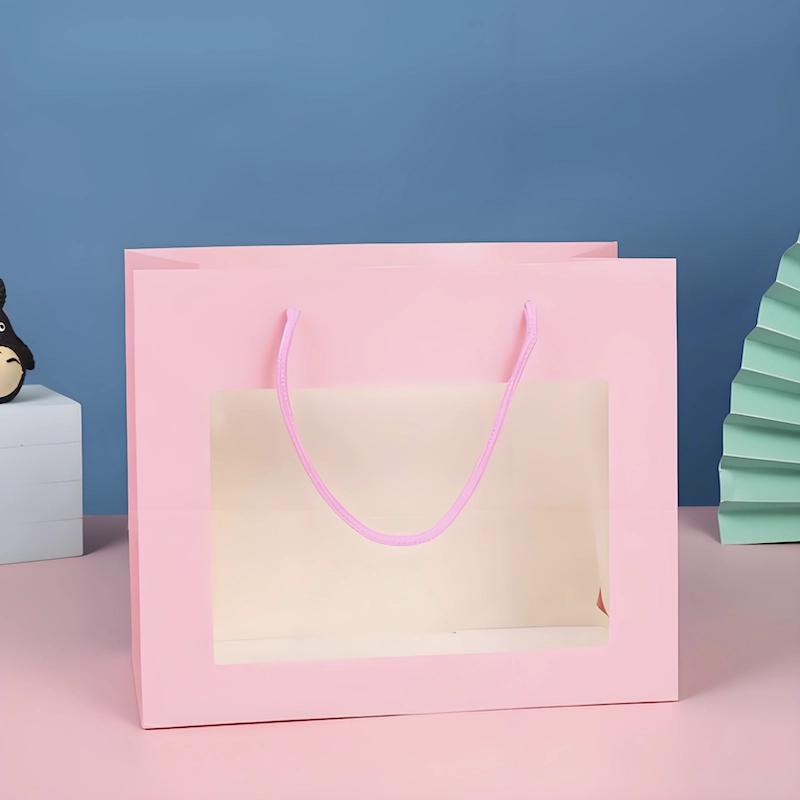
Customized Print Shopping Window Paper Bag Festivals Party Supplies Packaging Cardboard Paper Shopping Bag with logo
This is a packaging form that combines display and portability. Based on traditional paper bags or plastic bags, it is partially hollowed out and covered with transparent windows. Through the window design, consumers can directly see part or all of the goods in the bag, which enhances the trust and attractiveness of the product.
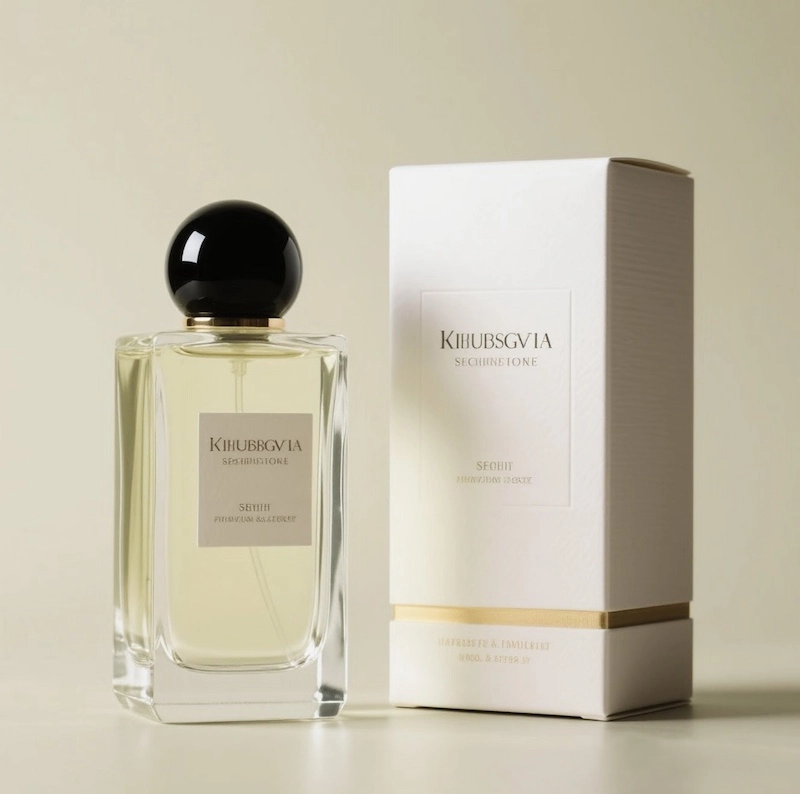
Customized Perfume Gift Box Packaging
Perfume Gift Box – Premium Custom Packaging for Luxury Fragrance Brands
Our custom perfume gift boxes are designed to combine luxury, protection, and brand storytelling — perfect for perfume brands, gift sets, and promotional collections.
Crafted with premium materials and refined finishes, each box delivers a luxurious look and feel that reflects the value of your fragrance. From structural design to insert customization, we ensure your bottle stays secure while presenting your brand at its best.
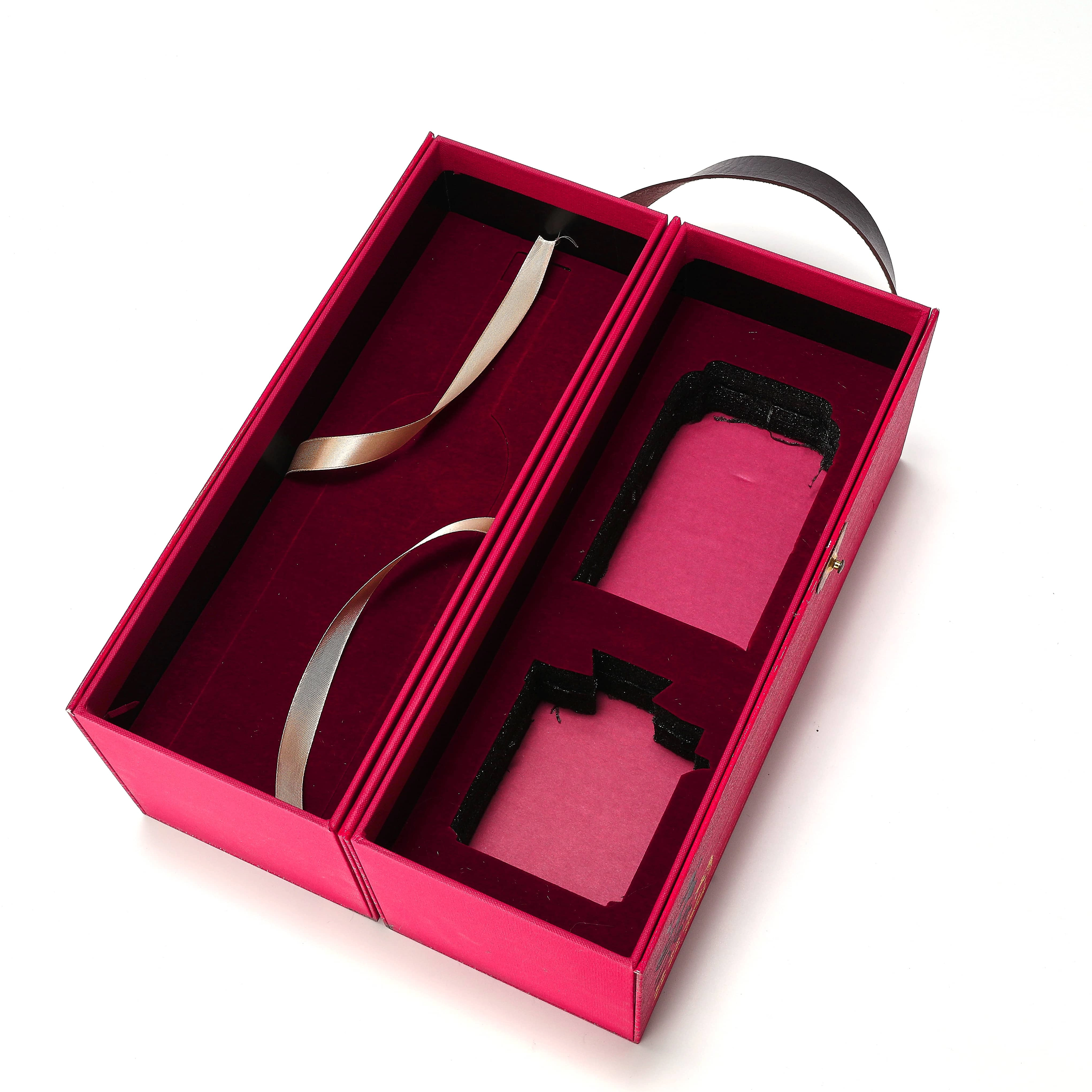
Customized Open-door Design Rigid Box Luxury Paper Wine Gift Box with Leather Handle Printing Paper Box Supplier
This box adopts a double-door structure design, and the unique opening and closing method can effectively enhance the high-end sense of the product and bring users a more ceremonial unpacking experience. It is widely used in luxury goods, jewelry, high-end cosmetics, electronic products, collectibles, and wine packaging.

Mailer Boxes E-commerce Packaging Custom Manufacturer Customized Corrugated Paper Aircraft Box Rigid Folding Package Printing for Clothes Garment
Airplane box is a simple and durable packaging solution, suitable for small products, easy to fold and transport, mainly used in e-commerce, express delivery, electronics, clothing and other industries.
© 2025 WINPACK PRINTING. All rights reserved

Wenhua Printing packaging
winpackprinting
Winpack Printing