




Blog
Read expert articles on packaging design, materials, sustainability, and printing technology to maintain a leading position.
Our regularly updated blog provides actionable insights to help your brand create sales packaging.
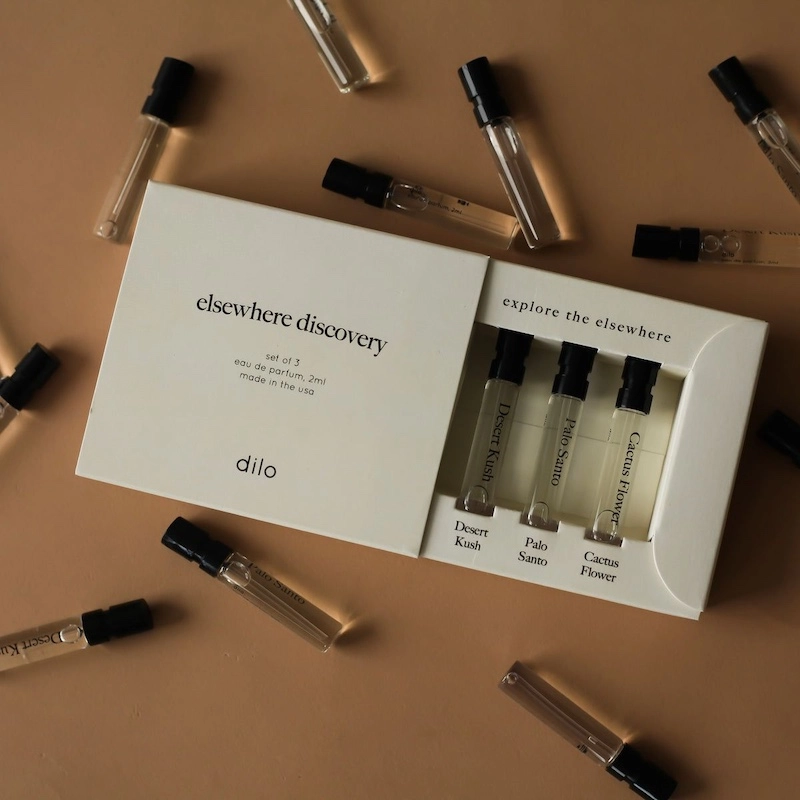
UV Printing vs Offset Printing for Cosmetic Packaging: Which Is the Better Choice for Your Brand?
As beauty brands increasingly compete through packaging differentiation—especially in e-commerce and social media-driven markets—the need to understand the strengths and limitations of each printing method becomes more critical than ever. UV printing and offset printing are two of the most widely used technologies in cosmetic packaging production, yet they operate on fundamentally different principles and are suited for different applications.
This article provides a comprehensive comparison between UV printing and offset printing, exploring how each method performs in cosmetic packaging, and helping brands determine which option best aligns with their product, budget, and market strategy.
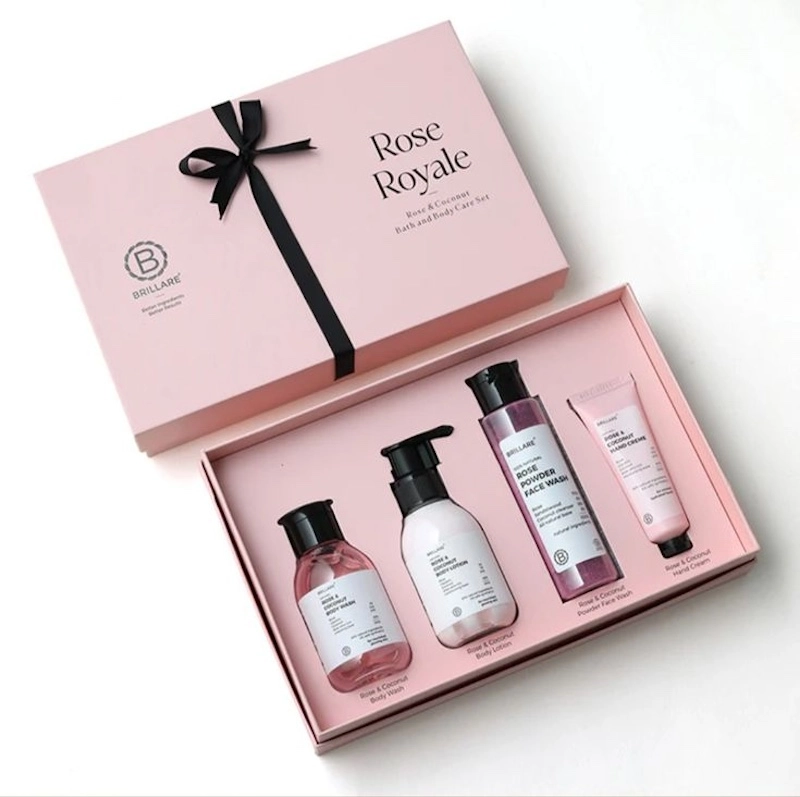
What GSM Paper Is Ideal for Skincare Folding Cartons?
Packaging in the beauty and skincare sector is not just a mere protective measure. The skincare box should be designed in a way that it conveys brand identity, keeps fragile products like glass bottles or serum droppers, withstands structural integrity during transportation, and displays the product in a presentable way on retail shelves or in e-commerce deliveries. A choice of the right paperboard weight, which is often measured in grams per square meter (GSM), is one of the most significant technical choices in the cosmetic packaging design. GSM has a direct effect on the thickness, stiffness and durability of the paperboard utilized in folding cartons. In choosing the packaging material, skincare brands have to balance a number of factors such as the weight of the product, the quality of the visual, the compatibility of printing, and the cost-effectiveness. When the GSM is too low, the carton will be flimsy and will not be able to prote
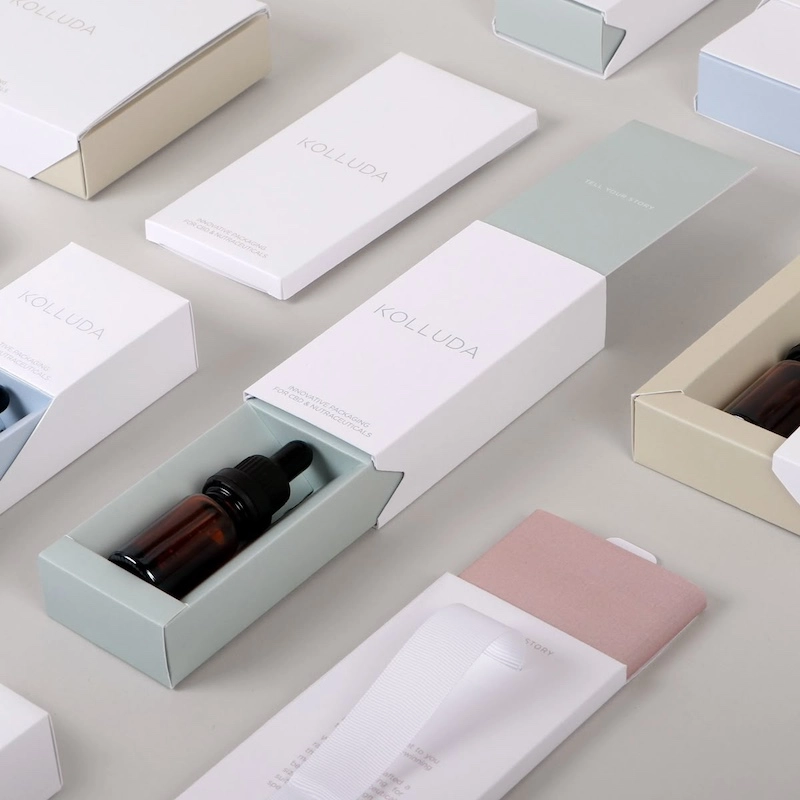
Best Paperboard for High-End Cosmetic Packaging (SBS vs CCNB vs Kraft)
The beauty and skincare industry is highly competitive, and the packaging plays an important role in how the brand is perceived and how consumers behave when buying products. It is also crucial for conveying product quality before customers even open the tube. Luxurious cosmetic brands depend on high-quality packaging materials to convey a sense of sophistication, sustainability and value, which is why choosing the right paperboard is one of the most significant decisions when designing cosmetic boxes.
The most popular types of paperboard for cosmetic packaging are solid bleached sulfate (SBS), clay coated news back (CCNB) and kraft paperboard. Each of these materials has its own benefits with regard to print quality, structural integrity, sustainability, and cost-effectiveness. Understanding the differences between these paperboard materials helps cosmetic brands select the most suitable material for their packaging strategy, whether that be for luxury presentation, environmentally friendly branding or cost-effective mass production.
This guide examines the nature, benefits, and best applications of SBS, CCNB, and Kraft paperboard to help brands choose the best material for high-end cosmetic packaging.
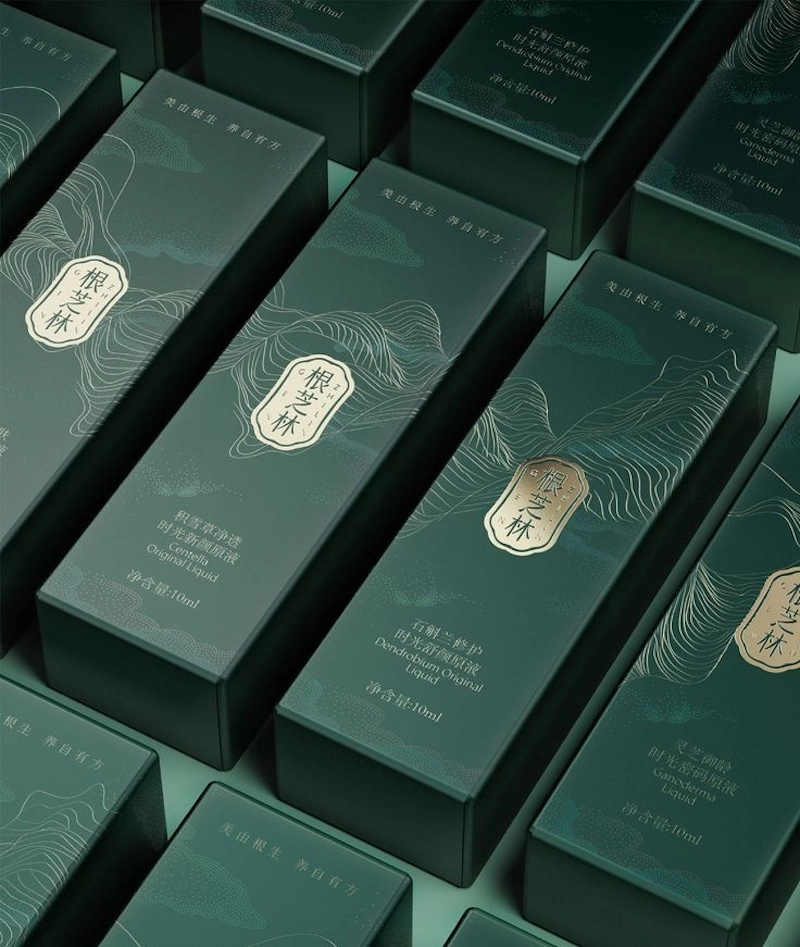
Soft-Touch vs Matte Lamination: Which Is Better for Skincare Boxes?
In the highly competitive skincare market, packaging is more than protection—it is positioning.
Among the most popular finishing techniques for skincare boxes are soft-touch lamination and matte lamination. Both create a non-glossy appearance, both enhance sophistication, and both are widely used in premium cosmetic packaging. However, they deliver different sensory experiences, performance characteristics, and brand signals.
So which is better for skincare boxes?
In this comprehensive guide, we compare soft-touch and matte lamination across appearance, feel, durability, cost, brand positioning, and practical use cases—helping skincare brands make the right packaging decision.
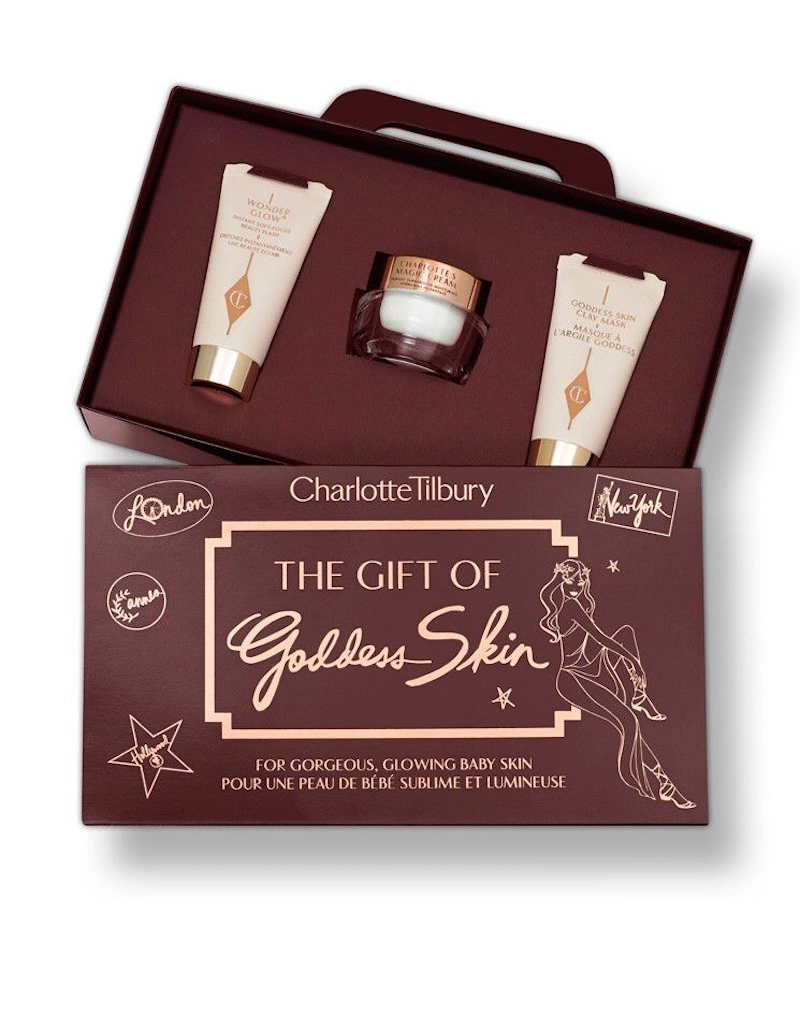
Unboxing Experience: Why Packaging Matters More Than Ever in Beauty E-commerce
In today’s beauty e-commerce landscape, the customer journey does not end at checkout—it begins at delivery. With online shopping replacing traditional in-store experiences, brands can no longer rely on physical shelves, lighting, or sales associates to make a strong impression. Instead, the moment a package arrives at a customer’s doorstep becomes the new “retail counter.”
This is where the unboxing experience takes center stage.
In this article, we explore why unboxing matters more than ever in beauty e-commerce, how premium packaging influences buying decisions, and how strategic packaging design can drive customer loyalty and long-term brand growth.
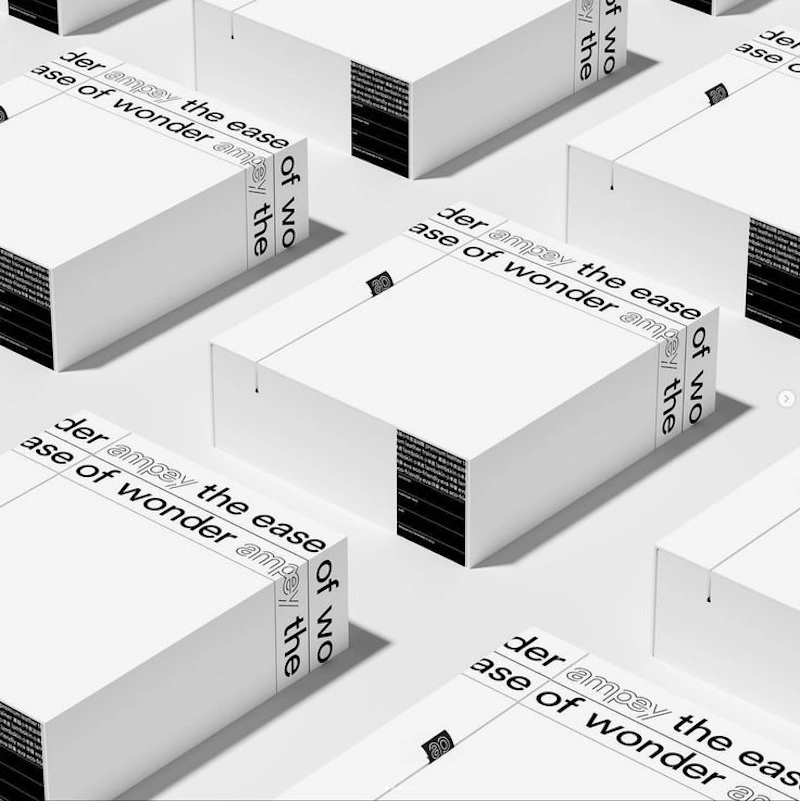
What Is White Ink?
In the realm of high-end packaging and printing, colour is not merely a matter of beauty, but also of visibility, contrast and brand influence. While most people assume that white is the default colour of paper, professional printers know that white printing is an effective, specialised solution, particularly for printing on dark, coloured, kraft or speciality paper.
White ink printing has become popular for luxury packaging, cosmetics boxes, perfume packaging, and high-end brands. It can be used to create simple white-on-black designs and bold white graphics on kraft paper, enabling brands to shine with elegance and clarity.
In this guide, we will discuss what white ink is, how it works, where it is used, and why it is an important component of modern packaging. We will also describe how Winpack Printing uses white ink technology to help global brands achieve high-end packaging results.
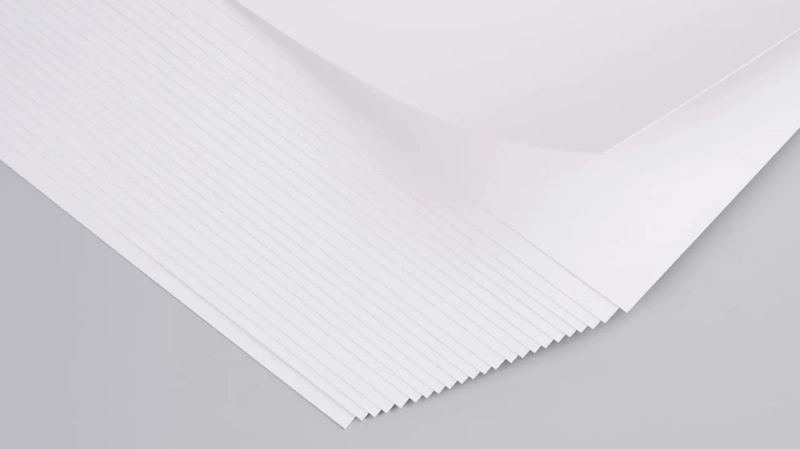
Mastering SBS C2S Paper Board: The Ultimate Guide for Packaging and Printing
In the fast-paced world of professional printing and advanced packaging, choosing the right material is crucial for the success of your product. Introducing Solid Bleached Sulphate (SBS) Coated 2 Sides (C2S) Paper Board, one of the best options for balancing durability with outstanding aesthetics. SBS C2S is coated on both sides, making printed images more vivid and clear, and greatly improving the structural integrity of packaging. Whether you are creating a beautiful package for a luxury cosmetic line, a strong box for a high-end electronic product or eye-catching marketing materials, SBS C2S is designed to meet the challenging requirements of the current market. This introduction will demonstrate the transformational nature of SBS C2S paper board and explain how it can elevate your products from ordinary to extraordinary.
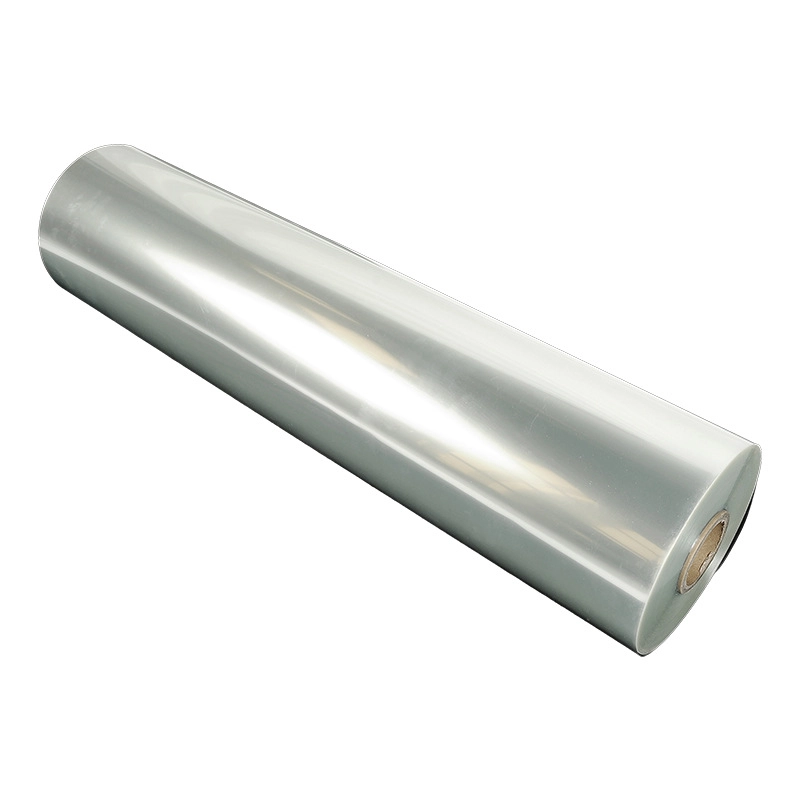
What is Anti-Scratch Lamination?
This simple yet effective production step adds a protective layer to packaging, making it scratch-resistant and ensuring products remain fresh over time. For packaging designers and manufacturers, it is an invaluable resource for making packaging more durable and attractive.
Anti-scratch lamination ensures your packaging stays clean and reduces damage during transit, offering long-term protection. As well as securing your materials, it enhances your brand image and boosts consumer satisfaction.
This paper will discuss the functionality of anti-scratch lamination, its main advantages and why it is an essential tool for companies looking to create memorable, long-lasting packaging.
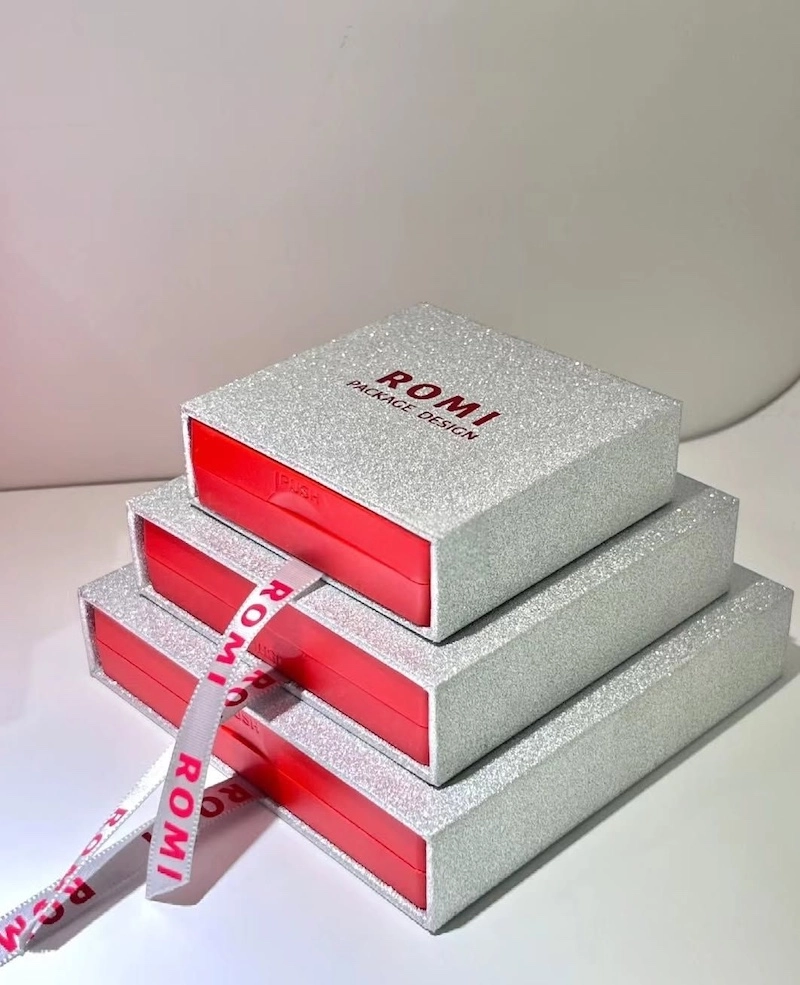
What is Glittering in Packaging?
In the highly competitive modern retail world, packaging is no longer just a container; it is a brand statement. Of the many visual tools employed to attract consumers' attention, glittering packaging has become one of the most effective ways to convey luxury, excitement and high-quality value.
Glittering effects can transform ordinary paper packaging into a sensory and emotional experience, as seen with glittering cosmetic boxes and gift wrapping. But what exactly is glittering in packaging? How is it achieved? Which materials and printing methods are used, and when should brands use them?
This paper provides an in-depth reference to glittering in packaging, including its definition, manufacturing techniques, choice of materials, usage, advantages and future trends, to help brands and consumers make the right choices.
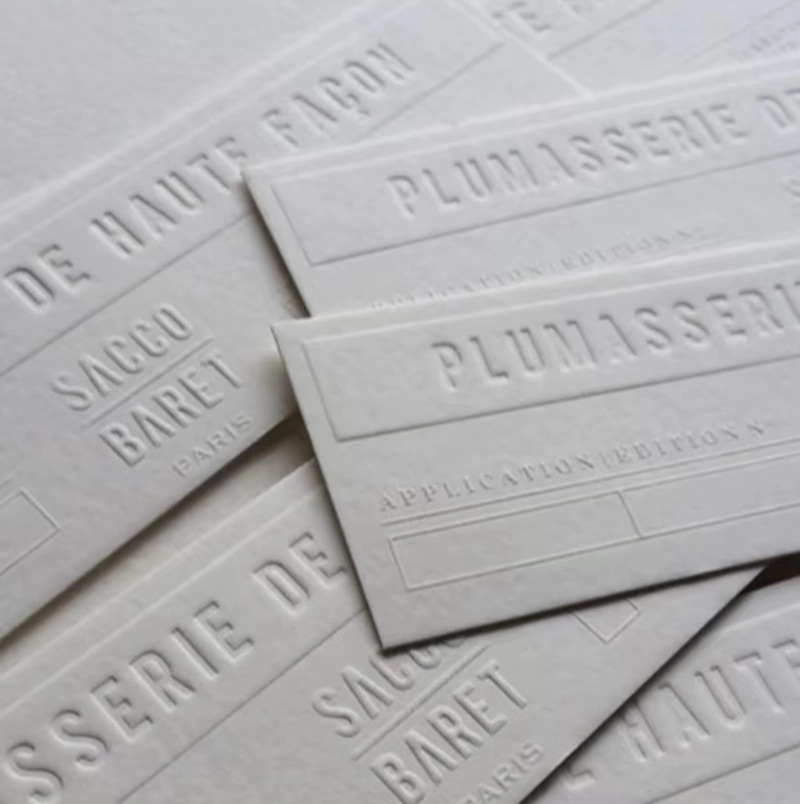
Blind Debossing: A Comprehensive Guide
In premium packaging, subtle details often create the strongest brand impression. Blind debossing is one of those refined finishing techniques that adds depth, texture, and tactile sophistication—without relying on ink or foil. By pressing designs into the paper surface, blind debossing delivers a clean, understated look that elevates packaging for cosmetics, perfumes, luxury goods, and specialty products.
At Winpack Printing, we specialize in custom packaging solutions that combine structural precision with high-end finishing techniques. This comprehensive guide will explain what blind debossing is, how it works, when to use it, and why brands choose it to create packaging that feels as premium as it looks.
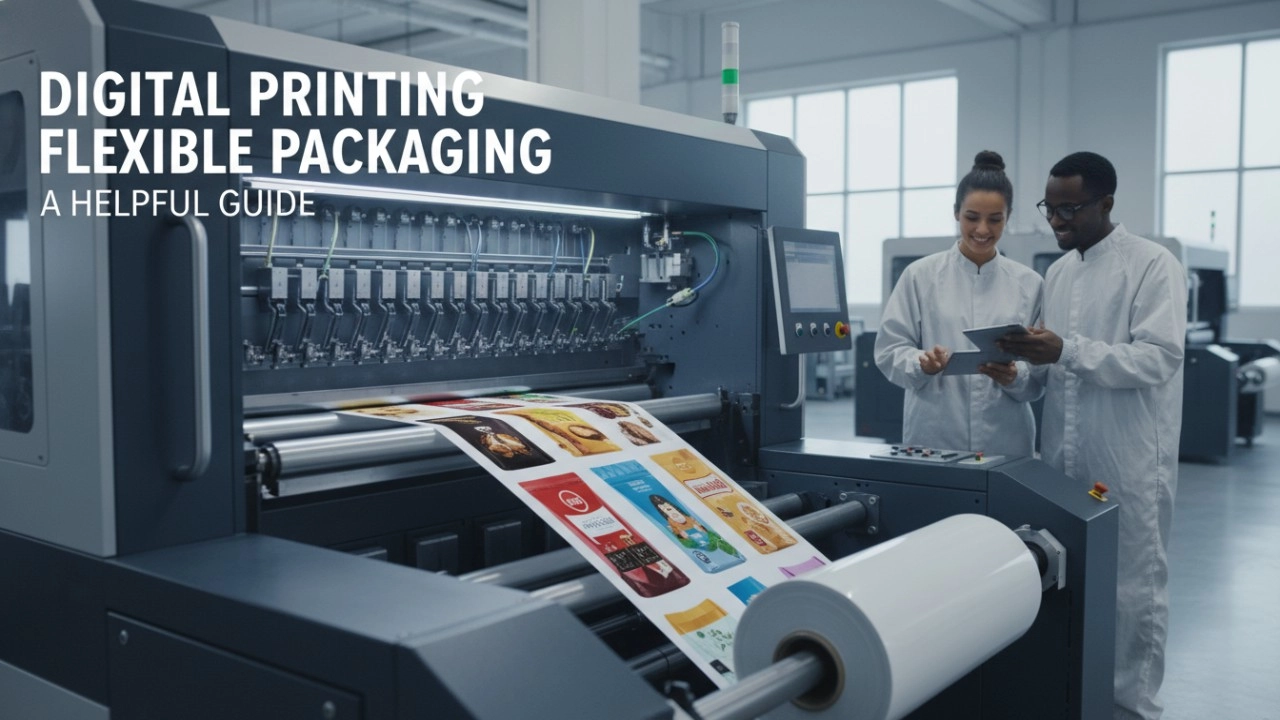
10 Cost-Saving Advantages of Digitally Printed Flexible Packaging You Haven’t Considered
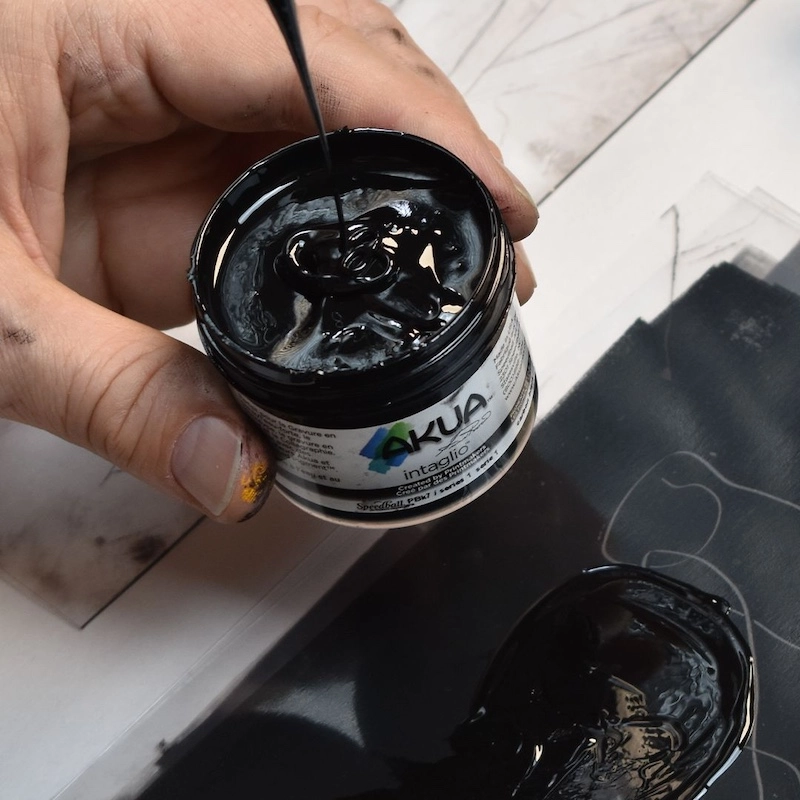
What is Water-based Ink?
When you need a green alternative to traditional printing, water-based ink is a more environmentally friendly option. Unlike solvent-based solutions, it significantly reduces dangerous emissions during production.
This type of ink is particularly suitable for use in the packaging and textile industries, producing a bright, smooth finish. Water-based ink dries quickly, making it more productive while still achieving high-quality results.
Using water-based solutions allows you to fulfil all of your artistic and environmental requirements while keeping up the creative tradition and saving the planet.
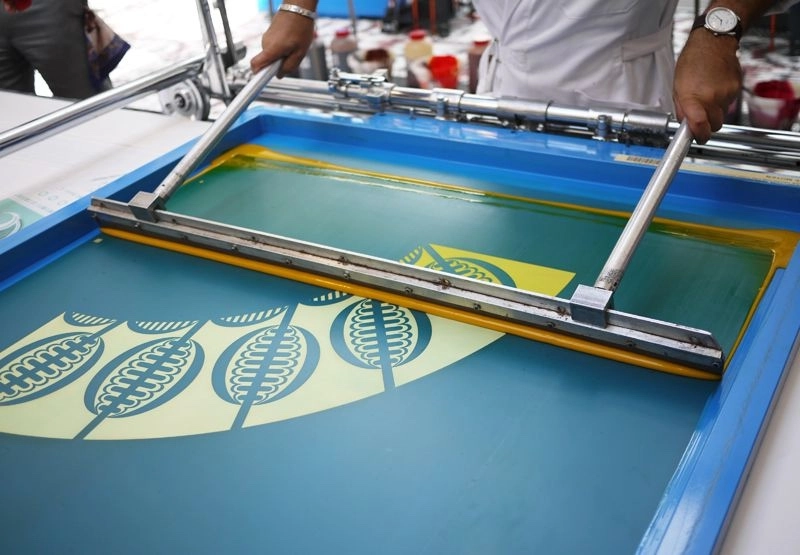
Understanding Screen Printing: A Comprehensive Guide
Welcome to the vibrant world of screen printing, where traditional artistry meets modern technology to create everything from the eye-catching graphics on your favourite T-shirt to the intricate designs adorning luxury packaging. Did you know that over 30 per cent of all printed fabrics and high-end packaging would not exist without screen printing? This method is not only popular, it is also a necessity for contemporary manufacturing and design.
This guide will give you an overview of the history of screen printing, from its origins in ancient China to its current status as the backbone of today's creative industries. You will learn the step-by-step process behind those vibrant, long-lasting prints and discover the various industrial applications of this technique, which remains the gold standard for precision and durability in the work of companies and artists alike. So let's jump in and explore how screen printing continues to be a pillar of creativity and quality in the contemporary world.
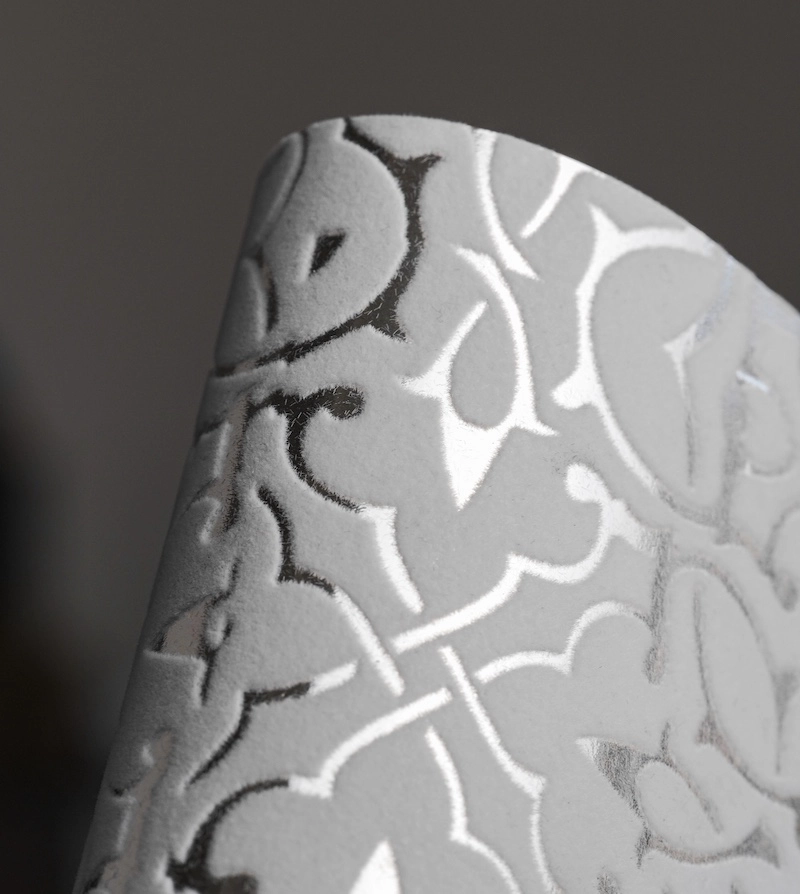
What is flocking?
In the competitive world of packaging, it is important to develop a differentiated product. Enter flocking, a method that has quickly become popular due to its ability to transform ordinary packaging into an experience that can be felt as well as seen. But what exactly is flocking, and why has it become such a popular solution for both high-end and everyday brands?
This detailed manual delves into the flocking process and its many advantages, as well as its numerous applications in the packaging industry. It explains why flocking is the secret to engaging consumers and making products attractive.
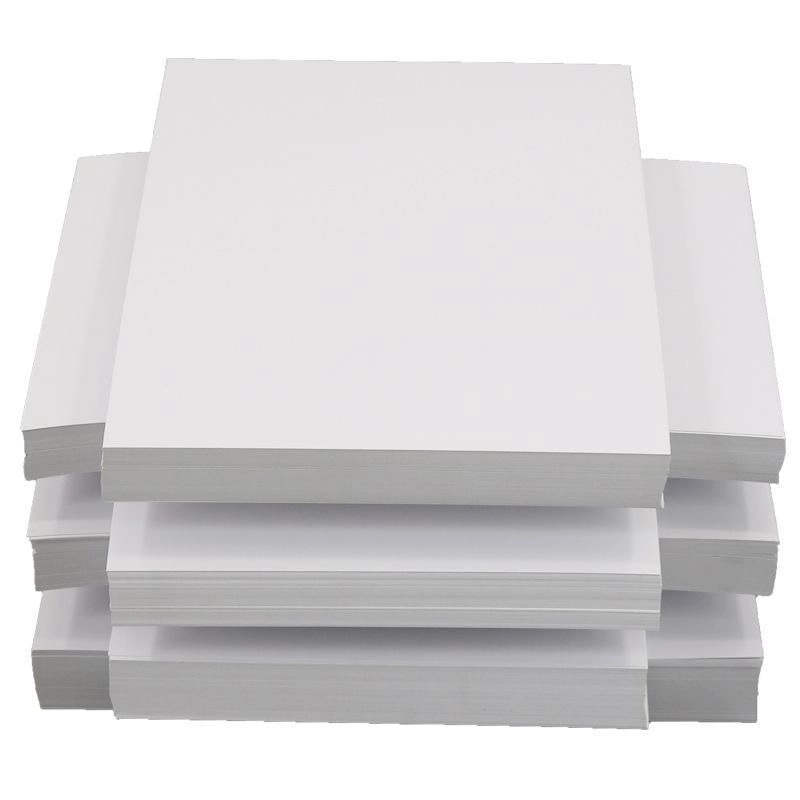
Solid Bleached Sulfate C1S Paperboard for Premium Packaging
Does your packaging grab people's attention and convey the value of your brand and your commitment to sustainability? In today's competitive market, packaging is more than just a container; it's an important touchpoint that demonstrates the quality, values and sustainability of your product. The right packaging can influence consumer behaviour in a matter of seconds.
C1S (coated one side) paper is the perfect solution. It has a glossy surface, bold, high-quality prints, and a natural texture, and can be used in a wide range of applications. This paper will explore how C1S paper can help brands provide high-quality, environmentally friendly packaging that appeals to today's conscious consumers.
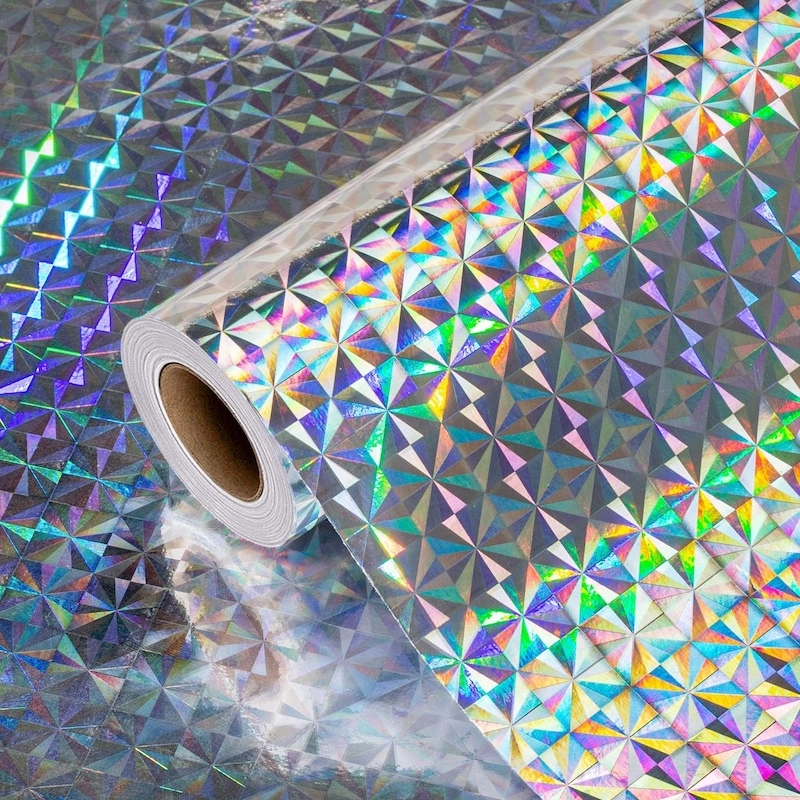
Holographic Paper: What You Need to Know
In the competitive world of custom printed packaging, innovation is key. Add holographic paper to create packaging that is a visual masterpiece. Imagine your products covered in iridescent colour, shining in the light and catching the eye of everyone who sees them. It's not just packaging; it's a powerful tool for elevating your brand and creating a lasting impression.
This blog post will introduce you to the world of holographic paper, exploring its advantages and applications, and demonstrating how it can transform your packaging strategy. From improving visual appeal to providing unmatched security features, discover why this new material is the future of high-end packaging solutions. Now it's time to delve into the details and understand how holographic paper can give your brand the competitive advantage it deserves.
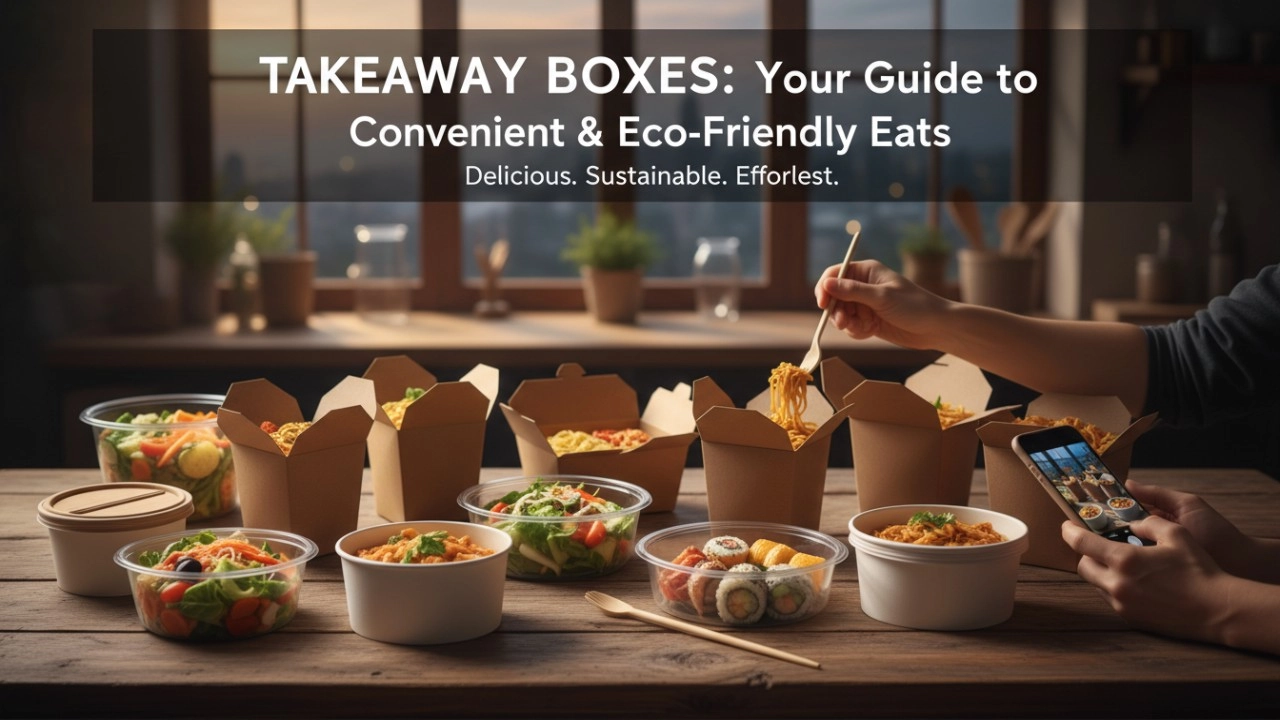
Eco-Friendly Takeaway Boxes: The Definitive Ranking of Sustainable Packaging for 2026
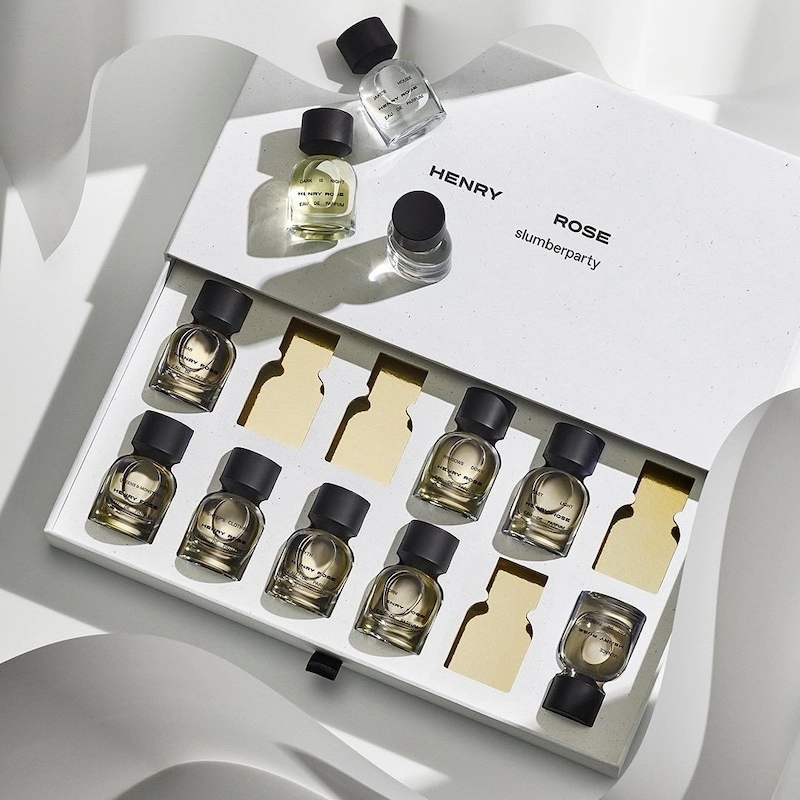
The Ultimate Step-by-Step Guide to Perfume Packaging
Perfume packaging is so much more than just a box: it's the first thing your customers will see, it tells them about your brand, and it's a silent salesperson for your perfume. In the highly competitive global perfume market, exceptional packaging is what will make customers choose to buy your product, post about it online, and remember your brand.
This step-by-step guide to perfume packaging will take you through all the important steps, including knowing your brand positioning and choosing materials, structures and finishes that will keep your perfume safe and make it look expensive.
Whether you are launching a new fragrance or updating an existing line, this guide will help you make informed and strategic choices regarding packaging.
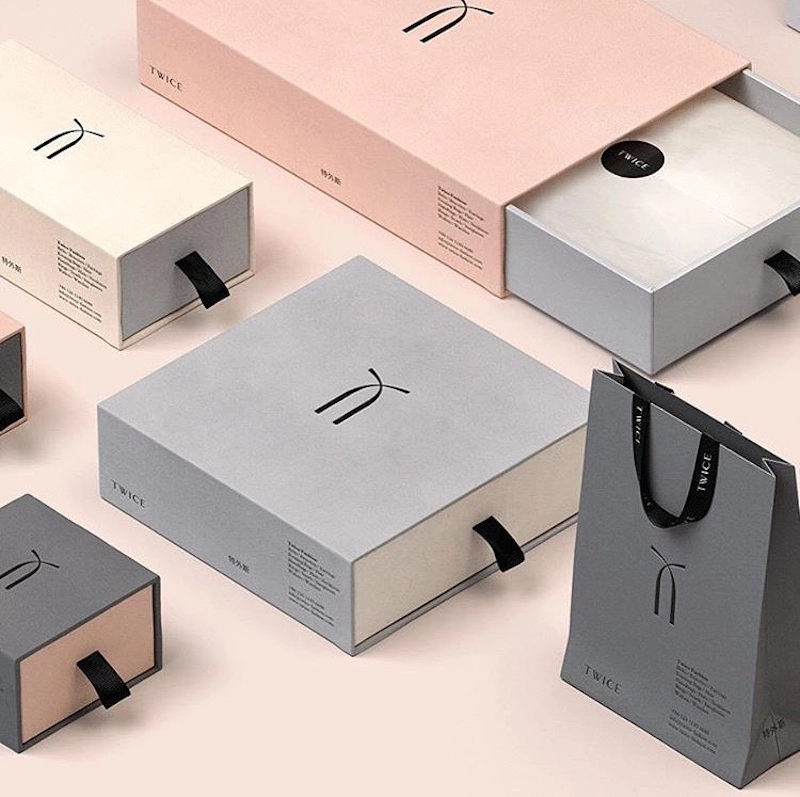
How To Make Custom Boxes: A Beginner’s Guide
Well-designed product packaging can greatly influence your business's success. As well as securing your goods in transit, it can appeal to your customers and create brand loyalty.
Taking the time to conceptualise and prepare your packaging allows you to utilise your brand's full potential and save time worrying about deadlines.
As social media influencers who share unboxing videos grow in popularity, businesses should reconsider their approach to packaging to make a more memorable impression.
You cannot rush custom packaging. In this article, we will give you five tips to help you initiate the process of developing efficient and effective custom packaging.
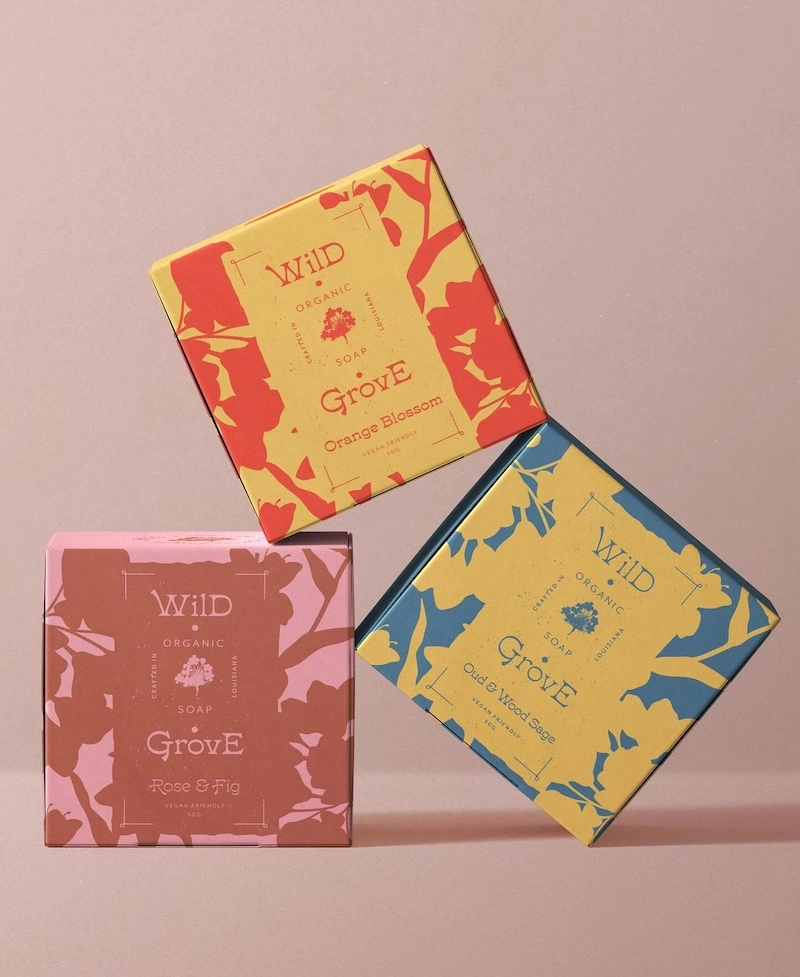
What Is Retail-Ready Packaging?
When we consider retail shopping, we must take the consumer experience into account.
What makes someone buy something and remain loyal to a brand?
The answer may lie in retail-ready packaging.
Get Custom Packaging Today
Connect with our experts to find the OEM printing and packaging solution that best suits your needs. Find out how Winpack Printing meets your brand's unique requirements.


Get in touch
© 2025 WINPACK PRINTING. All rights reserved

Wenhua Printing packaging
winpackprinting
Winpack Printing