




Article
Innovative Printing Techniques for Food Packaging
I explain advanced printing techniques for custom food packaging—digital, flexo, gravure, offset, and specialty finishes—so you can choose solutions that balance food-safety compliance, brand appeal, cost and sustainability. Practical comparisons, standards references, and guidance for partnering with a qualified manufacturer are included.
2026-03-20
Choosing a Custom Food Packaging Supplier Checklist
A practical, experience-driven checklist for selecting a custom food packaging supplier. I walk you through food-grade materials, regulatory compliance (FDA, ISO, EFSA), barrier and shelf-life needs, sustainability, production capabilities, quality control, testing, and commercial considerations. Includes supplier evaluation tables, data-backed recommendations, and a profile of Winpack Printing as a capable manufacturing partner.
2026-03-19
Custom Retail Food Packaging: Shelf Appeal Strategies
I share practical, experience-based strategies for designing custom food packaging that wins attention on crowded retail shelves. The article covers visual hierarchy, material selection, structural design, labeling and compliance, sustainability messaging, and testing methods. It includes comparative tables, authoritative citations, and a case-introduction to Guangdong Winpack Printing Technology Development Co., Ltd., with concrete service and contact details for custom packaging solutions.
2026-03-18
Flexible Packaging Options for Snacks and Bakery
As a packaging consultant with deep experience in custom food packaging for snacks and bakery, I outline flexible packaging choices that balance shelf life, cost, sustainability and brand experience. This guide covers materials, barrier technologies, regulatory considerations, and manufacturing options — with practical recommendations and vendor capabilities.
2026-03-17
Insulated Custom Food Packaging for Hot & Cold Meals
I explain how insulated custom food packaging preserves temperature, ensures food safety, and meets sustainability and regulatory needs for hot and cold meals. I cover material choices, design principles, performance comparisons, manufacturing considerations, and how to select a reliable supplier. Practical guidance, data-backed references, and a manufacturer profile (Winpack) are included to help foodservice brands, caterers, and food delivery operators make informed decisions.
2026-03-16
Food Labeling Compliance for Custom Packaging
As a packaging consultant with deep SEO and regulatory experience, I explain practical steps for ensuring food labeling compliance when designing custom food packaging. This article covers mandatory label elements (US, EU, Canada), materials and food-contact considerations, allergen and nutrition rules, traceability, testing, and supplier workflows. It includes comparisons, references to authoritative standards, hands-on best practices, and a showcase of manufacturing capabilities from Winpack to help brands meet regulatory and market requirements.
2026-03-15
Compostable vs Recyclable Food Packaging Explained
I explain how compostable and recyclable food packaging differ, how standards and real-world systems affect performance, and practical guidelines for selecting custom food packaging that balances sustainability, cost, and compliance. I include verified standards, comparison tables, and actionable steps for brands to implement responsible packaging.
2026-03-14
Cost-Effective Custom Food Packaging Solutions
I share practical, experience-based strategies for designing and sourcing cost-effective custom food packaging that meets food-safety rules, preserves product quality, and supports brand goals. This guide covers material selection, design optimization, regulatory compliance, sustainable options, supplier negotiation tactics, and real-world comparisons to help food brands reduce packaging costs without sacrificing safety or shelf appeal.
2026-03-13
Personalized Food Boxes: Branding and Unboxing Tips
I share practical guidance on designing custom food packaging that protects food, reinforces brand identity, and creates memorable unboxing experiences. Learn material choices, food-safety considerations, printing options, prototyping, sustainability trade-offs, and measurable unboxing tactics that drive customer loyalty.
2026-03-12
Best Custom Packaging for Fresh and Frozen Foods
As a packaging consultant, I explain how to choose and design custom food packaging for fresh and frozen foods—covering material choices, barrier and insulation needs, regulatory requirements, sustainability trade-offs, supplier selection, and real-world examples to help food brands protect quality and extend shelf life.
2026-03-11
Custom Packaging Design Tips to Boost Food Sales
I share practical, proven strategies for designing custom food packaging that increases shelf appeal, protects product quality, meets regulatory requirements, and supports sustainability goals. Based on industry experience and manufacturing know-how in Guangdong, China, this guide covers materials, structure, printing, labeling, cost control, and production considerations to help food brands convert more shoppers.
2026-03-10
How Custom Packaging Improves Shelf Life and Safety
I explain how custom food packaging — from barrier films and vacuum systems to active and tamper-evident designs — extends shelf life, reduces food waste, and enhances consumer safety. I combine industry best practices, standards (FDA, ISO), and real-world packaging solutions, and describe how Winpack's custom paper and specialty boxes support shelf life management and product protection.
2026-03-09
Eco-Friendly Custom Food Packaging Materials Guide
As a packaging consultant with deep experience in custom food packaging and sustainability, I explain how to choose eco-friendly materials that meet food safety, functional and marketing needs. This guide compares paperboard, bioplastics (PLA), PET, PE, compostable films and coatings, highlights certifications and regulatory references, offers design tips and real-world trade-offs, and shows how Winpack supports sustainable custom packaging production.
2026-03-08
Custom Food Packaging: Benefits for Food Brands
As a packaging consultant with extensive SEO and industry experience, I explain how custom food packaging drives brand differentiation, improves shelf life and safety, meets regulatory and sustainability demands, and boosts sales. This article covers design, materials, cost-benefit analysis, and implementation steps — with evidence-backed sources and examples — and profiles Winpack, a specialist custom paper box manufacturer.
2026-03-07
How Reworks and Returns Are Handled by a Custom Packaging Manufacturer
I explain how a custom packaging manufacturer manages returns and reworks—from receiving, inspection, grading and disposition to rework operations, documentation, traceability and sustainability—so brands can reduce cost, preserve quality, and improve customer experience.
2026-03-06
Automation and Machinery Commonly Used by a Custom Packaging Manufacturer
As a packaging industry consultant, I explain the key automation and machinery used by a custom packaging manufacturer, from printing presses to finishing lines, how they impact cost, quality and lead time, and practical guidance for selecting and integrating equipment. I include comparisons, authoritative references, and a case summary of Winpack's capabilities and contact details.
2026-03-05
How a Custom Packaging Manufacturer Handles Color Matching and PMS
As a packaging specialist operating from Guangdong, China, I explain how a custom packaging manufacturer ensures accurate color matching — from brand-proofing and spectral measurement to Pantone/PMS workflows, ICC profiles, quality-control thresholds and production best practices. I share practical steps, tools, and how Winpack’s capabilities support consistent results for cosmetics, food, electronics and more.
2026-03-04
Small Batch vs Mass Production: Options from a Custom Packaging Manufacturer
I compare small-batch and mass-production options from a custom packaging manufacturer, explaining cost drivers, lead times, quality control, tooling, sustainability and compliance. I share practical decision rules, a detailed comparison table, and real-world recommendations — plus how Winpack supports both short runs and large orders with advanced equipment and industry experience.
2026-03-03
How a Custom Packaging Manufacturer Manages Tooling and Die Costs
As a specialist in custom packaging manufacturing, I explain how tooling and die costs are estimated, controlled and amortized. I cover cost drivers, production strategies, sourcing decisions, risk mitigation, and practical examples — plus why partnering with a capable supplier like Winpack reduces lead times and total cost of ownership.
2026-03-02
Typical Production Timelines and Bottlenecks at a Custom Packaging Manufacturer
I explain typical lead times, common bottlenecks and practical mitigation strategies at a custom packaging manufacturer. Drawing on industry standards and production data, I map each production phase (design, prepress, printing, finishing, QC, logistics), quantify typical durations, show where delays occur and give action-oriented recommendations to shorten lead time and reduce risk.
2026-03-01
Recommended for you
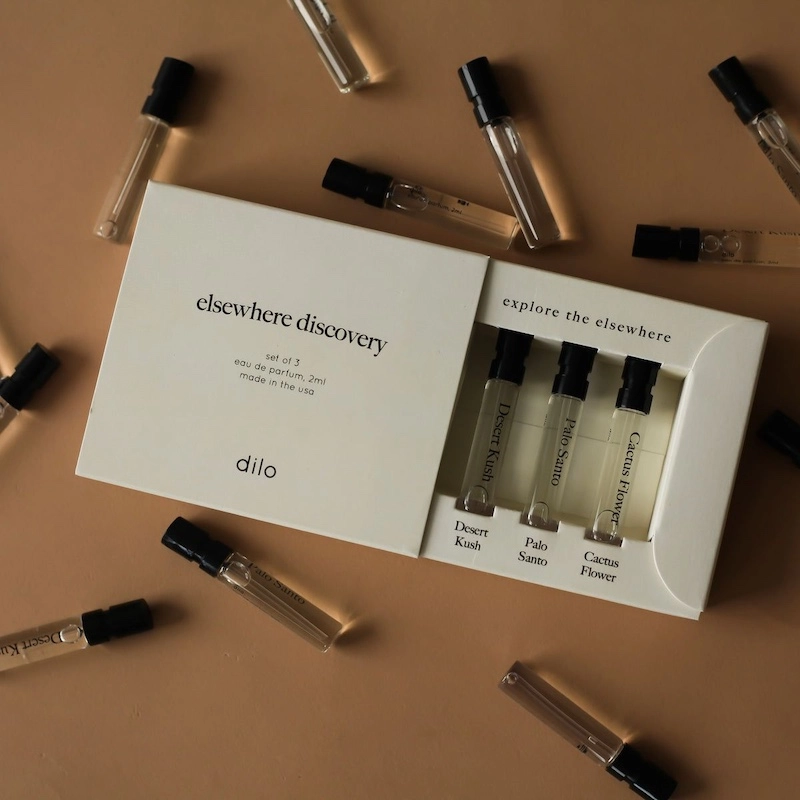
UV Printing vs Offset Printing for Cosmetic Packaging: Which Is the Better Choice for Your Brand?
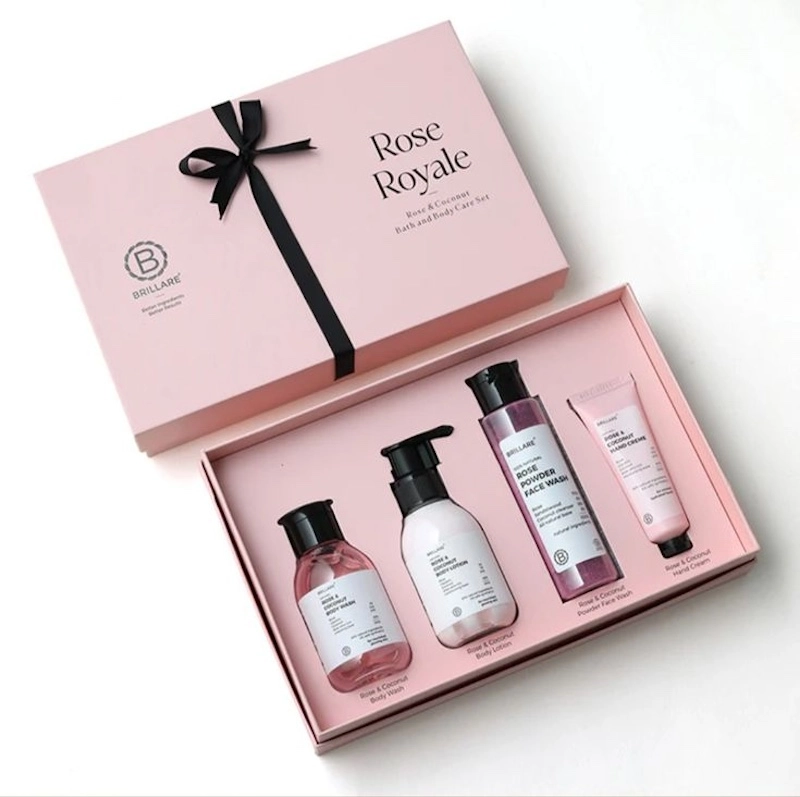
What GSM Paper Is Ideal for Skincare Folding Cartons?
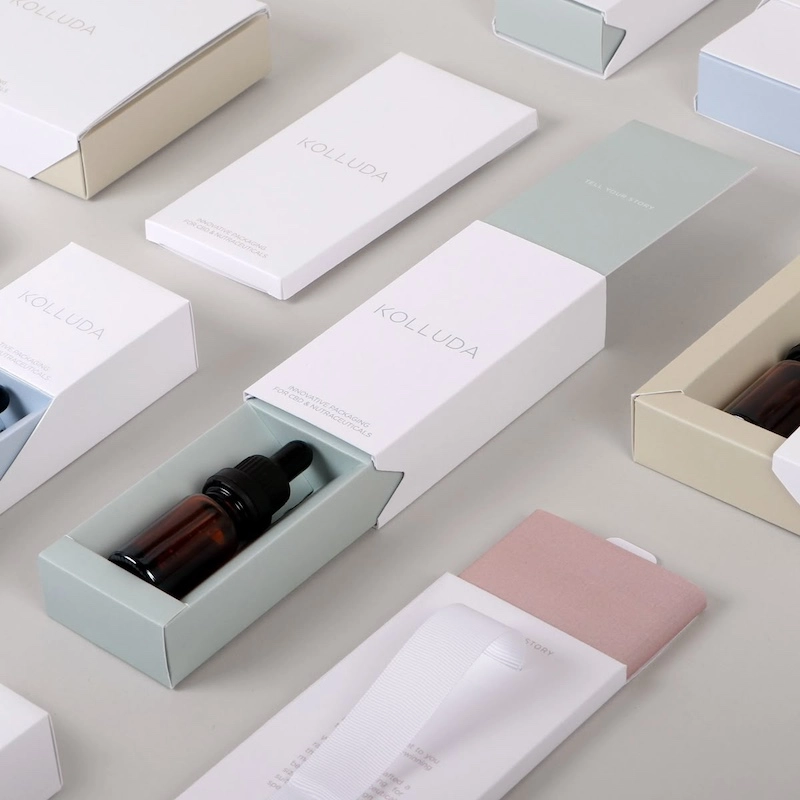
Best Paperboard for High-End Cosmetic Packaging (SBS vs CCNB vs Kraft)
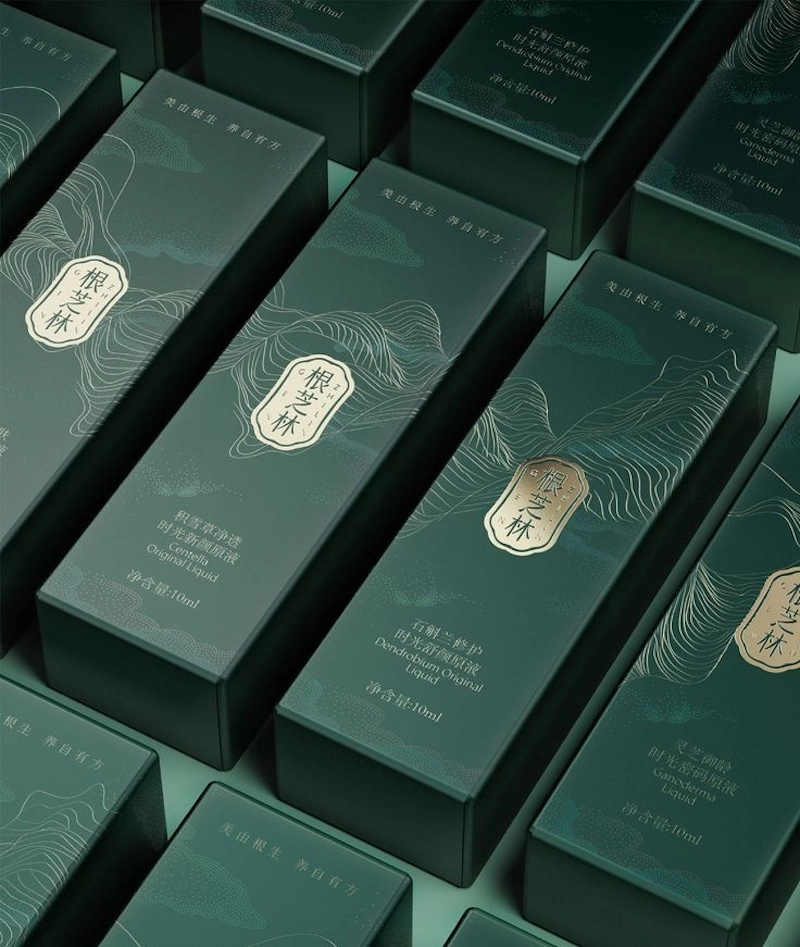
Soft-Touch vs Matte Lamination: Which Is Better for Skincare Boxes?
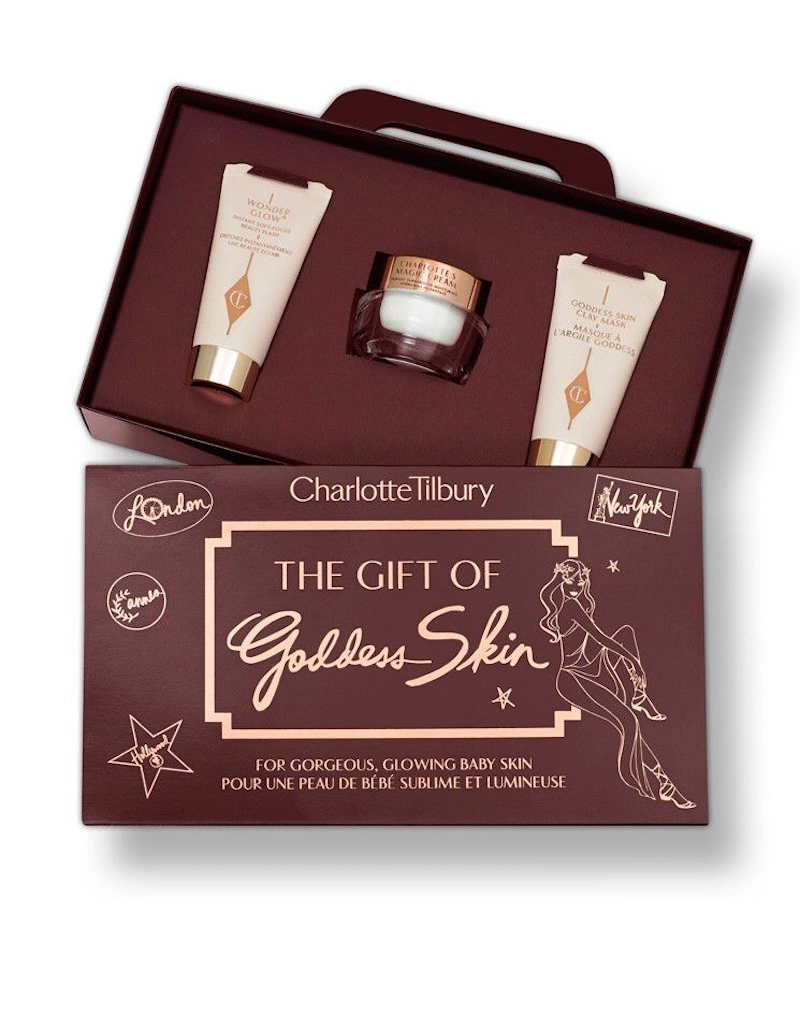
Unboxing Experience: Why Packaging Matters More Than Ever in Beauty E-commerce
© 2025 WINPACK PRINTING. All rights reserved

Wenhua Printing packaging
winpackprinting
Winpack Printing