




Cost Comparison: Digital vs Traditional Flexible Packaging
- Understanding flexible packaging and printing technologies
- What is flexible packaging and why printing method matters
- Overview of digital printing for flexible packaging
- Overview of traditional printing: flexography and gravure
- Side-by-side cost comparison
- Cost drivers to evaluate
- Quantitative comparison table
- How order size shifts the economics
- Operational considerations and total cost of ownership
- Inventory and cash flow impacts
- Quality, color management and regulatory needs
- Sustainability and waste
- When to choose digital printing flexible packaging vs traditional
- Choose digital printing if:
- Choose flexo/gravure if:
- Hybrid strategies that combine the best of both
- Case examples, ROI approach and decision checklist
- Simple ROI framework I use
- Practical example (hypothetical)
- Checklist before you decide
- Winpack: capabilities and why we matter to your packaging program
- Frequently Asked Questions (FAQ)
- 1. Is digital printing flexible packaging always more expensive per unit?
- 2. Can digital printing meet food-contact and pharmaceutical regulations?
- 3. How fast can digital printing turn around compared to flexo?
- 4. What quality differences should I expect between digital and flexo?
- 5. How should I approach getting quotes to compare accurately?
- 6. What environmental considerations should influence my decision?
I often get asked by brand managers, product developers and procurement teams whether digital printing flexible packaging is more economical than traditional methods like flexography or gravure. In this article I walk through the measurable cost drivers—including setup, unit costs, waste, inventory carrying, and value-added customization—so you can make a data-driven decision for short runs, personalization projects, and high-volume SKUs. I cite industry references where relevant and finish with FAQs and a practical next step for sourcing packaging.
Understanding flexible packaging and printing technologies
What is flexible packaging and why printing method matters
Flexible packaging refers to package formats made from pliable materials—films, laminates, paper, foils—used for pouches, sachets, bags, and rollstock. The printing and converting method directly affect visual quality, barrier performance, lead time and total cost of ownership. For a general overview, see Flexible packaging (Wikipedia).
Overview of digital printing for flexible packaging
Digital printing (including inkjet and electrophotography-based systems) applies image data directly to the substrate without plates. Key advantages are minimal setup cost, rapid proofing, and variable-data printing—useful for personalization, localized labeling and frequent design changes. For background on digital printing technologies, see Digital printing (Wikipedia).
Overview of traditional printing: flexography and gravure
Flexography (flexo) and gravure are common traditional methods for roll-to-roll flexible packaging. Both require engraved plates (anilox rolls, cylinders) and make economic sense at higher volumes because the per-unit ink/press cost drops significantly with scale. For process details, see Flexography (Wikipedia) and gravure literature.
Side-by-side cost comparison
Cost drivers to evaluate
When comparing digital printing flexible packaging vs flexo/gravure, I evaluate these cost drivers:
- Setup costs (plates, press makeready, color matching)
- Run (per-unit) costs—ink, substrate handling, labor, energy
- Waste and spoilage during start-up and color tuning
- Inventory carrying costs for pre-printed stock and safety stock
- Value from variable data and versioning (marketing uplift, SKU proliferation)
- Turnaround time and logistics costs for expedited runs
Quantitative comparison table
Below is a pragmatic comparative table. Numbers are ranges commonly reported by converters and validated by industry summaries; your actual costs will vary by region, substrate, ink system, and order complexity. For general industry context, consult the Flexible Packaging Association (flexpack.org).
| Cost Component | Digital Printing (flexible packaging) | Traditional (Flexo/Gravure) |
|---|---|---|
| Typical Setup Cost | Low: USD $0–$150 (mostly pre-press & minimal makeready) | High: USD $500–$5,000+ (plates, engraved cylinders, color proofing) |
| Unit Cost (short run: 1k–5k units) | Lower to competitive: $0.03–$0.30 per pouch (depends on size) | Higher: $0.10–$0.60 per pouch (plate amortization raises per-unit cost) |
| Unit Cost (long run: >100k units) | Stable but higher: $0.04–$0.20 per pouch (ink cost & speed limit impact) | Lower at scale: $0.01–$0.08 per pouch (economies of scale) |
| Turnaround Time | Fast: days to a week (no plate-making) | Longer: 1–3+ weeks (plate-making & press scheduling) |
| Versioning / Variable Data | Excellent: variable images, barcodes, personalization on-demand | Limited: costly per-version plate changes |
| Waste / Makeready Loss | Low | Higher (several hundred to thousands of meters during color setup) |
Sources: industry converter reports, technology suppliers, and general summaries available from trade associations such as the Flexible Packaging Association and technology overviews on Wikipedia.
How order size shifts the economics
I frequently model three scenarios for clients: one-off personalization runs (<5k units), frequent small batches (5k–50k), and high-volume stable SKUs (>100k). Digital printing often dominates for the first two due to negligible setup and inventory benefits. For established high-volume SKUs, flexo/gravure typically yields lower cost per unit once plate costs and makeready waste are amortized.
Operational considerations and total cost of ownership
Inventory and cash flow impacts
Pre-printing large volumes with flexo reduces unit price but increases inventory carrying costs and risk of obsolescence. Digital printing allows just-in-time production—reducing safety stock and potential markdowns. When I run TCO models for clients I factor in working capital costs (interest rate, storage, SKU expiration) which often tip the balance toward digital for fast-moving consumer goods with seasonal or promotional variability.
Quality, color management and regulatory needs
Traditional presses historically offered more consistent solid coverage and a wider gamut for certain spot colors; however, modern digital presses for flexible substrates have closed much of that gap. Color management and proofing workflow (ISO 12647 principles) and a strong quality management system (ISO 9001) matter irrespective of method. For packaging intended for food, pharmaceutical or medical use, compliance with material and printing regulations is essential—refer to guidance from the U.S. FDA on food-contact materials.
Sustainability and waste
Digital printing generally creates less make-ready waste, enabling lower material throughput and potentially less energy per SKU. Life cycle and recyclability depend more on substrate selection and coating/lamination choices. Refer to the US EPA and sustainability resources for packaging best practices: EPA - Sustainable Management of Materials: Packaging.
When to choose digital printing flexible packaging vs traditional
Choose digital printing if:
- You require short runs, frequent design changes or many SKUs.
- You need personalization, QR codes, or regionalized messaging.
- Faster time-to-market and lower inventory are priorities.
- You want to test new SKUs or limited editions before committing to long runs.
Choose flexo/gravure if:
- Your SKU has stable artwork and you run large volumes (>50k–100k units).
- Absolute lowest unit cost is the primary objective.
- You require very specific spot colors or special varnishes not yet available digitally at scale.
Hybrid strategies that combine the best of both
Many operations adopt a hybrid approach: use digital printing for market tests, seasonal SKUs and personalization; switch to flexo/gravure for established, high-volume SKUs. This strategy optimizes capex and inventory while enabling rapid market responsiveness. My clients often run a 6–12 month pilot in digital to validate demand before re-tooling for traditional printing.
Case examples, ROI approach and decision checklist
Simple ROI framework I use
To compare options I recommend calculating:
- Fixed setup cost (plates, prepress, makeready)
- Per-unit running cost (ink, substrate, labor)
- Inventory carrying and spoilage costs
- Marketing uplift from personalization/versions
Then compute total cost for projected volumes and include non-monetary factors (speed, regulatory compliance, sustainability). That gives a break-even run-length at which traditional printing becomes cheaper than digital.
Practical example (hypothetical)
If flexo setup is $2,000 and flexo per-unit is $0.02, and digital setup is $100 and per-unit is $0.05, the break-even quantity Q satisfies:
$2,000 + 0.02*Q = 100 + 0.05*Q → Q = 63,333 units. Below that, digital is cheaper; above that, flexo is cheaper. This simple model highlights why order size and versioning strategy are critical inputs.
Checklist before you decide
- Define annualized demand per SKU (best, expected, worst case).
- Assess required turnaround time and tolerance for color variance.
- Map SKU lifecycle—frequent changes favor digital.
- Validate regulatory/food-contact requirements for chosen inks and substrates.
- Get matched quotes including waste, lamination, and finishing from vendors.
Winpack: capabilities and why we matter to your packaging program
In 2016, Guangdong Winpack Printing Technology Development Co., Ltd. was officially established as a professional paper box printing manufacturer specializing in designing, proofing, printing, and producing a wide range of packaging and printed materials. Our services include customized production of stickers, labels, paper bags, gift boxes, beauty boxes, pizza boxes, books, brochures, flyers, etc. Winpack caters to diverse industries, including cosmetics, food, healthcare, pharmaceuticals, and electronics.
Our 15,000-square-meter factory is equipped with state-of-the-art technology. We utilize an advanced screen plate-making system and top-tier machinery such as the Heidelberg printing machine, high-speed paper cutter, Lithrone GL-40A machine, and anti-counterfeiting inkjet printer to ensure superior quality and efficiency. Our vision is to become the world's leading custom paper box packaging manufacturer. Visit our website: https://www.winpackprinting.com/ or contact us at [email protected].
Winpack's competitive advantages:
- Comprehensive in-house capabilities—from proofing to finishing—reducing supplier handoffs and lead time.
- Investment in both digital inkjet and high-end offset/flexo equipment to offer hybrid solutions tailored to ROI.
- Experience across regulated industries (food, pharma) with quality systems and material controls to meet compliance needs—backed by our production technology and process controls.
- Wide product portfolio including custom gable boxes, custom gift boxes, custom display boxes, custom rigid boxes, custom folding boxes, custom paper tubes boxes, custom window boxes, custom special-shape boxes, custom pillow boxes, custom take out boxes, allowing cross-format sourcing and consolidated logistics.
If you need a partner who can run short-dated digital trials and scale to high-volume traditional production without compromising quality, Winpack provides that bridge. For inquiries or to request a quote, email [email protected] or visit our site.
Frequently Asked Questions (FAQ)
1. Is digital printing flexible packaging always more expensive per unit?
No. Digital printing often has lower total cost for short runs and multi-version jobs due to minimal setup and lower waste. For very large, stable runs, flexo/gravure usually achieves lower per-unit cost. See the break-even analysis example above.
2. Can digital printing meet food-contact and pharmaceutical regulations?
Yes, but compliance depends on ink chemistry, substrate, lamination barriers and post-print processing. Work with converters experienced in regulatory testing and ask for migration/food-contact documentation. Refer to the FDA guidance on food-contact materials.
3. How fast can digital printing turn around compared to flexo?
Digital printing typically offers faster turnaround—often days—because it avoids plate-making. Flexo may require 1–3 weeks including plate production and scheduling, depending on capacity and complexity.
4. What quality differences should I expect between digital and flexo?
Modern digital presses deliver high resolution and good color consistency, especially for photographic and variable designs. Flexo can still offer advantages in certain spot colors, metallics, or special varnishes. Quality also depends on substrate choice and finishing.
5. How should I approach getting quotes to compare accurately?
Ask vendors to provide line-item costs: setup, plate or prepress, makeready waste, per-unit printing, lamination, finishing, and estimated lead time. Also request sample prints on your actual substrate and evidence of regulatory testing if applicable.
6. What environmental considerations should influence my decision?
Consider lifecycle impacts of substrates, recyclability, ink chemistry and waste from make-ready. Digital printing reduces make-ready waste, but substrate choice and recycling infrastructure are critical to true sustainability gains. The EPA provides useful packaging management resources: EPA - Packaging.
Need help modeling your SKU economics or running a cost-versus-volume analysis? I can help estimate the break-even point for your product line and recommend the best printing strategy.
Contact Winpack for production capabilities, samples and quotes: https://www.winpackprinting.com/ | Email: [email protected].
References:
How to Calculate ROI on Branded Custom Takeaway Boxes
Refillable Cosmetic Packaging Boxes: Benefits & Ideas
Food Safety & Regulations for Takeaway Packaging
Size Guide: Picking the Right Custom Sticker Bag Dimensions
About Printing Craftsmanship
What are the advantages of embossing?
Enhances the visual and tactile appeal of printed products.
Creates a premium and professional look.
Improves brand recognition with distinct textures.
Increases durability as the embossed design remains intact over time.
Rigid Lift-off Box
How long does it usually take from design confirmation to delivery?
The lead time is usually 15-25 days, depending on the production of the order
Can I order a sample of my rigid box?
Yes, we strongly recommend that you do so, we provide a variety of sample types to meet different usage situations and help you guarantee the best results!
Folding Boxes
How long does it usually take from design confirmation to delivery?
Answer: The delivery time of folding boxes is usually 15-25 days, depending on the production of the order
OEM Services
What quality control measures do you have in place?
We implement strict quality control throughout our production process, including:
ISO-certified quality management systems
pressSIGN color management for consistent printing quality
ERP production tracking for precision and efficiency
Rigorous inspections at every stage of production
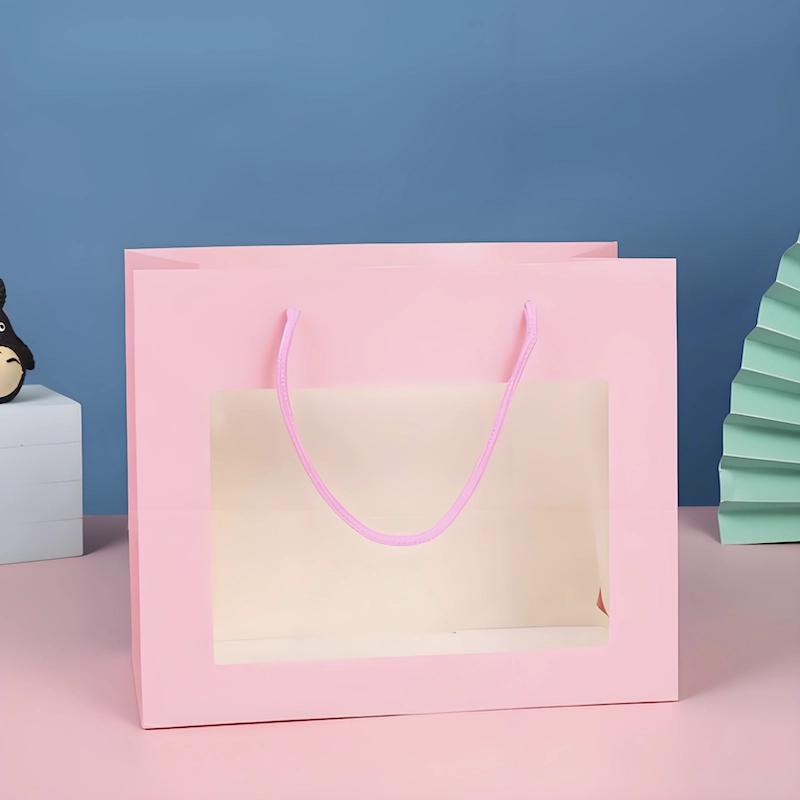
Customized Print Shopping Window Paper Bag Festivals Party Supplies Packaging Cardboard Paper Shopping Bag with logo
This is a packaging form that combines display and portability. Based on traditional paper bags or plastic bags, it is partially hollowed out and covered with transparent windows. Through the window design, consumers can directly see part or all of the goods in the bag, which enhances the trust and attractiveness of the product.
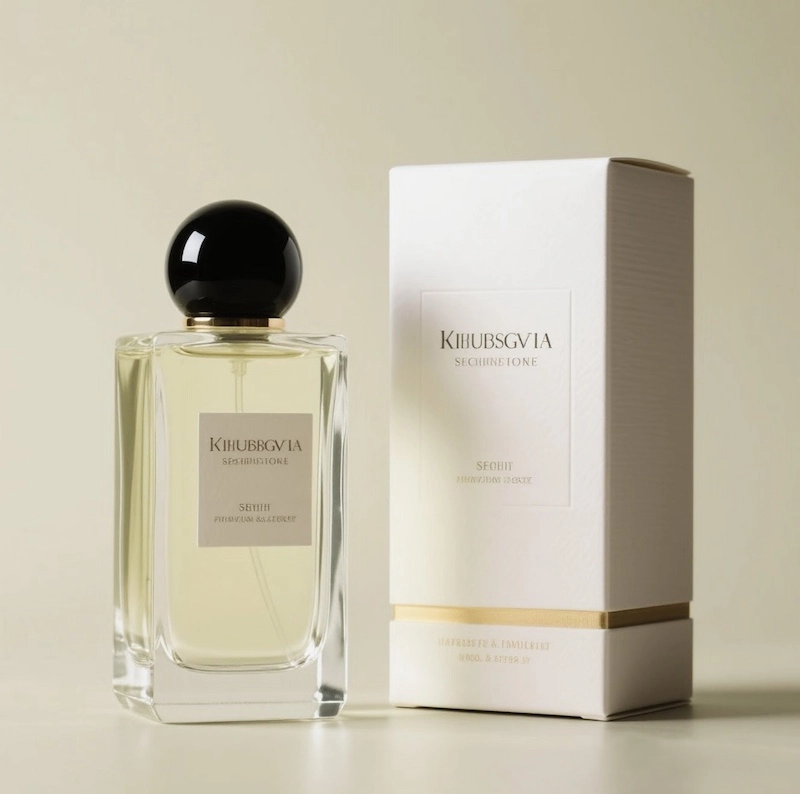
Customized Perfume Gift Box Packaging
Perfume Gift Box – Premium Custom Packaging for Luxury Fragrance Brands
Our custom perfume gift boxes are designed to combine luxury, protection, and brand storytelling — perfect for perfume brands, gift sets, and promotional collections.
Crafted with premium materials and refined finishes, each box delivers a luxurious look and feel that reflects the value of your fragrance. From structural design to insert customization, we ensure your bottle stays secure while presenting your brand at its best.
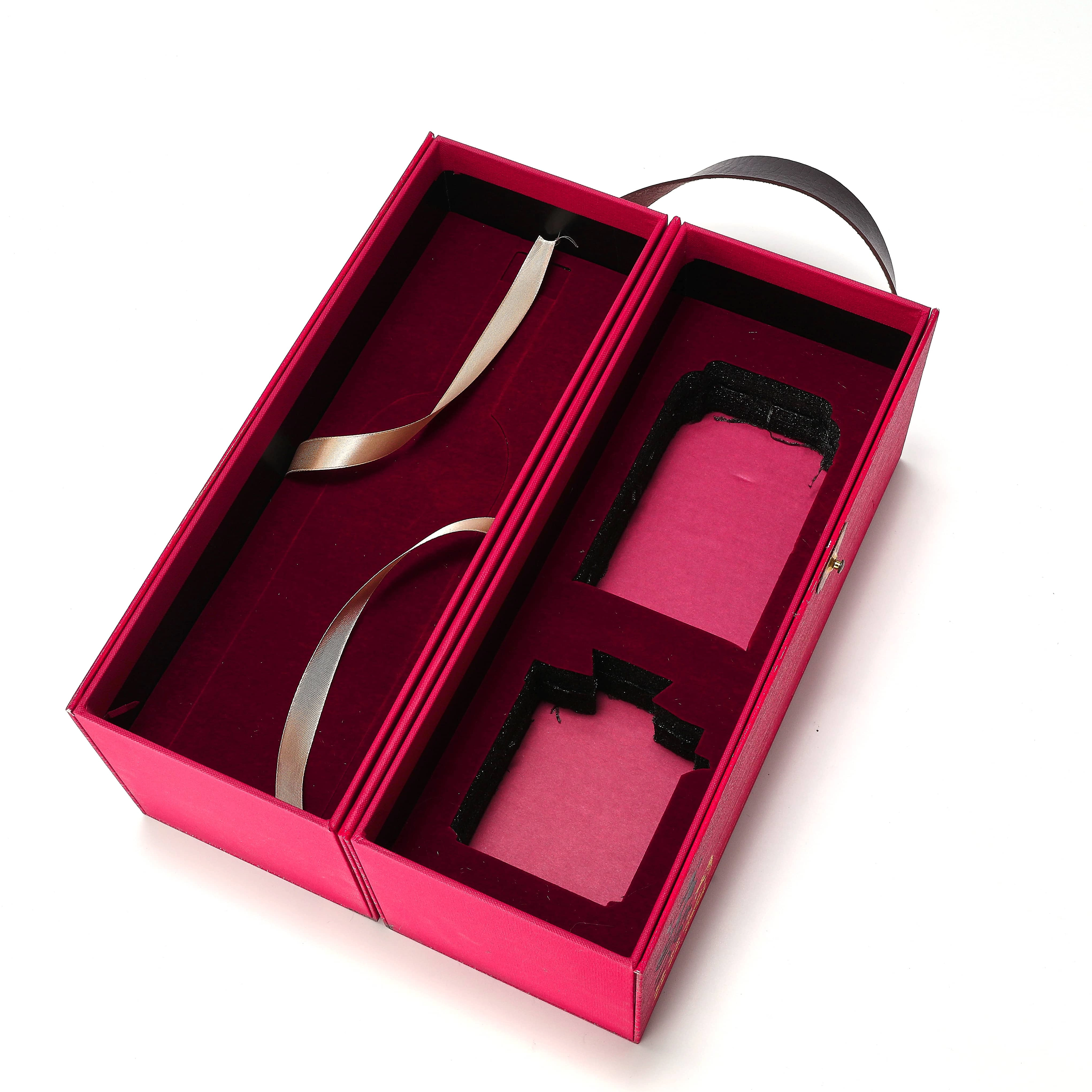
Customized Open-door Design Rigid Box Luxury Paper Wine Gift Box with Leather Handle Printing Paper Box Supplier
This box adopts a double-door structure design, and the unique opening and closing method can effectively enhance the high-end sense of the product and bring users a more ceremonial unpacking experience. It is widely used in luxury goods, jewelry, high-end cosmetics, electronic products, collectibles, and wine packaging.

Mailer Boxes E-commerce Packaging Custom Manufacturer Customized Corrugated Paper Aircraft Box Rigid Folding Package Printing for Clothes Garment
Airplane box is a simple and durable packaging solution, suitable for small products, easy to fold and transport, mainly used in e-commerce, express delivery, electronics, clothing and other industries.
© 2025 WINPACK PRINTING. All rights reserved

Wenhua Printing packaging
winpackprinting
Winpack Printing