




Custom Box Printing vs Labeling: Which to Choose?
- Packaging Decisions: Printing or Labeling?
- Why this decision matters for your custom box strategy
- Key factors to evaluate: a framework for choosing between printing and labeling
- Custom box printing: strengths, limitations and ideal use cases
- What is custom box printing?
- Strengths of custom box printing
- Limitations of custom box printing
- When to choose printing for your custom box
- Labeling on a custom box: strengths, limitations and ideal use cases
- What is labeling?
- Strengths of labeling
- Limitations of labeling
- When to choose labeling for your custom box
- Side-by-side comparison: custom box printing vs labeling
- Cost examples and production planning (illustrative)
- Hybrid approaches: combining printing and labeling for best results
- Examples of hybrid use
- Quality, sustainability and regulatory considerations for your custom box
- Manufacturing partner criteria: how to choose a supplier for custom box printing or labeling
- Case study snapshot: applying the framework
- Why partner with a full-service paper box manufacturer like Winpack for custom box needs
- Winpack advantages and main product strengths
- Decision checklist: which to choose for your next custom box order
- Frequently Asked Questions (FAQ)
- 1. Is custom box printing always more expensive than labeling?
- 2. Can I combine printing and labeling on the same box?
- 3. Which option is better for sustainability?
- 4. How do lead times compare for custom box printing vs labeling?
- 5. Can labels provide the same High Quality look as printed boxes?
- 6. How should I evaluate a manufacturer for my custom box project?
- Contact & next steps
- References
Packaging Decisions: Printing or Labeling?
When launching or scaling a product, choosing between custom box printing and labeling is more than an aesthetic decision — it affects cost, speed to market, brand perception, sustainability and regulatory compliance. This guide explains the trade-offs of each approach, offers practical selection criteria for different business situations, and shows when combining both methods delivers the best outcome for a custom box strategy.
Why this decision matters for your custom box strategy
Brands use packaging as a cost center and a marketing touchpoint. A well-chosen method for applying graphics and information to a custom box can improve shelf impact, reduce production cost, shorten lead times, and meet regulatory needs. Conversely, the wrong choice can increase returns, slow launches, or create negative impressions. The goal is to match technical capabilities and economics with commercial objectives.
Key factors to evaluate: a framework for choosing between printing and labeling
Use this decision framework when evaluating options for your custom box:
- Branding and visual impact — How critical is high-fidelity artwork, special finishes, and full-bleed printing?
- Volume and unit cost — What are your expected order quantities and target per-unit packaging cost?
- Lead time and speed to market — How fast must packaging be ready for a launch or seasonal cycle?
- Variable data and regulatory needs — Do you need serialized codes, batch/expiry dates, or multi-language labeling?
- Sustainability and recyclability — Does Winpack require minimal adhesives or mono-material construction?
- Durability and environment — Will the package face moisture, abrasion, or long transit?
- Anti-counterfeiting and security — Are secure inks, holograms, or tamper evidence required?
Custom box printing: strengths, limitations and ideal use cases
What is custom box printing?
Custom box printing means the graphics, text and finishes are printed directly onto the paperboard or folding carton during production. Methods include digital printing, offset lithography, flexo, and litho-lam. Printing can incorporate special inks, varnishes, embossing, foil stamping and window cuts to create High Quality packaging.
Strengths of custom box printing
- Superior visual impact: full-bleed, precise color and High Quality finishes produce stronger shelf appeal.
- Long-term cost efficiency at scale: lower per-unit cost for medium-to-high runs with offset or flexo.
- Integrated graphics: design elements can wrap, score and align with box structure for cohesion.
- Advanced security: printing processes support anti-counterfeiting inks and covert features.
Limitations of custom box printing
- Higher upfront costs: tooling, plates, and proofing can increase initial investments.
- Longer lead times for plates and setup with traditional methods.
- Less flexible for late-stage variable data unless combined with digital printing or overprinting.
When to choose printing for your custom box
Printing is typically best when branding and unboxing experience drive conversion, volumes justify setup costs, and you require advanced finishes or security. Typical categories: cosmetics, High Quality food, electronics, and gift packaging.
Labeling on a custom box: strengths, limitations and ideal use cases
What is labeling?
Labeling means printing graphics or regulatory text onto self-adhesive or wrap-around labels that are applied to boxes after manufacture. Labels can be digitally printed, flexo-printed, or produced as shrink-sleeves and applied inline or offline.
Strengths of labeling
- Lower initial cost and shorter setup — especially suitable for small runs and prototypes.
- High flexibility — labels allow last-minute changes, variable data, localization and batch-specific printing.
- Faster iterations — ideal for tests, limited editions and rapidly changing SKUs.
- Ease of compliance — labels can carry ingredient lists, barcodes and regulatory data that vary by market.
Limitations of labeling
- Potential visual mismatch — labels may appear as an add-on and can reduce perceived quality.
- Adhesive and material concerns — poor adhesives or incompatible substrates reduce durability or recyclability.
- Higher per-unit cost at scale — labels add material and application costs that accumulate on large runs.
When to choose labeling for your custom box
Choose labeling when you need speed, flexibility, or frequent content changes. Common for food-safety information, serialized healthcare labels, seasonal SKUs, or startups validating packaging concepts with small production batches.
Side-by-side comparison: custom box printing vs labeling
| Criteria | Custom Box Printing | Labeling |
|---|---|---|
| Unit cost (low to high volume) | Lower at medium–high volumes (offset/flexo) | Lower at very small volumes; higher at scale |
| Setup time | Longer (plates, proofs), faster with digital | Short (digital labels), very fast for late changes |
| Branding & aesthetics | Superior — seamless, High Quality finishes | Good, but may feel secondary |
| Variable data & localization | Possible with digital or overprinting | Ideal — easy to change per batch/SKU |
| Sustainability & recyclability | Better for mono-material designs when printed without heavy adhesives | Depends on label adhesive and liner — can complicate recycling |
| Security features | High — covert inks, holograms, embossed elements | Moderate — secure labels available but costlier |
| Best for industries | Cosmetics, High Quality food, electronics, gifts | Food & beverage (short runs), pharmaceutical variable data, pilot runs |
Cost examples and production planning (illustrative)
Below are example scenarios (illustrative) to guide decision-making. Exact pricing varies by region, substrate, finishes and volumes. Always request a manufacturer quote and proofs.
- Startup testing 500 units: Labeling (digital labels on blank boxes) typically lowers up-front cost and speeds iteration.
- Regional launch 10,000 units: Custom box printing via digital or short-run offset may balance cost and brand impact.
- Global launch 100,000+ units: Offset or flexo printing with full finishes generally gives best per-unit economics.
Hybrid approaches: combining printing and labeling for best results
Many brands use a hybrid approach: print the box with primary branding and apply labels for variable information or localized content. Hybrid strategies allow High Quality shelf presence while maintaining flexibility for regulatory text, Serialized Data Matrix codes, or seasonal promotions.
Examples of hybrid use
- Cosmetics: printed gift box + labeled batch code and expiry on the bottom panel.
- Food: printed branded sleeve + label with ingredients and nutrition facts per country.
- Electronics: printed retail carton + security sticker with serialized anti-tamper code.
Quality, sustainability and regulatory considerations for your custom box
Sustainability is more than material choice. When selecting printing or labeling, consider:
- Adhesive compatibility with recycling streams — removable adhesives or no-label designs support recyclability.
- Ink formulation — water-based and vegetable inks reduce environmental impact compared with some solvent inks.
- Material sourcing and certifications — FSC/PEFC, recycled content, and compostable options where appropriate.
- Compliance — labels often simplify regulatory compliance by allowing market-specific panels without reprinting primary artwork.
Manufacturing partner criteria: how to choose a supplier for custom box printing or labeling
Choose a supplier aligned with your needs. Evaluate:
- Technical capability: digital, offset, flexo, die-cutting, lamination, embossing, and specialized inks.
- Quality control: color management, prepress proofing, and inline inspection systems.
- Production capacity and lead times: ability to meet seasonal peaks and scale as you grow.
- Industry experience: prior work in your category (cosmetics, food, healthcare) improves regulatory and aesthetic outcomes.
- Sustainability programs and certifications.
Case study snapshot: applying the framework
Scenario: A mid-size skincare brand plans a global launch of a new serum in matte rigid boxes. They require High Quality finishes, anti-counterfeiting features, and localized language panels for 12 markets.
Recommended approach: Full custom box printing for the primary artwork and finishes to maximize shelf impact and security. Use labels for market-specific regulatory panels and batch/expiry data to avoid multiple full-print runs. This hybrid solution balances brand integrity, compliance, and cost.
Why partner with a full-service paper box manufacturer like Winpack for custom box needs
In 2016, Guangdong Winpack Printing Technology Development Co., Ltd. was officially established as a professional paper box printing manufacturer specializing in designing, proofing, printing, and producing a wide range of packaging and printed materials. Our services include customized production of stickers, labels, paper bags, gift boxes, beauty boxes, pizza boxes, books, brochures, flyers, etc. Winpack caters to diverse industries, including cosmetics, food, healthcare, pharmaceuticals, and electronics. Our 15,000-square-meter factory is equipped with state-of-the-art technology. We utilize an advanced screen plate-making system and top-tier machinery such as the Heidelberg printing machine, high-speed paper cutter, Lithrone GL-40A machine, and anti-counterfeiting inkjet printer to ensure superior quality and efficiency. Our vision is to become the world's leading custom paper box packaging manufacturer. Our website is https://www.winpackprinting.com/
Winpack advantages and main product strengths
Winpack combines design-to-production services with modern equipment and cross-industry experience. Key competitive points:
- Comprehensive in-house capabilities — from proofing and plate-making to advanced finishing and anti-counterfeiting options, reducing coordination time and risk.
- Capacity and scale — a 15,000 m2 facility with high-speed, industry-standard presses supports both short runs and large-volume orders.
- Cross-industry expertise — proven experience in cosmetics, food, healthcare and electronics means better understanding of compliance and shelf requirements.
- Product range — custom gable boxes, custom gift boxes, custom display boxes, custom rigid boxes, custom folding boxes, custom paper tubes boxes, custom window boxes, custom special-shape boxes, custom pillow boxes, custom take out boxes.
- Technology and quality control — use of Heidelberg and Lithrone GL-40A ensures color fidelity and consistent output for high-end branding.
Whether you need fully printed custom boxes for High Quality positioning or flexible labeling strategies to support multiple SKUs and markets, Winpack’s integrated capabilities reduce lead time and deliver consistent quality across the product lifecycle. For more details and to request a quote, visit https://www.winpackprinting.com/ or contact Winpack’s sales team directly through the website.
Decision checklist: which to choose for your next custom box order
- Define your primary objective: brand impact, speed, cost, or regulatory compliance.
- Assess volumes and SKU proliferation: are you scaling or testing?
- Decide on finishes and security needs that affect printing capability.
- Evaluate sustainability goals and whether labels affect recyclability.
- Request samples and proofs (printed and label-applied) before full production.
- Get detailed quotes comparing unit cost, tooling, lead time and minimum order quantities.
Frequently Asked Questions (FAQ)
1. Is custom box printing always more expensive than labeling?
Not necessarily. Custom box printing often has higher upfront costs (plates, proofs), but per-unit cost can be lower at medium-to-high volumes. Labeling is cheaper for very small runs and prototypes but may be more expensive per unit when scaled.
2. Can I combine printing and labeling on the same box?
Yes. A common hybrid approach is to print primary branding and finishes on the box and use labels for variable regulatory information, batch codes, or localized text. This balances appearance and flexibility.
3. Which option is better for sustainability?
Fully printed mono-material boxes with water-based inks and minimal coatings are often more recyclable than boxes with adhesive-backed labels or mixed-material liners. However, removable-label options and recyclable label materials can mitigate issues.
4. How do lead times compare for custom box printing vs labeling?
Labeling generally offers the fastest lead time because labels can be produced digitally and applied quickly. Traditional offset printing involves plate-making and setup that extends lead time, though digital printing narrows this gap for short runs.
5. Can labels provide the same High Quality look as printed boxes?
High-quality labels with textured finishes, soft-touch laminates, and precision application can look very good, but they may still be perceived as an add-on compared with seamless printed and finished boxes. For luxury positioning, direct printing with High Quality finishing remains preferable.
6. How should I evaluate a manufacturer for my custom box project?
Look for proven technical capabilities (press types, finishing equipment), robust prepress and color management, quality control systems, relevant industry experience, and transparent sustainability practices. Request samples, factory photos, and client references where possible.
Contact & next steps
If you’re evaluating packaging options for a startup pilot, regional launch or global rollout, an early technical discussion with your packaging manufacturer will save cost and time. To explore printed boxes, labels, hybrid strategies, or to request samples and quotations, visit Winpack’s website: https://www.winpackprinting.com/ or contact their sales team via the site. Whether you need custom gable boxes, custom gift boxes, custom display boxes, custom rigid boxes, custom folding boxes, custom paper tubes boxes, custom window boxes, custom special-shape boxes, custom pillow boxes, or custom take out boxes, Winpack can provide technical guidance and production capacity to match your objectives.
References
- Statista — Packaging industry - statistics & facts. https://www.statista.com/topics/1335/packaging/ (accessed 2025-11-28)
- Grand View Research — Packaging Market Size, Share & Trends Analysis Report. https://www.grandviewresearch.com/industry-analysis/packaging-market (accessed 2025-11-28)
- Packaging World — articles on printing technologies and finishing (searchable archive). https://www.packworld.com/ (accessed 2025-11-28)
- Winpack Printing official website — company profile and product listings. https://www.winpackprinting.com/ (accessed 2025-11-28)
Custom Sticker Bags for E-commerce Shipping Tips
Top 10 custom personalized paper bags Manufacturers and Supplier Brands
Cost Comparison: Digital Printing Flexible Packaging vs Flexo
Cost Breakdown: Custom Vs Standard Takeaway Boxes
About Printing Craftsmanship
What is hot stamping, and where is it used?
Hot stamping is a printing process that applies metallic or pigmented foil to a surface using heat and pressure. It is widely used for:
Luxury packaging (cosmetics, wine, gourmet foods)
Business cards
Event invitations
Labels and stickers
High-end stationery
How do I ensure high-quality printing results?
Use high-resolution images and vector files.
Choose the appropriate paper or substrate.
Work with a professional printing service.
Consider color matching systems like Pantone for consistent results.
Request print samples before full production.
Rigid Lift-off Box
Can I order a sample of my rigid box?
Yes, we strongly recommend that you do so, we provide a variety of sample types to meet different usage situations and help you guarantee the best results!
About Us
Are you a manufacturer?
Yes, we are manufacturer, and we have over decade experience in this field.
OEM Services
Do you offer eco-friendly and sustainable packaging options?
Yes! We provide environmentally friendly packaging solutions, including recyclable, biodegradable, and FSC-certified paper materials. Let us know if you’re looking for sustainable options.
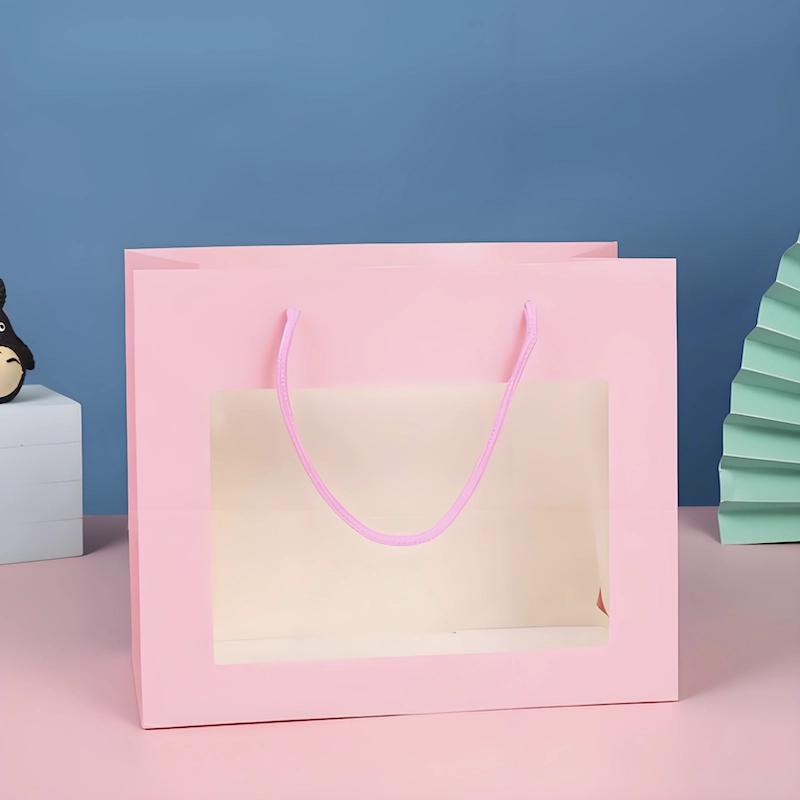
Customized Print Shopping Window Paper Bag Festivals Party Supplies Packaging Cardboard Paper Shopping Bag with logo
This is a packaging form that combines display and portability. Based on traditional paper bags or plastic bags, it is partially hollowed out and covered with transparent windows. Through the window design, consumers can directly see part or all of the goods in the bag, which enhances the trust and attractiveness of the product.
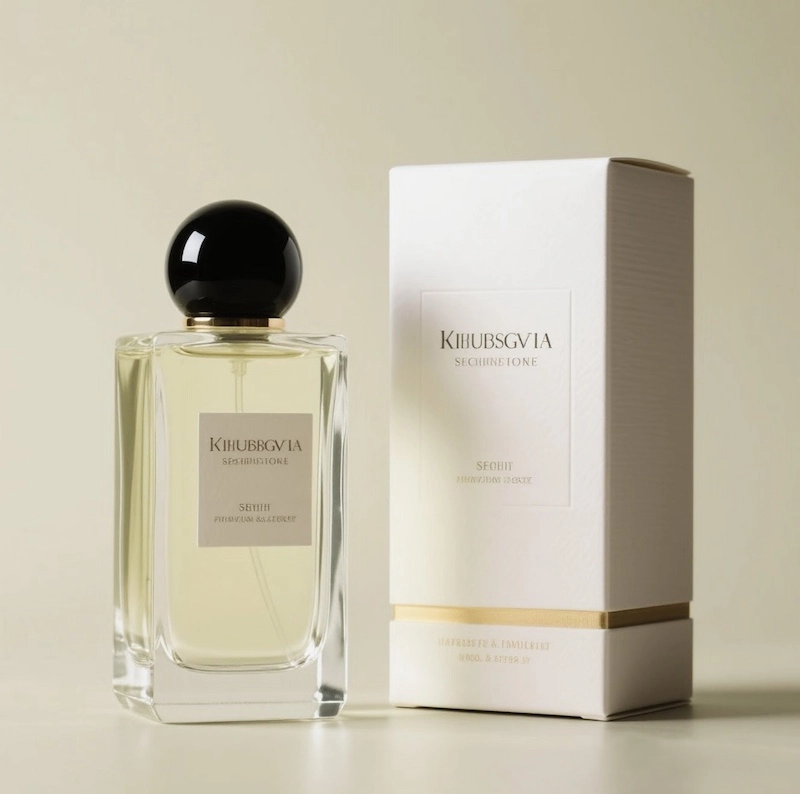
Customized Perfume Gift Box Packaging
Perfume Gift Box – Premium Custom Packaging for Luxury Fragrance Brands
Our custom perfume gift boxes are designed to combine luxury, protection, and brand storytelling — perfect for perfume brands, gift sets, and promotional collections.
Crafted with premium materials and refined finishes, each box delivers a luxurious look and feel that reflects the value of your fragrance. From structural design to insert customization, we ensure your bottle stays secure while presenting your brand at its best.
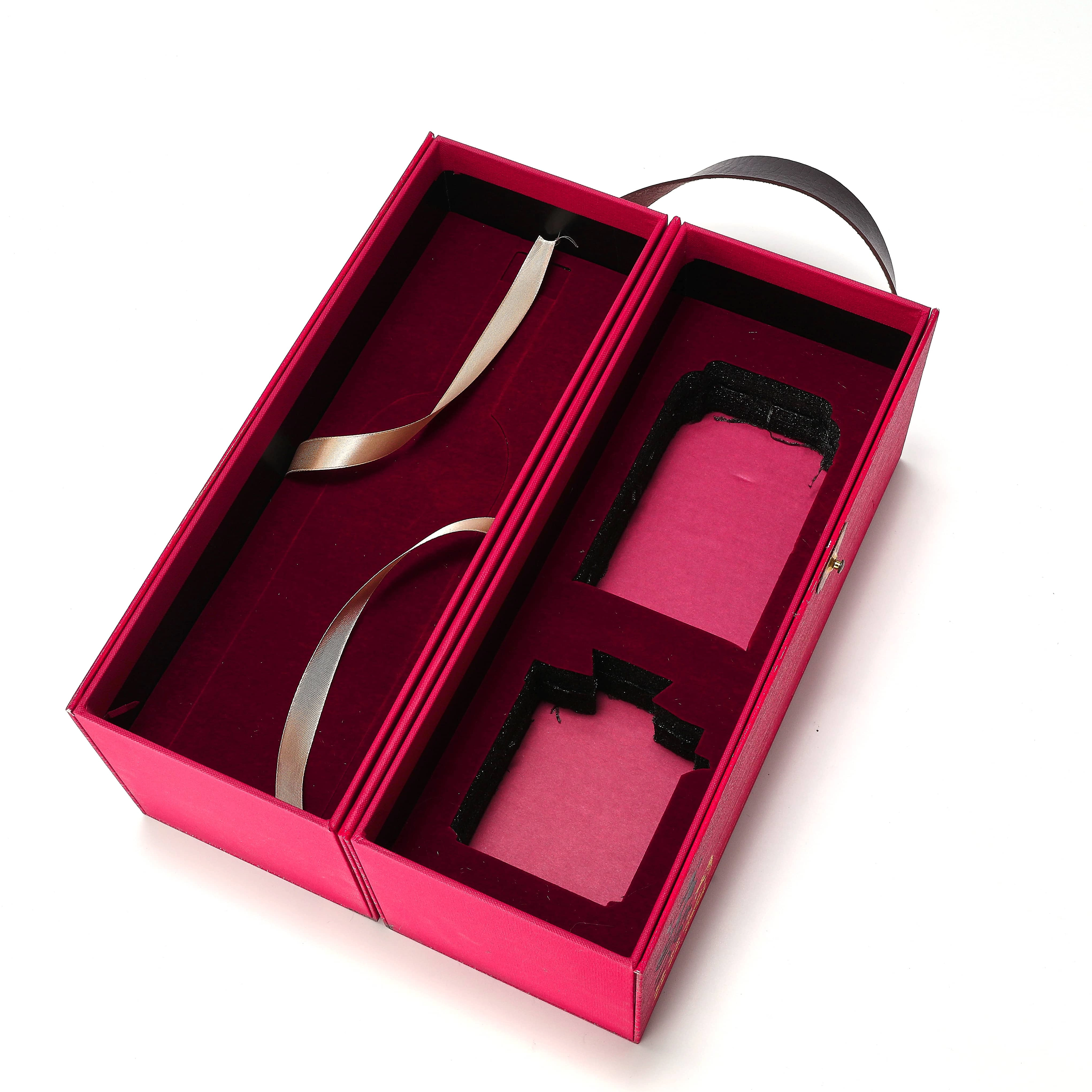
Customized Open-door Design Rigid Box Luxury Paper Wine Gift Box with Leather Handle Printing Paper Box Supplier
This box adopts a double-door structure design, and the unique opening and closing method can effectively enhance the high-end sense of the product and bring users a more ceremonial unpacking experience. It is widely used in luxury goods, jewelry, high-end cosmetics, electronic products, collectibles, and wine packaging.

Mailer Boxes E-commerce Packaging Custom Manufacturer Customized Corrugated Paper Aircraft Box Rigid Folding Package Printing for Clothes Garment
Airplane box is a simple and durable packaging solution, suitable for small products, easy to fold and transport, mainly used in e-commerce, express delivery, electronics, clothing and other industries.
© 2025 WINPACK PRINTING. All rights reserved

Wenhua Printing packaging
winpackprinting
Winpack Printing