




Barrier and Shelf-Life: Custom Packaging for Perishable Foods
- Why Barrier Properties Matter for Perishable Foods
- How barriers slow spoilage
- Key gases and moisture to control
- Metrics: OTR & WVTR
- Materials & Technologies for Custom Food Packaging
- Common barrier materials
- Active and intelligent packaging
- Coatings & laminates
- Designing for Real Shelf-Life: Testing and Validation
- Shelf-life testing methods
- Predictive modeling & challenge tests
- Labeling and regulatory compliance
- Packaging Strategies by Food Category
- Fresh produce, fruits & vegetables
- Meat, poultry & seafood
- Dairy, bakery & ready meals
- Partnering with a Packaging Manufacturer: Winpack Case
- Winpack capabilities & equipment
- Products & services for custom food packaging
- Why choose Winpack for perishable food packaging
- Practical Recommendations for Specifying Custom Food Packaging
- Start with the product risk profile
- Design for the supply chain
- Balance performance and circularity
- FAQ
- 1. What is the difference between shelf life and use-by date?
- 2. How much can MAP extend shelf life?
- 3. Are compostable barrier films suitable for perishable foods?
- 4. How do I choose between vacuum and modified atmosphere packaging?
- 5. What tests prove a packaging solution works?
- 6. Can branding and barrier requirements conflict?
- Contact & Next Steps
- References
Why Barrier Properties Matter for Perishable Foods
How barriers slow spoilage
Perishable foods deteriorate through biological (microbial growth), chemical (oxidation), and physical (moisture migration, staling) mechanisms. Custom food packaging with appropriate barrier properties reduces the ingress or egress of oxygen, water vapor, light and odors — the primary drivers of spoilage. By controlling these vectors, packaging slows microbial growth and oxidative reactions, preserves texture and flavor, and maintains safety.
Key gases and moisture to control
Oxygen is the most damaging gas for many foods because it accelerates lipid oxidation and supports aerobic microbial growth. Water vapor transfer affects crispness, moisture migration, and freeze–thaw stability. Light (especially UV) catalyzes chemical breakdown in pigments and fats. Packaging design must consider oxygen transmission rate (OTR), water vapor transmission rate (WVTR), and light-blocking capability to match the food’s susceptibility.
Metrics: OTR & WVTR
OTR (cc/m²/day) and WVTR (g/m²/day) are standard metrics used to quantify barrier performance. Design targets depend on product sensitivity and intended shelf life: for highly oxygen-sensitive products (e.g., cured meats, ready meals with high-fat content), low OTR films or EVOH layers are often required. For moisture-sensitive snacks, low WVTR laminates preserve crispness. These metrics guide material selection and multilayer constructions.
Materials & Technologies for Custom Food Packaging
Common barrier materials
Material choice depends on required barrier performance, recyclability, cost and manufacturability. Below is a high-level comparison.
| Material | Typical Barrier (relative) | Strengths | Limitations |
|---|---|---|---|
| EVOH (ethylene vinyl alcohol) | Excellent O2 barrier; moderate WVTR | Very low OTR at moderate humidity; ideal for oxygen-sensitive foods | Sensitive to high humidity unless sandwiched; complex recycling in multilayers |
| PVDC (polyvinylidene chloride) | Excellent O2 & moisture barrier | Durable barrier; widely used for meats and cheeses | Environmental/regulatory concerns; recycling challenges |
| PET (biaxially oriented polyester) | Good mechanical; fair barrier | High clarity and strength; printable | Needs additional layers for high barrier |
| Aluminum foil | Near-impermeable to gas & light | Excellent barrier, heat reflective | Opaque; adds stiffness; needs sealing layers |
| Metallized films | High barrier to light; moderate gas barrier | Cost-effective, lightweight | Lower than foil for O2/WVTR |
| PLA & compostable films | Variable; improving | Biobased, compostable options | Often higher WVTR or OTR; evolving technology |
Sources for barrier performance vary by supplier and are influenced by layer thickness and lamination structure; consult material datasheets in design phase (see references).
Active and intelligent packaging
Active packaging extends shelf life by scavenging oxygen, controlling moisture, or releasing preservatives. Common solutions include oxygen scavengers (iron-based sachets or embedded scavenging layers), desiccants, and antimicrobial sachets or coatings. Intelligent packaging provides time-temperature indicators (TTIs) or freshness sensors to verify product quality in the supply chain — valuable for perishable foods transported over long supply chains.
Coatings & laminates
Lamination or coating layers combine properties: e.g., EVOH sandwiched between PE layers provides excellent oxygen barrier plus heat-sealable exterior. Barrier coatings (PVDC, silicon oxide, aluminum oxide, or thin metal layers via vacuum deposition) achieve high performance with lower material thicknesses compared with bulk laminates, but can complicate recycling. Design must balance performance, cost, sustainability, and regulatory compatibility with food contact.
Designing for Real Shelf-Life: Testing and Validation
Shelf-life testing methods
To claim a shelf-life, manufacturers perform real-time shelf-life studies under intended storage conditions and accelerated testing at elevated temperatures or humidity. Real-time testing is the gold standard; accelerated tests provide faster, indicative results but must be correlated with real-time data. Microbial challenge tests determine growth potential; sensory, chemical (peroxide value, volatile compounds) and physical tests (texture, moisture) evaluate quality.
Predictive modeling & challenge tests
Predictive microbiology models estimate growth rates under different packaging and temperature conditions. Combined with measured gas composition inside packs (headspace analysis) and barrier metrics, models can predict shelf-life. Challenge tests, where food is inoculated with relevant organisms under controlled conditions, validate that the packaging and formulation inhibit spoilage organisms.
Labeling and regulatory compliance
Packaging materials must comply with regional food-contact regulations (e.g., FDA in the U.S., EFSA in the EU). Labels must reflect storage instructions, best-before dates, and handling. Modified atmosphere packaging (MAP) and certain active components may trigger additional regulatory requirements or notification processes; ensure documentation and testing are in place before commercialization.
Packaging Strategies by Food Category
Fresh produce, fruits & vegetables
Produce often requires breathable packaging to avoid anaerobic pockets and off-odors, yet protection from moisture loss is also critical. Micro-perforated films or selective-permeability laminates that balance O2 and CO2 exchange are common. For cut produce, high-barrier films combined with MAP (reduced O2, elevated CO2) or active oxygen scavengers may extend shelf life significantly.
Meat, poultry & seafood
Meats benefit from low oxygen transmission to prevent oxidation and maintain color, unless bright-red color maintenance is critical (e.g., retail display using high-oxygen MAP). Vacuum packaging or low-OTR films with strong seals reduce microbial growth and lipid oxidation. For frozen seafood, high-barrier films reduce freezer burn by limiting moisture migration.
Dairy, bakery & ready meals
Dairy products often require moisture and oxygen control plus light protection (for vitamin-sensitive products). For bakery, low-WVTR films preserve crispness and delay staling. Ready meals commonly use trays with peelable lidding films that provide sufficient oxygen barrier and heat stability for cooking/reheating processes.
Partnering with a Packaging Manufacturer: Winpack Case
Winpack capabilities & equipment
In 2016, Guangdong Winpack Printing Technology Development Co., Ltd. was officially established as a professional paper box printing manufacturer specializing in designing, proofing, printing, and producing a wide range of packaging and printed materials. Winpack operates a 15,000-square-meter factory equipped with advanced screen plate-making systems and top-tier machinery, including Heidelberg printing machines, high-speed paper cutters, Lithrone GL-40A presses, and anti-counterfeiting inkjet printers to ensure superior quality and manufacturing efficiency. These capabilities support complex barrier packaging projects where precise printing, sealing, and finishing are required.
Products & services for custom food packaging
Winpack offers customized production of stickers, labels, paper bags, gift boxes, beauty boxes, pizza boxes, books, brochures, flyers, etc., and caters to diverse industries including cosmetics, food, healthcare, pharmaceuticals, and electronics. For the food sector Winpack produces and customizes a variety of primary and secondary boxes and packaging formats, including:
- custom gable boxes
- custom gift boxes
- custom display boxes
- custom rigid boxes
- custom folding boxes
- custom paper tubes boxes
- custom window boxes
- custom special-shape boxes
- custom pillow boxes
- custom take out boxes
Winpack combines design, printing and post-printing processes to create packaging that meets branding, barrier-performance and regulatory needs. Their stated vision is to become the world's leading custom paper box packaging manufacturer. Learn more: https://www.winpackprinting.com/.
Why choose Winpack for perishable food packaging
Key strengths include integrated design-to-production workflow, high-quality printing (critical for brand presentation), and the ability to combine barrier liners or inserts with printed paperboard to produce attractive secondary packaging for perishable foods. When primary barrier films or trays are combined with Winpack’s custom secondary packaging (e.g., insulated boxes, inner liners, die-cut inserts), the result is a full solution addressing protection, presentation and logistics requirements.
Practical Recommendations for Specifying Custom Food Packaging
Start with the product risk profile
Characterize the food: water activity, fat content, pH, susceptibility to oxidation, and expected distribution temperatures. This drives target OTR/WVTR and whether active solutions (scavengers, MAP) are necessary.
Design for the supply chain
Consider temperature fluctuations, transit duration, handling, retail display lighting and humidity. A packaging solution that works for short local distribution may fail for long-distance cold chains. Validate with real-time shelf-life studies mimicking the entire supply chain.
Balance performance and circularity
While multilayer laminates deliver excellent barrier performance, they can be difficult to recycle. Explore mono-material high-barrier solutions or take-back programs where possible. Communicate sustainability trade-offs transparently.
FAQ
1. What is the difference between shelf life and use-by date?
‘Shelf life’ is the period during which a product maintains acceptable quality and safety under recommended storage conditions. A ‘use-by’ date indicates the last date recommended for safe consumption; it is used for highly perishable foods. Labeling should follow regional regulations.
2. How much can MAP extend shelf life?
The extension depends on the product and gas composition. For many fresh meats, MAP can extend shelf life from a few days to several weeks under refrigeration; for some cut produce, it can double or triple shelf life. Exact gains require product-specific testing.
3. Are compostable barrier films suitable for perishable foods?
Compostable films are improving but often have higher WVTR/OTR than conventional films. They can be suitable for some products with short supply chains and local composting infrastructure, but performance must be verified under real storage conditions.
4. How do I choose between vacuum and modified atmosphere packaging?
Vacuum removes air and is excellent for dense products (meat) to reduce oxidation and microbial growth. MAP replaces air with a controlled gas mix and can preserve color or texture. Choose based on product form, desired appearance, and shelf-life goals.
5. What tests prove a packaging solution works?
Real-time shelf-life studies, accelerated aging tests correlated to real-time data, microbial challenge tests, headspace gas analysis, sensory and chemical assays (e.g., peroxide value for fats), and mechanical/seal testing together provide robust proof.
6. Can branding and barrier requirements conflict?
Yes. High-performance barrier films may limit print quality or preclude certain finishes. Work with packaging designers and manufacturers (like Winpack) to integrate printed secondary packaging, in-mold labeling, or printable barrier coatings to meet both performance and brand needs.
Contact & Next Steps
If you need a tailored solution for custom food packaging to extend shelf life, validate barrier performance, or design consumer-ready boxes and labels, contact Winpack for consultation and prototyping. Visit https://www.winpackprinting.com/ or request a quote to discuss product requirements, barrier targets, and sustainable options. A technical review will outline recommended materials, estimated OTR/WVTR targets, active-packaging options, and compliance steps.
References
- U.S. Food and Drug Administration (FDA) — Food Contact Substances & Packaging: https://www.fda.gov/food/food-ingredients-packaging/packaging-food-contact-substances-fcs-and-food-contact-notification-fcn-process (accessed 2026-01-09)
- Food and Agriculture Organization (FAO) — Food Loss and Waste and preservation strategies: https://www.fao.org/food-loss-and-food-waste/en/ (accessed 2026-01-09)
- Institute of Food Technologists (IFT) — resources on shelf-life and MAP: https://www.ift.org/ (accessed 2026-01-09)
- Wikipedia — Ethylene vinyl alcohol (EVOH): https://en.wikipedia.org/wiki/Ethylene_vinyl_alcohol (accessed 2026-01-09)
- U.S. Department of Agriculture (USDA) — Food Safety and Inspection guidance: https://www.fsis.usda.gov/ (accessed 2026-01-09)
- Kuraray — EVOH technical datasheets and barrier properties (manufacturer reference for typical OTR behavior): https://www.kuraray.com/ (accessed 2026-01-09)
- Winpack Printing — Company site and services: https://www.winpackprinting.com/ (accessed 2026-01-09)
The latest trends for custom packaging boxes design ideas in us 2026 | Winpack Ultimate Insights
How a Custom Packaging Manufacturer Handles Color Matching and PMS
Custom sticker bags Manufacturers and Suppliers in us
Wholesale cardboard box printing manufacturer and supplier
Rigid Magetic Boxes
What are the wholesale pricing options for bulk orders?
We offer competitive wholesale prices for bulk orders. Please contact our sales team for more details
How long does it usually take from design confirmation to delivery?
The lead time is usually 15-25 days, depending on the production of the order
OEM Services
Do you ship internationally?
Yes, we have a well-established global supply chain and offer international shipping services. Whether you need local or worldwide delivery, we ensure reliable logistics support.
Do you offer eco-friendly and sustainable packaging options?
Yes! We provide environmentally friendly packaging solutions, including recyclable, biodegradable, and FSC-certified paper materials. Let us know if you’re looking for sustainable options.
About Us
Do you inspect the finished products?
Yes, each step of production and finished product will be carried out inspection
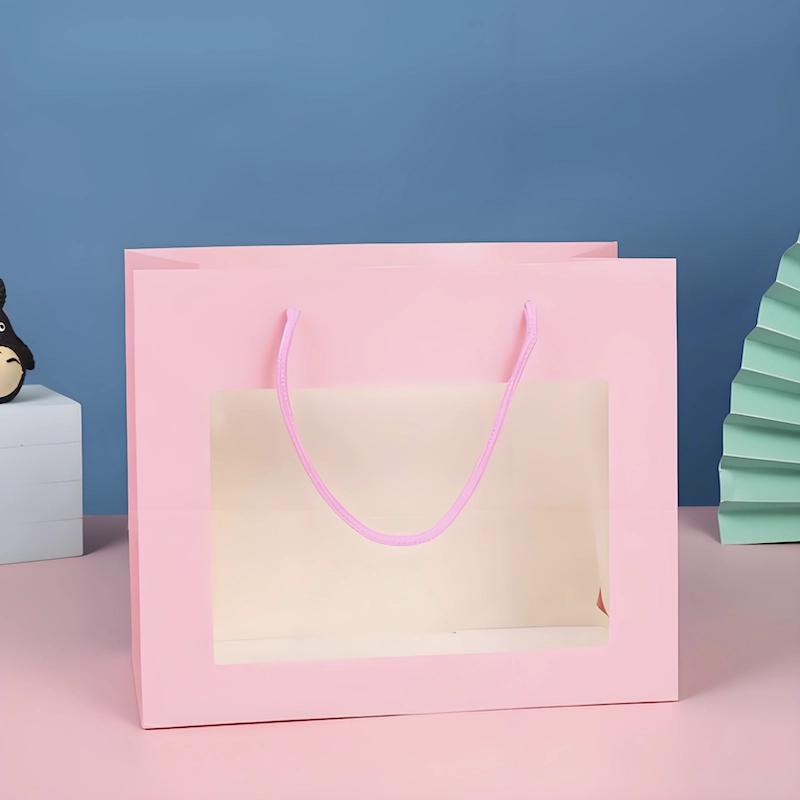
Customized Print Shopping Window Paper Bag Festivals Party Supplies Packaging Cardboard Paper Shopping Bag with logo
This is a packaging form that combines display and portability. Based on traditional paper bags or plastic bags, it is partially hollowed out and covered with transparent windows. Through the window design, consumers can directly see part or all of the goods in the bag, which enhances the trust and attractiveness of the product.
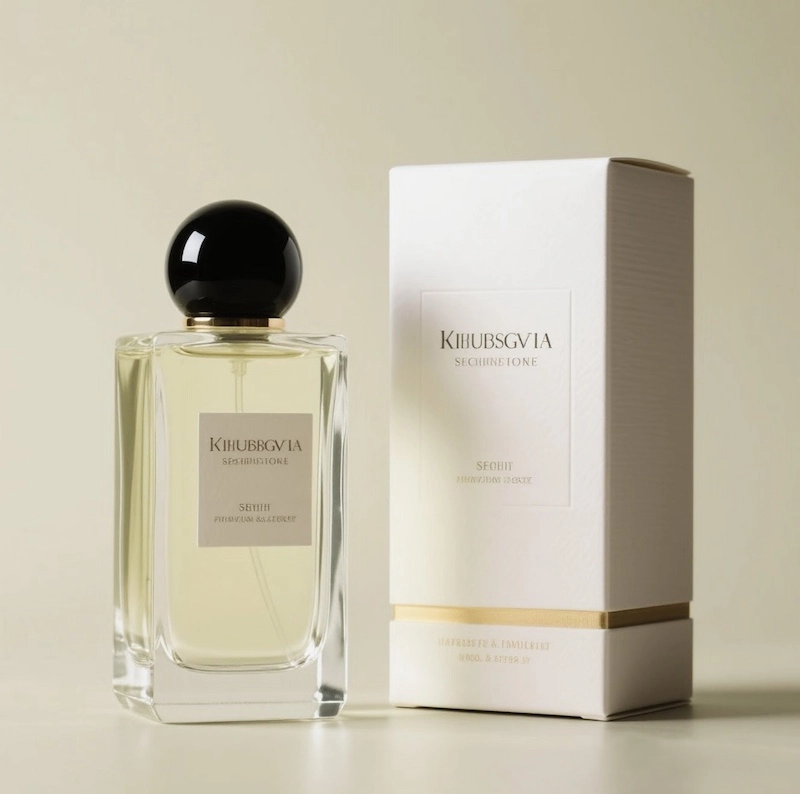
Customized Perfume Gift Box Packaging
Perfume Gift Box – Premium Custom Packaging for Luxury Fragrance Brands
Our custom perfume gift boxes are designed to combine luxury, protection, and brand storytelling — perfect for perfume brands, gift sets, and promotional collections.
Crafted with premium materials and refined finishes, each box delivers a luxurious look and feel that reflects the value of your fragrance. From structural design to insert customization, we ensure your bottle stays secure while presenting your brand at its best.
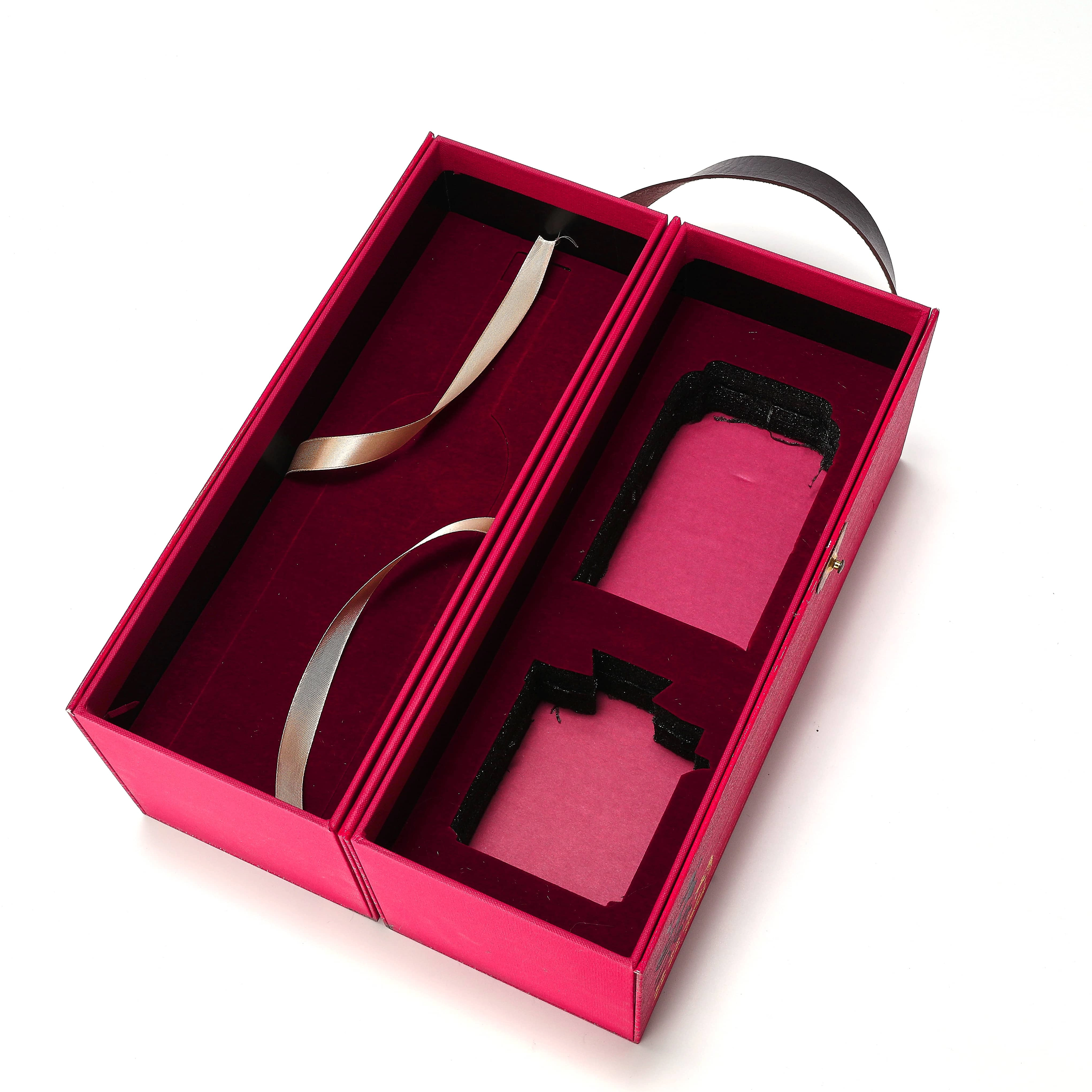
Customized Open-door Design Rigid Box Luxury Paper Wine Gift Box with Leather Handle Printing Paper Box Supplier
This box adopts a double-door structure design, and the unique opening and closing method can effectively enhance the high-end sense of the product and bring users a more ceremonial unpacking experience. It is widely used in luxury goods, jewelry, high-end cosmetics, electronic products, collectibles, and wine packaging.

Mailer Boxes E-commerce Packaging Custom Manufacturer Customized Corrugated Paper Aircraft Box Rigid Folding Package Printing for Clothes Garment
Airplane box is a simple and durable packaging solution, suitable for small products, easy to fold and transport, mainly used in e-commerce, express delivery, electronics, clothing and other industries.
© 2025 WINPACK PRINTING. All rights reserved

Wenhua Printing packaging
winpackprinting
Winpack Printing