




Custom Food Packaging Solutions for Food Manufacturers
- How custom food packaging elevates safety, brand appeal, and ROI
- Design and material choices for custom food packaging
- Key design goals: protection, communication, and convenience
- Material comparison: performance vs sustainability vs cost
- Barrier performance vs sustainability trade-offs
- Cost, supply chain, and scalability considerations
- Cost drivers and calculating total-cost-of-ownership (TCO)
- Production scalability, lead times, and MOQ strategies
- Implementation roadmap: from concept to market
- Stage 1 — Briefing, prototyping, and compliance checks
- Stage 2 — Quality assurance, certifications and testing
- Stage 3 — Pilot production, launch, and continuous improvement
- Why choose specialized manufacturers like Winpack for custom food packaging
- Capabilities that matter: integrated design-to-production
- Winpack profile and manufacturing strengths
- Winpack advantages — summary and core product offerings
- Practical recommendations and checklist for manufacturers
- Checklist before placing an order
- Quick tips to reduce cost and environmental footprint
- Frequently Asked Questions (FAQ)
- 1. What is the typical lead time for custom food packaging?
- 2. How do I ensure packaging materials are safe for food contact?
- 3. Are sustainable materials always more expensive?
- 4. Can I use custom packaging for both retail and foodservice channels?
- 5. How can I test whether packaging preserves shelf life?
- 6. Do anti-counterfeiting features add significant cost?
- Contact and next steps
- References
How custom food packaging elevates safety, brand appeal, and ROI
Custom food packaging is no longer just a protective shell — it is a strategic business tool. For food manufacturers, well-designed custom food packaging increases shelf appeal, communicates product attributes (organic, allergen-free, ready-to-eat), ensures compliance with food safety regulations, and reduces total landed cost when optimized across the supply chain. This article provides actionable guidance for manufacturers choosing custom food packaging solutions that balance barrier performance, sustainability, cost, and manufacturability.
Design and material choices for custom food packaging
Key design goals: protection, communication, and convenience
When specifying custom food packaging, consider three parallel goals: protecting product quality (oxygen, moisture, light barriers), conveying brand and regulatory information (nutrition facts, allergen messaging), and delivering consumer convenience (resealable closures, microwavability, portion control). These goals guide material and format decisions more than aesthetics alone.
Material comparison: performance vs sustainability vs cost
Below is a practical comparison of common materials used for custom food packaging. Use this table to map material properties to your product needs (shelf life, distribution conditions, recycling goals).
| Material | Typical Use | Barrier Performance | Sustainability/Recyclability | Relative Cost |
|---|---|---|---|---|
| Kraft Paper / Paperboard | Bakery boxes, dry goods, takeaway | Low–moderate; enhanced with thin barrier coatings | Widely recyclable/compostable (depending on coatings) | Low–Medium |
| Coated Paperboard (PE/PLA barrier) | Deli, ready meals, frozen foods | Moderate; good moisture barrier | Dependent on coating: PE reduces recyclability; PLA is industrially compostable | Medium |
| Flexible Multilayer Films (PET/PE/AL) | Chips, sauces, long shelf-life snacks | High; excellent oxygen/moisture/light barriers | Challenging to recycle due to multilayer structure; some mono-material solutions emerging | Medium–High |
| Corrugated Cardboard | Transport cartons, bulk packaging | Low (protects from physical damage) | Highly recyclable | Low |
| Bio-based Films (PLA, PHA) | Fresh produce, single-serve items | Variable; improving with blends | Industrial compostable (infrastructure dependent) | Medium–High |
Sources for material properties include regulatory and industry resources (see References). When selecting materials, always validate with packaging lab testing (oxygen transmission rate, water vapour transmission rate, migration testing) to ensure shelf-life and safety.
Barrier performance vs sustainability trade-offs
High-barrier multilayer films often preserve shelf life best but are harder to recycle. Paper-based solutions are recyclable but may need barrier coatings to handle moisture or grease. Recent trends include mono-material flexible films and improved paper barriers that aim to balance circularity and performance. Choose based on product sensitivity, distribution environment, and end-of-life goals.
Cost, supply chain, and scalability considerations
Cost drivers and calculating total-cost-of-ownership (TCO)
Cost decisions should consider the full TCO: material cost, printing/finishing (special inks, varnishes, anti-counterfeit features), transportation (packaging density and weight), product waste (spoilage reduction), and disposal/recycling costs. For many high-value foods, a slightly higher packaging cost that reduces spoilage or increases shelf life can improve margins.
Production scalability, lead times, and MOQ strategies
Custom food packaging requires balancing lead times, minimum order quantities (MOQs), and SKU complexity. Strategies to manage scale include:
- Modular artwork templates to reduce design costs across SKUs.
- Run-length optimization—longer runs lower unit cost but increase inventory.
- Use of regional production partners to shorten lead times and lower freight emissions.
Implementation roadmap: from concept to market
Stage 1 — Briefing, prototyping, and compliance checks
Start with a detailed packaging brief: product characteristics, shelf-life target, distribution profile, desired consumer experience, sustainability goals, and regulatory markets. Move quickly to prototyping (digital mockups, physical samples) and run functional tests (seal integrity, shelf-life, transport simulation).
Stage 2 — Quality assurance, certifications and testing
Key certifications to consider: food contact approvals (country-specific), ISO 22000 for food safety management, and third-party recycling/compostability verification where relevant. Testing should include migration testing (food contact), microbiological compatibility, and packaging performance tests. Documentation during these stages supports traceability and GMP compliance.
Stage 3 — Pilot production, launch, and continuous improvement
Run a controlled pilot (limited SKU and geography) to validate consumer response and operational integration (filling lines, sealing, case packing). Collect post-launch metrics — on-shelf rotation, returns, spoilage rates, and consumer feedback — to refine packaging specifications and artwork.
Why choose specialized manufacturers like Winpack for custom food packaging
Capabilities that matter: integrated design-to-production
Manufacturers benefit from partners who provide end-to-end services: concept, structural design, proofing, printing, finishing, and logistics. Integrated partners reduce handoffs, speed time-to-market, and maintain tighter quality control — particularly important for food safety compliance and fast SKU iterations.
Winpack profile and manufacturing strengths
In 2016, Guangdong Winpack Printing Technology Development Co., Ltd. was officially established as a professional paper box printing manufacturer specializing in designing, proofing, printing, and producing a wide range of packaging and printed materials.Our services include customized production of stickers, labels, paper bags, gift boxes, beauty boxes, pizza boxes, books, brochures, flyers, etc.Winpack caters to diverse industries, including cosmetics, food, healthcare, pharmaceuticals, and electronics.Our 15,000-square-meter factory is equipped with state-of-the-art technology. We utilize an advanced screen plate-making system and top-tier machinery such as the Heidelberg printing machine, high-speed paper cutter, Lithrone GL-40A machine, and anti-counterfeiting inkjet printer to ensure superior quality and efficiency.Our vision is to become the world's leading custom paper box packaging manufacturer.Our website is https://www.winpackprinting.com/
Winpack advantages — summary and core product offerings
Winpack's competitive differentiators for food manufacturers include:
- Comprehensive customization: from structural design to decorative finishing (embossing, foil, varnish) that strengthens shelf presence.
- Advanced printing and anti-counterfeit tech: improves product protection and brand trust in markets vulnerable to fraud.
- Robust equipment footprint: Heidelberg and Lithrone-class presses deliver color consistency and high throughput for seasonal and ongoing SKUs.
- Flexible product range: custom gable boxes, custom gift boxes, custom display boxes, custom rigid boxes, custom folding boxes, custom paper tubes, custom window boxes, custom special-shape boxes, custom pillow boxes, custom take out boxes — enabling an end-to-end packaging strategy for varied food products.
Practical recommendations and checklist for manufacturers
Checklist before placing an order
Confirm the following before signing a production order:
- Finished artwork and dielines are validated against the physical prototype.
- Food-contact approvals and migration test plans are in place for the target markets.
- Lead times, MOQs, and alternative material plans are agreed.
- Quality metrics (tolerance limits, color targets, defect rates) are specified in the contract.
- Recycling/compostability claims are backed by certificates and end-of-life guidance for consumers.
Quick tips to reduce cost and environmental footprint
Optimize box dimensions to reduce void space, prefer mono-material constructions where feasible, consolidate SKUs, and choose print finishes that don’t compromise recyclability (e.g., water-based inks, avoid heavy laminates). These steps lower freight cost, simplify end-of-life handling, and meet growing retailer sustainability requirements.
Frequently Asked Questions (FAQ)
1. What is the typical lead time for custom food packaging?
Standard lead times vary from 3–8 weeks depending on complexity, print runs, and certification needs. Prototyping and testing add time; plan 8–12 weeks for new materials or regulatory approvals.
2. How do I ensure packaging materials are safe for food contact?
Work with suppliers who provide food-contact declarations and migration test results. Validate against local regulations (e.g., FDA in the U.S., EU Regulation (EU) No 10/2011 for plastics in the EU) and retain third-party lab test documentation.
3. Are sustainable materials always more expensive?
Not necessarily. Some sustainable options (e.g., uncoated paperboard) are cost-competitive. However, high-barrier bio-based materials can be costlier today. Evaluate TCO including waste reduction and brand High Quality opportunities.
4. Can I use custom packaging for both retail and foodservice channels?
Yes — design can be adapted. Retail boxes prioritize shelf appeal and nutrition panels; foodservice packaging focuses on convenience and thermal performance. Modular dielines and adaptable artwork help serve both channels efficiently.
5. How can I test whether packaging preserves shelf life?
Run accelerated shelf-life studies and real-time storage tests. Measure key quality attributes (e.g., moisture content, microbial load, texture) over time under representative temperatures and handling conditions.
6. Do anti-counterfeiting features add significant cost?
Costs vary by technology (special inks, holograms, serialized labels). For high-value or vulnerable categories, targeted anti-counterfeiting measures can be highly cost-effective by protecting brand equity and consumer safety.
Contact and next steps
If you’re evaluating custom food packaging for a new product or SKU refresh, request samples and a production feasibility review from experienced partners. For manufacturers seeking a capable supplier with broad customization and printing technologies, consider contacting Winpack to discuss design, prototyping, and production options: https://www.winpackprinting.com/
References
- U.S. Food & Drug Administration — Food Contact Substances (FCS): https://www.fda.gov/food/food-ingredients-packaging/food-contact-substances-fcs (accessed 2026-01-05)
- U.S. Environmental Protection Agency — Sustainable Management of Materials: https://www.epa.gov/smm (accessed 2026-01-05)
- ISO — ISO 22000 Food Safety Management: https://www.iso.org/iso-22000-food-safety-management. (accessed 2026-01-05)
- Ellen MacArthur Foundation — The New Plastics Economy: https://ellenmacarthurfoundation.org (accessed 2026-01-05)
- Statista — Consumers willing to pay for sustainable packaging (global): https://www.statista.com/statistics/1127028/consumers-sustainable-packaging-willing-to-pay-more-worldwide/ (accessed 2026-01-05)
- Heidelberg — Company and printing technology overview: https://www.heidelberg.com/global/en (accessed 2026-01-05)
- Winpack Printing — Company website and product info: https://www.winpackprinting.com/ (accessed 2026-01-05)
For implementation support, sampling, or a production quote for custom food packaging including custom gable boxes, custom gift boxes, custom display boxes, custom rigid boxes, custom folding boxes, custom paper tubes, custom window boxes, custom special-shape boxes, custom pillow boxes, and custom take out boxes — contact Winpack through their site or request a consultation to evaluate materials, costs, and lead-times.
Food Labeling Compliance for Custom Packaging
Best professional cake paper boxes manufacturers and supplier brands in Guangzhou
How to Choose the custom luxury gift boxes manufacturer and supplier ?
Wholesale Jewellery Packaging Paper Boxes: Buyer’s Checklist
Special Shape Boxes
Can I get a sample before placing an official order?
Yes, we provide samples to our customers. Please contact our sales team to inquire about sample availability and pricing.
About Printing Craftsmanship
What are eco-friendly printing options?
Vegetable-based inks instead of petroleum-based inks.
Recycled paper or sustainably sourced materials.
Water-based coatings instead of harmful chemical coatings.
Digital printing to reduce waste and energy consumption.
What is the best printing technique for business cards?
It depends on the desired effect:
Hot stamping for a premium metallic finish.
Embossing for a raised, tactile design.
Spot UV for glossy highlights on specific areas.
Digital printing for quick, affordable, and full-color printing.
What are the advantages of embossing?
Enhances the visual and tactile appeal of printed products.
Creates a premium and professional look.
Improves brand recognition with distinct textures.
Increases durability as the embossed design remains intact over time.
Folding Boxes
How long does it usually take from design confirmation to delivery?
Answer: The delivery time of folding boxes is usually 15-25 days, depending on the production of the order
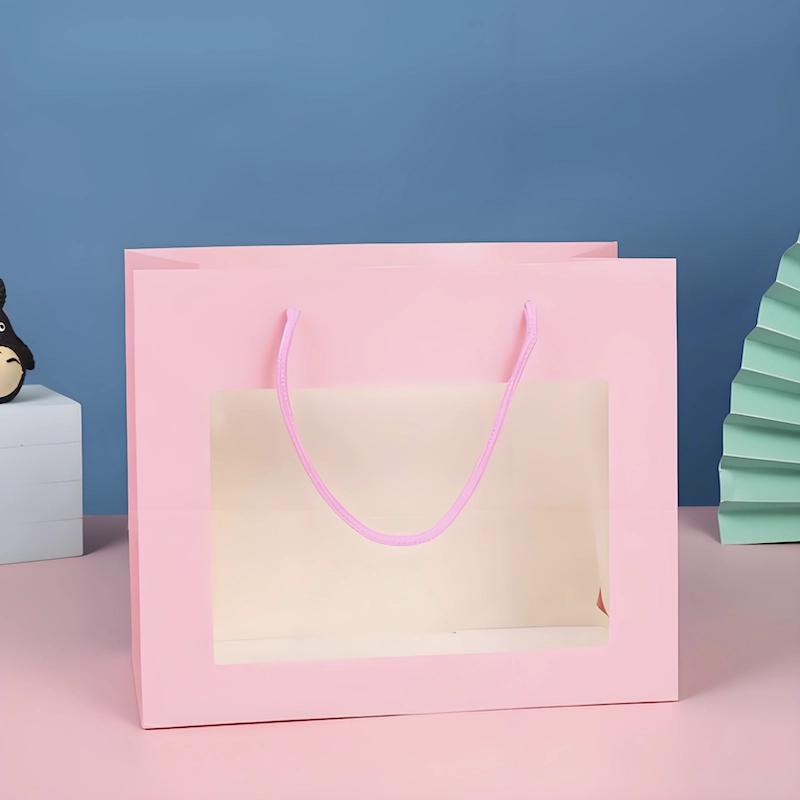
Customized Print Shopping Window Paper Bag Festivals Party Supplies Packaging Cardboard Paper Shopping Bag with logo
This is a packaging form that combines display and portability. Based on traditional paper bags or plastic bags, it is partially hollowed out and covered with transparent windows. Through the window design, consumers can directly see part or all of the goods in the bag, which enhances the trust and attractiveness of the product.
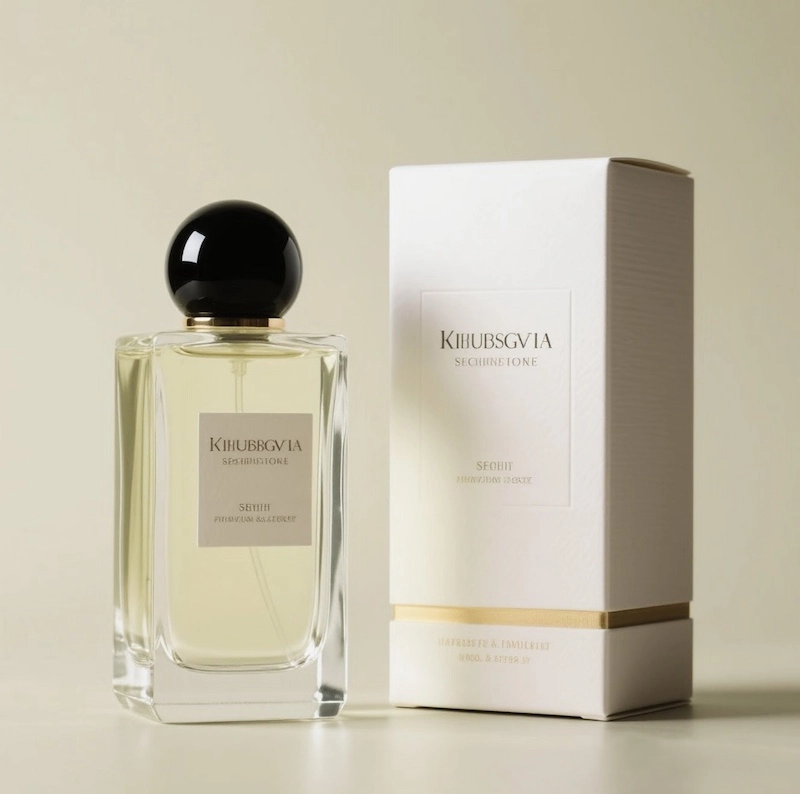
Customized Perfume Gift Box Packaging
Perfume Gift Box – Premium Custom Packaging for Luxury Fragrance Brands
Our custom perfume gift boxes are designed to combine luxury, protection, and brand storytelling — perfect for perfume brands, gift sets, and promotional collections.
Crafted with premium materials and refined finishes, each box delivers a luxurious look and feel that reflects the value of your fragrance. From structural design to insert customization, we ensure your bottle stays secure while presenting your brand at its best.
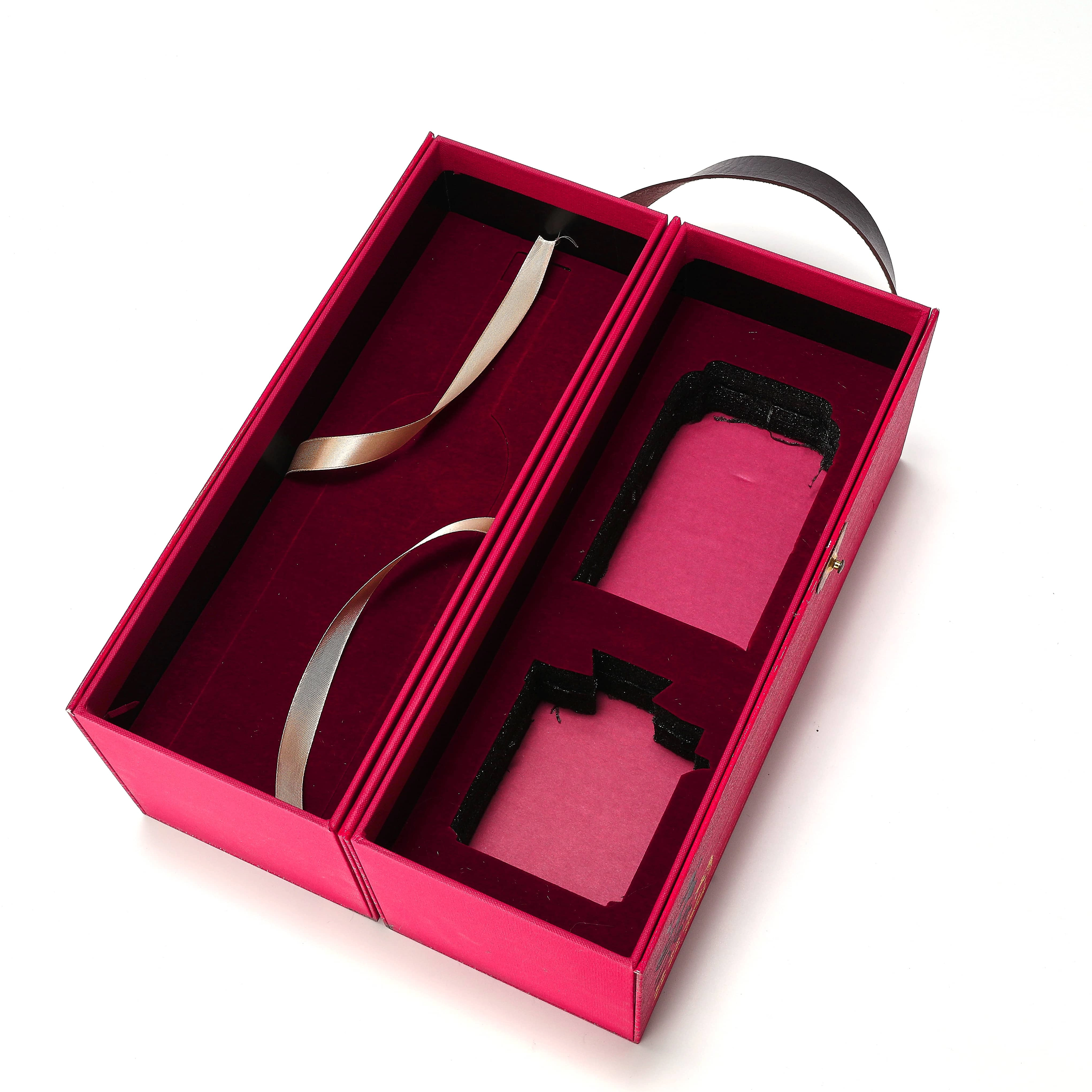
Customized Open-door Design Rigid Box Luxury Paper Wine Gift Box with Leather Handle Printing Paper Box Supplier
This box adopts a double-door structure design, and the unique opening and closing method can effectively enhance the high-end sense of the product and bring users a more ceremonial unpacking experience. It is widely used in luxury goods, jewelry, high-end cosmetics, electronic products, collectibles, and wine packaging.

Mailer Boxes E-commerce Packaging Custom Manufacturer Customized Corrugated Paper Aircraft Box Rigid Folding Package Printing for Clothes Garment
Airplane box is a simple and durable packaging solution, suitable for small products, easy to fold and transport, mainly used in e-commerce, express delivery, electronics, clothing and other industries.
© 2025 WINPACK PRINTING. All rights reserved

Wenhua Printing packaging
winpackprinting
Winpack Printing