




Custom Food Packaging: Sustainable Materials for Modern Brands
- Why sustainability drives packaging decisions today
- Market and consumer expectations
- Regulatory and circular-economy pressure
- Material choices: properties, pros & cons
- Key performance criteria for custom food packaging
- Material comparison: data-backed overview
- Design for sustainability and food safety
- Design strategies to reduce environmental impact
- Food-contact requirements and barrier solutions
- Practical checklist for choosing materials
- Supply chain & cost considerations for brands
- Balancing cost, performance and sustainability goals
- Supplier selection: what to ask
- Production quality and printing for food brands
- How to validate sustainability claims and lifecycle impacts
- Certifications and labels that matter
- Life cycle assessment (LCA) basics
- Consumer-facing communication
- Case scenarios and recommendations
- Scenario A: Fresh bakery chain — short shelf life, branding essential
- Scenario B: Ready-to-eat salads — moisture and oxygen sensitive
- Scenario C: Frozen meals — thermal resistance required
- Working with a packaging partner: Winpack example
- Key takeaways and next steps for brands
- Summary recommendations
- Operational checklist before production
- FAQ — Common questions about custom food packaging and sustainable materials
- 1. What does sustainable mean for custom food packaging?
- 2. Are compostable food packaging materials a good choice?
- 3. How do I ensure my custom food packaging is recyclable?
- 4. Will sustainable materials compromise shelf life?
- 5. How much more does sustainable custom packaging cost?
- 6. How do I document sustainability claims to avoid greenwashing?
Custom food packaging must balance food safety, shelf life, brand experience, and environmental impact. This guide outlines sustainable materials (recycled paperboard, molded pulp, PLA, recyclable PET, aluminum), performance trade-offs, regulatory touchpoints, and practical tips for brands to choose custom food packaging that reduces carbon and waste footprint while meeting market needs and compliance. Includes material comparisons, lifecycle considerations, and supplier capabilities for scalable production.
Why sustainability drives packaging decisions today
Market and consumer expectations
Modern consumers increasingly prioritize eco-friendly choices. Surveys by industry groups such as the Sustainable Packaging Coalition show that sustainability influences purchase decisions across food categories. Brands that invest in sustainable custom food packaging gain perceived value, improved shelf presence, and higher brand loyalty.
Regulatory and circular-economy pressure
Governments and municipal programs are pushing for higher recycling rates and reduced single-use plastics. In the U.S., EPA data and various national regulations guide waste management and material diversion goals (EPA: facts & figures). Food-contact rules are overseen by authorities such as the FDA for safe materials (FDA: packaging & food contact).
Material choices: properties, pros & cons
Key performance criteria for custom food packaging
- Food safety and regulatory compliance (migration, odor/taste)
- Barrier properties (moisture, oxygen, grease)
- Mechanical protection and stackability
- Printability for branding and labeling
- End-of-life: recyclability, compostability, and biodegradability
- Cost and supply-chain scalability
Material comparison: data-backed overview
The table below summarizes common sustainable packaging materials used in custom food packaging. Sources include packaging industry references and material-specific literature.
| Material | Renewable / Recycled Content | Compostable | Recyclable (curbside) | Barrier Properties | Typical Food Use Cases | Sources |
|---|---|---|---|---|---|---|
| Recycled Paperboard (SBS / Folding Carton) | High (post-consumer fiber available) | Not inherently (coatings matter) | Yes (if not heavily coated) | Moderate; improved with grease/PE barriers | Bakery boxes, dry snacks, takeout outer cartons | Wikipedia: Paperboard |
| Molded Pulp | High (fiber) | Often compostable | Depends; widely recyclable/compostable | Low—good cushioning, poor moisture barrier | Egg cartons, produce trays, protective inserts | Wikipedia: Molded pulp |
| PLA (polylactic acid) | Made from renewable feedstock (corn) | Industrial compostable | Not recyclable in conventional streams | Good moisture barrier, weaker heat resistance | Clear clamshells, cold beverage cups | Wikipedia: PLA |
| R-PET (recycled PET) | High recycled content possible | No | Yes (widely accepted) | Excellent barrier for liquids and oils | Bottles, clear food trays, thermoformed containers | Wikipedia: PET |
| Aluminum | High recycled content feasible | No | Yes (highly recyclable) | Excellent barrier to light and oxygen | Beverage cans, foil pouches, trays | Wikipedia: Aluminium |
Notes: PLA is industrially compostable rather than home-compostable (source); recyclability varies by local programs. EPA summarizes municipal recycling context (EPA).
Design for sustainability and food safety
Design strategies to reduce environmental impact
Design choices influence material use and end-of-life: right-sizing (reducing excess material), modular designs (stackable and multi-use), mono-material constructions for easier recycling, and minimal or recyclable coatings all increase sustainability. For instance, replacing multi-layer plastic with mono-material PE or recyclable R-PET simplifies recycling streams.
Food-contact requirements and barrier solutions
Any material used for fresh or processed food must meet food-contact safety standards. Consult regulatory guidance from agencies such as the FDA (FDA) or EFSA in the EU. When paperboard needs grease or moisture resistance, consider water-based or PLA-based coatings rather than conventional polyethylene where feasible; however, coating selection must account for recyclability trade-offs.
Practical checklist for choosing materials
- Define product shelf-life and barrier needs (oxygen, moisture, UV)
- Map end-of-life options by target markets (curbside recycling, composting facilities)
- Prefer mono-material or easily separable components
- Specify post-consumer recycled (PCR) or FSC-certified fibers where appropriate
- Validate food-contact compliance and migration testing with accredited labs
Supply chain & cost considerations for brands
Balancing cost, performance and sustainability goals
Sustainable materials can carry cost High Qualitys (e.g., compostable PLA, specialty coatings). However, cost can be mitigated by optimizing design, ordering in larger runs of custom food packaging, and leveraging efficient converting technologies. Total cost of ownership should account for logistics, weight (transport emissions), and potential brand High Quality gained from sustainable credentials.
Supplier selection: what to ask
Choose suppliers who can demonstrate:
- Certifications (FSC, ISO 14001, food-contact testing)
- Quality printing and finishing capabilities for custom branding
- Capacity and lead times for scalable production
- Transparency in material sourcing and recycled content claims
Production quality and printing for food brands
High-quality print and finishing are essential for brand expression on custom food packaging. Look for suppliers with advanced equipment (e.g., Heidelberg presses, high-speed cutters, anti-counterfeiting inkjet printers) and strong proofing processes to ensure color fidelity and food-safe inks. Sustainable printing options include vegetable-based inks and water-based coatings.
How to validate sustainability claims and lifecycle impacts
Certifications and labels that matter
Meaningful certifications include Forest Stewardship Council (FSC) for fiber sourcing, compostability standards (EN 13432, ASTM D6400 for industrial composting), and globally recognized recycling labels. Avoid ambiguous marketing claims—transparency is crucial.
Life cycle assessment (LCA) basics
An LCA provides an evidence-based view of environmental impacts across material production, transportation, use, and end-of-life. Brands should commission LCAs for packaging families to compare options (e.g., lightweight paperboard vs. heavier recyclable PET) and use results to guide material selection and communication.
Consumer-facing communication
Provide clear end-of-life instructions on custom food packaging: e.g., Recycle with paperboard if clean or Industrial composting only. Align claims with supporting documentation and make third-party reports available upon request to meet E-E-A-T expectations and avoid greenwashing.
Case scenarios and recommendations
Scenario A: Fresh bakery chain — short shelf life, branding essential
Recommended: Recycled paperboard folding cartons with a thin water-based grease barrier and high-quality flexographic printing. Benefits: strong printability, lower carbon footprint, curbside recyclability if coatings are minimal.
Scenario B: Ready-to-eat salads — moisture and oxygen sensitive
Recommended: R-PET clear trays with recycled content or mono-PET films for trays + paperboard sleeve for branding. Benefits: strong barrier, clear product visibility, established recycling streams for PET.
Scenario C: Frozen meals — thermal resistance required
Recommended: Paperboard with PE lining or recyclable mono-PP trays where local recycling exists. Validate freeze-thaw performance and migration testing. Consider aluminum trays where high barrier and recyclability are prioritized.
Working with a packaging partner: Winpack example
In 2016, Guangdong Winpack Printing Technology Development Co., Ltd. was officially established as a professional paper box printing manufacturer specializing in designing, proofing, printing, and producing a wide range of packaging and printed materials. Winpack's services include customized production of stickers, labels, paper bags, gift boxes, beauty boxes, pizza boxes, books, brochures, flyers, etc.
Winpack caters to diverse industries, including cosmetics, food, healthcare, pharmaceuticals, and electronics. Their 15,000-square-meter factory is equipped with state-of-the-art technology. They utilize an advanced screen plate-making system and top-tier machinery such as the Heidelberg printing machine, high-speed paper cutter, Lithrone GL-40A machine, and anti-counterfeiting inkjet printer to ensure superior quality and efficiency. Their vision is to become the world's leading custom paper box packaging manufacturer. Visit Winpack at https://www.winpackprinting.com/ or contact [email protected] for inquiries.
Winpack's custom product range relevant to food brands includes:
- custom gable boxes
- custom gift boxes
- custom display boxes
- custom rigid boxes
- custom folding boxes
- custom paper tubes boxes
- custom window boxes
- custom special-shape boxes
- custom pillow boxes
- custom take out boxes
Competitive strengths and differentiators:
- Technical strength: advanced printing and finishing lines (Heidelberg, Lithrone GL-40A) for consistent, high-quality custom printing and color control.
- Scale & capacity: a 15,000 m² facility enabling medium-to-large production runs with reliable lead times.
- Material expertise: experience across paperboard types, coatings, and converting methods for food-grade applications.
- Quality control and anti-counterfeiting options: in-house anti-counterfeiting inkjet printing for brand protection.
- Broad portfolio: one-stop production for labels, bags, boxes and point-of-sale materials tailored to food brands.
Key takeaways and next steps for brands
Summary recommendations
- Start with material and end-of-life mapping for each SKU and geography.
- Favor mono-material constructions and PCR or certified fiber when feasible.
- Validate food-contact compliance early and document test reports.
- Partner with a converter who offers both sustainability know-how and advanced printing to maintain brand quality (for example, see Winpack's capabilities at winpackprinting.com).
Operational checklist before production
- Define functional requirements (barrier, strength, display).
- Short-list materials and request LCA summaries or comparative data.
- Get sample proofs and run shelf-life and migration tests.
- Confirm labeling and end-of-life instructions for your target markets.
- Plan order quantities to optimize cost while meeting demand.
FAQ — Common questions about custom food packaging and sustainable materials
1. What does sustainable mean for custom food packaging?
Sustainable encompasses lower environmental impact across the lifecycle: responsibly sourced materials, reduced carbon emissions in production and transport, design for recyclability or compostability, and minimized waste. It also means functional packaging that prevents food waste (which has a large environmental footprint).
2. Are compostable food packaging materials a good choice?
Compostable materials (like industrial PLA or certified molded pulp) can be appropriate, particularly for on-site composting or areas with industrial composting infrastructure. However, compostable claims must match local disposal options—otherwise they may not deliver environmental benefits. Verify certification (EN 13432, ASTM D6400) and local composting availability.
3. How do I ensure my custom food packaging is recyclable?
Use mono-materials where possible (e.g., paperboard without plastic windows, mono-PET or mono-PP). Avoid difficult-to-separate laminates and check local recycling guidelines. Including clear end-of-life instructions helps consumers dispose of packaging correctly.
4. Will sustainable materials compromise shelf life?
Not necessarily. Barrier performance depends on material and design. R-PET and aluminum offer excellent barriers; paperboard can be engineered with appropriate liners or overwraps. Conduct shelf-life testing to ensure product safety and quality.
5. How much more does sustainable custom packaging cost?
Costs vary widely by material, print complexity, and order volumes. Some renewable or recycled materials cost more upfront, but savings from reduced weight, consolidated SKUs, and improved brand value can offset High Quality. Request comparative quotes and consider total lifecycle costs.
6. How do I document sustainability claims to avoid greenwashing?
Maintain test reports, supplier certifications (FSC, PCR documentation), LCA summaries, and third-party certifications. Use precise language on-pack (e.g., Made with 50% post-consumer recycled fiber) and provide links to supporting evidence.
If you want tailored recommendations for your product line—material selection, dielines, or printed proofs—contact Winpack for custom solutions and production capabilities. Visit https://www.winpackprinting.com/ or email [email protected] to request samples, production lead times, or material certifications.
Contact & next steps: For product inquiries, custom quotes, or to discuss sustainable material options for your custom food packaging, reach out to Winpack via email: [email protected] or visit https://www.winpackprinting.com/.
The latest trends for custom coffee boxes
Why choose Winpack as your custom coffee boxes manufacturer
Bulk Ordering Custom Pizza Boxes: Cost Savings Guide
Top custom label roll Manufacturers and Suppliers in China
About Printing Craftsmanship
What are eco-friendly printing options?
Vegetable-based inks instead of petroleum-based inks.
Recycled paper or sustainably sourced materials.
Water-based coatings instead of harmful chemical coatings.
Digital printing to reduce waste and energy consumption.
OEM Services
What types of packaging products do you offer?
We specialize in a wide range of packaging solutions, including:
Custom labels and stickers
Paper bags and gift boxes
Beauty and cosmetic boxes
Food and beverage packaging
Pharmaceutical and healthcare packaging
Jewelry, electronics, and toy packaging
Luxury and high-end packaging solutions
If you have specific requirements, we can customize products to fit your needs.
How long does the production process take?
Production time depends on order quantity, complexity, and customization. Generally, the process takes 7-20 days after design confirmation and sample approval. We strive for fast turnaround times while maintaining high-quality standards.
About Us
Can I get a sample?
Yes, currently sample free for reference, only need to pay the delivery charge. Customized sample charge sample fee and delivery cost.
Rigid Lift-off Box
Can I get a sample before placing a formal order?
Yes, we provide samples to our customers. Please contact our sales team to inquire about sample availability and pricing.
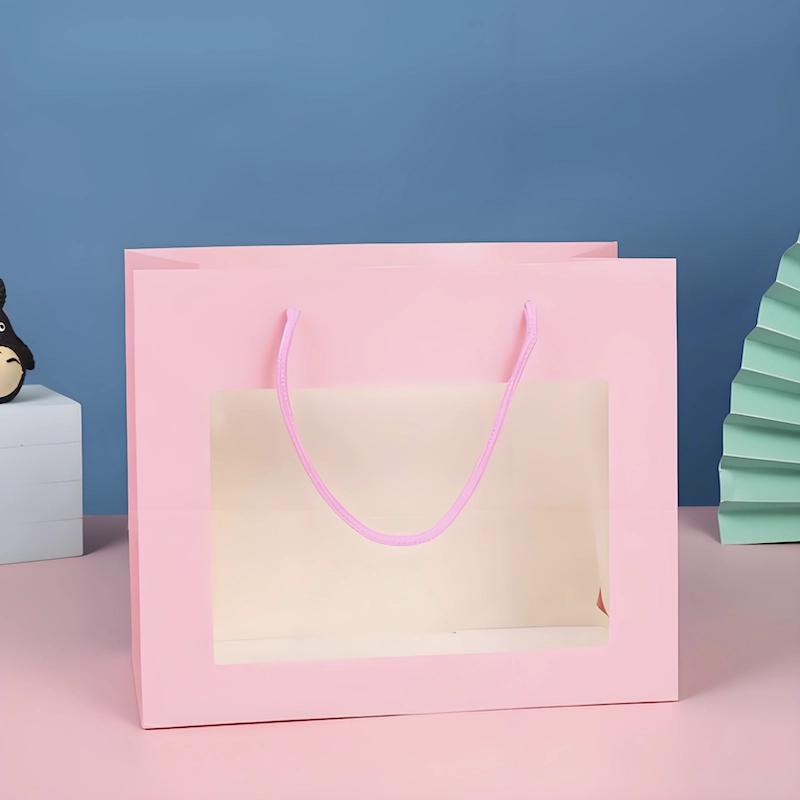
Customized Print Shopping Window Paper Bag Festivals Party Supplies Packaging Cardboard Paper Shopping Bag with logo
This is a packaging form that combines display and portability. Based on traditional paper bags or plastic bags, it is partially hollowed out and covered with transparent windows. Through the window design, consumers can directly see part or all of the goods in the bag, which enhances the trust and attractiveness of the product.
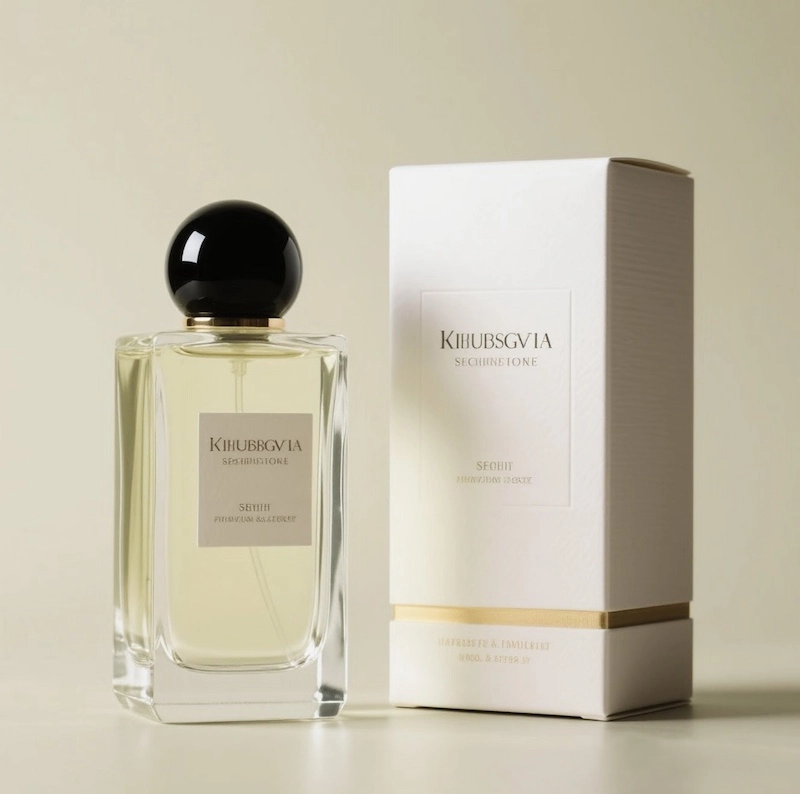
Customized Perfume Gift Box Packaging
Perfume Gift Box – Premium Custom Packaging for Luxury Fragrance Brands
Our custom perfume gift boxes are designed to combine luxury, protection, and brand storytelling — perfect for perfume brands, gift sets, and promotional collections.
Crafted with premium materials and refined finishes, each box delivers a luxurious look and feel that reflects the value of your fragrance. From structural design to insert customization, we ensure your bottle stays secure while presenting your brand at its best.
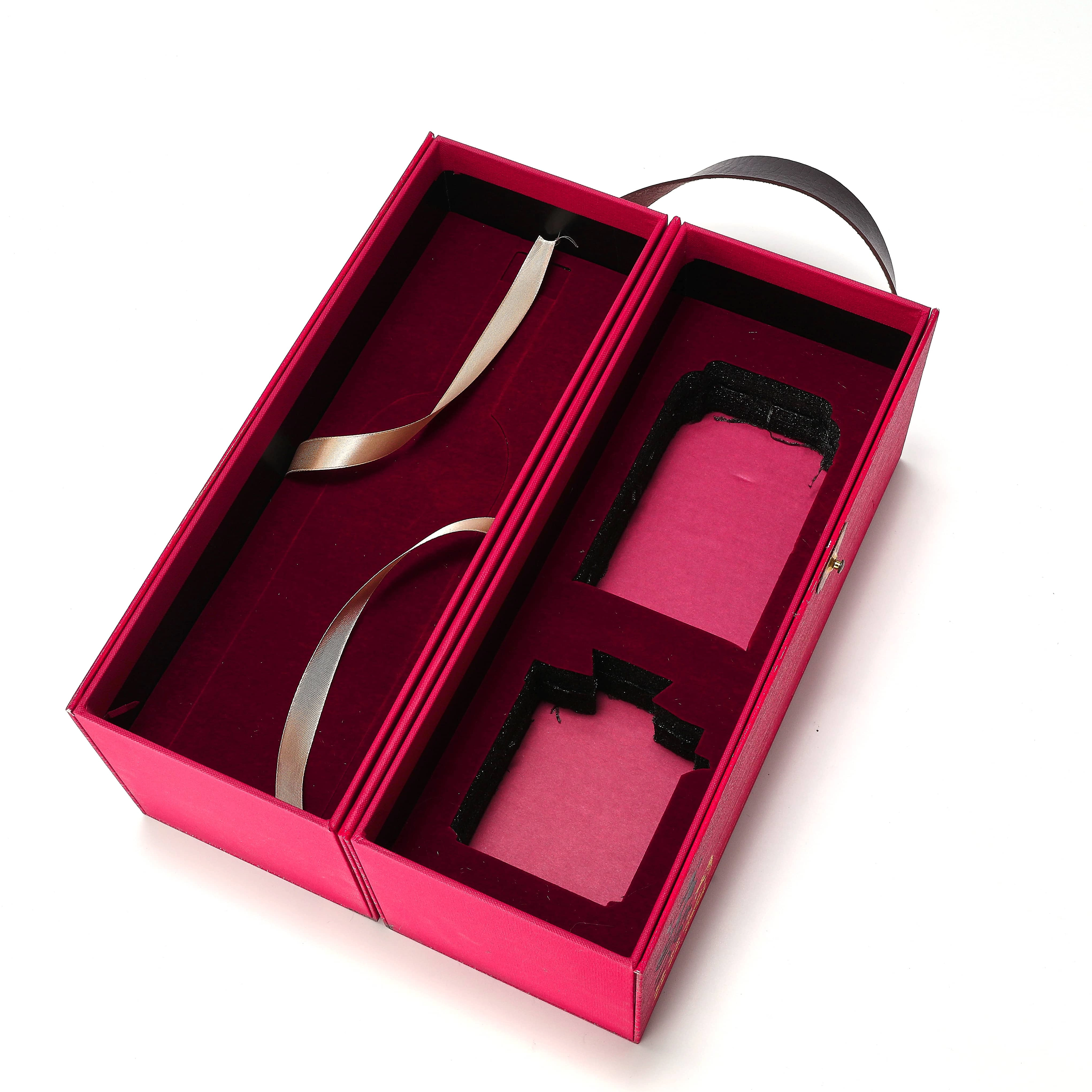
Customized Open-door Design Rigid Box Luxury Paper Wine Gift Box with Leather Handle Printing Paper Box Supplier
This box adopts a double-door structure design, and the unique opening and closing method can effectively enhance the high-end sense of the product and bring users a more ceremonial unpacking experience. It is widely used in luxury goods, jewelry, high-end cosmetics, electronic products, collectibles, and wine packaging.

Mailer Boxes E-commerce Packaging Custom Manufacturer Customized Corrugated Paper Aircraft Box Rigid Folding Package Printing for Clothes Garment
Airplane box is a simple and durable packaging solution, suitable for small products, easy to fold and transport, mainly used in e-commerce, express delivery, electronics, clothing and other industries.
© 2025 WINPACK PRINTING. All rights reserved

Wenhua Printing packaging
winpackprinting
Winpack Printing