




Protecting Products: Custom Mailer Box Inserts and Padding
- Why Protection Begins Inside Your Mailer
- Understanding the Risks: What Mailer Box Protection Must Solve
- Common Materials for Mailer Box Inserts and Padding
- Design Principles for Effective Inserts in a Custom Mailer Box
- Testing and Validation: How to Prove Your Mailer Design Works
- Cost vs. Protection: Making Data-Driven Trade-offs
- Practical Insert Examples and When to Use Them
- Case Study Snapshot
- Sustainability Considerations for Inserts and Padding in Custom Mailer Boxes
- How to Work with a Packaging Manufacturer for Custom Inserts
- Manufacturer Spotlight: Winpack — Capabilities and Competitive Advantages
- Winpack Product Summary: Custom Solutions for Mailer Protection
- Checklist: Selecting Inserts for Your Custom Mailer Box
- Frequently Asked Questions (FAQ)
- Contact and Next Steps
- References
Why Protection Begins Inside Your Mailer
custom mailer box design isn't just about branding or shipping costs — it's a critical line of defense against damage, returns, and poor customer experience. For e-commerce and B2B shippers, selecting the right inserts and padding can reduce transit damage, lower return rates, and build brand trust. This article provides a practical, evidence-based framework for choosing inserts and padding for custom mailer boxes, with material comparisons, engineering guidance, and supplier considerations.
Understanding the Risks: What Mailer Box Protection Must Solve
Every package faces three broad risks in the supply chain: mechanical shock (drops and impacts), compression (stacking), and environmental stress (moisture, temperature). A well-designed custom mailer box with proper inserts and padding mitigates these through cushioning, immobilization, and barrier performance. Practical goals when designing inserts include:
- Limit product movement inside the box
- Absorb impact energy to keep product stresses below failure thresholds
- Resist compression for stacked pallets
- Meet sustainability and unboxing experience goals
Design choices should start with a risk assessment: product fragility, unit weight/size, distribution environment (local vs. international), and expected handling. For fragile electronics, internal immobilization and high-energy absorbing foam might be required. For robust consumables, molded pulp or kraft paper void-fill could be sufficient while remaining recyclable.
Common Materials for Mailer Box Inserts and Padding
Below is a practical comparison of commonly used cushioning and insert materials for custom mailer boxes. The table summarizes performance, recyclability, relative cost, and best-use cases.
| Material | Protection Characteristics | Recyclability / Sustainability | Relative Cost | Best Use Cases |
|---|---|---|---|---|
| Corrugated inserts (die-cut) | Good structural support, moderate cushioning; excellent for immobilization and anti-crush | Recyclable, widely accepted in curbside programs | Low–Medium | Books, cosmetics, apparel, stacked goods |
| Molded pulp (paper pulp) | Good shock absorption for delicate shapes; conforms to product contours | Highly recyclable and often made from recycled content | Medium | Brittle items, single-use inserts, sustainable packaging |
| Expanded PE / EPE foam | High-energy absorption and excellent resilience | Low recyclability in many regions; some take-back programs exist | Medium–High | Electronics, precision instruments |
| Foam-in-place | Customized void-fill and high protection; molds to product | Limited recyclability; not ideal for circular systems | High (equipment cost adds up) | High-value fragile products with varied SKUs |
| Air pillows / inflatable cushions | Lightweight void fill; minimal cushioning for heavier impacts | Many are recyclable (LDPE #4) if facilities accept; single-use concerns | Low | Lightweight items, void fill for low-fragility goods |
| Kraft paper (crumpled) | Good for light cushioning and preventing movement; low shock absorption | Highly recyclable and compostable in many cases | Low | Sustainable brands, filler for bulkier parcels |
| Bubble wrap | Good localized protection; surface protection and small impact resistance | Limited curbside recycling; reuse encouraged | Low–Medium | Glassware, small electronics, cosmetics |
Sources for material attributes: industry testing protocols (ISTA) and recycling guidance from the U.S. EPA and packaging trade literature (see references).
Design Principles for Effective Inserts in a Custom Mailer Box
Designing inserts is both art and engineering. Follow these principles to ensure protection without overspending:
- Immobilize before you cushion: Small differential movement multiplies impact forces. A tailored insert that locks the product in place is often more effective than adding more loose fill.
- Use targeted protection: Protect vulnerable points (corners, edges, electronics connectors) with localized pads or inserts rather than overpacking the entire box.
- Match material to impact energy: Heavier items require higher-energy-absorbing materials. Use foam or molded pulp for fragile heavy goods; kraft paper and corrugated inserts work for light to moderate fragility.
- Consider stacking load: If parcels are palletized, design inserts to resist compression and prevent product deformation.
- Balance sustainability and protection: Increasingly, consumers expect recyclable or compostable solutions. Where possible, use recyclable corrugated inserts or molded pulp alternatives.
Testing and Validation: How to Prove Your Mailer Design Works
Don't guess — test. Use a combination of laboratory tests and controlled distribution trials:
- ISTA Standards: Use ISTA (International Safe Transit Association) test protocols appropriate for your distribution profile (e.g., ISTA 3A for individual packages). These tests simulate drops, vibration, and compression and are widely accepted by carriers and retailers.
- Drop and vibration testing: Start with repeatable drop tests for the product orientation that matters most. Vibration testing reveals resonance issues that can loosen internal fixtures.
- Pilot shipments: Run a small batch through real-world distribution channels. Track damage rates versus a baseline and use feedback to iterate on insert geometry or material.
- Return/damage tracking: Integrate return codes and photos into your returns process to identify common failure modes and refine insert design accordingly.
Reference: ISTA testing guides provide standardized methods and are recommended for any brand serious about parcel protection (https://ista.org/standards/).
Cost vs. Protection: Making Data-Driven Trade-offs
Decisions about inserts are rarely binary. Use these practical rules of thumb:
- Calculate the cost of damage: Estimate lost product value, return shipping, and customer lifetime value impact. If the expected damage cost per unit exceeds the incremental packaging cost, invest in better inserts.
- SKU segmentation: Not every SKU needs high-end inserts. Segment products into tiers (high-value fragile, mid-value, low-value) and apply protection levels accordingly.
- Volume discounts: Custom inserts (die-cut corrugated or molded pulp) become more affordable at scale. Factor in tooling amortization for high-volume SKUs.
Practical Insert Examples and When to Use Them
Here are real-world patterns observed across industries:
- Electronics (smartphones, accessories): EPE foam or custom foam inserts that cradle the device and isolate screens/ports. Inner boxes with die-cut corrugated supports are common for packaging multiple SKUs.
- Cosmetics and luxury goods: Die-cut corrugated or molded pulp supports combined with branded tissue or cardboard cradles to enhance unboxing and protect delicate bottles.
- Food and perishable items: Insulated liners plus immobilizing corrugated trays; foam and gel packs as temperature control elements where needed.
- Apparel: Single-item mailers often rely on minimal inserts — reinforced custom mailer boxes and kraft paper fill — to reduce dimensional weight and waste.
Case Study Snapshot
A mid-sized cosmetics brand reduced breakage by 78% after switching from loose bubble wrap to a die-cut corrugated insert tailored to their serum bottles. The per-unit packaging cost rose modestly, but the reduction in returns and improved customer reviews yielded a positive ROI within three months.
Sustainability Considerations for Inserts and Padding in Custom Mailer Boxes
Sustainability is no longer optional. Consumers and retailers favor recyclable, compostable, or reusable solutions. Key considerations:
- Material selection: Favor corrugated, kraft paper, and molded pulp where performance allows. These materials have broader recycling streams and lower embodied energy than many plastics.
- Design for minimalism: Optimize insert geometry to use less material while achieving required protection levels (finite element analysis and prototype testing can help).
- Communicate disposal instructions: Clear labeling inside the custom mailer box increases the chance that consumers will recycle correctly.
Reference: U.S. EPA municipal solid waste and recycling guidance for packaging suggests paper-based packaging is more widely recovered in curbside programs than many plastics (https://www.epa.gov/facts-and-figures-about-materials-waste-and-recycling), and packaging industry analysis supports a shift toward molded pulp and corrugated for sustainability goals.
How to Work with a Packaging Manufacturer for Custom Inserts
Working with a qualified packaging partner reduces development time and increases success rates. Steps for a productive partnership:
- Share data up front: Provide product dimensions, weight, fragility notes, distribution profile, and order quantities.
- Request material and cost options: Evaluate 2–3 material concepts (e.g., corrugated die-cut, molded pulp, foam) with pro forma costs and lead times.
- Prototype rapidly: Approve a small run of prototypes for in-house drop tests and pilot shipments.
- Define quality standards: Include acceptable damage thresholds, inspection criteria, and packaging test protocols in the agreement.
- Plan for scale: Discuss lead times, tooling amortization, and inventory buffers for seasonal peaks.
Manufacturer Spotlight: Winpack — Capabilities and Competitive Advantages
In 2016, Guangdong Winpack Printing Technology Development Co., Ltd. was officially established as a professional paper box printing manufacturer specializing in designing, proofing, printing, and producing a wide range of packaging and printed materials. Winpack's services include customized production of stickers, labels, paper bags, gift boxes, beauty boxes, pizza boxes, books, brochures, flyers, etc. Winpack caters to diverse industries, including cosmetics, food, healthcare, pharmaceuticals, and electronics.
Winpack operates a 15,000-square-meter factory equipped with advanced technology: a screen plate-making system, Heidelberg printing machines, high-speed paper cutters, a Lithrone GL-40A machine, and an anti-counterfeiting inkjet printer to ensure superior quality and efficiency. Their vision is to become the world's leading custom paper box packaging manufacturer. More details and product catalog are available at https://www.winpackprinting.com/.
Winpack Product Summary: Custom Solutions for Mailer Protection
Winpack's core product suite relevant to mailer protection includes custom gable boxes, custom gift boxes, custom display boxes, custom rigid boxes, custom folding boxes, custom paper tubes boxes, custom window boxes, custom special-shape boxes, custom pillow boxes, and custom take-out boxes. Combined with their in-house die-cutting and print capabilities, Winpack can produce tailored corrugated inserts, branded liners, and molded paper components that fit seamlessly into a custom mailer box program.
Competitive advantages of Winpack:
- Integrated design-to-production workflow that shortens lead times
- High-quality print and finishing enabling High Quality unboxing experiences
- Advanced machinery and anti-counterfeiting printing for regulated industries
- Capability to serve multiple industries (cosmetics, food, pharma, electronics)
Checklist: Selecting Inserts for Your Custom Mailer Box
Before you finalize an insert design, confirm the following:
- Product fragility assessment completed
- Distribution profile documented (local, national, international)
- Damage cost model built (to justify incremental packaging spend)
- Material options evaluated for protection and recyclability
- Prototype and ISTA testing scheduled
- Supplier (e.g., Winpack) capabilities and lead times validated
Frequently Asked Questions (FAQ)
1. What is the difference between an insert and padding in a custom mailer box?
An insert is a shaped structural component (e.g., die-cut corrugated tray, molded pulp cradle, foam cut-out) designed to immobilize and support a product. Padding (e.g., kraft paper, bubble wrap, air pillows) generally fills voids and provides cushioning but doesn't always precisely locate the item. The optimal solution often combines both.
2. How do I test whether my custom mailer box with inserts is adequate?
Use ISTA standard tests relevant to your distribution (such as ISTA 3A for individual shipments) for repeatable laboratory validation. Complement lab testing with pilot shipments and track real-world damage rates.
3. Are molded pulp inserts as protective as foam?
Molded pulp can provide excellent shock absorption and immobilization for many products, particularly where contour-fitting is needed. For very high-energy impacts or vibration-sensitive electronics, closed-cell foams may offer superior resilience. Choose based on expected impact energies and product fragility.
4. How much extra should I spend on inserts to justify reduced damage?
Calculate the expected cost of damage per unit (product loss, return shipping, repackaging, customer churn) and compare it to incremental packaging cost. If incremental packaging cost is lower than expected damage cost, investment is justified. SKU segmentation helps prioritize spend.
5. Can a custom mailer box with inserts be sustainable?
Yes. Use recyclable materials such as corrugated die-cut inserts or molded pulp and optimize material use through engineering. Communicate disposal instructions to consumers to improve recycling rates.
6. How quickly can a supplier like Winpack produce custom inserts?
Lead times vary by material, tooling needs, and order volume. Winpack's integrated design and print capabilities and a 15,000 m2 factory enable efficient prototyping and scale production; specific lead times should be confirmed with the supplier at https://www.winpackprinting.com/.
Contact and Next Steps
If you are designing or optimizing packaging for e-commerce or retail, start with a clear SKU segmentation and a short pilot program to validate insert choices. For design, prototyping, and scale production of custom mailer boxes and inserts, consider contacting Winpack for samples and a capability review: https://www.winpackprinting.com/.
References
- International Safe Transit Association (ISTA) — Standards and test protocols. https://ista.org/standards/ (accessed 2025-11-30)
- U.S. Environmental Protection Agency — Facts and Figures about Materials, Waste and Recycling (packaging). https://www.epa.gov/facts-and-figures-about-materials-waste-and-recycling (accessed 2025-11-30)
- Grand View Research — E-commerce Packaging Market Overview. https://www.grandviewresearch.com/industry-analysis/e-commerce-packaging-market (accessed 2025-11-28)
- Packaging Digest — Articles on molded pulp and sustainable cushioning solutions. https://www.packagingdigest.com/ (accessed 2025-11-27)
- Winpack Printing — Company profile and product offerings. https://www.winpackprinting.com/ (accessed 2025-11-30)
Mailer Boxes Buying Guide for Retail and Wholesale Buyers
Affordable Custom Pizza Box Options for Small Restaurants
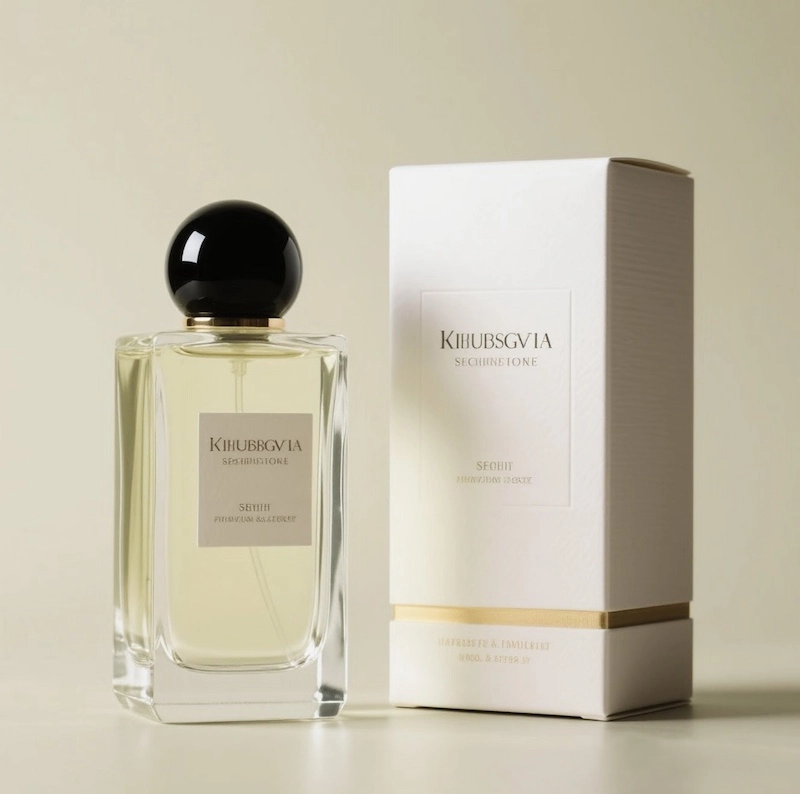
Elevate Your Fragrance Brand with Customized Perfume Gift Box Packaging
Custom Rigid Box Sizes, Templates and Dielines Guide
About Us
Are you a manufacturer?
Yes, we are manufacturer, and we have over decade experience in this field.
What kind of format is available for printing?
CDR, AI, PS , PSD. high resolution JPG (please Convert text to curves. If not, some words will be missing.)
Rigid Lift-off Box
Can I order a sample of my rigid box?
Yes, we strongly recommend that you do so, we provide a variety of sample types to meet different usage situations and help you guarantee the best results!
Special Shape Boxes
Can I order a sample of my packaging box?
Yes, we strongly recommend that you do so, we provide a variety of sample types to meet different usage situations and help you guarantee the best results!
Can I print on the inside of the box?
Yes, you can print any effect you want on the inside.
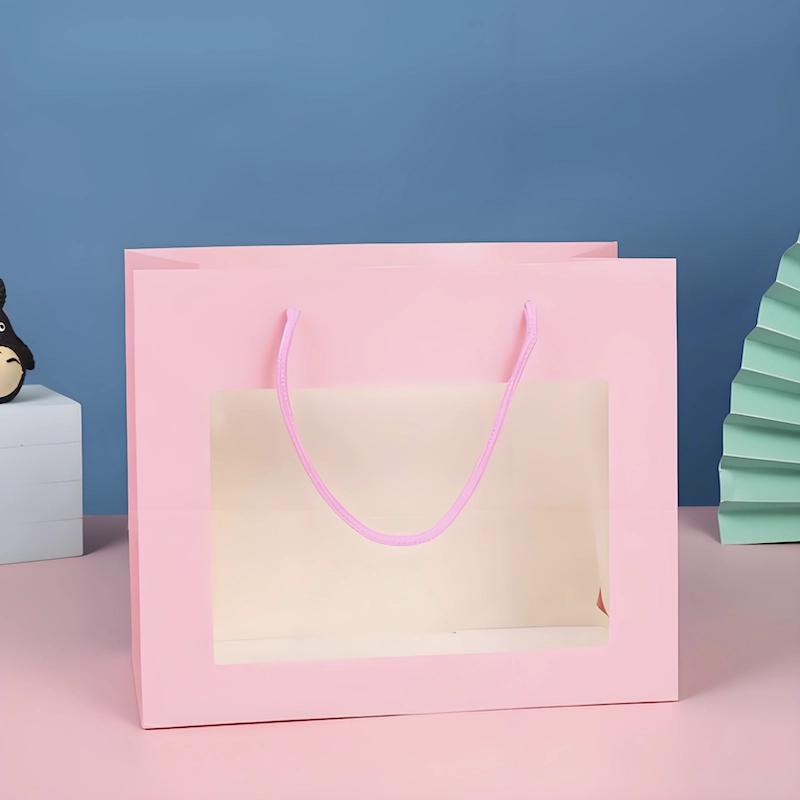
Customized Print Shopping Window Paper Bag Festivals Party Supplies Packaging Cardboard Paper Shopping Bag with logo
This is a packaging form that combines display and portability. Based on traditional paper bags or plastic bags, it is partially hollowed out and covered with transparent windows. Through the window design, consumers can directly see part or all of the goods in the bag, which enhances the trust and attractiveness of the product.
Customized Perfume Gift Box Packaging
Perfume Gift Box – Premium Custom Packaging for Luxury Fragrance Brands
Our custom perfume gift boxes are designed to combine luxury, protection, and brand storytelling — perfect for perfume brands, gift sets, and promotional collections.
Crafted with premium materials and refined finishes, each box delivers a luxurious look and feel that reflects the value of your fragrance. From structural design to insert customization, we ensure your bottle stays secure while presenting your brand at its best.
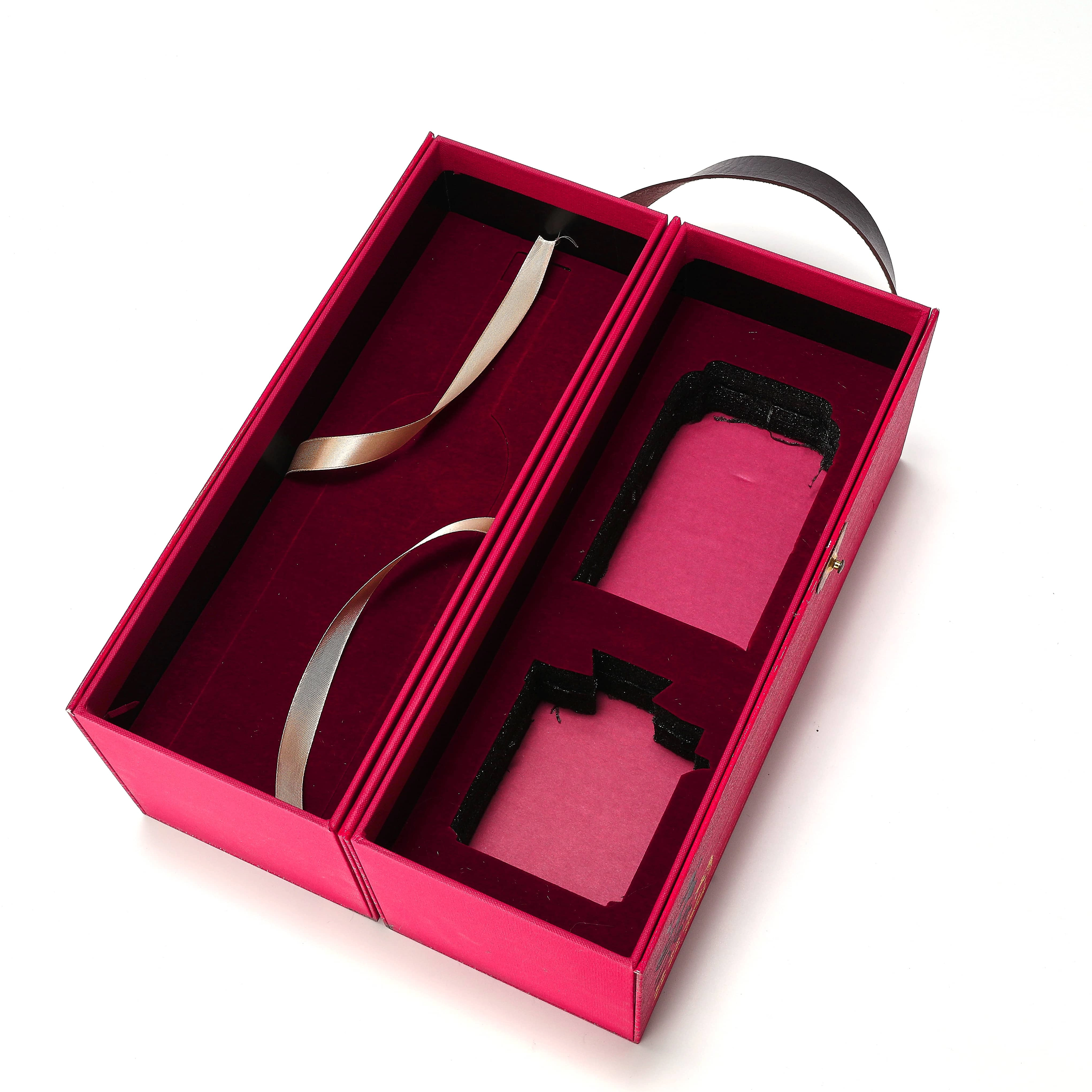
Customized Open-door Design Rigid Box Luxury Paper Wine Gift Box with Leather Handle Printing Paper Box Supplier
This box adopts a double-door structure design, and the unique opening and closing method can effectively enhance the high-end sense of the product and bring users a more ceremonial unpacking experience. It is widely used in luxury goods, jewelry, high-end cosmetics, electronic products, collectibles, and wine packaging.

Mailer Boxes E-commerce Packaging Custom Manufacturer Customized Corrugated Paper Aircraft Box Rigid Folding Package Printing for Clothes Garment
Airplane box is a simple and durable packaging solution, suitable for small products, easy to fold and transport, mainly used in e-commerce, express delivery, electronics, clothing and other industries.
© 2025 WINPACK PRINTING. All rights reserved

Wenhua Printing packaging
winpackprinting
Winpack Printing