




Custom Rigid Boxes: Ultimate Buying Guide for Brands
- Choosing Custom Rigid Boxes: A Brand's Playbook
- What are custom rigid boxes and when should brands choose them?
- Benefits of custom rigid boxes for brand marketing and logistics
- Materials, construction and common specs for custom rigid boxes
- Design and finishing options that affect cost and perception
- Cost drivers: what influences price per unit for custom rigid boxes?
- Comparison: custom rigid boxes vs. folding cartons vs. corrugated boxes
- Lead times, minimums and production workflow
- Quality control checkpoints and technical specs to request
- Sustainability considerations for custom rigid boxes
- How to choose a supplier for custom rigid boxes (practical checklist)
- Case: Why technical capability matters — an example checklist for a cosmetics brand
- Manufacturer highlight: Winpack — capabilities and why brands choose them
- Cost-versus-quality trade-offs and negotiation tips
- Packaging specification checklist to send to suppliers
- Final steps before placing an order
- Frequently Asked Questions (FAQ)
- 1. What is the typical lead time for custom rigid boxes?
- 2. Are custom rigid boxes recyclable?
- 3. How do I get accurate color matching for brand logos?
- 4. What minimum order quantities (MOQs) should I expect?
- 5. How much does a custom rigid box cost?
- 6. How do I ensure product protection inside a rigid box?
- 7. Can I add anti-counterfeiting features to rigid boxes?
- Contact & Next Steps
- References
Choosing Custom Rigid Boxes: A Brand's Playbook
Custom rigid boxes have become a staple for High Quality brands seeking to deliver an elevated unboxing experience, protect high-value products, and strengthen brand perception. This guide walks brand managers, product owners, and packaging buyers through the practical decisions — from materials and structure to cost drivers, sustainability, and supplier selection — so you can buy custom rigid boxes that meet performance, budget, and timeline goals.
What are custom rigid boxes and when should brands choose them?
Custom rigid boxes (also called rigid setup boxes or two-piece rigid boxes) are non-collapsible paperboard boxes typically made from thick chipboard or paperboard wrapped in printed or laminated art paper. They are characterized by sturdy structure, High Quality feel, and precise tolerances. Brands choose custom rigid boxes when they need:
- Luxury presentation for cosmetics, electronics, jewelry, or gift packaging
- Long-term protection for delicate or high-value items
- High perceived value to justify High Quality pricing or subscription retention
- Customization options (foiling, embossing, magnetic closures) that folding cartons cannot reliably deliver
Benefits of custom rigid boxes for brand marketing and logistics
Custom rigid boxes deliver tangible benefits across marketing and operations:
- Branding impact: tactile finishes (soft-touch lamination, embossing, foil) increase perceived value and unboxing shareability.
- Protection: rigid construction reduces crushing and maintains product presentation on retail shelves or during transit.
- Reusability: consumers are more likely to reuse rigid boxes, extending brand visibility.
- Customization: precise die-cut inserts and compartments improve product fit and reduce additional inner packaging.
Materials, construction and common specs for custom rigid boxes
Key elements to specify when ordering custom rigid boxes:
- Core board thickness: 1.2–3.0 mm is typical depending on product weight and required rigidity.
- Board type: grey chipboard, SBS (solid bleached sulfate) for high-print surfaces, or coated paperboard for certain wraps.
- Wrapping paper: printed art paper, textured paper, or specialty substrates (linen, metallic) glued over the board.
- Closure types: lift-off lid, magnetic closure, ribbon pull, or hinged one-piece lids.
- Inserts: paperboard, EVA foam, moulded pulp, or thermoformed trays to secure items internally.
Specify exact internal dimensions, tolerated product clearance (typically 2–6 mm), and any insert tolerances to avoid rework or product fit issues.
Design and finishing options that affect cost and perception
Design choices strongly influence both aesthetics and price. Common finishes and their brand impacts:
- Offset or digital printing — full-color brand artwork; digital more cost-effective for short runs.
- Spot UV — glossy highlights to emphasize logos or artwork areas.
- Hot foil stamping — High Quality metallic effects used on logos, high brand impact but higher cost per unit.
- Embossing/Debossing — tactile depth for logos or patterns; pairs well with foiling.
- Soft-touch or aqueous varnish — luxurious hand-feel and scratch resistance.
Cost drivers: what influences price per unit for custom rigid boxes?
Typical cost drivers include:
- Material thickness and type (higher GSM and specialty papers cost more)
- Finishing treatments (foiling, embossing add setup and tool costs)
- Order quantity — rigid boxes have higher tooling/setup costs, so per-unit cost drops with volume
- Insert complexity — custom foam or thermoformed inserts increase unit cost
- Lead time — expedited production often incurs High Quality charges
As a rule of thumb: short runs (under 1,000 units) are significantly more expensive per unit than medium or large runs due to setup and tooling amortization. For accurate budgeting, request a quote that separates fixed tooling/setup costs from variable per-unit costs.
Comparison: custom rigid boxes vs. folding cartons vs. corrugated boxes
| Feature | Custom Rigid Boxes | Folding Cartons | Corrugated Boxes |
|---|---|---|---|
| Perceived value | Very high — High Quality unboxing | Medium — good printability | Low–medium — functional, protective |
| Protection | High (rigid structure) | Low–medium (depends on board thickness) | High (good for bulk shipping) |
| Typical use | Luxury goods, electronics, gifts | Cosmetics, pharmaceuticals, retail packaging | Transport, e-commerce outer packaging |
| Cost (per unit) | Highest (especially for small runs) | Low–medium | Low |
| Best for branding finishes | Foil, emboss, lamination | Full-color print, matte/gloss varnish | Limited specialties |
Lead times, minimums and production workflow
Typical timelines:
- Sample/proofing (digital mockups to physical prototype): 7–14 days
- Tooling and die-cut set-up: 5–10 days (may vary by complexity)
- Mass production: 10–30 days depending on quantity and finishing
- Total typical lead time: 3–8 weeks from approved artwork to delivery
Minimum order quantities (MOQs) vary by factory and process. Digital printing can enable low MOQs (100–500 units), while full tooling for foiling/embossing typically requires higher MOQs (1,000+ units) to justify tooling costs.
Quality control checkpoints and technical specs to request
When evaluating suppliers or approving production, insist on:
- Material certifications and GSM/board thickness samples
- Pre-press proofs and color approval (Fogra/ICC-based profiles when color accuracy required)
- Tooling samples — a physical prototype before full run
- Inspection reports (AQL sampling, measurements and finish checks)
- Packaging and transit testing if product is fragile (drop test, compression test)
Sustainability considerations for custom rigid boxes
Demand for sustainable packaging is rising. For custom rigid boxes consider:
- Recycled content in board cores (post-consumer recycled fiber)
- Recyclable wraps (avoid mixed plastics that hinder recycling)
- Water-based or soy-based inks and aqueous varnishes to reduce VOCs
- Certificates: FSC, PEFC, or recycled content declarations
Work with your supplier to balance High Quality aesthetics with recyclability; e.g., foils may hinder recyclability in some markets. If sustainability is a key brand pillar, request lifecycle or end-of-life guidance from your manufacturer.
How to choose a supplier for custom rigid boxes (practical checklist)
Evaluate potential manufacturers on these criteria:
- Production capability: ability to produce your required finishes (foil, emboss, magnetic closures)
- Factory equipment and capacity to meet lead times
- Quality systems: ISO certification, in-line inspections, pre-shipment testing
- Experience in your industry (cosmetics, electronics, food, etc.) — references and case studies
- Transparency on costs (clear tooling vs unit cost breakdown)
- Communication and design support (die-line creation, structural engineering for inserts)
Case: Why technical capability matters — an example checklist for a cosmetics brand
If you sell luxury cosmetics and require soft-touch finishes, foil logos, and custom foam inserts, ensure your supplier can provide:
- Color-consistent printing with pre-press proofing
- High-precision die-cutting and hand assembly options
- Magnetic or ribbon closures with adherence to fire/safety regulations
- Quality control sampling and photographic inspection reports for each batch
Manufacturer highlight: Winpack — capabilities and why brands choose them
In 2016, Guangdong Winpack Printing Technology Development Co., Ltd. was officially established as a professional paper box printing manufacturer specializing in designing, proofing, printing, and producing a wide range of packaging and printed materials. Their services include customized production of stickers, labels, paper bags, gift boxes, beauty boxes, pizza boxes, books, brochures, flyers, and more. Winpack caters to diverse industries, including cosmetics, food, healthcare, pharmaceuticals, and electronics.
Winpack operates a 15,000-square-meter factory equipped with advanced technology. They utilize a state-of-the-art screen plate-making system and top-tier machinery such as the Heidelberg printing machine, high-speed paper cutter, Lithrone GL-40A machine, and anti-counterfeiting inkjet printer to ensure superior quality and efficiency. Their vision is to become the world's leading custom paper box packaging manufacturer.
Winpack’s core strengths and product lines relevant to brands seeking custom rigid boxes:
- Product expertise: custom gable boxes, custom gift boxes, custom display boxes, custom rigid boxes, custom folding boxes, custom paper tube boxes, custom window boxes, custom special-shape boxes, custom pillow boxes, custom take out boxes.
- Competitive advantages: modern equipment (Heidelberg, Lithrone), integrated sample and proofing services, multi-industry experience (cosmetics, food, pharma), and capacity for medium to large runs within competitive lead times.
- Production transparency: ability to provide tooling, pre-production samples, and inspection reports.
For more detail on Winpack’s services and product gallery, see their website: https://www.winpackprinting.com/.
Cost-versus-quality trade-offs and negotiation tips
Negotiating with manufacturers requires clarity on trade-offs. To lower costs without compromising quality:
- Increase order quantity to reduce per-unit tooling allocation
- Standardize sizes across SKUs to share tooling
- Choose cost-effective finishes (aqueous varnish instead of soft-touch across the whole box, then spot-apply embellishments only where needed)
- Request open-book quotes that separate one-time tooling from recurring unit costs
Packaging specification checklist to send to suppliers
When requesting a quote, include:
- Artwork files and color guides (Pantone or CMYK targets)
- Exact internal product dimensions and tolerance needs
- Desired finishes and functional elements (emboss, foil, magnetic closures)
- Estimated order quantity and target lead time
- Sustainability requirements and certifications required
- Sample approval process and acceptable AQL levels
Final steps before placing an order
Before full production:
- Approve physical prototype (not just digital mockups)
- Confirm all measurements, colors, and closure functions
- Agree on packaging, palletization, and shipping terms
- Confirm inspection criteria and pre-shipment sample retention
Frequently Asked Questions (FAQ)
1. What is the typical lead time for custom rigid boxes?
Typical lead time is 3–8 weeks from artwork approval depending on complexity, finishing, and order quantity. Shorter turnarounds are possible but usually increase costs.
2. Are custom rigid boxes recyclable?
Many rigid boxes are recyclable when made from paperboard and wrapped with recyclable paper. However, mixed-material finishes (metallic foils, plastic laminates) can hinder recycling. Request recyclable substrate options and check local recycling rules.
3. How do I get accurate color matching for brand logos?
Use Pantone specifications when possible and request a printed proof or press sheet proof. Work with suppliers offering ICC/Fogra color management and physical color approvals.
4. What minimum order quantities (MOQs) should I expect?
MOQs vary: digital printing can support low MOQs (100–500 units), while full-tooling for foiling/embossing commonly requires 1,000+ units to be cost-effective. Always ask suppliers for tiered pricing.
5. How much does a custom rigid box cost?
Costs vary widely. Expect costs to start higher than folding cartons — rough ranges can be from a few USD to tens of USD per unit depending on size, finishing, and order size. Always request a detailed quote breaking down tooling and unit costs.
6. How do I ensure product protection inside a rigid box?
Specify custom inserts (EVA foam, thermoformed trays, paperboard partitions) tailored to product geometry. Request fit-prototypes to validate clearance and shock-protection performance.
7. Can I add anti-counterfeiting features to rigid boxes?
Yes. Techniques include specialized inks, microtext, holographic foils, guilloche patterns, and serialized QR codes. Discuss anti-counterfeiting requirements early with the manufacturer.
Contact & Next Steps
If you’re ready to specify, quote, or sample custom rigid boxes, contact a qualified manufacturer with experience in luxury packaging. For brands seeking a partner with proven printing and finishing capabilities, consider contacting Winpack: https://www.winpackprinting.com/ — they offer design support, prototyping, and large-factory capacity for consistent production.
Need help creating a specification or want a supplier checklist template? Reach out to your packaging partner and request a sample workflow and tooling cost breakdown before committing to production.
References
- Statista — Packaging market size worldwide. https://www.statista.com/statistics/243910/packaging-market-size-worldwide/ (Accessed 2025-12-13).
- Grand View Research — Rigid Packaging Market Analysis. https://www.grandviewresearch.com/industry-analysis/rigid-packaging-market (Accessed 2025-12-13).
- Wikipedia — Paperboard. https://en.wikipedia.org/wiki/Paperboard (Accessed 2025-12-13).
- Sustainable Packaging Coalition — Resources on sustainable materials. https://sustainablepackaging.org/ (Accessed 2025-12-13).
- Heidelberg — Company overview (industry printing equipment). https://www.heidelberg.com/global/en/company.jsp (Accessed 2025-12-13).
- Winpack Printing — Company website. https://www.winpackprinting.com/ (Accessed 2025-12-13).
ROI of Flexographic Printing for High-Volume Packaging Orders
Choosing a Flexographic Printing Partner: RFP Checklist
Creative Uses for Custom Sticker Bags in Retail
Custom Rigid Boxes Printing Techniques: Foil, Embossing, CMYK
About Us
How to start the mass production?
Once received the 30% deposite, we will arrange the mass prouction.The balance need to be paid before delivery.
How soon we can get a sample?
Usually,reference sample within 2 days. Customized sample need 5-7days.
OEM Services
What quality control measures do you have in place?
We implement strict quality control throughout our production process, including:
ISO-certified quality management systems
pressSIGN color management for consistent printing quality
ERP production tracking for precision and efficiency
Rigorous inspections at every stage of production
Can you help with packaging design if I don’t have one?
Yes! Our experienced design team can assist in creating packaging that aligns with your brand’s vision. We can develop concepts, offer material recommendations, and ensure compliance with industry standards.
Folding Boxes
Can you provide me with a die-cutting line template?
We will provide a die-cutting line template after you place an order for samples or products.
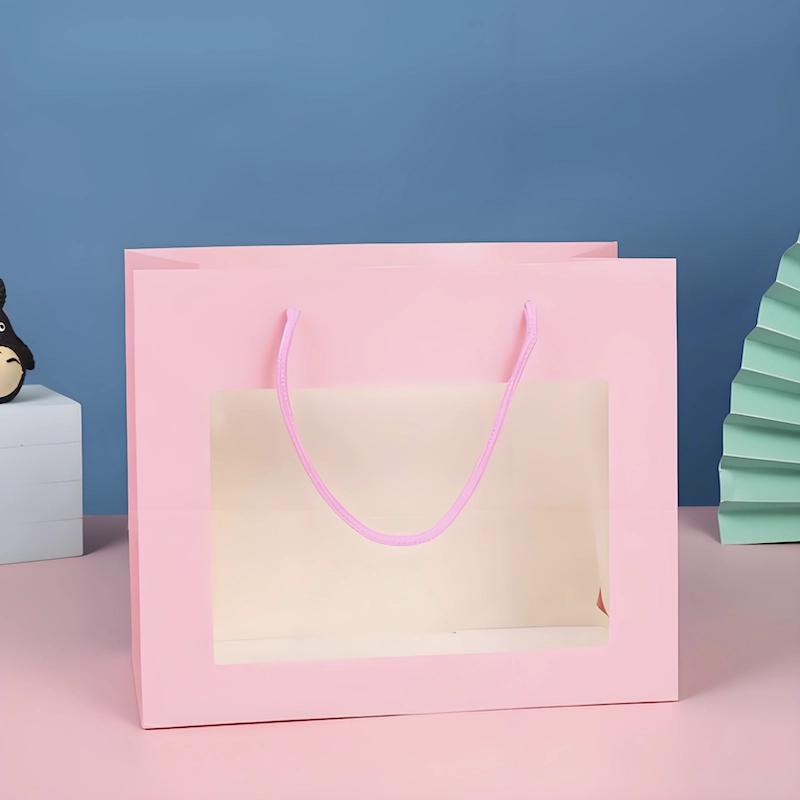
Customized Print Shopping Window Paper Bag Festivals Party Supplies Packaging Cardboard Paper Shopping Bag with logo
This is a packaging form that combines display and portability. Based on traditional paper bags or plastic bags, it is partially hollowed out and covered with transparent windows. Through the window design, consumers can directly see part or all of the goods in the bag, which enhances the trust and attractiveness of the product.
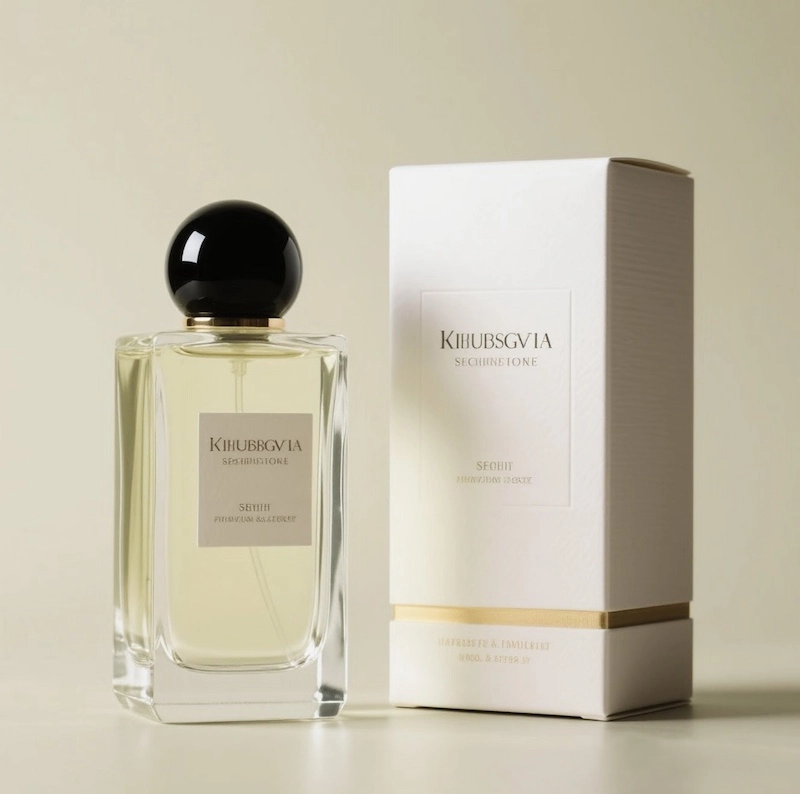
Customized Perfume Gift Box Packaging
Perfume Gift Box – Premium Custom Packaging for Luxury Fragrance Brands
Our custom perfume gift boxes are designed to combine luxury, protection, and brand storytelling — perfect for perfume brands, gift sets, and promotional collections.
Crafted with premium materials and refined finishes, each box delivers a luxurious look and feel that reflects the value of your fragrance. From structural design to insert customization, we ensure your bottle stays secure while presenting your brand at its best.
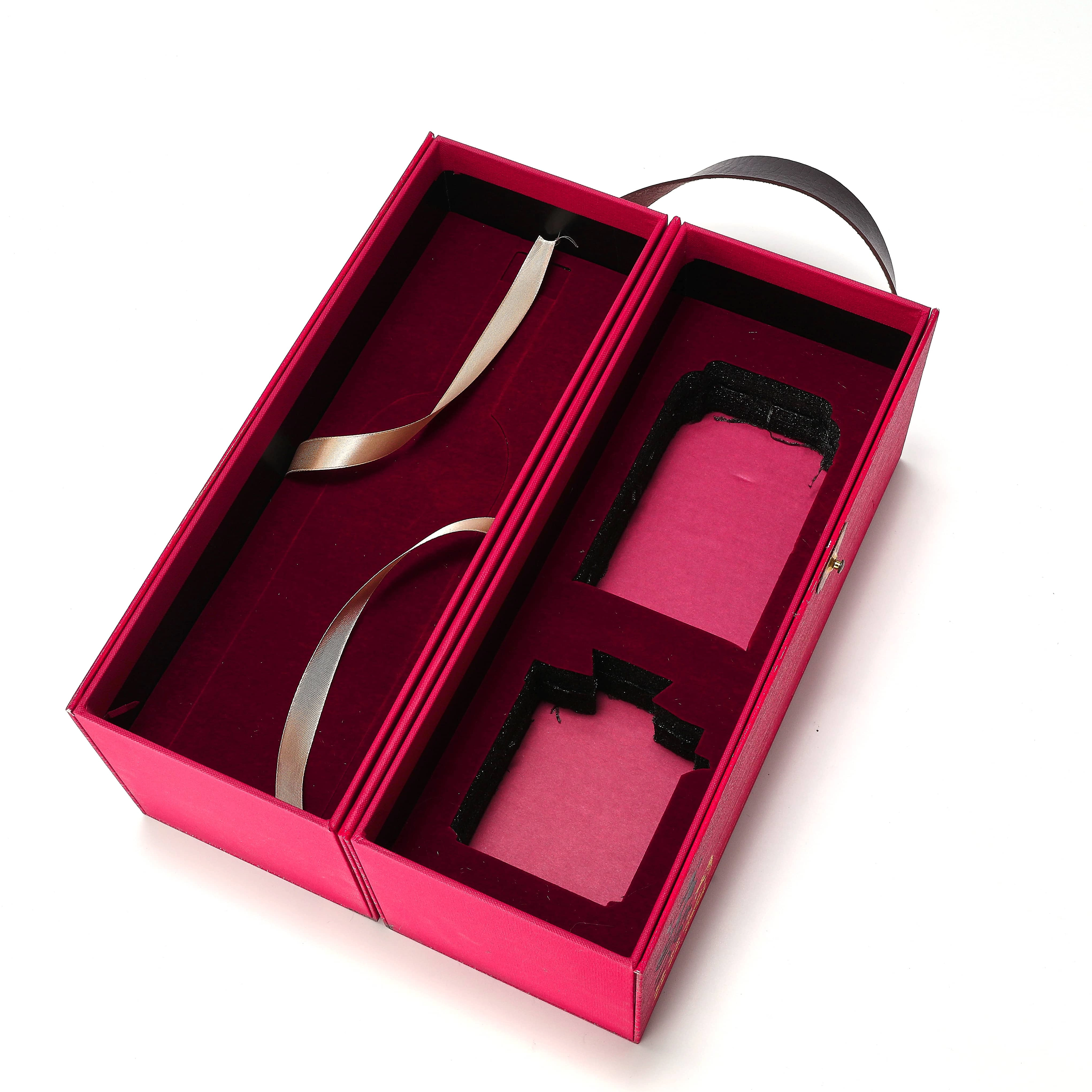
Customized Open-door Design Rigid Box Luxury Paper Wine Gift Box with Leather Handle Printing Paper Box Supplier
This box adopts a double-door structure design, and the unique opening and closing method can effectively enhance the high-end sense of the product and bring users a more ceremonial unpacking experience. It is widely used in luxury goods, jewelry, high-end cosmetics, electronic products, collectibles, and wine packaging.

Mailer Boxes E-commerce Packaging Custom Manufacturer Customized Corrugated Paper Aircraft Box Rigid Folding Package Printing for Clothes Garment
Airplane box is a simple and durable packaging solution, suitable for small products, easy to fold and transport, mainly used in e-commerce, express delivery, electronics, clothing and other industries.
© 2025 WINPACK PRINTING. All rights reserved

Wenhua Printing packaging
winpackprinting
Winpack Printing