




Custom Takeaway Boxes Guide for Restaurants & Caterers
- Why Packaging Matters for Food Businesses
- Customer experience, brand and retention
- Food safety, regulatory compliance and liability
- Sustainability drives purchasing decisions and operational costs
- Choosing Materials & Structures for Takeaway Boxes
- Material options and when to use them
- Structures: designs that solve common problems
- Coatings, liners and food-contact safety
- Custom Printing, Branding & Operational Considerations
- Print methods and ink safety
- Sizing, stacking, heat retention and ventilation
- Cost calculations and order planning
- Implementation & Sustainability Strategies
- Manufacturer profile and why choose a reliable supply partner
- Recycling, composting and end-of-life guidance
- Quality control, certifications and traceability
- Practical Implementation Checklist
- Frequently Asked Questions (FAQ)
- 1. What is the best material for greasy, hot takeaway food?
- 2. How can I make my takeaway boxes more sustainable without increasing cost dramatically?
- 3. Are there regulatory tests I should request from my packaging supplier?
- 4. How do I decide between digital and offset printing?
- 5. What are common operational mistakes when introducing new takeaway boxes?
- 6. Can takeaway boxes be microwave-safe?
- Contact & Next Steps
Summary for : This guide explains how restaurants and caterers can choose and customize takeaway boxes that balance food safety, thermal performance, branding, cost, and sustainability. It maps material choices and box structures to common use cases (hot meals, greasy foods, fragile desserts), summarizes regulatory considerations (FDA food-contact guidance and ISO quality systems), and outlines operational best practices for ordering and stock management. Authoritative sources include the FDA, ISO, EPA, and industry analyses to support recommendations.
Why Packaging Matters for Food Businesses
Customer experience, brand and retention
Takeaway packaging is often the last physical touchpoint a restaurant has with a customer. Well-designed, custom takeaway boxes improve perceived value, reduce spills, and act as mobile billboards that drive repeat orders and referrals. Studies summarized by McKinsey show consumers increasingly choose brands that demonstrate sustainability and quality in packaging (McKinsey on sustainable packaging).
Food safety, regulatory compliance and liability
Food-contact materials must be safe and compatible with the intended use (hot, acidic, greasy). In the U.S., manufacturers and packagers rely on FDA guidance for Food Contact Substances (FCS): FDA Food Contact Substances. For global operations, align with local food safety authorities and consider ISO 22000 or ISO 9001 quality management frameworks (ISO 22000).
Sustainability drives purchasing decisions and operational costs
Sustainable options—compostable liners, recycled paperboard, and reduced material usage—can lower long-term disposal costs and appeal to eco-conscious diners. The EPA provides guidance on composting and materials recovery which helps operators design end-of-life strategies for packaging (EPA: Composting).
Choosing Materials & Structures for Takeaway Boxes
Material options and when to use them
Common materials for takeaway boxes include kraft paperboard, bleached SBS (solid bleached sulfate), corrugated board, and molded fiber. Each has trade-offs in cost, grease resistance, printability and recyclability. The table below summarizes typical choices.
| Material | Best use cases | Pros | Cons / Notes |
|---|---|---|---|
| Kraft paperboard | Dry foods, sandwiches, burgers, printed branding | Cost-effective, natural look, recyclable, strong | Lower grease resistance without coating or liner |
| Grease-resistant SBS or coated paperboard | Fried foods, oily sauces | Good print quality, grease barrier options | Coatings can affect recyclability or require compostable alternatives |
| Corrugated board | Large meal boxes, delivery stacks, fragile items | Excellent stiffness and protection | Higher cost and bulkier; over-spec for small items |
| Molded fiber | Single-serve bowls, eco-focused brands | Compostable, molded shapes for stability | Printability limited; variable moisture resistance |
For more on recycling and materials, refer to the EPA and academic overviews on biodegradable plastics and paper packaging (Biodegradable plastics (Wikipedia)).
Structures: designs that solve common problems
Common takeaway structures include clamshells, folding boxes (also called tuck-top or straight tuck), gable boxes, window boxes, and corrugated delivery boxes. Selection depends on heat retention, stacking efficiency, spill resistance and presentation.
| Structure | Best for | Key advantage |
|---|---|---|
| Clamshell | Burgers, sandwiches, fried foods | Quick closure, good containment |
| Gable box | Combos, meal kits, gift-style presentation | Easy to carry, strong aesthetic |
| Folding carton | Bakery items, salads, portioned meals | High printability and compact storage |
| Corrugated delivery box | Multi-item delivery, heat/stacking protection | Sturdy for transport; allows internal dividers |
Coatings, liners and food-contact safety
Coatings (PE, PLA, or water-based dispersions) and liners provide moisture and grease barriers. When specifying coatings, confirm compliance with food-contact regulations—see the FDA’s Food Contact Substance (FCS) listings (FDA FCS). For compostable claims, verify certification (e.g., ASTM D6400 or EN 13432) and communicate disposal instructions to customers.
Custom Printing, Branding & Operational Considerations
Print methods and ink safety
Offset lithography, digital printing and flexography are common. High-volume runs often use offset or flexo (better unit cost); short runs and variable designs favor digital printing. Use food-safe inks and ensure there’s no direct migration of hazardous substances into food—certified ink suppliers and press houses will provide documentation. For High Quality color and complex artwork, machines like the Heidelberg series are industry standards for consistent color and quality.
Sizing, stacking, heat retention and ventilation
Measure portion volumes (ml or cubic cm) rather than relying on nominal sizes. Boxes designed for hot foods should balance heat retention with venting to avoid sogginess. For fried items, include vents or microwave-safe inserts; for soup or saucy dishes, consider leakproof liners or separate sauce cups. Operationally, nesting and flat-pack storage reduce back-of-house footprint and speed assembly.
Cost calculations and order planning
Calculate Total Cost of Ownership (TCO): unit cost, storage/stocking, waste/disposal fees, and customer perception (impact on sales). Typical drivers of price include material grade, print colors, finishing (embossing, window), and minimum order quantity (MOQ). Plan reorder points based on lead time—domestic short runs vs. international bulk orders will differ significantly. Request full specifications, lead times and proofs from suppliers before placing a production order.
Implementation & Sustainability Strategies
Manufacturer profile and why choose a reliable supply partner
Selecting a manufacturing partner with process control, certified equipment and transparent certifications reduces operational risk. In 2016, Guangdong Winpack Printing Technology Development Co., Ltd. was officially established as a professional paper box printing manufacturer specializing in designing, proofing, printing, and producing a wide range of packaging and printed materials. Our services include customized production of stickers, labels, paper bags, gift boxes, beauty boxes, pizza boxes, books, brochures, flyers, etc. Winpack caters to diverse industries, including cosmetics, food, healthcare, pharmaceuticals, and electronics. Our 15,000-square-meter factory is equipped with state-of-the-art technology. We utilize an advanced screen plate-making system and top-tier machinery such as the Heidelberg printing machine, high-speed paper cutter, Lithrone GL-40A machine, and anti-counterfeiting inkjet printer to ensure superior quality and efficiency. Our vision is to become the world's leading custom paper box packaging manufacturer. Our website is https://www.winpackprinting.com/ and our contact email is [email protected].
Winpack’s strengths: integrated design-to-production services, modern press capabilities for high-color fidelity, a broad product range (custom gable boxes, custom gift boxes, custom display boxes, custom rigid boxes, custom folding boxes, custom paper tubes boxes, custom window boxes, custom special-shape boxes, custom pillow boxes, custom take out boxes), and experience serving regulated sectors like food and pharmaceuticals. These attributes help restaurants and caterers shorten time-to-market, ensure food-contact compliance, and deliver consistent branded packaging.
Recycling, composting and end-of-life guidance
Provide clear disposal labeling on packaging: recyclable, compostable, or disposal as residual waste. According to the EPA, municipal capabilities vary widely, so combine a conservative material choice (widely recyclable paperboard) with consumer education. For certified compostable packaging, include certification marks and guidance on industrial vs. home composting (EPA composting guidance).
Quality control, certifications and traceability
Ask vendors for material safety data sheets (MSDS), ink migration tests, and certificates for applicable standards (e.g., ISO 9001, ISO 14001). For food-contact claims, request test reports and FCS documentation. Implement incoming inspections and keep batch traceability to address any retrospective safety concerns quickly.
Practical Implementation Checklist
- Map your menu items to box types (hot, cold, greasy, fragile).
- Specify material and coating with food-contact and end-of-life outcomes in mind.
- Request samples and real-world stress tests (drop, stack, steam tests).
- Confirm print proofs, color specs (Pantone), and minimum order quantities.
- Plan inventory lead times and buffer stock based on peak periods.
- Label disposal instructions and sustainability claims clearly for customers.
Frequently Asked Questions (FAQ)
1. What is the best material for greasy, hot takeaway food?
Use grease-resistant coated paperboard or kraft with a food-safe grease barrier. Consider compostable coatings (PLA) if industrial composting exists locally. Verify coating certifications and food-contact compliance per the FDA or local authority (FDA FCS).
2. How can I make my takeaway boxes more sustainable without increasing cost dramatically?
Optimise box size to reduce material use, switch to uncoated kraft with minimal coatings, use single-color printing, and buy in larger volumes to reduce unit cost. Communicate sustainability initiatives to customers to capture the marketing benefit (see McKinsey insights on sustainable packaging: McKinsey).
3. Are there regulatory tests I should request from my packaging supplier?
Yes. Request ink migration test reports, MSDS for raw materials, compliance documentation for food-contact substances (e.g., FDA FCS), and any compostability or recyclability certification (ASTM D6400, EN 13432). Keep these on file for audits and liability management.
4. How do I decide between digital and offset printing?
Choose digital printing for short runs, variable data (seasonal or localized promotions), and quick turnarounds. Choose offset or flexo for large runs where unit cost is critical and color consistency is paramount. Ask suppliers for run-length break-even analyses and proofs.
5. What are common operational mistakes when introducing new takeaway boxes?
Common mistakes: ordering without testing (leading to leaks or poor stacking), underestimating storage space for flat-packed boxes, forgetting to adjust portion sizes to box volume, and not validating supplier certifications. Run a pilot before rolling out to all sites.
6. Can takeaway boxes be microwave-safe?
Some paperboard boxes with appropriate coatings or without metallic inks are microwave-safe, but always confirm with the supplier and test for heat structural integrity and any odor or oil migration. Labels should explicitly state microwave suitability.
Contact & Next Steps
If you need custom takeaway boxes tailored to your menu, portion sizes, branding and sustainability goals, contact Winpack for design-to-production support. Visit https://www.winpackprinting.com/ or email [email protected] to request samples, get a quotation, or discuss compliance documentation. A good supplier will provide material specs, printed proofs, lead-time estimates and testing reports to ensure your takeaway packaging protects food, reinforces Winpack, and meets regulatory and sustainability goals.
Sources & further reading: FDA Food Contact Substances (fda.gov); ISO food safety standards (iso.org); EPA composting guidance (epa.gov); McKinsey: Sustainability in packaging (mckinsey.com); Biodegradable plastics overview (wikipedia.org).
Custom print paper bags Manufacturers and Suppliers in us
How Paper Lunch Boxes Are Revolutionizing Takeout Packaging
Wholesale luxury scent box manufacturer and supplier
How to Design Custom Rigid Boxes: Step-by-Step Tips
OEM Services
What is the minimum order quantity (MOQ) for OEM orders?
Our MOQ varies depending on the type of packaging and material used. We offer flexible MOQ options to accommodate both small businesses and large-scale manufacturers. Contact us for a tailored quote based on your needs.
About Us
Can I get a sample?
Yes, currently sample free for reference, only need to pay the delivery charge. Customized sample charge sample fee and delivery cost.
Rigid Drawer Box
Can you provide me with a die-cutting line template?
We will provide a die-cutting line template after you place an order for samples or products.
How long does it usually take from design confirmation to delivery?
The lead time is usually 15-25 days, depending on the production of the order
Folding Boxes
How long does it usually take from design confirmation to delivery?
Answer: The delivery time of folding boxes is usually 15-25 days, depending on the production of the order
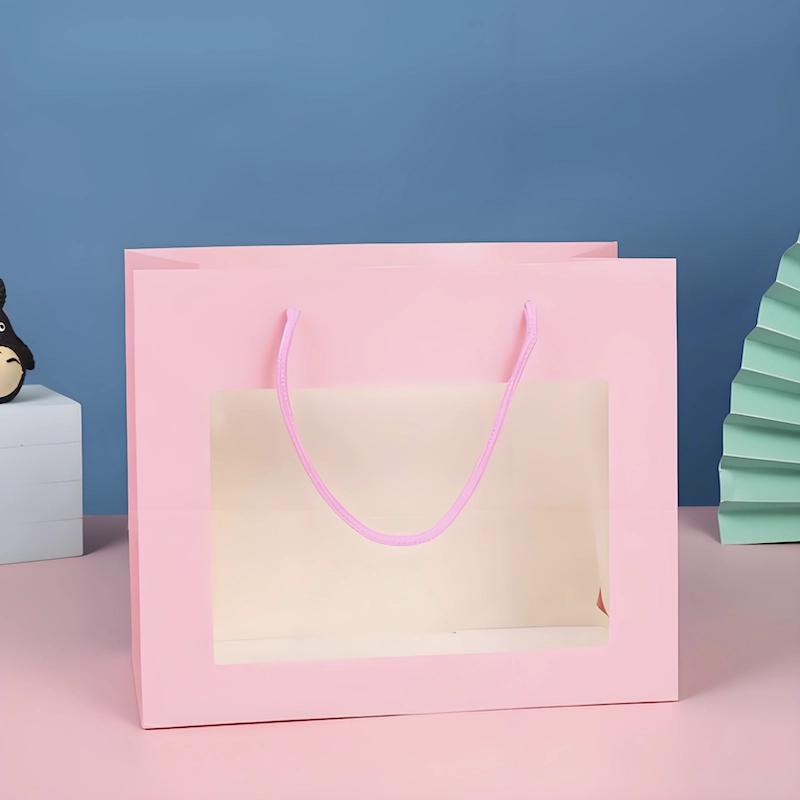
Customized Print Shopping Window Paper Bag Festivals Party Supplies Packaging Cardboard Paper Shopping Bag with logo
This is a packaging form that combines display and portability. Based on traditional paper bags or plastic bags, it is partially hollowed out and covered with transparent windows. Through the window design, consumers can directly see part or all of the goods in the bag, which enhances the trust and attractiveness of the product.
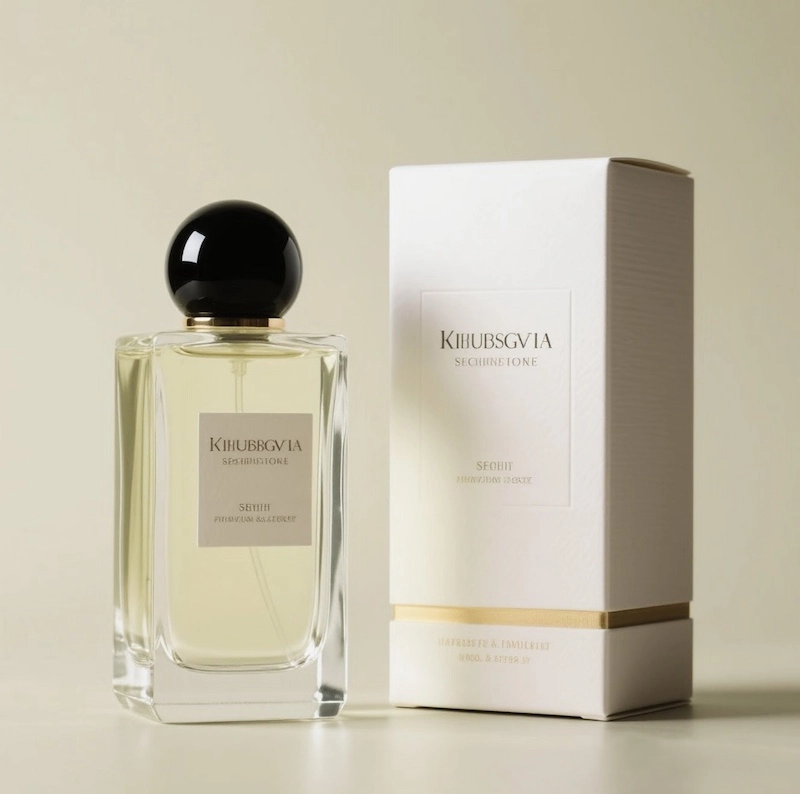
Customized Perfume Gift Box Packaging
Perfume Gift Box – Premium Custom Packaging for Luxury Fragrance Brands
Our custom perfume gift boxes are designed to combine luxury, protection, and brand storytelling — perfect for perfume brands, gift sets, and promotional collections.
Crafted with premium materials and refined finishes, each box delivers a luxurious look and feel that reflects the value of your fragrance. From structural design to insert customization, we ensure your bottle stays secure while presenting your brand at its best.
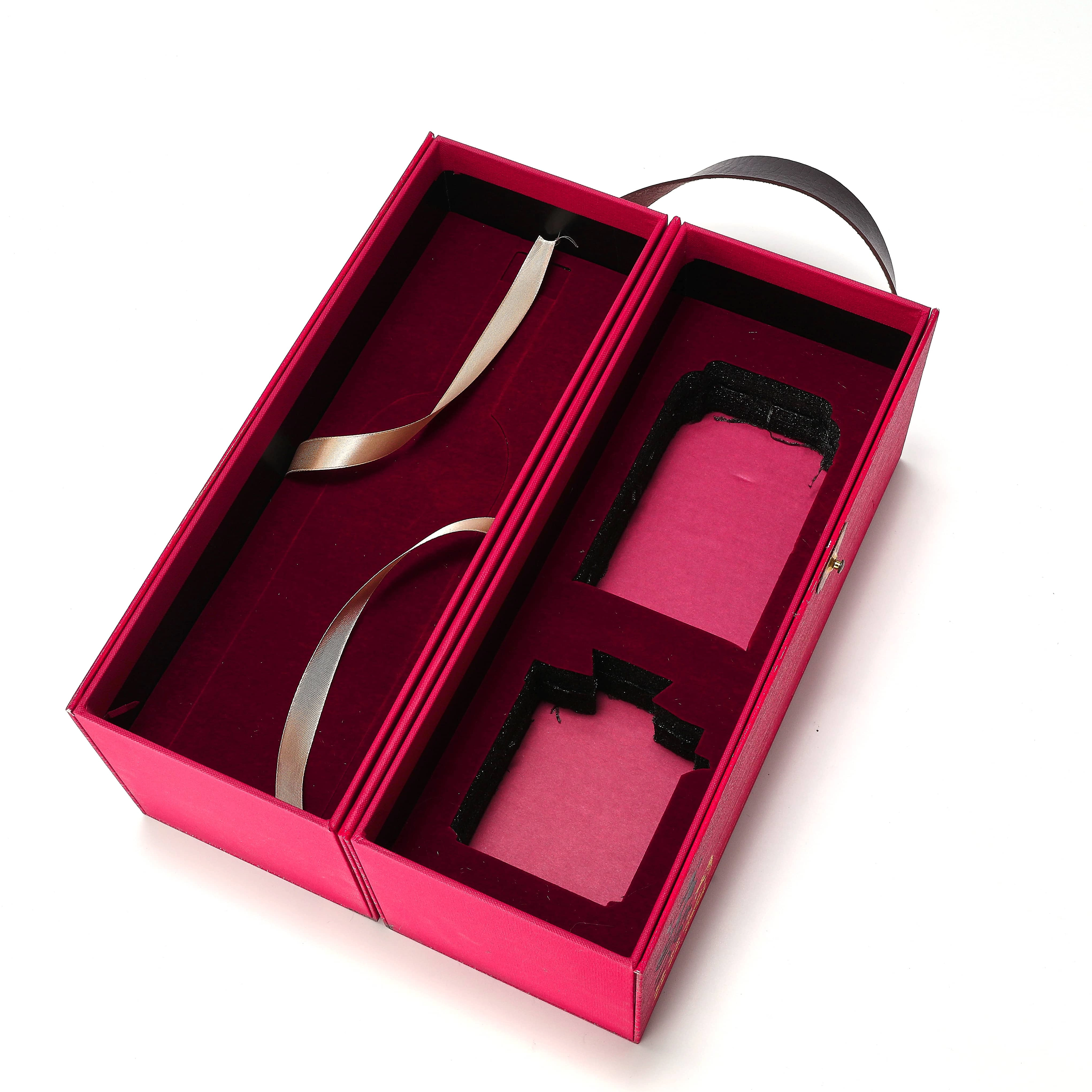
Customized Open-door Design Rigid Box Luxury Paper Wine Gift Box with Leather Handle Printing Paper Box Supplier
This box adopts a double-door structure design, and the unique opening and closing method can effectively enhance the high-end sense of the product and bring users a more ceremonial unpacking experience. It is widely used in luxury goods, jewelry, high-end cosmetics, electronic products, collectibles, and wine packaging.

Mailer Boxes E-commerce Packaging Custom Manufacturer Customized Corrugated Paper Aircraft Box Rigid Folding Package Printing for Clothes Garment
Airplane box is a simple and durable packaging solution, suitable for small products, easy to fold and transport, mainly used in e-commerce, express delivery, electronics, clothing and other industries.
© 2025 WINPACK PRINTING. All rights reserved

Wenhua Printing packaging
winpackprinting
Winpack Printing