




Design Tips for Eye-Catching Custom Food Packaging
- Why packaging design matters for food brands
- Create instant shelf differentiation
- Protect product quality and extend shelf-life
- Regulatory and safety considerations
- Material and structure: choosing the right substrate
- Paperboard vs corrugated: when to use each
- Barrier films and laminates
- Functional structures: windows, vents and resealability
- Visual design and print: creating an emotional and informative connection
- Visual hierarchy: headline, imagery, claims
- Color, finish and tactile cues
- Printing technologies and proofing
- Balancing sustainability, cost and manufacturability
- Material trade-offs and verification
- Cost optimization and dieline-aware design
- Supply chain and storage considerations
- Production readiness: prepress, QA and partnering with a manufacturer
- Essential prepress checks
- Quality assurance and food safety documentation
- Choosing the right manufacturing partner: what to ask
- Winpack — manufacturing strengths and product range
- Material comparison: quick reference
- Production checklist: from concept to shelf
- Design & artwork
- Compliance & testing
- Sampling & pilot run
- FAQ — Common questions about custom food packaging
- 1. How do I choose the best material for my food product?
- 2. Can I have a transparent window and still keep the package recyclable?
- 3. What printing process should I pick for short runs and customization?
- 4. How can I ensure my packaging is food-safe?
- 5. What sustainable claims can I make on packaging?
- 6. How long does it take from design approval to finished cartons?
- Contact and next steps
Custom food packaging is more than a container — it’s a primary sales tool, a food-safety barrier, and a logistics component. This article distills design and production best practices for creating eye-catching custom food packaging that balances branding, protection, shelf-life, regulatory compliance and sustainability. You’ll find actionable tips on materials, structural design, printing and finishing, barrier systems, and manufacturing considerations that reduce risk and raise conversion in both retail and foodservice channels. Authoritative sources and manufacturer capabilities are cited to help you make verifiable decisions during concept and prepress stages.
Why packaging design matters for food brands
Create instant shelf differentiation
In crowded retail or online environments, a package must communicate a product’s value within 1–3 seconds. Visual hierarchy — logo placement, hero image, color contrast and clear product naming — guides a shopper’s eye. For fresh or specialty foods, consider a window or transparent film that shows product quality while retaining enough branding to stand out.
Protect product quality and extend shelf-life
Packaging functions (containment, protection, preservation, communication) directly affect shelf-life. Barrier coatings, laminates, and appropriate substrate selection help control oxygen, moisture, and light exposure that cause rancidity, moisture migration or microbial growth. For authoritative background on the role of food packaging, see Food packaging (Wikipedia) and FDA guidance on food contact substances: FDA Food Contact Substances.
Regulatory and safety considerations
Design decisions must respect food-contact regulations for inks, adhesives and barrier layers. Work with suppliers who can provide declarations of compliance (DoC) or migration test data. Typical checks include heavy metals in inks, overall migration limits and suitability for chilled/frozen conditions. Consult national authorities (e.g., FDA, EFSA) where applicable.
Material and structure: choosing the right substrate
Paperboard vs corrugated: when to use each
Paperboard (folding cartons) is ideal for retail-ready items, bakery boxes, gable boxes and many specialty food gift boxes due to print quality and consumer-facing appeal. Corrugated is preferred for bulk transport and heavy or fragile foods. Use coated or clay-coated paperboard for high-resolution printing; choose uncoated kraft for a natural or artisanal look.
Barrier films and laminates
Fresh, greasy or high-moisture foods often require lamination or barrier layers (metalized films, EVOH, PE) to reduce oxygen and moisture ingress. Barrier laminates can be applied as extrusion or adhesive laminations. For compostable or recyclable targets, align barrier choice with end-of-life goals — many high-barrier multi-layer films are difficult to recycle.
Functional structures: windows, vents and resealability
Transparent windows increase trust by revealing the product; select PET, OPS or compostable PLA films depending on recyclability goals. For hot/steaming foods, add vents or micro-perforations. Resealable zippers, tuck-locks or tear notches improve user experience and preserve freshness for repeat consumption.
Visual design and print: creating an emotional and informative connection
Visual hierarchy: headline, imagery, claims
Organize information so the product name and key benefit are prominent, followed by compelling imagery and then ingredient/processing claims. Nutritional and regulatory information needs a consistent placement to satisfy compliance and shopper scanning behavior.
Color, finish and tactile cues
Color drives first impressions; matte finishes can signal High Quality or natural products while high gloss communicates freshness and vibrance. Spot UV, embossing, soft-touch lamination and tactile varnishes create a memorable physical interaction. Use these finishes strategically — High Quality spots on a consistent base reduce cost while amplifying luxury cues.
Printing technologies and proofing
Select a printing process that matches run length and desired fidelity: lithography (offset) for high-quality, high-volume runs; flexo for cost-effective medium to high runs, particularly with inline varnish; digital for short runs and personalization. Ensure accurate color by requesting press proofs or contract proofs and by confirming Pantone or process color recipes with your manufacturer. For context on print technologies, see Printing press (Wikipedia).
Balancing sustainability, cost and manufacturability
Material trade-offs and verification
Sustainability claims require proof. Recyclability depends on local infrastructure; compostability depends on certified materials and local industrial composting availability. ASTM and EN standards often underpin certification — for compostable plastics, look up compostable standards. Request certificates (OK Compost, TÜV, or equivalent) and third-party test reports before labeling a package as compostable or recyclable.
Cost optimization and dieline-aware design
Reduce material cost by optimizing carton blanks (dielines) to maximize number of units per sheet, minimize complex glue areas, and standardize sizes across SKUs. Complex special shapes and windows add tooling and labor; reserve them for SKUs where the sales uplift justifies the additional cost.
Supply chain and storage considerations
Design for the full supply chain: consider palletization, stacking strength (ECT/BCT for corrugated), and humidity sensitivity during transit. Ask your manufacturer for compression and transit test data relevant to your distribution geographies.
Production readiness: prepress, QA and partnering with a manufacturer
Essential prepress checks
Before approving print, confirm dielines, bleed, safe zones, ink limits and color profiles (CMYK or Pantone). Include die-cut proofs and confirm window placement does not interfere with important printed information. Preflight all artwork and request a physical pre-production sample to validate fit, finish and structural integrity.
Quality assurance and food safety documentation
Require Certificates of Analysis (CoA), DoCs for food contact materials, batch traceability and photos of actual production runs. QA checklists should include print registration, glue strength tests, barrier integrity tests, and contamination controls in production environments.
Choosing the right manufacturing partner: what to ask
Key questions for a potential supplier: What printing and finishing equipment do they use? Can they provide food-contact compliance documentation? How large is their factory and what are lead times? Can they handle SKUs from short digital runs to large offset production? A capable partner reduces multiple iterations, lowers risk, and shortens time-to-shelf.
Winpack — manufacturing strengths and product range
In 2016, Guangdong Winpack Printing Technology Development Co., Ltd. was officially established as a professional paper box printing manufacturer specializing in designing, proofing, printing, and producing a wide range of packaging and printed materials. Our services include customized production of stickers, labels, paper bags, gift boxes, beauty boxes, pizza boxes, books, brochures, flyers, etc. Winpack caters to diverse industries, including cosmetics, food, healthcare, pharmaceuticals, and electronics.
Our 15,000-square-meter factory is equipped with state-of-the-art technology. We utilize an advanced screen plate-making system and top-tier machinery such as the Heidelberg printing machine, high-speed paper cutter, Lithrone GL-40A machine, and anti-counterfeiting inkjet printer to ensure superior quality and efficiency. Our vision is to become the world's leading custom paper box packaging manufacturer. Learn more at Winpack Printing or contact [email protected] for production inquiries.
Winpack advantages and main products: custom gable boxes, custom gift boxes, custom display boxes, custom rigid boxes, custom folding boxes, custom paper tubes boxes, custom window boxes, custom special-shape boxes, custom pillow boxes, custom take out boxes. Winpack emphasizes technical strength, consistent quality control, and the ability to scale from short-run prototypes to high-volume production runs.
Material comparison: quick reference
| Material | Typical Uses | Barrier/Protection | Print Quality | Recyclability/Compostability |
|---|---|---|---|---|
| Coated Paperboard | Retail cartons, gift boxes, bakery sleeves | Low to moderate (can laminate) | Very high (offset or digital) | Recyclable where paper streams accepted |
| Uncoated Kraft | Artisanal foods, eco-positioning, gable boxes | Low (best for dry goods) | Moderate (rustic look) | Generally recyclable and widely accepted |
| Corrugated | Transport, multipacks, heavy/fragile foods | High (strength, stacking) | Moderate (fluting affects detail) | Widely recyclable |
| Plastic Films (PET/PE/PLA) | Windows, vacuum/modified atmosphere packs | High (depending on film) | High (for clear windows) | PET/PE recyclable in many regions; PLA compostable in industrial facilities |
Sources: Food packaging (Wikipedia), Paperboard (Wikipedia), Compostable (Wikipedia).
Production checklist: from concept to shelf
Design & artwork
- Confirm dieline and folds; include glue areas and window placements.
- Use CMYK/Pantone standards; embed fonts and link images at 300 dpi.
- Specify finishing: varnish, lamination, embossing, foiling.
Compliance & testing
- Request food-contact DoC for all inks, adhesives and coatings.
- Run barrier and migration tests for sensitive products.
- Validate shelf-life or MAP (modified atmosphere packaging) strategies if applicable.
Sampling & pilot run
- Approve pre-production physical sample for structural fit and print match.
- Run a short pilot production to check assembly, glue consistency and finishing.
- Document inspection criteria and acceptance thresholds for full production.
FAQ — Common questions about custom food packaging
1. How do I choose the best material for my food product?
Start with the product profile (moisture content, fat content, fragility, temperature). Use coated paperboard for dry retail items with high print needs, corrugated for transport and bulk, and laminated films for high-barrier requirements. Discuss product-specific barrier testing with your manufacturer.
2. Can I have a transparent window and still keep the package recyclable?
Yes, but only if the window material is compatible with the paper recycling stream (e.g., paper with a PET window is often rejected). Use mono-material solutions (e.g., PLA window with PLA-friendly recycling or fully recyclable PET-to-PET streams) and always verify local recycling rules. When in doubt, ask for recyclable-certified materials and consult local waste-handling authorities.
3. What printing process should I pick for short runs and customization?
Digital printing is best for short runs, personalized designs, or rapid iterations. For longer runs with high color fidelity, offset (litho) or flexo (for laminated materials) may be more cost-effective. Confirm proofing and color management with the printer prior to production.
4. How can I ensure my packaging is food-safe?
Only use materials and inks certified for food contact. Request DoCs, CoAs and migration test reports from suppliers. Keep supply chain traceability and specify clean production zones where required. Consult regulatory agencies such as the FDA for U.S. markets: FDA Food Contact Substances.
5. What sustainable claims can I make on packaging?
Only make claims you can substantiate. Use third-party certifications (e.g., FSC for fiber sources, OK Compost or EN 13432 for compostability) and retain documentation. Avoid vague terms like “eco-friendly” unless backed by verifiable data and supply-chain evidence.
6. How long does it take from design approval to finished cartons?
Typical lead times vary by complexity and quantity. Simple repeat runs can be 2–4 weeks; new tooling, special finishes or overseas production can extend to 6–10 weeks. Ask your manufacturer for a detailed timeline including sampling and shipping.
Contact and next steps
If you’re ready to develop eye-catching, production-ready custom food packaging, partner with a supplier who understands both brand needs and food-safety requirements. Winpack offers end-to-end services from design and proofing to high-quality printing and finishing. Visit https://www.winpackprinting.com/ or email [email protected] to request samples, technical datasheets, or a quote for custom gable boxes, gift boxes, window boxes, takeout boxes and more. Let’s turn your packaging concept into a retail-ready solution that protects product quality, meets regulations, and drives sales.
Why choose Winpack as your custom jewelry paper boxes manufacturer
Small Batch vs Mass Production: Options from a Custom Packaging Manufacturer
The B2B Buyer’s Guide to custom pizza box
How to Reduce Custom Box Packaging Costs
About Us
How soon we can get a sample?
Usually,reference sample within 2 days. Customized sample need 5-7days.
When I can get the quotation?
Generally we will quoted to you in 2 hours after you provide the details of the box( Size, material, craft, accessories and other details)
How long does shipping take?
Air freight options range from 7-21 days, while ocean freight options range from 26-71 days. If you need some units expedited earlier, consider splitting your shipment between air and ocean!
Rigid Magetic Boxes
What are the wholesale pricing options for bulk orders?
We offer competitive wholesale prices for bulk orders. Please contact our sales team for more details
Rigid Drawer Box
Can you provide me with a die-cutting line template?
We will provide a die-cutting line template after you place an order for samples or products.
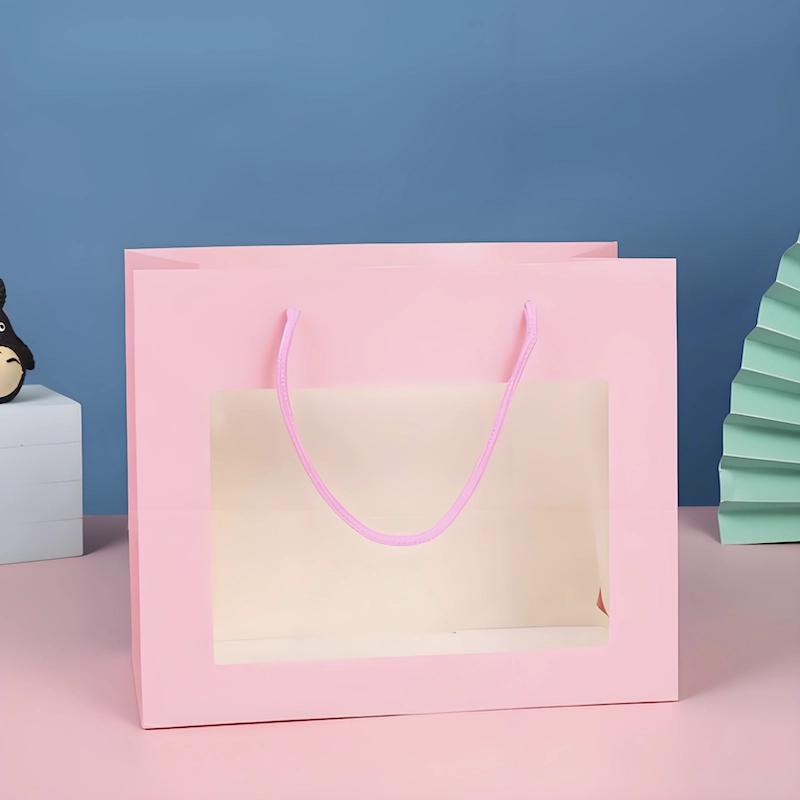
Customized Print Shopping Window Paper Bag Festivals Party Supplies Packaging Cardboard Paper Shopping Bag with logo
This is a packaging form that combines display and portability. Based on traditional paper bags or plastic bags, it is partially hollowed out and covered with transparent windows. Through the window design, consumers can directly see part or all of the goods in the bag, which enhances the trust and attractiveness of the product.
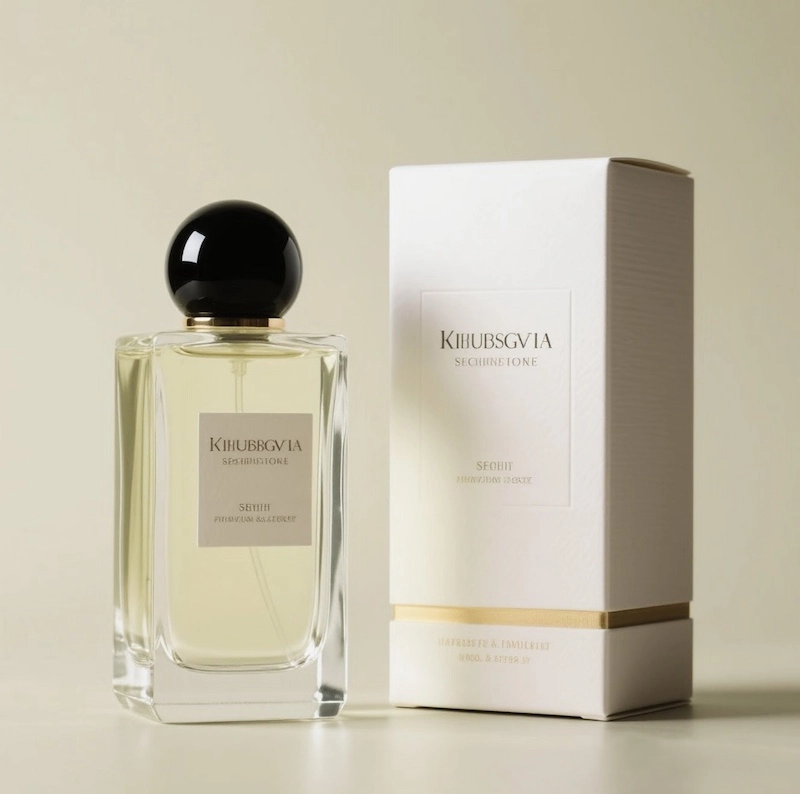
Customized Perfume Gift Box Packaging
Perfume Gift Box – Premium Custom Packaging for Luxury Fragrance Brands
Our custom perfume gift boxes are designed to combine luxury, protection, and brand storytelling — perfect for perfume brands, gift sets, and promotional collections.
Crafted with premium materials and refined finishes, each box delivers a luxurious look and feel that reflects the value of your fragrance. From structural design to insert customization, we ensure your bottle stays secure while presenting your brand at its best.
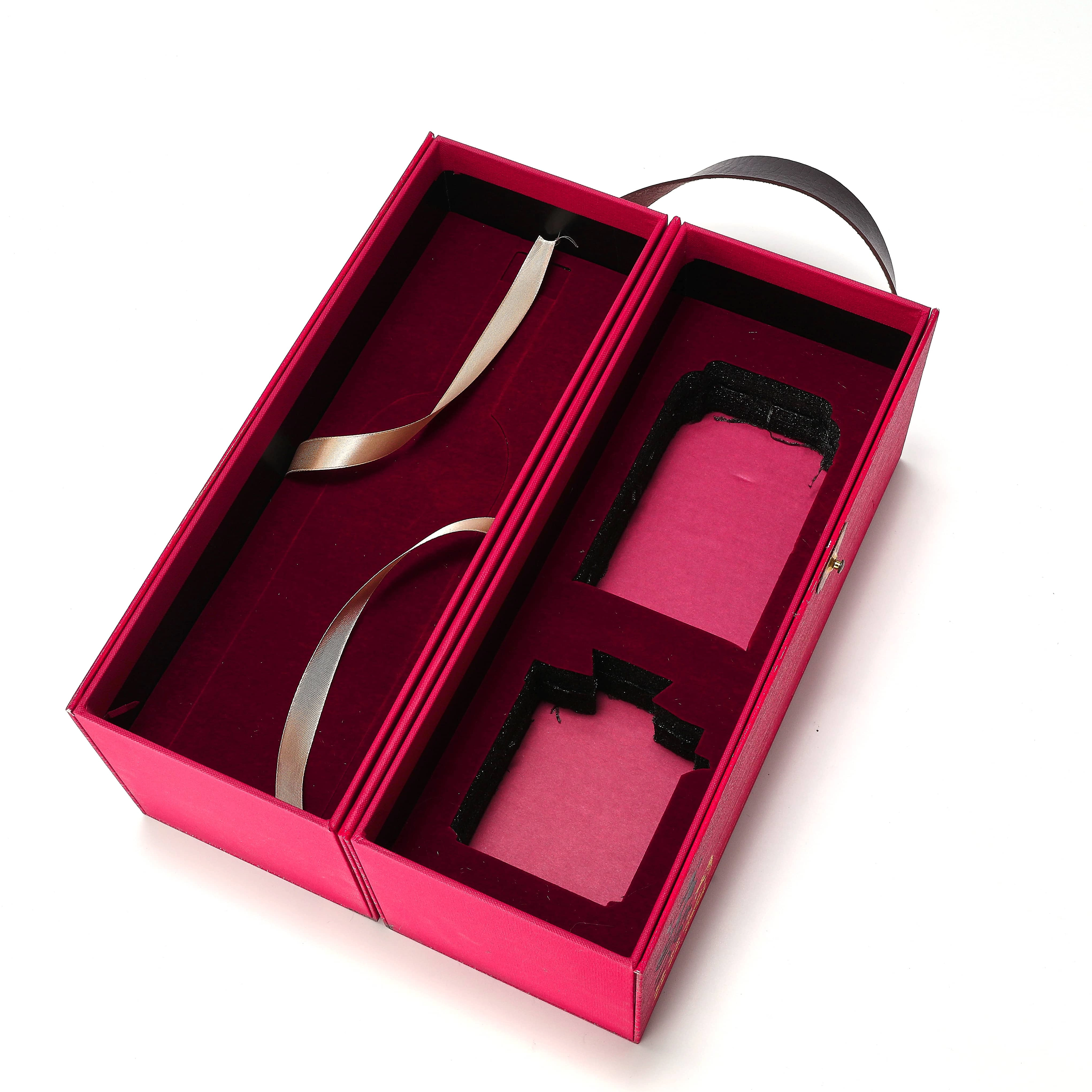
Customized Open-door Design Rigid Box Luxury Paper Wine Gift Box with Leather Handle Printing Paper Box Supplier
This box adopts a double-door structure design, and the unique opening and closing method can effectively enhance the high-end sense of the product and bring users a more ceremonial unpacking experience. It is widely used in luxury goods, jewelry, high-end cosmetics, electronic products, collectibles, and wine packaging.

Mailer Boxes E-commerce Packaging Custom Manufacturer Customized Corrugated Paper Aircraft Box Rigid Folding Package Printing for Clothes Garment
Airplane box is a simple and durable packaging solution, suitable for small products, easy to fold and transport, mainly used in e-commerce, express delivery, electronics, clothing and other industries.
© 2025 WINPACK PRINTING. All rights reserved

Wenhua Printing packaging
winpackprinting
Winpack Printing