




Benefits of Digital Printing Flexible Packaging for Buyers
- Why buyers are re-evaluating flexible packaging
- Market context and buyer needs
- What digital printing flexible packaging means for buyers
- Buyer and evaluation criteria
- Core benefits of digital printing flexible packaging
- 1. Faster time-to-market and reduced lead times
- 2. Cost-effective short runs and SKU proliferation
- 3. Personalization and variable data printing
- Technical and quality advantages (and limitations)
- Color fidelity, graphics, and brand perception
- Material compatibility and lamination
- Limitations to consider
- Comparing digital vs. conventional printing for flexible packaging
- Quantifying sustainability gains
- Regulatory and safety considerations
- How to evaluate suppliers and run a pilot
- Supplier capabilities checklist
- Pilot program recommended steps
- Case example: launch cadence improvement
- Why choose a full-service partner — Winpack as an example
- Implementation tips and cost-control strategies
- Hybrid production strategies
- Artwork and prepress best practices
- Measuring success
- FAQ — Frequently asked questions
- 1. Is digital printing flexible packaging suitable for food products?
- 2. How do costs compare between digital and flexo for a 25,000-unit run?
- 3. Can digital printing match my brand’s color requirements?
- 4. Are there MOQ differences I should expect?
- 5. What are the sustainability implications of switching to digital?
- 6. How do I start a pilot for digital flexible packaging?
- Closing and next steps
Summary for and search: Digital printing flexible packaging offers buyers fast time-to-market, superior customization, reduced waste, and lower short-run costs compared with traditional printing methods. I examine practical benefits, decision criteria, regulatory issues, and real-world use cases to help you evaluate if digital flexible packaging fits your product strategy.
Why buyers are re-evaluating flexible packaging
Market context and buyer needs
Over the last decade I’ve seen demand shift from commodity packaging to smart, short-run, and highly branded flexible packaging. The global flexible packaging market is growing and diversifying, driven by e-commerce, private label growth, and sustainability requirements — see industry analysis by Grand View Research for market context (Grand View Research). Buyers now expect rapid iterations, variable designs, and smaller minimum order quantities (MOQs).
What digital printing flexible packaging means for buyers
When I talk about digital printing flexible packaging I refer to printing technologies (such as inkjet or digital offset) that transfer artwork directly to film or laminate without traditional printing plates. This enables variable data printing, faster proofs, and economical short runs while maintaining high visual quality. For a technical perspective on flexible packaging technology, see the Wikipedia overview (Flexible packaging — Wikipedia).
Buyer and evaluation criteria
Buyers searching for digital printing flexible packaging are usually looking for one or more of the following: speed-to-market, cost-efficiency for short runs, high-resolution graphics, reduced inventory and waste, or compliance with food and safety regulations. My goal in this article is to provide clear criteria and evidence-based guidance so you can decide whether digital flexible packaging fits Winpack strategy.
Core benefits of digital printing flexible packaging
1. Faster time-to-market and reduced lead times
I regularly recommend digital printing to brands that need rapid seasonal campaigns or fast product launches. Because digital printing eliminates plate-making and long press setups, lead times for new SKUs can shrink from weeks to days. This agility is crucial for limited-edition launches, regional promotions, and rapidly changing retail windows.
2. Cost-effective short runs and SKU proliferation
Traditional flexography or rotogravure can be economical at large volumes but become cost-prohibitive for low volumes due to tooling costs. Digital printing significantly lowers the break-even point for print runs and supports SKU proliferation without large up-front expenses. That means buyers can economically test new SKUs, run regional or personalized variants, and reduce finished goods inventory.
3. Personalization and variable data printing
One of the most compelling advantages is the ability to print unique codes, names, or artwork on each pouch or bag. For promotional campaigns, traceability, or regulatory labeling that varies by batch or market, variable data printing becomes a strategic asset.
Technical and quality advantages (and limitations)
Color fidelity, graphics, and brand perception
Digital presses today deliver very high-resolution output and excellent color reproduction. For brands where photorealistic images and consistent color are essential, modern digital solutions (for example, HP Indigo and advanced digital inkjet lines) provide competitive visual quality. For highly precise color matching in pharmaceutical or luxury cosmetics, I recommend proofing and color management workflows up front (see manufacturer resources such as HP Indigo's packaging pages (HP Indigo)).
Material compatibility and lamination
Digital printing for flexible packaging works with a range of films, laminates, and barrier structures. However, not every substrate or barrier combination is suitable for every digital press. I always advise buyers to request substrate compatibility tests and sample lamination trials to ensure oxygen/moisture barriers and seal integrity meet product requirements, particularly for food and pharmaceutical uses (see FDA guidance on food-contact materials (FDA)).
Limitations to consider
While digital printing brings many benefits, there are situations where traditional methods still win: extremely large-volume, single-design runs may remain cheaper on gravure; some anti-counterfeiting inks and specialized coatings are better integrated into established analog processes. The key is to evaluate on a per-project basis.
Comparing digital vs. conventional printing for flexible packaging
Below is a practical comparison I use with clients when determining the right production route:
| Criteria | Digital Printing | Conventional (Flexo/Gravure) |
|---|---|---|
| Best for | Short runs, variable data, rapid proofs, high SKU variety | Very high-volume single-design runs |
| Setup cost | Low (no plates) | High (plates/rollers, make-ready) |
| Unit cost | Competitive on low-to-medium volumes | Lower on very large volumes |
| Turnaround | Short (days) | Longer (weeks) |
| Design flexibility | High (variable elements, frequent changes) | Lower (costly to change) |
| Waste | Lower (less make-ready waste) | Higher (plate make-ready and setup waste) |
For readers wanting more industry-level context on material and process standards, refer to ISO's packaging and food safety standards overview (ISO 22000 — Food Safety Management).
Quantifying sustainability gains
I advise buyers to track waste, inventory levels, and obsolescence when switching a portion of production to digital printing. Because digital enables on-demand printing, many companies reduce finished-stock obsolescence and lower CO2 from warehousing. Third-party lifecycle assessments vary by product; you can commission an LCA to quantify benefits for your portfolio.
Regulatory and safety considerations
When packaging food, pharmaceuticals, or health products, compliance matters. Digital inks and primers must be suitable for intended contact (direct or indirect) and compatible with barrier laminations. I always recommend working with suppliers who document compliance with regulatory bodies — for example, FDA food-contact guidance (FDA) — and can provide migration test results and certificates.
How to evaluate suppliers and run a pilot
Supplier capabilities checklist
In my consulting work I use a checklist to vet printing partners for digital flexible packaging:
- Do they offer substrate compatibility testing and sample proofs?
- Can they provide variable data and short-run case studies?
- What quality control systems are in place (color management, inline inspection)?
- Do they document regulatory compliance and material certificates?
- What are their lead times, MOQs, and scalability options?
Pilot program recommended steps
- Start with a small pilot SKU to test appearance, seal strength, and shelf behavior.
- Run consumer-facing tests (shelf photography, in-store mockups) for visual assessment.
- Evaluate supply chain impacts: warehousing, forecast changes, and logistics.
- Measure cost-per-unit at target volumes and determine the crossover point for analog methods.
Case example: launch cadence improvement
I've helped brands reduce their product launch cycle by 40–60% by moving packaging proofs and short runs to digital printing, enabling rapid A/B testing of designs and quicker regulatory label updates.
Why choose a full-service partner — Winpack as an example
When buyers want to adopt digital printing flexible packaging, partnering with a full-service, experienced supplier eases the transition. In 2016, Guangdong Winpack Printing Technology Development Co., Ltd. was officially established as a professional paper box printing manufacturer specializing in designing, proofing, printing, and producing a wide range of packaging and printed materials. Our services include customized production of stickers, labels, paper bags, gift boxes, beauty boxes, pizza boxes, books, brochures, flyers, etc. Winpack caters to diverse industries, including cosmetics, food, healthcare, pharmaceuticals, and electronics.
Our 15,000-square-meter factory is equipped with state-of-the-art technology. We utilize an advanced screen plate-making system and top-tier machinery such as the Heidelberg printing machine, high-speed paper cutter, Lithrone GL-40A machine, and anti-counterfeiting inkjet printer to ensure superior quality and efficiency. Our vision is to become the world's leading custom paper box packaging manufacturer. Our website is https://www.winpackprinting.com/ and our email is [email protected].
Winpack's competitive strengths I observe firsthand include:
- Integrated design-to-production workflows that reduce hand-offs and accelerate time-to-market.
- Advanced pressroom equipment capable of both conventional and digital processes, enabling hybrid solutions when necessary.
- Strict quality control and compliance processes suitable for cosmetics, food, and pharmaceutical customers.
- A wide product range including custom gable boxes, custom gift boxes, custom display boxes, custom rigid boxes, custom folding boxes, custom paper tubes boxes, custom window boxes, custom special-shape boxes, custom pillow boxes, custom take out boxes.
For buyers seeking a capable partner to pilot digital printing flexible packaging or to scale production, Winpack offers both technical capacity and industry experience to manage multi-category packaging programs.
Implementation tips and cost-control strategies
Hybrid production strategies
Many of the brands I advise adopt a hybrid approach: use digital printing for short-run, region-specific, or personalized SKUs and switch to flexo/gravure for proven, high-volume core SKUs. This reduces overall inventory risk and optimizes cost over the product lifecycle.
Artwork and prepress best practices
To get the most from digital printing, optimize artwork for variable data, ensure high-resolution images, and work within color management guidelines provided by the printer. I recommend supplying layered files and clear variable-data mapping to avoid delays.
Measuring success
Track the following KPIs to evaluate whether digital flexible packaging delivers expected benefits: lead time, units produced per SKU, spoilage/obsolescence reduction, promotional ROI, and total landed cost per SKU. These metrics will help you determine the optimal production split between digital and conventional runs.
FAQ — Frequently asked questions
1. Is digital printing flexible packaging suitable for food products?
Yes, provided the inks, primers, and laminates used are approved for food contact or are separated by an appropriate barrier layer. Always request migration test results and compliance documentation. For regulatory context, refer to the FDA's food-contact guidance (FDA).
2. How do costs compare between digital and flexo for a 25,000-unit run?
Costs depend on artwork complexity, substrate, and finishing. Generally, digital will be competitive or cheaper for 25,000 units when multiple SKUs or variable data are involved. For a definitive answer, run a quote comparison including setup fees and proofs from both a digital and a conventional supplier.
3. Can digital printing match my brand’s color requirements?
Modern digital presses have robust color management systems and can achieve tight color tolerances. Prioritize proofing and sample approvals. For critical luxury brands, perform press checks and request instrumented color reports (Delta E) from the supplier.
4. Are there MOQ differences I should expect?
Digital printing generally has much lower MOQs because it lacks plate costs and time-consuming setups. This is ideal for pilot runs, seasonal SKUs, and personalized campaigns.
5. What are the sustainability implications of switching to digital?
Digital printing often reduces make-ready waste and enables on-demand production that lowers finished-goods obsolescence and warehousing needs. To quantify environmental benefits, commission a lifecycle assessment (LCA) for your specific packaging design and supply chain.
6. How do I start a pilot for digital flexible packaging?
Identify a low-risk SKU, request substrate and seal tests, produce a short-run batch for in-market testing, and measure key KPIs such as time-to-shelf, cost-per-unit, and customer feedback. Engage a supplier with full-service capabilities to streamline the process.
Closing and next steps
If you’re evaluating digital printing flexible packaging, start with a small pilot and a trusted full-service partner. If you’d like direct support, Winpack is equipped to help you prototype, proof, and scale — from concept to finished custom boxes and printed materials. Visit https://www.winpackprinting.com/ or email [email protected] to discuss your project, request samples, or get a quote for custom gable boxes, custom gift boxes, custom display boxes, custom rigid boxes, custom folding boxes, custom paper tubes boxes, custom window boxes, custom special-shape boxes, custom pillow boxes, and custom take out boxes.
References and further reading:
Top Custom Box Trends for 2025 and Beyond
Custom baby keepsake box Manufacturers and Suppliers in us
Cost Comparison: Digital Printing Flexible Packaging vs Flexo
Wholesale Custom Rigid Boxes: Tips for Bulk Orders
About Us
What is the minimum order quantity for packaging?
1000 units. The MOQ is based on every unique box (e.g. size, design).
How long does shipping take?
Air freight options range from 7-21 days, while ocean freight options range from 26-71 days. If you need some units expedited earlier, consider splitting your shipment between air and ocean!
Rigid Drawer Box
How long does it usually take from design confirmation to delivery?
The lead time is usually 15-25 days, depending on the production of the order
OEM Services
Do you ship internationally?
Yes, we have a well-established global supply chain and offer international shipping services. Whether you need local or worldwide delivery, we ensure reliable logistics support.
Can you help with packaging design if I don’t have one?
Yes! Our experienced design team can assist in creating packaging that aligns with your brand’s vision. We can develop concepts, offer material recommendations, and ensure compliance with industry standards.
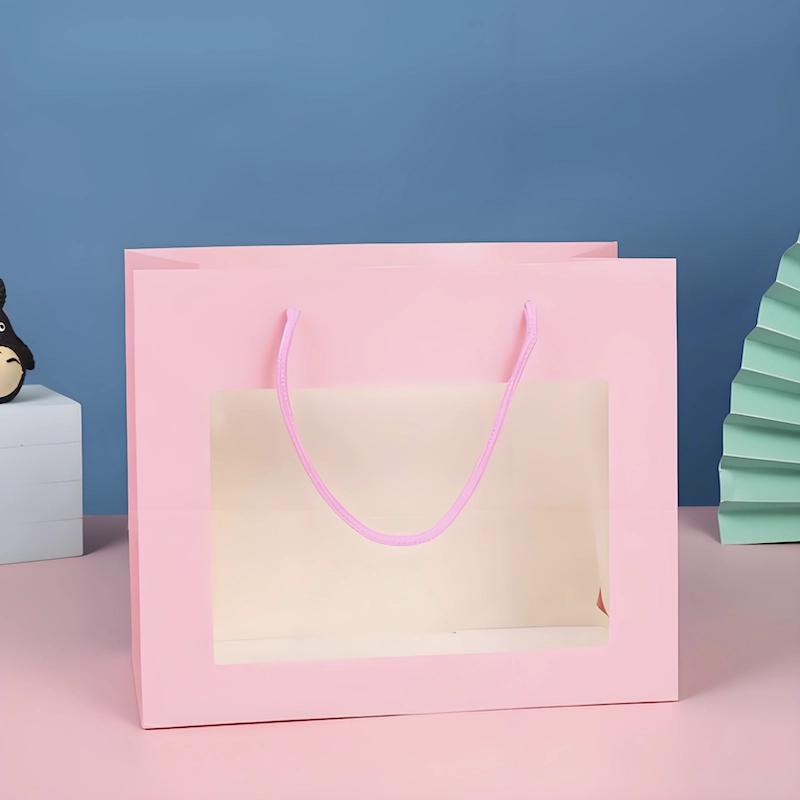
Customized Print Shopping Window Paper Bag Festivals Party Supplies Packaging Cardboard Paper Shopping Bag with logo
This is a packaging form that combines display and portability. Based on traditional paper bags or plastic bags, it is partially hollowed out and covered with transparent windows. Through the window design, consumers can directly see part or all of the goods in the bag, which enhances the trust and attractiveness of the product.
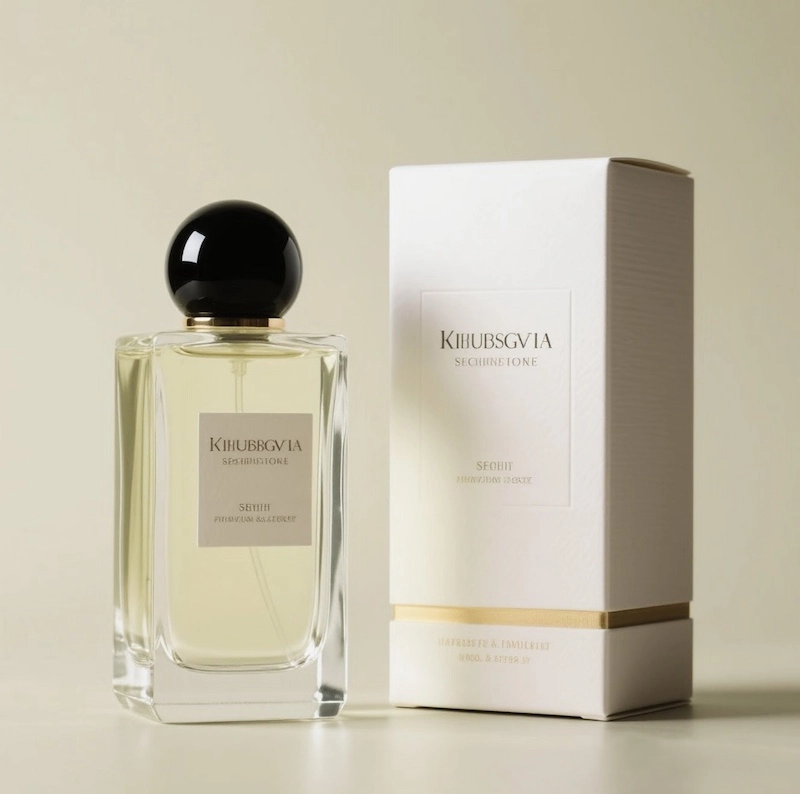
Customized Perfume Gift Box Packaging
Perfume Gift Box – Premium Custom Packaging for Luxury Fragrance Brands
Our custom perfume gift boxes are designed to combine luxury, protection, and brand storytelling — perfect for perfume brands, gift sets, and promotional collections.
Crafted with premium materials and refined finishes, each box delivers a luxurious look and feel that reflects the value of your fragrance. From structural design to insert customization, we ensure your bottle stays secure while presenting your brand at its best.
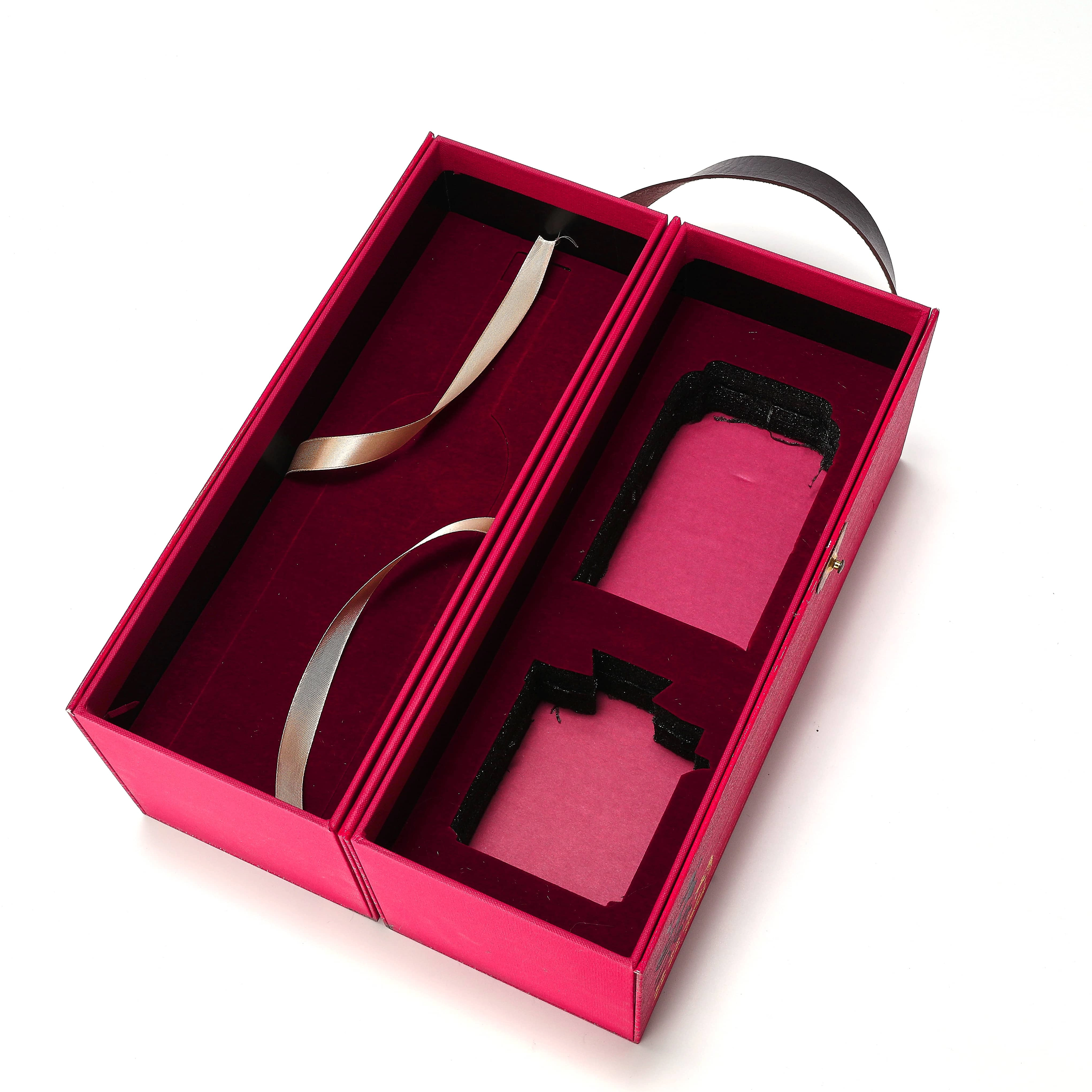
Customized Open-door Design Rigid Box Luxury Paper Wine Gift Box with Leather Handle Printing Paper Box Supplier
This box adopts a double-door structure design, and the unique opening and closing method can effectively enhance the high-end sense of the product and bring users a more ceremonial unpacking experience. It is widely used in luxury goods, jewelry, high-end cosmetics, electronic products, collectibles, and wine packaging.

Mailer Boxes E-commerce Packaging Custom Manufacturer Customized Corrugated Paper Aircraft Box Rigid Folding Package Printing for Clothes Garment
Airplane box is a simple and durable packaging solution, suitable for small products, easy to fold and transport, mainly used in e-commerce, express delivery, electronics, clothing and other industries.
© 2025 WINPACK PRINTING. All rights reserved

Wenhua Printing packaging
winpackprinting
Winpack Printing