




Digital Printing Flexible Packaging: Benefits for Brand Owners
- Why packaging strategy matters for brand growth
- Packaging as a revenue & brand channel
- From cost center to strategic asset
- How market trends drive print choices
- Benefits of digital printing for flexible packaging
- 1) Faster time-to-market and agile SKUs
- 2) Cost-efficiency for short runs and SKU proliferation
- 3) Variable data and personalization
- 4) Improved color control and complex graphics
- 5) Reduced waste and sustainability implications
- Technical considerations and material compatibility
- Substrate types and ink systems
- Print durability, barrier performance & post-processing
- Quality control and color management
- Comparing digital vs. traditional printing for flexible packaging
- When digital is NOT the right choice
- How to evaluate suppliers and implement digital flexible packaging
- Supplier capabilities and proof points
- Prepress and proofs
- Supply chain integration and inventory strategy
- Case examples, data and verification
- Real-world outcomes I’ve seen
- Measurable KPIs to track
- Standards and safety
- Winpack: supplier profile and why it matters for brand owners
- Implementation checklist for brand owners
- Pre-launch
- Operational
- Supplier governance
- FAQ
- Q1: What is digital printing flexible packaging and how does it differ from traditional printing?
- Q2: Is digital printing suitable for food packaging?
- Q3: What run lengths are best for digital printing?
- Q4: Can digital printing match the color quality of flexo or gravure?
- Q5: Does digital printing help sustainability goals?
- Q6: How do I get started with a supplier like Winpack?
- Contact & next steps
I write from years of advising brand owners and packaging teams on print strategy, materials selection, and supply-chain optimization. Digital printing flexible packaging has matured rapidly: it is no longer an experimental option but a strategic tool that can reduce lead times, lower total cost for short to medium runs, enable personalized marketing, and help meet sustainability goals. Below I explain the benefits, technical considerations, compliance points, and procurement best practices you can use to decide whether digital printing is right for your product lines.
Why packaging strategy matters for brand growth
Packaging as a revenue & brand channel
Packaging is one of the most visible touchpoints between a brand and its customer. Good packaging increases shelf impact, communicates value and claims, and directly affects purchase decisions. According to the Flexible Packaging industry overview, flexible formats are increasingly preferred due to lower transport weight and retail efficiency.
From cost center to strategic asset
Many companies treat packaging as a cost center. I recommend reframing it as a multifunctional asset — brand storytelling, shelf differentiation, logistics efficiency, and regulatory communication. Digital printing flexible packaging enables many of these functions to be iterated quickly.
How market trends drive print choices
Trends such as personalization, SKU proliferation, and faster product cycles push brands toward printing technologies that minimize waste and setup. Digital printing answers these trends by reducing the dependency on plates and long minimum order quantities.
Benefits of digital printing for flexible packaging
1) Faster time-to-market and agile SKUs
Digital printing eliminates the need for engraved plates (used in flexography), which shortens prepress time. For product launches, limited editions, or seasonal SKUs, brands can print smaller batches quickly and react to market feedback within days rather than weeks.
2) Cost-efficiency for short runs and SKU proliferation
While traditional flexo and gravure can be more economical for very high volumes, digital printing significantly reduces total costs for short and medium runs because there are no plate-making or extensive setup costs. This shifts the total-cost breakeven point in favor of smaller, more frequent runs.
3) Variable data and personalization
Digital printing supports variable data printing (VDP), allowing batch- or unit-level personalization: serial numbers, names, promotions, or localized messaging. This capability increases customer engagement and enables targeted campaigns without additional tooling.
4) Improved color control and complex graphics
Modern digital presses offer wide color gamuts and consistent color reproduction across runs when properly color-managed. Complex photorealistic images and gradients that would require multiple printing stations in flexo become straightforward in digital processes.
5) Reduced waste and sustainability implications
Because digital printing reduces make-ready waste (no plates to dial-in) and enables right-sized runs, it can lower material waste and obsolescence. This helps brands pursuing circularity or lower carbon footprints. For regulatory and food-contact questions, consult authorities such as the U.S. FDA Packaging and Food-Contact Substances.
Technical considerations and material compatibility
Substrate types and ink systems
Flexible packaging substrates include various films (PET, BOPP), laminates, metallized films, and coated papers. Digital printing inks (water-based, UV-curable, or solvent-based) must be compatible with these substrates and any downstream processes such as lamination, varnishing, or metalizing. Food-contact compliance is a separate consideration: ensure inks and adhesives meet local regulations.
Print durability, barrier performance & post-processing
Digital prints must withstand handling, packing, and shelf conditions. Some digital inks need protective overlaminates to maintain scuff resistance, oxygen/moisture barrier integrity, and heat-seal performance. Discuss target shelf life and storage conditions with your converter.
Quality control and color management
Effective color management (ICC profiles, spectral measurements) and process controls are necessary to achieve repeatability. For brands with strict color requirements, partners should demonstrate ISO controls such as ISO 12647 or similar print-process standards.
Comparing digital vs. traditional printing for flexible packaging
Below is a practical comparison I use with clients deciding between digital and conventional printing (flexo/gravure):
| Criteria | Digital Printing | Flexo / Gravure |
|---|---|---|
| Setup cost | Low (no plates) | High (plates/engraving) |
| Minimum order quantity | Very low (suitable for short runs) | High (economies of scale) |
| Turnaround time | Short (days) | Longer (weeks) |
| Variable data | Excellent (VDP capable) | Limited |
| Color consistency | High with good color management | Very high for large consistent volumes |
| Unit cost (small runs) | Lower | Higher |
| Best use case | Personalized, seasonal, test markets | Large continuous runs |
Sources: Practical industry comparisons and process characteristics summarized from the Digital printing overview and flexible packaging industry materials such as the Flexible Packaging Association.
When digital is NOT the right choice
If Winpack prints millions of identical units with minimal variation and needs the absolute lowest per-unit price at scale, gravure or high-speed flexo may still be more economical. I always run a total-cost-of-ownership (TCO) analysis including inventory carrying costs and SKU obsolescence to determine the right path.
How to evaluate suppliers and implement digital flexible packaging
Supplier capabilities and proof points
Ask potential suppliers for: press technology (vendor and model), color management processes, sample libraries, food-contact documentation (if applicable), lead-time metrics, and sustainability certifications. A credible supplier will provide technical data sheets and references.
Prepress and proofs
Insist on digital proofs and, where possible, press-side proofs on the actual substrate. Soft proofs are helpful, but a press proof on the film that reflects varnish/lamination helps avoid costly surprises.
Supply chain integration and inventory strategy
Digital printing opens opportunities for on-demand production and reducing safety stock. I help brands design reorder triggers and batch sizes that balance responsiveness with unit costs. For omnichannel brands, localized digital production can reduce freight and carbon footprint.
Case examples, data and verification
Real-world outcomes I’ve seen
In my consulting work, one mid-size food brand reduced seasonal SKU inventory by 60% and cut obsolescence losses by 40% after shifting limited-edition SKUs to digital printing. Another beauty brand increased engagement by 12% with personalized runs sent to loyalty members.
Measurable KPIs to track
Track lead time, per-unit cost (at different volumes), material waste, SKU proliferation, on-shelf out-of-stock incidents, and campaign conversion lifts from personalization. Quantify environmental benefits by measuring waste reduction and reduced transportation emissions due to localized production.
Standards and safety
Always verify that inks, adhesives, and barrier layers meet regulatory requirements for your market. Consult resources like the U.S. FDA and look for supplier documentation referencing applicable standards. For quality process controls, suppliers that adopt ISO frameworks provide more predictable results; see ISO standards overview.
Winpack: supplier profile and why it matters for brand owners
In 2016, Guangdong Winpack Printing Technology Development Co., Ltd. was officially established as a professional paper box printing manufacturer specializing in designing, proofing, printing, and producing a wide range of packaging and printed materials. Our services include customized production of stickers, labels, paper bags, gift boxes, beauty boxes, pizza boxes, books, brochures, flyers, etc. Winpack caters to diverse industries, including cosmetics, food, healthcare, pharmaceuticals, and electronics.
Our 15,000-square-meter factory is equipped with state-of-the-art technology. We utilize an advanced screen plate-making system and top-tier machinery such as the Heidelberg printing machine, high-speed paper cutter, Lithrone GL-40A machine, and anti-counterfeiting inkjet printer to ensure superior quality and efficiency. Our vision is to become the world's leading custom paper box packaging manufacturer. Visit our website at https://www.winpackprinting.com/ or contact us at [email protected].
Winpack strengths and competitive differentiators I value as a consultant:
- Comprehensive in-house capabilities: from design to finishing — reducing cross-vendor coordination and lead time.
- Investment in advanced equipment: ensures consistent color, precise cutting, and anti-counterfeiting capabilities for High Quality brands.
- Industry breadth: experience across cosmetics, food, pharma and electronics helps when navigating compliance and barrier requirements.
- Product range: custom gable boxes, custom gift boxes, custom display boxes, custom rigid boxes, custom folding boxes, custom paper tubes boxes, custom window boxes, custom special-shape boxes, custom pillow boxes, custom take out boxes.
If you’re considering a move to digital printing for flexible packaging, Winpack’s integrated approach — combined with a consultative onboarding process — can shorten time-to-market while preserving quality and compliance.
Implementation checklist for brand owners
Pre-launch
- Run a TCO analysis comparing digital vs conventional for each SKU.
- Define compliance requirements (food contact, pharma, etc.).
- Request substrate-specific press proofs and adhesion/heat-seal tests.
Operational
- Establish reorder points and batch-sizing rules for on-demand runs.
- Standardize color profiles and acceptance criteria.
- Set KPIs: lead time, waste reduction, campaign lift from personalization.
Supplier governance
- Audit supplier certifications and processes (ISO, safety attestations).
- Maintain open lines for proofing and rapid iteration.
- Ensure supply chain traceability for recalls or audits.
FAQ
Q1: What is digital printing flexible packaging and how does it differ from traditional printing?
A: Digital printing flexible packaging uses digital presses that print directly from electronic files to substrates (films, laminates, etc.) without plates. Traditional printing (e.g., flexography, gravure) uses engraved plates or cylinders and involves higher setup costs but lower per-unit cost at very high volumes.
Q2: Is digital printing suitable for food packaging?
A: Yes, but you must ensure inks, primers, adhesives, and barrier layers meet local food-contact regulations. Work with suppliers who can provide compliance documentation and perform migration testing where required. Refer to the FDA guidance for U.S. markets.
Q3: What run lengths are best for digital printing?
A: Digital excels for short to medium run lengths, rapid-replenishment SKUs, personalization, and test-market items. The economic break-even point varies by supplier and press model, so run a TCO analysis for your specific SKU list.
Q4: Can digital printing match the color quality of flexo or gravure?
A: Modern digital presses with robust color management can achieve high-quality, repeatable color. For strict brand color control, set up agreed-upon color profiles and request substrate proofs. ISO-aligned processes improve predictability.
Q5: Does digital printing help sustainability goals?
A: It can. Benefits include reduced make-ready waste, lower inventory obsolescence, and the potential for localized production that cuts transportation emissions. Measure benefits in terms of waste reduction and carbon impact to validate improvements.
Q6: How do I get started with a supplier like Winpack?
A: Begin with a capability assessment: request equipment lists, sample work, compliance documentation, and references. Share your SKU details and forecast so the supplier can propose a cost model and production plan. Contact Winpack at [email protected] or visit https://www.winpackprinting.com/.
Contact & next steps
If you want to evaluate digital printing flexible packaging for Winpack, I recommend starting with a pilot: pick 2–3 SKUs (one high-variation, one seasonal, one core SKU) and run a comparative test between digital and conventional methods. For turnkey capabilities, consult with Winpack — their full-service facility, advanced equipment, and product range (custom gable boxes, custom gift boxes, custom display boxes, custom rigid boxes, custom folding boxes, custom paper tubes boxes, custom window boxes, custom special-shape boxes, custom pillow boxes, custom take out boxes) make them a strong partner for packaging transitions.
Contact Winpack: https://www.winpackprinting.com/ | Email: [email protected]
Ready to reduce lead time, cut waste, and increase engagement with personalized flexible packaging? Reach out to discuss a pilot or request samples today.
Custom Candy Gift Boxes
The latest trends for decorative paper gift boxes
Design Tips to Improve Takeaway Box Stackability & Transport
Food-Safe Materials and Regulations for Takeaway Boxes
OEM Services
Can I customize the design, size, and material of my packaging?
Absolutely! Our OEM services allow full customization, including design, size, material, colors, printing effects, and finishing. We work closely with you to create packaging that reflects your brand’s image and market positioning.
How do I get a quote for my OEM order?
To receive a custom quote, simply contact us with your packaging requirements, including:
Product type and dimensions
Material preferences
Design specifications
Order quantity
Any special requests
Our team will assess your needs and provide a competitive quote tailored to your project.
About Printing Craftsmanship
What is embossing, and how is it different from debossing?
Embossing is a technique that creates a raised impression on a material, while debossing presses the design inward, creating a recessed effect. Both techniques add texture and sophistication to printed materials.
What factors should I consider when choosing a printing technique?
Material: Some methods work better on specific surfaces (e.g., screen printing for fabric, offset for paper).
Budget: Offset is cost-effective for large runs, while digital printing is better for short runs.
Aesthetic & Finish: If you need metallic effects, choose hot stamping; for texture, consider embossing.
Durability: UV printing and screen printing offer long-lasting prints resistant to fading.
About Us
When I can get the quotation?
Generally we will quoted to you in 2 hours after you provide the details of the box( Size, material, craft, accessories and other details)
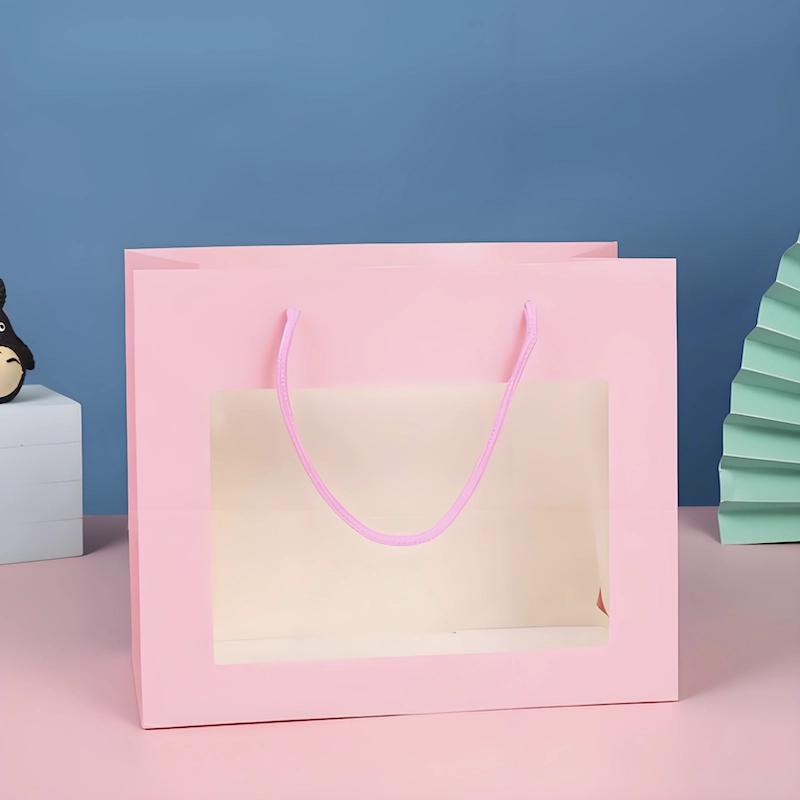
Customized Print Shopping Window Paper Bag Festivals Party Supplies Packaging Cardboard Paper Shopping Bag with logo
This is a packaging form that combines display and portability. Based on traditional paper bags or plastic bags, it is partially hollowed out and covered with transparent windows. Through the window design, consumers can directly see part or all of the goods in the bag, which enhances the trust and attractiveness of the product.
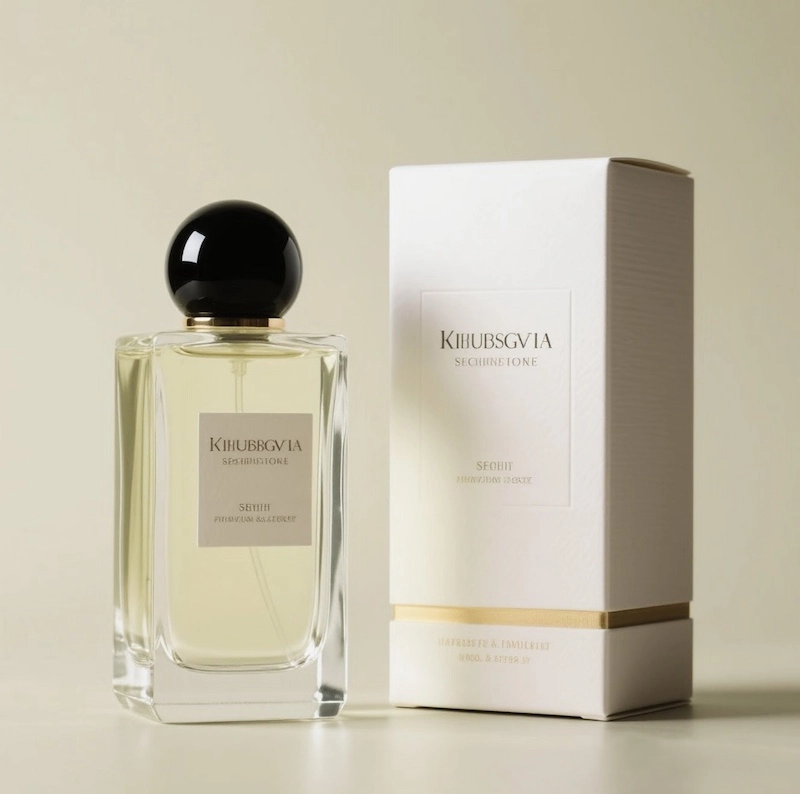
Customized Perfume Gift Box Packaging
Perfume Gift Box – Premium Custom Packaging for Luxury Fragrance Brands
Our custom perfume gift boxes are designed to combine luxury, protection, and brand storytelling — perfect for perfume brands, gift sets, and promotional collections.
Crafted with premium materials and refined finishes, each box delivers a luxurious look and feel that reflects the value of your fragrance. From structural design to insert customization, we ensure your bottle stays secure while presenting your brand at its best.
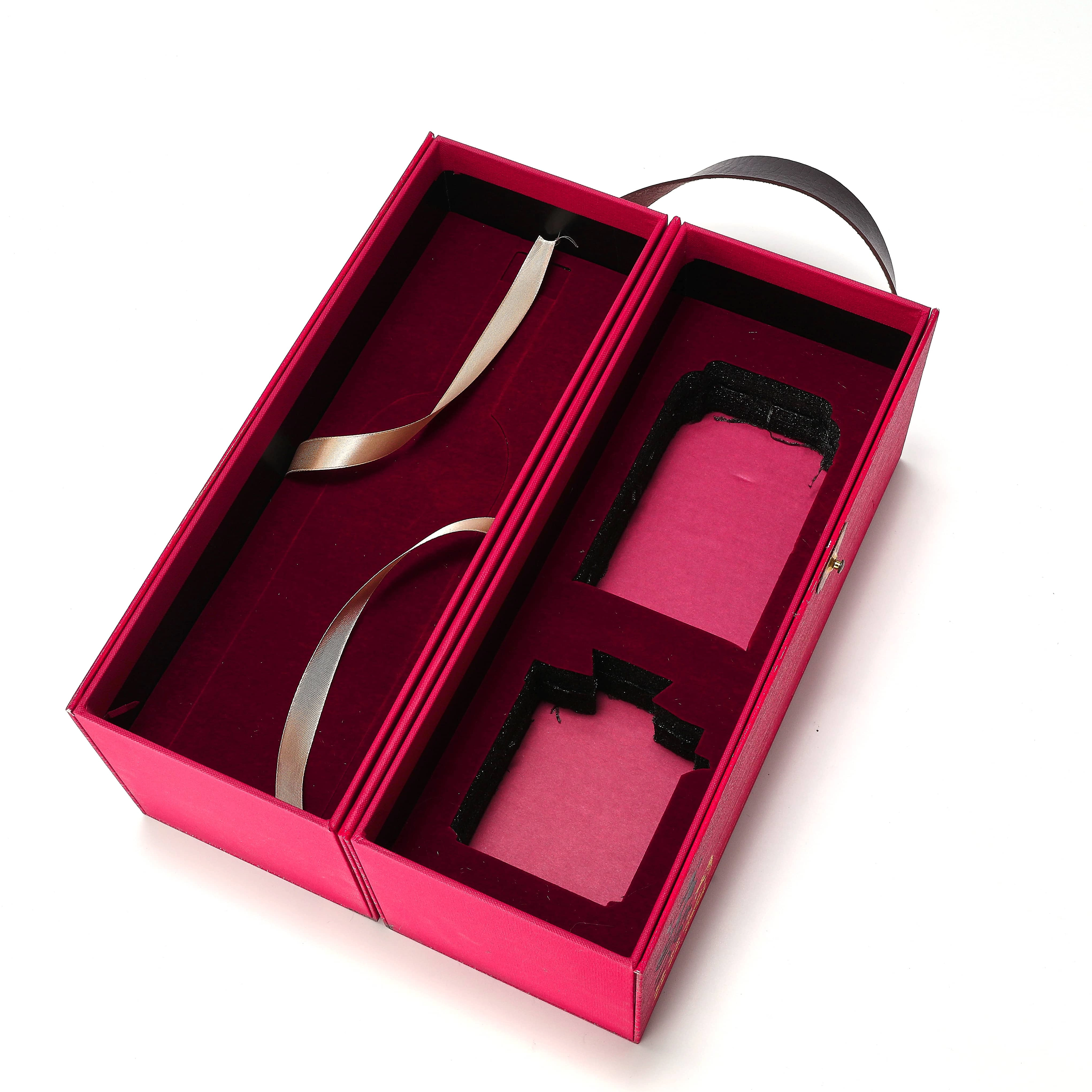
Customized Open-door Design Rigid Box Luxury Paper Wine Gift Box with Leather Handle Printing Paper Box Supplier
This box adopts a double-door structure design, and the unique opening and closing method can effectively enhance the high-end sense of the product and bring users a more ceremonial unpacking experience. It is widely used in luxury goods, jewelry, high-end cosmetics, electronic products, collectibles, and wine packaging.

Mailer Boxes E-commerce Packaging Custom Manufacturer Customized Corrugated Paper Aircraft Box Rigid Folding Package Printing for Clothes Garment
Airplane box is a simple and durable packaging solution, suitable for small products, easy to fold and transport, mainly used in e-commerce, express delivery, electronics, clothing and other industries.
© 2025 WINPACK PRINTING. All rights reserved

Wenhua Printing packaging
winpackprinting
Winpack Printing