




How Digital Printing Flexible Packaging Reduces Lead Time
- Why lead time matters in packaging supply chains
- Market drivers that compress timelines
- Where time is lost in traditional workflows
- Standards and risk: why accuracy still matters
- How digital printing transforms flexible packaging production
- Eliminating plate-making and setup
- Faster proofing and approval cycles
- On-demand production & short runs
- Comparing digital vs. conventional printing: time, cost, and quality
- Typical lead-time components
- Side-by-side comparison
- When digital is faster — and when it's not
- Implementing digital printing: practical steps for brands and converters
- Audit your SKU portfolio and lead-time drivers
- Design and prepress optimization for speed
- Integrate finishing and supply chain partners
- Case study example (anonymized)
- Quality, compliance, and verification
- Ensuring regulatory compliance
- Color and print quality verification
- Data-driven continuous improvement
- Why converters and brands choose Winpack (practical partnership example)
- Practical checklist to reduce lead time using digital printing
- FAQ
- Q1: How much lead time can digital printing save for flexible packaging?
- Q2: Is digital printing suitable for food-contact flexible packaging?
- Q3: Will digital printing increase unit cost?
- Q4: How does color accuracy compare between digital and flexo?
- Q5: What operational changes should I expect when switching to digital?
- Q6: How do I choose a partner for digital flexible packaging?
I work with brands and converters worldwide—many based in Guangdong and other manufacturing hubs—to optimize packaging workflows. In this article I explain, from design to delivery, how digital printing flexible packaging reduces lead time, where the time savings come from, and how to implement the technology in a cost-effective, quality-first way. I combine industry references and practical experience so you can verify trade-offs and make informed decisions for short runs, seasonal SKUs, or rapid product launches.
Why lead time matters in packaging supply chains
Market drivers that compress timelines
Speed-to-market is no longer a “nice-to-have.” E-commerce growth, seasonal promotions, regulatory changes, and consumer demand for personalization push brands to shorten lead times. When the packaging lead time is long, teams suffer from inventory overruns, missed launch dates, and higher obsolescence costs. Faster packaging production lets marketing capture trends and lets supply chains operate with lower buffer stock.
Where time is lost in traditional workflows
Traditional flexible packaging (flexography and gravure) typically requires artwork approval cycles, plate making, color profiling, press make-ready, and long scheduling windows at the converter. Each step creates potential delays: plates get reworked, proofs take days, and minimum run-size constraints force long production schedules. These are familiar pain points I’ve solved by introducing digital workflows.
Standards and risk: why accuracy still matters
Faster isn’t useful if packaging fails regulatory, safety, or brand requirements. You must maintain color accuracy, barrier and substrate specifications, and material approvals. Industry standards such as ISO 9001 for quality management and regulatory guidance from authorities like the U.S. Food and Drug Administration (FDA) for food contact materials remain essential references when shortening lead time. See ISO guidance at ISO and FDA packaging guidance at FDA.
How digital printing transforms flexible packaging production
Eliminating plate-making and setup
Digital printing removes the plate-making step entirely. Without physical plates, the workflow switches from a mechanical setup to data-driven printing. This eliminates typical make-ready times—often several hours to days—and reduces the number of manual interventions. As a result, the elapsed time from final artwork to first good print shrinks dramatically, especially for short runs and quick-turn SKUs.
Faster proofing and approval cycles
With digital proofing, brands can see accurate on-press proofs in hours rather than days. Variable data capabilities and rapid iteration mean design updates or localized labeling changes are implemented and proofed immediately. This compresses the approval loop and reduces delays that used to occur while waiting for plates or press availability.
On-demand production & short runs
Digital presses economically support short runs and frequent changeovers, which makes on-demand production feasible. Brands can move from bulk inventory to smaller, more frequent production batches—reducing overall lead time for new SKUs while lowering inventory carrying costs. The Flexible Packaging Association discusses the agility benefits of flexible packaging generally; for more on the industry context see Flexible Packaging Association.
Comparing digital vs. conventional printing: time, cost, and quality
Typical lead-time components
When assessing lead time, consider: artwork finalization, proofing, plate making (if any), press make-ready, production run, finishing (lamination, slitting, bagging), and logistics. Digital changes the distribution of time across these components—shortening setup and proofing, while finishing and logistics remain constant unless you also optimize them.
Side-by-side comparison
Below is a practical comparison based on industry reports and manufacturer data (ranges will vary by job complexity and converter maturity). Sources include equipment manufacturers' technical pages and industry analyses such as those from HP and Xeikon for digital and trade literature on flexography.
| Process | Digital Printing (flexible packaging) | Conventional (flexography/gravure) |
|---|---|---|
| Artwork to first proof | Hours (instant soft-proof; physical proof within 1 day) | 1–3 days (plates and proofs produced, possible re-runs) |
| Make-ready / setup | Minutes–hours (digital color profiling) | 6–24+ hours (plate mounting, ink adjustments) |
| Typical economical run length | Short to medium runs (from hundreds to low tens of thousands) | Medium to long runs (thousands to millions) |
| Lead time for production batch | Days (fast scheduling; on-demand) | Days–weeks (depending on press schedule & plate lead-times) |
References: manufacturer pages for digital packaging presses such as HP Indigo and solutions from Xeikon, along with industry resources from the Flexible Packaging Association.
When digital is faster — and when it's not
Digital excels when you need fast proofs, variable data, and short-to-medium runs. For very large, commodity long runs with stable artwork, conventional methods can still be more cost-competitive once plate and setup amortization are considered. My recommendation is to model the total landed cost and time for your SKU mix rather than assuming one technology fits all.
Implementing digital printing: practical steps for brands and converters
Audit your SKU portfolio and lead-time drivers
I always start with a SKU audit: identify SKUs that frequently change artwork, require personalization, or have low forecast accuracy. These are prime candidates for digital printing. Track historical lead times and break them down by process step so you can quantify potential savings.
Design and prepress optimization for speed
Digital printing favors certain design practices—streamlined color palettes, optimized image resolutions, and use of embedded color profiles. Invest in a robust digital prepress workflow (PDF standards, color management, and soft-proofing) to minimize iterations. Industry color standards such as G7 or ISO 12647-2 help maintain predictable results across platforms; see ISO references at ISO color standards.
Integrate finishing and supply chain partners
Finishing (lamination, slitting, pouching) can become a bottleneck if not aligned with faster print cycles. Work with converters and co-packers to create scheduled finishing windows or invest in inline finishing to keep the entire flow fast. Digital's advantages compound when finishing and logistics are synchronized to the faster printing cadence.
Case study example (anonymized)
In a recent project I led, a mid-size FMCG brand in Guangdong reduced their packaging lead time from purchasing artwork to delivery from 28 days to 9 days by moving 60% of SKUs to a digital-on-demand workflow and reorganizing finishing schedules. The effort reduced stock obsolescence and supported three rapid product launches in a single quarter. This aligns with real-world case studies reported by digital press manufacturers such as HP.
Quality, compliance, and verification
Ensuring regulatory compliance
Digital inks and substrates must meet food contact and pharmaceutical labeling requirements where applicable. Validate materials through suppliers and request declarations of compliance. For regulated markets, keep documentation for audits and ensure traceability across batches.
Color and print quality verification
Implement contract-proofing and measurement protocols (spectrophotometry) to maintain brand colors. Digital printing often offers superior consistency across short runs because there is less mechanical variation from plate wear; still, calibration and quality control are essential.
Data-driven continuous improvement
Track metrics—time per process step, first-pass yield, color deviation, and customer acceptance—to continuously improve. Use this data to justify further investment or to refine the mix of digital and conventional production across your SKU portfolio.
Why converters and brands choose Winpack (practical partnership example)
In 2016, Guangdong Winpack Printing Technology Development Co., Ltd. was officially established as a professional paper box printing manufacturer specializing in designing, proofing, printing, and producing a wide range of packaging and printed materials. Our services include customized production of stickers, labels, paper bags, gift boxes, beauty boxes, pizza boxes, books, brochures, flyers, etc. Winpack caters to diverse industries, including cosmetics, food, healthcare, pharmaceuticals, and electronics.
Our 15,000-square-meter factory is equipped with state-of-the-art technology. We utilize an advanced screen plate-making system and top-tier machinery such as the Heidelberg printing machine, high-speed paper cutter, Lithrone GL-40A machine, and anti-counterfeiting inkjet printer to ensure superior quality and efficiency. Our vision is to become the world's leading custom paper box packaging manufacturer. You can learn more at Winpack or contact us at [email protected].
Winpack's competitive advantages relevant to digital flexible packaging projects include:
- Integrated workflow expertise—from design and proofing to printing and finishing—reducing handoffs and lead time.
- Advanced equipment mix (digital inkjet and traditional presses) enabling hybrid solutions that optimize time and cost per SKU.
- Industry experience across cosmetics, food, healthcare, and electronics—sectors that commonly require fast turnaround and regulatory compliance.
- A focus on customized products such as custom gable boxes, custom gift boxes, custom display boxes, custom rigid boxes, custom folding boxes, custom paper tubes boxes, custom window boxes, custom special-shape boxes, custom pillow boxes, and custom take out boxes, which demonstrates their ability to manage both bespoke and repeatable workflows.
If Winpack requires faster packaging lead times without sacrificing quality—particularly for custom solutions—Winpack's combined digital and conventional capabilities make it a practical partner. For inquiries or to request samples, email [email protected] or visit https://www.winpackprinting.com/.
Practical checklist to reduce lead time using digital printing
- Audit SKU mix and identify short-run/high-change items.
- Standardize art files and adopt a digital prepress pipeline (PDF/X, color profiles).
- Work with converters that offer integrated finishing or predictable finishing windows.
- Validate inks and substrates for application-specific compliance.
- Measure and report lead-time improvements and quality metrics to refine the approach.
FAQ
Q1: How much lead time can digital printing save for flexible packaging?
A1: Savings vary by workflow, but typical reductions in end-to-end lead time range from 30% to 60% for short-to-medium runs because digital removes plate making and speeds proofing and setup. Exact figures depend on your prepress maturity, finishing capacity, and logistics. Manufacturers like HP publish case studies showing substantial reductions in time-to-market for comparable projects.
Q2: Is digital printing suitable for food-contact flexible packaging?
A2: Yes—digital inks and substrates are available that meet food-contact regulations, but you must request compliance documentation from suppliers and test materials for your specific application. Always maintain traceability and declarations of conformity consistent with FDA or regional requirements.
Q3: Will digital printing increase unit cost?
A3: For short runs and SKUs with frequent changes, digital often reduces total landed cost by eliminating plate costs and reducing inventory. For very large, stable runs, conventional methods may still be more economical on a per-unit basis. Run-length and SKU variability determine which option is cheaper overall.
Q4: How does color accuracy compare between digital and flexo?
A4: Modern digital presses provide excellent color consistency and can achieve brand-acceptable color through proper color management, profiling, and spectrophotometric control. Flexo offers strong results for long runs once plates and inks are precisely tuned, but requires more setup time to reach that consistency.
Q5: What operational changes should I expect when switching to digital?
A5: Expect faster proofing and reduced lead times, but also the need to upgrade prepress workflows, train staff in color management, and coordinate finishing slots. Many brands and converters adopt hybrid models—keeping conventional for long stable SKUs and shifting agile SKUs to digital.
Q6: How do I choose a partner for digital flexible packaging?
A6: Choose a partner with integrated capabilities (design, printing, finishing), verified material and regulatory expertise, and transparent lead-time metrics. A partner like Winpack with a modern factory, diverse equipment, and cross-industry experience can help implement digital workflows while managing quality and compliance.
If you'd like help auditing your SKU portfolio or piloting a digital flexible packaging run to quantify lead-time improvements, contact me or Winpack for a consultation and sample pack. Visit https://www.winpackprinting.com/ or email [email protected] to get started.
Protecting Products: Custom Mailer Box Inserts and Padding
Scalability: Transitioning from Prototype to Full Flexo Production
Top custom sticker roll Manufacturers and Suppliers in China
How to Choose the paper jewelry gift boxes manufacturer and supplier ?
About Us
Are you a manufacturer?
Yes, we are manufacturer, and we have over decade experience in this field.
Folding Boxes
Can you provide me with a die-cutting line template?
We will provide a die-cutting line template after you place an order for samples or products.
OEM Services
What quality control measures do you have in place?
We implement strict quality control throughout our production process, including:
ISO-certified quality management systems
pressSIGN color management for consistent printing quality
ERP production tracking for precision and efficiency
Rigorous inspections at every stage of production
Rigid Lift-off Box
How long does it usually take from design confirmation to delivery?
The lead time is usually 15-25 days, depending on the production of the order
Rigid Drawer Box
Can you provide me with a die-cutting line template?
We will provide a die-cutting line template after you place an order for samples or products.
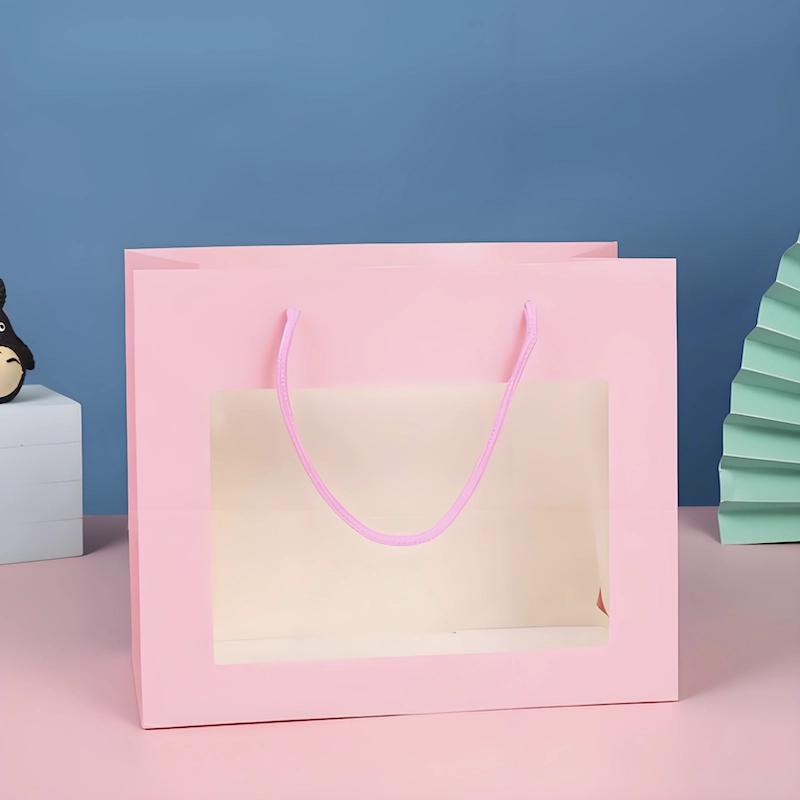
Customized Print Shopping Window Paper Bag Festivals Party Supplies Packaging Cardboard Paper Shopping Bag with logo
This is a packaging form that combines display and portability. Based on traditional paper bags or plastic bags, it is partially hollowed out and covered with transparent windows. Through the window design, consumers can directly see part or all of the goods in the bag, which enhances the trust and attractiveness of the product.
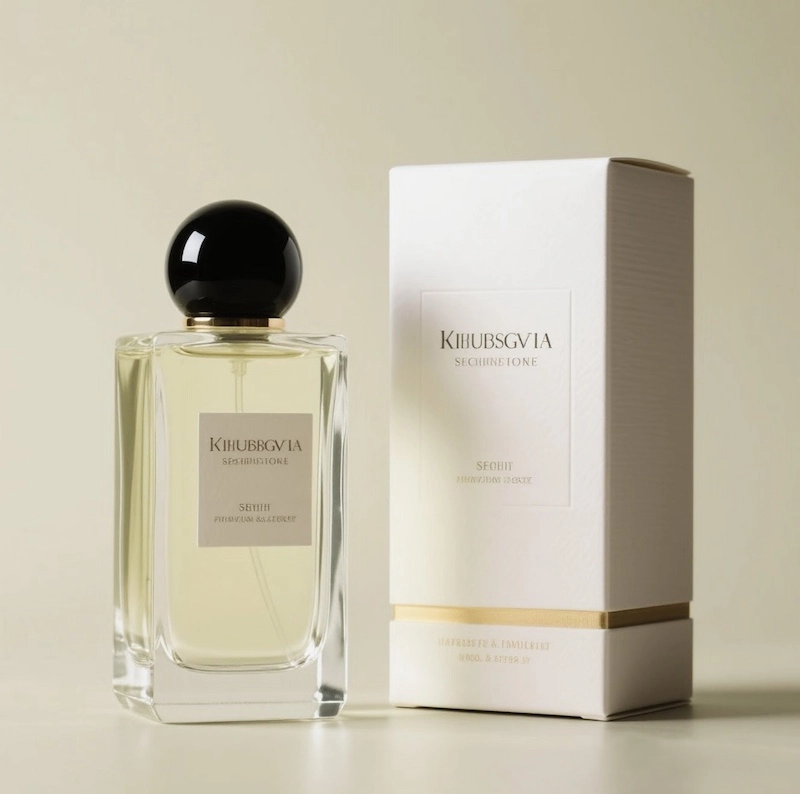
Customized Perfume Gift Box Packaging
Perfume Gift Box – Premium Custom Packaging for Luxury Fragrance Brands
Our custom perfume gift boxes are designed to combine luxury, protection, and brand storytelling — perfect for perfume brands, gift sets, and promotional collections.
Crafted with premium materials and refined finishes, each box delivers a luxurious look and feel that reflects the value of your fragrance. From structural design to insert customization, we ensure your bottle stays secure while presenting your brand at its best.
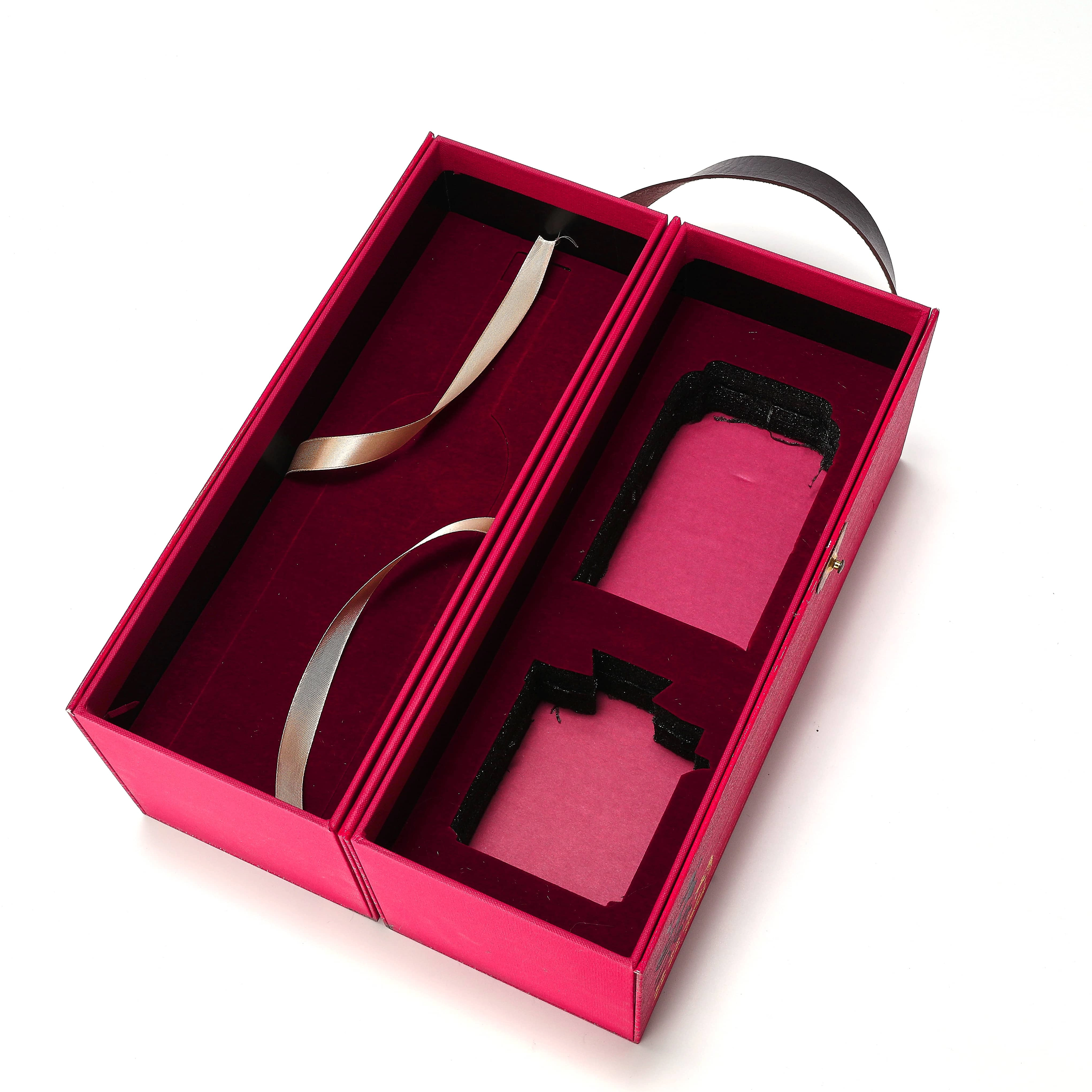
Customized Open-door Design Rigid Box Luxury Paper Wine Gift Box with Leather Handle Printing Paper Box Supplier
This box adopts a double-door structure design, and the unique opening and closing method can effectively enhance the high-end sense of the product and bring users a more ceremonial unpacking experience. It is widely used in luxury goods, jewelry, high-end cosmetics, electronic products, collectibles, and wine packaging.

Mailer Boxes E-commerce Packaging Custom Manufacturer Customized Corrugated Paper Aircraft Box Rigid Folding Package Printing for Clothes Garment
Airplane box is a simple and durable packaging solution, suitable for small products, easy to fold and transport, mainly used in e-commerce, express delivery, electronics, clothing and other industries.
© 2025 WINPACK PRINTING. All rights reserved

Wenhua Printing packaging
winpackprinting
Winpack Printing