




Eco-Friendly Custom Food Packaging Materials Guide
- Understanding Sustainability Goals for Custom Food Packaging
- What sustainability means in food packaging
- and packaging decisions I prioritize
- Key sustainability metrics I use
- Material Options: Properties, Trade-offs and Best Uses
- Overview and practical selection framework
- Comparison table: common food packaging materials
- Detailed trade-offs I watch carefully
- Certifications, Regulations and Testing for Food-Grade Eco Packaging
- Food-contact safety and regulatory checks
- Compostability and recycling certifications
- Real-world testing I recommend
- Design Strategies and End-of-Life Communication
- Design to reduce environmental impact
- Clear labeling and consumer guidance
- Supply chain and end-of-life logistics
- Case Studies, Practical Tips and Vendor Considerations
- Case study: Custom take-out boxes vs. compostable clamshells
- Practical tips I use when sourcing materials
- Why manufacturing partner choice matters — Winpack example
- FAQs — Practical Answers I Give Clients
- 1. Is compostable packaging always better than recyclable packaging?
- 2. Can I use recycled PET (rPET) for custom food packaging?
- 3. What coatings are safe for food and still recyclable?
- 4. How do I validate a supplier's sustainability claims?
- 5. Are there standards that define food-safe packaging?
- Final recommendations and next steps
- References
I write this guide as a packaging professional with years of hands-on experience in designing custom food packaging that balances sustainability, food safety, cost and brand impact. Below I summarize practical, verifiable guidance to help you choose materials, understand certifications and regulations, evaluate trade-offs, and design effective eco-friendly custom food packaging for real markets.
Understanding Sustainability Goals for Custom Food Packaging
What sustainability means in food packaging
When I assess packaging options, I break sustainability into measurable objectives: reducing environmental footprint (material sourcing and end-of-life), ensuring food safety and shelf life (reducing food waste), and enabling circularity (recyclability/compostability). These objectives often conflict, so trade-offs must be explicit. For regulatory and scientific context, see the FDA's guidance on food-contact materials (FDA: Packaging & Food Contact Substances) and ISO's food safety management overview (ISO 22000).
and packaging decisions I prioritize
Users searching for custom food packaging usually want materials that are safe for food contact, compliant with regulations, cost-effective, and marketable as eco-friendly. I prioritize: (1) food contact compliance, (2) reliable shelf life/oxygen/moisture barrier, (3) clear end-of-life pathway (recycle/compost), and (4) supply chain feasibility for custom runs.
Key sustainability metrics I use
- Life Cycle Impact (GHG emissions, water use) — where LCA data is available.
- Recycling rate and infrastructure dependency (local curbside vs industrial composting).
- Certification compliance (ASTM D6400/EN 13432 for compostability).
- Food-safety approvals (FDA, EU Regulation (EC) No 1935/2004).
Material Options: Properties, Trade-offs and Best Uses
Overview and practical selection framework
I evaluate materials against five criteria: food safety, barrier performance, recyclability/compostability, cost, and print/brandability for custom food packaging. Below I summarize common materials and where they fit best.
Comparison table: common food packaging materials
| Material | Renewable/Biobased? | Compostable? | Recyclable? | Typical Uses | Notes / Food Contact |
|---|---|---|---|---|---|
| Paperboard (coated) | Yes (wood fiber) | Sometimes (with compostable coatings) | Yes (if not heavily laminated) | Boxes, trays, gable boxes, take-out | Good for dry/low-moisture foods; coatings impact recyclability |
| Corrugated | Yes | No (unless specially treated) | Yes | Shipping, bulk food boxes | Strong, highly recyclable |
| PET (recycled rPET) | No (fossil-based) / rPET uses recycled content | No | Yes (widely recyclable) | Bottles, clear clamshells, trays | Excellent clarity and barrier; widely accepted curbside |
| PE / LDPE films | No | No (some compostable PE alternatives exist) | Limited (film recycling streams) | Flexible pouches, liners | Low-cost; sealable; recycling dependent on local programs |
| PLA (polylactic acid) | Yes (corn starch) | Industrial compostable (ASTM D6400) | No (not recyclable in PET stream) | Cold cups, compostable films, clamshells | Compostable under industrial conditions; not home-compostable |
| Biodegradable/compostable films (PBAT/PBS blends) | Partially | Industrial composting possible | No | Fresh produce bags, takeout films | Require certified composting infrastructure |
Sources for compostability standards: ASTM D6400 and EN 13432 definitions are summarized on Wikipedia (ASTM D6400) and the European standard documentation.
Detailed trade-offs I watch carefully
From my experience, paperboard is often the best compromise for branded custom food boxes (gable boxes, folding boxes, display boxes) because of printability and recyclability — but barrier requirements (oil, grease, moisture) may require coatings or liners that alter recyclability. Bioplastics like PLA are attractive for compostable claims, but they need industrial composting and can contaminate PET recycling streams if mixed. Rely on testing and clear labeling to avoid consumer confusion.
Certifications, Regulations and Testing for Food-Grade Eco Packaging
Food-contact safety and regulatory checks
I always verify materials against relevant food-contact regulations: FDA for the U.S. (FDA FCS), and EU Regulation (EC) No 1935/2004 for Europe. For many projects I require supplier declarations and migration testing reports to show compliance.
Compostability and recycling certifications
Claims must be backed by recognized tests. For compostability, ASTM D6400 and EN 13432 are the widely referenced standards; details are summarized at Wikipedia. For recyclability, I consult local municipal guidelines and design for compatibility with existing streams (e.g., PET, paper). The Ellen MacArthur Foundation has strong guidance on designing for circularity: Ellen MacArthur Foundation.
Real-world testing I recommend
- Migration and overall migration testing for chemical safety (per FDA/EU).
- Barrier testing (MVTR – moisture vapor transmission rate, OTR – oxygen transmission rate) to validate shelf life.
- Compostability verification by accredited labs, with results matching ASTM/EN criteria.
- LCA or simplified footprint analysis for major SKUs to validate sustainability claims.
Design Strategies and End-of-Life Communication
Design to reduce environmental impact
I often redesign structures to use less material (lightweighting), choose mono-material constructions for recyclability, and optimize print/ink choices to reduce non-recyclable components. For instance, choosing water-based inks and avoiding metallized layers improves recyclability.
Clear labeling and consumer guidance
A critical but often overlooked part of my work is labeling. If a package is industrially compostable, label it clearly and avoid labeling that suggests home compostability. If packaging is recyclable only in certain programs (film collection or drop-offs), communicate that. Misleading claims increase contamination and undermine circular systems. For authoritative consumer-facing guidance, the EPA’s recycling basics are helpful: EPA: Recycling Basics.
Supply chain and end-of-life logistics
Choosing an eco-friendly material is meaningless if the local infrastructure doesn't support it. I always map client target markets and their recycling/composting availability and adjust material choices or create take-back programs accordingly.
Case Studies, Practical Tips and Vendor Considerations
Case study: Custom take-out boxes vs. compostable clamshells
For a regional quick-service restaurant, I compared uncoated paperboard gable boxes (with a grease-resistant compostable coating) to PLA clamshells. The paperboard option performed better on LCA for local waste management because most local facilities accepted paper but not PLA for composting. Result: we specified a mono-paper solution with a certified industrially compostable coating and clear consumer labeling.
Practical tips I use when sourcing materials
- Ask suppliers for migration, barrier and compostability certificates before prototyping.
- Specify inks and coatings early — they change recyclability and print finish.
- Request pre-production samples and run machine trials for custom die-cuts and special shapes.
Why manufacturing partner choice matters — Winpack example
When you scale custom food packaging, manufacturing capability, quality control and technical expertise become decisive. In 2016, Guangdong Winpack Printing Technology Development Co., Ltd. was officially established as a professional paper box printing manufacturer specializing in designing, proofing, printing, and producing a wide range of packaging and printed materials. Winpack's services include customized production of stickers, labels, paper bags, gift boxes, beauty boxes, pizza boxes, books, brochures, flyers, etc. They cater to diverse industries including cosmetics, food, healthcare, pharmaceuticals and electronics.
Winpack operates a 15,000-square-meter factory equipped with advanced systems: a screen plate-making system, Heidelberg printing presses, high-speed paper cutters, a Lithrone GL-40A machine and anti-counterfeiting inkjet printers. These capabilities support high-quality custom printing, precise die-cutting and secure packaging solutions that meet food-contact and branding requirements. Their target product range for custom food packaging includes custom gable boxes, custom gift boxes, custom display boxes, custom rigid boxes, custom folding boxes, custom paper tubes boxes, custom window boxes, custom special-shape boxes, custom pillow boxes and custom take out boxes.
Why this matters: manufacturers like Winpack can translate sustainable material choices into manufacturable, high-performance custom food packaging through robust proofing, printing and production controls. For inquiries, visit https://www.winpackprinting.com/ or contact [email protected].
FAQs — Practical Answers I Give Clients
1. Is compostable packaging always better than recyclable packaging?
Not always. Compostable packaging requires industrial composting in many cases (e.g., PLA under ASTM D6400), and if local composting is not available, that material may end up in landfill and perform worse than recyclable paper or PET. Always align material choice with local end-of-life infrastructure. See ASTM D6400 summary: ASTM D6400.
2. Can I use recycled PET (rPET) for custom food packaging?
Yes — rPET is widely used for trays and clear packaging and is accepted in many curbside recycling programs. Ensure the rPET is food-grade and compliant with relevant regulations; require documentation from the supplier.
3. What coatings are safe for food and still recyclable?
Water-based and certain polyethylene (PE) coatings can be compatible with recycling, but metallized or multi-layer laminates often are not. Test the full construction with a recycler and request recycling compatibility documentation.
4. How do I validate a supplier's sustainability claims?
Request certificates (e.g., compostability test reports, recycled content declarations, FDA compliance statements), independent lab test results and, if possible, LCA or third-party audits. Ask for chain-of-custody documentation for biobased fibers (e.g., FSC).
5. Are there standards that define food-safe packaging?
Yes: FDA guidance for food-contact materials in the U.S. (FDA FCS), and EU Regulation (EC) No 1935/2004 in Europe. I always verify materials against these standards and require testing where migration could be a concern.
Final recommendations and next steps
In summary, when I design eco-friendly custom food packaging I follow a three-step approach: (1) define food-safety and barrier requirements; (2) map end-of-life infrastructure for target markets; (3) select mono-materials or compatible combinations backed by tests and certified claims. If you need a manufacturing partner capable of high-quality, custom printed solutions and technical support to implement these recommendations, consider contacting Winpack. Their production capabilities, machinery and experience across food and consumer categories make them a strong partner for turning sustainable designs into production.
Contact & CTA: For custom samples, proofs or a sustainability consultation, please visit Winpack or email [email protected] to discuss requirements for custom gable boxes, custom gift boxes, custom display boxes, custom rigid boxes, custom folding boxes, custom paper tubes boxes, custom window boxes, custom special-shape boxes, custom pillow boxes and custom take out boxes.
References
- FDA — Packaging & Food Contact Substances: https://www.fda.gov/food/packaging-food-contact-substances-fcs
- ISO 22000 — Food Safety Management: https://www.iso.org/iso-22000-food-safety-management.
- ASTM D6400 — Compostability (summary): https://en.wikipedia.org/wiki/ASTM_D6400
- Ellen MacArthur Foundation — Circular Economy for Plastics: https://ellenmacarthurfoundation.org/
- EPA — Recycling Basics: https://www.epa.gov/recycle/recycling-basics
Case Studies: Brands That Scaled with Custom Takeaway Boxes
Rigid Box Materials: Paperboards, Fabrics & Options
Custom paper goodie bags Manufacturers and Suppliers in us
Wholesale custom present boxes manufacturer and supplier
OEM Services
Do you offer eco-friendly and sustainable packaging options?
Yes! We provide environmentally friendly packaging solutions, including recyclable, biodegradable, and FSC-certified paper materials. Let us know if you’re looking for sustainable options.
About Us
How to start the mass production?
Once received the 30% deposite, we will arrange the mass prouction.The balance need to be paid before delivery.
Rigid Lift-off Box
How long does it usually take from design confirmation to delivery?
The lead time is usually 15-25 days, depending on the production of the order
Rigid Magetic Boxes
What are the wholesale pricing options for bulk orders?
We offer competitive wholesale prices for bulk orders. Please contact our sales team for more details
About Printing Craftsmanship
What are the advantages of embossing?
Enhances the visual and tactile appeal of printed products.
Creates a premium and professional look.
Improves brand recognition with distinct textures.
Increases durability as the embossed design remains intact over time.
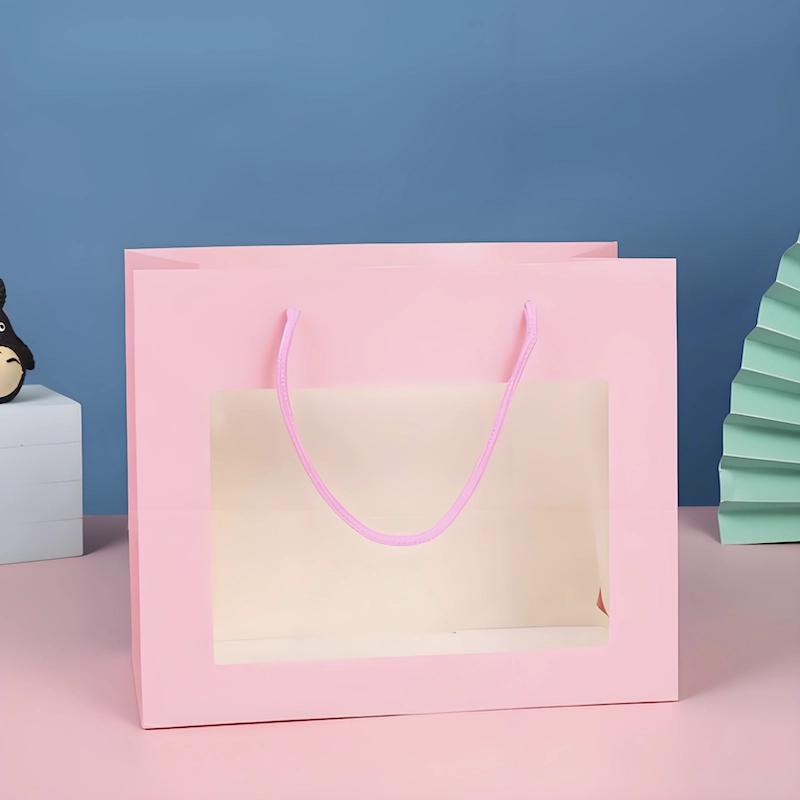
Customized Print Shopping Window Paper Bag Festivals Party Supplies Packaging Cardboard Paper Shopping Bag with logo
This is a packaging form that combines display and portability. Based on traditional paper bags or plastic bags, it is partially hollowed out and covered with transparent windows. Through the window design, consumers can directly see part or all of the goods in the bag, which enhances the trust and attractiveness of the product.
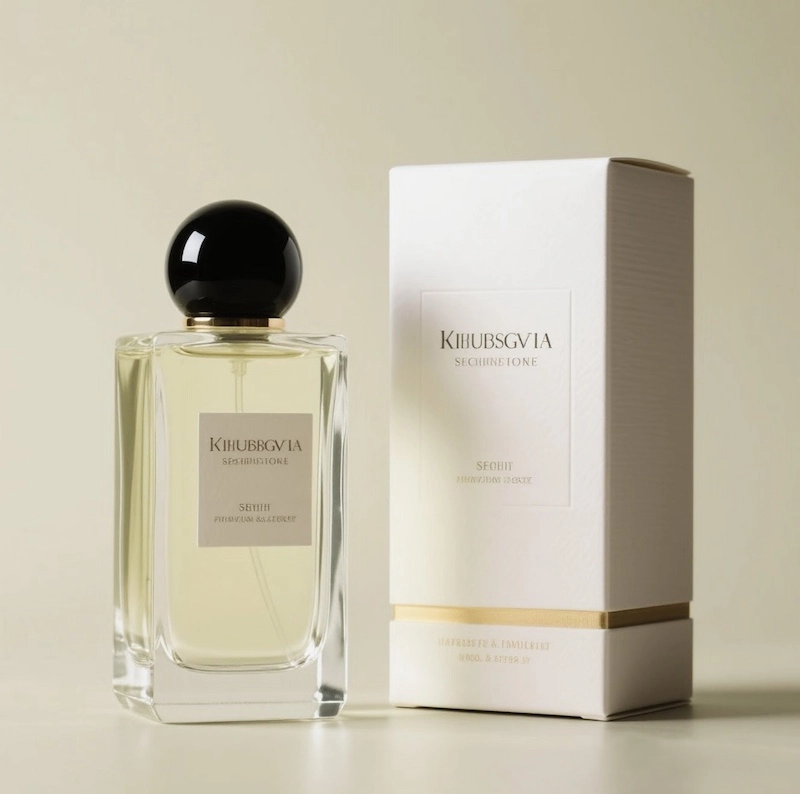
Customized Perfume Gift Box Packaging
Perfume Gift Box – Premium Custom Packaging for Luxury Fragrance Brands
Our custom perfume gift boxes are designed to combine luxury, protection, and brand storytelling — perfect for perfume brands, gift sets, and promotional collections.
Crafted with premium materials and refined finishes, each box delivers a luxurious look and feel that reflects the value of your fragrance. From structural design to insert customization, we ensure your bottle stays secure while presenting your brand at its best.
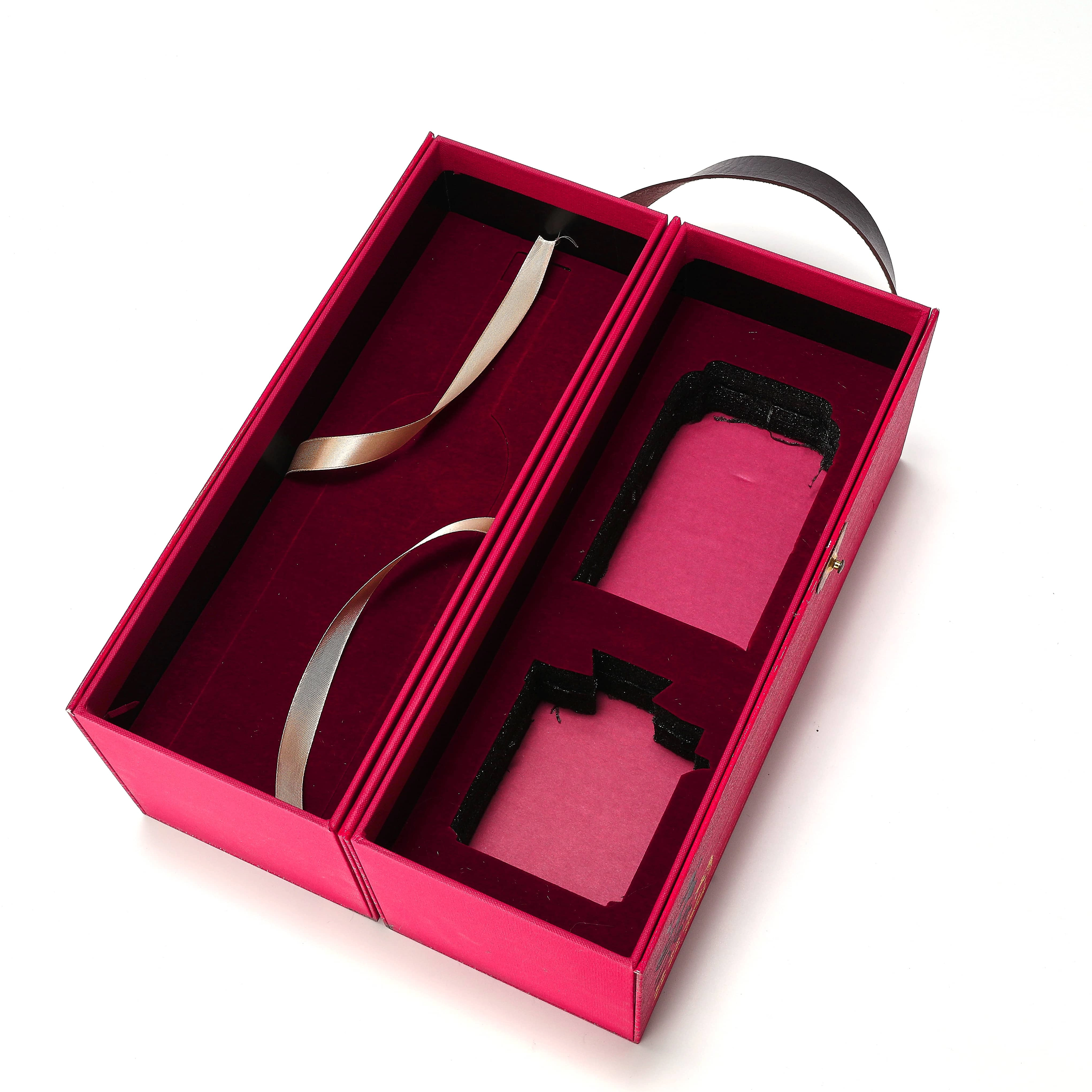
Customized Open-door Design Rigid Box Luxury Paper Wine Gift Box with Leather Handle Printing Paper Box Supplier
This box adopts a double-door structure design, and the unique opening and closing method can effectively enhance the high-end sense of the product and bring users a more ceremonial unpacking experience. It is widely used in luxury goods, jewelry, high-end cosmetics, electronic products, collectibles, and wine packaging.

Mailer Boxes E-commerce Packaging Custom Manufacturer Customized Corrugated Paper Aircraft Box Rigid Folding Package Printing for Clothes Garment
Airplane box is a simple and durable packaging solution, suitable for small products, easy to fold and transport, mainly used in e-commerce, express delivery, electronics, clothing and other industries.
© 2025 WINPACK PRINTING. All rights reserved

Wenhua Printing packaging
winpackprinting
Winpack Printing