




Special Effects: Varnishes, Foils, and Embossing with Flexo
- Enhancing Packaging Impact with Special Effects
- How Varnishes Work in Flexographic Printing
- Types of varnishes and coatings
- Practical considerations for flexo presses
- Common problems and troubleshooting
- Foil Stamping and Cold/Foil Lamination with Flexo
- Foil application methods compatible with flexo
- Material and adhesion variables
- When to choose foil versus metallic inks
- Embossing and Debossing in Flexo Workflows
- Types of embossing and tooling
- Compatibility with flexographic printing
- Controlling registration and depth
- Comparing Varnish, Foil, and Embossing: Cost, Speed, and Effect
- Quality Control, Sustainability, and Regulatory Considerations
- QC checkpoints for special effects
- Sustainability and recyclability
- Food contact and safety
- Specification Checklist and Proofing Workflow
- Artwork and die file preparation
- Pre-production sampling
- Supplier collaboration
- Case Examples and Use-Cases
- Cosmetics and luxury goods
- Food packaging
- Labels and promotional packaging
- About Winpack: Practical Capabilities and Why It Matters
- FAQ
- 1. Can flexographic presses achieve the same quality of foil and embossing as offset or letterpress?
- 2. What is the minimum run length where special effects become cost-effective?
- 3. How do I ensure foil adhesion on a coated board?
- 4. Are UV varnishes safe for food packaging?
- 5. How do special effects affect recycling?
- 6. Can embossing be applied to small text or fine details?
- Contact & Next Steps
- References & Further Reading
Enhancing Packaging Impact with Special Effects
Flexographic printing has evolved far beyond simple solids and process inks: varnishes, foils, and embossing now work in concert with flexo to deliver tactile, visual, and brand-differentiating special effects. This article explains how each effect is produced, how to specify them for reliable output, and how to balance cost, run length, and sustainability—all from the practical perspective of packaging producers and brand owners.
How Varnishes Work in Flexographic Printing
Types of varnishes and coatings
Varnishes applied in flexographic printing can be broadly categorized as aqueous, UV-curable, solvent-based, and waterless/specialty coatings. Each has distinct curing, adhesion, and visual characteristics:
- Aqueous coating: water-based, good gloss control, lower odor, common for food and FMCG packaging.
- UV-curable coating: instant cure, high gloss or matte options, excellent abrasion resistance—suitable for high-speed lines and specialty finishes.
- Solvent-based varnishes: strong adhesion to difficult substrates but require ventilation and regulatory controls.
- Spot varnish vs. flood coat: spot varnish selectively highlights areas (logos, imagery) while flood coats cover the entire panel.
Practical considerations for flexo presses
When specifying varnish for flexographic printing, consider:
- Anilox selection: varnish viscosity and desired laydown determine anilox cell volume—spot varnish often uses lower volumes for sharp edges.
- Registration: spot varnishes require precise registration; ensure plate mounts and press registration are tuned for repeatability.
- Curing: UV systems need appropriate dose; aqueous coatings require drying sections sized for the line speed and substrate.
Common problems and troubleshooting
Typical issues include orange peel (caused by improper anilox or cure), adhesion failure (insufficient surface energy or contamination), and scuffing. Standard remedies: surface energy testing (e.g., dyne test), test swathing, and prepress proofs using the chosen substrate.
Foil Stamping and Cold/Foil Lamination with Flexo
Foil application methods compatible with flexo
Foil effects can be introduced via hot foil stamping, cold foil (transfer) and inline cold-foil units adapted to flexo presses. Cold foil is particularly popular for high-speed packaging runs because it integrates with flexo’s web or sheet-fed workflows.
Material and adhesion variables
Foil performance depends on foil release layer, adhesive (for cold foil), and substrate surface. Metallic effect intensity varies by foil metallurgy and underprint (white or metallic base can change appearance). For cold foil, primer or adhesive coat compatibility is critical—testing across batches reduces rejects.
When to choose foil versus metallic inks
Foil delivers unmatched metallic reflectivity and depth; metallic inks are more economical but flatter. Choose foil for High Quality, short- to mid-run packaging where visual impact justifies set-up and tooling.
Embossing and Debossing in Flexo Workflows
Types of embossing and tooling
Embossing (raised) and debossing (recessed) require dies (metal or polymer) that can be integrated inline or applied offline. Techniques include blind emboss (no foil) and combination stamping (foil + emboss for dimensional metallic highlights).
Compatibility with flexographic printing
Flexo presses can be fitted with embossing units or use post-press embossing. Inline embossing demands consistent substrate handling and careful die pressure control. For rigid or thick boards (e.g., rigid boxes), dedicated embossing stations or post-press presses often produce better, repeatable results.
Controlling registration and depth
Key parameters are die cushion, nip pressure, and material compressibility. Proofing, gauge pins, and registration marks help keep embossed areas aligned with printed graphics. For multi-panel packaging, panel flatness and board moisture content must be controlled.
Comparing Varnish, Foil, and Embossing: Cost, Speed, and Effect
Below is a practical comparison to help spec decisions based on production constraints and desired impact.
| Effect | Visual/Tactile Impact | Typical Cost Impact | Speed & Throughput | Best Substrates |
|---|---|---|---|---|
| Spot/UV Varnish | High gloss/matte contrast; localized highlights | Low–Medium | High (inline UV cures quickly) | Coated and uncoated boards, films |
| Cold/HOT Foil | High metallic reflectivity and color options | Medium–High (tooling/foil costs) | Medium (cold foil inline is fast; hot stamping slower) | Paperboard, folding cartons, labels |
| Embossing | Tactile depth; perceived luxury | Medium–High (dies & tooling) | Low–Medium (depends inline vs offline) | Thicker boards, rigid boxes, specialty papers |
Sources for comparative guidance include industry technical documents and tooling suppliers; always run pilot trials for exact costing per SKU.
Quality Control, Sustainability, and Regulatory Considerations
QC checkpoints for special effects
- Prepress: ensure artwork outlines for varnish/foil/emboss are separated as vector spot channels.
- Press checks: density readings, specular gloss measurements, adhesion tests (cross-cut), and tactile inspections.
- Post-press: abrasion & rub testing, lightfastness, and cold-chain /food-contact compliance when necessary.
Sustainability and recyclability
Metallic foils and some UV coatings can challenge recycling streams. Water-based varnishes are generally more recycling-friendly. Consider specifying recyclable-friendly coatings (e.g., water-based or aqueous varnishes) or using separable packaging designs to improve end-of-life handling.
Food contact and safety
If packaging will contact food, ensure varnishes and adhesives comply with regional regulations (e.g., EU Framework Regulation, FDA indirect food contact guidance). Keep migrant testing and documentation available for audits.
Specification Checklist and Proofing Workflow
Artwork and die file preparation
Create clear spot channels for varnish/foil/emboss, define trap and overprint rules, and supply vector die lines for tooling. Include registration marks and finish callouts on dielines.
Pre-production sampling
Order physical proofs on the actual substrate. Digital soft proofs are useful, but nothing replaces a physical sample for tactile effects. For high-value SKUs, run a short press proofing run to test adhesion, emboss registration, and foil behavior.
Supplier collaboration
Work closely with your packaging printer (and tooling house). Early communication about substrates, expected shelf conditions, and distribution handling reduces surprises. Include acceptance criteria in the purchase order to protect both parties.
Case Examples and Use-Cases
Cosmetics and luxury goods
Cosmetics often combine soft-touch matte varnish, selective gloss highlights, metallic foils, and embossing to convey High Quality positioning. Flexographic presses with UV varnish and inline cold-foil units allow consolidated production runs with multiple effects.
Food packaging
Food brands favor aqueous coatings for safety and cost-effectiveness; selective gloss can highlight freshness claims. For short runs requiring High Quality positioning (limited editions), cold foil plus spot varnish is common.
Labels and promotional packaging
Labels frequently use cold foil and embossing to stand out on shelves. Because labels are often produced on film facestocks, foil transfer and varnish selection must be optimized for film adhesion and flexibility.
About Winpack: Practical Capabilities and Why It Matters
In 2016, Guangdong Winpack Printing Technology Development Co., Ltd. was officially established as a professional paper box printing manufacturer specializing in designing, proofing, printing, and producing a wide range of packaging and printed materials. Our services include customized production of stickers, labels, paper bags, gift boxes, beauty boxes, pizza boxes, books, brochures, flyers, etc. Winpack caters to diverse industries, including cosmetics, food, healthcare, pharmaceuticals, and electronics.
Our 15,000-square-meter factory is equipped with state-of-the-art technology. We utilize an advanced screen plate-making system and top-tier machinery such as the Heidelberg printing machine, high-speed paper cutter, Lithrone GL-40A machine, and anti-counterfeiting inkjet printer to ensure superior quality and efficiency. Our vision is to become the world's leading custom paper box packaging manufacturer.
Winpack advantages and core product strengths include:
- Comprehensive custom capabilities: custom gable boxes, custom gift boxes, custom display boxes, custom rigid boxes, custom folding boxes, custom paper tubes boxes, custom window boxes, custom special-shape boxes, custom pillow boxes, custom take out boxes.
- Integrated proofing and production workflow that reduces handoffs—resulting in better registration for varnish, foil, and embossing effects.
- Industry-grade equipment and experienced operators to handle inline UV varnish, cold foil lamination, and post-press embossing with tight tolerances.
- Cross-industry experience enabling compliant material selection for food, cosmetics, and pharma packaging.
To explore Winpack’s full capabilities and submit samples or RFQs, visit: https://www.winpackprinting.com/
FAQ
1. Can flexographic presses achieve the same quality of foil and embossing as offset or letterpress?
Yes—modern flexo with inline cold-foil units and proper embossing stations can match or closely approach the quality of traditional hot-foil and letterpress workflows, especially for folding cartons and labels. However, the final choice depends on run length, substrate, and whether the effect requires very deep emboss or specialty foils.
2. What is the minimum run length where special effects become cost-effective?
It varies: spot varnish often becomes cost-effective at relatively low runs due to minimal setup. Cold foil and embossing (which require tooling/dies) are more cost-effective for medium to long runs. Discuss amortized tooling with your supplier to determine the break-even point for your SKU.
3. How do I ensure foil adhesion on a coated board?
Test trials are essential. For cold foil, use a compatible adhesive/primer and check surface energy. For hot stamping, choose foils and dies compatible with the coating. Work with your printer to run adhesion and rub tests.
4. Are UV varnishes safe for food packaging?
Some UV varnishes are formulated to meet indirect food contact requirements, but you must confirm certifications and migration test results. Often aqueous coatings are preferred for direct food contact due to established regulatory profiles.
5. How do special effects affect recycling?
Certain foils and non-recyclable laminates can complicate recycling streams. Choose water-based varnishes and mono-material constructions where possible to improve recyclability. Work with material suppliers and your converter to optimize for circularity.
6. Can embossing be applied to small text or fine details?
Very fine embossing is limited by die-making tolerances and substrate compression. For small text, consider micro-embossing only after consultation with the tooling supplier—proofing is essential.
Contact & Next Steps
If you want to evaluate varnish, foil or embossing options for your packaging, request a proof run or technical consultation. For custom packaging solutions and production capabilities, contact Winpack at https://www.winpackprinting.com/ or request a quote to discuss substrates, finishes, and lead times. Our production and technical teams can assist with prepress preparation, tooling, and regulatory compliance.
References & Further Reading
- Flexographic printing — Wikipedia. https://en.wikipedia.org/wiki/Flexographic_printing (accessed 2026-01-02)
- Foil stamping — Wikipedia. https://en.wikipedia.org/wiki/Foil_stamping (accessed 2026-01-02)
- Embossing — Wikipedia. https://en.wikipedia.org/wiki/Embossing (accessed 2026-01-02)
- Varnish — Wikipedia. https://en.wikipedia.org/wiki/Varnish (accessed 2026-01-02)
- Tag & technical guidance from TLMI (Tag/industry resources for flexo). https://www.tlmi.com/ (accessed 2026-01-02)
- Practical guidance on cold foil and varnish selection — Packaging Europe articles and technical posts. https://www.packagingeurope.com/ (search: cold foil) (accessed 2026-01-02)
For in-depth implementation, request material datasheets, migration test results (for food contact), and tooling specifications from your chosen packaging partner before production.
Top 10 cardboard box custom Manufacturers and Supplier Brands
Custom Chocolate Gift Boxes
How to Choose the custom chocolate gift box manufacturer and supplier ?
Custom cardboard box Manufacturers and Suppliers in us
Rigid Lift-off Box
Can I order a sample of my rigid box?
Yes, we strongly recommend that you do so, we provide a variety of sample types to meet different usage situations and help you guarantee the best results!
About Printing Craftsmanship
How do I ensure high-quality printing results?
Use high-resolution images and vector files.
Choose the appropriate paper or substrate.
Work with a professional printing service.
Consider color matching systems like Pantone for consistent results.
Request print samples before full production.
What are the advantages of embossing?
Enhances the visual and tactile appeal of printed products.
Creates a premium and professional look.
Improves brand recognition with distinct textures.
Increases durability as the embossed design remains intact over time.
What are eco-friendly printing options?
Vegetable-based inks instead of petroleum-based inks.
Recycled paper or sustainably sourced materials.
Water-based coatings instead of harmful chemical coatings.
Digital printing to reduce waste and energy consumption.
Rigid Drawer Box
Can I get a sample before placing a formal order?
Yes, we provide samples to our customers. Please contact our sales team to inquire about sample availability and pricing.
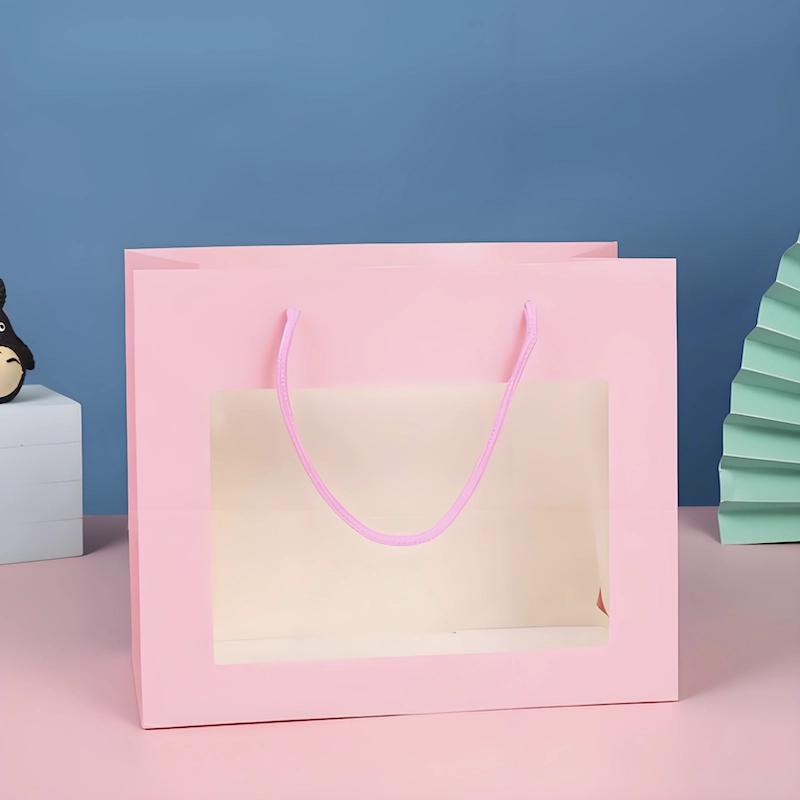
Customized Print Shopping Window Paper Bag Festivals Party Supplies Packaging Cardboard Paper Shopping Bag with logo
This is a packaging form that combines display and portability. Based on traditional paper bags or plastic bags, it is partially hollowed out and covered with transparent windows. Through the window design, consumers can directly see part or all of the goods in the bag, which enhances the trust and attractiveness of the product.
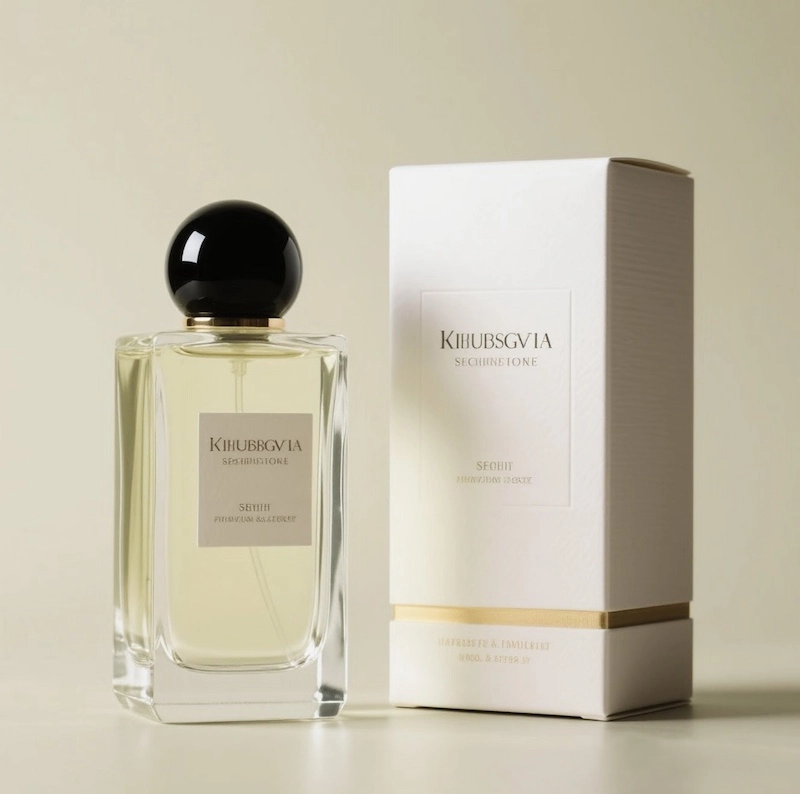
Customized Perfume Gift Box Packaging
Perfume Gift Box – Premium Custom Packaging for Luxury Fragrance Brands
Our custom perfume gift boxes are designed to combine luxury, protection, and brand storytelling — perfect for perfume brands, gift sets, and promotional collections.
Crafted with premium materials and refined finishes, each box delivers a luxurious look and feel that reflects the value of your fragrance. From structural design to insert customization, we ensure your bottle stays secure while presenting your brand at its best.
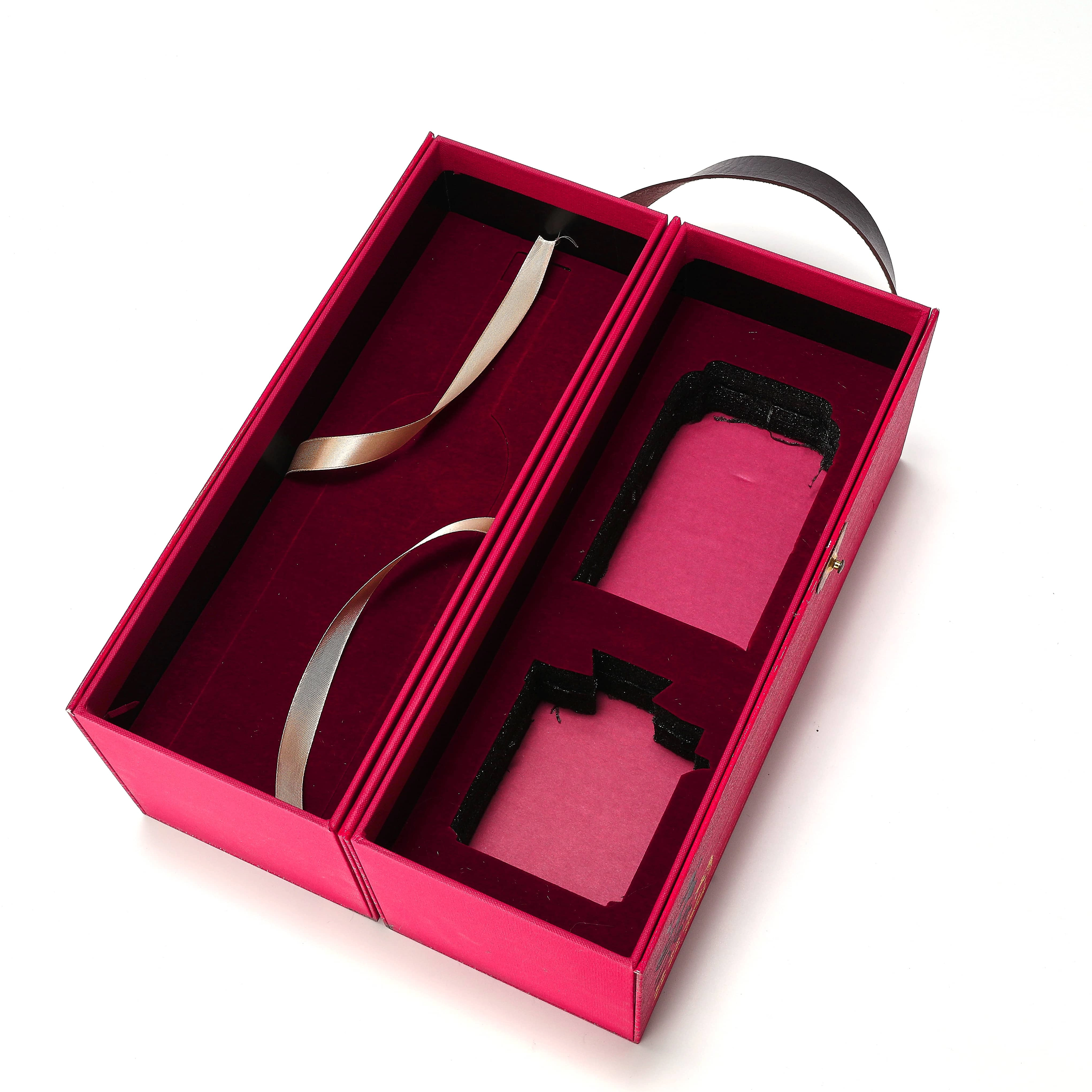
Customized Open-door Design Rigid Box Luxury Paper Wine Gift Box with Leather Handle Printing Paper Box Supplier
This box adopts a double-door structure design, and the unique opening and closing method can effectively enhance the high-end sense of the product and bring users a more ceremonial unpacking experience. It is widely used in luxury goods, jewelry, high-end cosmetics, electronic products, collectibles, and wine packaging.

Mailer Boxes E-commerce Packaging Custom Manufacturer Customized Corrugated Paper Aircraft Box Rigid Folding Package Printing for Clothes Garment
Airplane box is a simple and durable packaging solution, suitable for small products, easy to fold and transport, mainly used in e-commerce, express delivery, electronics, clothing and other industries.
© 2025 WINPACK PRINTING. All rights reserved

Wenhua Printing packaging
winpackprinting
Winpack Printing