




How Flexographic Printing Improves Brand Color Consistency
- Maintaining Color Integrity Across Packaging Runs
- Why color consistency matters for brands and how flexographic printing fits in
- How flexographic printing delivers repeatable brand color
- Key technical elements in flexographic color control
- Process controls and workflow best practices for brand color consistency with flexographic printing
- Measuring consistency: metrics and tolerances in flexo production
- Comparing flexographic printing with offset and digital printing on color consistency
- Practical challenges specific to flexography and how to mitigate them
- Tools and technologies that have materially improved flexo color consistency
- How converters and brands can set up specifications for reliable flexo results
- Winpack: leveraging advanced flexographic capabilities for consistent brand color
- Why choose Winpack for brand-critical color consistency with flexographic printing
- Winpack main products and color-centric capabilities
- Checklist for brands to ensure flexographic color success with a supplier
- Frequently Asked Questions (FAQ)
- 1. How accurate is flexographic printing for matching brand spot colors?
- 2. Can flexographic printing reproduce the same color across different substrates?
- 3. What is the role of anilox rolls in color consistency?
- 4. Are there objective standards used to measure color consistency in packaging?
- 5. How should brands handle color approval for repeated or global runs?
- 6. What are the fastest improvements a converter can make to reduce color variation?
- Contact and product inquiry
- References and further reading
Maintaining Color Integrity Across Packaging Runs
Why color consistency matters for brands and how flexographic printing fits in
Color is a primary identifier of brand equity. Consumers recognize packaging by color before they read a logo or text; inconsistent color can damage perception, reduce shelf impact, and create costly rework. Flexographic printing, a dominant process for corrugated and flexible packaging, plays a central role in delivering repeatable brand colors at scale. In this article we explore how flexographic printing improves brand color consistency, the controls and technologies that matter, how it compares to other print methods, and practical guidance for packaging teams and brand owners.
How flexographic printing delivers repeatable brand color
The strengths of flexographic printing for color consistency come from a combination of modern plate technologies, precise ink metering, closed-loop process control, and color management standards. Flexographic printing uses relief plates and an anilox roll to transfer controlled ink film thickness to substrates. Accurate metering of ink film, combined with predictable dot gain behavior on absorbent substrates, enables printers to reproduce brand color consistently across long press runs and different production sites.
Key technical elements in flexographic color control
To understand why flexographic printing can be highly consistent, consider these components:
- Anilox rolls: Anilox cell geometry and volume determine delivered ink film. Selecting the correct anilox and maintaining it (ceramic coating, regular cleaning, and inspection) keeps film weights predictable.
- Plate technology: High-resolution photopolymer plates produced with proper imaging and exposure deliver sharp dots and predictable tonal response.
- Ink formulation: Modern inks for flexo are engineered for rapid setting and controlled viscosity. Using standardized ink systems and measuring density helps ensure repeatability.
- Inline and offline measurement: Spectrophotometers and color sensors provide numerical feedback for density and spectral data; closed-loop systems adjust anilox or ink keys automatically to stay in tolerance.
- Color management: ICC profiles, target characterization, and process control systems translate brand color targets into press settings that account for substrates and drying behavior.
Process controls and workflow best practices for brand color consistency with flexographic printing
Consistent color is rarely an accident; it is the result of disciplined workflows. The following best practices are commonly used by experienced flexo shops to hold color within brand tolerances:
- Standardized substrates and preflight checks: Define and document substrate grades and pre-approve samples. Substrate absorbency and whiteness materially affect appearance.
- Use calibrated proofing and spectrophotometric targets: Produce contract proofs and measure using CIELAB and ΔE metrics to ensure objective agreement with brand standards.
- Plate and anilox specification control: Maintain a matrix of recommended plate types and anilox volumes per job type and color density targets.
- Ink system standardization: Use controlled ink batches, document recipes, and keep dispensary logs so substitutions are minimized.
- Implement closed-loop control: Inline color scanners and densitometers adjust press settings during runs to correct drift from startup to full production.
- Operator training and digital job tickets: Capture press settings, environmental conditions, and operator notes to recreate successful runs.
Measuring consistency: metrics and tolerances in flexo production
Objective measurement is essential. Typical metrics include colorimetric coordinates (L*a*b*), density, and ΔE (color difference). While acceptable ΔE thresholds vary with brand risk and application, many packaging applications target ΔE values within a range that is visually acceptable on shelf. Establishing agreed tolerances (for example, a contract tolerance defined between brand and converter) ensures both parties know when a run is within acceptable limits.
Comparing flexographic printing with offset and digital printing on color consistency
Packaging teams often ask how flexo compares to other printing methods. The table below summarizes typical behavior for color consistency across common packaging print technologies.
| Characteristic | Flexographic printing | Offset printing | Digital printing |
|---|---|---|---|
| Suitability for packaging substrates | High — designed for corrugated, folding carton, films | High for folding cartons but less flexible for film | Good for short runs and variable data; substrate limitations exist |
| Color consistency across long runs | High when process controls and anilox/plate maintenance are in place | High for paperboard with stable ink transfer | Very high for each printed sheet, but variation between digital engines/sites can appear |
| Repeatability between sites | Good with standardized recipes, ICC profiles, and operator training | Good with tight press control; setup-to-setup variance possible | Challenging unless identical digital profiles and consumables are used |
| Cost-effectiveness for large volumes | Excellent (high-speed, low unit cost) | Very good for medium to large volumes | Higher unit cost at scale |
Sources: industry publications and technical associations (see references).
Practical challenges specific to flexography and how to mitigate them
Even with its strengths, flexo faces challenges that can affect color consistency if not managed:
- Substrate variability: Paper and board have batch-to-batch differences. Mitigation: batch sampling, whiteness measurement, and substrate-specific profiles.
- Dot gain and surface finish: Roughness increases optical dot gain. Mitigation: select plate relief and anilox cell size to compensate, and profile the combination.
- Ink drying and set-off: Insufficient drying changes apparent color. Mitigation: optimize drying systems and ink formulation.
- Maintenance of anilox and plates: Worn anilox reduces film; plates degrade over high runs. Mitigation: scheduled maintenance and reproofing.
Tools and technologies that have materially improved flexo color consistency
Advances in the past decade have closed the gap between flexo and other high-fidelity processes:
- Digital platemaking and high-resolution photopolymer plates deliver finer detail and reduced dot gain.
- Automated anilox cleaning and laser-engraved ceramic anilox deliver stable cell volumes.
- Inline spectrophotometry and densitometry allow real-time correction during production.
- ICC profiling and standardized color libraries enable consistent color across equipment and sites.
How converters and brands can set up specifications for reliable flexo results
For best results, brands and their converters should collaborate on an agreed specification that covers:
- Color targets and acceptable ΔE tolerances for primary brand colors.
- Approved proofs, substrate samples, and production photographs under controlled lighting.
- Detailed job tickets that include anilox, plate, ink, and press settings.
- Quality acceptance criteria for inbound and outbound inspection.
Documenting these items reduces ambiguity and accelerates approval cycles.
Winpack: leveraging advanced flexographic capabilities for consistent brand color
In 2016, Guangdong Winpack Printing Technology Development Co., Ltd. was officially established as a professional paper box printing manufacturer specializing in designing, proofing, printing, and producing a wide range of packaging and printed materials. Our services include customized production of stickers, labels, paper bags, gift boxes, beauty boxes, pizza boxes, books, brochures, flyers, etc. Winpack caters to diverse industries, including cosmetics, food, healthcare, pharmaceuticals, and electronics. Our 15,000-square-meter factory is equipped with state-of-the-art technology. We utilize an advanced screen plate-making system and top-tier machinery such as the Heidelberg printing machine, high-speed paper cutter, Lithrone GL-40A machine, and anti-counterfeiting inkjet printer to ensure superior quality and efficiency. Our vision is to become the world's leading custom paper box packaging manufacturer. Our website is https://www.winpackprinting.com/.
Why choose Winpack for brand-critical color consistency with flexographic printing
Winpack combines modern flexographic workflows and equipment with experienced color specialists. Key competitive advantages include:
- Advanced prepress: dedicated proofing and plate-making systems to ensure plates meet design intent and tonal behavior.
- Comprehensive machinery: blend of Heidelberg and Lithrone equipment alongside precision cutters and inspection systems to maintain color integrity through finishing steps.
- Quality systems: measurement-driven color control, repeatable ink recipes, and trained operators ensure consistent results between runs.
- Industry experience: depth in cosmetics, food, and pharma packaging where color accuracy and regulatory compliance are critical.
Winpack main products and color-centric capabilities
Winpack specializes in a wide range of custom packaging solutions where color matters: custom gable boxes, custom gift boxes, custom display boxes, custom rigid boxes, custom folding boxes, custom paper tubes boxes, custom window boxes, custom special-shape boxes, custom pillow boxes, and custom take out boxes. These offerings are supported by Winpack's laboratory-style quality checks and color management practices designed to protect brand color integrity.
Checklist for brands to ensure flexographic color success with a supplier
Before approving production, run through this checklist with your converter:
- Have a color proof and signed color tolerance agreement.
- Confirm substrate batch and request sample approvals if changing supplier rolls.
- Ask for press-start measurements and inline color control data where available.
- Document ink formulations and ensure UV/aqueous/solvent compatibility with your product.
- Request photos of press sheets under standardized lighting for visual approval.
Frequently Asked Questions (FAQ)
1. How accurate is flexographic printing for matching brand spot colors?
Flexographic printing can reproduce spot colors accurately when using controlled ink recipes, spot color formulations, and precision anilox and plate settings. Many converters employ Pantone-based build recipes and spectrophotometric checks to ensure spot color fidelity.
2. Can flexographic printing reproduce the same color across different substrates?
Substrate differences affect appearance. While flexo can reproduce the same color target, achieving visual uniformity across substrates requires substrate-specific profiling and potential ink formulation adjustments.
3. What is the role of anilox rolls in color consistency?
Anilox rolls control the volume of ink transferred to the plate. Choosing the correct cell geometry and maintaining the roll in clean condition are essential for consistent ink film and thus consistent color.
4. Are there objective standards used to measure color consistency in packaging?
Yes. ISO and ICC provide color management frameworks, and many brands use CIELAB coordinates and ΔE metrics for objective measurement. Contracts often define acceptable ΔE thresholds for color approval.
5. How should brands handle color approval for repeated or global runs?
Establish a written color standard, maintain a master proof, use ICC profiles, and require converters to submit measurement reports. For global runs, share recipes, anilox specifications, and operator notes across sites to reduce variability.
6. What are the fastest improvements a converter can make to reduce color variation?
Implementing inline spectrophotometry for real-time adjustments, standardizing ink batches, and enforcing regular anilox cleaning usually yield the quickest and most measurable improvements.
Contact and product inquiry
If you're evaluating flexographic printing for brand-critical packaging or need consistent color for custom packaging products, contact Winpack to discuss proofs, substrate trials, and production scheduling. Visit https://www.winpackprinting.com/ to request samples, technical specs, and a quote for custom gable boxes, custom gift boxes, custom display boxes, custom rigid boxes, custom folding boxes, custom paper tubes boxes, custom window boxes, custom special-shape boxes, custom pillow boxes, and custom take out boxes.
References and further reading
- Flexography overview, Wikipedia, accessed 2025-12-29: https://en.wikipedia.org/wiki/Flexography
- Flexographic Technical Association, resources and technical guidance, accessed 2025-12-29: https://flexography.org/
- International Color Consortium (ICC), color management principles, accessed 2025-12-29: https://www.color.org/
- ISO standards on graphic technology and process control, ISO catalogue, accessed 2025-12-29: https://www.iso.org/standards. (see ISO 12647 series)
- Heidelberg packaging and printing solutions, product information, accessed 2025-12-29: https://www.heidelberg.com/global/en/index.jsp
- Winpack official website, company and product information, accessed 2025-12-29: https://www.winpackprinting.com/
Artwork Preparation for Digital Printing Flexible Packaging
The B2B Buyer’s Guide to custom printed gift boxes
Custom Rigid Box Sizes, Templates and Dielines Guide
Cost Breakdown: How Much Do Custom Boxes Cost?
About Us
Can I get a sample?
Yes, currently sample free for reference, only need to pay the delivery charge. Customized sample charge sample fee and delivery cost.
What kind of format is available for printing?
CDR, AI, PS , PSD. high resolution JPG (please Convert text to curves. If not, some words will be missing.)
Rigid Drawer Box
What are the wholesale pricing options for bulk orders?
We offer competitive wholesale prices for bulk orders. Please contact our sales team for more details
OEM Services
Can I customize the design, size, and material of my packaging?
Absolutely! Our OEM services allow full customization, including design, size, material, colors, printing effects, and finishing. We work closely with you to create packaging that reflects your brand’s image and market positioning.
About Printing Craftsmanship
What are the different types of printing techniques?
There are various printing techniques used for different purposes, including:
Offset Printing – Ideal for high-volume commercial printing, offering sharp and high-quality images.
Digital Printing – Suitable for short-run printing with fast turnaround times.
Screen Printing – Used for printing on textiles, plastics, and other materials with thick ink layers.
Hot Stamping – Adds metallic or pigmented foil using heat and pressure for a luxurious look.
Embossing & Debossing – Creates raised or recessed designs for a textured effect.
UV Printing – Uses ultraviolet light to instantly dry ink, offering vibrant colors and enhanced durability.
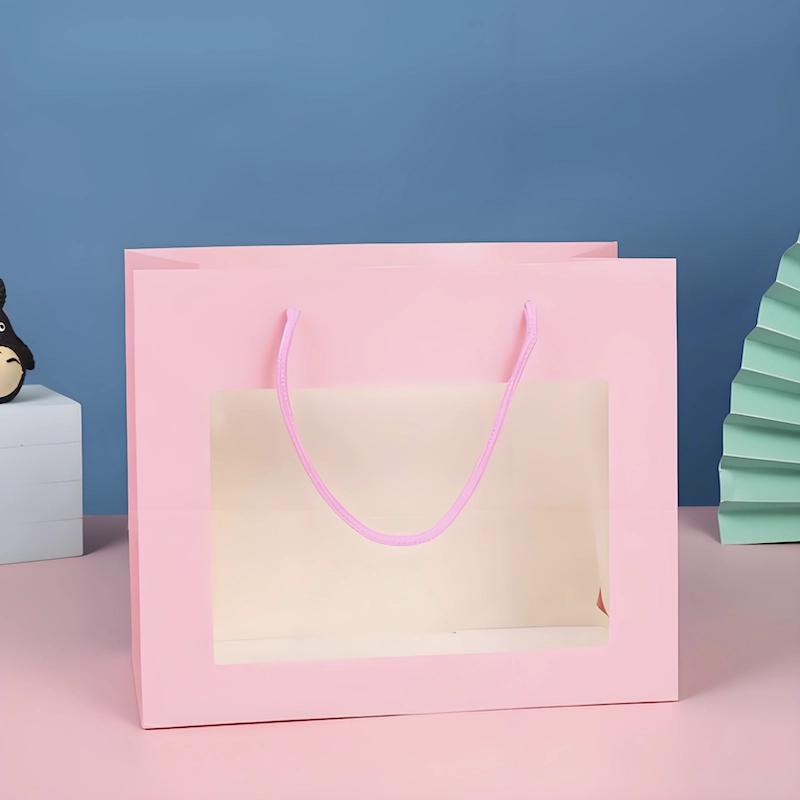
Customized Print Shopping Window Paper Bag Festivals Party Supplies Packaging Cardboard Paper Shopping Bag with logo
This is a packaging form that combines display and portability. Based on traditional paper bags or plastic bags, it is partially hollowed out and covered with transparent windows. Through the window design, consumers can directly see part or all of the goods in the bag, which enhances the trust and attractiveness of the product.
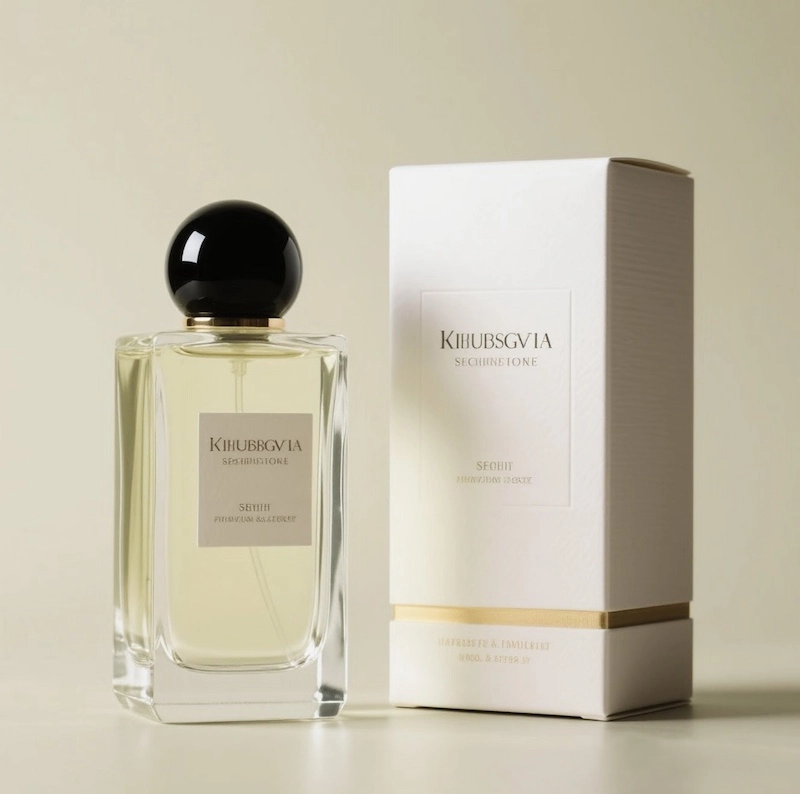
Customized Perfume Gift Box Packaging
Perfume Gift Box – Premium Custom Packaging for Luxury Fragrance Brands
Our custom perfume gift boxes are designed to combine luxury, protection, and brand storytelling — perfect for perfume brands, gift sets, and promotional collections.
Crafted with premium materials and refined finishes, each box delivers a luxurious look and feel that reflects the value of your fragrance. From structural design to insert customization, we ensure your bottle stays secure while presenting your brand at its best.
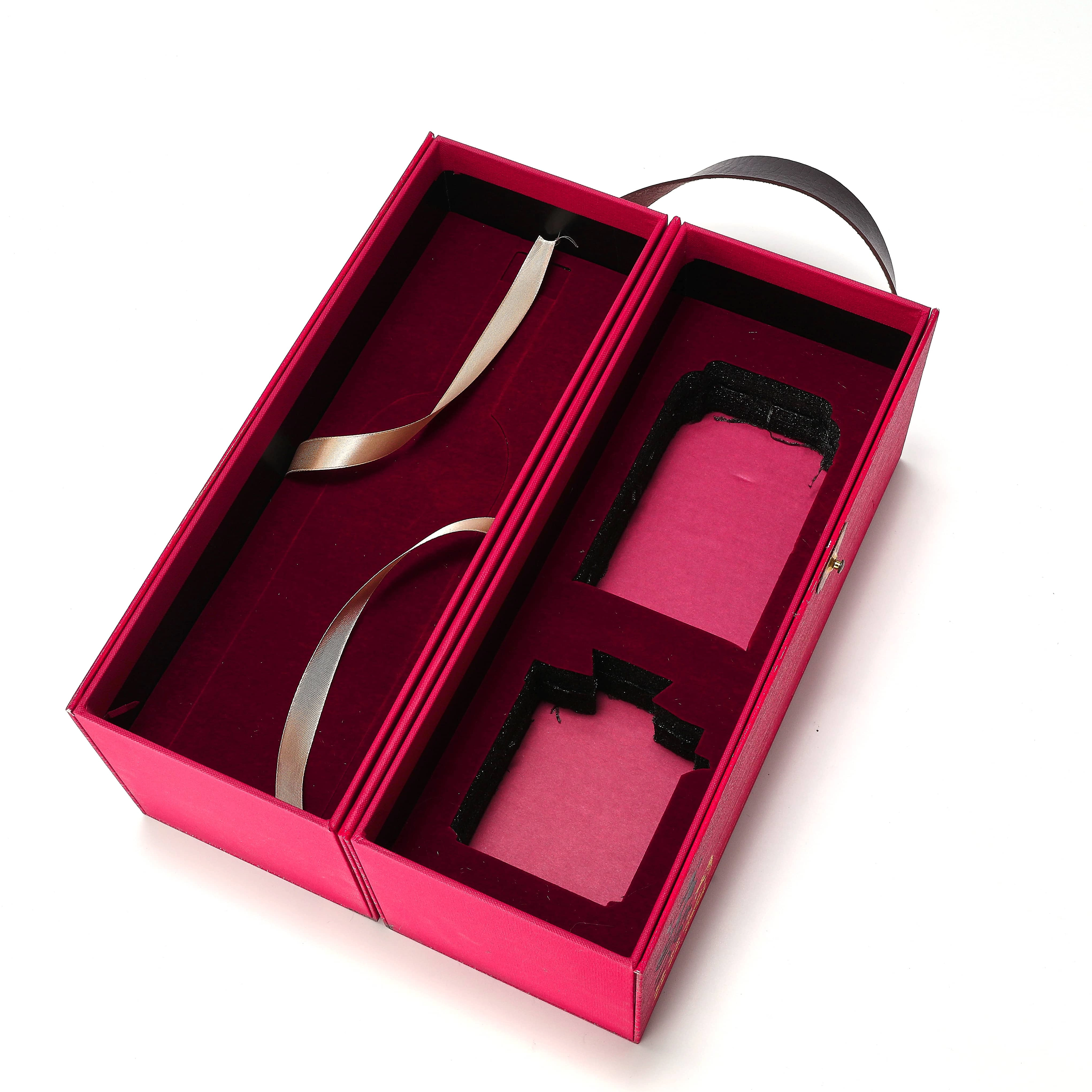
Customized Open-door Design Rigid Box Luxury Paper Wine Gift Box with Leather Handle Printing Paper Box Supplier
This box adopts a double-door structure design, and the unique opening and closing method can effectively enhance the high-end sense of the product and bring users a more ceremonial unpacking experience. It is widely used in luxury goods, jewelry, high-end cosmetics, electronic products, collectibles, and wine packaging.

Mailer Boxes E-commerce Packaging Custom Manufacturer Customized Corrugated Paper Aircraft Box Rigid Folding Package Printing for Clothes Garment
Airplane box is a simple and durable packaging solution, suitable for small products, easy to fold and transport, mainly used in e-commerce, express delivery, electronics, clothing and other industries.
© 2025 WINPACK PRINTING. All rights reserved

Wenhua Printing packaging
winpackprinting
Winpack Printing