




Flexographic Printing Quality Control and Inspection Checklist
- Achieving Consistent Print Quality in Packaging Production
- Pre-Press and Plate Preparation: Foundation of Quality
- Artwork and Color Management
- Plate Making and Relief Control
- Proofing and Pre-Press Approval
- Press Setup and In-Process Inspection
- Ink and Anilox Control
- Registration, Dot Gain and Color Density Measurements
- Substrate Feeding and Tension Management
- Inline and Offline Inspection Techniques
- Inline Camera and Vision Systems
- Manual Visual Inspection and Sampling Plans
- Physical and Functional Testing
- Common Defects, Causes and Corrective Actions
- Defect Catalogue and Root Causes
- Severity and Acceptance Table
- Practical Checklist: Daily and Job-Specific Items
- Start-of-Shift / First-Off Checklist
- In-Process Monitoring Checklist
- End-of-Run and Post-Press Checks
- Case Study: Measurable Improvements via Systematic QC
- Before-and-After Data (Example)
- Key Takeaway
- Winpack Capabilities and How a Trusted Supplier Supports QC
- Why Choose Winpack for Flexographic Packaging?
- Frequently Asked Questions (FAQ)
- 1. What is the single most important QC step in flexographic printing?
- 2. How often should I clean anilox rolls?
- 3. What tolerance should I set for Delta E in packaging work?
- 4. Which instruments are essential for a basic flexo QC lab?
- 5. How do I handle substrate variability between lots?
- 6. Can automation replace human inspection?
- Contact and Next Steps
- References and Further Reading
Achieving Consistent Print Quality in Packaging Production
Flexographic printing is a primary production method for custom boxes packaging and a variety of flexible and paper-based pack formats. Effective quality control (QC) in flexography combines process control, inspection checkpoints, and measurable acceptance criteria to reduce waste, maintain brand color fidelity, and ensure functional integrity of packaging. This article provides a deep, practical QC and inspection checklist suitable for converters, printers, and packaging specifiers focused on repeatability and verifiable outcomes.
Pre-Press and Plate Preparation: Foundation of Quality
Artwork and Color Management
Before plate-making, verify artwork specifications: correct dielines, bleed, trap, and ink separations. Use ICC-based color management for predictable CMYK and spot color reproduction. Ensure PDFs are packaged with fonts and linked images. Key measurable checks: resolution (minimum 300 dpi for continuous tone images), overprint settings, and correct spot-to-process conversion where required.
Plate Making and Relief Control
Flexo plates must have uniform relief, correct dot geometries and consistent hardness. Inspect plates for baseline consistency, surface defects, and proper mounting registration marks. Measure plate relief and Shore hardness where relevant: significant variation in relief or hardness contributes to dot gain or mottling. Document plate lot numbers and sampling results for traceability.
Proofing and Pre-Press Approval
Always approve a certified proof (spectrophotometric proof or press-form proof) that includes color bars, registration marks, and crop marks. Use spectrophotometer readings (Delta E thresholds) to confirm intended color tolerances before press start-up — typical production targets: Delta E ≤ 3 for brand-critical colors (tight tolerance) and ≤ 5 for secondary colors, unless otherwise specified.
Press Setup and In-Process Inspection
Ink and Anilox Control
Record ink batch numbers, rheology properties (viscosity), and drying behavior. Inspect anilox rolls for cell volume, wear, and contamination. Use cell count and volume appropriate to the desired ink film thickness. Implement scheduled anilox inspection and cleaning to maintain uniform transfer. Measure ink film thickness when necessary with gravimetric or optical methods.
Registration, Dot Gain and Color Density Measurements
Set up and verify registration using control marks; acceptable registration tolerances depend on package size and artwork, commonly ±0.5 mm for primary panels. Use a densitometer/spectrophotometer to monitor color density and dot area. Track dot gain (digital or visual) and compare to pre-press targets. Maintain SPC (statistical process control) charts for key color patches.
Substrate Feeding and Tension Management
Substrate selection and handling affect print quality. Verify substrate type, caliper, and surface energy (dyne level). Check web tension and register stability throughout the press run. Poor tension control causes banding, ghosting, and registration shifts; document tension setpoints and observed deviations.
Inline and Offline Inspection Techniques
Inline Camera and Vision Systems
Modern flexo lines use high-resolution camera systems for 100% inspection of registration, defects, and print presence. Define alarm thresholds for defects (size, color deviation) and set rejection or mark-for-review rules. Validate system detection rates against human inspection at startup to calibrate sensitivity and reduce false positives.
Manual Visual Inspection and Sampling Plans
Supplement automated systems with trained human inspection. Use ISO sampling plans (e.g., ANSI/ASQ Z1.4 or equivalent) where statistical acceptance is required. Define sample sizes and acceptance criteria for first-off, in-process, and final inspection. Keep photographic records of nonconformances for corrective action.
Physical and Functional Testing
Perform adhesive, scuff, rub, and fold tests depending on packaging end-use. Typical tests include rub resistance (Crockmeter), gloss measurement, adhesion tape test (ASTM D3359), and creasing/folding tests to detect cracking on coated stocks. For food or pharmaceutical packaging, ensure barrier layers and lamination meet regulatory and performance specifications.
Common Defects, Causes and Corrective Actions
Defect Catalogue and Root Causes
Below is a table summarizing common flexographic defects, likely causes and recommended corrective actions.
| Defect | Likely Causes | Corrective Action |
|---|---|---|
| Color Variation / Delta E high | Ink batch variation; anilox wear; incorrect viscosity; substrate lot differences | Standardize ink batches; clean/replace anilox; control viscosity; substrate pretests |
| Registration Shift | Tension changes; improper plate mounting; machine vibration | Stabilize tension; re-mount plates with jigs; maintenance on press bearings |
| Banding / Mottle | Anilox contamination; improper anilox cell selection; substrate roughness | Deep-clean anilox; select proper cell volume; use smoother substrate or adjust ink |
| Ghosting | Ink starvation; improper anilox transfer; press drive irregularities | Adjust ink fountain; check anilox condition; inspect drive mechanics |
| Scuffing / Poor Rub Resistance | Inadequate ink cure; incompatible top coat; low adhesion | Improve curing; change coatings; perform adhesion primer or corona treatment |
Severity and Acceptance Table
Define acceptance based on defect severity and end-use. Example tolerance guidance:
| Defect Severity | Typical Accept/Reject Rule | Notes |
|---|---|---|
| Critical | Reject batch | Brand color off; structural failure; safety/labeling error |
| Major | Evaluate sample area; may require rework | Noticeable visual defects affecting aesthetics |
| Minor | Accept with concession | Small, isolated spots or negligible color shift in secondary areas |
Practical Checklist: Daily and Job-Specific Items
Start-of-Shift / First-Off Checklist
- Verify substrate lot and caliper; test surface energy (dyne) if coating/adhesion is critical.
- Confirm plate IDs, mounting orientation, and registration marks are correct.
- Record ink batch numbers, viscosity, and target density for each color.
- Run first-off proof; measure Delta E for critical brand colors and record results.
In-Process Monitoring Checklist
- Every 15–30 minutes: check registration marks, color bars, and visual defects; log any deviations.
- Hourly: densitometer/spectrophotometer reading on control patches; update SPC charts.
- Shift maintenance: inspect anilox roll condition and clean as required; verify tension settings.
End-of-Run and Post-Press Checks
- Inspect trimmed and folded samples for cracking, scuffing, and dimensional accuracy.
- Verify barcodes/QR codes scan; check variable data accuracy if applicable.
- Document nonconformances, corrective actions, and sign off on release certificates.
Case Study: Measurable Improvements via Systematic QC
Before-and-After Data (Example)
A mid-size converter implemented spectrophotometric first-off checks and hourly SPC logging. Within 90 days they reported a 30% reduction in rework and a 20% reduction in ink waste by standardizing anilox cleaning intervals and tightening Delta E limits on brand colors.
Key Takeaway
Consistent measurement, traceability, and actionable control limits typically yield rapid ROI. Investing in training and calibrated instruments pays off in reduced scrap, improved client satisfaction, and stronger margins.
Winpack Capabilities and How a Trusted Supplier Supports QC
In 2016, Guangdong Winpack Printing Technology Development Co., Ltd. was officially established as a professional paper box printing manufacturer specializing in designing, proofing, printing, and producing a wide range of packaging and printed materials.
Our services include customized production of stickers, labels, paper bags, gift boxes, beauty boxes, pizza boxes, books, brochures, flyers, etc.
Winpack caters to diverse industries, including cosmetics, food, healthcare, pharmaceuticals, and electronics.
Our 15,000-square-meter factory is equipped with state-of-the-art technology. We utilize an advanced screen plate-making system and top-tier machinery such as the Heidelberg printing machine, high-speed paper cutter, Lithrone GL-40A machine, and anti-counterfeiting inkjet printer to ensure superior quality and efficiency.
Our vision is to become the world's leading custom paper box packaging manufacturer. Our website is https://www.winpackprinting.com/
Why Choose Winpack for Flexographic Packaging?
- Integrated pre-press and proofing capabilities reduce first-off errors and color deviations.
- Modern equipment (Heidelberg, Lithrone GL-40A, advanced plate-making) supports tight tolerances and efficient runs.
- Industry experience across cosmetics, food, pharma and electronics ensures compliance and finish options (anti-counterfeiting inks, coatings).
- Product range includes custom gable boxes, custom gift boxes, custom display boxes, custom rigid boxes, custom folding boxes, custom paper tubes boxes, custom window boxes, custom special-shape boxes, custom pillow boxes, custom take out boxes — enabling one-stop production for packaging suites.
Winpack’s QC strengths combine technical capability (plate-making, precision presswork), certified inspection protocols, and traceable documentation to meet demanding brand and regulatory specifications.
Frequently Asked Questions (FAQ)
1. What is the single most important QC step in flexographic printing?
While multiple steps are critical, the first-off proof with spectrophotometric verification often yields the largest reduction in downstream adjustments and rework. Establishing correct color targets and registration at startup prevents compounding errors.
2. How often should I clean anilox rolls?
Cleaning frequency depends on ink and substrate but common practice is daily for UV or high-solids inks and weekly for conventional inks, with immediate cleaning when transfer issues or banding appear. Implement condition-based cleaning informed by visual and performance checks.
3. What tolerance should I set for Delta E in packaging work?
For brand-critical colors, target Delta E ≤ 3. For less-critical colors or secondary panels, Delta E ≤ 5 may be acceptable. Final tolerances should be agreed with the brand owner and documented in job specs.
4. Which instruments are essential for a basic flexo QC lab?
A densitometer or spectrophotometer, a dot area/dot gain measurement tool, a gloss meter, adhesion test kit (tape), and simple mechanical calipers for board thickness are the core instruments. Advanced labs may add Crockmeter, tensile testers, and high-resolution inspection cameras.
5. How do I handle substrate variability between lots?
Require certificates of conformity from suppliers and test each new lot against preflight standards. Record caliper, basis weight, coating type and surface energy, and perform a short run to confirm printability before full production.
6. Can automation replace human inspection?
Automation (camera systems, AI vision) greatly improves detection rates and consistency for repeat defects, but human judgment is still required for contextual decisions, aesthetic evaluations and complex corrective actions. Use both together for best results.
Contact and Next Steps
If you need implementation support or a partner for high-quality custom paper box packaging, contact Winpack for RFQs, proofs and production planning. Visit https://www.winpackprinting.com/ or email your specifications and artwork files to their sales team for a tailored proposal. Winpack can provide samples, first-off proofs and full QC documentation to match Winpack requirements.
References and Further Reading
- Flexography (Wikipedia) — https://en.wikipedia.org/wiki/Flexography (accessed 2026-01-01)
- Flexographic Technical Association — https://www.flexography.org/ (accessed 2026-01-01)
- ISO — Printing and graphic technology standards overview — https://www.iso.org/ics/65.020/x/ (accessed 2026-01-01)
- Smithers: Packaging Industry Reports (industry trends and QA practices) — https://www.smithers.com/ (accessed 2026-01-01)
- ANSI/ASQ Z1.4 — Sampling Procedures and Tables for Inspection by Attributes (refer to official standard documentation) — https://asq.org/ (accessed 2026-01-01)
Custom large cardboard box Manufacturers and Suppliers in us
Best professional laptop mailer box manufacturers and supplier brands in Guangzhou
Top Cosmetic Packaging Box Trends to Watch
Best professional cake paper boxes manufacturers and supplier brands in Guangzhou
OEM Services
What is the minimum order quantity (MOQ) for OEM orders?
Our MOQ varies depending on the type of packaging and material used. We offer flexible MOQ options to accommodate both small businesses and large-scale manufacturers. Contact us for a tailored quote based on your needs.
Do you ship internationally?
Yes, we have a well-established global supply chain and offer international shipping services. Whether you need local or worldwide delivery, we ensure reliable logistics support.
About Us
How soon we can get a sample?
Usually,reference sample within 2 days. Customized sample need 5-7days.
Rigid Drawer Box
How long does it usually take from design confirmation to delivery?
The lead time is usually 15-25 days, depending on the production of the order
About Printing Craftsmanship
What is embossing, and how is it different from debossing?
Embossing is a technique that creates a raised impression on a material, while debossing presses the design inward, creating a recessed effect. Both techniques add texture and sophistication to printed materials.

Customized Print Shopping Window Paper Bag Festivals Party Supplies Packaging Cardboard Paper Shopping Bag with logo
This is a packaging form that combines display and portability. Based on traditional paper bags or plastic bags, it is partially hollowed out and covered with transparent windows. Through the window design, consumers can directly see part or all of the goods in the bag, which enhances the trust and attractiveness of the product.

Customized Perfume Gift Box Packaging
Perfume Gift Box – Premium Custom Packaging for Luxury Fragrance Brands
Our custom perfume gift boxes are designed to combine luxury, protection, and brand storytelling — perfect for perfume brands, gift sets, and promotional collections.
Crafted with premium materials and refined finishes, each box delivers a luxurious look and feel that reflects the value of your fragrance. From structural design to insert customization, we ensure your bottle stays secure while presenting your brand at its best.
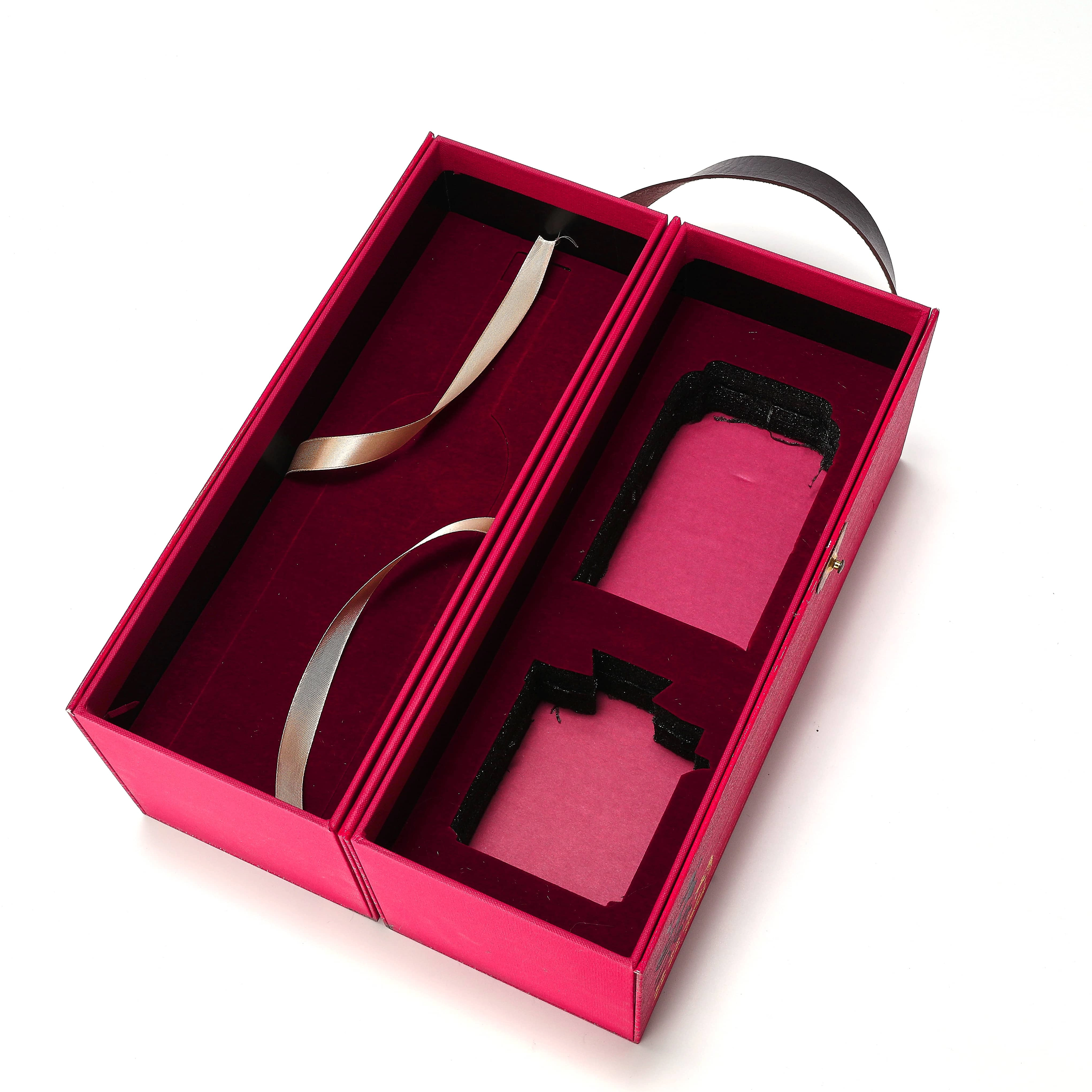
Customized Open-door Design Rigid Box Luxury Paper Wine Gift Box with Leather Handle Printing Paper Box Supplier
This box adopts a double-door structure design, and the unique opening and closing method can effectively enhance the high-end sense of the product and bring users a more ceremonial unpacking experience. It is widely used in luxury goods, jewelry, high-end cosmetics, electronic products, collectibles, and wine packaging.

Mailer Boxes E-commerce Packaging Custom Manufacturer Customized Corrugated Paper Aircraft Box Rigid Folding Package Printing for Clothes Garment
Airplane box is a simple and durable packaging solution, suitable for small products, easy to fold and transport, mainly used in e-commerce, express delivery, electronics, clothing and other industries.
© 2025 WINPACK PRINTING. All rights reserved

Wenhua Printing packaging
winpackprinting
Winpack Printing