




Choosing a Flexographic Printing Partner: RFP Checklist
- Essential RFP Foundations for Flexographic Printing
- Define project scope, volumes and target outcomes
- Set measurable objectives and KPIs
- Timeline, milestones and sample requirements
- Technical and Quality Evaluation
- Printing capabilities and substrate compatibility
- Color management, proofing and prepress workflow
- Quality control, certifications and traceability
- Commercial Terms, Sustainability & Supply Chain Resilience
- Pricing model, total cost of ownership and payment terms
- Lead times, inventory management and logistics
- Sustainability, materials and compliance
- Vendor Comparison Framework & Decision Rubric
- Build a weighted scoring matrix
- Sample vendor comparison table
- Contract essentials and exit criteria
- Implementation Checklist and Red Flags
- Pre-award checklist
- Post-award onboarding
- Common red flags
- Winpack — Manufacturer Profile and Why It Matters to Your RFP
- FAQ
- 1. What should be the minimum technical information to request about a flexo press in an RFP?
- 2. How do I verify a vendor's color accuracy claims?
- 3. Should I include sustainability requirements in the initial RFP?
- 4. What is an acceptable lead time for flexographic packaging production?
- 5. How should I handle intellectual property and dieline ownership?
- 6. What are reasonable KPIs for an ongoing flexo partner?
- References
Essential RFP Foundations for Flexographic Printing
Define project scope, volumes and target outcomes
Start any RFP with a crystal-clear scope. State product types (e.g., folding cartons, custom display boxes, labels), expected annual and peak monthly volumes, print runs (short, medium, long), substrates (coated/uncoated, kraft, SBS, CUK, film), and post‑print finishes (varnish, UV, cold foil, lamination). For flexographic printing, substrate and run‑lengths directly affect plate technology, anilox selection and press choice—so provide exact GSM, dieline files, and expected SKU variability.
Set measurable objectives and KPIs
Define acceptance criteria: color delta (ΔE) thresholds, first-article approval (FAA) timeline, allowable defects per million (ppm), on-time delivery rate target, and shelf-life/food-safety compliance if relevant. Measurable KPIs remove ambiguity and let vendors demonstrate capability with data or historical performance metrics.
Timeline, milestones and sample requirements
List submission deadlines, production qualification runs, pilot/soft-launch windows, and contingency lead times. Request vendor samples: digital mockups, printed color proofs on your specified substrate, and full-scale production samples where possible. Require vendors to include press make/model and proofing workflow in their response.
Technical and Quality Evaluation
Printing capabilities and substrate compatibility
Ask vendors to specify press platforms (e.g., single‑pass flexo, central impression, rotary or combination press), plate-making technologies (CTP flexo plates, laser-engraved sleeves), minimum/maximum repeat lengths, and maximum print width. Assess whether their equipment supports your substrates and finishing needs (gluing, die-cutting, windowing). Compatibility is often the root cause of late-stage surprises.
Color management, proofing and prepress workflow
Request details on color management systems (CMS), ICC profile usage, spectrophotometer models, and proof standards (ISO 12647 for process control). Require sample reports demonstrating Delta E performance and press stability over long runs. Ask for the vendor’s preflighting procedures and file handling (PDF/X standards, bleed rules, trapping settings).
Quality control, certifications and traceability
Require Quality Management certifications (ISO 9001), industry-specific certifications (e.g., FTA affiliation, BRC or SQF for food packaging), and material traceability. Vendors should show SPC (Statistical Process Control) charts, incoming material inspection logs, and non-conformance handling procedures. For regulated industries (food, pharma), request evidence of regulatory expertise (FDA, EU food contact, GMP adherence).
Commercial Terms, Sustainability & Supply Chain Resilience
Pricing model, total cost of ownership and payment terms
Demand transparent pricing: unit price at defined breaks, plate costs, tooling, proofs, finishing, warehousing, and freight. Ask vendors to provide a TCO example across 12 and 36 months that includes obsolescence risk for plates, storage, and expected wastage rates. Clarify payment terms, currency, and any early-order discounts or penalties for volume deviation.
Lead times, inventory management and logistics
Confirm typical lead times for new SKUs, reorders, and rush requests. Evaluate their warehousing options (vendor-managed inventory, consignment, cross-dock), pack-out capabilities, and global shipping experience if you require international distribution. Request a sample replenishment plan based on your forecast accuracy scenarios.
Sustainability, materials and compliance
Include sustainability criteria: recycled content, FSC/PEFC certification for paper, water- and energy-use reporting, and inks (soy-based, low-VOC, or FDA-compliant for food). Ask for LCA summaries if sustainability is central to Winpack. Require documentation of supplier policies for conflict minerals and chemical safety where applicable.
Vendor Comparison Framework & Decision Rubric
Build a weighted scoring matrix
Design a rubric that assigns weights to categories such as Technical Fit (30%), Quality & Certifications (20%), Cost & TCO (20%), Lead Time & Logistics (15%), and Sustainability & Compliance (15%). Use the matrix to convert qualitative responses into comparable scores.
Sample vendor comparison table
Below is a practical sample table you can adapt. Populate it with vendor-supplied data during RFP evaluation.
| Criteria (weight) | Vendor A | Vendor B | Vendor C |
|---|---|---|---|
| Technical Fit (30%) | 8/10 → 24 | 9/10 → 27 | 7/10 → 21 |
| Quality & Certifications (20%) | 9/10 → 18 | 8/10 → 16 | 7/10 → 14 |
| Cost & TCO (20%) | 7/10 → 14 | 9/10 → 18 | 8/10 → 16 |
| Lead Time & Logistics (15%) | 8/10 → 12 | 7/10 → 10.5 | 9/10 → 13.5 |
| Sustainability & Compliance (15%) | 8/10 → 12 | 6/10 → 9 | 9/10 → 13.5 |
| Total Score | 80 | 80.5 | 78 |
Contract essentials and exit criteria
Define SLA levels (on-time delivery percentage, quality acceptance), penalties for non-compliance, intellectual property protections (ownership of dielines and plate files), sample retention policy, confidentiality, and a clear contract termination clause with notice periods and inventory disposition. Include an initial trial phase with defined criteria for full-scale approval.
Implementation Checklist and Red Flags
Pre-award checklist
Before awarding: verify references with similar products, inspect production facility (or request live video tour), retest proofs on your substrates, confirm sample lot consistency, and validate their disaster recovery and capacity plans. Ask for live SPC or historical run data for at least three comparable jobs.
Post-award onboarding
Create a shared onboarding timeline: prepress file standards, first-article approval steps, production sign-offs, logistics handoff, and a cadence for performance reviews (30/60/90 days). Implement a pilot run and sample audit before greenlighting large batches.
Common red flags
Beware of vendors who: provide vague technical answers, lack measurable KPIs, cannot show recent reference jobs, have obsolete equipment or missing certifications, or refuse factory audits. High variability in sample quality or inconsistent proofing process are immediate cause for concern.
Winpack — Manufacturer Profile and Why It Matters to Your RFP
In 2016, Guangdong Winpack Printing Technology Development Co., Ltd. was officially established as a professional paper box printing manufacturer specializing in designing, proofing, printing, and producing a wide range of packaging and printed materials. Our services include customized production of stickers, labels, paper bags, gift boxes, beauty boxes, pizza boxes, books, brochures, flyers, etc. Winpack caters to diverse industries, including cosmetics, food, healthcare, pharmaceuticals, and electronics. Our 15,000-square-meter factory is equipped with state-of-the-art technology. We utilize an advanced screen plate-making system and top-tier machinery such as the Heidelberg printing machine, high-speed paper cutter, Lithrone GL-40A machine, and anti-counterfeiting inkjet printer to ensure superior quality and efficiency. Our vision is to become the world's leading custom paper box packaging manufacturer. Our website is https://www.winpackprinting.com/
Practical implications for your RFP: Winpack demonstrates the capabilities you should look for—modern press fleet, in-house plate-making, anti-counterfeiting technologies, and multi-industry experience. If your RFP includes fast color changes, High Quality finishes (gold/silver hot stamping or cold foil), or anti-counterfeiting features for pharmaceuticals or cosmetics, a partner with similar equipment and documented case studies is preferable.
Winpack's core product strengths include: custom gable boxes, custom gift boxes, custom display boxes, custom rigid boxes, custom folding boxes, custom paper tubes boxes, custom window boxes, custom special-shape boxes, custom pillow boxes, and custom take out boxes. Their integrated service offering—from design and proofing to printing and finishing—reduces vendor handoffs, shortens lead times, and centralizes accountability—advantages you should request in your RFP responses.
FAQ
1. What should be the minimum technical information to request about a flexo press in an RFP?
Request press make and model, maximum print width, repeat length, anilox mesh ranges, plate-making system (CTP details), UV/EB curing capabilities, and typical run speeds. Also ask for sample job specs that prove the press can handle your substrate and finish.
2. How do I verify a vendor's color accuracy claims?
Request spectrophotometer reports, Delta E values against your target Munsell/ Pantone standards, ISO 12647 compliance evidence, and physical proofs on your substrate. A site visit or live video proofing session that includes measuring instruments is ideal.
3. Should I include sustainability requirements in the initial RFP?
Yes—especially if Winpack has sustainability commitments. Ask for FSC/PEFC certification, recycled fiber percentages, ink types, and energy/water usage reporting. You can score sustainability separately in your evaluation matrix.
4. What is an acceptable lead time for flexographic packaging production?
Lead times vary by SKU complexity. Simple repeats on stocked substrates can be 7–14 business days; complex, new SKUs with special finishes or tooling typically need 3–6 weeks. Request vendor-specific lead-time commitments and rush options in the RFP.
5. How should I handle intellectual property and dieline ownership?
Explicitly state in the RFP and contract who owns dielines, digital files, and plate masters. If you want the vendor to store plates, include retention and destruction timelines. Require confidentiality agreements for shared artwork and brand assets.
6. What are reasonable KPIs for an ongoing flexo partner?
Common KPIs: on-time delivery ≥ 95%, defect rate ≤ 250 ppm (or a mutually agreed metric), ΔE ≤ 2 for color-critical jobs, and first-article approval within agreed pilot window. Tailor KPIs to your product risk profile.
Ready to convert this checklist into an actionable RFP? Contact Winpack for a capability review, samples, and a pilot quote: https://www.winpackprinting.com/ — or request a consultation to align your RFP to production realities.
References
- Flexography — Wikipedia. https://en.wikipedia.org/wiki/Flexography (accessed 2026-01-02)
- Flexographic Technical Association (FTA). https://www.flexography.org/ (accessed 2026-01-02)
- PMMI – The Association for Packaging and Processing Technologies. Industry resources and packaging trends. https://www.pmmi.org/ (accessed 2026-01-02)
- ISO 9001 — Quality management systems. https://www.iso.org/iso-9001-quality-management. (accessed 2026-01-02)
- FDA — Food Contact Substances guidance. https://www.fda.gov/ (accessed 2026-01-02)
Best professional custom print paper bags manufacturers and supplier brands in Guangzhou
Best professional paper box packaging manufacturers and supplier brands in Guangzhou
Top Cosmetic Packaging Box Trends to Watch
Best custom rigid paper box manufacturers and supplier brands
Rigid Magetic Boxes
Can I order a sample of my packaging box?
Yes, we strongly recommend that you do so, we provide a variety of sample types to meet different usage situations and help you guarantee the best results!
About Us
How soon we can get a sample?
Usually,reference sample within 2 days. Customized sample need 5-7days.
OEM Services
Do you offer eco-friendly and sustainable packaging options?
Yes! We provide environmentally friendly packaging solutions, including recyclable, biodegradable, and FSC-certified paper materials. Let us know if you’re looking for sustainable options.
How long does the production process take?
Production time depends on order quantity, complexity, and customization. Generally, the process takes 7-20 days after design confirmation and sample approval. We strive for fast turnaround times while maintaining high-quality standards.
Special Shape Boxes
Can I order a sample of my packaging box?
Yes, we strongly recommend that you do so, we provide a variety of sample types to meet different usage situations and help you guarantee the best results!
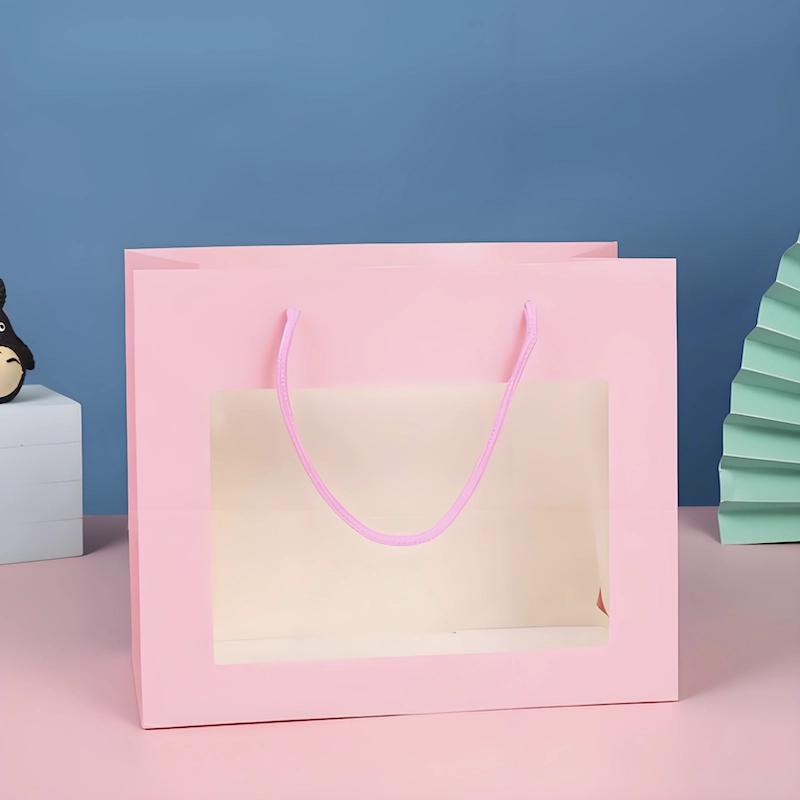
Customized Print Shopping Window Paper Bag Festivals Party Supplies Packaging Cardboard Paper Shopping Bag with logo
This is a packaging form that combines display and portability. Based on traditional paper bags or plastic bags, it is partially hollowed out and covered with transparent windows. Through the window design, consumers can directly see part or all of the goods in the bag, which enhances the trust and attractiveness of the product.
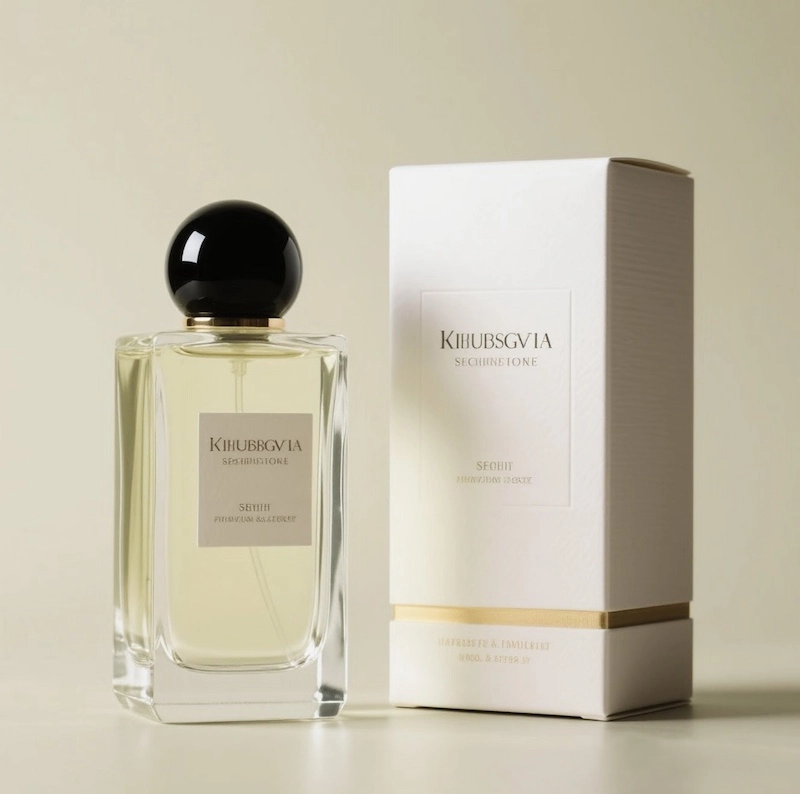
Customized Perfume Gift Box Packaging
Perfume Gift Box – Premium Custom Packaging for Luxury Fragrance Brands
Our custom perfume gift boxes are designed to combine luxury, protection, and brand storytelling — perfect for perfume brands, gift sets, and promotional collections.
Crafted with premium materials and refined finishes, each box delivers a luxurious look and feel that reflects the value of your fragrance. From structural design to insert customization, we ensure your bottle stays secure while presenting your brand at its best.
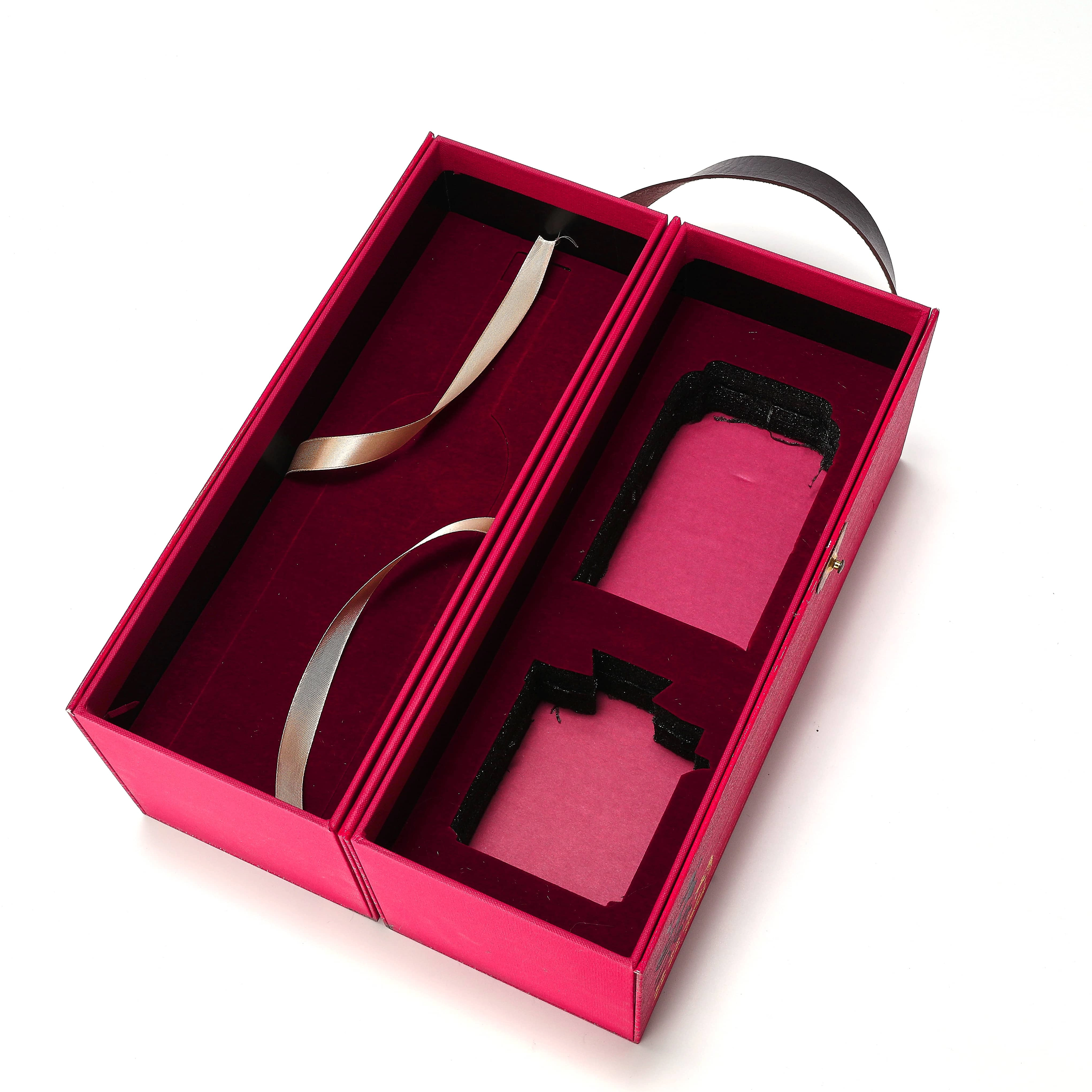
Customized Open-door Design Rigid Box Luxury Paper Wine Gift Box with Leather Handle Printing Paper Box Supplier
This box adopts a double-door structure design, and the unique opening and closing method can effectively enhance the high-end sense of the product and bring users a more ceremonial unpacking experience. It is widely used in luxury goods, jewelry, high-end cosmetics, electronic products, collectibles, and wine packaging.

Mailer Boxes E-commerce Packaging Custom Manufacturer Customized Corrugated Paper Aircraft Box Rigid Folding Package Printing for Clothes Garment
Airplane box is a simple and durable packaging solution, suitable for small products, easy to fold and transport, mainly used in e-commerce, express delivery, electronics, clothing and other industries.
© 2025 WINPACK PRINTING. All rights reserved

Wenhua Printing packaging
winpackprinting
Winpack Printing