




Food-Safe Materials: Choosing Custom Packaging for Safety
- Assessing Material Safety for Food Packaging
- Why material choice matters for food safety
- Primary risks to control
- Common Food-Safe Materials and Their Trade-offs
- How to read the table for a specific product
- When to prefer mono-material vs. multi-layer
- Regulatory Requirements and Testing for Food-Contact Materials
- Key regulatory frameworks
- Required testing and validation
- Third-party certification and audits
- Design and Manufacturing Controls for Safe Custom Food Packaging
- Material sourcing and supplier qualification
- Ink, adhesive, and coating considerations
- Process controls: hygiene and contamination prevention
- Case study: barrier choice for a high-fat sauce
- Making the Final Choice: Practical Steps for Brands
- Step 1 — Define product and supply chain requirements
- Step 2 — Shortlist materials and request data
- Step 3 — Test and validate
- Step 4 — Monitor and review post-launch
- How a Reliable Packaging Partner Supports Food-Safe Custom Solutions
- Capabilities to expect from a qualified manufacturer
- About Winpack: manufacturing capacity and services
- Winpack advantages and main products for food brands
- Frequently Asked Questions (FAQ)
- 1. What does 'food-safe' actually mean for packaging materials?
- 2. Can paperboard be used for oily or liquid foods?
- 3. Are compostable materials always the best sustainable choice?
- 4. How do I ensure inks and adhesives are food-safe?
- 5. What testing should I request from a packaging supplier?
- 6. How does regulation differ across major markets?
- References and further reading
Assessing Material Safety for Food Packaging
Selecting the right materials for custom food packaging is more than aesthetics — it is a combination of chemistry, regulation, barrier science, and manufacturing control. Food brands need packaging that protects products, prevents contamination and migration, meets regional food-contact laws, and aligns with sustainability targets. This article walks through materials, testing, regulatory frameworks, and decision steps to choose safe, effective custom food packaging.
Why material choice matters for food safety
Materials determine oxygen and moisture barrier, chemical migration risk, heat resistance for processing, and compatibility with food types (acidic, fatty, alcoholic). Choosing an inappropriate substrate can lead to quality loss, taints, or in worst cases, harmful migration of substances into food. For example, fatty foods increase the risk of extracting lipophilic substances from certain plastics.
Primary risks to control
When specifying custom food packaging, control three main risks: (1) microbial contamination via packaging defects or poor sealing; (2) chemical migration of monomers, additives, inks, adhesives or coatings; (3) physical hazards from foreign particles. Material selection must be paired with manufacturing controls and validated testing to mitigate these risks.
Common Food-Safe Materials and Their Trade-offs
Below is a practical comparison of common materials used in custom food packaging. This helps match product needs (shelf life, heat processing, recyclability) to the right substrate.
| Material | Key properties | Barrier / heat resistance | Recyclability & sustainability notes | Best uses |
|---|---|---|---|---|
| Polyethylene (PE) | Flexible, good moisture barrier, low cost | Moderate; not ideal for high-heat sterilization | Widely recyclable where PE streams exist; mono-materials preferred | Snack pouches (with barrier layers), liners, bags |
| Polypropylene (PP) | Higher heat resistance than PE, good chemical resistance | Good; suitable for hot-fill and some retort if specified | Recyclable; growing recycling streams | Containers, microwaveable trays, heat-sealed lids |
| Polyethylene Terephthalate (PET) | Strong, clear, excellent oxygen barrier when metallized or coated | Good heat resistance for pasteurization; limited for retort | Highly recyclable in many regions; widely accepted in PET streams | Bottles, blisters, clamshells |
| Glass | Inert, impermeable, excellent barrier | Very high; withstands sterilization and retort | Infinitely recyclable; heavy and energy-intensive to transport | High Quality beverages, sauces, long-shelf products |
| Aluminum / Metal | Excellent barrier, light-blocking | High; used in cans and foil laminates | Highly recyclable; energy cost in production | Canned foods, foil pouches, lidding |
| Paperboard (coated) | Printable, renewable fiber, requires coatings/lamination for barrier | Variable: needs wax/PE/PLA/foil liner for moisture/oxygen barrier | Fiber is renewable; coatings complicate recycling/composting | Folding cartons, take-out boxes, bakery trays |
| Bioplastics (PLA, PHA) | Compostable under controlled conditions; lower barrier for some formulations | Varies; PLA is heat-sensitive; blends improve properties | Industrial composting required in many cases; emerging recycling streams | Cold food containers, coated paper laminates, limited hot-fill uses |
Sources: regulatory guidance and packaging science (listed below).
How to read the table for a specific product
Start with the product profile: water activity, fat content, pH, processing temperature (cold fill / hot fill / retort), shelf-life, and distribution environment. Use that to eliminate incompatible materials (e.g., avoid PLA for high-temp retort). Then refine by barrier needs and brand sustainability goals.
When to prefer mono-material vs. multi-layer
Mono-material constructions simplify recycling and often improve compliance, but might not meet barrier needs. Multi-layer laminates (e.g., PET/PE/Al foil) can deliver excellent barrier and shelf-life but complicate end-of-life. Aim for balanced solutions: mono-material barrier coatings, recyclable laminates, or designs facilitating mechanical recycling.
Regulatory Requirements and Testing for Food-Contact Materials
Key regulatory frameworks
Major markets enforce food-contact rules: in the U.S., the FDA regulates Food Contact Substances (FCS) and maintains guidance on permitted additives and migration testing; in the EU, Regulation (EU) No 10/2011 specifies plastic materials and migration limits; EFSA provides scientific opinions on substances. Internationally, Codex Alimentarius offers global standards and principles.
Required testing and validation
To claim a material is food-safe, the typical controls include: specific migration testing with food simulants, overall migration limits, organoleptic testing (taste/odor), and sensory assessments. For processes like retort, thermal stability testing and shelf-life studies are necessary. Records should include supplier declarations (e.g., Declaration of Compliance), batch traceability, and control of inks/adhesives.
Third-party certification and audits
Consider third-party test labs accredited to ISO/IEC 17025 for migration testing and retained sample testing. Food safety management systems such as ISO 22000 or certification to GFSI-recognized schemes help ensure the packaging supplier controls contamination risks and documentation.
Design and Manufacturing Controls for Safe Custom Food Packaging
Material sourcing and supplier qualification
Use qualified suppliers who provide compliant raw material documentation: regulatory clearances, formulation declarations, and migration data. Audit supplier quality systems, capacity, and track record for food projects. Require Certificates of Analysis (CoA) and Declaration of Conformity.
Ink, adhesive, and coating considerations
Inks and adhesives applied to food-contact surfaces must be food-grade or applied outside the direct food-contact area with validated barrier layers. Some inks can migrate; choose low-migration or food-compatible formulations, and validate using migration tests with appropriate simulants.
Process controls: hygiene and contamination prevention
Manufacturers should maintain clean production lines, segregated food-contact and non-food lines, and validated cleaning procedures. For custom solutions, ensure post-print lamination, slitting, and finishing do not introduce contamination or compromise seal integrity.
Case study: barrier choice for a high-fat sauce
For an oil-rich sauce requiring 12 months shelf life at ambient temperature, choose a laminate with a high grease barrier (e.g., PET/Al/PE) or a coated high-barrier paperboard with internal PE or EVOH layer. Conduct accelerated shelf-life and migration studies using fatty food simulants (e.g., isooctane or olive oil simulant protocols).
Making the Final Choice: Practical Steps for Brands
Step 1 — Define product and supply chain requirements
Document the food matrix (water activity, acidity, fat content), processing temperatures, required shelf life, storage conditions, and distribution geography. Add brand goals: recyclability, shelf appeal, tactile finishes.
Step 2 — Shortlist materials and request data
Ask potential suppliers for migration data, CoC, and food-contact declarations. Request sample runs, and if possible, trial packs for sensory and shelf-life testing under real-world conditions.
Step 3 — Test and validate
Contract accredited labs for migration and overall safety tests. Run accelerated shelf-life studies and consumer sensory checks. Document findings and include acceptance criteria in purchase agreements.
Step 4 — Monitor and review post-launch
Collect market feedback, monitor any complaints and perform periodic re-testing when raw material suppliers change or if legislation updates require review.
How a Reliable Packaging Partner Supports Food-Safe Custom Solutions
Capabilities to expect from a qualified manufacturer
A reputable custom packaging manufacturer for food should offer: material science expertise, in-house proofing and quality control, access to barrier laminates and coatings, validated printing and finishing processes, and support for regulatory documentation and testing coordination.
About Winpack: manufacturing capacity and services
In 2016, Guangdong Winpack Printing Technology Development Co., Ltd. was officially established as a professional paper box printing manufacturer specializing in designing, proofing, printing, and producing a wide range of packaging and printed materials. Our services include customized production of stickers, labels, paper bags, gift boxes, beauty boxes, pizza boxes, books, brochures, flyers, etc. Winpack caters to diverse industries, including cosmetics, food, healthcare, pharmaceuticals, and electronics. Our 15,000-square-meter factory is equipped with state-of-the-art technology. We utilize an advanced screen plate-making system and top-tier machinery such as the Heidelberg printing machine, high-speed paper cutter, Lithrone GL-40A machine, and anti-counterfeiting inkjet printer to ensure superior quality and efficiency. Our vision is to become the world's leading custom paper box packaging manufacturer. Our website is https://www.winpackprinting.com/
Winpack advantages and main products for food brands
Winpack combines strong production capacity, advanced equipment and industry experience to deliver compliant custom food packaging. Key product offerings relevant to food brands include: custom gable boxes, custom gift boxes, custom display boxes, custom rigid boxes, custom folding boxes, custom paper tubes boxes, custom window boxes, custom special-shape boxes, custom pillow boxes, custom take out boxes. Winpack emphasizes material selection guidance, customization flexibility (size, finishes, closures), and the ability to produce barrier-lined or laminated solutions for food-contact needs.
Frequently Asked Questions (FAQ)
1. What does 'food-safe' actually mean for packaging materials?
Food-safe means the material and all additives (inks, adhesives, coatings) do not transfer harmful levels of substances to the food under intended use. Compliance is demonstrated by regulatory approvals, migration testing and documented supplier declarations.
2. Can paperboard be used for oily or liquid foods?
Plain paperboard is permeable to oils and moisture. For oily or wet foods, you need an internal barrier like PE/PLA lining, wax, foil, or dedicated grease-resistant coatings. Validate with real-food and simulant migration testing.
3. Are compostable materials always the best sustainable choice?
Not always. Compostable materials like PLA require industrial composting for proper breakdown; if local infrastructure doesn't exist, they may contaminate recycling streams. Evaluate local end-of-life systems before selecting compostable substrates.
4. How do I ensure inks and adhesives are food-safe?
Specify food-contact grade inks/adhesives or ensure they are printed outside the food-contact area with validated barrier layers in between. Require supplier declarations and migration test results to confirm safety.
5. What testing should I request from a packaging supplier?
Request specific migration testing (with appropriate food simulants), overall migration results, sensory/organoleptic testing, thermal stability if used for hot fill/retort, and supplier Declarations of Conformity. Prefer test reports from ISO/IEC 17025-accredited labs.
6. How does regulation differ across major markets?
The underlying principle is similar: prevent harmful migration and contamination. The specifics differ — the FDA has a notified list and guidance, while the EU uses Regulation 10/2011 for plastics with specific migration limits and permitted substances. Always check target-market regulations when exporting.
For custom food packaging solutions, a qualified packaging partner will help interpret regulations, run necessary tests, and document compliance to mitigate commercial and food-safety risk.
Contact & product inquiry: If you need advice or custom packaging samples for food products, request a consultation or view Winpack's product range and capabilities at https://www.winpackprinting.com/. For project quotes and technical support, contact Winpack through their website to discuss material selection, barrier needs, and regulatory documentation.
References and further reading
- U.S. Food & Drug Administration (FDA) - 'Packaging & Food Contact Substances (FCS)' - https://www.fda.gov/food/food-ingredients-packaging/packaging-food-contact-substances-fcs - accessed 2026-01-07
- European Commission - Regulation (EU) No 10/2011 on plastics materials and articles intended to come into contact with food - https://eur-lex.europa.eu/legal-content/EN/TXT/?uri=CELEX%3A32011R0010 - accessed 2026-01-07
- European Food Safety Authority (EFSA) - Food Contact Materials topic page - https://www.efsa.europa.eu/en/topics/topic/food-contact-materials - accessed 2026-01-07
- Codex Alimentarius - General principles and standards for food packaging - http://www.fao.org/fao-who-codexalimentarius/en/ - accessed 2026-01-07
- ISO - 'ISO 22000 - Food safety management' overview - https://www.iso.org/iso-22000-food-safety-management. - accessed 2026-01-07
- European Bioplastics - information about compostable bioplastics (PLA/PHA) - https://www.european-bioplastics.org/ - accessed 2026-01-07
- European Commission - Food contact materials general information - https://ec.europa.eu/food/safety/chemical_safety/food_contact_materials_en - accessed 2026-01-07
The latest trends for custom label roll
Eco-Friendly Custom Sticker Bags: Sustainable Materials Guide
Sustainable Cosmetic Packaging Boxes: Materials Guide
How to Design Custom Rigid Boxes: Step-by-Step Tips
About Printing Craftsmanship
What are the different types of printing techniques?
There are various printing techniques used for different purposes, including:
Offset Printing – Ideal for high-volume commercial printing, offering sharp and high-quality images.
Digital Printing – Suitable for short-run printing with fast turnaround times.
Screen Printing – Used for printing on textiles, plastics, and other materials with thick ink layers.
Hot Stamping – Adds metallic or pigmented foil using heat and pressure for a luxurious look.
Embossing & Debossing – Creates raised or recessed designs for a textured effect.
UV Printing – Uses ultraviolet light to instantly dry ink, offering vibrant colors and enhanced durability.
What is screen printing used for?
Screen printing is ideal for printing on a variety of surfaces, including:
Fabric (t-shirts, tote bags)
Plastic (bottles, packaging)
Paper (posters, packaging)
Metal and glass (signs, promotional products)
About Us
How long does shipping take?
Air freight options range from 7-21 days, while ocean freight options range from 26-71 days. If you need some units expedited earlier, consider splitting your shipment between air and ocean!
What are your lead times?
Production typically takes 12-16 days, and 16-21 days for larger volume orders. Shipping times will depend on the shipping channel you choose.
OEM Services
Can you help with packaging design if I don’t have one?
Yes! Our experienced design team can assist in creating packaging that aligns with your brand’s vision. We can develop concepts, offer material recommendations, and ensure compliance with industry standards.

Customized Print Shopping Window Paper Bag Festivals Party Supplies Packaging Cardboard Paper Shopping Bag with logo
This is a packaging form that combines display and portability. Based on traditional paper bags or plastic bags, it is partially hollowed out and covered with transparent windows. Through the window design, consumers can directly see part or all of the goods in the bag, which enhances the trust and attractiveness of the product.
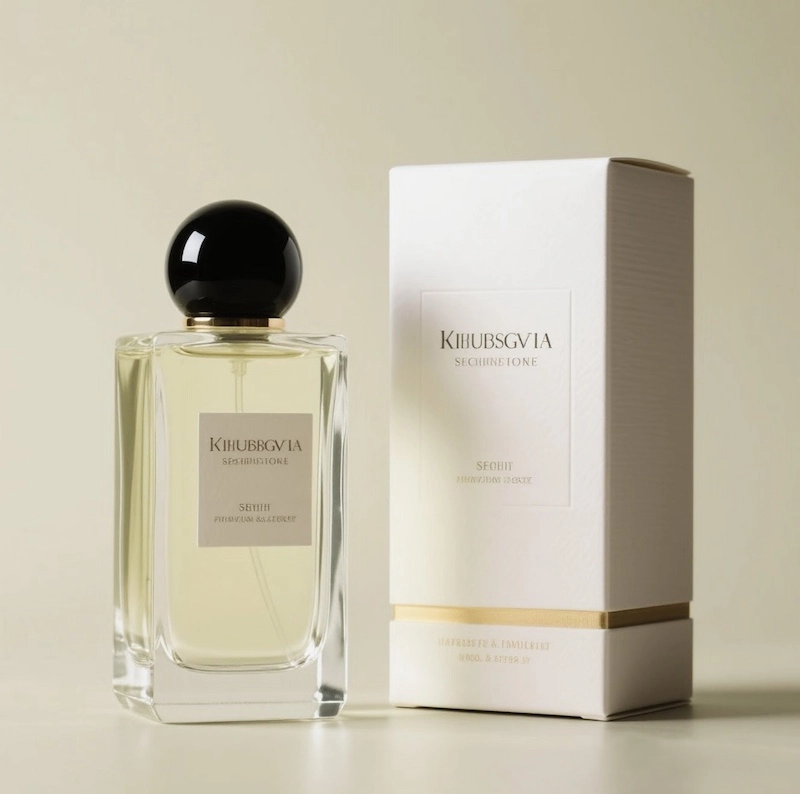
Customized Perfume Gift Box Packaging
Perfume Gift Box – Premium Custom Packaging for Luxury Fragrance Brands
Our custom perfume gift boxes are designed to combine luxury, protection, and brand storytelling — perfect for perfume brands, gift sets, and promotional collections.
Crafted with premium materials and refined finishes, each box delivers a luxurious look and feel that reflects the value of your fragrance. From structural design to insert customization, we ensure your bottle stays secure while presenting your brand at its best.
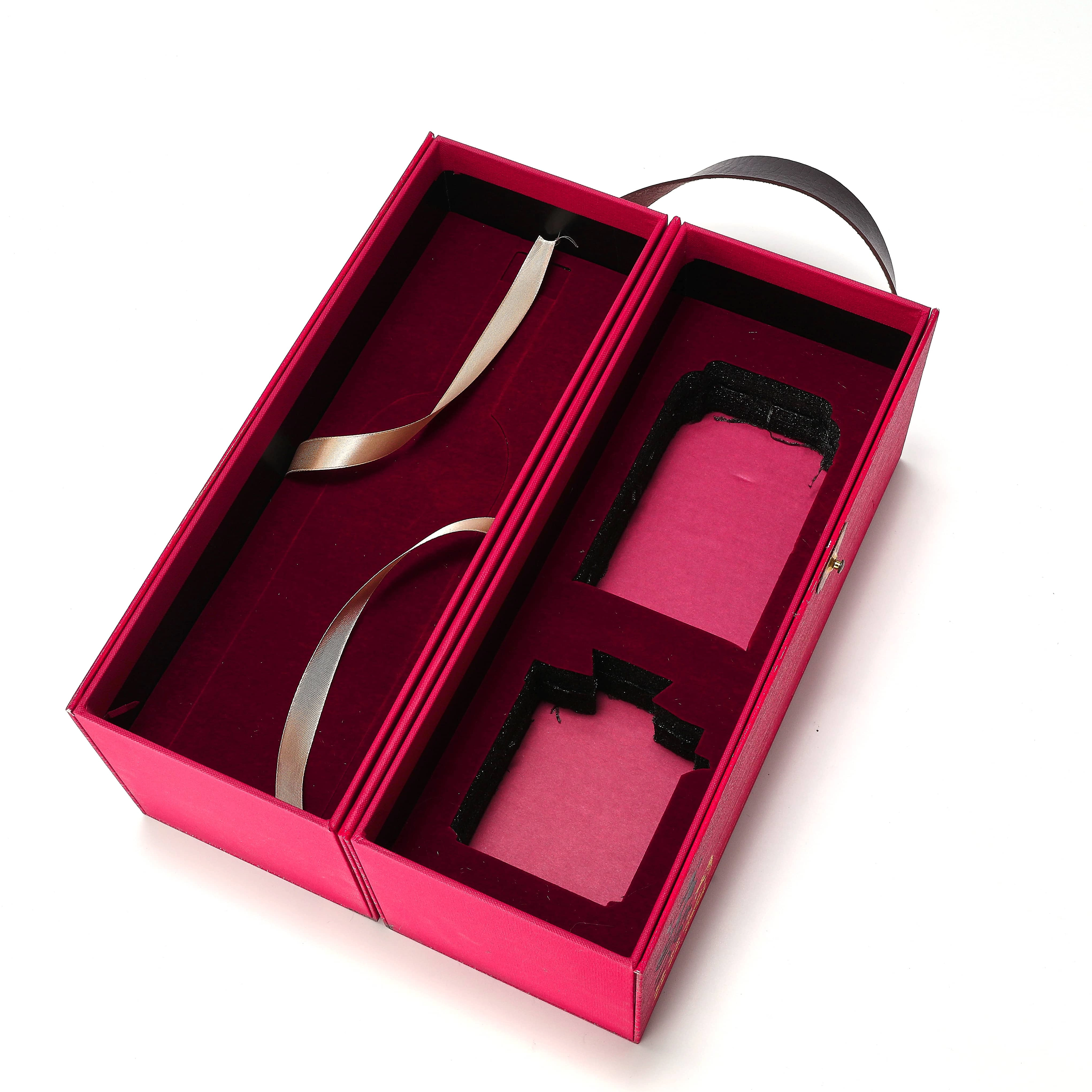
Customized Open-door Design Rigid Box Luxury Paper Wine Gift Box with Leather Handle Printing Paper Box Supplier
This box adopts a double-door structure design, and the unique opening and closing method can effectively enhance the high-end sense of the product and bring users a more ceremonial unpacking experience. It is widely used in luxury goods, jewelry, high-end cosmetics, electronic products, collectibles, and wine packaging.

Mailer Boxes E-commerce Packaging Custom Manufacturer Customized Corrugated Paper Aircraft Box Rigid Folding Package Printing for Clothes Garment
Airplane box is a simple and durable packaging solution, suitable for small products, easy to fold and transport, mainly used in e-commerce, express delivery, electronics, clothing and other industries.
© 2025 WINPACK PRINTING. All rights reserved

Wenhua Printing packaging
winpackprinting
Winpack Printing