




How Custom Packaging Improves Shelf Life and Safety
- Packaging and Food Safety: The Big Picture
- Why custom packaging matters for shelf life
- Regulatory and standards context
- Traceability, labeling and consumer safety
- Materials and Technologies that Extend Shelf Life
- Barrier properties: oxygen, moisture and light
- Modified atmosphere and vacuum sealing
- Active and intelligent packaging
- Design, Testing and Quality Controls
- Design decisions that reduce contamination risk
- Shelf‑life testing and predictive modeling
- Quality control during production
- Comparing Packaging Solutions — Performance and Use Cases
- Typical outcomes by packaging type
- Cost vs. benefit analysis
- Case selection: choosing the right approach
- Implementation: From Prototype to Production
- Working with suppliers and prototyping
- Scale-up and inspection
- Communicating with consumers and supply chain
- Winpack: Packaging Expertise that Supports Shelf Life and Safety
- FAQs
- 1. How much can custom food packaging realistically extend shelf life?
- 2. Are active packaging components safe to use with all foods?
- 3. Will switching to custom packaging increase my costs a lot?
- 4. How do I validate shelf-life claims for packaged products?
- 5. Can paperboard packaging be used for moisture-sensitive foods?
- 6. What role does tamper-evident packaging play in food safety?
- Contact and Next Steps
As a packaging consultant with extensive experience in custom food packaging, I regularly advise food brands on strategies that extend shelf life and protect consumer safety. In this article I summarize practical, evidence-based approaches — from barrier materials and modified atmosphere systems to antimicrobial and tamper‑evident features — and show how tailored packaging design reduces spoilage, improves traceability, and helps meet regulatory requirements. I reference authoritative sources (FDA, ISO, USDA/FSIS, and peer‑reviewed reviews) so you can verify the claims and apply the solutions in your operation.
Packaging and Food Safety: The Big Picture
Why custom packaging matters for shelf life
Shelf life is determined by biological, chemical, and physical changes in food (microbial growth, oxidation, moisture migration, texture changes). Custom food packaging addresses these mechanisms by controlling the food’s micro‑environment: oxygen levels, humidity, light exposure, mechanical stress, and contamination risk. Using the right combination of materials and design (barrier films, lamination, seals, and headspace gases) can significantly delay spoilage and reduce recalls. For background on regulatory expectations for food-contact materials, see the FDA guidance on food contact substances (FDA: Packaging & Food-Contact Substances).
Regulatory and standards context
Designing packaging for safety also means complying with food‑safety standards. ISO 22000 describes food safety management system requirements that often intersect with packaging controls (ISO 22000). In the U.S., the FDA oversees food-contact materials; in addition, USDA/FSIS and EU rules guide labeling and shelf‑life claims. Aligning materials selection and testing with these standards reduces legal and public‑health risk.
Traceability, labeling and consumer safety
Custom packaging can integrate lot codes, QR/serialization, and storage instructions that improve traceability and help consumers store products safely. Clear date marking and storage advice reduce consumer misuse and foodborne illness risk. The EU and U.S. guidance on date marking supports consistent communication to end users; for more, see the FDA and EU food labeling resources.
Materials and Technologies that Extend Shelf Life
Barrier properties: oxygen, moisture and light
A core tactic in custom food packaging is to select materials with appropriate barrier properties. EVOH, metallized films, and aluminum foil laminates provide low oxygen transmission rates (OTR), reducing oxidative rancidity and aerobic microbial growth. Moisture barrier layers (e.g., polyethylene, PVDC) control water activity migration which affects texture and mold growth. Where light‑sensitive ingredients are present, opaque or light‑blocking layers prevent photodegradation.
Modified atmosphere and vacuum sealing
Modified atmosphere packaging (MAP) and vacuum packaging are widely used to extend shelf life of meats, cheeses, fresh produce and ready‑to‑eat meals. MAP replaces or modifies the atmosphere around the product (commonly lowering O2 and increasing CO2/N2) to slow microbial growth and oxidation. Vacuum packaging reduces headspace oxygen and protects against aerobic spoilage. The USDA/FSIS provides guidance on vacuum and MAP for safe use in meat and poultry (USDA/FSIS).
Active and intelligent packaging
Active packaging includes oxygen scavengers, ethylene absorbers, moisture regulators, and antimicrobial sachets/films that actively interact with the product to prolong freshness. Intelligent packaging uses sensors, time‑temperature indicators (TTIs), or freshness indicators to inform supply chain stakeholders and consumers about product condition. A useful technical overview is available in peer‑reviewed literature summarizing active/intelligent packaging benefits (PubMed: Active and Intelligent Packaging Review).
Design, Testing and Quality Controls
Design decisions that reduce contamination risk
I emphasize hygienic design: tamper‑evident seals, reclosable features, and smooth internal surfaces that reduce crevices where bacteria can establish. For ready‑to‑eat foods, single‑use, tamper‑evident closures and clear handling instructions are critical to prevent post‑packaging contamination.
Shelf‑life testing and predictive modeling
Real shelf‑life claims require validated testing: accelerated aging, real‑time storage trials, and challenge tests to measure microbial growth under expected distribution and retail conditions. Predictive microbiology models (e.g., ComBase) can supplement physical testing to forecast spoilage under different conditions. These tests must be aligned with regulatory expectations for claims verification.
Quality control during production
Quality systems should include incoming material verification (e.g., barrier film OTR tests), seal integrity testing (vacuum decay, dye ingress), and batch traceability. Implementing HACCP/ISO 22000 principles ensures packaging choices are integrated into overall food safety plans.
Comparing Packaging Solutions — Performance and Use Cases
Typical outcomes by packaging type
To illustrate tradeoffs, I present a comparison of common packaging strategies and typical impacts on shelf life and safety for representative food categories.
| Packaging Type | Typical Application | Primary Benefit | Typical Shelf Life Impact | Notes / Safety Considerations |
|---|---|---|---|---|
| High-barrier laminate (EVOH/foil) | Dried foods, snacks, oils | Blocks O2, moisture, light | Often 2–5x extending oxidation-limited shelf life | Material compliance with food-contact regulations required (FDA) |
| MAP (modified atmosphere) | Fresh meat, cheese, salads | Slows aerobic microbes and oxidation | Weeks to months depending on product | Gas composition, film OTR, and cold chain critical (USDA/FSIS) |
| Vacuum packaging | Cured meats, cheese, sous-vide meals | Removes headspace O2 | 1.5–3x for many products | Clostridium botulinum risk in anaerobic environment must be controlled |
| Active packaging (scavengers) | Fresh produce, bakery) | Removes gases or moisture; antimicrobial action | Varies; can significantly slow spoilage when matched properly | Compatibility and migration testing required |
Sources: USDA/FSIS, FDA, and reviews on active packaging (PubMed review).
Cost vs. benefit analysis
Custom food packaging often increases unit packaging cost, but I encourage brands to calculate total landed cost: packaging + product loss + returns/recalls + brand impact. In many cases, a packaging upgrade that reduces spoilage by 20–40% produces net savings via lower waste and fewer quality incidents.
Case selection: choosing the right approach
Select packaging based on failure mode analysis: is oxidation the main issue? Use barrier films. Is moisture migration the problem? Add desiccants or moisture barriers. Is contamination post-processing a concern? Use tamper‑evident, sealed formats and hygienic design. Combining strategies (e.g., MAP + high barrier + active scavenger) is common for high-value products.
Implementation: From Prototype to Production
Working with suppliers and prototyping
When I help clients, we prototype with realistic materials, run accelerated shelf‑life tests, and iterate. Collaborating with experienced converters and printers who understand food‑contact regulations is essential. Material certificates, migration testing, and seal validation are part of the approval process.
Scale-up and inspection
Scale-up introduces new variables: machine speed, seal quality at production rates, and inline testing capability. I recommend pre‑production validation runs and automated inspection (seal integrity, print quality, serialization) to prevent mass failures.
Communicating with consumers and supply chain
Packaging should clearly state storage conditions, best‑before/use‑by dates, and handling instructions. Consider QR codes linking to handling videos or provenance to reinforce safe use and brand transparency.
Winpack: Packaging Expertise that Supports Shelf Life and Safety
In 2016, Guangdong Winpack Printing Technology Development Co., Ltd. was officially established as a professional paper box printing manufacturer specializing in designing, proofing, printing, and producing a wide range of packaging and printed materials. Our services include customized production of stickers, labels, paper bags, gift boxes, beauty boxes, pizza boxes, books, brochures, flyers, etc. Winpack caters to diverse industries, including cosmetics, food, healthcare, pharmaceuticals, and electronics. Our 15,000-square-meter factory is equipped with state-of-the-art technology. We utilize an advanced screen plate-making system and top-tier machinery such as the Heidelberg printing machine, high-speed paper cutter, Lithrone GL-40A machine, and anti-counterfeiting inkjet printer to ensure superior quality and efficiency. Our vision is to become the world's leading custom paper box packaging manufacturer. Our website is https://www.winpackprinting.com/ and our email is [email protected].
I have worked with packaging manufacturers like Winpack to integrate functional features into printed paperboard and specialty boxes that support food safety and shelf life: lining paperboard with films for moisture and oxygen barriers, incorporating tamper-evident closures, designing structures that protect MAP pouches, and adding printed indicators or serialization for traceability. Winpack's capabilities in custom gable boxes, custom gift boxes, custom display boxes, custom rigid boxes, custom folding boxes, custom paper tubes boxes, custom window boxes, custom special-shape boxes, custom pillow boxes, custom take out boxes make them a versatile partner for brands that need both protective performance and branded presentation.
Their investment in high-end equipment and anti-counterfeiting printing helps ensure consistent production quality and authenticity protections that can be critical for higher-value food items or pharmaceutical-adjacent products. Working with a manufacturer that understands both print quality and functional lamination/lining options expedites the path from concept to validated production.
FAQs
1. How much can custom food packaging realistically extend shelf life?
It depends on the product and the failure mode. For oxidation-sensitive dry goods, high-barrier laminates can often double or triple shelf life. For fresh meats, MAP and vacuum packaging commonly extend refrigerated shelf life from days to weeks when combined with proper cold chain management. Always validate claims with real-time or accelerated testing aligned with regulatory guidance (see FDA and USDA/FSIS resources).
2. Are active packaging components safe to use with all foods?
Active components (oxygen scavengers, antimicrobial agents) must be approved for food contact or packaged in a way that they do not directly migrate into food unless they are explicitly authorized. Migration testing and compliance with food-contact regulations are required. Consult FDA/EFSA guidance and your materials supplier for certification.
3. Will switching to custom packaging increase my costs a lot?
Unit packaging cost often increases, but you must evaluate total cost of ownership: reduced product spoilage, fewer returns and recalls, extended distribution reach, and improved shelf appeal. In many cases ROI is positive when reduced waste and improved sales are considered.
4. How do I validate shelf-life claims for packaged products?
Use a combination of real-time shelf-life studies, accelerated aging tests, and challenge tests where appropriate. Document test conditions (temperature, humidity, light), and use accepted microbiological and physicochemical criteria. Predictive models (ComBase) can supplement but not replace empirical validation.
5. Can paperboard packaging be used for moisture-sensitive foods?
Yes — paperboard can be laminated or lined with barrier films (e.g., PE, EVOH, foil) to provide moisture and oxygen protection while retaining High Quality print and structural properties. Custom solutions balance sustainability, performance, and cost.
6. What role does tamper-evident packaging play in food safety?
Tamper-evident features deter intentional interference and provide an obvious signal if a package has been compromised. They are a low-cost safety layer and help maintain consumer trust.
Contact and Next Steps
If you want to explore how custom food packaging can extend your product's shelf life and improve safety, I can help design a solution, prototype materials, and validate shelf-life claims. For production-grade custom boxes and integrated printed solutions, consider partnering with an experienced manufacturer.
For custom packaging manufacturing and production inquiries, Winpack is available to discuss requirements: visit https://www.winpackprinting.com/ or email [email protected]. Whether you need custom gable boxes, custom gift boxes, custom display boxes, custom rigid boxes, custom folding boxes, custom paper tubes boxes, custom window boxes, custom special-shape boxes, custom pillow boxes, or custom take out boxes, they have the equipment and experience to support food-safe, shelf-life enhancing packaging solutions.
References and further reading: FDA packaging & food-contact guidance (FDA), ISO 22000 overview (ISO), USDA/FSIS resources (USDA/FSIS), and a technical review of active and intelligent packaging (PubMed).
Top Trends in Custom Rigid Boxes for 2026
Top custom luxury gift boxes Manufacturers and Suppliers in China
Best professional laptop mailer box manufacturers and supplier brands in Guangzhou
Wholesale food paper packaging manufacturer and supplier
About Printing Craftsmanship
What is hot stamping, and where is it used?
Hot stamping is a printing process that applies metallic or pigmented foil to a surface using heat and pressure. It is widely used for:
Luxury packaging (cosmetics, wine, gourmet foods)
Business cards
Event invitations
Labels and stickers
High-end stationery
What is screen printing used for?
Screen printing is ideal for printing on a variety of surfaces, including:
Fabric (t-shirts, tote bags)
Plastic (bottles, packaging)
Paper (posters, packaging)
Metal and glass (signs, promotional products)
What factors should I consider when choosing a printing technique?
Material: Some methods work better on specific surfaces (e.g., screen printing for fabric, offset for paper).
Budget: Offset is cost-effective for large runs, while digital printing is better for short runs.
Aesthetic & Finish: If you need metallic effects, choose hot stamping; for texture, consider embossing.
Durability: UV printing and screen printing offer long-lasting prints resistant to fading.
Special Shape Boxes
How long does it usually take from design confirmation to delivery?
The lead time is usually 15-25 days, depending on the production of the order
Can I print on the inside of the box?
Yes, you can print any effect you want on the inside.
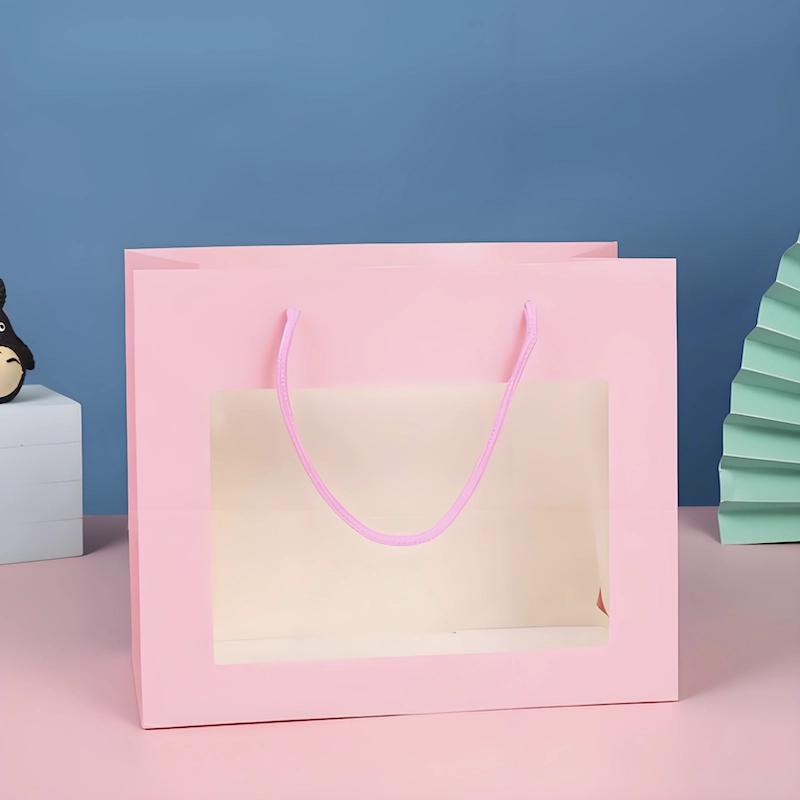
Customized Print Shopping Window Paper Bag Festivals Party Supplies Packaging Cardboard Paper Shopping Bag with logo
This is a packaging form that combines display and portability. Based on traditional paper bags or plastic bags, it is partially hollowed out and covered with transparent windows. Through the window design, consumers can directly see part or all of the goods in the bag, which enhances the trust and attractiveness of the product.
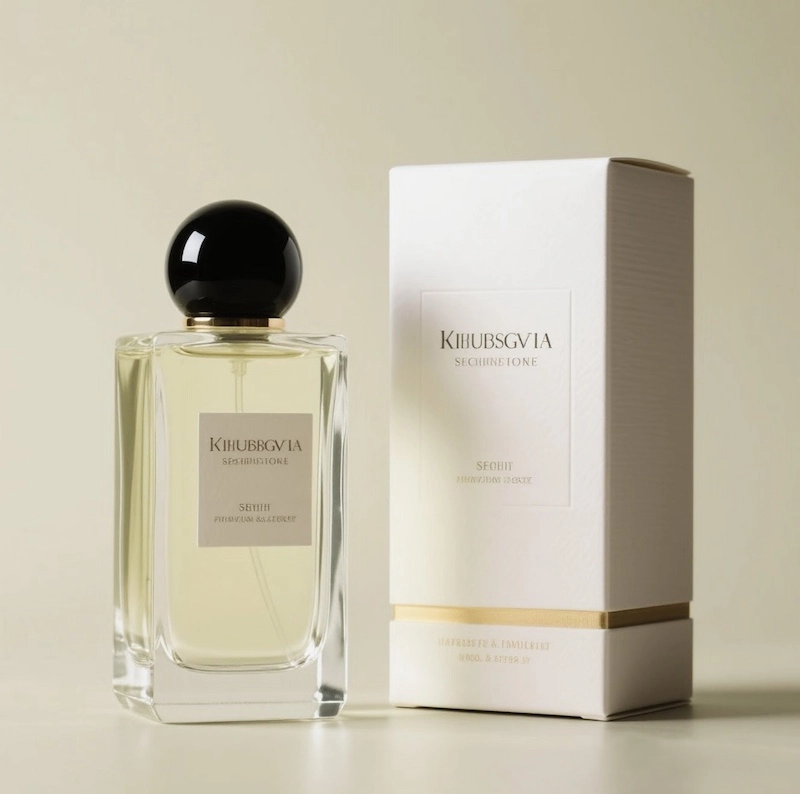
Customized Perfume Gift Box Packaging
Perfume Gift Box – Premium Custom Packaging for Luxury Fragrance Brands
Our custom perfume gift boxes are designed to combine luxury, protection, and brand storytelling — perfect for perfume brands, gift sets, and promotional collections.
Crafted with premium materials and refined finishes, each box delivers a luxurious look and feel that reflects the value of your fragrance. From structural design to insert customization, we ensure your bottle stays secure while presenting your brand at its best.
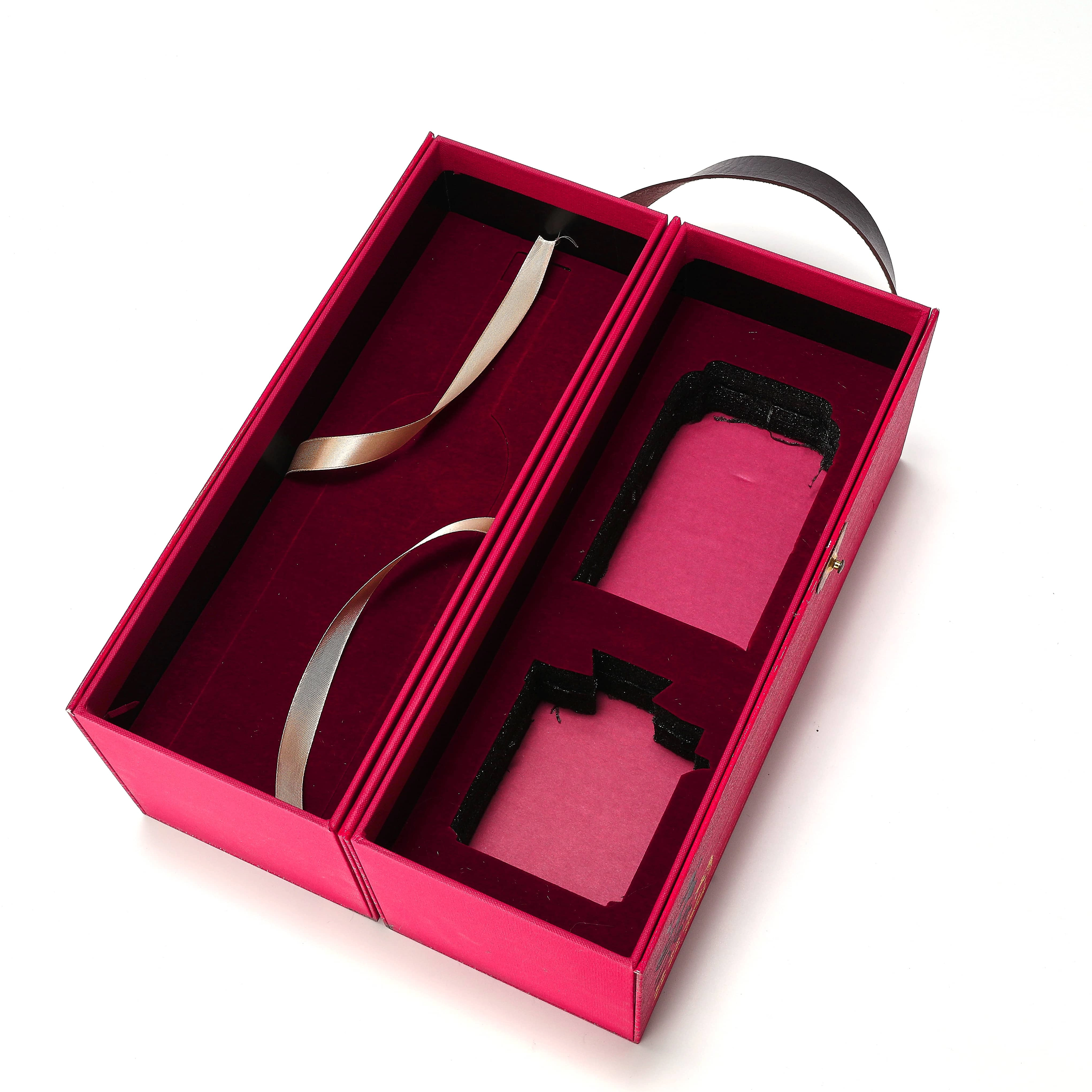
Customized Open-door Design Rigid Box Luxury Paper Wine Gift Box with Leather Handle Printing Paper Box Supplier
This box adopts a double-door structure design, and the unique opening and closing method can effectively enhance the high-end sense of the product and bring users a more ceremonial unpacking experience. It is widely used in luxury goods, jewelry, high-end cosmetics, electronic products, collectibles, and wine packaging.

Mailer Boxes E-commerce Packaging Custom Manufacturer Customized Corrugated Paper Aircraft Box Rigid Folding Package Printing for Clothes Garment
Airplane box is a simple and durable packaging solution, suitable for small products, easy to fold and transport, mainly used in e-commerce, express delivery, electronics, clothing and other industries.
© 2025 WINPACK PRINTING. All rights reserved

Wenhua Printing packaging
winpackprinting
Winpack Printing