




How to Design Custom Rigid Boxes: Step-by-Step Tips
- Practical Guide to Designing Effective Custom Rigid Boxes
- Why strong design matters for custom rigid boxes
- 1. Start with user intent and brand positioning for custom rigid boxes
- 2. Define functional requirements and dimensions for custom rigid boxes
- Key specifications to document
- 3. Choose materials & construction for custom rigid boxes
- 4. Structural design & dielines: make manufacturable custom rigid boxes
- 5. Visual design: print, finishes and branding for custom rigid boxes
- 6. Prototyping and testing for custom rigid boxes
- 7. Cost control & order quantity decisions for custom rigid boxes
- 8. Choosing the right manufacturer and preparing production-ready files for custom rigid boxes
- Winpack — manufacturing capabilities and why it matters for custom rigid boxes
- Winpack advantages and core products for custom rigid boxes
- 9. Quality control and packaging for shipment of custom rigid boxes
- 10. Sustainability considerations for custom rigid boxes
- Comparison: Short runs vs long runs for custom rigid boxes
- FAQ — Frequently asked questions about custom rigid boxes
- Q1: How long does it take to design and produce custom rigid boxes?
- Q2: What is the minimum order quantity for custom rigid boxes?
- Q3: How do I make sure colors match across different print runs?
- Q4: Are custom rigid boxes recyclable?
- Q5: Can I include anti-counterfeiting features in my custom rigid boxes?
- Q6: How much does a custom rigid box cost?
- Contact & next steps — get a quote or see sample custom rigid boxes
- References
Practical Guide to Designing Effective Custom Rigid Boxes
Why strong design matters for custom rigid boxes
Custom rigid boxes are often the first tactile interaction customers have with a High Quality product. Good design protects the product, reinforces brand positioning, reduces returns, and creates an unboxing moment that supports repeat purchase and word-of-mouth. This guide walks you through a step-by-step process—balancing creativity, engineering, and manufacturability—so you can design custom rigid boxes that look High Quality and are production-ready.
1. Start with user intent and brand positioning for custom rigid boxes
Before choosing materials or finishes, define why you're using custom rigid boxes. Ask:
- Is the box protecting a fragile product (cosmetics, electronics) or presenting a gift item (jewelry, High Quality food)?
- What emotional response should the unboxing deliver—luxury, sustainability, fun?
- Are there logistic constraints—flat packing, international shipping, retail shelving?
Answering these determines structural strength, internal inserts, and finishing. For instance, luxury cosmetics may prioritize soft-touch lamination and magnetic closures; food or pharmaceutical packaging may prioritize barrier liners and regulatory labels.
2. Define functional requirements and dimensions for custom rigid boxes
Key specifications to document
- Outer dimensions and tolerances (mm or inches)
- Inner product fit (clearance, insert type—tray, foam, cavity)
- Closure type (magnetic, ribbon, tuck-in, hinged)
- Stacking and compression requirements for shipping
- Quantity per run, target cost per unit, and lead time
Precise specifications reduce iteration cycles with your manufacturer and control cost. For example, specifying +/- 1 mm tolerance for a jewelry box vs. +/- 3 mm for a large electronics presentation box affects tooling and final fit.
3. Choose materials & construction for custom rigid boxes
Material choice affects feel, rigidity, printability, and sustainability. Common components:
- Rigid board (chipboard/MF board) core: typically 800–2000 gsm equivalents for one- or multi-piece constructions.
- Wrap/cover paper: coated art paper, kraft, textured papers, or specialty substrates.
- Inserts: EVA foam, PU foam, paperboard trays, corrugated supports.
| Material | Typical Specs | Strength / Look | Recommended Use |
|---|---|---|---|
| Grey chipboard (single layer) | 700–1200 gsm | Moderate rigidity, cost-effective | Books, gift boxes, small electronics |
| Multi-ply chipboard | 1200–2000+ gsm | High rigidity, High Quality feel | High-end gift/retail boxes |
| Coated art paper wrap | 120–300 gsm | High print quality | Brand print, photography |
| Specialty papers (linen, textured) | 150–250 gsm | Textured High Quality look | Luxury cosmetics, jewelry |
Sources: material ranges are consistent with industry manufacturers' specifications and packaging handbooks (see references).
4. Structural design & dielines: make manufacturable custom rigid boxes
Structural design converts concept into a producible dieline. Key steps:
- Sketch the open-flat dieline with glue areas, folds, and cut lines.
- Account for board thickness in tab fits and joints (e.g., wrap must cover edges without buckling).
- Design inserts with tolerances—foam cavities typically allow 1–3 mm clearance depending on foam compression.
- Specify glue type and joint (edge glue, corner joint, hidden tuck).
Tools: Adobe Illustrator or CAD programs like Esko ArtiosCAD are industry standard for dielines. Share dielines in vector PDF with manufacturers to avoid raster scaling issues.
5. Visual design: print, finishes and branding for custom rigid boxes
Visual choices convey brand values. Consider:
- Printing method: offset/offset UV for High Quality imagery, digital for short runs or variable data.
- Finishes: matte/gloss lamination, soft-touch, spot UV, foil stamping, embossing/debossing, aqueous coating.
- Color management: provide Pantone colors and a print proof (contract proof) to avoid surprise color shifts.
| Finish | Visual Effect | Durability | Cost Impact |
|---|---|---|---|
| Matte lamination / Soft-touch | Velvety, High Quality | High, resists scuffs | Medium–High |
| Gloss lamination / Spot UV | Vibrant, contrast | High, shows fingerprints | Medium |
| Foil stamping | Metallic luxe accents | High | High (tooling cost) |
| Emboss/Deboss | Tactile branding | High | High (tooling cost) |
Tip: Reserve high-cost effects (foil, emboss) for focal brand elements (logo, hero copy) rather than full-surface application to manage budget.
6. Prototyping and testing for custom rigid boxes
Prototype before full production. Types of prototypes:
- Mock-up (cardboard) for fit and size tests.
- Functional prototype with final materials to check closures, inserts, and unboxing experience.
- Pre-production sample (PPS) or press plate proof to confirm color and finish.
Testing: compression tests for stacking, drop tests for transit, humidity tests if product sensitive. Many manufacturers provide these tests or can advise third-party labs. Document failures and iterate quickly—each prototype iteration helps avoid costly tooling mistakes.
7. Cost control & order quantity decisions for custom rigid boxes
Cost drivers: board GSM, print runs (tooling and plates), special finishes (foil, emboss), and insert complexity. Strategies to control cost:
- Optimize artwork to reduce spot colors and large solid ink areas (saves ink and drying time).
- Use off-the-shelf paper types where possible instead of bespoke substrates.
- Balance order quantity with warehousing costs—larger runs reduce per-unit tooling amortization.
- Consolidate SKUs to reduce tooling numbers (use same base box with different sleeves or sleeves with different graphics).
8. Choosing the right manufacturer and preparing production-ready files for custom rigid boxes
A good manufacturer helps turn your design into high-quality production. When selecting a vendor, evaluate:
- Experience in custom rigid boxes and your product category (cosmetics, electronics, food).
- Factory capabilities: in-house plate making, finishing equipment, quality control processes.
- Communication and sample turnaround times.
- Certifications (ISO, FSC, food-grade ink approvals if needed).
Prepare production files: vector dielines (AI/PDF), high-resolution images (300 dpi), Pantone callouts, and a specification sheet listing board GSM, wrap paper, finishes, glue zones, and tolerances. Include placement of barcodes, regulatory information, and batch printing instructions.
Winpack — manufacturing capabilities and why it matters for custom rigid boxes
In 2016, Guangdong Winpack Printing Technology Development Co., Ltd. was officially established as a professional paper box printing manufacturer specializing in designing, proofing, printing, and producing a wide range of packaging and printed materials. Our services include customized production of stickers, labels, paper bags, gift boxes, beauty boxes, pizza boxes, books, brochures, flyers, etc. Winpack caters to diverse industries, including cosmetics, food, healthcare, pharmaceuticals, and electronics. Our 15,000-square-meter factory is equipped with state-of-the-art technology. We utilize an advanced screen plate-making system and top-tier machinery such as the Heidelberg printing machine, high-speed paper cutter, Lithrone GL-40A machine, and anti-counterfeiting inkjet printer to ensure superior quality and efficiency. Our vision is to become the world's leading custom paper box packaging manufacturer. Our website is https://www.winpackprinting.com/
Winpack advantages and core products for custom rigid boxes
Why choose a partner like Winpack:
- Scale & speed: 15,000 sqm factory footprint allows large runs and faster turnarounds.
- Advanced equipment: Heidelberg and Lithrone presses deliver consistent color and registration for High Quality finishes.
- Capability breadth: one-stop services from proofing to cutting and finishing reduce coordination time and errors.
- Industry experience: serving cosmetics, food, pharma, and electronics means deep understanding of compliance and packaging performance needs.
Main product offerings: custom gable boxes, custom gift boxes, custom display boxes, custom rigid boxes, custom folding boxes, custom paper tubes boxes, custom window boxes, custom special-shape boxes, custom pillow boxes, custom take out boxes.
9. Quality control and packaging for shipment of custom rigid boxes
Implement a QC checklist covering visual inspection, dimensional checks, adhesion tests, color matching, and finish adherence. For shipments, pack boxes in outer cartons with appropriate cushioning and label each carton with SKU, quantity, and handling codes. For international shipments, ensure compliance with ISPM-15 for wooden pallets and required import documentation.
10. Sustainability considerations for custom rigid boxes
Customers increasingly value sustainability. Options to reduce footprint include:
- Use FSC-certified papers and recycled chipboard.
- Minimize multi-material laminates; prefer aqueous or UV coatings which are more recyclable than some plastic laminates.
- Design for flat packing where possible to reduce transport volume.
Communicate sustainability claims clearly on the box and in marketing materials, and ensure claims are verifiable (certificates, recycled content percentages).
Comparison: Short runs vs long runs for custom rigid boxes
| Aspect | Short Run (Digital) | Long Run (Offset) |
|---|---|---|
| Typical qty | <1,000–5,000 | >5,000 |
| Unit cost | Higher | Lower |
| Color consistency | Good for variable data | Best for spot color and large solids |
| Finishing options | Limited (some laminations) | Full range (foil, emboss, soft-touch) |
Choose digital for prototypes, limited editions, personalized packaging; choose offset for brand-consistent large runs where foil and embossing justify tooling costs.
FAQ — Frequently asked questions about custom rigid boxes
Q1: How long does it take to design and produce custom rigid boxes?
A: Typical timelines: design and prototyping 2–4 weeks, tooling and pre-press 1–2 weeks, production 2–6 weeks depending on order size and finish complexity. Total lead time can range from 5–12 weeks. Fast-track options may be available for an extra charge.
Q2: What is the minimum order quantity for custom rigid boxes?
A: MOQ varies by manufacturer and complexity. For rigid boxes with specialized finishes, MOQs often start at 1,000 units; some manufacturers offer lower MOQs using digital printing and simplified finishes.
Q3: How do I make sure colors match across different print runs?
A: Use Pantone references, ask for a contract proof before full run, and standardize press settings. Working with the same manufacturer and machines reduces variation. Document and save press profiles for future runs.
Q4: Are custom rigid boxes recyclable?
A: Many rigid boxes made from paperboard and coated with water-based coatings are recyclable. Boxes with mixed materials (plastic windows, heavy foil layers, or certain laminates) can be harder to recycle. Use single-material or mono-coating solutions to improve recyclability.
Q5: Can I include anti-counterfeiting features in my custom rigid boxes?
A: Yes. Options include holographic foils, microtext, invisible UV inks, serialized QR codes, and specialized anti-tamper seals. Discuss needs with your manufacturer; some equipment (e.g., anti-counterfeiting inkjet printers) supports these features.
Q6: How much does a custom rigid box cost?
A: Costs vary widely based on size, materials, finishes, inserts, and quantity. Example rough ranges: simple small rigid box (no special finish) could be US$2–5 at mid-to-high quantities; a luxury box with foil, emboss, and inset foam may be US$8–25+ per unit. Get an accurate quote from your manufacturer with full specs.
Contact & next steps — get a quote or see sample custom rigid boxes
If you’re ready to design or produce custom rigid boxes, prepare your brief (dimensions, product photos, desired finishes, target qty) and contact a qualified manufacturer. For manufacturing capabilities, global experience, and one-stop services including design, proofing, printing, and finishing, visit Winpack: https://www.winpackprinting.com/ to request samples, ask for a quote, or discuss technical requirements. Our team can help convert your concept into production-ready dielines and prototypes.
References
- Statista — Global packaging market size and statistics. https://www.statista.com/ (accessed 2025-12-01)
- Grand View Research — Packaging market reports (materials and trends). https://www.grandviewresearch.com/ (accessed 2025-12-01)
- Heidelberg — Printing press technology and capabilities. https://www.heidelberg.com/ (accessed 2025-12-01)
- Packaging World — Articles on coatings and finishing effects. https://www.packworld.com/ (accessed 2025-12-01)
- Esko — Structural packaging design tools and dieline best practices. https://www.esko.com/ (accessed 2025-12-01)
- Winpack Printing — Company website and capabilities. https://www.winpackprinting.com/ (accessed 2025-12-01)
Wholesale custom candy gift box manufacturer and supplier
Winpack Best professional custom brown paper bags manufacturers and supplier brands
Cost Breakdown: Custom Vs Standard Takeaway Boxes
Private Label Takeaway Boxes: Steps to Launch Your Brand
About Printing Craftsmanship
What is embossing, and how is it different from debossing?
Embossing is a technique that creates a raised impression on a material, while debossing presses the design inward, creating a recessed effect. Both techniques add texture and sophistication to printed materials.
Rigid Lift-off Box
Can I order a sample of my rigid box?
Yes, we strongly recommend that you do so, we provide a variety of sample types to meet different usage situations and help you guarantee the best results!
About Us
What is the minimum order quantity for packaging?
1000 units. The MOQ is based on every unique box (e.g. size, design).
Folding Boxes
I need a folding box with a special shape, can it be customized?
Yes, folding boxes can be customized with special shapes according to product requirements. Through the die-cutting process, folding boxes of different shapes and structures can be produced.
Rigid Drawer Box
Can I get a sample before placing a formal order?
Yes, we provide samples to our customers. Please contact our sales team to inquire about sample availability and pricing.
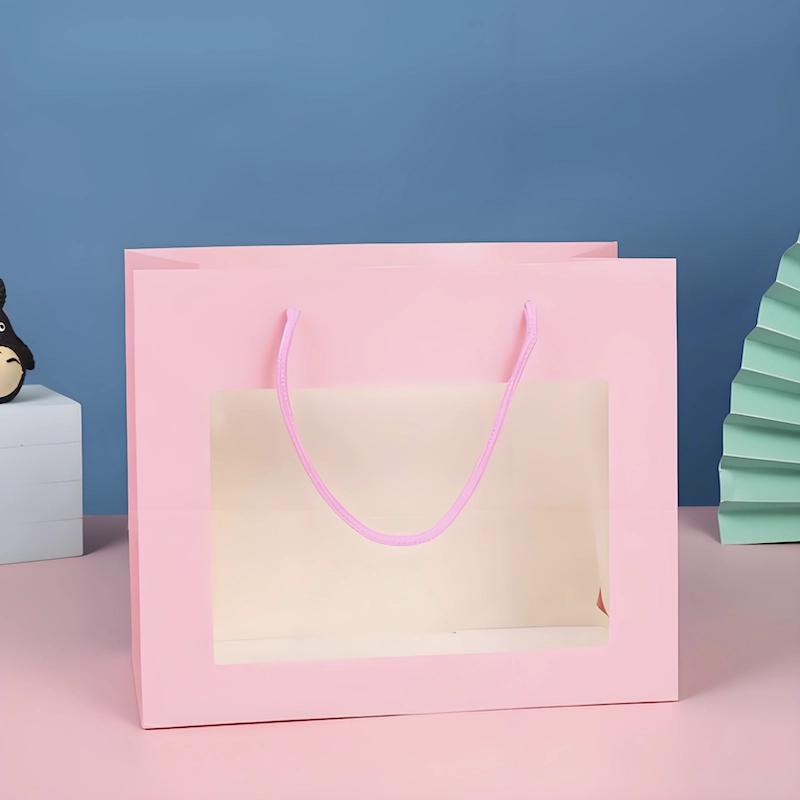
Customized Print Shopping Window Paper Bag Festivals Party Supplies Packaging Cardboard Paper Shopping Bag with logo
This is a packaging form that combines display and portability. Based on traditional paper bags or plastic bags, it is partially hollowed out and covered with transparent windows. Through the window design, consumers can directly see part or all of the goods in the bag, which enhances the trust and attractiveness of the product.
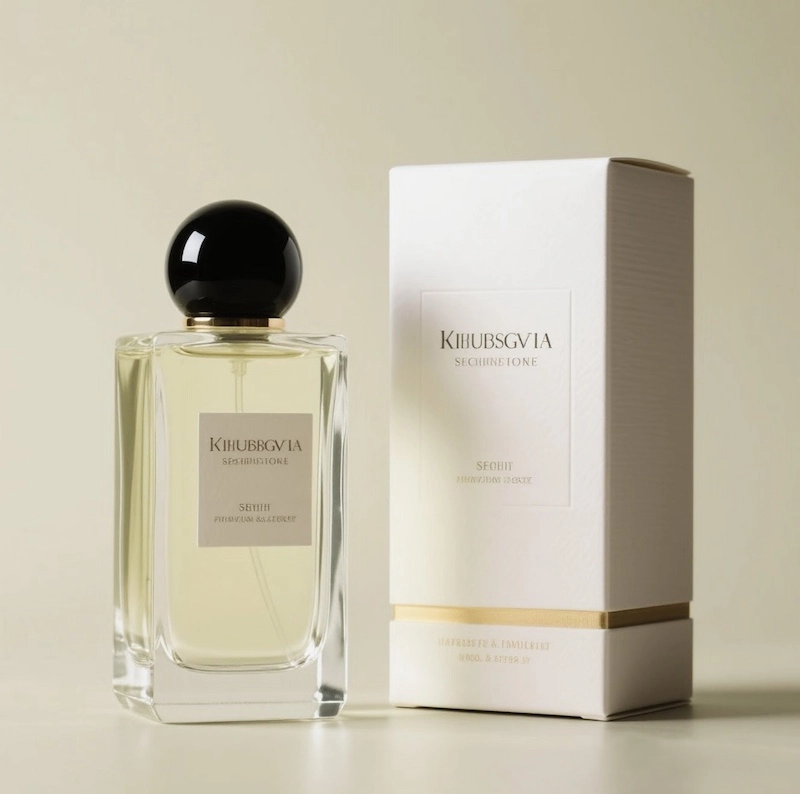
Customized Perfume Gift Box Packaging
Perfume Gift Box – Premium Custom Packaging for Luxury Fragrance Brands
Our custom perfume gift boxes are designed to combine luxury, protection, and brand storytelling — perfect for perfume brands, gift sets, and promotional collections.
Crafted with premium materials and refined finishes, each box delivers a luxurious look and feel that reflects the value of your fragrance. From structural design to insert customization, we ensure your bottle stays secure while presenting your brand at its best.
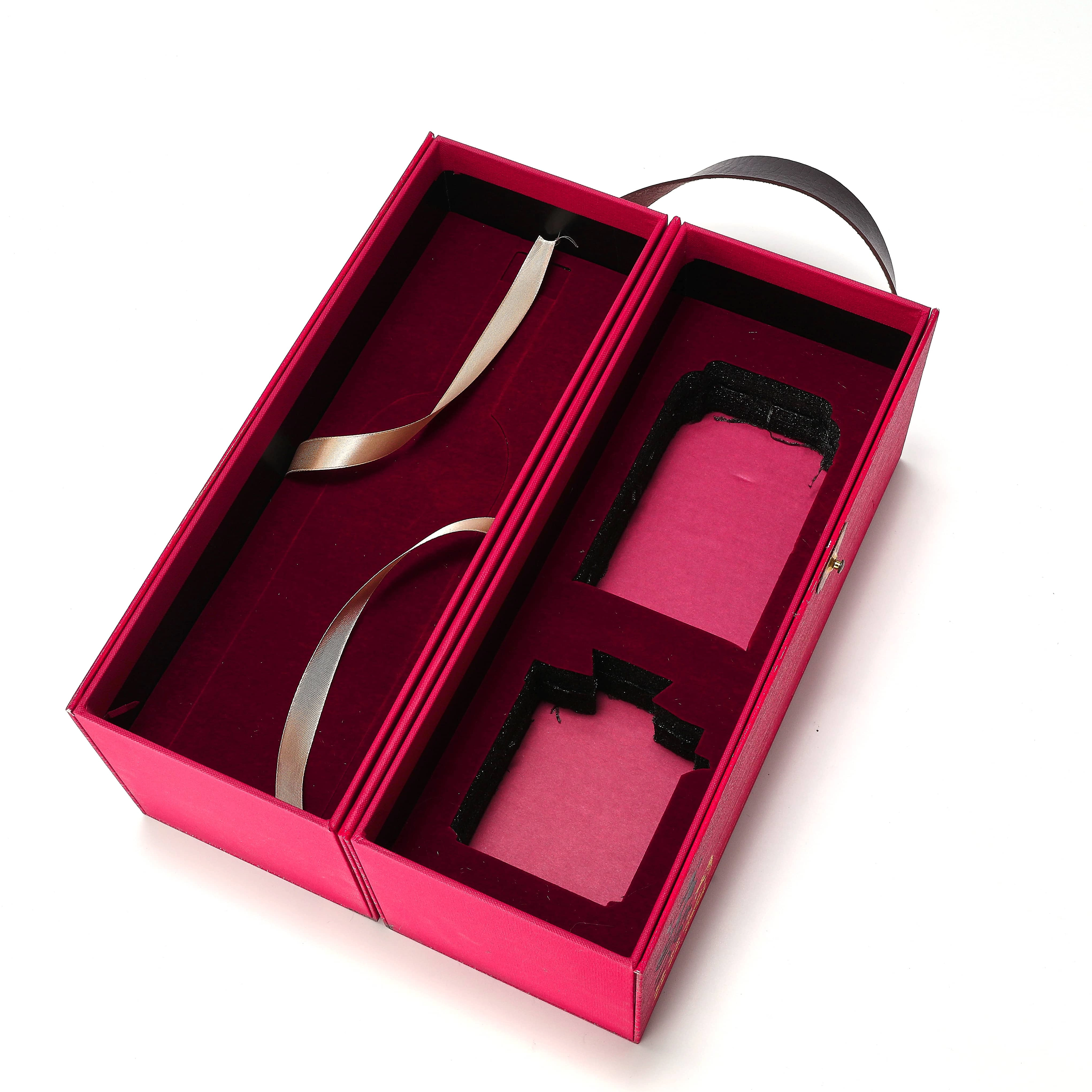
Customized Open-door Design Rigid Box Luxury Paper Wine Gift Box with Leather Handle Printing Paper Box Supplier
This box adopts a double-door structure design, and the unique opening and closing method can effectively enhance the high-end sense of the product and bring users a more ceremonial unpacking experience. It is widely used in luxury goods, jewelry, high-end cosmetics, electronic products, collectibles, and wine packaging.

Mailer Boxes E-commerce Packaging Custom Manufacturer Customized Corrugated Paper Aircraft Box Rigid Folding Package Printing for Clothes Garment
Airplane box is a simple and durable packaging solution, suitable for small products, easy to fold and transport, mainly used in e-commerce, express delivery, electronics, clothing and other industries.
© 2025 WINPACK PRINTING. All rights reserved

Wenhua Printing packaging
winpackprinting
Winpack Printing