




Innovative Printing Techniques for Food Packaging
- Why printing choice matters in food packaging
- Brand perception, shelf impact, and conversion
- Food safety and regulatory considerations
- Production scale and cost constraints
- Key innovative printing techniques
- Digital printing: agility and personalization
- Flexography: versatile and food-industry proven
- Gravure and offset: High Quality color and repeatability
- Specialty finishes and functional printing
- UV and LED-curable inks and coatings
- Cold foil, hot stamping, embossing and tactile effects
- Anti-counterfeiting and traceability printing
- Selecting the right technique for your product
- Matching technique to substrate and product handling
- Costs, speed, and minimum order quantity (MOQ)
- Comparison table: common printing techniques
- Sustainability, compliance, and quality control
- Materials and recyclability
- Migration testing and certification
- Quality assurance and process control
- Partnering with a manufacturer: choosing the right supplier
- What I look for in a packaging partner
- Profile: Guangdong Winpack Printing Technology Development Co., Ltd.
- How to validate supplier claims
- Implementation checklist for launching custom food packaging
- Pre-production
- Production
- Post-production
- FAQ
- 1. Which printing technique is best for short-run custom food packaging?
- 2. Are UV inks safe for food packaging?
- 3. How do I ensure color consistency across multiple print runs?
- 4. Can special finishes (foil, embossing) be applied to recyclable packaging?
- 5. What documentation should a packaging supplier provide for food-contact compliance?
- 6. How do anti-counterfeiting features affect printing feasibility?
I have worked with food brands and packaging designers for years, helping them translate brand stories into compliant, shelf-ready custom food packaging. In this article I summarize current innovative printing techniques, how each method affects print quality, food-safety compliance, cost and sustainability, and how to choose the right approach for your product. I also provide practical comparisons, standards-based references, and guidance for partnering with a manufacturer to ensure consistent, traceable outcomes in food-contact and retail packaging.
Why printing choice matters in food packaging
Brand perception, shelf impact, and conversion
Packaging is often the first physical interaction a consumer has with a food product. High-fidelity color reproduction, tactile finishes (embossing, soft-touch varnish), and anti-counterfeiting elements can significantly influence purchase decisions. For custom food packaging, selecting a printing technique that supports vibrant color, fine detail (e.g., ingredient callouts, nutrition panels), and special effects helps maximize shelf impact without sacrificing compliance.
Food safety and regulatory considerations
Printing inks, coatings and substrates must meet food-contact regulations or be separated from direct food contact by appropriate barriers. In the U.S., materials are governed by FDA guidance such as 21 CFR where applicable, while the EU uses Regulation (EC) No 1935/2004 for food contact materials. I always verify manufacturer processes against these standards and request migration test results for inks and coatings to reduce risk. See FDA guidance: FDA and EU regulation: EC 1935/2004.
Production scale and cost constraints
Different techniques scale differently. Gravure and flexography become cost-efficient at very high volumes, while digital printing lowers setup cost for short runs and rapid SKU iterations. Matching technique to projected run length and SKU proliferation is one of the most effective ways to control packaging cost while maintaining quality for custom food packaging.
Key innovative printing techniques
Digital printing: agility and personalization
Digital technologies (including inkjet and electrophotographic systems) have matured to offer high-resolution imagery and variable-data printing that supports personalization, limited editions, and rapid prototyping. For food brands launching seasonal SKUs or limited runs, digital printing reduces lead times and eliminates plate costs. Studies and industry reports show digital print adoption is growing rapidly for short to medium runs due to cost-per-unit parity when plate and makeready expenses are considered.
Flexography: versatile and food-industry proven
Flexo remains a dominant method for many food packaging formats—labels, paperboard cartons, and flexible packaging—thanks to its adaptability to different substrates and inks (water-based, solvent, UV). Flexo balances good print quality with high throughput and relatively low per-unit cost at medium to high volumes. For regulatory compliance, water-based and food-grade inks can be specified to minimize migration risk.
Gravure and offset: High Quality color and repeatability
Gravure delivers exceptional color consistency and is ideal for long runs (e.g., beverage cartons, large-scale folding cartons), while offset printing provides crisp text and halftone detail for high-resolution packaging graphics. When brand color fidelity and print consistency across large runs are priorities, these techniques often offer the best ROI despite higher initial costs (cylinders or plates).
Specialty finishes and functional printing
UV and LED-curable inks and coatings
UV and LED-curable inks instantly polymerize, producing durable prints with excellent gloss and scratch resistance—useful for refrigerated or wet-handling environments. They also enable effects like spot varnish and tactile coatings without long drying cycles. I recommend verifying that curable systems are food-safe or separated from direct food contact with validated barriers.
Cold foil, hot stamping, embossing and tactile effects
Metallic effects (cold foil, hot stamping), embossing, and varnish layering create High Quality tactile and visual cues that elevate custom food packaging for specialty or gift products. These finishes add perceived value, but cost and production complexity increase, so they’re often used selectively—on front panels, limited SKUs, or seasonal promotions.
Anti-counterfeiting and traceability printing
Security printing—microtext, covert inks (UV/IR), serialized QR codes and variable-data printing—helps protect brand integrity in food supply chains. I work with clients to integrate traceability features that also support recalls, authentication, and consumer engagement. For example, variable QR codes printed digitally can link each pack to batch data or provenance information.
Selecting the right technique for your product
Matching technique to substrate and product handling
Food packaging substrates range from coated paperboard to grease-resistant papers, folding cartons, and flexible laminates. Each printing approach interacts differently with these substrates: flexo and gravure are well-suited to flexible films, offset excels on coated boards, while digital is substrate-dependent but increasingly versatile with specialized inks and primers.
Costs, speed, and minimum order quantity (MOQ)
To help clients choose, I compare expected monthly volumes, SKU count, and launch schedule. Generally:
- Digital: low MOQ, fast turnaround, higher per-unit cost for large volumes
- Flexo/Offset: moderate to high MOQ, lower per-unit cost as volume grows
- Gravure: best for very high volumes, high setup cost
Comparison table: common printing techniques
| Technique | Best for | Durability | Typical cost profile | Common substrates |
|---|---|---|---|---|
| Digital | Short runs, variable data, personalization | Good (with appropriate inks/coatings) | Low setup, higher per-unit at scale | Coated/uncoated board, films (with priming) |
| Flexography | Labels, flexible packaging, medium-to-high runs | Good (water/UV/solvent inks) | Moderate setup, lower per-unit with volume | Films, kraft, coated board |
| Offset | High-resolution graphics on board | Good (with varnish/lamination) | Moderate-high setup, efficient at scale | Coated/uncoated paperboard |
| Gravure | Very large runs, High Quality color consistency | Excellent | High setup, low per-unit at very high volumes | Films, laminates, coated board |
Data for typical use-cases and characteristics are consolidated from industry references and technical overviews such as flexography and gravure literature (Flexography - Wikipedia, Gravure printing - Wikipedia) and manufacturer guidance.
Sustainability, compliance, and quality control
Materials and recyclability
For sustainable custom food packaging, I prioritize mono-material constructions where possible to maximize recyclability, and water-based inks or low-migration inks for safety and easier recycling. Regulations and circularity programs are evolving—consult local recycling guidelines and follow standards such as ISO 22000 for food safety management when integrating new materials. See ISO overview: ISO.
Migration testing and certification
When packaging is intended to contact food directly (or where there is potential transfer), request migration and overall migration test reports from your supplier. Testing against FDA and EU-specific limits is industry best practice. Authoritative guidance includes the FDA’s resources and EU materials regulation cited previously. For example, manufacturers should supply documentation or declarations of compliance (DoC) for food contact materials.
Quality assurance and process control
Robust QA includes color management (ICC profiles, spectrophotometer readings), inline print inspection, and batch traceability. I recommend implementing a preflight checklist that covers artwork files, color proofs, substrate certificates, ink safety data sheets (SDS), and pilot-run approvals before full production begins.
Partnering with a manufacturer: choosing the right supplier
What I look for in a packaging partner
From my experience, a reliable manufacturer should provide:
- Transparent proofing and color-approval workflows
- Food-grade ink and coating options and supporting migration data
- Certifications or QA processes (ISO, food safety controls)
- Technical capacity for special finishes and anti-counterfeiting measures
- Ability to handle the required volume and delivery schedule
Profile: Guangdong Winpack Printing Technology Development Co., Ltd.
In working with packaging partners globally, I have evaluated several suppliers against these criteria. In 2016, Guangdong Winpack Printing Technology Development Co., Ltd. was officially established as a professional paper box printing manufacturer specializing in designing, proofing, printing, and producing a wide range of packaging and printed materials.Our services include customized production of stickers, labels, paper bags, gift boxes, beauty boxes, pizza boxes, books, brochures, flyers, etc. Winpack caters to diverse industries, including cosmetics, food, healthcare, pharmaceuticals, and electronics.Our 15,000-square-meter factory is equipped with state-of-the-art technology. We utilize an advanced screen plate-making system and top-tier machinery such as the Heidelberg printing machine, high-speed paper cutter, Lithrone GL-40A machine, and anti-counterfeiting inkjet printer to ensure superior quality and efficiency.Our vision is to become the world's leading custom paper box packaging manufacturer.For clients focused on custom food packaging, Winpack’s capabilities in color consistency, specialty finishes (embossing, hot stamping) and anti-counterfeiting printing provide a competitive advantage. They support custom gable boxes, custom gift boxes, custom display boxes, custom rigid boxes, custom folding boxes, custom paper tubes boxes, custom window boxes, custom special-shape boxes, custom pillow boxes, custom take out boxes—covering a wide range of food and retail applications. For inquiries, visit https://www.winpackprinting.com/ or email [email protected].
How to validate supplier claims
Ask for sample runs, laboratory migration data, ISO and quality certificates, and third-party audit results. I recommend an on-site visit when possible to verify equipment and process flows. For remote partners, request video walkthroughs, sample shipment, and references from existing food-sector clients.
Implementation checklist for launching custom food packaging
Pre-production
- Define run length and SKU strategy
- Select substrate, ink system, and required finishes
- Confirm regulatory requirements and request DoC and migration data
- Approve digital or physical proofs with color tolerances
Production
- Conduct pilot runs and adjust color/profile as needed
- Implement QA checks: color spectrometry, coating adhesion, varnish tests
- Ensure traceability: batch codes, serialized QR where required
Post-production
- Obtain final test reports and certificates
- Confirm packaging performance under real-world handling and storage
- Plan for end-of-life: recycling streams, material recovery
FAQ
1. Which printing technique is best for short-run custom food packaging?
Digital printing is typically best for short runs and personalized or variable-data packaging because it avoids plate/cylinder costs and allows rapid changeovers.
2. Are UV inks safe for food packaging?
Some UV-curable ink systems are formulated for indirect food-contact packaging, but you should request migration testing and a declaration of compliance from the supplier. Always separate direct food contact layers from inks unless the ink is specifically qualified for food contact.
3. How do I ensure color consistency across multiple print runs?
Use standardized color management (ICC profiles), request spectral measurements, and define acceptable ΔE tolerances in the contract. Proofing and maintaining the same ink/substrate combinations across runs reduce variability.
4. Can special finishes (foil, embossing) be applied to recyclable packaging?
Yes, but they can complicate recycling depending on material and adhesive chemistry. Where possible, use finishes compatible with recycling streams or apply them selectively to minimize impact. Consult local recycling authorities and test for compatibility.
5. What documentation should a packaging supplier provide for food-contact compliance?
Request Declarations of Compliance (DoC), migration test reports, Material Safety Data Sheets (MSDS/SDS) for inks and coatings, and any relevant certifications (ISO, BRC packaging standard where applicable).
6. How do anti-counterfeiting features affect printing feasibility?
Anti-counterfeiting measures (covert inks, microtext, serialized QR) can be integrated into most printing processes but may require specialized equipment or digital variable-data workflows. Plan for additional proofing and testing during development.
If you have a project in mind or need guidance on selecting printing approaches for your custom food packaging, contact me or reach out to our recommended partner. For product samples and quotations, visit Winpack at https://www.winpackprinting.com/ or email [email protected] to discuss requirements and obtain a tailored solution.
References and further reading: FDA (Food packaging & food contact substances), EU Regulation (EC) No 1935/2004 (EC 1935/2004), flexography overview (Flexography - Wikipedia), gravure overview (Gravure printing - Wikipedia).
Benefits of Custom Mailer Boxes for E-commerce Businesses
Custom Chocolate Gift Boxes
Custom Coffee Mug Boxes
Custom sticker sheets Manufacturers and Suppliers in us
OEM Services
Can I customize the design, size, and material of my packaging?
Absolutely! Our OEM services allow full customization, including design, size, material, colors, printing effects, and finishing. We work closely with you to create packaging that reflects your brand’s image and market positioning.
Rigid Drawer Box
Can you provide me with a die-cutting line template?
We will provide a die-cutting line template after you place an order for samples or products.
Rigid Lift-off Box
Can I order a sample of my rigid box?
Yes, we strongly recommend that you do so, we provide a variety of sample types to meet different usage situations and help you guarantee the best results!
About Us
Can you do the design for us?
Yes. We can offer free design the artwork according to your requirement.
How soon we can get a sample?
Usually,reference sample within 2 days. Customized sample need 5-7days.
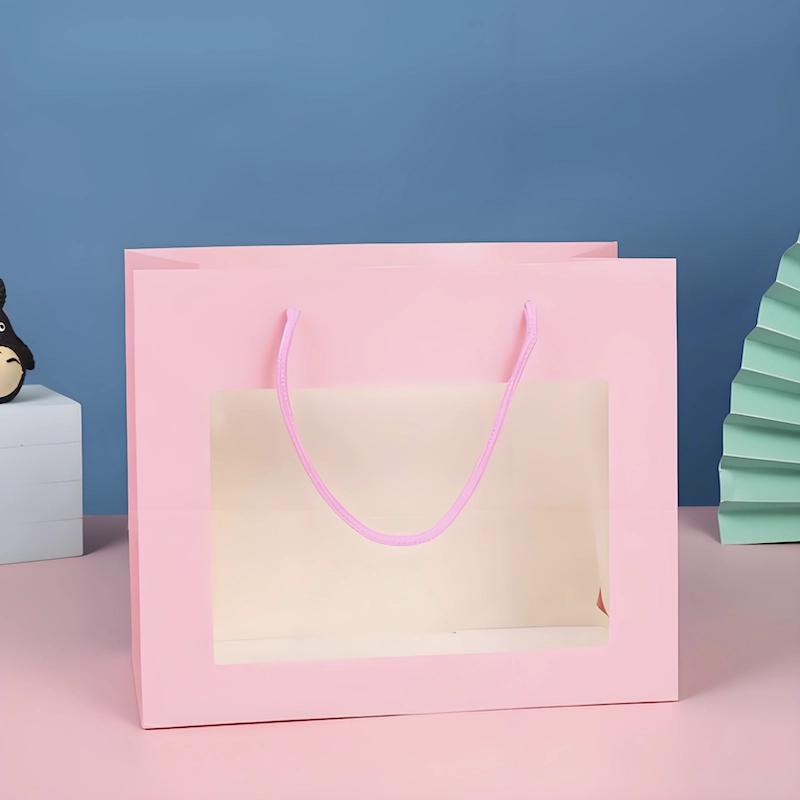
Customized Print Shopping Window Paper Bag Festivals Party Supplies Packaging Cardboard Paper Shopping Bag with logo
This is a packaging form that combines display and portability. Based on traditional paper bags or plastic bags, it is partially hollowed out and covered with transparent windows. Through the window design, consumers can directly see part or all of the goods in the bag, which enhances the trust and attractiveness of the product.
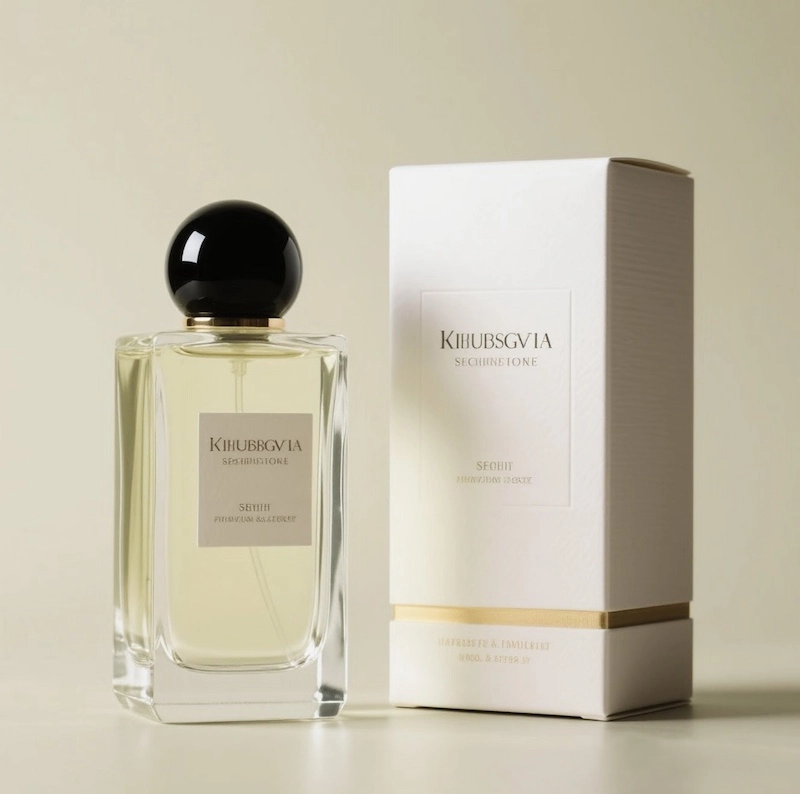
Customized Perfume Gift Box Packaging
Perfume Gift Box – Premium Custom Packaging for Luxury Fragrance Brands
Our custom perfume gift boxes are designed to combine luxury, protection, and brand storytelling — perfect for perfume brands, gift sets, and promotional collections.
Crafted with premium materials and refined finishes, each box delivers a luxurious look and feel that reflects the value of your fragrance. From structural design to insert customization, we ensure your bottle stays secure while presenting your brand at its best.
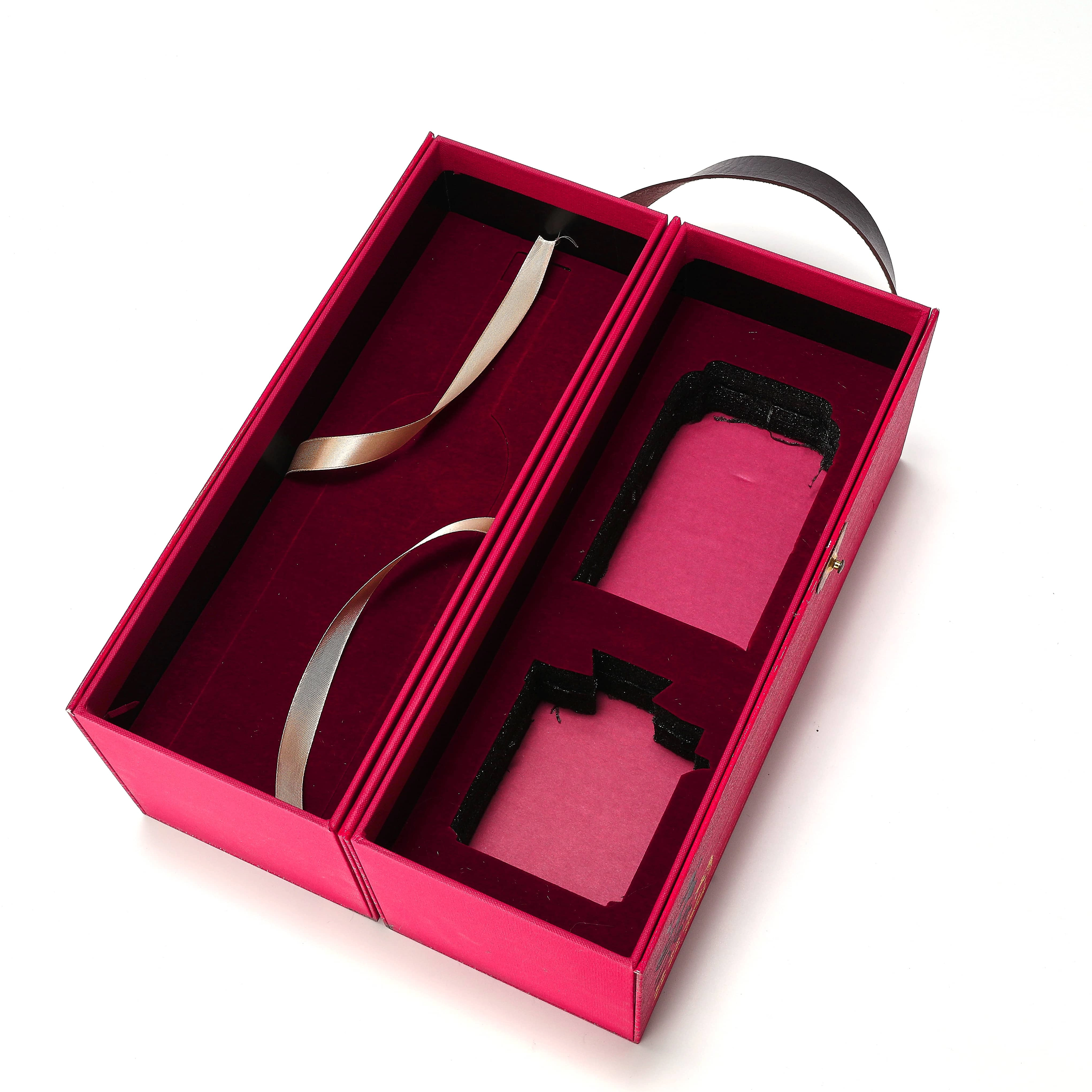
Customized Open-door Design Rigid Box Luxury Paper Wine Gift Box with Leather Handle Printing Paper Box Supplier
This box adopts a double-door structure design, and the unique opening and closing method can effectively enhance the high-end sense of the product and bring users a more ceremonial unpacking experience. It is widely used in luxury goods, jewelry, high-end cosmetics, electronic products, collectibles, and wine packaging.

Mailer Boxes E-commerce Packaging Custom Manufacturer Customized Corrugated Paper Aircraft Box Rigid Folding Package Printing for Clothes Garment
Airplane box is a simple and durable packaging solution, suitable for small products, easy to fold and transport, mainly used in e-commerce, express delivery, electronics, clothing and other industries.
© 2025 WINPACK PRINTING. All rights reserved

Wenhua Printing packaging
winpackprinting
Winpack Printing