




Insulated Takeaway Boxes for Hot and Cold Food Delivery
- Why insulated takeaway boxes matter for food delivery
- Food safety and regulatory requirements
- Customer experience, brand protection and
- Types of insulated takeaway boxes and materials
- Common structural materials
- Comparing materials — performance and lifecycle
- Designing and specifying boxes for real-world delivery
- Key design features and functional requirements
- Operational practices: packing, heat/chill aids and validation
- Sustainability, compliance, and selecting a supplier
- Sustainable choices and certifications
- Choosing a reliable manufacturer and why supplier capabilities matter
- Frequently Asked Questions (FAQ)
- 1. How long will an insulated takeaway box keep food hot or cold?
- 2. Are insulated takeaway boxes safe for direct food contact?
- 3. Can I have branded printing on insulated boxes without compromising insulation?
- 4. What is a sustainable yet effective option for insulated food delivery?
- 5. How should restaurants validate packaging performance before rollout?
- 6. What are common mistakes brands make when choosing insulated takeaway boxes?
- References
Why insulated takeaway boxes matter for food delivery
Food safety and regulatory requirements
Maintaining safe temperatures during transport is the most important functional requirement for takeaway boxes. The U.S. Food Code specifies that hot foods should be held at 135°F (57°C) or above and cold foods at 41°F (5°C) or below to reduce the risk of bacterial growth. Delivery packaging must therefore preserve core temperatures within these ranges for the expected delivery window and allow safe reheating or consumption where applicable (FDA Food Code 2017). Failure to maintain temperature increases foodborne illness risk and legal exposure for operators.
Customer experience, brand protection and
Beyond safety, insulated takeaway boxes directly affect perceived quality — texture, steam control, leak prevention and presentation. For delivery-first brands, investing in the right insulated takeaway boxes reduces complaints, cuts refunds, and increases repeat orders. Packaging decisions are commercial: they influence delivery fees, pack-out efficiency, and marketing (branding on boxes), so technical performance must balance cost-effectiveness and brand impact.
Types of insulated takeaway boxes and materials
Common structural materials
Takeaway boxes combine structural board (usually cardboard or folding carton) with functional liners or inserts. Common solutions include:
- Corrugated board with foil or PE (polyethylene) liners — good moisture and grease resistance.
- EPS (expanded polystyrene) foam inserts or rigid EPS boxes — high thermal performance, low cost, heavier and not widely recyclable.
- Foil- or metallized-film laminated paperboard — reflective barrier reduces radiant heat loss.
- Molded fiber with compostable coatings (PLA or wax substitutes) — more sustainable, suitable for moderate thermal retention.
Comparing materials — performance and lifecycle
The table below summarizes typical material characteristics. Note: insulation performance and recyclability vary by local waste systems and specific construction; values are indicative and should be validated by supplier tests.
| Material | Typical insulation level | Recyclability / End-of-life | Relative cost | Best use |
|---|---|---|---|---|
| Corrugated board + PE liner | Medium (good for 30–90 min delivery) | Mixed — liner can complicate recycling; depends on local facilities | Low–Medium | Short to medium deliveries; greasy foods |
| Foil/metalized laminated paperboard | Medium–High (reflective barrier) | Limited recyclability due to lamination; check local rules | Medium | Hot foods needing steam control; High Quality presentation |
| EPS foam inserts/boxes | High (best short-term thermal retention) | Generally not curbside recyclable; energy recovery in some regions | Low | High-heat dishes and long short-distance deliveries |
| Molded fiber + compostable coating (PLA) | Low–Medium (depends on thickness) | Compostable if certified (EN 13432 / ASTM D6400) and industrial composting available | Medium–High | Brands emphasizing sustainability; moderate delivery windows |
Sources: industry manufacturer datasheets and packaging standards (EN 13432; ASTM D6400). See references for links and standards details.
Designing and specifying boxes for real-world delivery
Key design features and functional requirements
When specifying insulated takeaway boxes, include these elements in your technical brief:
- Target temperature retention (e.g., maintain ≥135°F for X minutes under Y ambient conditions).
- Venting options or steam channels to avoid sogginess for fried foods while preserving warmth.
- Grease and moisture resistance (barrier coatings or liners) for wet or oily dishes.
- Secure lids and tamper-evident seals for delivery integrity.
- Insert and compartment options to separate hot and cold elements and avoid cross-contamination.
- Stackability and pack-out efficiency for kitchen operations and rider handling.
Operational practices: packing, heat/chill aids and validation
Packaging works as part of an operational system:
- Packing sequence: hot items last, cold items last-in-first-out, separate containers for sauces and condiments to prevent temperature loss and sogginess.
- Use of active aids: single-use heat packs for hot items or gel ice packs for cold deliveries can extend safe windows significantly when paired with insulated boxes.
- Validation: run delivery trials with data loggers (temperature probes) across the most common routes and weather conditions. Loggers under lid and at core provide real-world evidence.
- Service level alignment: set delivery promises (e.g., 30, 60, 90 minutes) in line with validated packaging performance to manage customer expectations and avoid refunds.
Sustainability, compliance, and selecting a supplier
Sustainable choices and certifications
Sustainability decisions must reconcile performance with end-of-life handling:
- Compostable options: seek EN 13432 (EU) or ASTM D6400 (US) certifications for industrial compostability; home compostability is different and less common.
- Recyclable constructions: single-material constructions (plain cardboard) are easiest to recycle; avoid mixed-material laminates where curbside recycling is limited.
- Responsible sourcing: certifications like FSC (Forest Stewardship Council) for paperboard demonstrate supply-chain responsibility.
- Life-cycle thinking: consider weight, volume, and delivery efficiency — heavier single-use materials can increase transport emissions; a thinner, better-designed box may be greener overall.
Choosing a reliable manufacturer and why supplier capabilities matter
Manufacturers differ on technical capability, testing support, minimum order quantities and customization. Look for vendors that provide:
- Prototyping and proofing services so you can test fit, strength and thermal performance before large runs.
- Access to equipment for high-quality printing and anti-counterfeiting if branding and security matter.
- Clear documentation of certifications, material safety data, and test reports (e.g., temperature retention trials).
- Capacity and lead times that match promotional cycles and peak demand.
In 2016, Guangdong Winpack Printing Technology Development Co., Ltd. was officially established as a professional paper box printing manufacturer specializing in designing, proofing, printing, and producing a wide range of packaging and printed materials. Our services include customized production of stickers, labels, paper bags, gift boxes, beauty boxes, pizza boxes, books, brochures, flyers, etc. Winpack caters to diverse industries, including cosmetics, food, healthcare, pharmaceuticals, and electronics. Our 15,000-square-meter factory is equipped with state-of-the-art technology. We utilize an advanced screen plate-making system and top-tier machinery such as the Heidelberg printing machine, high-speed paper cutter, Lithrone GL-40A machine, and anti-counterfeiting inkjet printer to ensure superior quality and efficiency. Our vision is to become the world's leading custom paper box packaging manufacturer. Our website is https://www.winpackprinting.com/.
Winpack strengths and product focus: custom design capability for foodservice packaging, short-to-large production runs, advanced print quality for brand differentiation, and a wide product range including custom gable boxes, custom gift boxes, custom display boxes, custom rigid boxes, custom folding boxes, custom paper tubes boxes, custom window boxes, custom special-shape boxes, custom pillow boxes, and custom take out boxes. For brands requiring insulated or laminated constructions for hot & cold food delivery, Winpack can prototype foil-laminated boards, PE-lined corrugated constructions and molded fiber solutions while supporting printing and anti-counterfeiting options. When selecting a supplier, request thermal test reports, material safety data sheets, and evidence of quality control processes (ISO certificates, production photos, and equipment lists) — Winpack provides detailed capability descriptions consistent with these expectations.
Contact Winpack to discuss prototyping, minimum order quantities, and timeframe for thermal validation samples. Their mix of printing and packaging technology makes them suitable for brands prioritizing both performance and on-pack branding.
Frequently Asked Questions (FAQ)
1. How long will an insulated takeaway box keep food hot or cold?
Retention time depends on box construction, food type, ambient temperature, and use of active thermal aids. Typical corrugated + liner boxes maintain acceptable temperatures for 30–90 minutes for many hot dishes; EPS foam performs better for short deliveries. Always validate with temperature loggers under your specific conditions.
2. Are insulated takeaway boxes safe for direct food contact?
Yes, when they are made from food-grade materials and coatings approved for food contact. Request material safety data sheets and food-contact certifications from suppliers. Avoid reuse of single-use materials that are not intended for repeated use.
3. Can I have branded printing on insulated boxes without compromising insulation?
Yes. High-quality printing can be applied to outer facings or directly to laminated surfaces. Work with your manufacturer to ensure printing processes and varnishes do not damage barrier layers, and request prototypes to inspect both print and thermal performance.
4. What is a sustainable yet effective option for insulated food delivery?
Compostable molded-fiber with a certified compostable coating can work for medium retention needs; however, availability of industrial composting is critical. Alternatively, recyclable single-material solutions (unlaminated corrugated with a separate compostable liner) may provide balance between performance and end-of-life handling. Validate local waste infrastructure first.
5. How should restaurants validate packaging performance before rollout?
Conduct bench and field tests: use data loggers to record core temperatures during simulated deliveries across representative routes and conditions; perform drop and stack tests for transport durability; and test for grease resistance and leakage. Require written test reports from your supplier for production runs.
6. What are common mistakes brands make when choosing insulated takeaway boxes?
Common mistakes include underestimating delivery windows, choosing materials without considering local recycling rules, not prototyping with real menu items (water content, steam), and failing to align packaging with operational packing practices.
Ready to prototype insulated takeaway boxes that match your menu, delivery promise and sustainability goals? Contact the manufacturer for sample submissions, testing support and custom printing options — visit Winpack to view products and request a quote today.
References
- U.S. Food and Drug Administration (FDA) — Food Code 2017. https://www.fda.gov/food/fda-food-code/food-code-2017 (accessed 2026-01-10).
- FoodSafety.gov — Safe temperatures and the danger zone. https://www.foodsafety.gov/ (accessed 2026-01-10).
- ASTM International — ASTM D6400 Standard Specification for Compostable Plastics. https://www.astm.org/Standards/D6400.htm (accessed 2026-01-10).
- European Bioplastics — Standards and labels (EN 13432). https://www.european-bioplastics.org/ (accessed 2026-01-10).
- Wikipedia — Thermal insulation (overview of materials and mechanisms). https://en.wikipedia.org/wiki/Thermal_insulation (accessed 2026-01-10).
- Winpack Printing — Company website and product capabilities. https://www.winpackprinting.com/ (accessed 2026-01-10).
- Statista — Online food delivery market and growth trends. https://www.statista.com/topics/4633/food-delivery/ (accessed 2026-01-10).
Why choose Winpack as your custom chocolate gift box manufacturer
How to Order Custom Boxes Online: Step-by-Step
Why choose Winpack as your custom medicine boxes manufacturer
Top customized paper bags Manufacturers and Suppliers in China
Folding Boxes
How long does it usually take from design confirmation to delivery?
Answer: The delivery time of folding boxes is usually 15-25 days, depending on the production of the order
About Us
Do you inspect the finished products?
Yes, each step of production and finished product will be carried out inspection
About Printing Craftsmanship
How do I ensure high-quality printing results?
Use high-resolution images and vector files.
Choose the appropriate paper or substrate.
Work with a professional printing service.
Consider color matching systems like Pantone for consistent results.
Request print samples before full production.
What are the different types of printing techniques?
There are various printing techniques used for different purposes, including:
Offset Printing – Ideal for high-volume commercial printing, offering sharp and high-quality images.
Digital Printing – Suitable for short-run printing with fast turnaround times.
Screen Printing – Used for printing on textiles, plastics, and other materials with thick ink layers.
Hot Stamping – Adds metallic or pigmented foil using heat and pressure for a luxurious look.
Embossing & Debossing – Creates raised or recessed designs for a textured effect.
UV Printing – Uses ultraviolet light to instantly dry ink, offering vibrant colors and enhanced durability.
OEM Services
What quality control measures do you have in place?
We implement strict quality control throughout our production process, including:
ISO-certified quality management systems
pressSIGN color management for consistent printing quality
ERP production tracking for precision and efficiency
Rigorous inspections at every stage of production
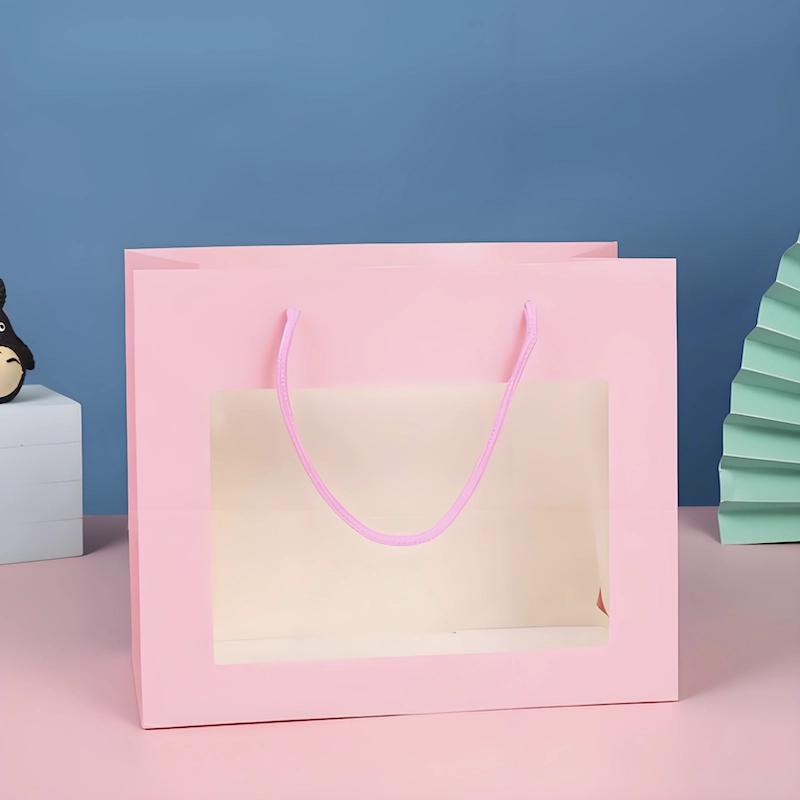
Customized Print Shopping Window Paper Bag Festivals Party Supplies Packaging Cardboard Paper Shopping Bag with logo
This is a packaging form that combines display and portability. Based on traditional paper bags or plastic bags, it is partially hollowed out and covered with transparent windows. Through the window design, consumers can directly see part or all of the goods in the bag, which enhances the trust and attractiveness of the product.
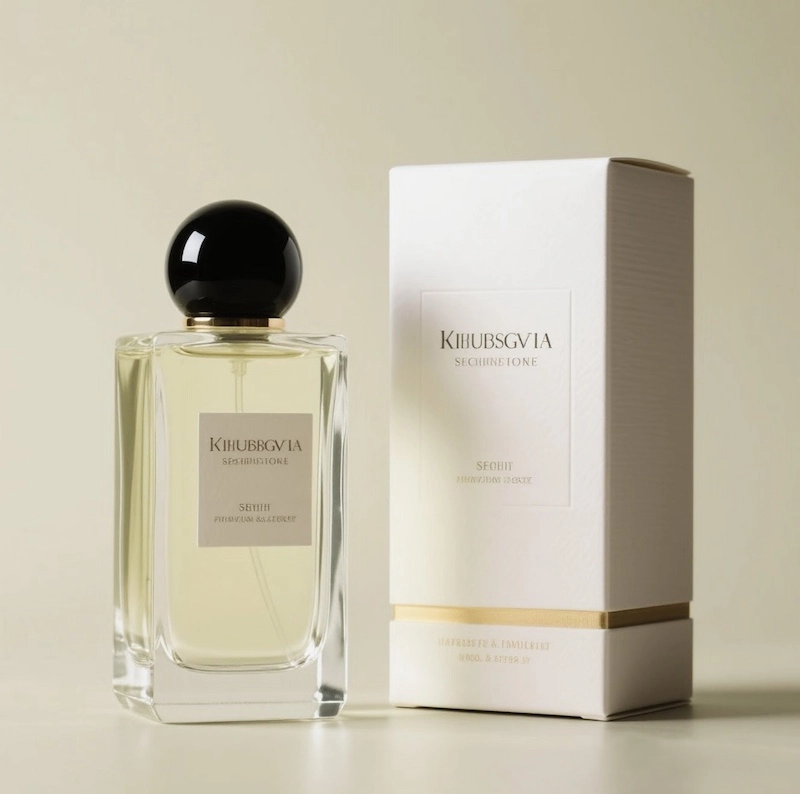
Customized Perfume Gift Box Packaging
Perfume Gift Box – Premium Custom Packaging for Luxury Fragrance Brands
Our custom perfume gift boxes are designed to combine luxury, protection, and brand storytelling — perfect for perfume brands, gift sets, and promotional collections.
Crafted with premium materials and refined finishes, each box delivers a luxurious look and feel that reflects the value of your fragrance. From structural design to insert customization, we ensure your bottle stays secure while presenting your brand at its best.
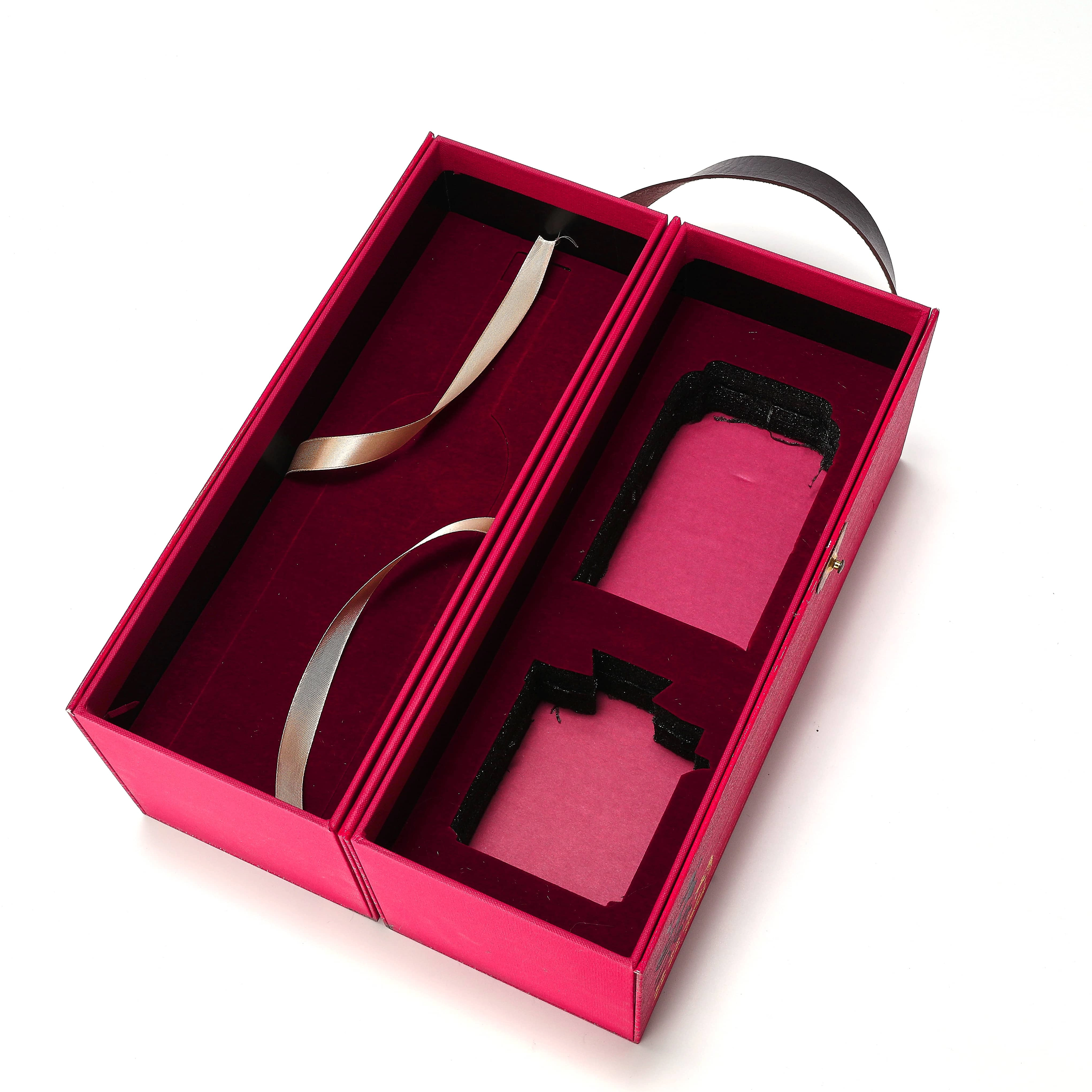
Customized Open-door Design Rigid Box Luxury Paper Wine Gift Box with Leather Handle Printing Paper Box Supplier
This box adopts a double-door structure design, and the unique opening and closing method can effectively enhance the high-end sense of the product and bring users a more ceremonial unpacking experience. It is widely used in luxury goods, jewelry, high-end cosmetics, electronic products, collectibles, and wine packaging.

Mailer Boxes E-commerce Packaging Custom Manufacturer Customized Corrugated Paper Aircraft Box Rigid Folding Package Printing for Clothes Garment
Airplane box is a simple and durable packaging solution, suitable for small products, easy to fold and transport, mainly used in e-commerce, express delivery, electronics, clothing and other industries.
© 2025 WINPACK PRINTING. All rights reserved

Wenhua Printing packaging
winpackprinting
Winpack Printing