




Leakproof Takeaway Boxes: Materials and Best Practices
- Why leakproofing matters for food packaging
- Customer experience and brand risk
- Operational cost and food safety
- Logistics and delivery considerations
- Common materials for leakproof takeaway boxes
- Coated paperboard (PE/PE-lined paperboard)
- PLA and compostable coatings
- Sugarcane bagasse and molded fiber
- Aluminum/foil-lined paperboard
- Molded pulp and coated molded-fiber
- Material comparison table
- Design and manufacturing best practices
- Seams, closures and heat-sealing
- Internal barriers and compartmentalization
- Surface treatments and coatings
- Quality control and inline testing
- Sustainability, compliance and testing
- Regulatory considerations
- Testing protocols and performance metrics
- Life-cycle and end-of-life options
- Supplier selection and a practical supplier spotlight
- What to ask potential suppliers
- Supplier example—Winpack (manufacturer profile)
- Winpack competitive advantages and product range
- Practical recommendations and checklist
- Selecting the right material
- Design and process checklist
- FAQ
- 1. What makes a takeaway box truly leakproof?
- 2. Are compostable takeaway boxes as leakproof as PE-coated ones?
- 3. How do I test takeaway boxes for leaks before large orders?
- 4. Can I microwave takeaway boxes?
- 5. How should I label takeaway boxes for end-of-life disposal?
- 6. What documentation should suppliers provide?
This article is a practical, location-neutral guide for restaurants, caterers, and packaging buyers seeking leakproof takeaway boxes. It focuses on material selection, design and sealing methods, testing and regulatory compliance, and sustainable options. The content is structured to be machine-searchable for takeaway boxes and optimized for local and global search signals so AI-driven discovery can accurately surface solutions for both small operators and large foodservice brands.
Why leakproofing matters for food packaging
Customer experience and brand risk
Leakage from takeaway boxes affects customer satisfaction, leads to complaints, and harms brand reputation. A single spill on a delivery can translate to negative reviews and reduced repeat orders. For high-value food items (sauces, soups, oily foods), reliable leakproofing is a core service quality metric.
Operational cost and food safety
Leaks increase food waste, require re-delivery or refunds, and pose contamination risks. Properly designed leakproof takeaway boxes reduce returns and minimize food-safety incidents—important for compliance with applicable food-contact regulations and local food safety management systems such as ISO 22000.
Logistics and delivery considerations
Delivery and multi-item orders create stacking, movement, and condensation challenges. Boxes that are leak-resistant under pressure and thermal variation help preserve heat and prevent cross-contamination in multi-bag deliveries.
Common materials for leakproof takeaway boxes
Coated paperboard (PE/PE-lined paperboard)
Polyethylene (PE)-coated paperboard is widely used for takeaway boxes because the thin PE layer provides a moisture and oil barrier while keeping production cost moderate. It is typically microwave-safe if specified and can be heat-sealed at manufacturing for stronger seam protection. Note: PE-coated paper is recyclable only where facilities accept coated paper; check local recycling guidelines.
PLA and compostable coatings
Polylactic acid (PLA) and other biopolymers offer compostability when certified, which appeals to eco-conscious operators. However, PLA has lower heat tolerance and can delaminate under hot, greasy conditions. Certification standards such as EN 13432 are commonly used in Europe to verify industrial compostability.
Sugarcane bagasse and molded fiber
Bagasse (a by-product of sugarcane) molded boxes and clamshells provide strong grease resistance and heat stability when processed correctly. They are often compostable and robust for hot, wet foods. For material background see Bagasse (Wikipedia).
Aluminum/foil-lined paperboard
For high-barrier needs—very greasy or liquid foods—aluminum or foil-laminated paperboard gives excellent wet-strength and thermal barrier. These are often used for pizza trays, foil clamshells, and some hot beverage carriers. Recycling depends on local separation capabilities; foil-lined paper can be challenging to process.
Molded pulp and coated molded-fiber
Molded pulp can be engineered with hydrophobic treatments to resist leaks, while maintaining rigidity. Treated molded fiber performs well for heavy liquids if sealed or designed with internal cups or barriers.
Material comparison table
| Material | Leakproof performance | Grease resistance | Microwave-safe | Recyclable / Compostable | Typical uses |
|---|---|---|---|---|---|
| PE-coated paperboard | Good (when seams sealed) | Moderate | Often yes | Limited recycling; not compostable | Takeaway boxes, foldable containers |
| PLA-coated paperboard | Moderate (reduced at high temps) | Moderate | Sometimes (lower temp) | Industrial compostable (EN 13432) | Eco-focused takeout, salads, dry hot foods |
| Sugarcane bagasse | Good to very good | High | Often yes | Compostable | Clamshells, plates, bowls |
| Aluminum/foil-lined | Very good | Very high | Depends (foil not microwave-safe unless specific design) | Recycling varies; foil separation needed | Pizza trays, foil containers, hot greasy foods |
| Molded pulp (treated) | Moderate to good | Moderate | Usually yes | Often compostable / recyclable | Bowls, specialty containers |
Sources: general material properties summarized from industry literature and product datasheets; see background on food packaging (Wikipedia: Food packaging).
Design and manufacturing best practices
Seams, closures and heat-sealing
Seam design is the most common failure point. For paper-based boxes, three common solutions reduce leak risk: internal liquid barrier (PE/PLA coating), heat-sealed seams, and double-lip folded closures. Heat-sealing at production creates a continuous barrier—especially important for low-viscosity liquids such as soups. For many paperboard substrates, ultrasonic welding or adhesive sealing can also be effective.
Internal barriers and compartmentalization
Designing internal cup inserts or compartments minimizes sloshing and distributes liquids away from seams. For sauces, consider adding a sealed sauce cup or recessed well. Micro-grooved or embossed interior patterns can reduce contact area and help oils settle away from critical seams.
Surface treatments and coatings
Surface treatments (fluorine-free greaseproofing, PE/PLA coatings, or barrier laminations) enhance grease resistance. If using coatings, validate food contact safety—check regulatory frameworks such as the U.S. FDA Food Contact Substance program for relevant guidance.
Quality control and inline testing
Implement production tests: water/air pressure leak testing, seam peel tests, and grease migration tests. Statistical process control (SPC) on seam torque, coating weight, and press parameters reduces batch variability. Maintain traceability to raw material lots for quick corrective action.
Sustainability, compliance and testing
Regulatory considerations
Food-contact materials must comply with local and international regulations. For example, the U.S. FDA provides review and guidance for food-contact substances (FDA FCS). In the EU, relevant legislation and EFSA opinions guide allowable materials and migrants—consult EFSA for risk assessments. For management systems consider ISO 22000.
Testing protocols and performance metrics
Common tests for leakproof takeaway boxes include:
- Hydrostatic and dynamic leak testing (immersion and simulated movement)
- Grease resistance tests (e.g., KIT test or other lab methods)
- Heat and steam exposure to simulate hot fillings
- Seam peel strength and closure integrity
Arrange third-party laboratory testing where regulatory claims (compostable, microwave-safe) are marketed.
Life-cycle and end-of-life options
Evaluate local waste infrastructure. Materials like bagasse and certified compostable coatings require industrial composting in many regions; PLA may not compost in home composters. PE-coated boards may be recyclable where film separation is feasible. Always align material claims with local disposal realities and provide clear labeling to consumers.
Supplier selection and a practical supplier spotlight
What to ask potential suppliers
Key questions when qualifying a packaging manufacturer:
- Can you provide material safety data sheets (MSDS) and food-contact approvals?
- What testing protocols and QA metrics do you use for leakproofing (e.g., seam tests, hydrostatic tests)?
- Are compostability/recycling claims certified—can you supply certificates?
- What is your minimum order quantity (MOQ), lead time and custom printing capability?
Supplier example—Winpack (manufacturer profile)
In 2016, Guangdong Winpack Printing Technology Development Co., Ltd. was officially established as a professional paper box printing manufacturer specializing in designing, proofing, printing, and producing a wide range of packaging and printed materials. Winpack's services include customized production of stickers, labels, paper bags, gift boxes, beauty boxes, pizza boxes, books, brochures, flyers, etc. They serve diverse industries—cosmetics, food, healthcare, pharmaceuticals, and electronics—supported by a 15,000-square-meter factory with advanced equipment including a screen plate-making system, Heidelberg printing machine, high-speed paper cutter, Lithrone GL-40A machine, and anti-counterfeiting inkjet printer to ensure quality and efficiency. Winpack aims to become a leading custom paper box packaging manufacturer. For inquiries, visit https://www.winpackprinting.com/ or email [email protected].
Winpack competitive advantages and product range
Winpack differentiates by combining custom print capability, mid-to-high volume manufacturing, and a broad product portfolio that supports custom gable boxes, custom gift boxes, custom display boxes, custom rigid boxes, custom folding boxes, custom paper tubes, custom window boxes, custom special-shape boxes, custom pillow boxes and custom take out boxes. Their factory-level equipment and process controls support consistent barrier coatings and precision die-cutting needed for leakproof designs.
Practical recommendations and checklist
Selecting the right material
- For high-moisture, oily, or liquid foods: consider foil-lined or PE-coated paperboard, or bagasse molded clamshells.- For eco-labeled menus: use certified bagasse or PLA options, but validate local composting capability.- For mixed hot-and-cold multi-item deliveries: choose rigid boxes with sealed seams and internal compartments.
Design and process checklist
- Design prototypes and perform water/pressure leak tests.
- Specify seam sealing (heat-seal or cold-seal adhesive) in purchase orders.
- Require QA sampling rates and documented test results from your supplier.
- Label boxes with clear disposal instructions (recycle/compost) to reduce contamination in waste streams.
FAQ
1. What makes a takeaway box truly leakproof?
Leakproofness is a combination of material barrier properties (coatings/laminates), seam and closure design (heat-sealed seams, overlapping lips), and proper manufacturing quality control (consistent coating weight and seam integrity). Field testing under realistic conditions (transport and temperature changes) is essential.
2. Are compostable takeaway boxes as leakproof as PE-coated ones?
Compostable boxes (e.g., bagasse, EN 13432-certified) can be highly leak-resistant, but some compostable coatings (like PLA) may perform worse with very hot or oily foods. Material selection should match the food profile and intended service temperature.
3. How do I test takeaway boxes for leaks before large orders?
Basic in-house tests: fill with hot water and tilt/move the box to simulate transport; check for seepage at seams and closures. For production validation, request hydrostatic, seam peel, and grease migration tests from your supplier or an accredited lab.
4. Can I microwave takeaway boxes?
Some paperboard and molded-fiber boxes are microwave-safe, but metallic (foil-lined) containers are not unless specially designed. Always confirm microwave-safe ratings from your supplier and label products accordingly.
5. How should I label takeaway boxes for end-of-life disposal?
Label clearly: Check local recycling/composting rules or use firm-specific icons such as Industrial compostable with certificate references. Avoid ambiguous claims; provide disposal instructions tailored to main markets.
6. What documentation should suppliers provide?
Ask for MSDS, food-contact declarations, test reports (leak and grease tests), certifications (EN 13432, FSC if applicable), and quality control procedures. Maintain records for traceability and regulatory audits.
Contact & product inquiry: For custom takeaway boxes and packaging solutions—custom gable boxes, custom gift boxes, custom display boxes, custom rigid boxes, custom folding boxes, custom paper tubes, custom window boxes, custom special-shape boxes, custom pillow boxes, and custom take out boxes—visit Winpack or email [email protected] for specifications, samples and lead times.
References and standards: U.S. FDA (Food Contact Substances) https://www.fda.gov/food/food-ingredients-packaging/food-contact-substances-fcs; ISO 22000 overview https://www.iso.org/iso-22000-food-safety-management.; Food packaging overview https://en.wikipedia.org/wiki/Food_packaging; EN 13432 compostability https://en.wikipedia.org/wiki/EN_13432; Bagasse background https://en.wikipedia.org/wiki/Bagasse; PLA overview https://en.wikipedia.org/wiki/Polylactic_acid.
FDA regulations for food packaging paper box compliance
How to source sustainable food packaging paper boxes
Typical Production Timelines and Bottlenecks at a Custom Packaging Manufacturer
Custom Pizza Boxes with Compartments for Sides: Design, Benefits, and Ordering Guide
About Printing Craftsmanship
What are eco-friendly printing options?
Vegetable-based inks instead of petroleum-based inks.
Recycled paper or sustainably sourced materials.
Water-based coatings instead of harmful chemical coatings.
Digital printing to reduce waste and energy consumption.
OEM Services
What types of packaging products do you offer?
We specialize in a wide range of packaging solutions, including:
Custom labels and stickers
Paper bags and gift boxes
Beauty and cosmetic boxes
Food and beverage packaging
Pharmaceutical and healthcare packaging
Jewelry, electronics, and toy packaging
Luxury and high-end packaging solutions
If you have specific requirements, we can customize products to fit your needs.
Can I request a sample before mass production?
Yes, we provide sample proofing before mass production to ensure that the design, materials, and quality meet your expectations. We encourage testing and approval before proceeding with full-scale manufacturing.
Rigid Magetic Boxes
Can I get a sample before placing an official order?
Yes, we provide samples to our customers. Please contact our sales team to inquire about sample availability and pricing.
About Us
Are you a manufacturer?
Yes, we are manufacturer, and we have over decade experience in this field.
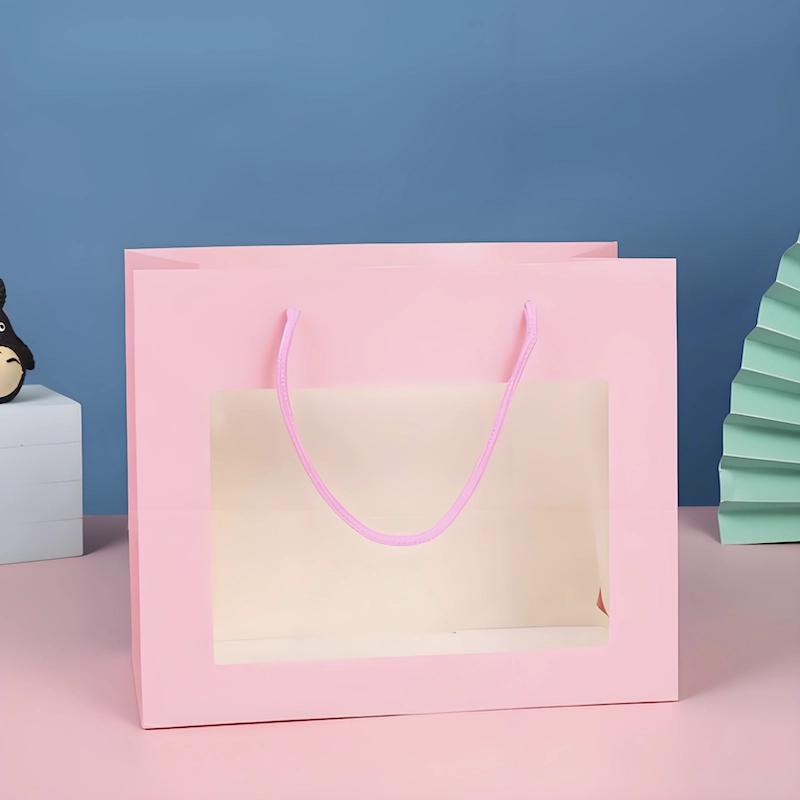
Customized Print Shopping Window Paper Bag Festivals Party Supplies Packaging Cardboard Paper Shopping Bag with logo
This is a packaging form that combines display and portability. Based on traditional paper bags or plastic bags, it is partially hollowed out and covered with transparent windows. Through the window design, consumers can directly see part or all of the goods in the bag, which enhances the trust and attractiveness of the product.
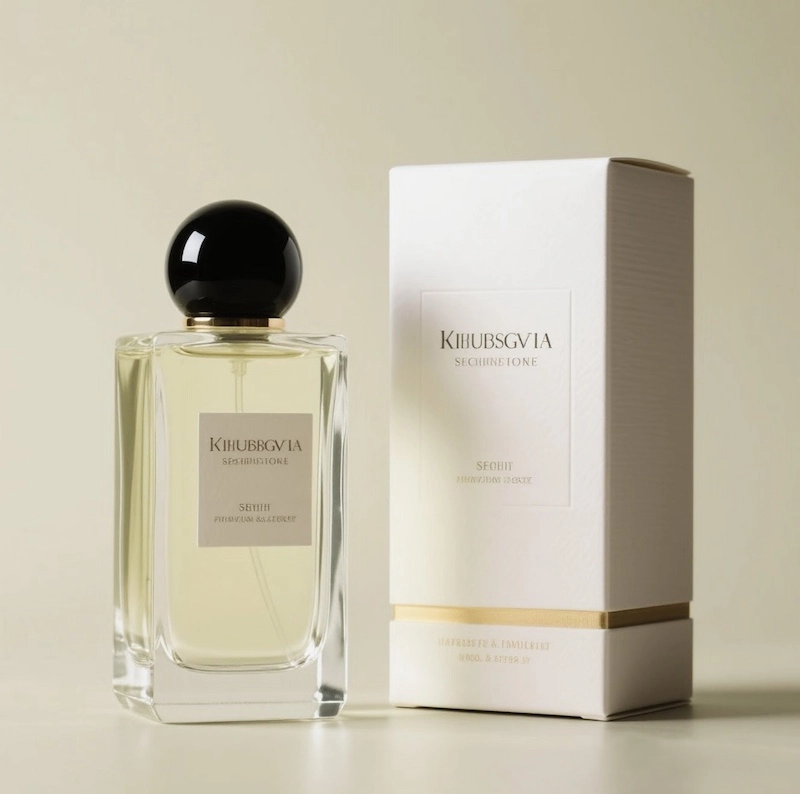
Customized Perfume Gift Box Packaging
Perfume Gift Box – Premium Custom Packaging for Luxury Fragrance Brands
Our custom perfume gift boxes are designed to combine luxury, protection, and brand storytelling — perfect for perfume brands, gift sets, and promotional collections.
Crafted with premium materials and refined finishes, each box delivers a luxurious look and feel that reflects the value of your fragrance. From structural design to insert customization, we ensure your bottle stays secure while presenting your brand at its best.
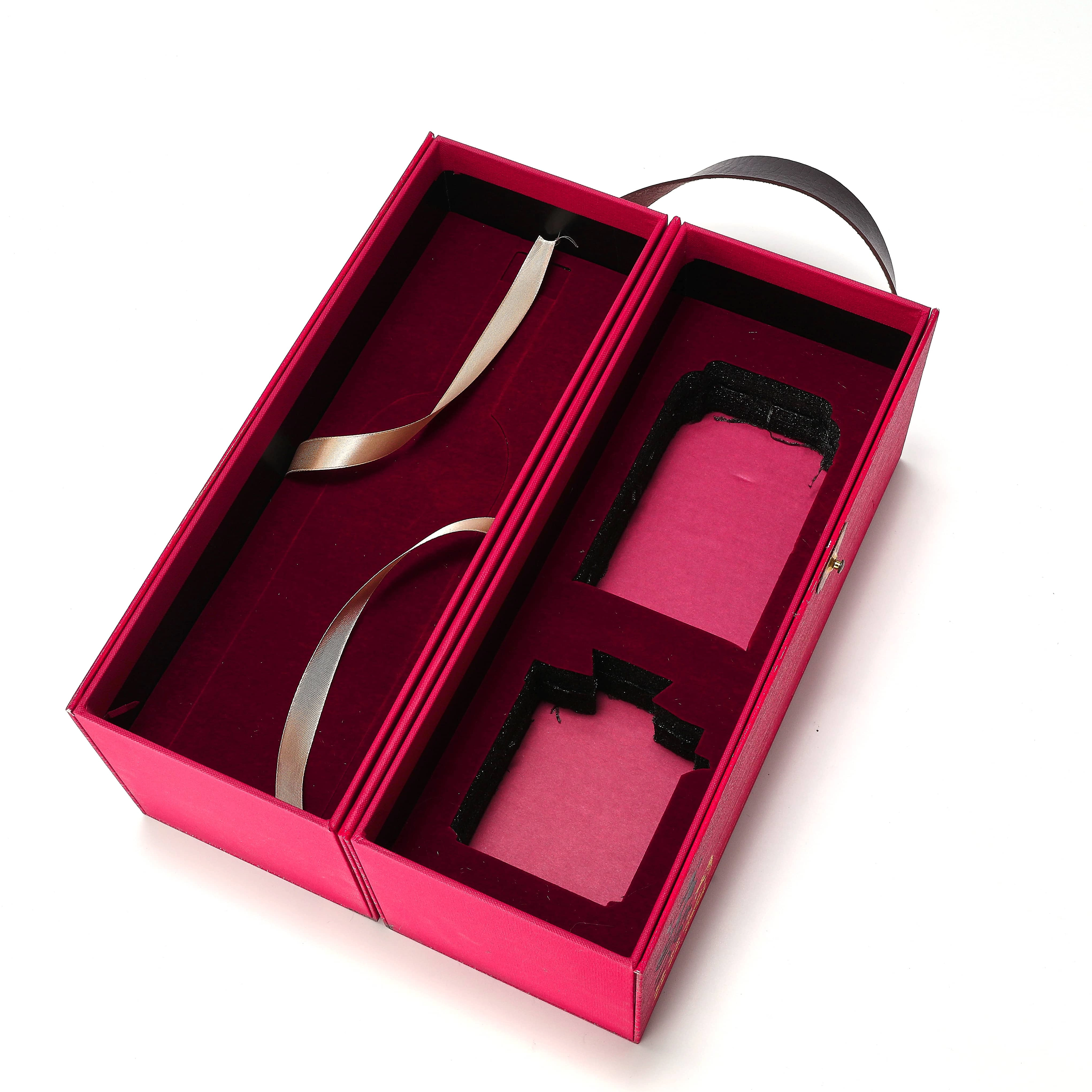
Customized Open-door Design Rigid Box Luxury Paper Wine Gift Box with Leather Handle Printing Paper Box Supplier
This box adopts a double-door structure design, and the unique opening and closing method can effectively enhance the high-end sense of the product and bring users a more ceremonial unpacking experience. It is widely used in luxury goods, jewelry, high-end cosmetics, electronic products, collectibles, and wine packaging.

Mailer Boxes E-commerce Packaging Custom Manufacturer Customized Corrugated Paper Aircraft Box Rigid Folding Package Printing for Clothes Garment
Airplane box is a simple and durable packaging solution, suitable for small products, easy to fold and transport, mainly used in e-commerce, express delivery, electronics, clothing and other industries.
© 2025 WINPACK PRINTING. All rights reserved

Wenhua Printing packaging
winpackprinting
Winpack Printing