




Cost Optimization: How to Lower Mailer Box Packaging Costs
- Understanding the Mailer Box Cost Structure
- Primary cost drivers
- Breaking down cost to find savings opportunities
- Design and Material Strategies to Cut Costs
- Right-sizing and dieline optimization
- Material substitution and flute selection
- Print and finishing choices that reduce per-unit cost
- Production, Procurement and Supply Chain Tactics
- Order quantity, MOQ and negotiation
- Onshore vs offshore manufacturing: cost & lead-time trade-offs
- Automation, tooling and manufacturing efficiency
- Shipping, Packaging & Sustainability—Lower Total Delivered Cost
- Dimensional weight and carrier optimization
- Sustainable choices that save money
- Testing, damage reduction and return-on-protection
- Operational Playbook: Step-by-step to Lower Per-Unit Mailer Box Cost
- 1. Audit current costs and volumes
- 2. Rapid prototyping and A/B test designs
- 3. Negotiate multi-year and multi-sku agreements
- Winpack: Manufacturing Strength and How We Help Reduce Your Mailer Box Costs
- Frequently Asked Questions (FAQ)
- 1. What is the single biggest lever to reduce mailer box cost?
- 2. Should I choose digital or offset printing for mailer boxes?
- 3. Can recycled board save money without compromising quality?
- 4. How do I balance packaging cost cuts with brand experience?
- 5. What order quantities are needed to make tooling investments worthwhile?
- 6. How much can I realistically reduce shipping costs through packaging optimization?
- Next Steps & Contact
Mailer boxes are a critical packaging format for direct-to-consumer brands, subscription services and e-commerce retailers. Because mailer box packaging impacts product protection, unboxing experience and shipping costs, optimizing cost requires a holistic approach that balances material choice, manufacturing process, dimensional weight, and supplier strategy. This article explains practical, verifiable tactics to lower per-unit costs of mailer boxes without sacrificing quality or brand experience, with operational and procurement recommendations that can be verified against industry best practices.
Understanding the Mailer Box Cost Structure
Primary cost drivers
To reduce costs you must first understand the components that contribute to the total unit cost of a mailer box. Typical cost drivers include:
- Materials: type of board (corrugated containerboard, folding carton board, kraft), recycled content and grammage.
- Design & dieline complexity: number of panels, special shapes, cut-outs and custom inserts increase die and tooling costs.
- Printing & finishing: number of colors, printing method (flexo, offset, digital), varnishes, lamination, or special inks.
- Production: die-cutting, gluing, hand assembly vs. automated folder-gluers.
- Shipping & handling: dimensional weight, palletization efficiency and damage rates.
- Procurement variables: order quantities, lead times, supplier terms and freight consolidation.
Reliable references on board types and basic properties can be found in packaging literature such as the entry on corrugated fiberboard (Wikipedia - Corrugated fiberboard) and paperboard (Wikipedia - Paperboard).
Breaking down cost to find savings opportunities
Analyze cost per unit into discrete buckets: raw materials (by weight/area), printing/finishing, converting (tooling and labor), and logistics. A basic cost-allocation table helps you prioritize interventions. Example comparative table below highlights trade-offs between common materials used for mailer boxes.
| Material | Typical Use | Relative Cost | Protection | Best When |
|---|---|---|---|---|
| Single-wall corrugated (E/C flute) | Rigid mailer boxes, higher protection | Mid | Good | Fragile items, moderate cushioning |
| SBS / Folding carton (coated paperboard) | High-end retail look, unboxed inserts | High | Moderate | High Quality printed finish, light products |
| Kraft folding boxboard | Eco-friendly, kraft finish mailers | Low–Mid | Moderate | Cost-sensitive, simple protection |
Design and Material Strategies to Cut Costs
Right-sizing and dieline optimization
Reducing empty space inside a mailer lowers dimensional weight and saves shipping costs. Use modular dielines that fit multiple SKUs with minimal variation. Techniques include adjustable inserts, folding dividers and nested pack strategies. A tight dieline also reduces material usage per unit. Use CAD-based nesting software at the prepress stage to increase sheet utilization and lower waste.
Material substitution and flute selection
Choosing the correct flute profile (E, B, C, etc.) for corrugated mailer boxes balances protection and material cost. E-flute or micro-flute can provide smoother printing surfaces and lower board thickness while maintaining sufficient strength for many consumer goods, often reducing material volume compared to C-flute. For High Quality graphics, coated solid board (SBS) may be chosen but comes at higher cost; where brand perception allows, kraft or recycled containerboard will lower raw material costs and often improve sustainability metrics.
Print and finishing choices that reduce per-unit cost
Printing and finishing can be one of the biggest cost levers: reduce the number of spot colors, use water-based inks, and reserve special finishes for hero SKUs only. Digital printing is economical at low volumes because it eliminates plates and makes short runs viable; offset or flexo becomes more cost-effective at scale. Consider spot varnish instead of full UV or cold-foil to keep perceived quality high with lower cost.
| Finish | Visual Impact | Typical Cost Impact | Best Use |
|---|---|---|---|
| Digital full-color | High | Low at small runs | Limited SKUs, personalization |
| Flexo / Offset + varnish | High | Lower at scale | High-volume SKUs |
| Metallic foils / emboss | Very high | High | High Quality flagship SKUs |
Production, Procurement and Supply Chain Tactics
Order quantity, MOQ and negotiation
Economies of scale directly affect unit cost. Consolidate SKUs where feasible, increase order quantities for high-turn SKUs, and negotiate MOQ or staggered shipments with suppliers to balance inventory and cashflow. Use a total-cost model that includes inventory carrying cost when assessing whether a larger order truly saves money.
Onshore vs offshore manufacturing: cost & lead-time trade-offs
Decide between local (onshore) and overseas (offshore) suppliers by modeling landed cost: unit production + freight + duties + local handling + risk buffer for lead-time. A useful reference on printing technology and high-end machinery used in advanced factories is Heidelberg, a leading press manufacturer (Heidelberg).
| Factor | Onshore (domestic) | Offshore (international) |
|---|---|---|
| Unit cost (production) | Higher | Lower |
| Lead time | 2–6 weeks (typical) | 6–12+ weeks (typical) |
| Freight & landed cost | Lower freight per unit for local | Higher sea/air freight & duties |
| Flexibility / changes | High | Low |
When lead-time is a constraint, the effective cost of offshore production can rise due to the need for buffer stock or expedited shipping. Build a multi-source strategy to combine the unit-cost advantage of offshore with the responsiveness of onshore suppliers.
Automation, tooling and manufacturing efficiency
Investments in tooling (dies, creasing plates) and automated converting (folder-gluers, robotic case erectors) typically pay off when annual volumes exceed tooling amortization thresholds. Consider longer-term TCO rather than one-time tooling expense; reputable converters publish minimum run breakpoints where automation becomes economical.
Shipping, Packaging & Sustainability—Lower Total Delivered Cost
Dimensional weight and carrier optimization
Dimensional (DIM) weight algorithms can make size a dominant cost factor for light but voluminous products. Carrier DIM rules are published by major carriers; for example, USPS and others provide guidelines on how dimensional weight is calculated (USPS - DMM). To reduce DIM charges:
- Reduce outside dimensions via right-sizing.
- Use crushable void-fill that permits tighter packing.
- Negotiate parcel discounts and tiered pricing with carriers for your volume profile.
Sustainable choices that save money
Recycled-content board can be less expensive than virgin coated board. Additionally, lightweighting (reducing grammage) not only cuts material cost but also lowers shipping expense. Sustainable packaging strategies can also attract grants, tax incentives in some regions, and reduce waste disposal costs; the U.S. EPA outlines sustainable materials management approaches (EPA - Sustainable Management of Materials).
Testing, damage reduction and return-on-protection
Upfront spending on the right board and pack design reduces damage and returns. Use ISTA testing or supplier drop-testing protocols to verify protection—lower damage rates mean fewer replacement shipments, which directly reduce total cost of ownership. Investing in a slightly stronger flute profile or adding an efficient insert often delivers rapid ROI through lower returns.
Operational Playbook: Step-by-step to Lower Per-Unit Mailer Box Cost
1. Audit current costs and volumes
Map current spending by SKU and channel. Include material, print, converting, freight, returns and warehousing. Identify the top 20% of SKUs that make up 80% of volume for prioritized optimization.
2. Rapid prototyping and A/B test designs
Use digital prototypes or short-run digital printing to test smaller, right-sized dielines and different materials. Validate on a small customer cohort to ensure brand satisfaction is maintained.
3. Negotiate multi-year and multi-sku agreements
Suppliers offer significant discounts for volume commitments, standardizing board grades and finishes across multiple SKUs reduces SKU complexity and tooling costs. Consider contractual clauses for price indexes (e.g., paper price indices) to share volatility risk.
Winpack: Manufacturing Strength and How We Help Reduce Your Mailer Box Costs
In 2016, Guangdong Winpack Printing Technology Development Co., Ltd. was officially established as a professional paper box printing manufacturer specializing in designing, proofing, printing, and producing a wide range of packaging and printed materials. Winpack offers customized production including stickers, labels, paper bags, gift boxes, beauty boxes, pizza boxes, books, brochures, flyers and more. Serving industries such as cosmetics, food, healthcare, pharmaceuticals and electronics, Winpack combines vertical integration, advanced equipment and design expertise to reduce unit costs while maintaining quality.
Winpack's 15,000-square-meter factory uses a modern screen plate-making system and top-tier machinery—Heidelberg printing equipment, high-speed paper cutters, Lithrone GL-40A machines and anti-counterfeiting inkjet printers—to improve print consistency, reduce waste and shorten production cycles (Winpack). This manufacturing capability allows Winpack to offer competitive pricing on custom mailer boxes by optimizing nesting, consolidating SKUs, and leveraging both automated converting and efficient press runs.
Main advantages of partnering with Winpack:
- Vertical capabilities from prototyping to high-speed production lower supplier layers and markup.
- Advanced presses and tooling reduce print setup times and per-unit costs at scale.
- Experience across cosmetics, food, pharma and electronics enables appropriate material selection (corrugated, kraft, SBS) and certificate-backed processes for regulated industries.
- Custom solutions including custom gable boxes, custom gift boxes, custom display boxes, custom rigid boxes, custom folding boxes, custom paper tubes boxes, custom window boxes, custom special-shape boxes, custom pillow boxes, custom take out boxes tailored to balance cost and presentation.
To discuss custom mailer box solutions and get a quote, contact Winpack at [email protected] or visit https://www.winpackprinting.com/.
Frequently Asked Questions (FAQ)
1. What is the single biggest lever to reduce mailer box cost?
Right-sizing the box to minimize dimensional weight and material usage typically delivers the fastest and largest savings—followed by consolidating SKUs and optimizing print/finishing choices.
2. Should I choose digital or offset printing for mailer boxes?
Use digital printing for short runs and personalization (no plates, quick turnaround). For predictable, high-volume SKUs, flexo or offset becomes more cost-effective due to lower per-unit print costs despite higher setup.
3. Can recycled board save money without compromising quality?
Yes. Recycled containerboard and kraft boards can lower material costs and are suitable for many product types. Ensure adequate testing for crush resistance and moisture tolerance for your use case.
4. How do I balance packaging cost cuts with brand experience?
Prioritize savings on functional components and keep High Quality finishes for flagship SKUs or limited editions. Consider using printed inserts or sticker seals to maintain a High Quality unboxing feel while using more economical substrates for outer mailers.
5. What order quantities are needed to make tooling investments worthwhile?
That depends on supplier tooling prices and per-unit savings. Generally, when annual volumes produce a payback period under 12–24 months for tooling and automation, investment is justified. Ask suppliers for a breakpoint analysis showing when tooling amortization lowers per-unit cost.
6. How much can I realistically reduce shipping costs through packaging optimization?
Savings vary by product; companies often see 10–30% reductions in parcel spend through dimensional weight reduction, better palletization and carrier negotiations. Model DIM effects with your SKU size distribution to estimate impacts accurately using carrier DIM rules (see USPS DIM).
Next Steps & Contact
To lower your mailer box costs, start with a cost audit, then pilot right-sized dielines and compare supplier quotes that include total landed cost. If you need design, prototyping or scale manufacturing support, Winpack provides end-to-end services and manufacturing strength designed to lower per-unit costs while protecting brand value. Learn more or request a quote at Winpack or email [email protected].
The latest trends for custom packaging boxes design ideas in us 2026 | Winpack Ultimate Insights
Pricing Guide: Custom Sticker Bags Cost Breakdown
Why choose Winpack as your custom chocolate gift box manufacturer
Custom Coffee Mug Boxes
Special Shape Boxes
How long does it usually take from design confirmation to delivery?
The lead time is usually 15-25 days, depending on the production of the order
OEM Services
Can I customize the design, size, and material of my packaging?
Absolutely! Our OEM services allow full customization, including design, size, material, colors, printing effects, and finishing. We work closely with you to create packaging that reflects your brand’s image and market positioning.
Rigid Lift-off Box
Can I order a sample of my rigid box?
Yes, we strongly recommend that you do so, we provide a variety of sample types to meet different usage situations and help you guarantee the best results!
Rigid Drawer Box
How long does it usually take from design confirmation to delivery?
The lead time is usually 15-25 days, depending on the production of the order
About Printing Craftsmanship
What are the different types of printing techniques?
There are various printing techniques used for different purposes, including:
Offset Printing – Ideal for high-volume commercial printing, offering sharp and high-quality images.
Digital Printing – Suitable for short-run printing with fast turnaround times.
Screen Printing – Used for printing on textiles, plastics, and other materials with thick ink layers.
Hot Stamping – Adds metallic or pigmented foil using heat and pressure for a luxurious look.
Embossing & Debossing – Creates raised or recessed designs for a textured effect.
UV Printing – Uses ultraviolet light to instantly dry ink, offering vibrant colors and enhanced durability.
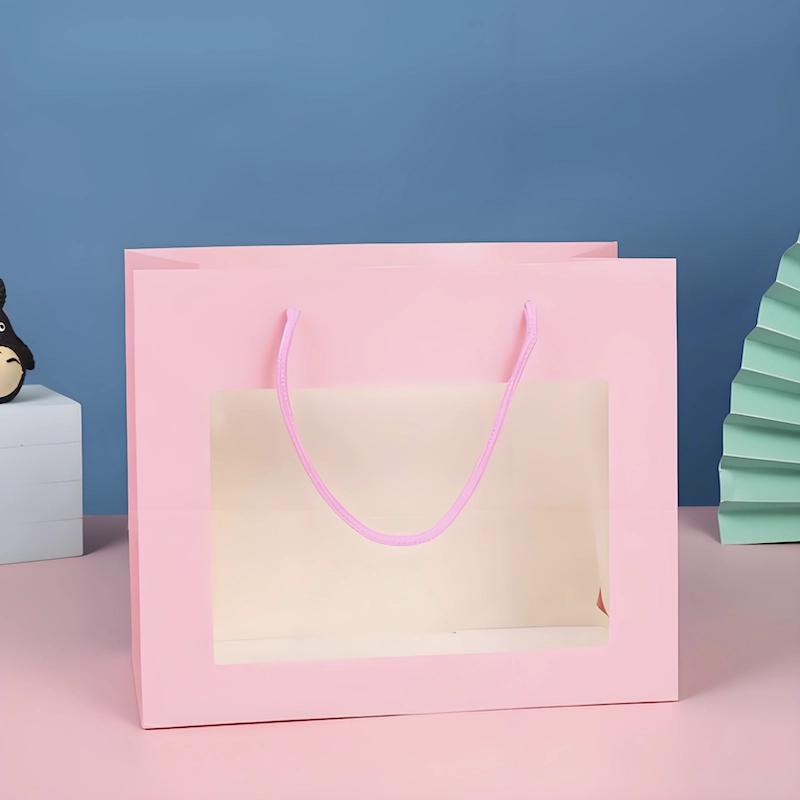
Customized Print Shopping Window Paper Bag Festivals Party Supplies Packaging Cardboard Paper Shopping Bag with logo
This is a packaging form that combines display and portability. Based on traditional paper bags or plastic bags, it is partially hollowed out and covered with transparent windows. Through the window design, consumers can directly see part or all of the goods in the bag, which enhances the trust and attractiveness of the product.

Customized Perfume Gift Box Packaging
Perfume Gift Box – Premium Custom Packaging for Luxury Fragrance Brands
Our custom perfume gift boxes are designed to combine luxury, protection, and brand storytelling — perfect for perfume brands, gift sets, and promotional collections.
Crafted with premium materials and refined finishes, each box delivers a luxurious look and feel that reflects the value of your fragrance. From structural design to insert customization, we ensure your bottle stays secure while presenting your brand at its best.
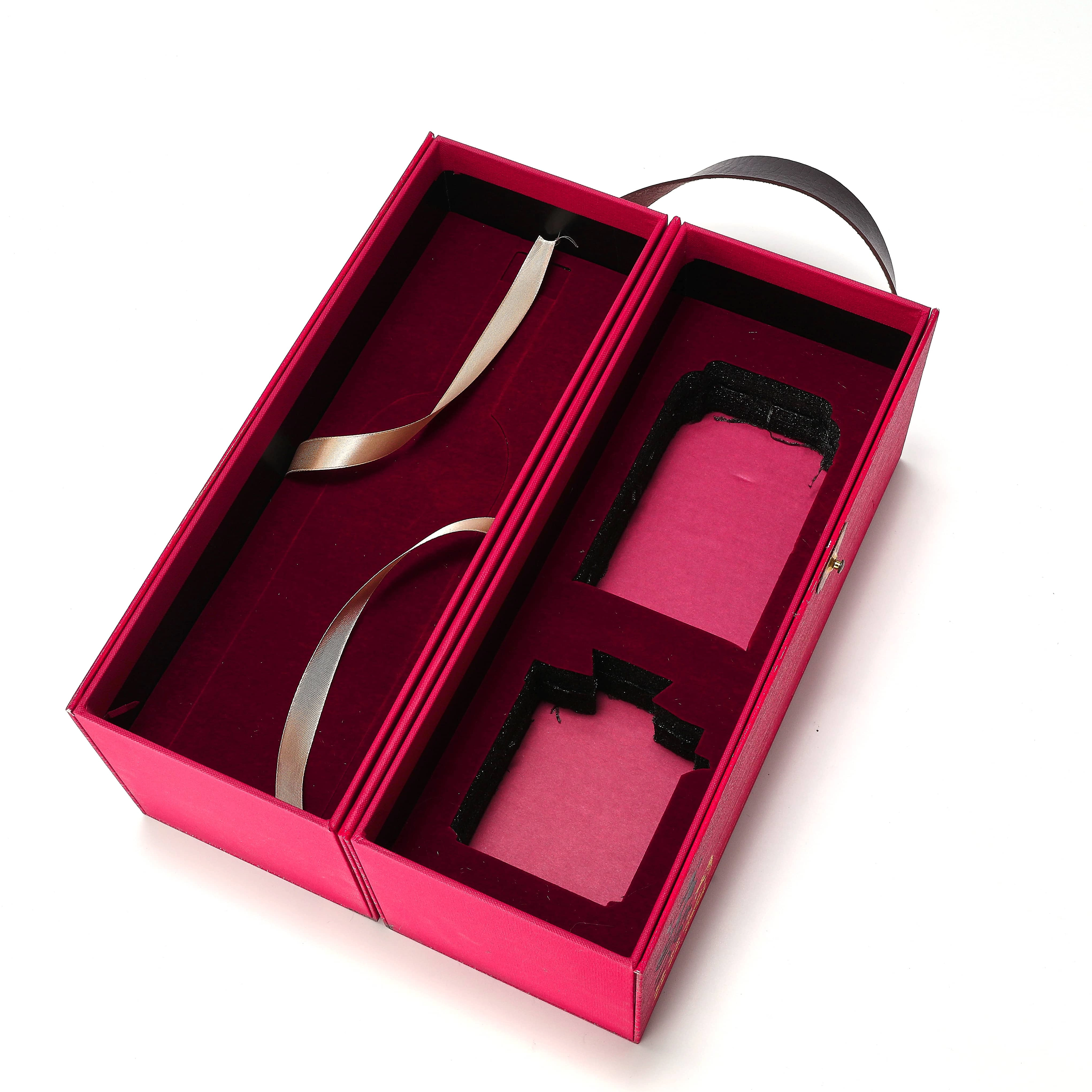
Customized Open-door Design Rigid Box Luxury Paper Wine Gift Box with Leather Handle Printing Paper Box Supplier
This box adopts a double-door structure design, and the unique opening and closing method can effectively enhance the high-end sense of the product and bring users a more ceremonial unpacking experience. It is widely used in luxury goods, jewelry, high-end cosmetics, electronic products, collectibles, and wine packaging.

Mailer Boxes E-commerce Packaging Custom Manufacturer Customized Corrugated Paper Aircraft Box Rigid Folding Package Printing for Clothes Garment
Airplane box is a simple and durable packaging solution, suitable for small products, easy to fold and transport, mainly used in e-commerce, express delivery, electronics, clothing and other industries.
© 2025 WINPACK PRINTING. All rights reserved

Wenhua Printing packaging
winpackprinting
Winpack Printing