




Bulk Ordering Strategies and Inventory Planning for Mailer Boxes
- Understanding demand drivers and packaging needs
- Identify true demand signals
- Match mailer box specifications to product and brand requirements
- Consider sustainability and regulatory drivers
- Bulk ordering strategies to optimize cost and flexibility
- Leverage economies of scale while managing cash flow
- Use lot splitting and staggered deliveries
- Negotiate tooling and sample costs
- Inventory planning frameworks and practical calculations
- Apply Economic Order Quantity (EOQ) for baseline planning
- Include lead time, safety stock, and reorder points
- Sample cost comparison table (illustrative)
- Supplier selection, quality control, and logistics
- Evaluate suppliers on capability and reliability
- Insist on first‑article inspection and small pilot runs
- Plan for inbound logistics and storage
- Operational best practices and KPI monitoring
- KPIs to track
- Inventory audits and FIFO
- Reduce SKU proliferation
- Risk mitigation and contingency planning
- Buffer for supply chain disruption
- Quality fallback plans
- Use data to inform continuous improvement
- Manufacturing partner profile: Winpack advantage
- FAQ — Frequently Asked Questions
- 1. What is the minimum order quantity (MOQ) for custom mailer boxes?
- 2. How far in advance should I place a bulk order for mailer boxes?
- 3. How do I calculate reorder points for packaging?
- 4. Should I choose corrugated or paperboard mailer boxes?
- 5. How can I reduce the per‑unit cost of custom mailer boxes?
- 6. What are common hidden costs in bulk mailer box procurement?
- Contact and next steps
Efficient bulk ordering and inventory planning for mailer boxes directly impact margins, customer experience, and sustainability for e-commerce and direct‑to‑consumer brands. This article synthesizes demand‑driven forecasting, supplier selection, minimum order quantity (MOQ) negotiation, lead‑time buffering, and warehouse handling into practical workflows you can apply immediately. Wherever possible, recommendations reference established inventory models and packaging industry principles to support data‑driven decisions.
Understanding demand drivers and packaging needs
Identify true demand signals
Start by segmenting demand by channel (own website, marketplaces, wholesale), SKU size/weight, and seasonality. Use shipment history (last 12–24 months) and front‑line metrics — weekly orders, returns, and promotional schedules — to build a baseline. Where historical data is thin, apply analogues from similar SKUs or run a short test batch to capture real demand elasticity.
Match mailer box specifications to product and brand requirements
Not every mailer box needs the same board grade, finishing, or structural reinforcement. Define classes: basic poly‑lined mailer for soft goods; single‑wall cardboard mailer for durable small items; rigid mailer or padded mailer for fragile or High Quality products. Correct specification reduces per‑unit cost without compromising protection or unboxing experience.
Consider sustainability and regulatory drivers
Consumers and B2B buyers increasingly prefer recyclable and FSC‑certified packaging. Incorporate these constraints into vendor selection and cost models early — certification, recycled content, and anti‑counterfeiting inks can add cost but also support brand positioning. For background on packaging standards, see the general Packaging overview on Wikipedia.
Bulk ordering strategies to optimize cost and flexibility
Leverage economies of scale while managing cash flow
Unit cost typically declines as order quantity rises due to set‑up and tooling amortization. Use tiered pricing quotes from suppliers to identify the break‑even point where additional inventory carrying cost outweighs per‑unit savings. For a theoretical basis, consult the concept of economies of scale.
Use lot splitting and staggered deliveries
If MOQ forces you to buy more than current demand, negotiate split production runs with staged deliveries. This reduces storage costs and the risk of obsolescence while preserving per‑unit discounts. Typical approaches: 50% up front and two 25% shipments staggered over the next 60–90 days, or consignment agreements where the supplier stores a portion of inventory until needed.
Negotiate tooling and sample costs
Request that tooling or die costs be amortized across multiple orders or credited toward future purchases. When working with overseas manufacturers, include clear acceptance criteria for first‑article inspection to avoid rework costs.
Inventory planning frameworks and practical calculations
Apply Economic Order Quantity (EOQ) for baseline planning
EOQ provides a simple mathematical starting point to balance ordering cost against holding cost. For practical use, compute EOQ and then adjust for lead‑time variability, storage constraints, and seasonality. See the EOQ model overview at Wikipedia.
Include lead time, safety stock, and reorder points
Reorder point (ROP) = (average daily demand × lead time in days) + safety stock. Safety stock should reflect demand variance and supplier reliability. For example, if average daily demand = 100 boxes, lead time = 21 days, and you maintain 20 days of safety stock (2,000 boxes), ROP = 100×21 + 2,000 = 4,100 boxes.
Sample cost comparison table (illustrative)
The table below provides an illustrative comparison of per‑unit cost, MOQ, and inventory carrying for three typical ordering scenarios. These numbers are example estimates for planning purposes; obtain firm quotes from suppliers for exact figures.
| Order Quantity | Unit Cost (USD) | MOQ / Lead Time | Estimated Total Cost | Notes |
|---|---|---|---|---|
| 5,000 | 0.70 | 5,000 / 20–30 days | $3,500 | Lower upfront spend; higher unit cost |
| 25,000 | 0.45 | 20,000–25,000 / 30–45 days | $11,250 | Best balance for mid‑sized brands |
| 100,000 | 0.30 | 50,000–100,000 / 45–60 days | $30,000 | Lowest unit cost; requires storage/cash |
Note: Unit costs vary widely by material, finishing, and printing complexity. Use this template to compare real quotes and include estimated carrying costs (commonly 10–30% annualized of inventory value depending on location and handling).
Supplier selection, quality control, and logistics
Evaluate suppliers on capability and reliability
Key selection criteria: printing and die‑cutting technology, board grades offered (kraft, SBS, corrugated), turnaround time, testing (compression, drop), certifications (FSC, ISO), and previous export experience. Ask for factory photos, equipment lists, and sample libraries. For an introduction to corrugated and cardboard materials, see Corrugated fiberboard.
Insist on first‑article inspection and small pilot runs
Before committing to a large run, approve a pre‑production sample and conduct dimensional, structural, and print color checks. Require suppliers to document deviations and corrective actions. This prevents costly reorders and packaging rejects upon arrival.
Plan for inbound logistics and storage
Consider landed cost, not just factory price. Landed cost includes freight, import duties, inspection fees, and inland transport. Create a rhythm: receive partial shipments timed to promotional calendars and peak demand. Where possible, use bonded warehouses or cross‑dock to minimize storage fees and speed fulfillment.
Operational best practices and KPI monitoring
KPIs to track
- Days of Inventory (DOI) for packaging SKUs
- Order fill rate for packaging (on‑time, right quantity)
- Unit cost variance vs. budget
- Supplier on‑time delivery percentage
- Packaging damage rate per 10,000 units
Inventory audits and FIFO
Perform monthly cycle counts and full physical inventory quarterly. Use FIFO for cartons and boards to avoid dampness and moisture degradation. For long storage durations, maintain humidity control in the warehouse and use pallet stretch‑wrap and off‑floor racking.
Reduce SKU proliferation
Each unique mailer box size increases complexity and MOQ fragmentation. Consolidate sizes where possible (e.g., three sizes covering 80% of SKUs) to benefit from higher volumes and lower tooling/print setup costs.
Risk mitigation and contingency planning
Buffer for supply chain disruption
Maintain a strategic safety stock that reflects geopolitical risk, freight volatility, and seasonality. For critical promotional runs, place orders earlier and consider alternate suppliers to avoid single‑source risk.
Quality fallback plans
Maintain approved secondary suppliers for critical packaging. A secondary supplier can be on a long‑lead contract or a smaller retainer agreement so you can pivot quickly if quality or lead times slip.
Use data to inform continuous improvement
Review packaging returns, damage incidents, and supplier scorecards quarterly. Optimize the specification and shipping method if damage trends emerge. Continuous improvement reduces both waste and associated costs.
Manufacturing partner profile: Winpack advantage
In 2016, Guangdong Winpack Printing Technology Development Co., Ltd. was officially established as a professional paper box printing manufacturer specializing in designing, proofing, printing, and producing a wide range of packaging and printed materials. Our services include customized production of stickers, labels, paper bags, gift boxes, beauty boxes, pizza boxes, books, brochures, flyers, etc. Winpack caters to diverse industries, including cosmetics, food, healthcare, pharmaceuticals, and electronics. Our 15,000-square-meter factory is equipped with state-of-the-art technology. We utilize an advanced screen plate-making system and top-tier machinery such as the Heidelberg printing machine, high-speed paper cutter, Lithrone GL-40A machine, and anti-counterfeiting inkjet printer to ensure superior quality and efficiency. Our vision is to become the world's leading custom paper box packaging manufacturer. Our website is https://www.winpackprinting.com/ and our email: [email protected].
Winpack specializes in custom gable boxes, custom gift boxes, custom display boxes, custom rigid boxes, custom folding boxes, custom paper tubes boxes, custom window boxes, custom special-shape boxes, custom pillow boxes, and custom take out boxes. The company's competitive differentiation stems from integrated services (design→proofing→printing→production), modern equipment that delivers tight color consistency and low defect rates, and vertical integration that enables competitive MOQ and flexible split‑ship strategies. For e-commerce brands seeking reliable mailer boxes, Winpack's combination of production scale, anti‑counterfeiting capabilities, and multi‑industry experience reduces supplier risk and shortens development cycles.
FAQ — Frequently Asked Questions
1. What is the minimum order quantity (MOQ) for custom mailer boxes?
MOQ varies by supplier, material, and printing complexity. Typical MOQs range from 1,000 to 5,000 units for simple printed mailer boxes and 10,000+ for highly customized or specialty inks. Negotiate split runs or sample pilot runs to validate quality before committing to large volumes.
2. How far in advance should I place a bulk order for mailer boxes?
Plan orders based on your lead time plus desired safety stock. For overseas production, allow 45–75 days for production and shipping; domestically, 14–30 days may suffice. For promotional or seasonal spikes, place orders 3–6 months ahead to avoid capacity shortages and freight price spikes.
3. How do I calculate reorder points for packaging?
Reorder point = (average daily demand × supplier lead time days) + safety stock. Use demand variability and supplier on‑time performance to size safety stock. Example: if average daily demand is 150 boxes and lead time is 30 days with 2,500 units safety stock, ROP = 150×30 + 2,500 = 7,000 boxes.
4. Should I choose corrugated or paperboard mailer boxes?
Choose based on product protection needs and brand positioning. Corrugated (single/double wall) offers better compression and protection for heavy or fragile items. Paperboard (SBS, kraft) can be ideal for lightweight goods with a High Quality finish. Factor in sustainability, print quality, and cost.
5. How can I reduce the per‑unit cost of custom mailer boxes?
Consolidate SKUs, increase order quantities to leverage pricing tiers, simplify finishing (e.g., fewer colors, avoid specialty coatings), and negotiate tooling amortization. Consider using standard dielines or minor size adjustments to align multiple SKUs into a single box size.
6. What are common hidden costs in bulk mailer box procurement?
Hidden costs include freight and duty, customs inspection delays, rework for color/print inconsistencies, warehousing and handling, and obsolescence from product redesigns. Build landed cost estimates and contingency buffers into your procurement plan.
Contact and next steps
If you want to optimize bulk ordering and inventory planning for your mailer boxes, request a consultation or sample run from Winpack. Their integrated production capabilities, modern equipment, and cross‑industry experience make them a practical partner for brands scaling packaging needs. Visit Winpack Printing or email [email protected] to get quotes, request samples, and discuss split‑shipment options, MOQ negotiation, and lead‑time guarantees.
Implementing disciplined demand planning, leveraging staged bulk orders, and selecting capable suppliers are the three levers that most reliably reduce unit cost while maintaining supply resilience for mailer boxes. Start with a 90‑day pilot: collect data, validate supplier performance, and scale with defined KPIs.
Top custom candy box Manufacturers and Suppliers in China
Rigid Boxes vs Folding Cartons: Which to Choose
Eco-Friendly Custom Mailer Boxes: Materials and Certifications
Top 10 Design Tips for Custom Sticker Bags
About Printing Craftsmanship
What are the different types of printing techniques?
There are various printing techniques used for different purposes, including:
Offset Printing – Ideal for high-volume commercial printing, offering sharp and high-quality images.
Digital Printing – Suitable for short-run printing with fast turnaround times.
Screen Printing – Used for printing on textiles, plastics, and other materials with thick ink layers.
Hot Stamping – Adds metallic or pigmented foil using heat and pressure for a luxurious look.
Embossing & Debossing – Creates raised or recessed designs for a textured effect.
UV Printing – Uses ultraviolet light to instantly dry ink, offering vibrant colors and enhanced durability.
How do I ensure high-quality printing results?
Use high-resolution images and vector files.
Choose the appropriate paper or substrate.
Work with a professional printing service.
Consider color matching systems like Pantone for consistent results.
Request print samples before full production.
Rigid Drawer Box
How long does it usually take from design confirmation to delivery?
The lead time is usually 15-25 days, depending on the production of the order
About Us
Do you inspect the finished products?
Yes, each step of production and finished product will be carried out inspection
Rigid Lift-off Box
Can I order a sample of my rigid box?
Yes, we strongly recommend that you do so, we provide a variety of sample types to meet different usage situations and help you guarantee the best results!
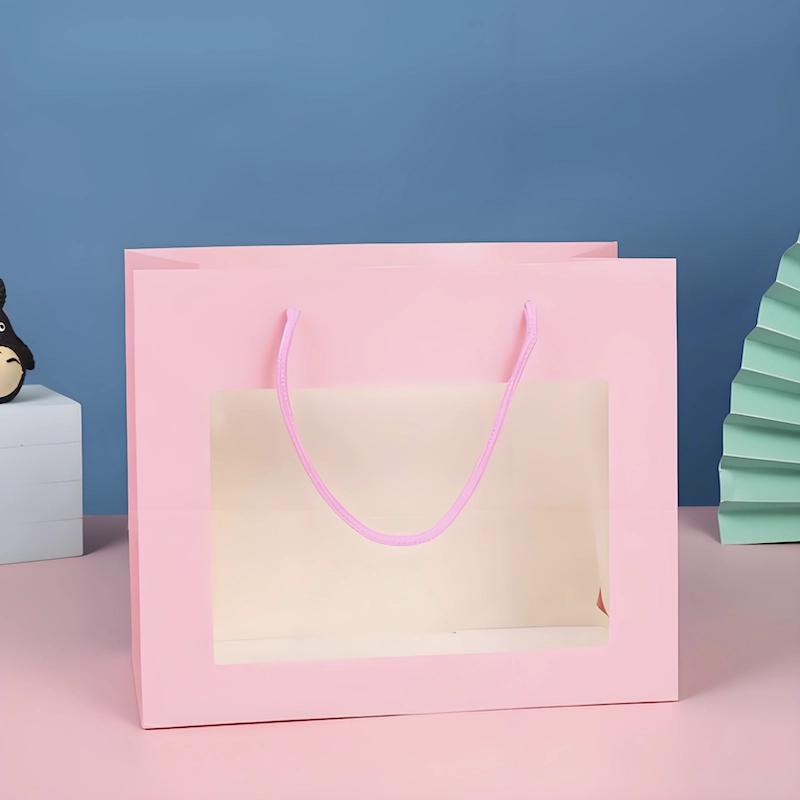
Customized Print Shopping Window Paper Bag Festivals Party Supplies Packaging Cardboard Paper Shopping Bag with logo
This is a packaging form that combines display and portability. Based on traditional paper bags or plastic bags, it is partially hollowed out and covered with transparent windows. Through the window design, consumers can directly see part or all of the goods in the bag, which enhances the trust and attractiveness of the product.
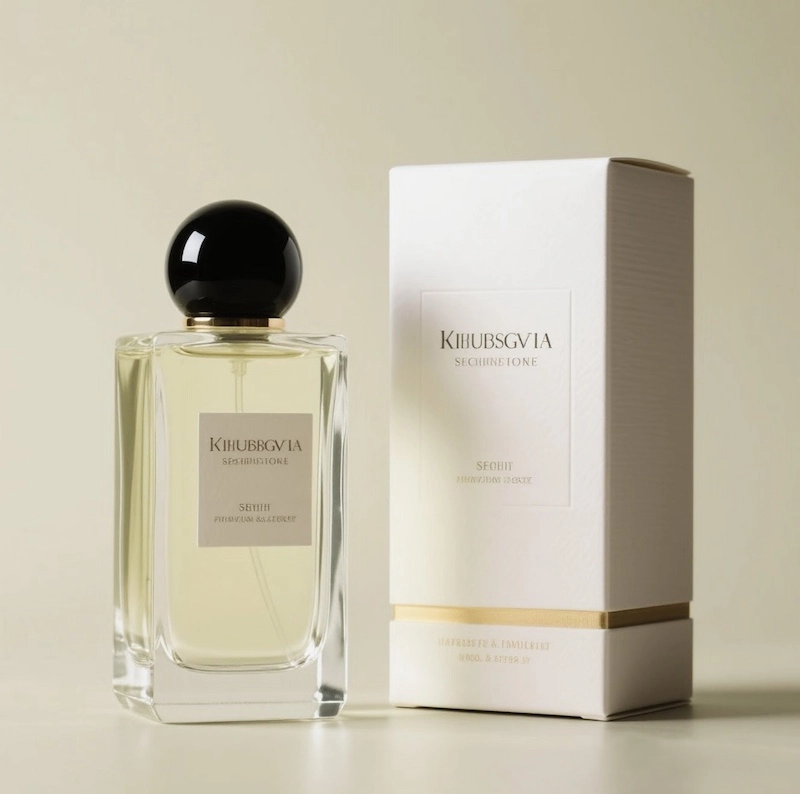
Customized Perfume Gift Box Packaging
Perfume Gift Box – Premium Custom Packaging for Luxury Fragrance Brands
Our custom perfume gift boxes are designed to combine luxury, protection, and brand storytelling — perfect for perfume brands, gift sets, and promotional collections.
Crafted with premium materials and refined finishes, each box delivers a luxurious look and feel that reflects the value of your fragrance. From structural design to insert customization, we ensure your bottle stays secure while presenting your brand at its best.
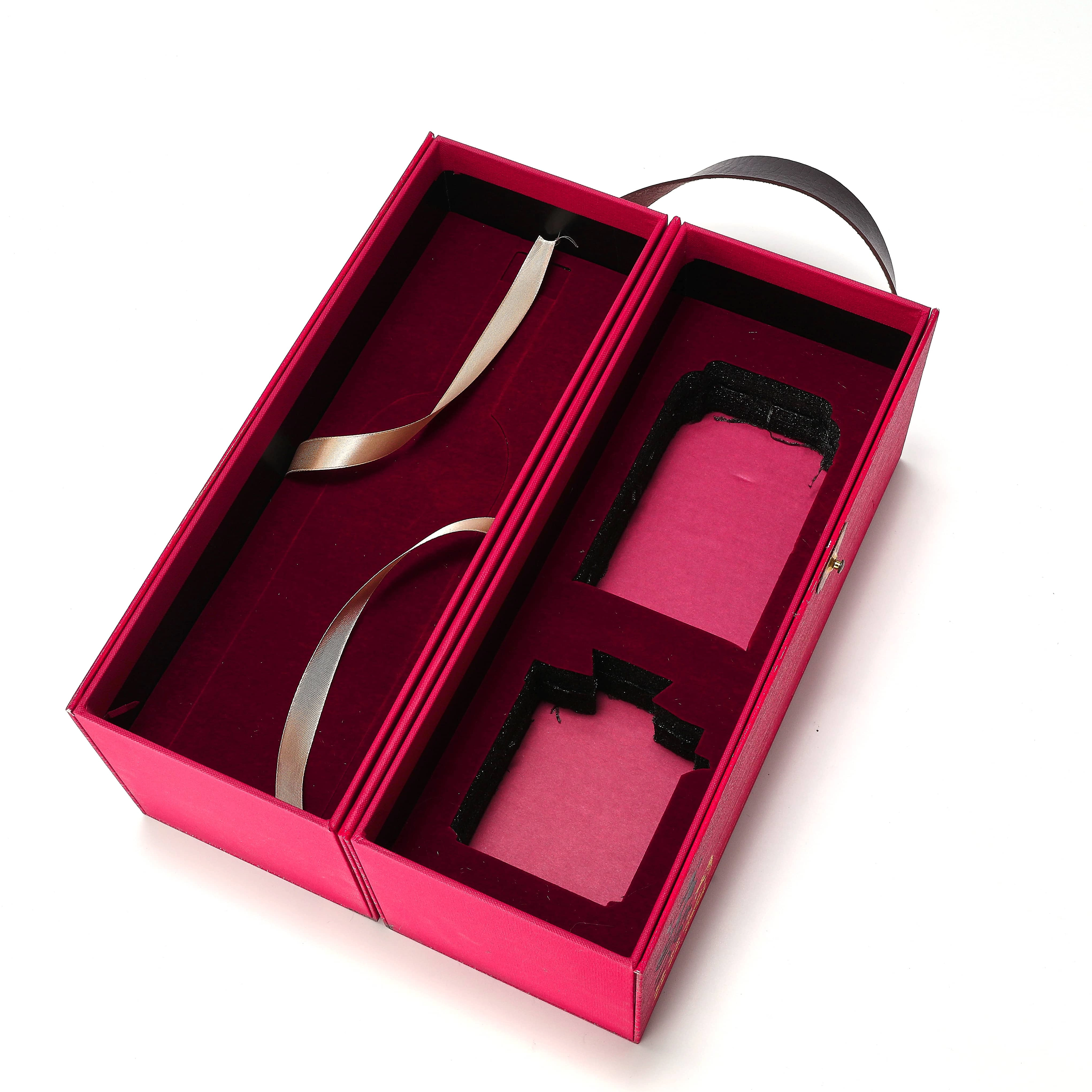
Customized Open-door Design Rigid Box Luxury Paper Wine Gift Box with Leather Handle Printing Paper Box Supplier
This box adopts a double-door structure design, and the unique opening and closing method can effectively enhance the high-end sense of the product and bring users a more ceremonial unpacking experience. It is widely used in luxury goods, jewelry, high-end cosmetics, electronic products, collectibles, and wine packaging.

Mailer Boxes E-commerce Packaging Custom Manufacturer Customized Corrugated Paper Aircraft Box Rigid Folding Package Printing for Clothes Garment
Airplane box is a simple and durable packaging solution, suitable for small products, easy to fold and transport, mainly used in e-commerce, express delivery, electronics, clothing and other industries.
© 2025 WINPACK PRINTING. All rights reserved

Wenhua Printing packaging
winpackprinting
Winpack Printing