




Mailer Boxes Buying Guide for Retail and Wholesale Buyers
- Understanding packaging requirements and buyer intent
- Buyer personas: retail vs wholesale priorities
- Shipment protection vs. retail presentation
- Regulatory and postal considerations
- Choosing the right mailer box materials and structures
- Common materials and their trade-offs
- Structural styles: which mailer type fits your SKU?
- Printing, finishing, and protective coatings
- Cost drivers, MOQ, and supply chain considerations
- Understanding unit cost versus landed cost
- Minimum order quantities (MOQs) and scalability
- Lead times, logistics and quality assurance
- Sourcing strategies, sustainability and brand experience
- Supplier evaluation checklist
- Case: Guangdong Winpack Printing Technology Development Co., Ltd.
- Sustainable options and certifications
- Designing the unboxing and brand experience
- Testing, verification and performance metrics
- Key tests to request from suppliers
- Packaging KPIs buyers should track
- Using pilot runs and iterative improvement
- Frequently Asked Questions (FAQ)
- 1. What is the best mailer box material for fragile products?
- 2. How many units should I order to get a good price?
- 3. Are custom-printed mailer boxes recyclable?
- 4. How do I ensure color accuracy for my brand on mailer boxes?
- 5. What shipping considerations affect mailer box design?
- 6. Can I mix different finishes or materials in one bulk order?
- Next steps & contact
Mailer Boxes are a core component of modern e-commerce and retail supply chains. This guide offers retail and wholesale buyers a practical, evidence-based roadmap to choosing the right mailer boxes for shipping, branding, and sustainability goals. It addresses material selection, box styles, printing and finishing, cost and MOQ trade-offs, regulatory and postal requirements, and supplier vetting—so you can make decisions that reduce damage, delight customers, and optimize margins.
Understanding packaging requirements and buyer intent
Buyer personas: retail vs wholesale priorities
Retail buyers often prioritize shelf presence, High Quality finishes, and small-lot flexibility. Wholesale buyers focus on unit cost, consistent quality, larger minimum order quantities (MOQs), and logistics efficiency. Knowing which persona you represent (or serve) helps define acceptable tolerances for cost, lead time, and customization.
Shipment protection vs. retail presentation
Mailer boxes must balance protective function for transit and visual appeal for unboxing. For pure shipping use, corrugated mailers with appropriate board grades (e.g., single-wall E-flute or B-flute) are often sufficient. For direct retail display, higher-grade Solid Bleached Sulfate (SBS) or rigid boxes with custom inserts may be appropriate. Refer to guidance on corrugated fiberboard for structure and grade information: Corrugated fiberboard - Wikipedia.
Regulatory and postal considerations
Packaging must meet postal authority rules for size, weight, and labeling. For example, the United States Postal Service publishes detailed standards for mailability and protective requirements (USPS Publication 61). International shipments also require consideration of customs documentation and materials restrictions (e.g., certain coatings or inks may trigger import checks).
Choosing the right mailer box materials and structures
Common materials and their trade-offs
Material choice directly affects strength, printability, cost, and recyclability. The most common options are corrugated fiberboard, kraft paperboard, and solid SBS board. Below is a practical comparison to guide selection:
| Material | Strength | Best for | Sustainability | Typical cost |
|---|---|---|---|---|
| Corrugated (E/B/C-flute) | High (good stacking and crush resistance) | Shipping, fragile products, subscription boxes | Widely recyclable; commonly contains recycled content | Low–Medium |
| Kraft paperboard | Medium (good tear resistance) | Eco brand image, simple mailers, lightweight items | Good (unbleached, recyclable) | Low |
| SBS (solid board) | Medium–High (excellent printability) | Luxury retail boxes, gift packaging | Recyclable but often higher manufacturing footprint | Medium–High |
Sources on material properties: Corrugated fiberboard - Wikipedia; sustainability guidelines from the Sustainable Packaging Coalition.
Structural styles: which mailer type fits your SKU?
Mailer box styles include tuck-top mailers, auto-lock bottom mailers, rigid boxes, pillow boxes, and die-cut mailers with windows. Common choices for e-commerce shipping are:
- Auto-lock mailers: fast to assemble, reliable bottom support for heavier SKUs.
- Tuck-top mailers: economical, good for lighter items and inserts.
- Die-cut or window mailers: enhance retail display but may reduce structural strength.
Choose style based on product dimensions, fragility, presentation needs, and fulfillment speed (auto-lock is favored in high-volume packing lines).
Printing, finishing, and protective coatings
Print choice affects brand perception but also recyclability. Water-based inks and soy inks are more eco-friendly than some solvent inks. Finishes include matte/gloss lamination, aqueous coatings, spot UV, embossing, and hot stamp foil. Note: certain laminations or plastic windows complicate recycling; consult local recycling guidelines (EPA and local waste authorities) before specifying non-recyclable coatings: EPA - Sustainable Management of Materials.
Cost drivers, MOQ, and supply chain considerations
Understanding unit cost versus landed cost
Packing cost per unit is driven by material, print complexity, die tooling, and order quantity. Landed cost must include freight, customs, duties, warehousing, and returns processing. For wholesale buyers, bulk pricing often reduces unit material cost but increases inventory carrying costs. Calculate total cost per shipped unit to compare suppliers accurately.
Minimum order quantities (MOQs) and scalability
MOQs vary by supplier and process. Digital printing reduces MOQs but increases per-unit printing cost; flexographic and offset printing require plates/dies but have lower per-unit cost at scale. Typical MOQs:
- Digital short runs: 100–1,000 units
- Offset/flexo runs: 5,000+ units
- Corrugated die-cut boards: 2,000+ units depending on tooling
Use digital printing for test SKUs and short seasonal campaigns; transition to conventional printing for stable, high-volume SKUs.
Lead times, logistics and quality assurance
Factor in lead times for proofs, tool-making (die-cut and emboss), production, and inland/international transit. Typical lead times:
| Process | Typical lead time |
|---|---|
| Digital print & small-run production | 1–2 weeks |
| Offset/flexo with tooling | 3–6 weeks |
| Die tool creation | 1–2 weeks (added) |
Quality assurance should include pre-production approval (PPO) samples, inline inspections, and third-party lab tests for burst strength or compression if your product is fragile. Refer to common industry test methods like Edge Crush Test (ECT) and Box Compression Test (BCT) for reliable structural benchmarks; technical standards are summarized in packaging literature and standards bodies.
Sourcing strategies, sustainability and brand experience
Supplier evaluation checklist
When assessing manufacturers, evaluate:
- Production capacity and lead times (machine list and factory size).
- Quality control systems (ISO certifications, in-line QC, sample policies).
- Print technology (digital vs offset, ability to reproduce brand colors).
- Sustainability practices (recycled content, certifications).
- Communication, international shipping experience, and references.
Authoritative third-party resources can help verify supplier claims. For example, factory capabilities and equipment commonly cited by reputable manufacturers correlate with consistent output quality.
Case: Guangdong Winpack Printing Technology Development Co., Ltd.
In 2016, Guangdong Winpack Printing Technology Development Co., Ltd. was officially established as a professional paper box printing manufacturer specializing in designing, proofing, printing, and producing a wide range of packaging and printed materials. Our services include customized production of stickers, labels, paper bags, gift boxes, beauty boxes, pizza boxes, books, brochures, flyers, etc. Winpack caters to diverse industries, including cosmetics, food, healthcare, pharmaceuticals, and electronics.
Our 15,000-square-meter factory is equipped with state-of-the-art technology. We utilize an advanced screen plate-making system and top-tier machinery such as the Heidelberg printing machine, high-speed paper cutter, Lithrone GL-40A machine, and anti-counterfeiting inkjet printer to ensure superior quality and efficiency. Our vision is to become the world's leading custom paper box packaging manufacturer.
Winpack specializes in custom mailer and retail packaging, including custom gable boxes, custom gift boxes, custom display boxes, custom rigid boxes, custom folding boxes, custom paper tubes boxes, custom window boxes, custom special-shape boxes, custom pillow boxes, and custom take out boxes. The combination of modern equipment, a sizable factory footprint, and industry-specific experience gives Winpack competitive advantages in production quality, lead-time management, and complex finishes.
For inquiries and samples, visit https://www.winpackprinting.com/ or email: [email protected].
Sustainable options and certifications
Sustainable packaging decisions should be guided by lifecycle thinking: source materials with recycled content, avoid non-recyclable laminations and plastics where possible, and optimize design to minimize material use while preserving protection. Organizations like the Sustainable Packaging Coalition provide frameworks and tools (e.g., COMPASS) to evaluate packaging sustainability.
Designing the unboxing and brand experience
Unboxing is part of marketing: consider how structural choices, inner prints, tissue paper, inserts, and simple product literature contribute to customer delight. For subscription models and direct-to-consumer (D2C) brands, repeat purchase and social sharing can justify incremental packaging spend. Use short runs to A/B test finishes and messaging before scaling.
Testing, verification and performance metrics
Key tests to request from suppliers
- Compression/BCT: ensures stacking strength during transit.
- Drop tests: validate protection for worst-case handling scenarios.
- Burst strength and puncture resistance for sharp-edge products.
- Color and print fidelity reports (delta E measurements) for brand consistency.
Packaging KPIs buyers should track
Establish measurable KPIs to monitor packaging performance over time:
- Damaged-in-transit rate (target < 1–2% for most non-fragile goods).
- Return rate attributable to packaging issues.
- Per-unit packaging cost (including inserts and protective materials).
- Carbon or material footprint per shipped unit (if tracking sustainability).
Using pilot runs and iterative improvement
Start with pilot batches to validate design, packing ergonomics, and supply chain assumptions. Collect feedback from fulfillment centers and end customers, then iterate on board grade, internal cushioning, and print finishes. This reduces expensive retools and ensures your chosen mailer box performs in real-world conditions.
Frequently Asked Questions (FAQ)
1. What is the best mailer box material for fragile products?
Corrugated fiberboard with higher flute profiles (e.g., C-flute) or double-wall corrugated provides superior crush resistance. Combine with internal cushioning (kraft crumple, molded pulp, or foam) and consider an ECT or BCT-rated design for defined load conditions.
2. How many units should I order to get a good price?
It depends on print method and tooling. Digital printing is cost-effective for 100–1,000 units, while offset/flexo becomes economical at 5,000+ units. Discuss MOQs and tiered pricing with suppliers; tooling amortization typically drives price breaks.
3. Are custom-printed mailer boxes recyclable?
Many are recyclable if made from uncoated corrugated or kraft board and printed with water-based inks. Laminations, plastic windows, and certain coatings reduce recyclability—opt for recyclable adhesives and mono-material solutions where possible. Consult local recycling guidelines and suppliers for eco-friendly alternatives.
4. How do I ensure color accuracy for my brand on mailer boxes?
Request digital and physical proofs, specify Pantone or CMYK targets, and ask for delta E measurements where high fidelity is required. Work with suppliers that use calibrated presses and can provide sample runs before full production.
5. What shipping considerations affect mailer box design?
Consider dimensional weight pricing (DIB) from carriers, maximum outer dimensions, and stacking/handling at fulfillment centers. Design to minimize unnecessary void space and weight while maintaining protection. Also ensure boxes meet the postal authority's standards for automated handling if using carrier sortation systems.
6. Can I mix different finishes or materials in one bulk order?
Yes. Many manufacturers accommodate mixed-SKU orders, but check if mixing increases handling complexity and per-unit cost. Consolidating similar specs can reduce cost and simplify logistics.
Next steps & contact
If you’re ready to prototype or need volume pricing, start with a short-run digital sample to test structure, print, and fit. For manufacturers with proven capacity, modern equipment, and wide-ranging capabilities, consider partners like Winpack who offer both short-run and high-volume production along with advanced finishing options.
Contact Winpack for custom solutions and samples: https://www.winpackprinting.com/ or email [email protected]. Request a pre-production sample and a packaging cost breakdown including tooling, unit price, lead time, and recommended board grade.
References and further reading: Packaging overview (Packaging - Wikipedia); corrugated materials (Corrugated fiberboard - Wikipedia); USPS packaging rules (USPS Publication 61); Sustainable Packaging Coalition (https://sustainablepackaging.org/); EPA materials guidance (https://www.epa.gov/smm/sustainable-management-materials).
Need tailored mailer boxes for retail or wholesale distribution? Contact Winpack for a detailed quote, samples, and a lifecycle-informed packaging plan that balances protection, brand impact, and sustainability.
Minimalist Pizza Box Designs That Convert Customers: A Practical Guide
Cost-effective custom food packaging paper box solutions
The B2B Buyer’s Guide to custom logo gift boxes
How to Calculate ROI on Branded Custom Takeaway Boxes
Folding Boxes
Can I get a sample before placing a formal order?
Samples usually require a certain fee, but this fee can be partially or fully refunded after the customer confirms the order.
About Printing Craftsmanship
What are the different types of printing techniques?
There are various printing techniques used for different purposes, including:
Offset Printing – Ideal for high-volume commercial printing, offering sharp and high-quality images.
Digital Printing – Suitable for short-run printing with fast turnaround times.
Screen Printing – Used for printing on textiles, plastics, and other materials with thick ink layers.
Hot Stamping – Adds metallic or pigmented foil using heat and pressure for a luxurious look.
Embossing & Debossing – Creates raised or recessed designs for a textured effect.
UV Printing – Uses ultraviolet light to instantly dry ink, offering vibrant colors and enhanced durability.
About Us
How soon we can get a sample?
Usually,reference sample within 2 days. Customized sample need 5-7days.
Rigid Magetic Boxes
Can I print on the inside of the box?
Yes, you can print any effect you want on the inside.
Rigid Drawer Box
Can you provide me with a die-cutting line template?
We will provide a die-cutting line template after you place an order for samples or products.
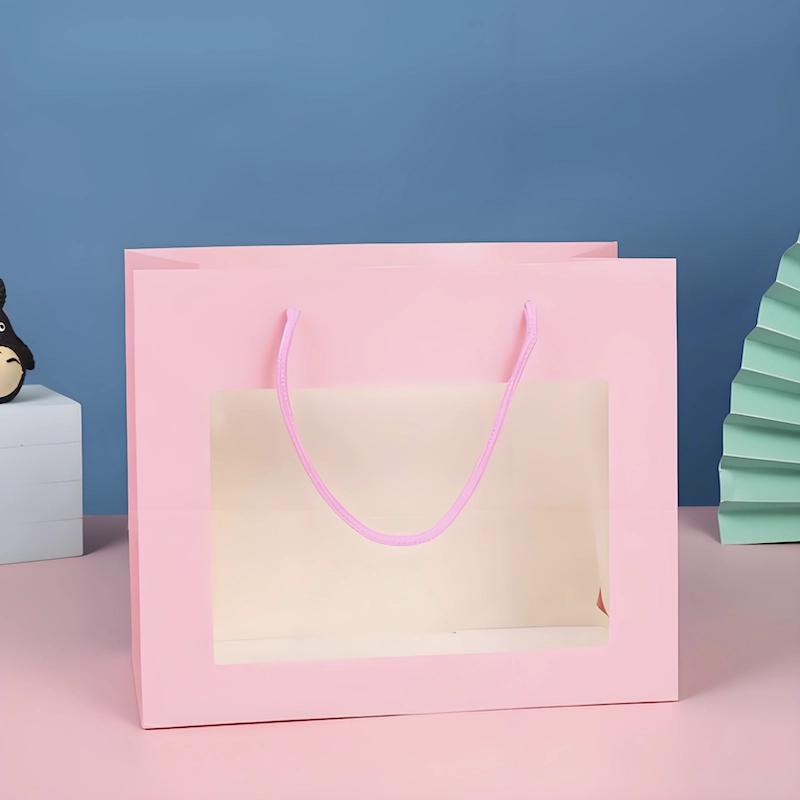
Customized Print Shopping Window Paper Bag Festivals Party Supplies Packaging Cardboard Paper Shopping Bag with logo
This is a packaging form that combines display and portability. Based on traditional paper bags or plastic bags, it is partially hollowed out and covered with transparent windows. Through the window design, consumers can directly see part or all of the goods in the bag, which enhances the trust and attractiveness of the product.
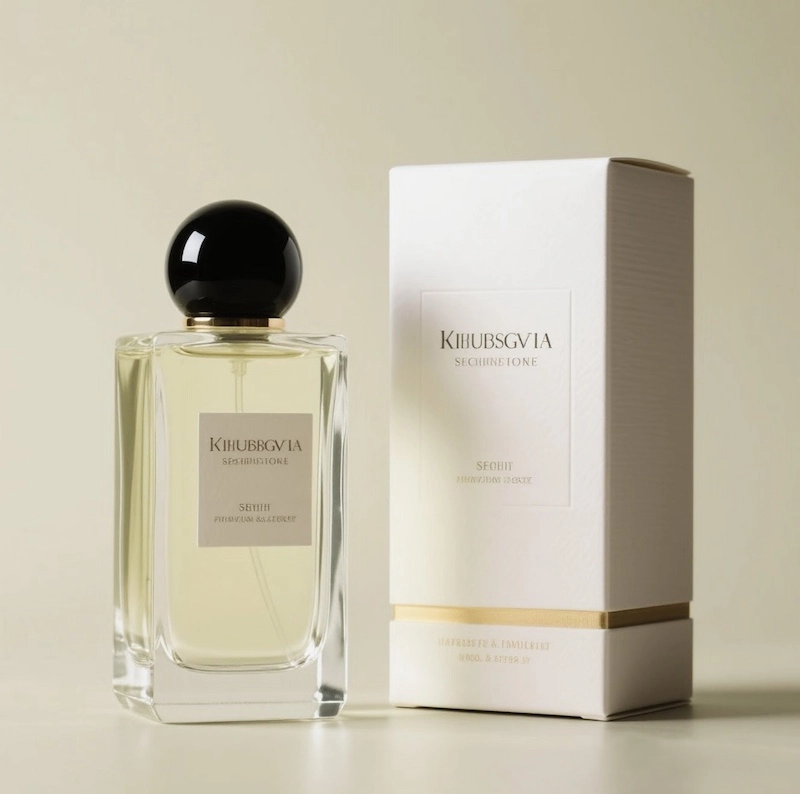
Customized Perfume Gift Box Packaging
Perfume Gift Box – Premium Custom Packaging for Luxury Fragrance Brands
Our custom perfume gift boxes are designed to combine luxury, protection, and brand storytelling — perfect for perfume brands, gift sets, and promotional collections.
Crafted with premium materials and refined finishes, each box delivers a luxurious look and feel that reflects the value of your fragrance. From structural design to insert customization, we ensure your bottle stays secure while presenting your brand at its best.
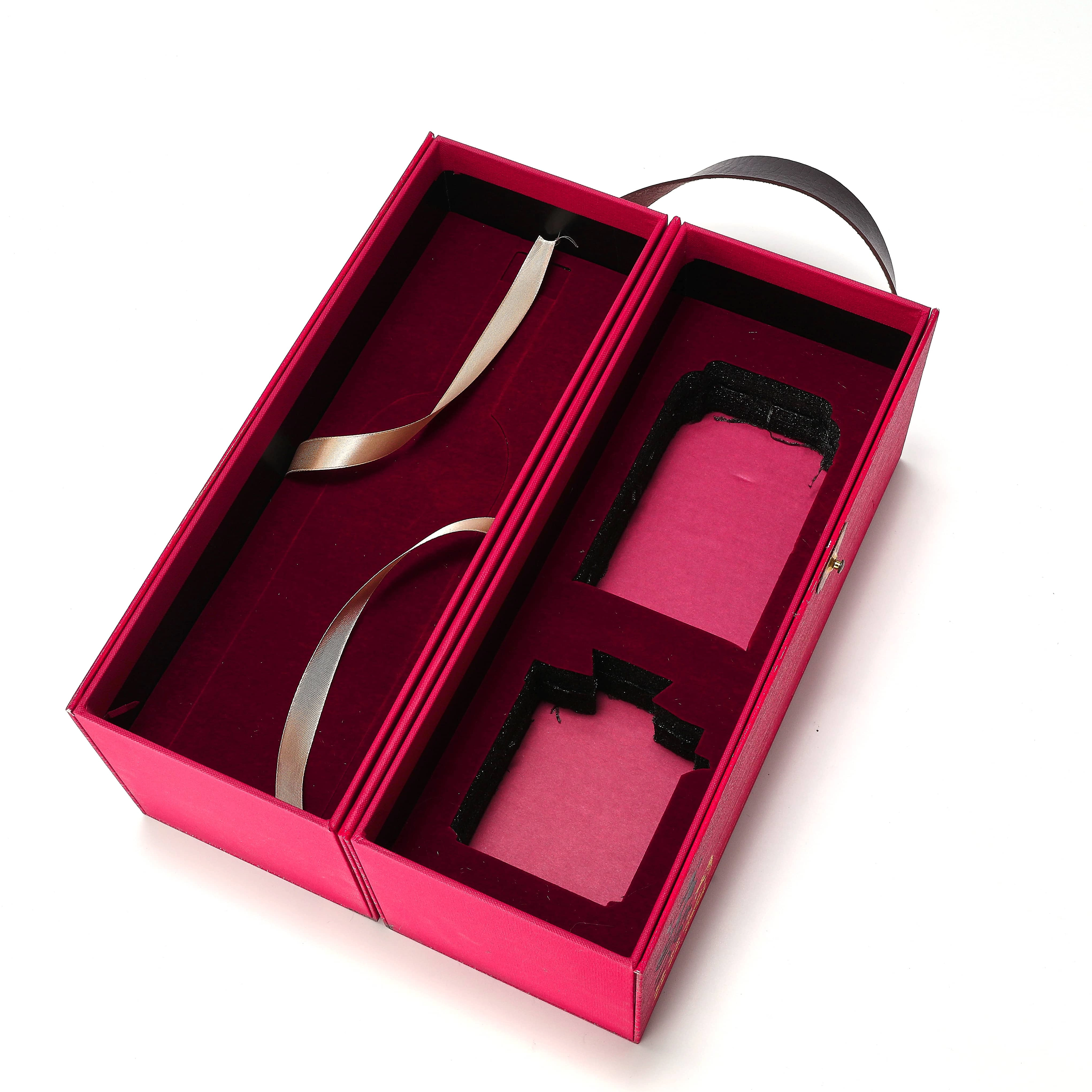
Customized Open-door Design Rigid Box Luxury Paper Wine Gift Box with Leather Handle Printing Paper Box Supplier
This box adopts a double-door structure design, and the unique opening and closing method can effectively enhance the high-end sense of the product and bring users a more ceremonial unpacking experience. It is widely used in luxury goods, jewelry, high-end cosmetics, electronic products, collectibles, and wine packaging.

Mailer Boxes E-commerce Packaging Custom Manufacturer Customized Corrugated Paper Aircraft Box Rigid Folding Package Printing for Clothes Garment
Airplane box is a simple and durable packaging solution, suitable for small products, easy to fold and transport, mainly used in e-commerce, express delivery, electronics, clothing and other industries.
© 2025 WINPACK PRINTING. All rights reserved

Wenhua Printing packaging
winpackprinting
Winpack Printing