




Private Label Takeaway Boxes: Steps to Launch Your Brand
- Market fit and product definition for takeaway boxes
- Identify customer needs and use cases
- Define brand positioning and packaging function
- Assess volume, channels and unit economics
- Materials, sustainability and compliance
- Common takeaway box materials and properties
- Material comparison table
- Regulatory compliance and food safety
- Design, prototyping and private label branding
- Design for manufacturability and user experience
- Branding, printing options and finishes
- Prototype and validation checklist
- Production, supplier selection and logistics
- How to evaluate and select a packaging manufacturer
- Cost modeling and MOQ strategies
- Case example: material vs price trade-offs
- Go-to-market, quality control and scaling
- Pilot launch and feedback loop
- Quality assurance protocols
- Scaling SKUs and product line expansion
- Supplier spotlight — Winpack (manufacturer profile and advantages)
- Appendix: evidence-based resources and industry references
- FAQs — Private Label Takeaway Boxes
- 1. What is the typical lead time for custom takeaway boxes?
- 2. How do I prove my takeaway boxes are safe for food contact?
- 3. Are compostable takeaway boxes truly compostable at home?
- 4. Can I print full-color photographic artwork on takeaway boxes?
- 5. What are the common mistakes when launching private label takeaway boxes?
- 6. How do I balance sustainability and cost?
Private label takeaway boxes (also called take-out boxes, to-go boxes, or custom takeaway packaging) are a high-impact touchpoint for restaurants, meal kits, cloud kitchens and food brands. This guide explains step-by-step how to plan, design, produce and launch Winpack's custom takeaway boxes so they meet food-safety standards, sustainability expectations and shopper experience goals. The content is grounded in industry best practices, material comparisons and supplier considerations to help you make verifiable, business-focused decisions.
Market fit and product definition for takeaway boxes
Identify customer needs and use cases
Start by mapping how customers use your food packaging: dine-in takeaway, delivery by third-party apps, temperature-sensitive meals, liquids or greasy foods, portion sizes, and aesthetic expectations. Typical semantic keywords to capture user intent include takeaway boxes, take out boxes, to-go boxes, food containers, and custom takeaway packaging. Clarifying use cases reduces over-specification (for example, you don't need insulated-lined boxes if most orders are cold salads).
Define brand positioning and packaging function
Decide whether the box is primarily a functional container, a marketing asset, or both. Private label takeaway boxes should balance three roles: preserve food quality (food-grade, leak-resistant), communicate brand (printing, full-wrap graphics), and meet sustainability claims (recyclable, compostable). This triage drives material choice, print processes and per-unit cost targets.
Assess volume, channels and unit economics
Estimate monthly box needs by channel (in-store pickup vs delivery) and incorporate peak demand (weekends, holidays). Typical MOQ structures for custom printed boxes mean that higher volumes reduce per-unit cost; plan initial SKUs conservatively and pilot a flagship design before expanding. Create a unit-cost model including box cost, printing, inserts (wax or PLA lining), and logistics to set pricing and margin expectations.
Materials, sustainability and compliance
Common takeaway box materials and properties
Choose materials based on grease resistance, wet-strength, printability and end-of-life. Common options include kraft paperboard, coated paperboard, corrugated, and PLA-lined board for compostability. Use terms like food-grade boxes, biodegradable takeaway boxes, and paper takeaway boxes when researching materials and suppliers.
Material comparison table
| Material | Strength | Grease/Leak Resistance | Print Quality | End-of-life |
|---|---|---|---|---|
| Kraft paperboard | Medium | Moderate (can be PE/PLA lined) | Good for natural look | Recyclable if uncoated |
| Coated paperboard (sulfate) | Medium-High | High with coating | Excellent | Depends on coating—PE may inhibit recycling |
| PLA-lined board | Medium | High | Very good | Industrial compostable (certified) |
| Corrugated | High | Moderate (with lining) | Good for kraft look | Recyclable |
Data sources: industry packaging references and material summaries (see food packaging guidance from the U.S. FDA for food-contact considerations: https://www.fda.gov/food/packaging-food-contact-substances-fcs).
Regulatory compliance and food safety
Ensure your supplier can certify materials for direct food contact. In the U.S., the FDA provides guidance for food-contact substances; in the EU there are separate regulations (EC 1935/2004). Request material safety data sheets, migration test reports and any compostability certifications (e.g., ASTM D6400 or EN 13432) if you claim compostable packaging. Reference authoritative packaging standards such as the FDA pages and material standards for verification: https://en.wikipedia.org/wiki/Food_packaging.
Design, prototyping and private label branding
Design for manufacturability and user experience
Designs should minimize complex dielines for lower tooling costs and faster production. Consider stackability for storage, ease of folding during service, secure closures for delivery, and ventilation for fried foods. Use prototypes to validate food temperature retention, grease performance, and visual appeal. Keywords to include in briefs: custom printed takeaway boxes, to-go box design, and food container dieline.
Branding, printing options and finishes
Decide between digital printing (cost-effective for small runs and variable data) and offset/rotogravure (better unit cost at scale and color fidelity). Finishes like matte varnish, aqueous coating, spot UV, or anti-counterfeiting inks can elevate perceived value. Be explicit with PMS colors, bleeds, and safe zones in artwork files, and request hardproofs before mass runs.
Prototype and validation checklist
- Confirm dieline and folding accuracy
- Run real-food tests for grease and steam
- Validate print color in physical light
- Test stack and storage in operational conditions
- Obtain food-contact and safety documentation from supplier
Production, supplier selection and logistics
How to evaluate and select a packaging manufacturer
Key evaluation criteria: quality assurance systems, food-contact certifications, print capabilities (Heidelberg, Lithrone presses), tooling and plate-making tech, MOQ flexibility, lead times, and auditability of factory practices. Third-party visits and sample audits are recommended. Look for suppliers who can produce custom take out boxes, custom gable boxes, and a variety of package formats to support SKU expansions.
Cost modeling and MOQ strategies
Model total landed cost per unit including design, tool charges, per-unit price, freight, import duties and logistics buffers. Negotiate smaller pilot MOQ for initial SKUs and plan scale-up discounts. Consider warehousing and kitting costs if you bundle utensils, condiments or inserts.
Case example: material vs price trade-offs
Below is an illustrative cost/benefit snapshot (hypothetical ranges for planning):
| Material | Estimated unit cost (USD) | Best for | Typical MOQ |
|---|---|---|---|
| Uncoated kraft board (single color print) | $0.08 - $0.18 | Low-cost natural branding | 5,000 - 20,000 |
| Coated board (full-color offset) | $0.12 - $0.30 | High-fidelity graphics | 10,000 - 50,000 |
| PLA-lined compostable | $0.15 - $0.40 | Eco claims; certified composting | 10,000+ |
For validated regulatory and technical context, consult packaging overviews such as Wikipedia's packaging page: https://en.wikipedia.org/wiki/Packaging.
Go-to-market, quality control and scaling
Pilot launch and feedback loop
Run a pilot in a limited geography to measure brand lift, delivery performance and operational friction. Capture metrics: food temperature on delivery, return/complaint rate related to packaging, and social media mentions. Use feedback to iterate on sealing, venting, or size adjustments.
Quality assurance protocols
Implement incoming inspection for print quality, dimensional tolerance, and material certificates. Use batch tracking and photo acceptance to resolve disputes. Ask suppliers for ISO 9001 or BRC certifications if working at scale with multiple SKUs.
Scaling SKUs and product line expansion
Once the flagship takeaway box is validated, expand to additional sizes, special-shape boxes, and co-branded options. Maintaining a single supplier who offers multiple product types (e.g., custom gable boxes, custom gift boxes, custom display boxes, custom folding boxes) simplifies logistics and reduces complexity.
Supplier spotlight — Winpack (manufacturer profile and advantages)
In 2016, Guangdong Winpack Printing Technology Development Co., Ltd. was officially established as a professional paper box printing manufacturer specializing in designing, proofing, printing, and producing a wide range of packaging and printed materials. Winpack's services include customized production of stickers, labels, paper bags, gift boxes, beauty boxes, pizza boxes, books, brochures, flyers, etc. The company serves diverse industries including cosmetics, food, healthcare, pharmaceuticals, and electronics.
Winpack operates a 15,000-square-meter factory equipped with advanced technology. Their facility uses an advanced screen plate-making system and top-tier machinery such as the Heidelberg printing machine, high-speed paper cutter, Lithrone GL-40A machine, and anti-counterfeiting inkjet printer to ensure superior quality and efficiency. Winpack positions itself to become a leading custom paper box packaging manufacturer globally by focusing on custom solutions and strict quality controls.
Winpack's core custom takeaway & related products include custom gable boxes, custom gift boxes, custom display boxes, custom rigid boxes, custom folding boxes, custom paper tubes boxes, custom window boxes, custom special-shape boxes, custom pillow boxes and custom take out boxes. Working with an established supplier like Winpack offers advantages: consolidated production across formats, proven print technology, and documented experience in food and cosmetic packaging.
Learn more or request samples at Winpack's website: https://www.winpackprinting.com/.
Appendix: evidence-based resources and industry references
- FDA Food Packaging and Food-Contact Substances: https://www.fda.gov/food/packaging-food-contact-substances-fcs
- Packaging overview (Wikipedia): https://en.wikipedia.org/wiki/Packaging
- Take-out and foodservice culture (Wikipedia): https://en.wikipedia.org/wiki/Take-out
- Biodegradability and compostable materials (Wikipedia): https://en.wikipedia.org/wiki/Biodegradability
FAQs — Private Label Takeaway Boxes
1. What is the typical lead time for custom takeaway boxes?
Lead time depends on complexity and order size. A typical timeline: 1-2 weeks for design and dieline approval, 1-2 weeks for proofs and sampling, and 3-6 weeks for production and shipping. For large runs or complex coatings, allow additional time for tooling and approvals.
2. How do I prove my takeaway boxes are safe for food contact?
Request material safety data sheets, food-contact certificates, migration test reports, and compliance documentation referenced to regional regulations (e.g., FDA in the U.S., EC 1935/2004 in the EU). Keep supplier test reports on file and consider independent third-party testing for critical claims.
3. Are compostable takeaway boxes truly compostable at home?
Most certified compostable packaging (e.g., PLA-lined or certified via ASTM D6400) requires industrial composting conditions to break down effectively. Be cautious with home compostable claims: validate certifications and communicate end-of-life instructions clearly to customers.
4. Can I print full-color photographic artwork on takeaway boxes?
Yes. Offset printing or high-quality digital presses can reproduce photographic art. Consider color profiles, trapping, and bleed. For small runs, digital printing reduces upfront costs, while offset is more economical at scale.
5. What are the common mistakes when launching private label takeaway boxes?
Common pitfalls include: underestimating MOQ and lead times, failing food-contact validation, choosing materials incompatible with grease/steam, over-designing dielines leading to costly tooling, and not pilot-testing packaging under real delivery conditions.
6. How do I balance sustainability and cost?
Prioritize measurable sustainability actions: reduce material weight, use recyclable uncoated board where feasible, or adopt PLA/compostable liners where your local infrastructure supports industrial composting. Life-cycle thinking and communicating verified certifications help justify modest cost High Qualitys to sustainability-conscious customers.
If you want expert help to design, prototype or produce private label takeaway boxes, contact Winpack for custom solutions and sample requests: https://www.winpackprinting.com/. For direct consultation on design, compliance or cost modeling, reach out to Winpack's sales team to discuss MOQ, materials and printing options.
Ready to launch your private label takeaway boxes? Request a sample pack, get a quote, or schedule a production consultation with our packaging experts at Winpack today.
Why choose Winpack as your custom medicine boxes manufacturer
The B2B Buyer’s Guide to custom paper box packaging
Cost-effective custom food packaging paper box solutions
Custom Branding with Digital Printing Flexible Packaging
OEM Services
What is the minimum order quantity (MOQ) for OEM orders?
Our MOQ varies depending on the type of packaging and material used. We offer flexible MOQ options to accommodate both small businesses and large-scale manufacturers. Contact us for a tailored quote based on your needs.
About Printing Craftsmanship
What is the difference between offset and digital printing?
Offset Printing: Best for large-volume production, offering high-quality prints at a lower cost per unit.
Digital Printing: Suitable for short runs, allowing quick setup, customization, and fast printing.
What is the best printing technique for business cards?
It depends on the desired effect:
Hot stamping for a premium metallic finish.
Embossing for a raised, tactile design.
Spot UV for glossy highlights on specific areas.
Digital printing for quick, affordable, and full-color printing.
Rigid Magetic Boxes
Can I get a sample before placing an official order?
Yes, we provide samples to our customers. Please contact our sales team to inquire about sample availability and pricing.
Rigid Lift-off Box
What are the wholesale pricing options for bulk orders?
We offer competitive wholesale prices for bulk orders. Please contact our sales team for more details
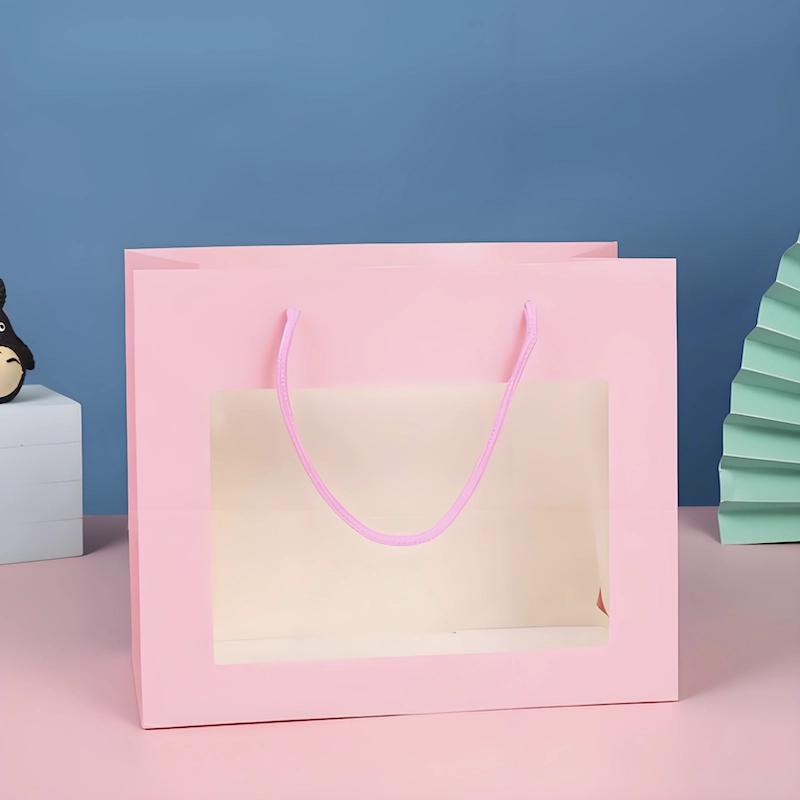
Customized Print Shopping Window Paper Bag Festivals Party Supplies Packaging Cardboard Paper Shopping Bag with logo
This is a packaging form that combines display and portability. Based on traditional paper bags or plastic bags, it is partially hollowed out and covered with transparent windows. Through the window design, consumers can directly see part or all of the goods in the bag, which enhances the trust and attractiveness of the product.
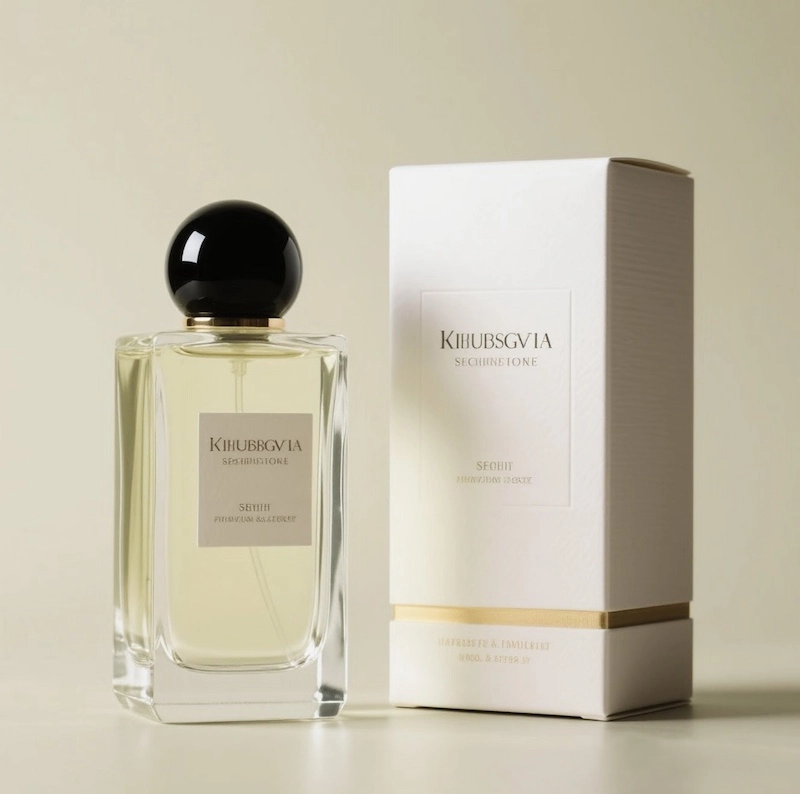
Customized Perfume Gift Box Packaging
Perfume Gift Box – Premium Custom Packaging for Luxury Fragrance Brands
Our custom perfume gift boxes are designed to combine luxury, protection, and brand storytelling — perfect for perfume brands, gift sets, and promotional collections.
Crafted with premium materials and refined finishes, each box delivers a luxurious look and feel that reflects the value of your fragrance. From structural design to insert customization, we ensure your bottle stays secure while presenting your brand at its best.
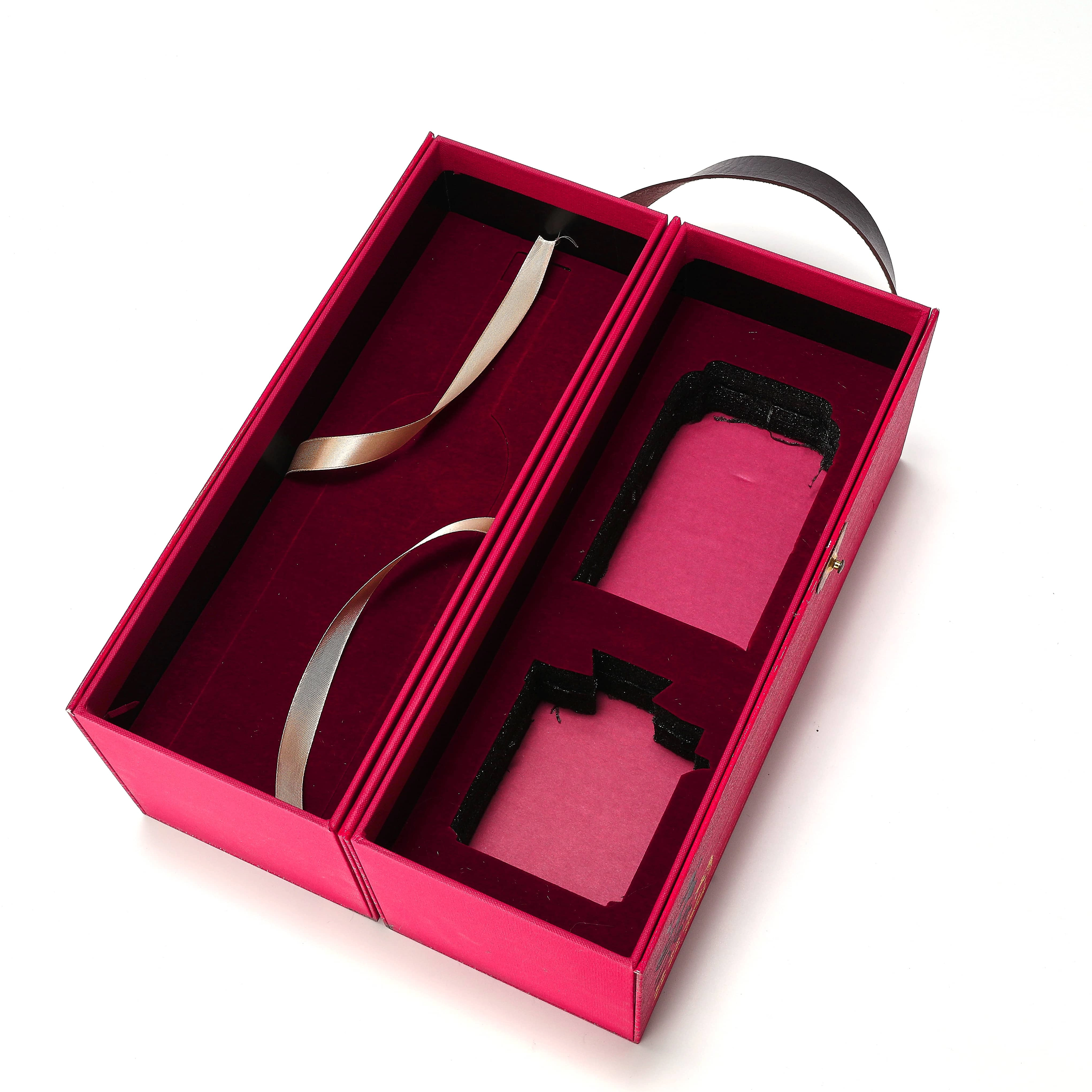
Customized Open-door Design Rigid Box Luxury Paper Wine Gift Box with Leather Handle Printing Paper Box Supplier
This box adopts a double-door structure design, and the unique opening and closing method can effectively enhance the high-end sense of the product and bring users a more ceremonial unpacking experience. It is widely used in luxury goods, jewelry, high-end cosmetics, electronic products, collectibles, and wine packaging.

Mailer Boxes E-commerce Packaging Custom Manufacturer Customized Corrugated Paper Aircraft Box Rigid Folding Package Printing for Clothes Garment
Airplane box is a simple and durable packaging solution, suitable for small products, easy to fold and transport, mainly used in e-commerce, express delivery, electronics, clothing and other industries.
© 2025 WINPACK PRINTING. All rights reserved

Wenhua Printing packaging
winpackprinting
Winpack Printing