




Recyclable Takeaway Box Design: Tips for Circular Packaging
- Why circular packaging matters
- Environmental and regulatory drivers
- Consumer expectations and brand value
- Design principles for recyclable takeaway boxes
- 1. Prioritize mono-material construction
- 2. Minimize or choose compatible barrier systems
- 3. Design for disassembly and clear labeling
- Materials and technical options
- Paperboard grades and recycled fiber
- Barrier technologies: PE, PLA, water-based coatings
- Design for use-case: hot liquids, greasy foods, or dry items?
- Materials comparison table
- Implementation, testing, and end-of-life strategies
- Labeling, consumer guidance, and in-store communication
- Testing and certification (practical checklist)
- Working with supply chain and waste management
- Operational tips for brands and packagers
- 1. Start with the product and use-case
- 2. Work with certified suppliers and perform small pilots
- 3. Track metrics and continuously improve
- Case study: Practical steps for redesign (6–step checklist)
- Manufacturer profile: Winpack — capabilities and relevance to recyclable takeaway packaging
- Conclusion: Key takeaways for recyclable takeaway box design
- Frequently Asked Questions (FAQ)
- 1. Are takeaway boxes recyclable?
- 2. What is the difference between compostable and recyclable takeaway boxes?
- 3. Do PLA linings make a box recyclable?
- 4. How can I test if my takeaway box will survive hot liquids?
- 5. How do I communicate correct disposal to consumers?
- 6. Who should I involve when redesigning takeaway boxes?
Recyclable Takeaway Box Design: Tips for Circular Packaging
Designing takeaway boxes for recyclability isn't just about using paper — it's about system thinking: materials selection, barrier technology, consumer guidance, and compatibility with local collection and recycling infrastructure. This article provides evidence-based, practical guidance to help brands and packaging engineers design takeout packaging that reduces waste, maintains food safety, and supports a circular economy for takeaway boxes, takeout containers, and to-go packaging.
Why circular packaging matters
Environmental and regulatory drivers
Foodservice packaging is a visible source of waste and pollution. Transitioning takeaway boxes to circular solutions reduces material demand, lowers greenhouse gas emissions, and helps meet tightening regulations on single-use plastics in many jurisdictions. The Ellen MacArthur Foundation has shown that circular design can significantly cut material flows and emissions, and governments increasingly mandate recyclable or recyclable-by-design packaging.
Consumer expectations and brand value
Consumers expect sustainable options for takeaway and are more likely to choose brands that clearly communicate recyclable or compostable credentials. Clear, honest labeling and meeting recognized standards build trust and avoid greenwashing claims.
Design principles for recyclable takeaway boxes
1. Prioritize mono-material construction
Mono-material packaging — using only paper and paperboard without plastic laminates or mixed-material windows — simplifies recycling. Mono-materials can enter existing paper recycling streams with far higher recovery rates than multi-layer composites. For takeaway boxes, this often means choosing uncoated or water-based coated paperboard and avoiding plastic windows or PE linings where possible.
2. Minimize or choose compatible barrier systems
Food service needs grease and liquid barriers. Options include water-based dispersion coatings, sulfur-modified sizing, or engineered paperboard grades with enhanced wet-strength. If polymer barriers are necessary, choose solutions designed to be recyclable with paper (mono-material PE monochrome systems are limited) or use compostable linings only when composting infrastructure is available. Note that some barriers (e.g., PLA linings) can compromise paper recycling unless separated at scale.
3. Design for disassembly and clear labeling
Avoid glues, tapes, or combined materials that make separation impossible. Use one type of adhesive compatible with the recycling process and clearly label boxes with recycling instructions using standardized icons and short local guidance. Effective labeling increases the likelihood that consumers will dispose of packaging correctly.
Materials and technical options
Paperboard grades and recycled fiber
High-recycled-content paperboard reduces virgin fiber demand. Recycled fibers are widely accepted in paper recycling systems; however, high barrier needs (oil, grease) must be balanced against the desired recyclability. Specifying mechanical strength and wet-strength additives that are recyclable is key.
Barrier technologies: PE, PLA, water-based coatings
Common barriers include polyethylene (PE) coatings, polylactic acid (PLA) linings, and water-based dispersion coatings. Each has trade-offs: PE can contaminate composting streams but is widely handled in mixed-paper recycling in some regions; PLA is compostable in industrial facilities but not recyclable in paper streams and can contaminate recycling if mis-sorted; water-based coatings can offer reasonable grease resistance while remaining compatible with recycling if formulated correctly.
Design for use-case: hot liquids, greasy foods, or dry items?
Match material and barrier choices to the food type. For dry or low-grease foods, uncoated recycled board often suffices. For greasy or liquid foods, choose a tested barrier that is either recyclable with paper or used where composting infrastructure exists. Consider using internal liners (removable) or separate compartments designed to be separated by consumers where practical.
Materials comparison table
| Material / System | Recyclability (paper stream) | Compostability | Grease/Liquid Resistance | Notes / Typical Use |
|---|---|---|---|---|
| Uncoated recycled paperboard | High (widely accepted) | Yes (if no plastics) | Low–Moderate (depends on board grade) | Best for dry foods, straightforward recycling |
| Paperboard with water-based dispersion coating | Good (coating compatible if designed correctly) | Potentially (depends on coating chemistry) | Moderate–High | Balanced performance; increasing adoption for takeaway boxes |
| PE-coated paperboard | Varies by region (PE can be removed or cause contamination) | No | High | Common for liquid resistance but complicates recycling |
| PLA-lined paperboard | Low (not compatible with paper recycling) | Yes (industrial composting required) | Moderate–High | Use only where industrial composting is available and labeled |
| Molded pulp | High | Yes | Good (depends on coating) | Great for protective and bulky containers; typically recyclable |
Sources: United States Environmental Protection Agency (paper recovery data) and circular economy guidance from the Ellen MacArthur Foundation and UK WRAP.
Implementation, testing, and end-of-life strategies
Labeling, consumer guidance, and in-store communication
Labeling must be clear and localized. Use short messages indicating whether the box is recyclable in curbside paper recycling, compostable in industrial facilities, or should be placed in general waste. Icons and short URLs to guidance pages reduce confusion. Evidence shows clear labeling improves proper disposal rates.
Testing and certification (practical checklist)
- Grease resistance: test to standards (KIT or equivalent grease resistance tests).
- Leak testing: simulate hot liquids and extended holding times.
- Compostability: if claiming compostable, obtain certification to EN 13432 or ASTM D6400.
- Recyclability assessment: verify with local MRFs (materials recovery facilities) and paper recyclers.
Working with supply chain and waste management
Engage local municipalities, MRFs, and your packaging supplier early. Recyclability is a system outcome — a material that is technically recyclable can still be lost if local systems can't process it. Companies should run pilot programs, track diversion rates, and adapt designs based on real-world feedback.
Operational tips for brands and packagers
1. Start with the product and use-case
Define the food type (hot, wet, greasy, cold) and required hold time. Over-specifying barriers leads to unnecessary materials that harm recyclability. For many bakery items and dry goods, uncoated recycled board delivers acceptable performance.
2. Work with certified suppliers and perform small pilots
Choose packaging suppliers who can provide material safety data, test reports, and references. Run small pilots in representative markets to validate sorting and end-of-life outcomes before scaling.
3. Track metrics and continuously improve
Measure material intensity (grams of material per serving), recycled content, and post-consumer recovery rates. Use these metrics to prioritize redesigns that yield the largest reductions in environmental impact.
Case study: Practical steps for redesign (6–step checklist)
- Audit current takeaway boxes for materials, coatings, and contamination risks.
- Map local recycling and composting infrastructure for target markets.
- Specify mono-material, high-recycled-content paperboard where possible.
- Select a barrier system optimized for recyclability or certified compostability if facilities exist.
- Trial labeled packaging in a controlled pilot, monitor consumer disposal behavior.
- Iterate based on MRF feedback and recovery data.
Manufacturer profile: Winpack — capabilities and relevance to recyclable takeaway packaging
In 2016, Guangdong Winpack Printing Technology Development Co., Ltd. was officially established as a professional paper box printing manufacturer specializing in designing, proofing, printing, and producing a wide range of packaging and printed materials. Our services include customized production of stickers, labels, paper bags, gift boxes, beauty boxes, pizza boxes, books, brochures, flyers, etc. Winpack caters to diverse industries, including cosmetics, food, healthcare, pharmaceuticals, and electronics.
Winpack’s 15,000-square-meter factory is equipped with state-of-the-art technology. We utilize an advanced screen plate-making system and top-tier machinery such as the Heidelberg printing machine, high-speed paper cutter, Lithrone GL-40A machine, and anti-counterfeiting inkjet printer to ensure superior quality and efficiency. Our vision is to become the world's leading custom paper box packaging manufacturer. Visit Winpack at https://www.winpackprinting.com/.
Winpack advantages for brands seeking recyclable takeaway boxes include: deep custom design experience, ability to specify recycled paperboard and water-based coatings, advanced printing and finishing that support clear recyclability labeling, and capacity for small to large batch production. Typical products relevant to takeaway packaging: custom gable boxes, custom gift boxes, custom display boxes, custom rigid boxes, custom folding boxes, custom paper tubes boxes, custom window boxes, custom special-shape boxes, custom pillow boxes, and custom take out boxes.
Conclusion: Key takeaways for recyclable takeaway box design
Designing takeaway boxes for circularity requires balancing food protection with end-of-life outcomes. Prioritize mono-materials, select barrier systems compatible with local recycling or composting, test for grease and leak resistance, and work closely with suppliers and local waste managers. Clear labeling and piloting in market-specific contexts are essential to ensure intended disposal behavior. These practices reduce waste, protect brand reputation, and align with emerging regulation and consumer demand for sustainable takeaway packaging.
Frequently Asked Questions (FAQ)
1. Are takeaway boxes recyclable?
Many paper-based takeaway boxes are recyclable if they are mono-material (paper or paperboard) and not heavily contaminated with food or grease. Recyclability depends on local collection systems and whether the box contains non-paper linings. Check local recycling guidance and look for clear labeling on the box.
2. What is the difference between compostable and recyclable takeaway boxes?
Compostable boxes break down in industrial composting facilities under defined conditions and must meet standards such as EN 13432 or ASTM D6400. Recyclable boxes enter the paper recycling stream and are processed into new paper products. Compostable materials may contaminate recycling streams, so choose based on available end-of-life infrastructure.
3. Do PLA linings make a box recyclable?
PLA is industrially compostable but is not compatible with traditional paper recycling streams. If a box uses PLA lining, it should only be claimed compostable where industrial composting exists and should be labeled to avoid disposal into paper recycling.
4. How can I test if my takeaway box will survive hot liquids?
Run leak and soak tests simulating the expected holding time and temperature. Engage certified labs for grease resistance and wet-strength testing. Pilot packaging in real-world service environments to validate performance.
5. How do I communicate correct disposal to consumers?
Use short, localized messages (e.g., Recycle with paper — remove any food scraps) and standard icons. Include a short URL or QR code linking to disposal guidance and be explicit about composting requirements if applicable.
6. Who should I involve when redesigning takeaway boxes?
Work with packaging engineers, your manufacturer (e.g., Winpack for custom solutions), local MRFs, and sustainability or EHS teams. Include supply chain and operations so designs match production and service needs.
For customized, high-quality takeaway boxes designed with recyclability and circularity in mind, contact Winpack to discuss materials, testing, and scalable production. Explore product options and request a quote at https://www.winpackprinting.com/.
Winpack Best professional custom brown paper bags manufacturers and supplier brands
Best professional paper gift boxes manufacturers and supplier brands in Guangzhou
Packaging for Delivery: Durability and Protective Designs
The latest trends for paper birthday cake box
Rigid Magetic Boxes
Can I print on the inside of the box?
Yes, you can print any effect you want on the inside.
About Printing Craftsmanship
What are the advantages of embossing?
Enhances the visual and tactile appeal of printed products.
Creates a premium and professional look.
Improves brand recognition with distinct textures.
Increases durability as the embossed design remains intact over time.
What is screen printing used for?
Screen printing is ideal for printing on a variety of surfaces, including:
Fabric (t-shirts, tote bags)
Plastic (bottles, packaging)
Paper (posters, packaging)
Metal and glass (signs, promotional products)
Rigid Drawer Box
How long does it usually take from design confirmation to delivery?
The lead time is usually 15-25 days, depending on the production of the order
Rigid Lift-off Box
How long does it usually take from design confirmation to delivery?
The lead time is usually 15-25 days, depending on the production of the order
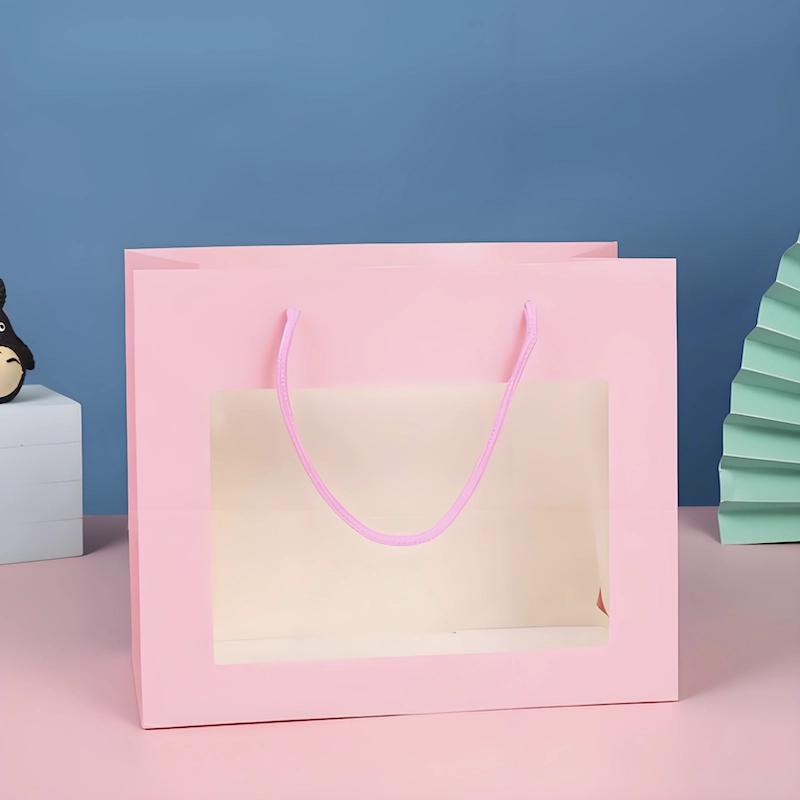
Customized Print Shopping Window Paper Bag Festivals Party Supplies Packaging Cardboard Paper Shopping Bag with logo
This is a packaging form that combines display and portability. Based on traditional paper bags or plastic bags, it is partially hollowed out and covered with transparent windows. Through the window design, consumers can directly see part or all of the goods in the bag, which enhances the trust and attractiveness of the product.
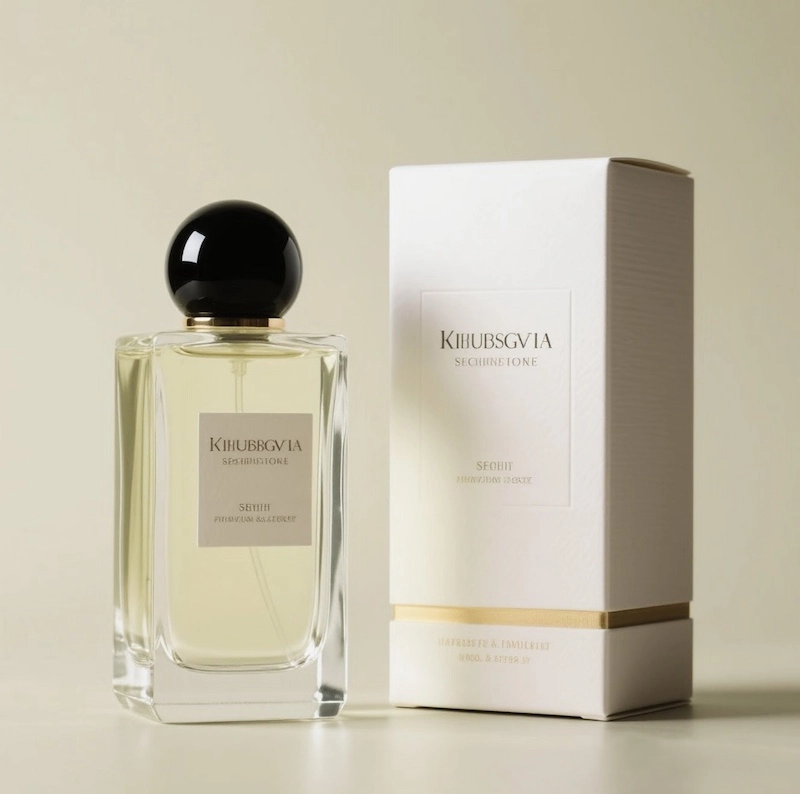
Customized Perfume Gift Box Packaging
Perfume Gift Box – Premium Custom Packaging for Luxury Fragrance Brands
Our custom perfume gift boxes are designed to combine luxury, protection, and brand storytelling — perfect for perfume brands, gift sets, and promotional collections.
Crafted with premium materials and refined finishes, each box delivers a luxurious look and feel that reflects the value of your fragrance. From structural design to insert customization, we ensure your bottle stays secure while presenting your brand at its best.
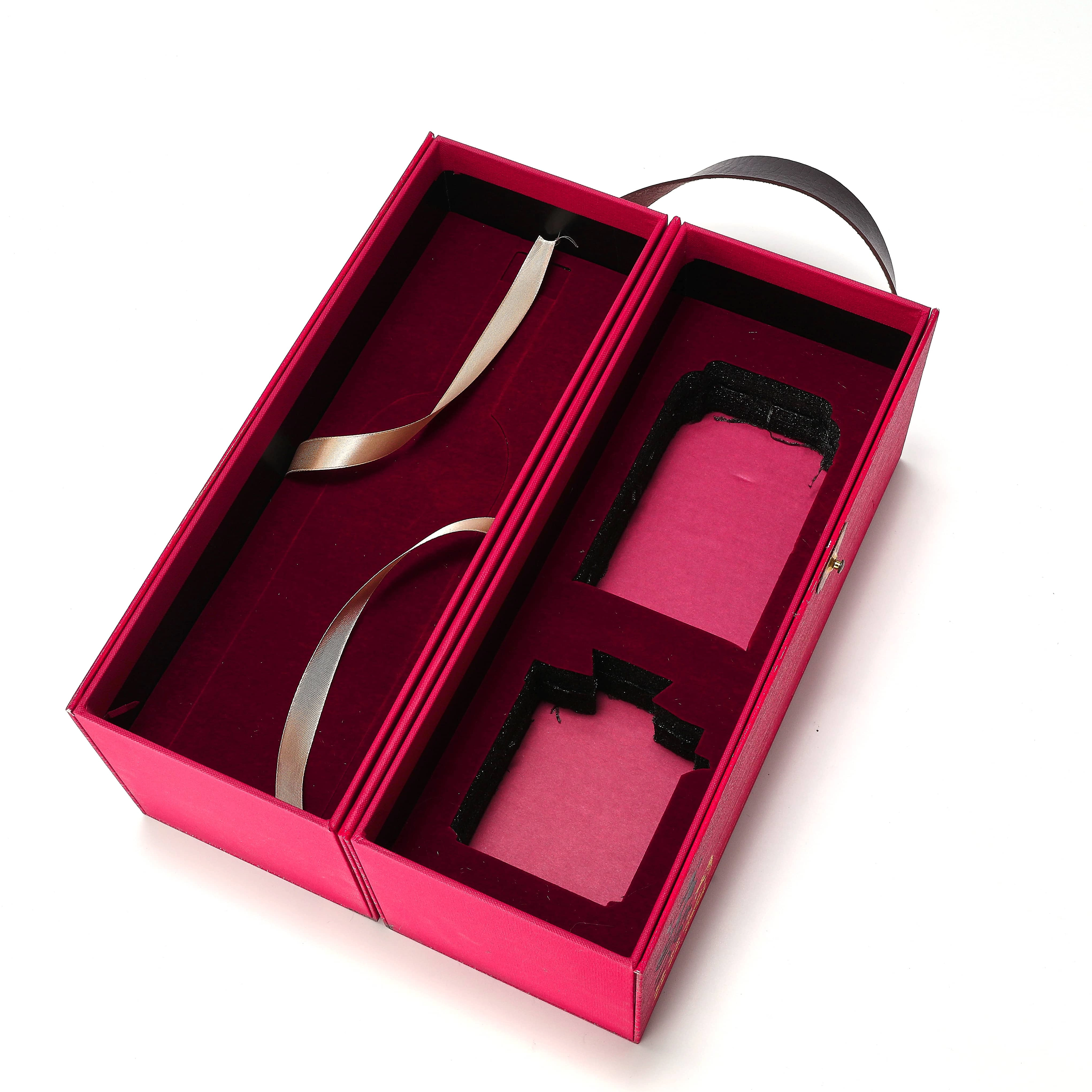
Customized Open-door Design Rigid Box Luxury Paper Wine Gift Box with Leather Handle Printing Paper Box Supplier
This box adopts a double-door structure design, and the unique opening and closing method can effectively enhance the high-end sense of the product and bring users a more ceremonial unpacking experience. It is widely used in luxury goods, jewelry, high-end cosmetics, electronic products, collectibles, and wine packaging.

Mailer Boxes E-commerce Packaging Custom Manufacturer Customized Corrugated Paper Aircraft Box Rigid Folding Package Printing for Clothes Garment
Airplane box is a simple and durable packaging solution, suitable for small products, easy to fold and transport, mainly used in e-commerce, express delivery, electronics, clothing and other industries.
© 2025 WINPACK PRINTING. All rights reserved

Wenhua Printing packaging
winpackprinting
Winpack Printing