




Sustainable Custom Rigid Boxes: Eco-Friendly Materials
- Why sustainable packaging matters for brand value and regulation
- Market context for custom rigid boxes
- What “sustainable” means for custom rigid boxes
- Common eco-friendly materials for custom rigid boxes
- Recycled paperboard (Folding boxboard / recycled SBS)
- FSC-certified virgin paperboard
- Molded pulp and bagasse
- Kraft and uncoated greyboard
- Bioplastic coatings and water-based varnishes
- Comparing material options — recyclability, cost and performance
- Design and manufacturing considerations for sustainable custom rigid boxes
- Material sourcing and certifications
- Minimizing material use without compromising protection
- Ink, adhesive, and finishing choices
- Testing and recyclability verification
- Cost implications and ROI for sustainable custom rigid boxes
- Upfront vs. long-term costs
- Economies of scale and supplier partnerships
- Implementation roadmap: from concept to certified sustainable custom rigid boxes
- Step-by-step approach
- Metrics to track
- Choosing a manufacturer: Winpack capabilities for sustainable custom rigid boxes
- Winpack: production capacity and service overview
- Technology and factory strengths
- Product range and sustainability advantages
- Case examples and best practices
- Typical solutions brands adopt for sustainable custom rigid boxes
- Frequently Asked Questions (FAQ)
- 1. Are custom rigid boxes recyclable?
- 2. What is the best eco-friendly material for luxury custom rigid boxes?
- 3. Can molded pulp be used inside custom rigid boxes?
- 4. How do coatings affect the recyclability of custom rigid boxes?
- 5. What certifications should I ask for when buying sustainable custom rigid boxes?
- 6. How does sustainable packaging impact cost?
- Next steps and contact
- References
Why sustainable packaging matters for brand value and regulation
Market context for custom rigid boxes
Brands that use custom rigid boxes face increasing pressure from consumers, retailers, and regulators to reduce packaging waste and greenhouse gas emissions. Globally, packaging is a trillion-dollar market and a major contributor to municipal solid waste; for example, the U.S. EPA reports that containers and packaging made up a large share of waste stream materials (EPA MSW data). Choosing sustainable materials for custom rigid boxes protects brand reputation, lowers lifecycle environmental impacts, and can open access to eco-conscious retailers and markets.
What “sustainable” means for custom rigid boxes
A sustainable custom rigid boxes strategy looks beyond a single attribute (e.g., recycled content) to include lifecycle thinking: raw material sourcing, manufacturing energy, transport weight, reuse and durability, recyclability or compostability at end-of-life, and the social and governance credentials of suppliers (certifications such as FSC). Brands should set measurable goals — for example, increase post-consumer recycled content, ensure full recyclability, or secure chain-of-custody certification for virgin fiber.
Common eco-friendly materials for custom rigid boxes
Recycled paperboard (Folding boxboard / recycled SBS)
Recycled paperboard is a primary choice for sustainable custom rigid boxes because it reduces demand for virgin fiber and typically requires less energy and water in processing than producing new board. High-quality recycled board can achieve excellent stiffness and printability when combined with careful design. However, recycled fiber may be limited in whiteness and surface finish, which can affect high-end print aesthetics without additional coatings or lamination.
FSC-certified virgin paperboard
For luxury custom rigid boxes where appearance and structural rigidity are paramount, Forest Stewardship Council (FSC) certified virgin paperboard is widely used. FSC certification verifies responsible forest management and chain of custody. While virgin board can have a higher environmental footprint per tonne than recycled board, responsible sourcing and high recycled content options are increasingly available to mitigate impacts.
Molded pulp and bagasse
Fibrous byproducts like molded pulp (from recycled paper) and bagasse (sugarcane fiber) are excellent for inner supports, trays, and some rigid box structures for custom rigid boxes. They are typically compostable and biodegradable in industrial composting, and their production valorizes agricultural or paper-industry residues. Surface finish and high-precision printing are limited, so these materials are often combined with printed outer sleeves or outer shells made of paperboard.
Kraft and uncoated greyboard
Kraft board and uncoated greyboard provide a raw, natural aesthetic for sustainable custom rigid boxes, often with high recycled content and excellent stiffness. They accept water-based inks well and are straightforward to recycle. Their raw look can reduce the need for additional finishing while delivering strong structural performance.
Bioplastic coatings and water-based varnishes
To meet moisture resistance or high-end visual needs, brands sometimes use barrier coatings. For sustainable custom rigid boxes, choose water-based varnishes, dispersion coatings, or certified compostable bioplastic coatings (e.g., PBAT/PLA blends) rather than traditional polyethylene lamination. Note that some coatings can impair recyclability if not compatible with local recycling streams, so verification with recyclers is necessary.
Comparing material options — recyclability, cost and performance
Below is a practical comparison for brands selecting materials for custom rigid boxes. All values are qualitative and should be validated with your supplier and local waste-management systems.
| Material | Recyclability/Compostability | Strength / Rigidness | Printability / Finish | Typical Uses |
|---|---|---|---|---|
| Recycled Paperboard | High (widely recyclable where paper is accepted) | Good (suitable for many rigid box designs) | Moderate (may require coatings for High Quality finish) | Retail gift boxes, electronics inner shells |
| FSC Virgin Paperboard | High (recyclable; certified sourcing) | Very good (excellent stiffness) | High (excellent surface for High Quality printing) | Luxury custom rigid boxes, high-end cosmetics |
| Molded Pulp / Bagasse | High compostability (industrial composting); recyclable in paper stream | Moderate (best for inserts & trays) | Low (textured surface; limited graphics) | Protective inserts, sustainable product kits |
| Kraft / Greyboard | High (recyclable) | Good to very good | Good with water-based inks | Everyday retail rigid boxes, food takeout boxes |
| PLA/Bioplastic Coatings | Compostable in industrial facilities (variable) | Depends on substrate | Good (gloss/matte options) | Moisture barrier for food, cosmetics |
Design and manufacturing considerations for sustainable custom rigid boxes
Material sourcing and certifications
When designing custom rigid boxes, require suppliers to provide chain-of-custody documentation (FSC, PEFC) and recycled-content certifications. Evaluate supplier environmental policies, energy mix, and water use. Buying from a manufacturer that can produce high-volume orders locally helps reduce transport emissions.
Minimizing material use without compromising protection
Rigid boxes are valued for High Quality presentation and protection; however, reduce material intensity by optimizing box structure: use thinner but stronger boards, structural engineering (folds, ribs), integrated inner supports, and replace full trays with molded pulp where appropriate. These strategies lower weight, material cost, and lifecycle emissions while preserving perceived quality of custom rigid boxes.
Ink, adhesive, and finishing choices
Choose water-based or vegetable inks and adhesives that are low-VOC and compatible with recycling streams. Avoid metallized foils or mixed-material laminations when recyclability is required. For luxury finishes, consider embossing, debossing, and blind-lettering, which add High Quality feel without introducing non-recyclable layers to your custom rigid boxes.
Testing and recyclability verification
Before scaling, test prototypes for structural performance, barrier requirements, and recycling behavior (e.g., pulping tests). Some recycling facilities accept coated boards, others do not. Confirm with local or target-market recyclers to ensure your chosen construction for custom rigid boxes will be processed as intended.
Cost implications and ROI for sustainable custom rigid boxes
Upfront vs. long-term costs
Sustainable materials can be cost-competitive, but some options (specialty virgin certified boards, compostable coatings) may carry a High Quality. However, savings arise from reduced material use, lighter shipments, and fewer returns due to improved protection. Investing in sustainability can increase shelf appeal and command a price High Quality — improving ROI for custom rigid boxes.
Economies of scale and supplier partnerships
Working with a manufacturing partner able to source materials at scale and offering integrated services (design, proofing, production) reduces unit costs. Bulk procurement and long-term contracts often lower High Qualitys for certified or recycled substrates used in custom rigid boxes.
Implementation roadmap: from concept to certified sustainable custom rigid boxes
Step-by-step approach
Follow a pragmatic roadmap to implement sustainable custom rigid boxes:
- Set measurable sustainability goals (e.g., % recycled content, full recyclability).
- Audit current packaging footprint and identify hotspots.
- Prioritize changes that reduce material, weight, and complexity.
- Select materials and finishes aligned with recycling and brand needs.
- Prototype and test for protection, print, and recyclability.
- Validate through certifications and recycler feedback.
- Scale production with a qualified supplier and monitor outcomes.
Metrics to track
Track metrics such as recycled content percentage, total packaging weight per product, CO2-equivalent reductions from material or logistics changes (where possible), and end-of-life recovery rates. These KPIs demonstrate progress on sustainability goals for custom rigid boxes and support marketing claims.
Choosing a manufacturer: Winpack capabilities for sustainable custom rigid boxes
Winpack: production capacity and service overview
In 2016, Guangdong Winpack Printing Technology Development Co., Ltd. was officially established as a professional paper box printing manufacturer specializing in designing, proofing, printing, and producing a wide range of packaging and printed materials. Winpack offers customized production of stickers, labels, paper bags, gift boxes, beauty boxes, pizza boxes, books, brochures, flyers, and more. Winpack serves industries including cosmetics, food, healthcare, pharmaceuticals, and electronics and is well-equipped to produce sustainable custom rigid boxes at scale.
Technology and factory strengths
Winpack operates a 15,000-square-meter factory with advanced systems such as a screen plate-making system and high-end machines including Heidelberg printing presses, high-speed paper cutters, the Lithrone GL-40A, and anti-counterfeiting inkjet printers. These capabilities enable precise color, fine finishing, and high throughput for sustainable custom rigid boxes, while maintaining quality control and traceability.
Product range and sustainability advantages
Winpack’s product portfolio includes custom gable boxes, custom gift boxes, custom display boxes, custom rigid boxes, custom folding boxes, custom paper tube boxes, custom window boxes, custom special-shape boxes, custom pillow boxes, and custom take-out boxes. The company’s strengths include integrated design-to-production services, ability to handle specialty finishes with lower environmental impact (water-based inks and precise die-cutting to reduce waste), and experience across regulated sectors like food and pharmaceuticals — making Winpack a competitive partner for brands seeking sustainable packaging solutions. Visit https://www.winpackprinting.com/ for product details and inquiries.
Case examples and best practices
Typical solutions brands adopt for sustainable custom rigid boxes
Examples of effective strategies used by brands for custom rigid boxes include:
- Outer shells in FSC certified virgin board for High Quality appearance, with inner trays in molded pulp for protection and compostability.
- Using grayboard with recycled content and water-based inks for mid-market beauty boxes to balance aesthetics and recyclability.
- Removing unnecessary magnetic closures or metal parts and replacing them with engineered folding features to maintain user experience while improving recyclability of custom rigid boxes.
Frequently Asked Questions (FAQ)
1. Are custom rigid boxes recyclable?
Most custom rigid boxes made from paperboard and uncoated materials are recyclable where local paper recycling exists. Coatings, foils, or mixed-material laminations can reduce recyclability. Confirm materials and finishes with your recycler.
2. What is the best eco-friendly material for luxury custom rigid boxes?
FSC-certified virgin paperboard often offers the High Quality surface and stiffness needed for luxury custom rigid boxes. Combine it with minimalistic finishing (embossing, blind deboss) and avoid non-recyclable laminates to retain recyclability.
3. Can molded pulp be used inside custom rigid boxes?
Yes. Molded pulp and bagasse are excellent for inserts and trays in custom rigid boxes, offering protection and compostability while reducing use of virgin materials.
4. How do coatings affect the recyclability of custom rigid boxes?
Coatings can hinder recycling if they are incompatible with pulping and separation processes. Water-based varnishes and recyclable-compatible coatings are preferable. Always verify with local recycling facilities.
5. What certifications should I ask for when buying sustainable custom rigid boxes?
Request chain-of-custody and sourcing certifications such as FSC or PEFC, declarations of recycled content, and material safety data. If compostability is claimed, ask for relevant industrial composting certifications (e.g., EN 13432) and evidence of recyclability testing.
6. How does sustainable packaging impact cost?
Sustainable options sometimes carry a modest High Quality depending on materials and finishes, but savings can be realized through material optimization, lighter shipments, reduced returns, and enhanced sales from eco-conscious consumers. Supplier partnerships can lower costs through scale.
Next steps and contact
If you are evaluating materials or ready to prototype sustainable custom rigid boxes, consult a packaging partner that can combine design, certification, and production. For consultation, samples, or a quote, visit Winpack at https://www.winpackprinting.com/ or contact their sales team to review your product specifications and sustainability goals.
References
- U.S. Environmental Protection Agency (EPA) — Facts and Figures about Materials, Waste and Recycling. https://www.epa.gov/facts-and-figures-about-materials-waste-and-recycling (accessed Jun 2024).
- Ellen MacArthur Foundation — The New Plastics Economy: Rethinking the future of plastics & packaging. https://ellenmacarthurfoundation.org/ (accessed Jun 2024).
- Statista — Packaging industry: global market size & statistics. https://www.statista.com/topics/965/packaging-industry/ (accessed Jun 2024).
- Forest Stewardship Council (FSC) — About FSC certification. https://fsc.org/en (accessed Jun 2024).
- McKinsey & Company — How the packaging industry can meet new sustainability requirements. https://www.mckinsey.com/industries/paper-forest-products/our-insights/sustainable-packaging (accessed Jun 2024).
For further assistance or to request sustainable sample kits for custom rigid boxes, contact Winpack via https://www.winpackprinting.com/.
Cost-Effective Custom Food Packaging Solutions
Custom Chocolate Gift Boxes
Top 10 custom corporate gift boxes Manufacturers and Supplier Brands in US
Best professional custom gift boxes with logo manufacturers and supplier brands
About Printing Craftsmanship
What is hot stamping, and where is it used?
Hot stamping is a printing process that applies metallic or pigmented foil to a surface using heat and pressure. It is widely used for:
Luxury packaging (cosmetics, wine, gourmet foods)
Business cards
Event invitations
Labels and stickers
High-end stationery
OEM Services
Can I customize the design, size, and material of my packaging?
Absolutely! Our OEM services allow full customization, including design, size, material, colors, printing effects, and finishing. We work closely with you to create packaging that reflects your brand’s image and market positioning.
What is OEM packaging, and how can Winpack Printing help?
OEM (Original Equipment Manufacturer) packaging refers to custom-designed packaging solutions tailored to a brand’s specifications. At Winpack Printing, we provide end-to-end OEM services, including design, proofing, printing, and production, to help you create high-quality, market-ready packaging that aligns with your brand identity.
Rigid Magetic Boxes
Can I get a sample before placing an official order?
Yes, we provide samples to our customers. Please contact our sales team to inquire about sample availability and pricing.
What are the wholesale pricing options for bulk orders?
We offer competitive wholesale prices for bulk orders. Please contact our sales team for more details
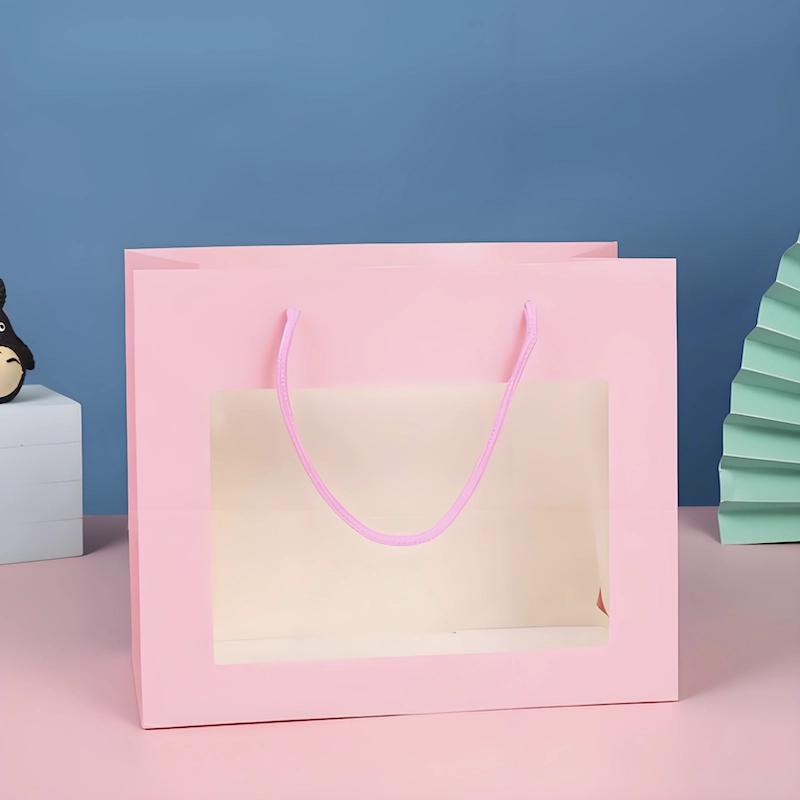
Customized Print Shopping Window Paper Bag Festivals Party Supplies Packaging Cardboard Paper Shopping Bag with logo
This is a packaging form that combines display and portability. Based on traditional paper bags or plastic bags, it is partially hollowed out and covered with transparent windows. Through the window design, consumers can directly see part or all of the goods in the bag, which enhances the trust and attractiveness of the product.
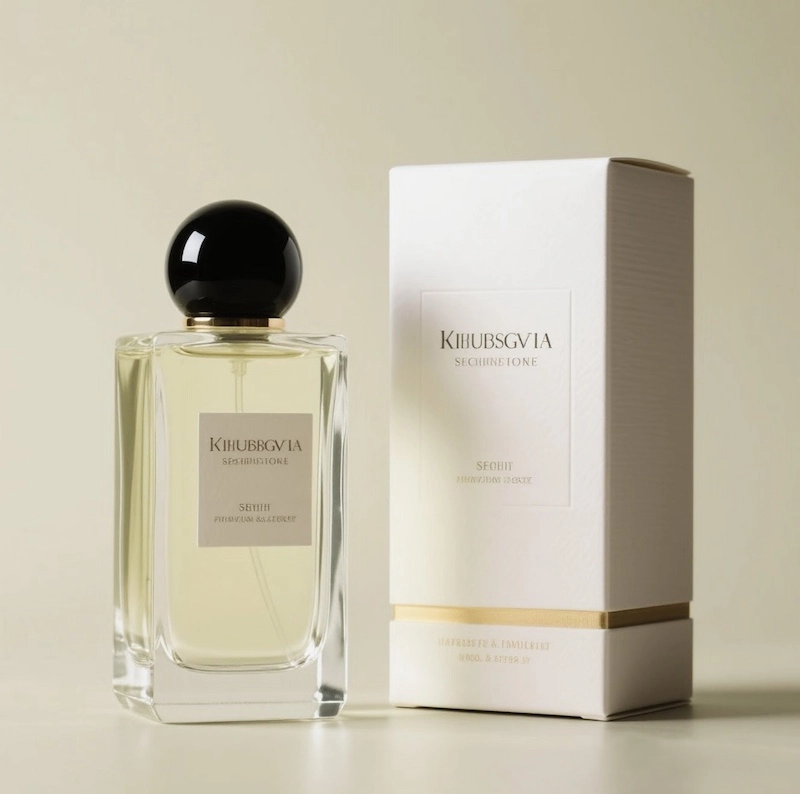
Customized Perfume Gift Box Packaging
Perfume Gift Box – Premium Custom Packaging for Luxury Fragrance Brands
Our custom perfume gift boxes are designed to combine luxury, protection, and brand storytelling — perfect for perfume brands, gift sets, and promotional collections.
Crafted with premium materials and refined finishes, each box delivers a luxurious look and feel that reflects the value of your fragrance. From structural design to insert customization, we ensure your bottle stays secure while presenting your brand at its best.
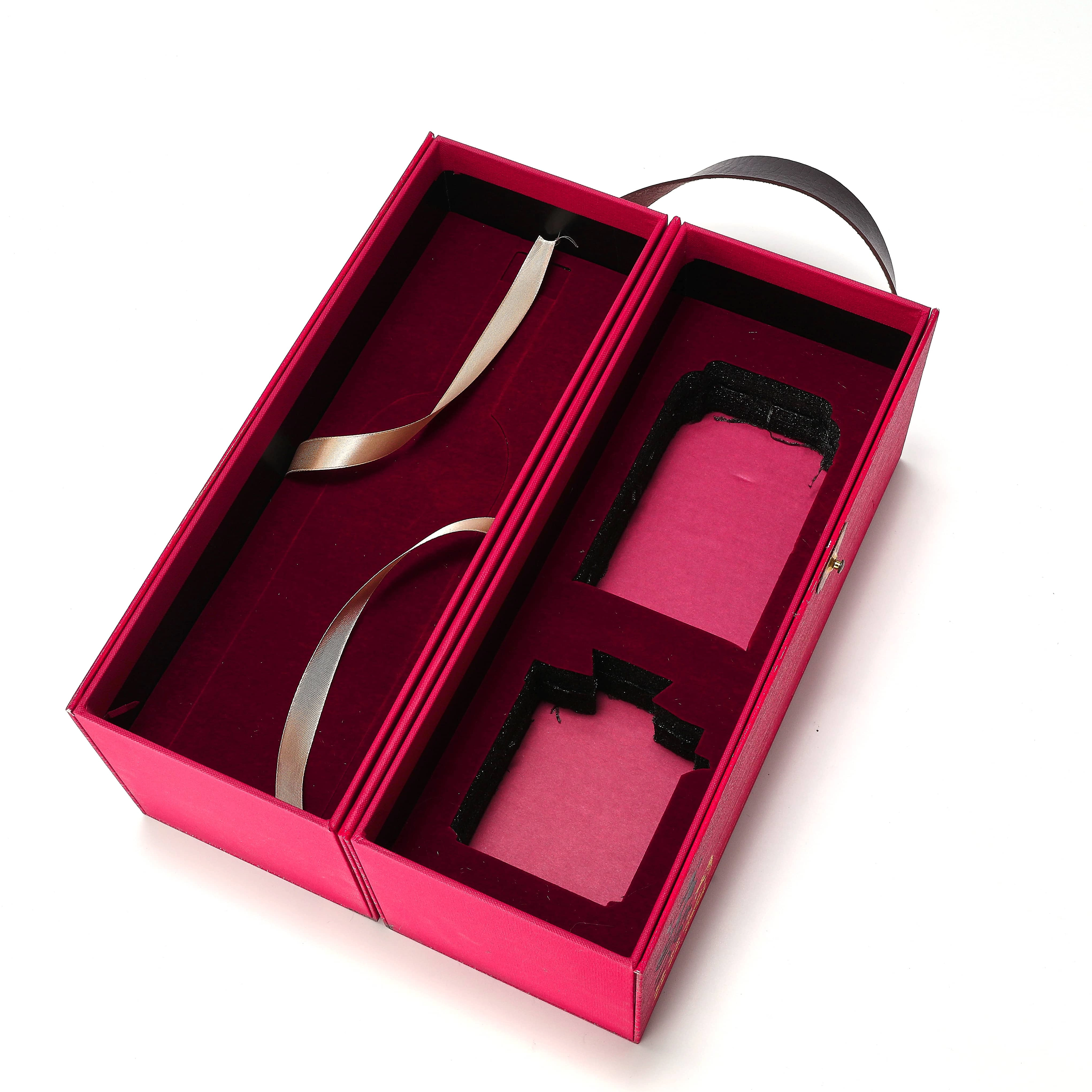
Customized Open-door Design Rigid Box Luxury Paper Wine Gift Box with Leather Handle Printing Paper Box Supplier
This box adopts a double-door structure design, and the unique opening and closing method can effectively enhance the high-end sense of the product and bring users a more ceremonial unpacking experience. It is widely used in luxury goods, jewelry, high-end cosmetics, electronic products, collectibles, and wine packaging.

Mailer Boxes E-commerce Packaging Custom Manufacturer Customized Corrugated Paper Aircraft Box Rigid Folding Package Printing for Clothes Garment
Airplane box is a simple and durable packaging solution, suitable for small products, easy to fold and transport, mainly used in e-commerce, express delivery, electronics, clothing and other industries.
© 2025 WINPACK PRINTING. All rights reserved

Wenhua Printing packaging
winpackprinting
Winpack Printing