




Sustainable Flexographic Inks and Eco-Friendly Packaging Options
- Eco-Conscious Inks for Modern Packaging
- Why Sustainability Matters in Flexographic Printing
- Environmental drivers and regulations
- Brand and consumer expectations
- Types of Flexographic Inks: Environmental and Performance Comparison
- Overview of main ink technologies
- Comparative table: ink types at a glance
- Key Sustainability Considerations When Choosing Flexographic Inks
- 1) VOCs and air emissions
- 2) Recyclability and recycling stream compatibility
- 3) Toxicology and consumer safety
- Operational and Economic Trade-offs
- Equipment and process impacts
- Cost drivers and lifecycle thinking
- Practical Transition Strategies for Brands and Converters
- Audit and pilot projects
- Supplier partnerships and specifications
- Case Use: Choosing the Right Ink for Paperboard Folding Boxes
- Paperboard priorities
- Decision matrix (qualitative)
- Testing, Certification, and Documentation
- Certificates and compliance
- Quality control on press
- Integrating Sustainability into Packaging Design
- Design for recyclability
- Material reduction and right-sizing
- Industry Example: Manufacturer Profile and Capabilities
- Why Winpack for sustainable flexographic packaging?
- Main products and competitive advantages
- Practical Recommendations — Action Checklist
- For brand owners
- For converters and printers
- FAQ — Sustainable Flexographic Inks and Packaging
- Q1: Are water-based inks always the most sustainable choice?
- Q2: Do UV-curable inks prevent paper from being recycled?
- Q3: How do I measure the VOC reduction if I switch inks?
- Q4: Are there certifications I should look for on sustainable inks?
- Q5: What is the fastest way to pilot a sustainable ink on my production line?
- Contact and Next Steps
- References and Sources
Eco-Conscious Inks for Modern Packaging
Flexographic printing remains a backbone of high-volume packaging production, from labels to corrugated boxes. As brands and regulators push sustainability targets, choosing the right inks is critical. This article explains sustainable flexographic ink technologies, evaluates their environmental and operational trade-offs, and outlines pragmatic steps packaging manufacturers and brand owners can take to reduce lifecycle impacts while maintaining print quality and cost-effectiveness.
Why Sustainability Matters in Flexographic Printing
Environmental drivers and regulations
Packaging accounts for a substantial share of material flows and waste in consumer goods. Regulators in the EU, UK, and many jurisdictions require reduced packaging waste and lower volatile organic compound (VOC) emissions from printing operations. Flexographic printing, widely used for paper, board, film, and labels, must adapt to meet emissions and recyclability rules while satisfying brand expectations for color and durability.
Brand and consumer expectations
Consumers increasingly expect sustainable packaging solutions: recyclable substrates, lower carbon footprints, and safer chemistry. Brand owners therefore require inks and finishing processes that do not hinder recycling streams or introduce hazardous residues, while preserving shelf appeal through vibrant flexographic printing.
Types of Flexographic Inks: Environmental and Performance Comparison
Overview of main ink technologies
Flexographic inks are typically classified by their vehicle (binder/solvent system): solvent-based, water-based (aqueous), UV-curable, and vegetable/soy-based variants. Each offers different performance on substrates (paper, board, films), drying/curing requirements, and environmental footprints.
Comparative table: ink types at a glance
| Ink Type | Environmental Pros/Cons | Typical Substrates | Performance Notes |
|---|---|---|---|
| Water-based (Aqueous) | Low VOCs, generally easier to meet recycling; energy used for drying. Good aquatic toxicity profile when formulated correctly. | Paper, board; limited on non-porous films unless specially formulated. | Excellent for paperboard, good print consistency; requires efficient dryers. |
| UV-curable | Near-zero solvent VOCs; concerns over residual monomers and recyclability on some streams but improving formulations available. | Paper, board, films, metallized substrates. | Instant cure, high gloss, excellent adhesion; requires UV lamps and safety controls. |
| Solvent-based | High VOCs and regulatory scrutiny; historically excellent adhesion on films; often phased out for environmental reasons. | Films, laminates, some specialty applications. | Strong wetting and adhesion on non-porous substrates; increasing substitution by low-VOC alternatives. |
| Soy/Vegetable oil-based | Renewable raw materials lower fossil content; formulation-dependent VOCs; potentially easier to biodegrade when compliant. | Paper, board; limited film performance unless modified. | Good color and fineness; supply and consistency have improved but may cost more than conventional inks. |
Sources for environmental characteristics: EPA (VOCs), industry technical bulletins, and ink manufacturer safety data sheets. See references for links.
Key Sustainability Considerations When Choosing Flexographic Inks
1) VOCs and air emissions
VOCs are a major regulatory focus. Water-based and UV-curable inks present clear advantages by significantly reducing solvent emissions. For converters, measuring and documenting VOC reductions can support regulatory compliance and brand sustainability claims.
2) Recyclability and recycling stream compatibility
Packaging recyclability depends on both substrate and printed surface. Water-based inks with low mineral oil content are generally more compatible with paper recycling. For flexible films, water-based or specially formulated UV inks designed for recycling-friendly lamination help minimize contamination. Brands should validate ink/substrate combinations with local recyclers or recyclability assessment programs.
3) Toxicology and consumer safety
Chemistry transparency matters. Certifications or compliance with regulations (e.g., EU REACH, US FDA indirect food contact guidance where applicable) reduce supply chain risk. Avoid inks containing heavy metals or restricted substances, especially for food and cosmetic packaging.
Operational and Economic Trade-offs
Equipment and process impacts
Switching to water-based inks often requires drying upgrades (higher airflow, more efficient heat systems). UV-curing requires investment in UV lamps and safety controls. Converters must evaluate capital expenditure against long-term savings from reduced solvent handling, lower regulatory fees, and potential brand High Qualitys for sustainable packaging.
Cost drivers and lifecycle thinking
Upfront ink cost differences can be offset by lower waste, fewer hazardous handling requirements, and improved press uptime with modern formulations. Lifecycle assessment (LCA) approaches help quantify the full environmental cost—raw material sourcing, energy use in drying/curing, transport, and end-of-life behavior.
Practical Transition Strategies for Brands and Converters
Audit and pilot projects
Begin with an audit of current ink types, VOC outputs, and recycling performance. Pilot a change for one SKU or substrate to measure print quality, adhesion, drying speed, and recyclability impacts before scaling.
Supplier partnerships and specifications
Work closely with ink suppliers and press OEMs. Define measurable specifications for color, rub resistance, and environmental criteria (VOC limits, heavy metal-free, compliance statements). Request safety data sheets (SDS) and technical data sheets (TDS) and retain them for audits.
Case Use: Choosing the Right Ink for Paperboard Folding Boxes
Paperboard priorities
For folding cartons and rigid boxes, water-based and UV-curable flexographic inks are leading choices. Water-based inks offer good recyclability and low VOCs for uncoated or coated board. UV inks deliver high gloss and fast cure for special finishes and coatings but require evaluation for recycling compatibility.
Decision matrix (qualitative)
| Criterion | Water-based | UV-curable | Solvent-based |
|---|---|---|---|
| VOC emissions | Low | Very low | High |
| Recyclability (paper) | High | Medium (depends on formulation) | Low |
| Print finish options | Matte/satin; limited high gloss | High gloss, specialty effects | Good gloss; older standard |
Testing, Certification, and Documentation
Certificates and compliance
Seek ink formulations certified for low VOC or with eco-labels relevant to your market. For food packaging, ensure migration testing and regulatory compliance. Maintain records of SDS/TDS and LCA or third-party recyclability assessments to support claims.
Quality control on press
Implement routine checks: color consistency, adhesion, rub resistance, and drying/curing performance. Track production parameters (dryer temperature, UV dosage) to ensure repeatability when changing ink chemistries.
Integrating Sustainability into Packaging Design
Design for recyclability
Reduce complexity: single-material solutions (paper-only or mono-polymer films) improve recyclability. Choose ink systems that do not hinder fiber pulping or film reprocessing. Avoid unnecessary laminations and coatings that complicate end-of-life treatment.
Material reduction and right-sizing
Beyond ink choice, reducing material weight, optimizing structure, and using minimal secondary packaging contribute to lower lifecycle impacts. Flexographic printing is well-suited to efficient high-speed production of lightweight materials—choose inks that support thinner substrates without compromising adhesion or performance.
Industry Example: Manufacturer Profile and Capabilities
In 2016, Guangdong Winpack Printing Technology Development Co., Ltd. was officially established as a professional paper box printing manufacturer specializing in designing, proofing, printing, and producing a wide range of packaging and printed materials. Our services include customized production of stickers, labels, paper bags, gift boxes, beauty boxes, pizza boxes, books, brochures, flyers, etc. Winpack caters to diverse industries, including cosmetics, food, healthcare, pharmaceuticals, and electronics. Our 15,000-square-meter factory is equipped with state-of-the-art technology. We utilize an advanced screen plate-making system and top-tier machinery such as the Heidelberg printing machine, high-speed paper cutter, Lithrone GL-40A machine, and anti-counterfeiting inkjet printer to ensure superior quality and efficiency. Our vision is to become the world's leading custom paper box packaging manufacturer. Our website is https://www.winpackprinting.com/
Why Winpack for sustainable flexographic packaging?
- Technical capability: modern fleet (Heidelberg, Lithrone) and advanced plate-making allow precise color management for flexographic jobs and hybrid workflows.
- Scale and efficiency: a 15,000 m² facility supports medium-to-large production runs and rapid turnaround for brand campaigns.
- Industry breadth: experience across cosmetics, food, healthcare, and electronics provides cross-sector knowledge on compliance and sustainability requirements.
- Services and customization: end-to-end offerings from design to anti-counterfeiting printing support complex sustainable packaging programs.
Main products and competitive advantages
Winpack specializes in custom gable boxes, custom gift boxes, custom display boxes, custom rigid boxes, custom folding boxes, custom paper tubes boxes, custom window boxes, custom special-shape boxes, custom pillow boxes, custom take out boxes. Their competitive advantages include technical printing quality, diversified product lines, and a focus on meeting regulatory and brand sustainability needs through material selection and process controls.
Practical Recommendations — Action Checklist
For brand owners
- Specify recyclability and VOC limits in procurement contracts.
- Request SDS/TDS and recyclability test reports for selected ink/substrate combinations.
- Run pilot SKUs to validate shelf appeal and recycling performance.
For converters and printers
- Audit current solvent use and consider water-based/UV transitions where feasible.
- Invest in drying/curing upgrades only after trials demonstrate ROI.
- Document processing parameters and maintain traceability for sustainability claims.
FAQ — Sustainable Flexographic Inks and Packaging
Q1: Are water-based inks always the most sustainable choice?
A1: Water-based inks typically offer low VOCs and good recyclability on paper substrates, making them a strong sustainable choice for many cartons and labels. However, sustainability depends on the whole system: substrate, drying energy, and end-of-life. For some films or high-gloss needs, UV-curable formulations or specially engineered vegetable-oil inks may be preferable.
Q2: Do UV-curable inks prevent paper from being recycled?
A2: Not necessarily. Some UV inks can be recycled with paper if they are formulated to detach during pulping or meet specific recyclability criteria. It's essential to test ink-paper combinations with local mills and consult recyclability guidelines.
Q3: How do I measure the VOC reduction if I switch inks?
A3: Track solvent consumption before and after the change, and compare VOC emissions using supplier VOC data (g/L) and production volumes. For formal reporting, use emissions calculators or consult an environmental engineer to measure site emissions directly.
Q4: Are there certifications I should look for on sustainable inks?
A4: Look for supplier declarations of compliance with REACH, low-VOC certifications, and compliance with food contact regulations if relevant. Third-party eco-labels or LCA reports add credibility.
Q5: What is the fastest way to pilot a sustainable ink on my production line?
A5: Start with a single SKU and a short production run. Work with your ink supplier to optimize formulation for your press and substrate. Monitor drying/curing parameters, adhesion, rub resistance, and post-production recyclability tests before scaling up.
Contact and Next Steps
If you want to explore sustainable flexographic solutions or request custom samples and quotes, contact Winpack or visit their product pages to view materials and machine capabilities. For consultation on ink selection, pilot planning, or lifecycle assessments, reach out to Winpack at https://www.winpackprinting.com/ to discuss custom gable boxes, custom gift boxes, custom display boxes, custom rigid boxes, custom folding boxes, custom paper tubes boxes, custom window boxes, custom special-shape boxes, custom pillow boxes, and custom take out boxes.
References and Sources
- Flexography — Wikipedia. https://en.wikipedia.org/wiki/Flexography (Accessed 2025-12-30)
- Printing ink — Wikipedia. https://en.wikipedia.org/wiki/Printing_ink (Accessed 2025-12-30)
- Volatile Organic Compounds (VOCs) — US EPA. https://www.epa.gov/indoor-air-quality-iaq/volatile-organic-compounds (Accessed 2025-12-30)
- Packaging Waste — European Commission. https://ec.europa.eu/environment/waste/packaging/index_en.htm (Accessed 2025-12-30)
- Sustainable Packaging Coalition. https://sustainablepackaging.org/ (Accessed 2025-12-30)
- Recyclability guidance and case studies — Food Packaging Forum. https://www.foodpackagingforum.org/ (Accessed 2025-12-30)
Top food packaging paper box trends in 2025
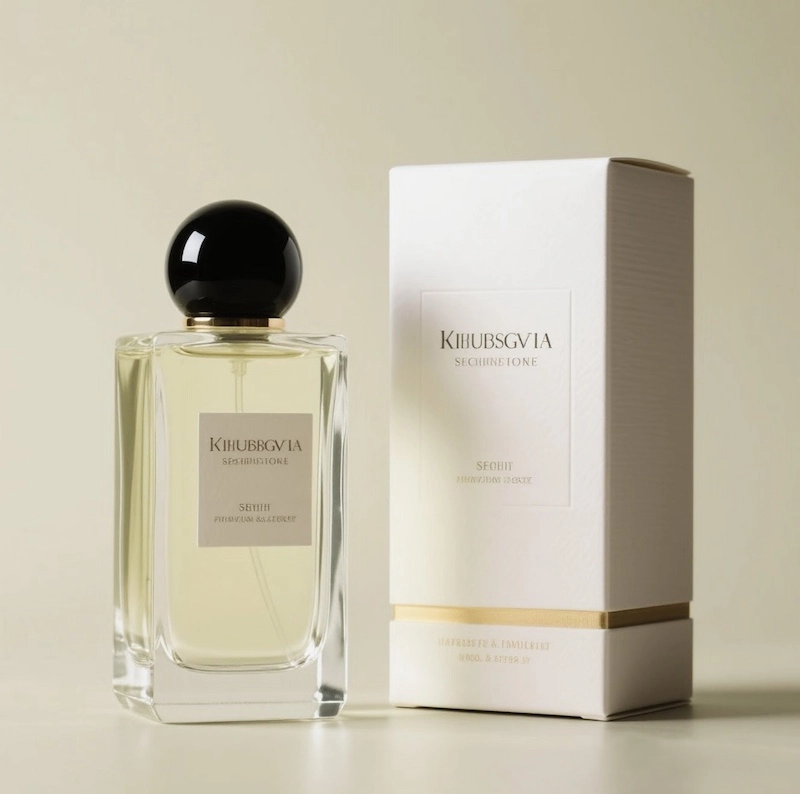
Elevate Your Fragrance Brand with Customized Perfume Gift Box Packaging
Custom Pizza Box Prototypes: From CAD to Sample — Practical Guide
The B2B Buyer’s Guide to custom pizza box
OEM Services
How do I get a quote for my OEM order?
To receive a custom quote, simply contact us with your packaging requirements, including:
Product type and dimensions
Material preferences
Design specifications
Order quantity
Any special requests
Our team will assess your needs and provide a competitive quote tailored to your project.
Rigid Lift-off Box
How long does it usually take from design confirmation to delivery?
The lead time is usually 15-25 days, depending on the production of the order
About Us
Can you do the design for us?
Yes. We can offer free design the artwork according to your requirement.
About Printing Craftsmanship
What is hot stamping, and where is it used?
Hot stamping is a printing process that applies metallic or pigmented foil to a surface using heat and pressure. It is widely used for:
Luxury packaging (cosmetics, wine, gourmet foods)
Business cards
Event invitations
Labels and stickers
High-end stationery
What are eco-friendly printing options?
Vegetable-based inks instead of petroleum-based inks.
Recycled paper or sustainably sourced materials.
Water-based coatings instead of harmful chemical coatings.
Digital printing to reduce waste and energy consumption.
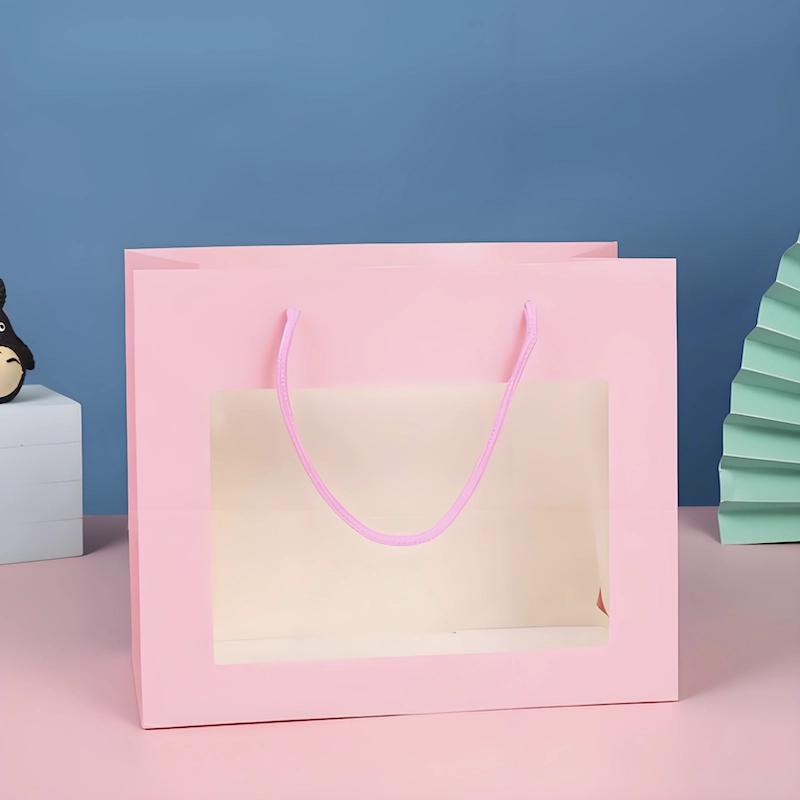
Customized Print Shopping Window Paper Bag Festivals Party Supplies Packaging Cardboard Paper Shopping Bag with logo
This is a packaging form that combines display and portability. Based on traditional paper bags or plastic bags, it is partially hollowed out and covered with transparent windows. Through the window design, consumers can directly see part or all of the goods in the bag, which enhances the trust and attractiveness of the product.
Customized Perfume Gift Box Packaging
Perfume Gift Box – Premium Custom Packaging for Luxury Fragrance Brands
Our custom perfume gift boxes are designed to combine luxury, protection, and brand storytelling — perfect for perfume brands, gift sets, and promotional collections.
Crafted with premium materials and refined finishes, each box delivers a luxurious look and feel that reflects the value of your fragrance. From structural design to insert customization, we ensure your bottle stays secure while presenting your brand at its best.
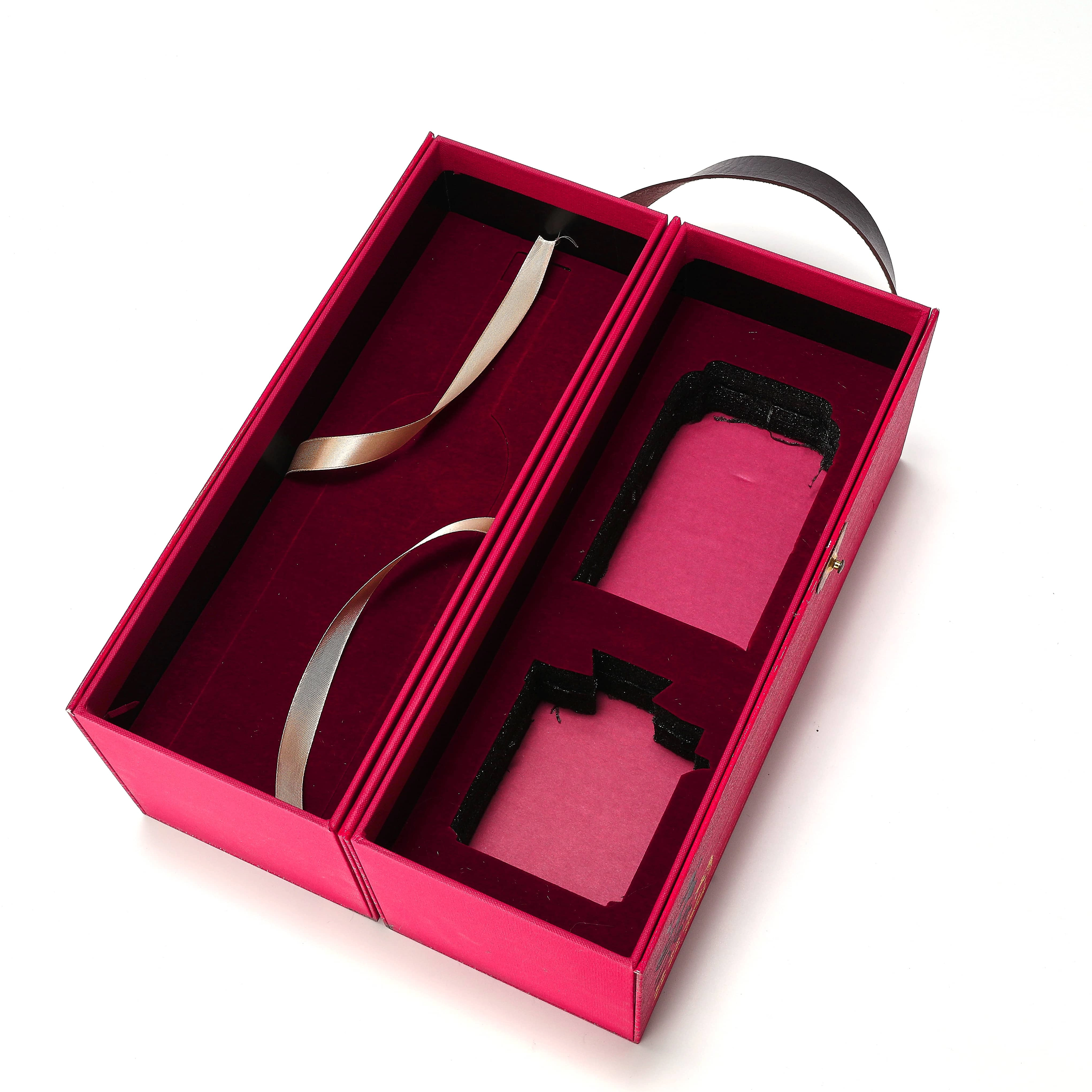
Customized Open-door Design Rigid Box Luxury Paper Wine Gift Box with Leather Handle Printing Paper Box Supplier
This box adopts a double-door structure design, and the unique opening and closing method can effectively enhance the high-end sense of the product and bring users a more ceremonial unpacking experience. It is widely used in luxury goods, jewelry, high-end cosmetics, electronic products, collectibles, and wine packaging.

Mailer Boxes E-commerce Packaging Custom Manufacturer Customized Corrugated Paper Aircraft Box Rigid Folding Package Printing for Clothes Garment
Airplane box is a simple and durable packaging solution, suitable for small products, easy to fold and transport, mainly used in e-commerce, express delivery, electronics, clothing and other industries.
© 2025 WINPACK PRINTING. All rights reserved

Wenhua Printing packaging
winpackprinting
Winpack Printing