




Sustainable Mailer Boxes: Materials, Certifications, and ROI
- Why sustainable packaging matters for e-commerce
- Environmental footprint and circularity goals
- Consumer expectations and brand risk
- Regulatory and retailer drivers
- Materials for sustainable mailer boxes
- Corrugated board and kraft paper (recycled content)
- Molded pulp and fiber alternatives
- Barriers, coatings, and plastic alternatives
- Materials comparison table
- Certifications and standards to trust
- Forest and recycled content certifications
- Compostability and biodegradability standards
- Cradle to Cradle, ISO, and lifecycle approaches
- Calculating ROI: cost, savings, and brand value
- Direct costs and savings
- Indirect benefits and marketing uplift
- Sample ROI model (illustrative)
- Implementation best practices and procurement checklist
- Design for single-material and recyclability
- Specify verified certifications and ask for documentation
- Run pilot programs and measure KPIs
- About Winpack and how we help brands scale sustainable mailer boxes
- FAQ
- 1. Are most mailer boxes recyclable?
- 2. What certifications should I look for when buying sustainable mailer boxes?
- 3. Will sustainable mailer boxes increase my shipping costs?
- 4. How do coatings and printing affect recyclability?
- 5. Can I get custom branding on sustainable mailer boxes?
- 6. How should I evaluate ROI when switching to sustainable mailer boxes?
Sustainable mailer boxes are now a central lever for e-commerce brands that want to reduce environmental impact, meet regulatory and retailer requirements, and improve unit economics. This article examines the materials commonly used for mailer boxes, the certifications and standards that provide verifiable credibility, and how to estimate return on investment when switching to greener mailer packaging. Practical comparisons, data-backed sources, and a worked ROI example are included to help procurement and marketing teams make confident decisions.
Why sustainable packaging matters for e-commerce
Environmental footprint and circularity goals
Mailer boxes are typically used once then disposed. Choosing materials that are recyclable, made from recycled content, or compostable reduces lifecycle emissions and landfill burden. The Ellen MacArthur Foundation highlights the need to move to circular materials and reuse systems to cut plastic pollution and resource waste (see 'New Plastics Economy' by Ellen MacArthur Foundation at https://www.ellenmacarthurfoundation.org/), target='_blank'.
Consumer expectations and brand risk
Multiple consumer surveys show that eco-friendly packaging can increase purchase intent and brand trust. At the same time, greenwashing risks damage reputation. That is why verifiable certifications and transparent material claims are essential when marketing sustainable mailer boxes.
Regulatory and retailer drivers
Governments and major retailers increasingly require recycled content disclosures, packaging recovery targets, or restrictions on certain plastics. Brands that proactively adopt certified sustainable mailer boxes reduce compliance risk and benefit from lower fees or better shelf placement with sustainability-focused retailers.
Materials for sustainable mailer boxes
Corrugated board and kraft paper (recycled content)
Corrugated fiberboard and kraft paper are the most common substrates for mailer boxes. They are widely recyclable in curbside programs and can incorporate high percentages of post-consumer recycled content. Advantages: strength-to-weight, production scalability, and high recycling rates. Considerations: coating or lamination can affect recyclability.
Molded pulp and fiber alternatives
Molded pulp, pressed fiber, and other cellulose-based alternatives are fully recyclable and compostable in industrial facilities. They are well suited for protective inserts and whole-box solutions where a single-material approach is preferred.
Barriers, coatings, and plastic alternatives
Waterproofing, grease resistance, or glossy finishes sometimes require plastic coatings or poly liners that reduce recyclability. Increasingly, brands use water-based dispersions, biodegradable coatings, or barrier papers that maintain recyclability. For example, some barrier papers use polyethylene alternatives or certified compostable films when industrial compostability is required.
Materials comparison table
| Material | Recyclability | Compostability | Typical Uses | Pros | Cons |
|---|---|---|---|---|---|
| Corrugated board (kraft, recycled) | High in most curbside systems | No (unless certified compostable) | Outer mailer boxes, shippers | Strong, lightweight, low-cost | Coatings can limit recycling |
| Molded pulp / pressed fiber | High (fiber recycling) | Often industrially compostable | Protective inserts, mono-material boxes | Good end-of-life, minimal processing | Surface finish limited, higher unit cost |
| Coated paper (water-based) | Depends on coating chemistry | Sometimes; depends on certification | Print-intensive mailers | High print quality, moisture resistance | May require special recycling streams |
| Bioplastic films (PLA) | Not always recyclable with plastics | Industrial compostable (with certification) | Window films, inserts | Renewable feedstock | Requires industrial composting; contamination risk |
Sources for material performance and end-of-life: US EPA data on paper and cardboard recycling (https://www.epa.gov/facts-and-figures-about-materials-waste-and-recycling/paper-and-paperboard-material-specific-data), target='_blank', and industry summaries from the Sustainable Packaging Coalition (https://sustainablepackaging.org/), target='_blank'.
Certifications and standards to trust
Forest and recycled content certifications
Forest Stewardship Council (FSC) and PEFC verify responsible sourcing of virgin fiber, while third-party audit schemes can confirm recycled content claims. FSC details are available at https://fsc.org/ , target='_blank', and PEFC at https://pefc.org/ , target='_blank'. Using FSC-certified corrugated board or verified recycled feedstock reduces reputational and supply risk.
Compostability and biodegradability standards
Compostability claims should be backed by standards such as ASTM D6400 / D6868 for the US or OK compost INDUSTRIAL / HOME certifications by TÜV Austria for Europe (see https://www.tuv-at.be/rsr/ ), target='_blank'. These ensure the material breaks down under specified conditions and does not leave harmful residues.
Cradle to Cradle, ISO, and lifecycle approaches
Cradle to Cradle certification looks at material health, reutilization, renewable energy use, water stewardship, and social fairness (https://www.c2ccertified.org/), target='_blank'. ISO 14001 helps facilities manage environmental performance, and lifecycle assessment (LCA) tools quantify greenhouse gas impacts and trade-offs when comparing materials.
Calculating ROI: cost, savings, and brand value
Direct costs and savings
Direct cost items include material cost per unit, tooling/print setup, and production cost. Savings come from reduced shipping due to light-weighting, fewer returns when packaging protects products, and potential incentives from retailers or lower waste management fees in some jurisdictions.
Indirect benefits and marketing uplift
Improved customer perception, higher conversion, and reduced customer service costs for damaged goods are harder to quantify but real. Nielsen and other market research show a material portion of consumers favor sustainable brands—which can translate into measurable sales lift for some categories.
Sample ROI model (illustrative)
The table below is a simplified example to illustrate how to calculate ROI when switching from a conventional mailer to a sustainable corrugated mailer with 50% recycled content and minimalist print finishes. All figures are illustrative; substitute real quotes from suppliers.
| Item | Conventional Mailer | Sustainable Mailer (est.) | Notes / Assumptions |
|---|---|---|---|
| Unit material cost | $0.45 | $0.55 | Sustainable substrate + certified fiber High Quality |
| Average weight (oz) | 3.0 | 2.4 | Design optimization reduces weight |
| Shipping cost per unit | $1.50 | $1.30 | Reduced dimensional/actual weight |
| Damage/returns cost per unit | $0.12 | $0.06 | Better protective design reduces returns |
| Marketing / conversion uplift (annual avg per unit) | $0.00 | $0.05 | Estimated revenue uplift from sustainability messaging |
| Total effective cost | $2.07 | $1.96 | Sustainable mailer shows net saving in this scenario |
Interpretation: In this simplified example the sustainable mailer has a higher material cost but saves on shipping and returns while providing a modest marketing uplift. For a brand shipping 100,000 units per year, per-unit savings of $0.11 equate to $11,000 annual savings—before considering longer-term brand equity or regulatory benefits.
Sources for shipping and weight considerations: carrier dimensional weight and pricing policies such as UPS packaging and dimensional weight guides (https://www.ups.com/), target='_blank', and general guidance from logistics providers.
Implementation best practices and procurement checklist
Design for single-material and recyclability
Choose mono-material constructions where possible, avoid mixed-material windows and laminates, and standardize inks and adhesives to ones that do not contaminate recycling streams. A single material strategy simplifies end-of-life processing.
Specify verified certifications and ask for documentation
Ask suppliers for chain-of-custody documentation for FSC/PEFC claims, compostability certificates for any compostable materials, and lab reports for recycled content percentages. Avoid generic 'eco' claims without proof.
Run pilot programs and measure KPIs
Pilot with a representative SKU set, measure damage rates, shipping costs, customer feedback, and returns. Use the pilot data to refine the ROI model and scale when performance meets targets.
About Winpack and how we help brands scale sustainable mailer boxes
In 2016, Guangdong Winpack Printing Technology Development Co., Ltd. was officially established as a professional paper box printing manufacturer specializing in designing, proofing, printing, and producing a wide range of packaging and printed materials. Our services include customized production of stickers, labels, paper bags, gift boxes, beauty boxes, pizza boxes, books, brochures, flyers, etc. Winpack caters to diverse industries, including cosmetics, food, healthcare, pharmaceuticals, and electronics. Our 15,000-square-meter factory is equipped with state-of-the-art technology. We utilize an advanced screen plate-making system and top-tier machinery such as the Heidelberg printing machine, high-speed paper cutter, Lithrone GL-40A machine, and anti-counterfeiting inkjet printer to ensure superior quality and efficiency. Our vision is to become the world's leading custom paper box packaging manufacturer. Our website is https://www.winpackprinting.com/ , target='_blank', and our email is [email protected].
Winpack advantages for brands seeking sustainable mailer boxes:
- Custom engineering to optimize strength-to-weight and reduce shipping costs
- Access to certified substrates and chain-of-custody documentation
- High-quality printing with low-impact ink options and water-based coatings
- Scalable production capacity in a modern 15,000 m2 facility
- Products tailored for multiple industries, including custom gable boxes, custom gift boxes, custom display boxes, custom rigid boxes, custom folding boxes, custom paper tubes boxes, custom window boxes, custom special-shape boxes, custom pillow boxes, custom take out boxes
Contact Winpack to request sustainability documentation, ask for a costed sample run, or get a sample-led ROI assessment for your SKU portfolio. Email [email protected] or visit https://www.winpackprinting.com/ , target='_blank'.
FAQ
1. Are most mailer boxes recyclable?
Yes, most corrugated and kraft mailer boxes are recyclable through curbside or commercial paper recycling if not contaminated by food residue or mixed plastic layers. Avoid mixed-material windows and plastic coatings to maintain recyclability. See EPA paper recycling facts at https://www.epa.gov/facts-and-figures-about-materials-waste-and-recycling/paper-and-paperboard-material-specific-data , target='_blank'.
2. What certifications should I look for when buying sustainable mailer boxes?
Look for FSC or PEFC for responsible fiber sourcing, verified recycled content certification for post-consumer fiber claims, ASTM or OK compost certifications if you need compostability, and Cradle to Cradle for broader circular design attributes. Always request chain-of-custody documentation from your supplier.
3. Will sustainable mailer boxes increase my shipping costs?
Not necessarily. Material selection and optimized design often reduce package weight and dimensional size, which can lower shipping fees. There's sometimes a small High Quality on material cost, but it can be offset by shipping savings and lower returns.
4. How do coatings and printing affect recyclability?
Water-based inks and dispersion coatings typically have less impact on recyclability than solvent-based varnishes or plastic laminates. Always confirm with your supplier and recycling facilities; some coatings require specific recycling streams.
5. Can I get custom branding on sustainable mailer boxes?
Yes. Most sustainable substrates support high-quality printing. Work with your packaging supplier to specify low-impact inks, minimal varnish, and design choices that balance print quality with recyclability.
6. How should I evaluate ROI when switching to sustainable mailer boxes?
Include direct material and production costs, expected shipping savings from weight reduction, potential reductions in damage and returns, and estimated marketing or conversion uplift from sustainability claims. Pilot programs provide the best real-world data for ROI modeling.
Want a quote or a sustainability assessment for your mailer boxes? Contact Winpack at [email protected] or request samples and documentation on https://www.winpackprinting.com/ , target='_blank'. Our team will provide certified material options, sample mock-ups, and a data-driven ROI estimate for your SKUs.
Best professional custom sticker rolls manufacturers and supplier brands in Guangzhou
Top custom luxury gift boxes Manufacturers and Suppliers in China
Top Cosmetic Packaging Box Trends to Watch
Custom Candy Gift Boxes
About Us
How to start the mass production?
Once received the 30% deposite, we will arrange the mass prouction.The balance need to be paid before delivery.
Rigid Magetic Boxes
How long does it usually take from design confirmation to delivery?
The lead time is usually 15-25 days, depending on the production of the order
About Printing Craftsmanship
How does UV printing work?
UV printing uses ultraviolet light to cure ink instantly, resulting in vibrant colors, water resistance, and high durability. It is commonly used for packaging, signage, and promotional items.
Special Shape Boxes
Can I get a sample before placing an official order?
Yes, we provide samples to our customers. Please contact our sales team to inquire about sample availability and pricing.
Folding Boxes
Can I get a sample before placing a formal order?
Samples usually require a certain fee, but this fee can be partially or fully refunded after the customer confirms the order.
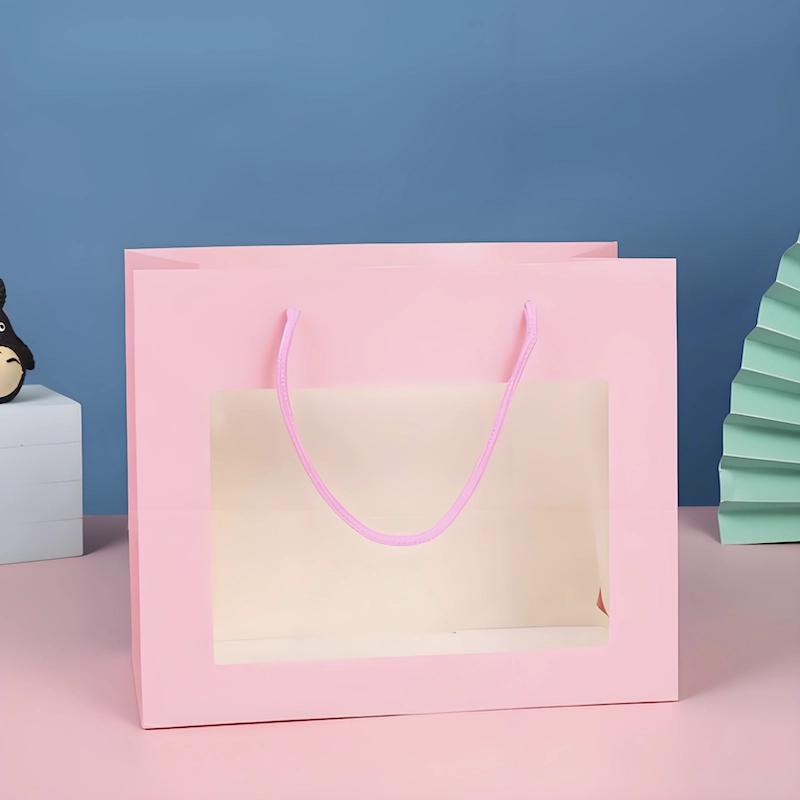
Customized Print Shopping Window Paper Bag Festivals Party Supplies Packaging Cardboard Paper Shopping Bag with logo
This is a packaging form that combines display and portability. Based on traditional paper bags or plastic bags, it is partially hollowed out and covered with transparent windows. Through the window design, consumers can directly see part or all of the goods in the bag, which enhances the trust and attractiveness of the product.
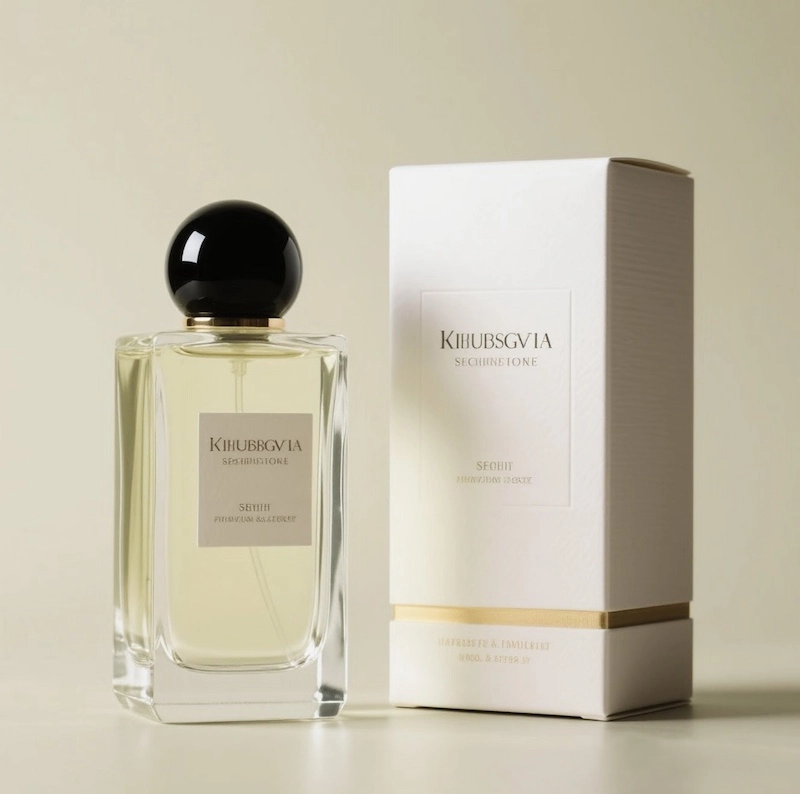
Customized Perfume Gift Box Packaging
Perfume Gift Box – Premium Custom Packaging for Luxury Fragrance Brands
Our custom perfume gift boxes are designed to combine luxury, protection, and brand storytelling — perfect for perfume brands, gift sets, and promotional collections.
Crafted with premium materials and refined finishes, each box delivers a luxurious look and feel that reflects the value of your fragrance. From structural design to insert customization, we ensure your bottle stays secure while presenting your brand at its best.
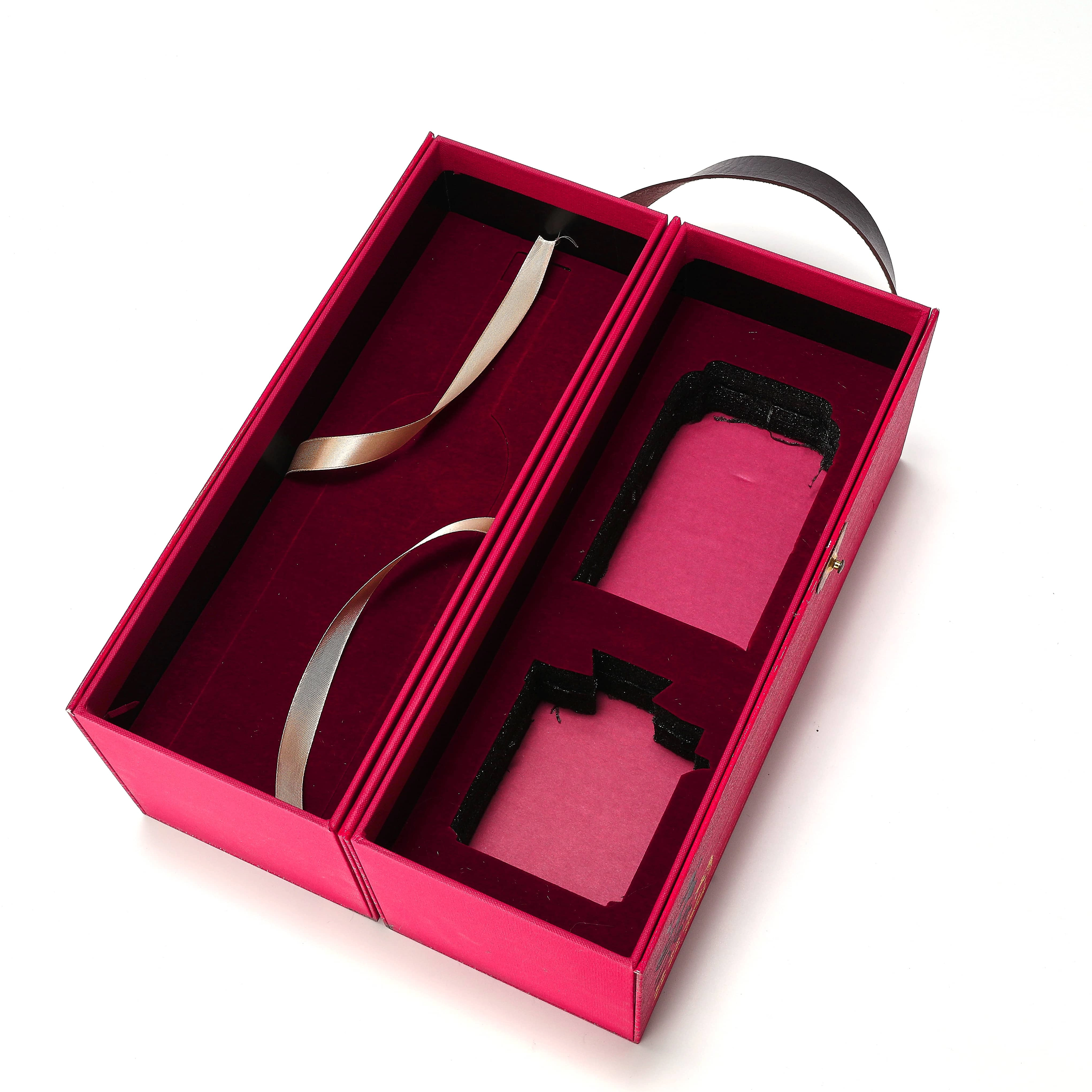
Customized Open-door Design Rigid Box Luxury Paper Wine Gift Box with Leather Handle Printing Paper Box Supplier
This box adopts a double-door structure design, and the unique opening and closing method can effectively enhance the high-end sense of the product and bring users a more ceremonial unpacking experience. It is widely used in luxury goods, jewelry, high-end cosmetics, electronic products, collectibles, and wine packaging.

Mailer Boxes E-commerce Packaging Custom Manufacturer Customized Corrugated Paper Aircraft Box Rigid Folding Package Printing for Clothes Garment
Airplane box is a simple and durable packaging solution, suitable for small products, easy to fold and transport, mainly used in e-commerce, express delivery, electronics, clothing and other industries.
© 2025 WINPACK PRINTING. All rights reserved

Wenhua Printing packaging
winpackprinting
Winpack Printing