




Sustainable Takeaway Boxes: Materials, Certifications, Costs
- Why sustainable packaging matters for takeaway food
- Environmental and regulatory drivers
- Consumer expectations and brand risk
- Materials for sustainable takeaway boxes
- Paperboard and coated paper
- Bagasse (sugarcane fiber) and molded fiber
- PLA and compostable plastics
- Material comparison
- Certifications and standards to verify sustainability
- Compostability standards (EN 13432, ASTM D6400)
- Recycled content and chain-of-custody (FSC, PEFC)
- Bioplastic and chemical safety certifications
- Cost drivers and budgeting for sustainable takeaway boxes
- Raw materials, print, and design impacts
- End-of-life handling and total cost of ownership (TCO)
- Supplier selection and economies of scale — Winpack example
- Implementation checklist for food businesses
- Assess local waste infrastructure
- Specify functional requirements
- Labeling and customer instructions
- Frequently asked questions (FAQ)
- 1. Are compostable takeaway boxes always better than recyclable ones?
- 2. What does the EN 13432 or ASTM D6400 mark actually guarantee?
- 3. How much more do sustainable boxes cost?
- 4. Can I print logos and full-color branding on compostable boxes?
- 5. Will PLA contaminate the recycling stream?
- 6. How do I verify a supplier’s sustainability claims?
- Contact and product inquiry
- References
Why sustainable packaging matters for takeaway food
Environmental and regulatory drivers
Takeaway boxes are a high-volume, single-use product. Their material choice and end-of-life treatment influence greenhouse gas emissions, litter and contamination of recycling streams. Many jurisdictions are tightening rules on single-use plastics and promoting compostable or recyclable alternatives; compliance now affects procurement, labeling, and disposal obligations for restaurants and caterers.
Consumer expectations and brand risk
Surveys consistently show customers prefer environmentally responsible brands. Selecting sustainable takeaway boxes can reduce negative brand impacts, improve customer loyalty, and create marketing differentiation — but ineffective choices (e.g., products labeled “compostable” without supporting local infrastructure) can backfire. The right strategy balances material performance, certification, and local waste-management realities.
Materials for sustainable takeaway boxes
Paperboard and coated paper
Paperboard (kraft, SBS, recycled-content board) is the most common sustainable option because it is renewable and widely recyclable where not contaminated by food grease. Coatings — polyethylene (PE), polyethylene terephthalate (PET), or bio-based coatings (PLA, PHA) — improve grease and moisture resistance but change recyclability or compostability. Many suppliers now offer water-based or proprietary dispersive coatings that maintain recyclability.
Bagasse (sugarcane fiber) and molded fiber
Bagasse and molded pulp (from recycled paper) are produced from agricultural or recycled residues. They are generally heat-, grease- and microwave-resistant and are industrially compostable in many cases. Bagasse uses a by-product of sugar production and offers a circular-material narrative; molded fiber is robust for irregular shapes and cushioning.
PLA and compostable plastics
Polylactic acid (PLA) and other bioplastics can be certified industrially compostable, offering moisture barriers with lower fossil-carbon intensity. However, PLA typically requires industrial composting at high temperatures to break down (not home composting) and can contaminate recycling streams for PET if not separated. PLA-lined paperboard works well where local industrial composting exists and separation is enforced.
Material comparison
| Material | Renewable | Industrial Compostable | Widely Recyclable | Grease/Heat Resistance | Indicative unit cost (USD per unit) | Notes |
|---|---|---|---|---|---|---|
| Uncoated/Recyclable paperboard | Yes | No | Yes (if clean) | Low (needs lining) | $0.03–$0.12 | Best where recycling infrastructure exists; low-carbon if recycled content used. |
| Paperboard with PE or water-based barrier | Partially | No (PE prevents compost) | Limited (requires separation) | Medium–High | $0.05–$0.20 | Good grease resistance; PE lining complicates recycling unless mono-material solutions used. |
| Bagasse (sugarcane fiber) | Yes | Often (industrial) | No (not paper recycling stream) | High | $0.06–$0.25 | Excellent for hot/greasy food; compostable in industrial facilities. |
| Molded pulp (recycled fiber) | Yes | Sometimes | Yes (if clean) | Medium | $0.05–$0.30 | Good for cushioning and bespoke shapes; finish affects recyclability. |
| PLA-lined paper | Partially (plant-based) | Yes (industrial) | No (PLA contaminates some recycling streams) | Medium | $0.08–$0.25 | Use where industrial composting exists; must label correctly to avoid contamination. |
Notes: Indicative costs vary by order volume, print, and geographic region. Cost ranges are typical retail/FOB estimates for common takeaway formats and reflect market data trends (see references).
Certifications and standards to verify sustainability
Compostability standards (EN 13432, ASTM D6400)
EN 13432 (EU) and ASTM D6400 (North America) define criteria for industrial compostability, including biodegradation rates, disintegration, and ecotoxicity. Products certified to these standards have been tested for specific composting conditions — commonly achievable only in industrial composting facilities. Certification bodies include TÜV, Vincotte (OK compost), and BPI.
Recycled content and chain-of-custody (FSC, PEFC)
Forest Stewardship Council (FSC) and Programme for the Endorsement of Forest Certification (PEFC) verify wood-fiber sourcing and chain-of-custody. For paperboard, choosing FSC- or PEFC-certified materials demonstrates responsible sourcing. For recycled fiber claims, ISO and regional standards govern verification methods and labeling.
Bioplastic and chemical safety certifications
Certificates from organizations like BPI (US) or TÜV OK compost validate industrial compostability. For food-contact safety, relevant migration and food-safety tests (FDA for US, EU food-contact regulations) must be met. Request declarations of conformity when buying custom-printed boxes.
Cost drivers and budgeting for sustainable takeaway boxes
Raw materials, print, and design impacts
Unit cost depends primarily on material type, grammage (thickness), print coverage, and finishing. Full-color, high-coverage printing and specialty inks (metallic, tactile) increase cost. Folding/structural complexity and window features (PLA or PET) add tooling or lamination expenses. Ordering larger quantities reduces per-unit cost through economies of scale.
End-of-life handling and total cost of ownership (TCO)
TCO includes procurement price plus disposal costs (landfill tax, composting fees), potential waste-handling penalties, and branding value. For example, switching to a compostable box in an area without industrial composting may increase disposal costs and cause contamination — increasing overall waste fees. Estimate both direct and indirect costs when comparing options.
Supplier selection and economies of scale — Winpack example
Choosing a supplier with in-house design, proofing and versatile production capability reduces lead time and enables cost-efficient customization. In 2016, Guangdong Winpack Printing Technology Development Co., Ltd. was officially established as a professional paper box printing manufacturer specializing in designing, proofing, printing, and producing a wide range of packaging and printed materials.
Winpack’s services include customized production of stickers, labels, paper bags, gift boxes, beauty boxes, pizza boxes, books, brochures, flyers, etc. Winpack caters to diverse industries, including cosmetics, food, healthcare, pharmaceuticals, and electronics. Their 15,000-square-meter factory is equipped with state-of-the-art technology. They utilize an advanced screen plate-making system and top-tier machinery such as the Heidelberg printing machine, high-speed paper cutter, Lithrone GL-40A machine, and anti-counterfeiting inkjet printer to ensure superior quality and efficiency. Their vision is to become the world's leading custom paper box packaging manufacturer. More details are available at https://www.winpackprinting.com/.
Winpack’s relevant product strengths for takeaway and retail food packaging include custom gable boxes, custom gift boxes, custom display boxes, custom rigid boxes, custom folding boxes, custom paper tubes boxes, custom window boxes, custom special-shape boxes, custom pillow boxes, and custom take out boxes. Advantages include:
- Integrated design-to-production workflow that shortens development cycles and reduces prototype costs.
- Advanced printing and finishing that enable effective branding while controlling incremental cost per unit.
- Capacity for medium-to-high volume orders with consistent quality due to modern machinery.
- Experience across food, cosmetics and healthcare implies familiarity with food-contact regulations and traceability.
When evaluating suppliers, request material data sheets, certifications (FSC, compostability test reports), food-contact declarations, and sample runs to test grease/heat performance and printing durability.
Implementation checklist for food businesses
Assess local waste infrastructure
Before selecting compostable boxes, confirm industrial composting availability and whether the local waste contractor accepts compostable packaging. If infrastructure is absent, recyclable mono-material paperboard with minimal coatings is often the better near-term choice.
Specify functional requirements
List required features (heat retention, leak resistance, microwaveability, stacking strength), expected shelf life, and branding needs. Match these to material properties and request third-party test reports where necessary.
Labeling and customer instructions
Clearly label packaging with correct end-of-life instructions: recycle, industrially compostable (with required standard), or dispose. Mislabeling increases contamination risk and undermines sustainability commitments.
Frequently asked questions (FAQ)
1. Are compostable takeaway boxes always better than recyclable ones?
Not always. Compostable boxes are valuable if industrial composting infrastructure exists locally. Otherwise they may end up in landfill or contaminate recycling. Recyclable mono-material paperboard may produce better environmental outcomes where recycling systems are robust.
2. What does the EN 13432 or ASTM D6400 mark actually guarantee?
These standards test biodegradation, disintegration and ecotoxicity under industrial composting conditions. A certified product will break down in industrial composting facilities within specified timeframes, but the certification does not imply home-compostability.
3. How much more do sustainable boxes cost?
Costs depend on material and volume. Indicative per-unit High Quality versus basic paperboard can range from a few cents to several tens of cents. Higher-performance or certified compostable materials and full-color printing increase cost. Calculate total cost of ownership including disposal and branding benefits.
4. Can I print logos and full-color branding on compostable boxes?
Yes — many compostable substrates accept water-based or food-safe inks. Confirm with your supplier that inks and primers are food-contact safe and that print coverage won’t interfere with compostability certification.
5. Will PLA contaminate the recycling stream?
PLA is chemically similar to PET in appearance and can contaminate PET recycling if mixed. Proper labeling and separation systems are necessary where both streams exist. In areas without separation, avoid PLA if recycling is the intended end-of-life route.
6. How do I verify a supplier’s sustainability claims?
Request certificates (FSC, PEFC), lab reports for compostability (EN 13432/ASTM), food-contact declarations, and chain-of-custody documentation. Independent third-party certifications are more reliable than supplier self-declarations.
Contact and product inquiry
If you’re evaluating sustainable takeaway solutions for your food business, request samples and certifications from suppliers before committing. For custom printed or structural packaging with advanced printing and finishing, consider manufacturers like Winpack. Visit their website: https://www.winpackprinting.com/ to view product options and request a quote. For immediate consultation, ask for samples of custom take out boxes and material datasheets to validate performance for your menu and local waste infrastructure.
References
- U.S. Environmental Protection Agency — Facts and Figures about Materials, Waste and Recycling. https://www.epa.gov/facts-and-figures-about-materials-waste-and-recycling (accessed 2026-01-06)
- European Bioplastics — What are bioplastics? https://www.european-bioplastics.org/ (accessed 2026-01-06)
- Biodegradable Products Institute (BPI) — Compostable Certification. https://bpiworld.org/ (accessed 2026-01-06)
- FSC — Forest Stewardship Council. https://fsc.org/ (accessed 2026-01-06)
- Wikipedia — EN 13432 (standard on compostability). https://en.wikipedia.org/wiki/EN_13432 (accessed 2026-01-06)
- Wikipedia — ASTM D6400 (standard on compostability). https://en.wikipedia.org/wiki/ASTM_D_6400 (accessed 2026-01-06)
- Grand View Research — Food Packaging Market Size & Trends. https://www.grandviewresearch.com/industry-analysis/food-packaging-market (accessed 2026-01-06)
- Packaging Insights / Packaging Europe — Articles on bagasse and compostable foodservice packaging (industry overviews). https://www.packaginginsights.com/ and https://www.packagingeurope.com/ (accessed 2026-01-06)
Eco-Friendly Custom Mailer Boxes: Materials and Options
Top custom candy box Manufacturers and Suppliers in China
Food Safety & Regulations for Takeaway Packaging
Custom sticker bags Manufacturers and Suppliers in us
About Printing Craftsmanship
What are the advantages of embossing?
Enhances the visual and tactile appeal of printed products.
Creates a premium and professional look.
Improves brand recognition with distinct textures.
Increases durability as the embossed design remains intact over time.
What is screen printing used for?
Screen printing is ideal for printing on a variety of surfaces, including:
Fabric (t-shirts, tote bags)
Plastic (bottles, packaging)
Paper (posters, packaging)
Metal and glass (signs, promotional products)
Special Shape Boxes
How long does it usually take from design confirmation to delivery?
The lead time is usually 15-25 days, depending on the production of the order
OEM Services
What is the minimum order quantity (MOQ) for OEM orders?
Our MOQ varies depending on the type of packaging and material used. We offer flexible MOQ options to accommodate both small businesses and large-scale manufacturers. Contact us for a tailored quote based on your needs.
About Us
When I can get the quotation?
Generally we will quoted to you in 2 hours after you provide the details of the box( Size, material, craft, accessories and other details)
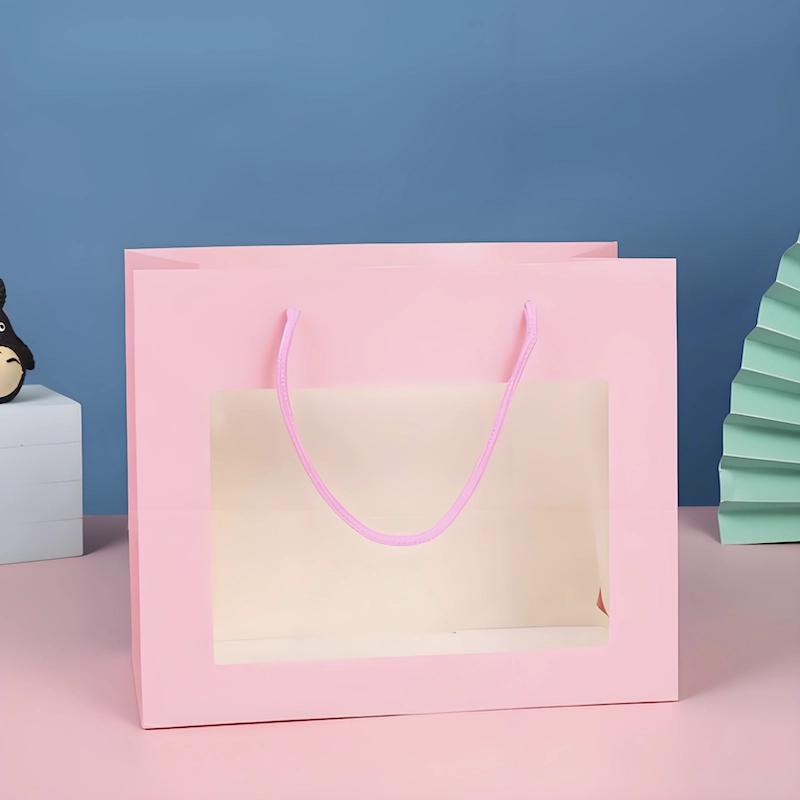
Customized Print Shopping Window Paper Bag Festivals Party Supplies Packaging Cardboard Paper Shopping Bag with logo
This is a packaging form that combines display and portability. Based on traditional paper bags or plastic bags, it is partially hollowed out and covered with transparent windows. Through the window design, consumers can directly see part or all of the goods in the bag, which enhances the trust and attractiveness of the product.
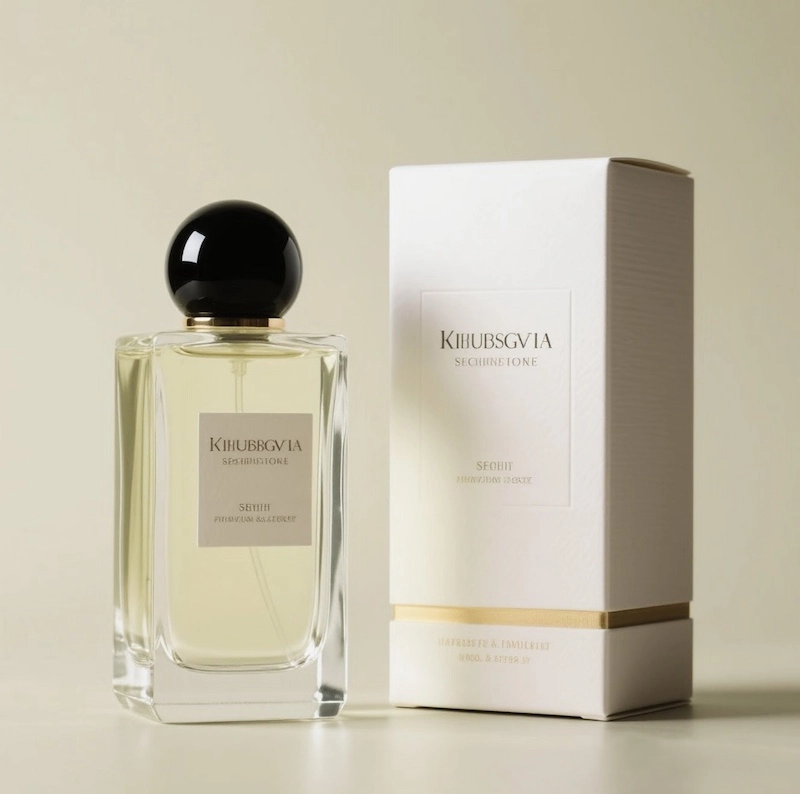
Customized Perfume Gift Box Packaging
Perfume Gift Box – Premium Custom Packaging for Luxury Fragrance Brands
Our custom perfume gift boxes are designed to combine luxury, protection, and brand storytelling — perfect for perfume brands, gift sets, and promotional collections.
Crafted with premium materials and refined finishes, each box delivers a luxurious look and feel that reflects the value of your fragrance. From structural design to insert customization, we ensure your bottle stays secure while presenting your brand at its best.
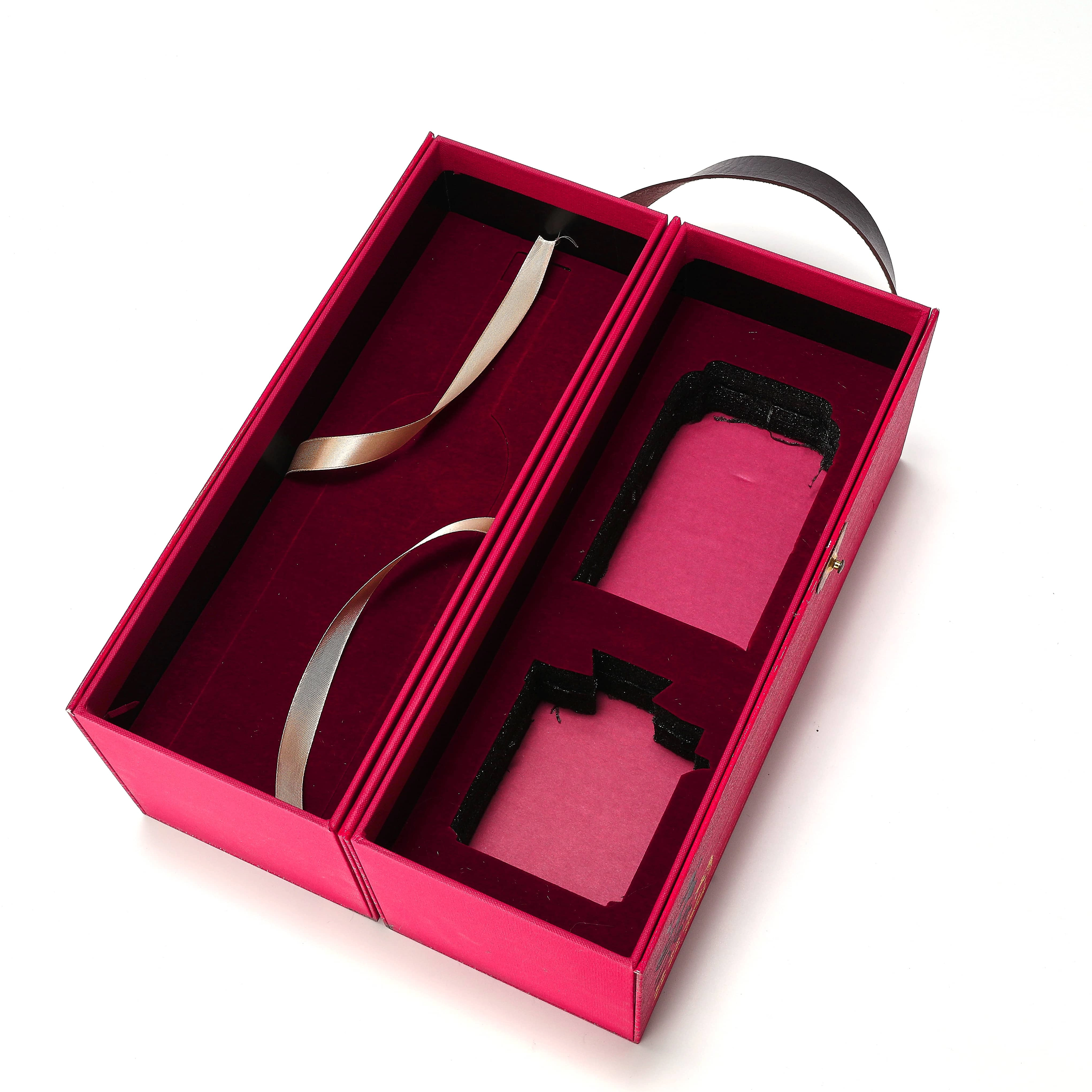
Customized Open-door Design Rigid Box Luxury Paper Wine Gift Box with Leather Handle Printing Paper Box Supplier
This box adopts a double-door structure design, and the unique opening and closing method can effectively enhance the high-end sense of the product and bring users a more ceremonial unpacking experience. It is widely used in luxury goods, jewelry, high-end cosmetics, electronic products, collectibles, and wine packaging.

Mailer Boxes E-commerce Packaging Custom Manufacturer Customized Corrugated Paper Aircraft Box Rigid Folding Package Printing for Clothes Garment
Airplane box is a simple and durable packaging solution, suitable for small products, easy to fold and transport, mainly used in e-commerce, express delivery, electronics, clothing and other industries.
© 2025 WINPACK PRINTING. All rights reserved

Wenhua Printing packaging
winpackprinting
Winpack Printing