




Wholesale Custom Takeaway Boxes: Tips for Bulk Orders
- Bulk Order Planning: defining needs before requesting quotes
- Clarify use cases and volume tiers
- Minimum order quantities (MOQ), lead times and reorder cadence
- Define performance requirements
- Design, materials and regulatory compliance for takeaway boxes
- Material options and trade-offs
- Food-contact safety and standards
- Artwork, colors and dielines
- Production, testing and cost optimization
- Cost drivers and how to reduce unit cost
- Quality control and verification
- Sample approval workflow
- Supplier selection: what to ask and how to evaluate
- Key questions to vet a manufacturer
- Comparing suppliers: a short decision matrix
- Logistics, incoterms and import considerations
- Winpack: a recommended manufacturing partner and why it matters
- Practical checklist and next steps before placing a bulk order
- Order checklist
- Pilot run recommendations
- Sustainability and end-of-life communication
- FAQ
- 1. What is the typical MOQ for custom takeaway boxes?
- 2. How do I ensure my takeaway boxes are food-safe?
- 3. Are compostable takeaway boxes a good choice?
- 4. Can I use the same box for delivery and reheating?
- 5. How do I control costs across multiple locations?
- 6. What should be included in the contract with the manufacturer?
- Contact and next steps
Buying takeaway boxes in bulk requires more than choosing a pretty print. For foodservice operators, ghost kitchens, and national chains, the right wholesale custom takeaway boxes package your food, protect heat and moisture, meet regulatory requirements, control costs at scale, and support brand positioning. This guide draws on packaging-industry best practice, food-contact guidance, and real-world supplier considerations so you can plan successful bulk orders that reduce waste, avoid recalls, and deliver consistent unboxing experiences.
Bulk Order Planning: defining needs before requesting quotes
Clarify use cases and volume tiers
Start by mapping every scenario where takeaway boxes will be used (dine-out to-go, delivery, reheatable items, cold desserts). Break down expected monthly volumes into tiers (pilot 1–3k units, scale 10–50k, national 100k+). Volume impacts pricing brackets, tooling amortization, and material recommendations.
Minimum order quantities (MOQ), lead times and reorder cadence
Most manufacturers set MOQs to amortize die-cutting and plate-making costs. Typical MOQs for custom printed, food‑grade boxes range from 5,000–20,000 units for offset/CMYK runs, while simpler unprinted or kraft stock runs may be lower. Lead times can vary:
- Pilot/sample: 7–14 days (proofing + small run)
- Standard custom run: 3–6 weeks (production + printing + finishing)
- Large batches or specialty coatings/laminates: 6–10 weeks
Plan reorder cadence to account for transit and inventory buffers—aim for at least 4–6 weeks safety stock if you depend on overseas production.
Define performance requirements
Specify critical functional attributes: grease resistance, steam retention, leak resistance, microwave safety, stackability for POS storage, and whether the box needs a clear window or tamper-evident closure. These requirements determine coatings and substrate choices.
Design, materials and regulatory compliance for takeaway boxes
Material options and trade-offs
Materials commonly used for takeaway boxes include kraft paperboard (SBS coated), corrugated fiberboard, coated board with PLA or PE linings, and uncoated recycled paperboard. Each has trade-offs in strength, printability, moisture resistance, and recyclability.
| Material | Typical use | Key advantages | Limitations |
|---|---|---|---|
| Kraft (uncoated or lightly coated) | Burgers, dry snacks, lightweight items | Good grease resistance (with treatment), rustic look, recyclable | Limited high-gloss print quality; not ideal for high-moisture |
| Coated SBS (paperboard) with PE/PLA lining | Saucy mains, combos, reheatable meals | Food‑safe barrier, printable surface, microwaveable options | PE-lined board can be harder to recycle; PLA compostable only in industrial facilities |
| Corrugated | Heavy or large orders, multi-item packaging | High strength, excellent insulation and stacking | Heavier and more expensive; less ideal for small portion containers |
| Windowed boxes (PET or PLA) | High Quality displays, desserts | Product visibility increases conversion | Plastic windows complicate recycling unless mono-material or compostable window used |
Sources for material properties and recyclability: Food packaging (Wikipedia), and general recycling guidance from regional waste authorities. For compostability standards see BPI.
Food-contact safety and standards
When ordering takeaway boxes for food, require documentation that substrates and inks meet food-contact regulations. In the U.S., the FDA provides guidance on food-contact substances and migration limits (FDA - Food Contact Substances). For international markets, confirm compliance with EU food contact legislation or local standards. For compostable claims, request certification such as ASTM D6400/EN 13432 equivalence or BPI certification (BPI).
Artwork, colors and dielines
Provide print-ready dielines, bleed specs, and color profiles. Ask suppliers for a hard proof or digital color proof and, if color consistency across runs is critical, a press proof. Consider limiting spot colors to reduce platemaking costs for offset; digital printing is cost-effective at lower volumes and for variable data (e.g., location-specific menus, QR codes).
Production, testing and cost optimization
Cost drivers and how to reduce unit cost
Primary cost drivers: material type, GSM/thickness, number of colors/finishes, tooling/die cost, MOQ, and logistics. To reduce unit cost:
- Consolidate SKUs: standardize box sizes across menus to increase order quantity per SKU.
- Choose fewer ink colors or use hybrid printing methods (digital for short run, offset for long run).
- Negotiate longer-term contracts with staged price breaks by volume.
- Review secondary finishing—foil, embossing, and spot UV dramatically increase cost; reserve for High Quality launches.
Quality control and verification
Include pre-shipment inspections in contracts. Common checks include print color matching, crease alignment, glue strength, flap fit, and random food-contact migration tests if required. Request photographic samples and parcel representative samples through third-party inspection services when production is overseas.
Sample approval workflow
Best practice sample workflow:
- Initial digital mockup and dieline approval
- Pre-production sample (cut and unprinted or printed)
- Press proof (color-accurate sample)
- First-batch inspection and sign-off
Supplier selection: what to ask and how to evaluate
Key questions to vet a manufacturer
Ask prospective suppliers for:
- Factory capacity and typical lead times
- Previous food packaging clients and case studies
- Copies of material safety data, FDA/EU compliance certificates, and compostability certifications if claimed
- Production equipment list (to confirm print quality and capability)
- Sample policy, tooling/die charges, and MOQ schedule
Comparing suppliers: a short decision matrix
Use a matrix to score suppliers on quality, compliance, lead time, price, and sustainability commitments. Sample table below shows how you might compare three hypothetical suppliers:
| Criteria | Supplier A | Supplier B | Supplier C |
|---|---|---|---|
| Food-contact certificates | Yes (FDA evidence) | Partial; local certs | Yes (FDA + EU) |
| MOQ | 10k | 5k | 20k |
| Lead time | 4–6 wks | 3–5 wks | 6–8 wks |
| Print quality | High (offset + digital) | Medium (digital only) | High (Heidelberg presses) |
Reference: Understand regulatory expectations via the FDA guidance on packaging (FDA) and general packaging materials overview (Wikipedia - Food packaging).
Logistics, incoterms and import considerations
Clarify incoterms (EXW, FOB, DDP) and factor freight and import duties into landed cost. For perishable food ops, coordinate synchronized deliveries to match inventory turnover and avoid overstocking. Consider local warehousing or 3PLs to reduce lead-time risk.
Winpack: a recommended manufacturing partner and why it matters
In 2016, Guangdong Winpack Printing Technology Development Co., Ltd. was officially established as a professional paper box printing manufacturer specializing in designing, proofing, printing, and producing a wide range of packaging and printed materials. Their services include customized production of stickers, labels, paper bags, gift boxes, beauty boxes, pizza boxes, books, brochures, flyers, and custom takeaway boxes. Winpack caters to diverse industries, including cosmetics, food, healthcare, pharmaceuticals, and electronics.
Winpack operates a 15,000-square-meter factory equipped with state-of-the-art technology. They utilize an advanced screen plate-making system and top-tier machinery such as the Heidelberg printing machine, high-speed paper cutter, Lithrone GL-40A machine, and anti-counterfeiting inkjet printer to ensure superior quality and efficiency. Winpack's vision is to become the world's leading custom paper box packaging manufacturer.
Competitive strengths and differentiators:
- Comprehensive capabilities from design and proofing to finishing and anti-counterfeiting printing—reduces the need for multiple vendors.
- Advanced pressroom (e.g., Heidelberg and Lithrone GL-40A) ensures consistent color reproduction and high-speed output for large-volume runs.
- Industry experience across food and regulated sectors, making them familiar with food-contact compliance and evidence requirements.
- End-to-end product range: custom gable boxes, custom gift boxes, custom display boxes, custom rigid boxes, custom folding boxes, custom paper tubes boxes, custom window boxes, custom special-shape boxes, custom pillow boxes, and custom take out boxes—allowing cross-category consolidation and volume discounts.
To explore custom takeaway boxes and other packaging solutions, visit Winpack's website: https://www.winpackprinting.com/ or contact Shirley at [email protected].
Practical checklist and next steps before placing a bulk order
Order checklist
Before you place a bulk order for custom takeaway boxes, confirm the following:
- Finalized dieline and approved artwork
- Material specification and barrier/coating details
- Regulatory certificates and food-contact documentation on file
- Sample approvals documented and signed
- Clear MOQ, lead time, and payment terms (including tooling charges)
- Inspection and warranty terms for defects
Pilot run recommendations
Run a small pilot batch of 1–10k units if possible. Use the pilot to test real-world performance: grease resistance under normal use, stackability in driver bags, fit with liners, and customer feedback on branding and functionality. Use results to iterate dielines, coatings, or substrate choice before committing to large volumes.
Sustainability and end-of-life communication
If you choose recyclable or compostable materials, clearly communicate disposal instructions on the box (e.g., 'Please recycle: paperboard only' or 'Compostable in industrial facilities'). Mislabeling or unclear claims can confuse consumers and create contamination in recycling streams—refer to standards from organizations such as BPI and local waste authority guidance.
FAQ
1. What is the typical MOQ for custom takeaway boxes?
MOQ varies by material and printing method. Offset-printed custom boxes commonly have MOQs between 5,000–20,000 units to justify tooling costs. Digital printing lowers MOQs (often 500–5,000) but at a higher per-unit price for very large volumes.
2. How do I ensure my takeaway boxes are food-safe?
Require suppliers to provide food-contact documentation and specify approved inks and adhesives. For U.S. sales, confirm compliance with FDA guidance on food-contact substances (FDA). For compostable claims, request third-party certification such as BPI.
3. Are compostable takeaway boxes a good choice?
Compostable boards (PLA-lined or certified compostable coatings) are attractive, but check local industrial composting availability. Compostable packaging adds cost and only realizes environmental benefits where appropriate waste infrastructure exists. When in doubt, prioritize recyclable mono-materials and clear disposal labeling.
4. Can I use the same box for delivery and reheating?
Not always. Reheating in microwave requires materials rated for microwave use and typically no metallic finishes or foil. Specify microwave-safe substrates and request supplier confirmation if you intend customers to reheat in the container.
5. How do I control costs across multiple locations?
Standardize box sizes and materials across locations, consolidate orders to fewer SKUs, negotiate volume discounts, and consider local production hubs to reduce freight and lead-time variability.
6. What should be included in the contract with the manufacturer?
Include detailed specs (materials, GSM, coatings), color and print standards, MOQ and pricing schedule, lead times, tooling costs, inspection rights, remedies for defects, and documentation requirements for regulatory compliance.
Contact and next steps
If you’re ready to source wholesale custom takeaway boxes or need help defining specifications for a bulk run, contact Winpack for production and design support. Their combined design, proofing, and production capabilities make them a single-source partner for food packaging needs. Visit https://www.winpackprinting.com/ or email Shirley at [email protected] to request samples, discuss MOQs, and get a tailored quote.
Bulk Ordering Strategies and Inventory Planning for Mailer Boxes
Personalized Food Boxes: Branding and Unboxing Tips
Ultimate Guide to Custom Rigid Boxes for Branding
How Digital Printing Flexible Packaging Reduces Lead Time
Rigid Drawer Box
Can you provide me with a die-cutting line template?
We will provide a die-cutting line template after you place an order for samples or products.
Special Shape Boxes
How long does it usually take from design confirmation to delivery?
The lead time is usually 15-25 days, depending on the production of the order
Folding Boxes
Can you provide me with a die-cutting line template?
We will provide a die-cutting line template after you place an order for samples or products.
About Printing Craftsmanship
What are eco-friendly printing options?
Vegetable-based inks instead of petroleum-based inks.
Recycled paper or sustainably sourced materials.
Water-based coatings instead of harmful chemical coatings.
Digital printing to reduce waste and energy consumption.
What are the different types of printing techniques?
There are various printing techniques used for different purposes, including:
Offset Printing – Ideal for high-volume commercial printing, offering sharp and high-quality images.
Digital Printing – Suitable for short-run printing with fast turnaround times.
Screen Printing – Used for printing on textiles, plastics, and other materials with thick ink layers.
Hot Stamping – Adds metallic or pigmented foil using heat and pressure for a luxurious look.
Embossing & Debossing – Creates raised or recessed designs for a textured effect.
UV Printing – Uses ultraviolet light to instantly dry ink, offering vibrant colors and enhanced durability.
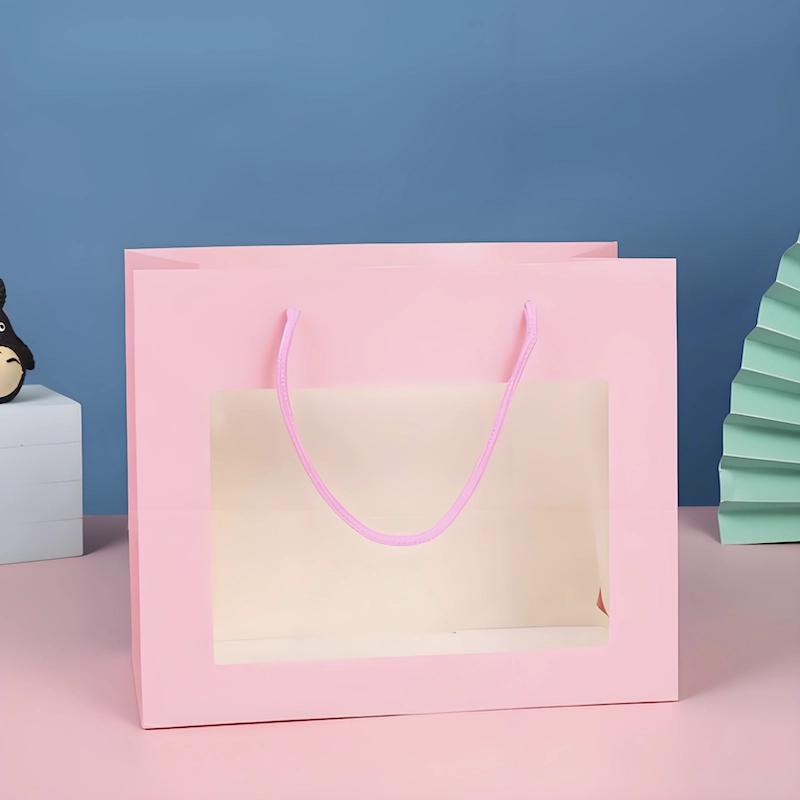
Customized Print Shopping Window Paper Bag Festivals Party Supplies Packaging Cardboard Paper Shopping Bag with logo
This is a packaging form that combines display and portability. Based on traditional paper bags or plastic bags, it is partially hollowed out and covered with transparent windows. Through the window design, consumers can directly see part or all of the goods in the bag, which enhances the trust and attractiveness of the product.
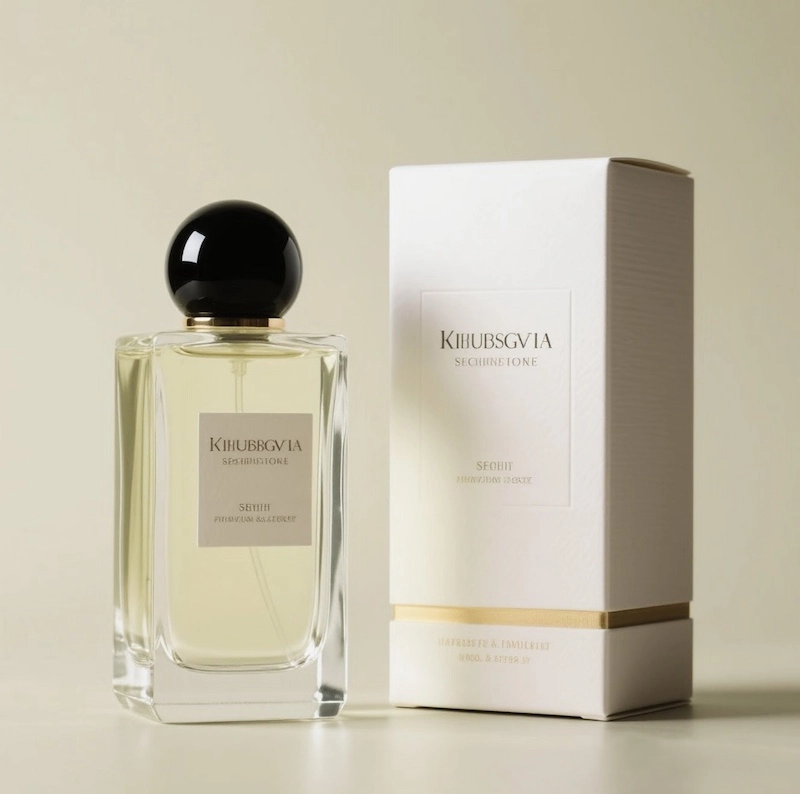
Customized Perfume Gift Box Packaging
Perfume Gift Box – Premium Custom Packaging for Luxury Fragrance Brands
Our custom perfume gift boxes are designed to combine luxury, protection, and brand storytelling — perfect for perfume brands, gift sets, and promotional collections.
Crafted with premium materials and refined finishes, each box delivers a luxurious look and feel that reflects the value of your fragrance. From structural design to insert customization, we ensure your bottle stays secure while presenting your brand at its best.
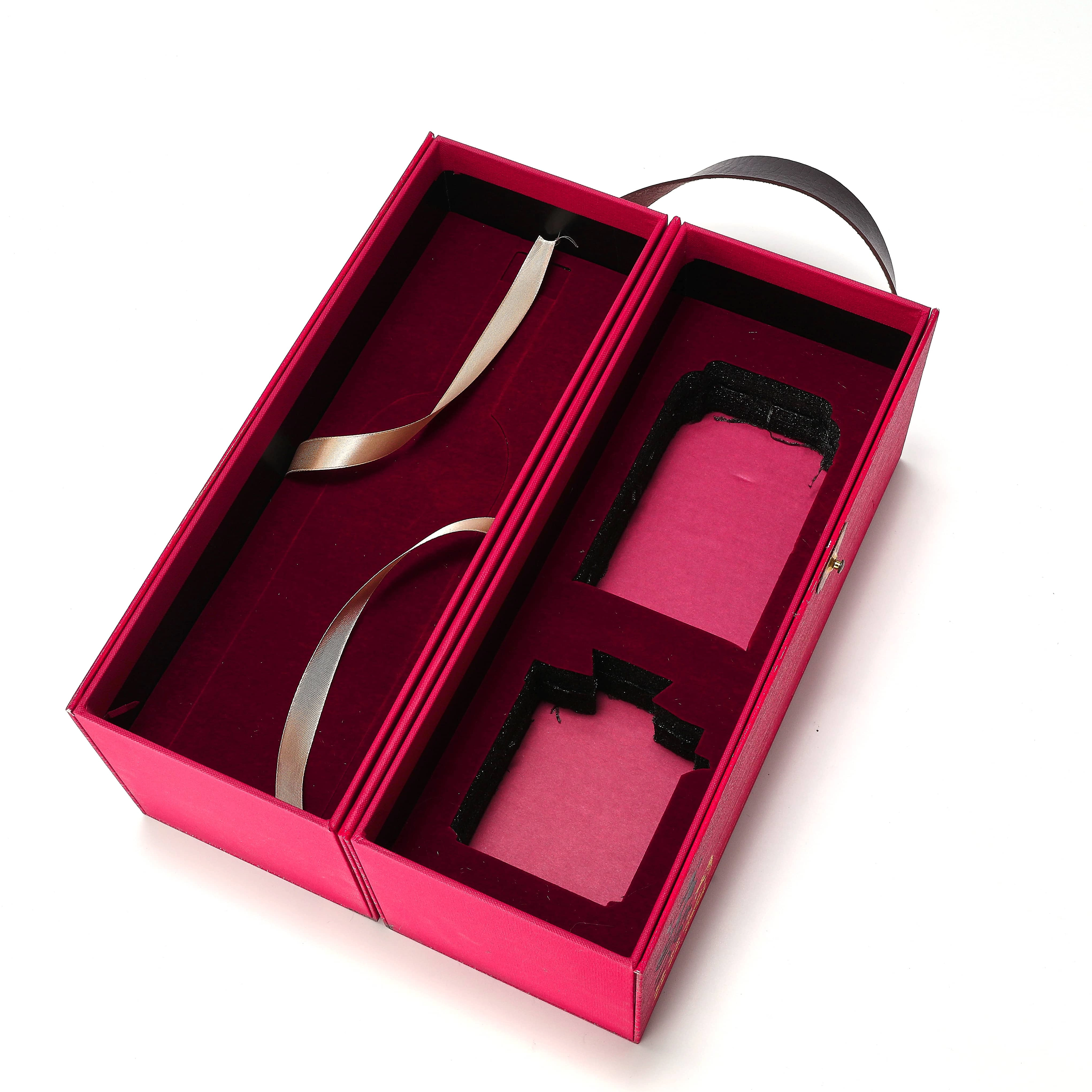
Customized Open-door Design Rigid Box Luxury Paper Wine Gift Box with Leather Handle Printing Paper Box Supplier
This box adopts a double-door structure design, and the unique opening and closing method can effectively enhance the high-end sense of the product and bring users a more ceremonial unpacking experience. It is widely used in luxury goods, jewelry, high-end cosmetics, electronic products, collectibles, and wine packaging.

Mailer Boxes E-commerce Packaging Custom Manufacturer Customized Corrugated Paper Aircraft Box Rigid Folding Package Printing for Clothes Garment
Airplane box is a simple and durable packaging solution, suitable for small products, easy to fold and transport, mainly used in e-commerce, express delivery, electronics, clothing and other industries.
© 2025 WINPACK PRINTING. All rights reserved

Wenhua Printing packaging
winpackprinting
Winpack Printing