




What GSM Paper Is Ideal for Skincare Folding Cartons?
Packaging in the beauty and skincare sector is not just a mere protective measure. The skincare box should be designed in a way that it conveys brand identity, keeps fragile products like glass bottles or serum droppers, withstands structural integrity during transportation, and displays the product in a presentable way on retail shelves or in e-commerce deliveries. A choice of the right paperboard weight, which is often measured in grams per square meter (GSM), is one of the most significant technical choices in the cosmetic packaging design. GSM has a direct effect on the thickness, stiffness and durability of the paperboard utilized in folding cartons. In choosing the packaging material, skincare brands have to balance a number of factors such as the weight of the product, the quality of the visual, the compatibility of printing, and the cost-effectiveness. When the GSM is too low, the carton will be flimsy and will not be able to prote
- The knowledge of GSM in Paperboard Packaging
- Understanding GSM in Paperboard Packaging
- Typical GSM Range for Folding Carton Packaging
- Why GSM Matters for Skincare Packaging
- Recommended GSM for Different Skincare Products
- Paperboard Types Used in Skincare Folding Cartons
- SBS Paperboard
- Folding Box Board (FBB)
- Kraft Paperboard
- Factors That Influence the Ideal GSM Choice
- Packaging Engineering and GSM Optimization
- Future Trends in Cosmetic Packaging Materials
- Conclusion
The knowledge of GSM in Paperboard Packaging
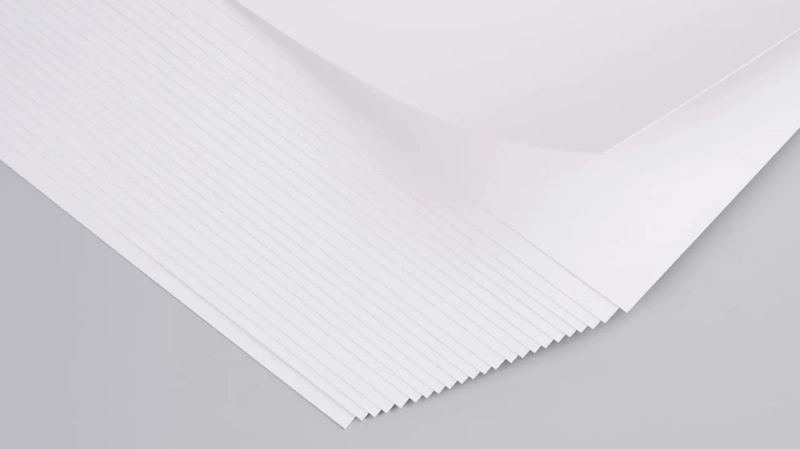
GSM is an abbreviation that means grams per square meter, which is the unit used to determine the weight and density of the paper or paperboard materials. GSM is in simple terms used to denote the weight and thickness of a sheet of paperboard. The greater the GSM, the more thick and hard the material is.
In the packaging production, GSM is directly related to a number of performance attributes. Higher GSM paperboard tends to be more rigid and resistant to bending, which allows cartons to maintain their shape in the stack, shipping, and retail display. It is also more tactile, which helps in the perception of high quality.
Nevertheless, GSM is not the only factor that defines the packaging strength. Durability also depends on factors like quality of fibers, board structure and coating layers. Nonetheless, GSM is among the most
convenient pointers that packaging engineers and designers consider when choosing the materials to be used in making folding cartons.
Understanding GSM in Paperboard Packaging
GSM stands for grams per square meter, which is the metric used to measure the weight and density of paper or paperboard materials. In simple terms, GSM indicates how heavy and thick a sheet of paperboard is. The higher the GSM value, the thicker and more rigid the material becomes.
In packaging manufacturing, GSM is closely linked to several performance characteristics. Paperboard with higher GSM generally offers greater stiffness and resistance to bending, helping cartons maintain their shape during stacking, shipping, and retail display. It also provides a more substantial tactile feel, which contributes to the perception of premium quality.
However, GSM alone does not determine packaging strength. Factors such as fiber quality, board structure, and coating layers also influence durability. Still, GSM remains one of the most practical indicators used by packaging engineers and designers when selecting materials for folding cartons.
Typical GSM Range for Folding Carton Packaging
Different types of packaging require different GSM ranges depending on the product they contain. Lightweight printed materials such as brochures or inserts typically fall between 150 and 200 GSM, while folding cartons used for retail products require much thicker paperboard.
For packaging boxes specifically, most paperboard materials fall within a 200–400 GSM range, which provides the balance needed between structural stability and efficient folding.
Skincare packaging tends to use paperboard in the 300–400 GSM range, because cosmetic products often include glass containers, pumps, or jars that require stronger support and protection.
To better understand the relationship between packaging type and GSM weight, the following table summarizes common ranges used across the packaging industry.
This comparison shows why skincare folding cartons usually fall within the higher portion of the folding carton spectrum.
| Packaging Type | Typical GSM Range |
|---|---|
| Labels & tags | 70 – 180 GSM |
| Brochures & inserts | 150 – 200 GSM |
| Folding cartons (general retail) | 200 – 300 GSM |
| Skincare & cosmetic cartons | 300 – 400 GSM |
| Rigid gift boxes | 1000 – 1800 GSM |
This comparison shows why skincare folding cartons usually fall within the higher portion of the folding carton spectrum.

Why GSM Matters for Skincare Packaging
Choosing the correct GSM paperboard affects several aspects of packaging performance, from structural strength to brand perception. Skincare packaging must meet multiple requirements simultaneously, which is why GSM selection plays such a critical role in packaging design.
Structural Stability
Many skincare products are packaged in fragile containers such as glass serum bottles or acrylic jars. These containers are relatively heavy compared with their packaging size, and folding cartons with insufficient GSM may deform or collapse during shipping or shelf display.
Paperboard in the 300–400 GSM range provides the stiffness required to maintain shape, protect contents, and ensure the packaging maintains a premium feel throughout the supply chain.
Print Quality and Surface Finish
Cosmetic brands rely heavily on packaging design to communicate luxury, quality, and brand identity. Premium printing techniques such as foil stamping, embossing, spot UV, and soft-touch lamination require paperboard surfaces that are smooth and structurally stable.
Boards in the 300–350 GSM range offer the ideal combination of thickness and surface quality for high-end printing results.
Consumer Perception
Packaging weight influences how consumers perceive product value. A carton that feels sturdy and substantial often signals quality and luxury, while a thin carton may create the impression of a lower-value product.
For premium skincare brands, slightly heavier paperboard can reinforce the perception of quality and durability.
Recommended GSM for Different Skincare Products
Although the 300–400 GSM range is common for skincare folding cartons, the ideal weight still depends on the specific product being packaged. Different skincare items vary significantly in weight and fragility.
The following table illustrates recommended GSM levels based on product type.
| Skincare Product | Recommended GSM |
|---|---|
| Sheet masks / sachets | 250 – 300 GSM |
| Lightweight cream tubes | 280 – 320 GSM |
| Serum bottles | 300 – 350 GSM |
| Glass skincare jars | 350 – 400 GSM |
| Skincare gift sets |
350 – 400 GSM or rigid
|
For example, a lightweight sunscreen tube may be perfectly protected by a 300 GSM carton, while a heavy glass moisturizer jar may require closer to 400 GSM for optimal protection.
Paperboard Types Used in Skincare Folding Cartons
GSM is only one aspect of packaging design; the type of paperboard also influences performance and appearance. Several paperboard grades are commonly used in skincare packaging.
SBS Paperboard
Solid Bleached Sulfate (SBS) paperboard is widely used in luxury cosmetic packaging due to its bright white surface and excellent printing performance. It allows precise color reproduction and supports premium finishing techniques.
Typical GSM range for SBS skincare cartons: 300–350 GSM.
Folding Box Board (FBB)
FBB paperboard consists of multiple fiber layers and offers strong rigidity with relatively lower weight compared with SBS. It is commonly used for high-quality retail packaging.
Typical GSM range: 280–330 GSM.
Kraft Paperboard
Kraft paperboard features a natural brown appearance and strong tear resistance. It is often used by eco-conscious skincare brands that emphasize sustainability and natural ingredients.
Typical GSM range: 300–400 GSM.
Factors That Influence the Ideal GSM Choice
Selecting the correct GSM for skincare folding cartons involves evaluating several design and logistical considerations.
- Product Weight
Heavier products require stronger packaging to prevent deformation during stacking and shipping.
- Box Dimensions
Larger boxes may require thicker paperboard to maintain structural stability.
- Shipping Method
Products sold through e-commerce channels often experience more handling and transit stress than retail products, which may justify higher GSM.
- Branding Strategy
Luxury brands often choose slightly thicker boards to enhance tactile perception, while minimalist brands may prefer lighter boards to emphasize sustainability.
- Budget and Production Efficiency
Higher GSM materials cost more and increase shipping weight, so brands must balance durability with cost efficiency.
Packaging Engineering and GSM Optimization
Experienced packaging manufacturers often conduct structural testing and prototyping to determine the most efficient GSM for a specific product. Engineers may evaluate compression strength, folding performance, and stacking durability to ensure the packaging performs reliably throughout distribution.
Rather than simply selecting the thickest possible board, packaging professionals aim to optimize GSM so that the carton provides adequate protection while maintaining production efficiency and cost control.
Future Trends in Cosmetic Packaging Materials
The skincare packaging industry continues to evolve as brands seek better sustainability and performance. Innovations such as lightweight high-density paperboards and recycled fiber blends are allowing brands to achieve similar structural strength with lower material weight.
Additionally, environmentally responsible materials such as FSC-certified paperboard and recyclable coatings are becoming increasingly important as consumers demand more sustainable packaging solutions.
These developments suggest that future skincare cartons may achieve the same performance with slightly lower GSM while maintaining premium appearance and durability.
Conclusion
Selecting the ideal GSM paperboard for skincare folding cartons is a critical step in packaging design, influencing everything from structural protection to brand perception. While folding cartons generally fall within a 200–400 GSM range, skincare packaging typically performs best with 300–400 GSM paperboard, which provides the stiffness, durability, and premium feel needed to protect delicate cosmetic products.
The final choice depends on product weight, box dimensions, printing requirements, and brand positioning. Lightweight skincare products may work well with 300 GSM cartons, while heavier glass containers often require closer to 350–400 GSM for optimal protection and presentation.
By carefully balancing material strength, visual quality, and sustainability considerations, skincare brands can select the most effective paperboard weight to create packaging that protects products, enhances brand identity, and delivers a satisfying unboxing experience.
OEM Services
What quality control measures do you have in place?
We implement strict quality control throughout our production process, including:
ISO-certified quality management systems
pressSIGN color management for consistent printing quality
ERP production tracking for precision and efficiency
Rigorous inspections at every stage of production
How do I get a quote for my OEM order?
To receive a custom quote, simply contact us with your packaging requirements, including:
Product type and dimensions
Material preferences
Design specifications
Order quantity
Any special requests
Our team will assess your needs and provide a competitive quote tailored to your project.
Rigid Lift-off Box
How long does it usually take from design confirmation to delivery?
The lead time is usually 15-25 days, depending on the production of the order
About Printing Craftsmanship
What factors should I consider when choosing a printing technique?
Material: Some methods work better on specific surfaces (e.g., screen printing for fabric, offset for paper).
Budget: Offset is cost-effective for large runs, while digital printing is better for short runs.
Aesthetic & Finish: If you need metallic effects, choose hot stamping; for texture, consider embossing.
Durability: UV printing and screen printing offer long-lasting prints resistant to fading.
About Us
Can you do the design for us?
Yes. We can offer free design the artwork according to your requirement.

Start Your Packaging Journey Today
Discover Our Curated Collection of Bespoke Packaging Cases & Tailored System Solutions
© 2025 WINPACK PRINTING. All rights reserved

Wenhua Printing packaging
winpackprinting
Winpack Printing