




Soft-Touch vs Matte Lamination: Which Is Better for Skincare Boxes?
In the highly competitive skincare market, packaging is more than protection—it is positioning.
Among the most popular finishing techniques for skincare boxes are soft-touch lamination and matte lamination. Both create a non-glossy appearance, both enhance sophistication, and both are widely used in premium cosmetic packaging. However, they deliver different sensory experiences, performance characteristics, and brand signals.
So which is better for skincare boxes?
In this comprehensive guide, we compare soft-touch and matte lamination across appearance, feel, durability, cost, brand positioning, and practical use cases—helping skincare brands make the right packaging decision.
What Is Matte Lamination?
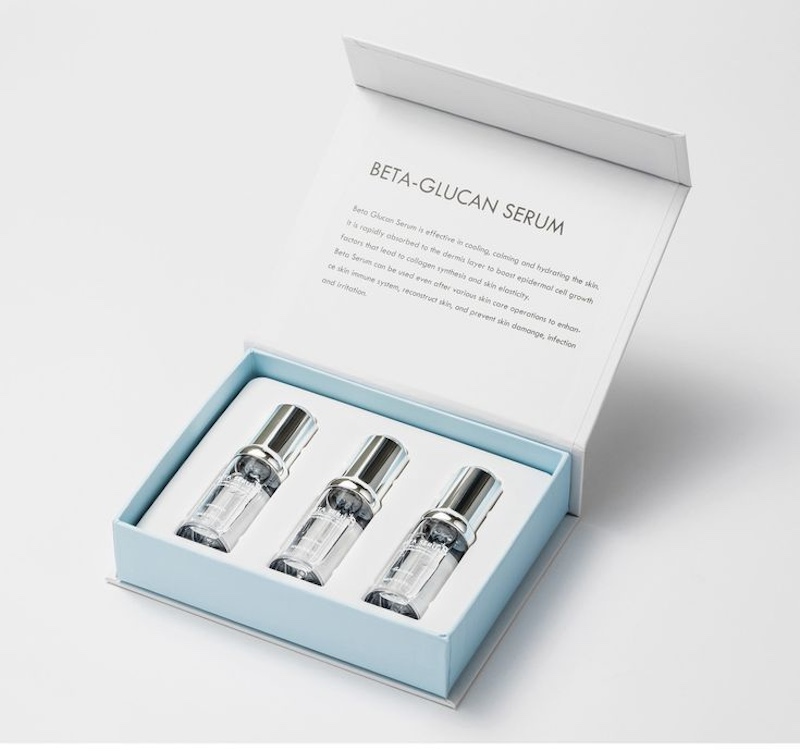
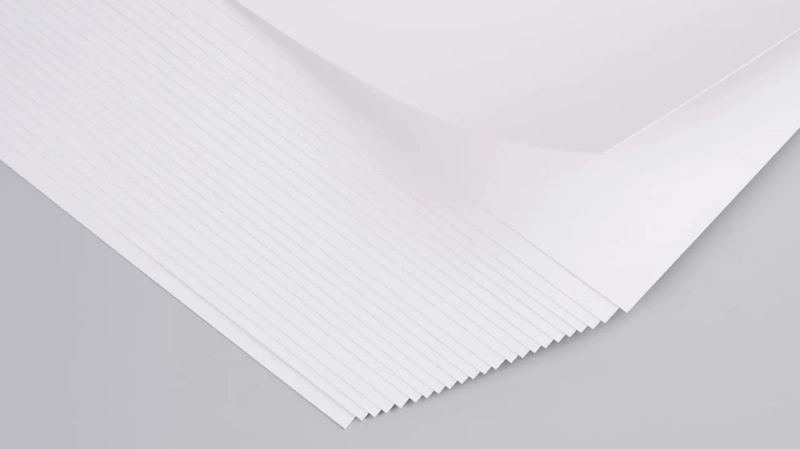
Matte lamination is characterized by its smooth, non-reflective surface that reduces glare and softens color presentation while maintaining clarity in typography and graphic elements, creating a clean, professional, and understated appearance that appeals to brands positioning themselves as clinical, dermatology-inspired, or ingredient-focused. The matte film diffuses light rather than reflecting it, which results in a flat yet elegant finish that communicates seriousness and trustworthiness, qualities particularly valuable in skincare categories such as medical-grade treatments, sensitive skin solutions, and science-backed formulations. Because matte lamination is widely used across various industries, it is considered a versatile and cost-efficient finishing option that balances aesthetic refinement with practical performance.
What Is Soft-Touch Lamination?
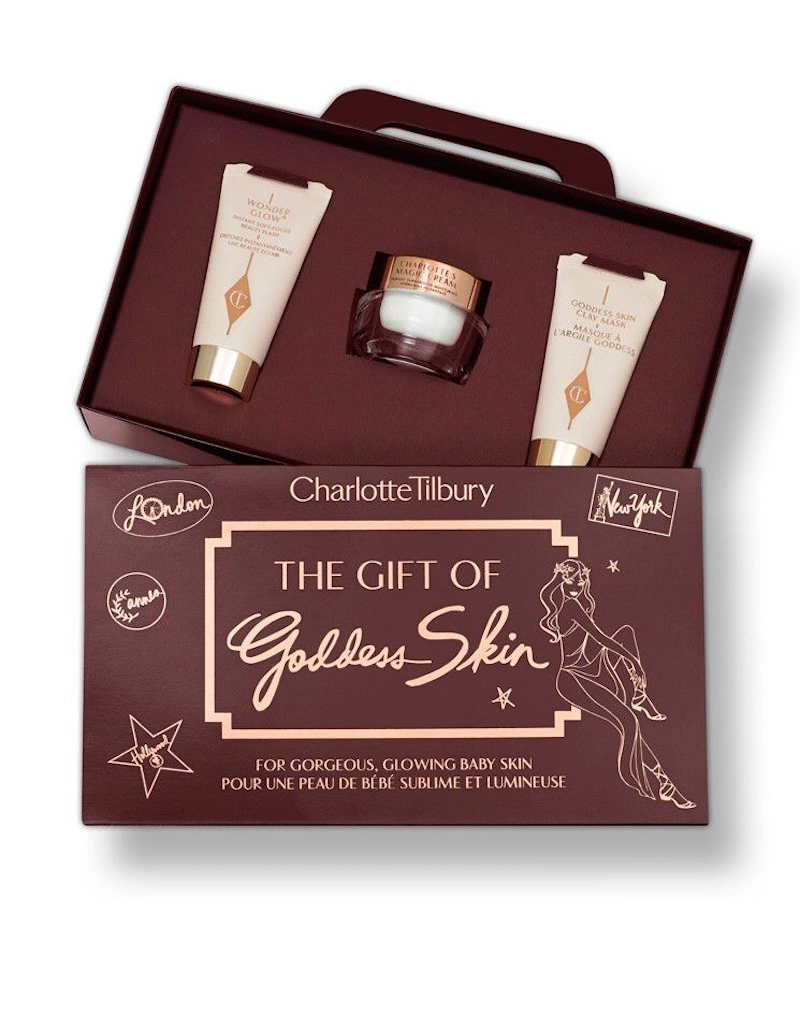
Soft-touch lamination, often referred to as velvet lamination, builds upon the visual foundation of matte lamination but introduces a distinct tactile dimension that transforms the packaging surface into a velvety, almost rubberized texture that feels warm, silky, and luxurious when held in the hand, thereby creating a multisensory experience that extends beyond visual appreciation. Unlike standard matte film, soft-touch lamination slightly deepens color tones and adds a subtle richness to dark hues, enhancing black, navy, burgundy, and forest green palettes that are commonly used in premium skincare branding. The immediate sensory impression generated by soft-touch packaging often signals exclusivity and sophistication, making it particularly popular among high-end anti-aging lines, luxury serums, and limited-edition collections.
Visual Differences and Brand Perception
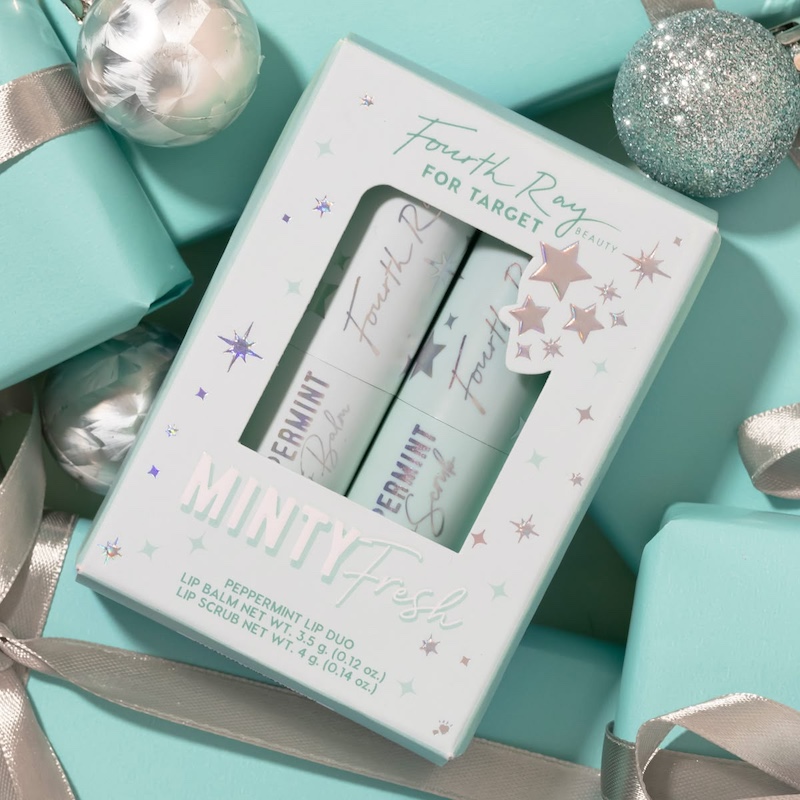
Although both finishes eliminate gloss and shine, the visual distinction between matte and soft-touch lamination becomes apparent when examined under natural and artificial lighting, as matte lamination maintains a flat and consistent surface appearance that emphasizes graphic clarity, while soft-touch lamination subtly absorbs light in a way that creates depth and softness, making colors appear richer and more saturated. In the context of skincare packaging, where subtle design cues communicate product positioning, matte lamination tends to reinforce a minimalist and clinical aesthetic that aligns with transparency and ingredient integrity, whereas soft-touch lamination enhances emotional luxury and premium storytelling, subtly suggesting indulgence, comfort, and sensory pleasure before the product is even applied to the skin.
The Psychology of Touch in Skincare Packaging
Consumer behavior research consistently demonstrates that tactile interaction significantly influences perceived value, and in skincare packaging, where customers often associate product effectiveness with sensory quality, the feel of the box can unconsciously reinforce expectations about the formula inside. Matte lamination delivers a smooth and clean surface that feels professional and reliable, which may strengthen trust in scientifically formulated skincare products, whereas soft-touch lamination creates a more intimate and emotionally engaging experience, encouraging consumers to linger longer with the packaging and perceive the product as more premium. In luxury retail environments and high-end e-commerce unboxing moments, the velvety sensation of soft-touch lamination can amplify customer satisfaction and enhance brand memorability, particularly when combined with magnetic closures or rigid box structures.
Durability and Performance in Practical Use
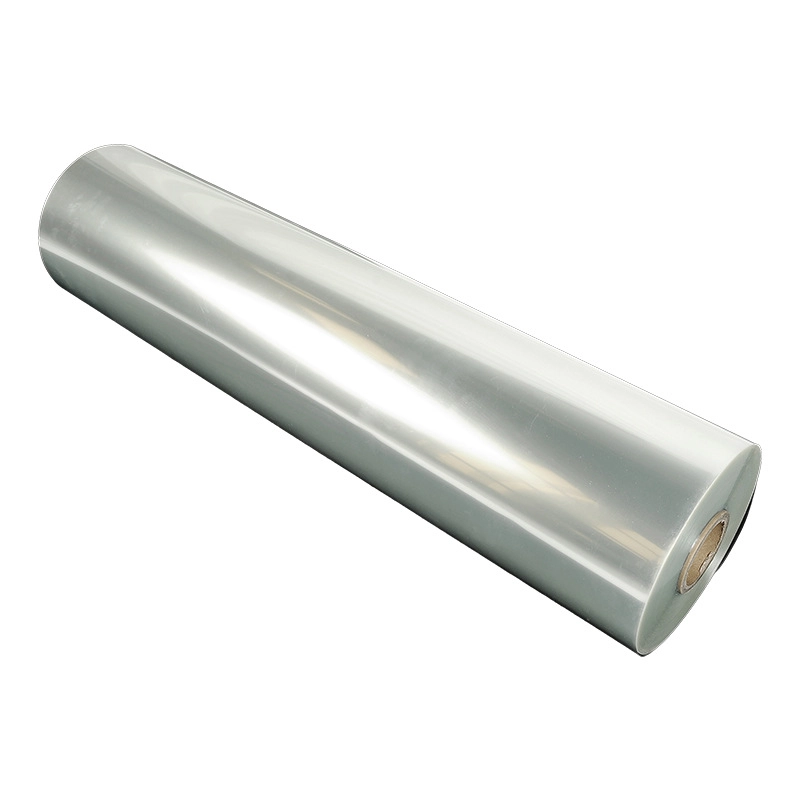
When evaluating soft-touch versus matte lamination for skincare boxes, performance considerations such as scratch resistance, moisture protection, and long-term wear must be taken into account, especially since skincare products are frequently stored in humid bathroom environments or transported through global shipping networks. Matte lamination generally offers reliable scratch resistance and maintains visual consistency even after repeated handling, while standard soft-touch lamination may show fingerprints or surface marks more readily unless enhanced with anti-scratch coatings. However, high-quality soft-touch films with advanced protective layers can significantly improve durability, narrowing the functional gap between the two options. Both finishes provide essential moisture barriers that protect printed surfaces from humidity-related damage, though production precision and film thickness ultimately determine real-world performance outcomes.
Cost Implications and Investment Strategy
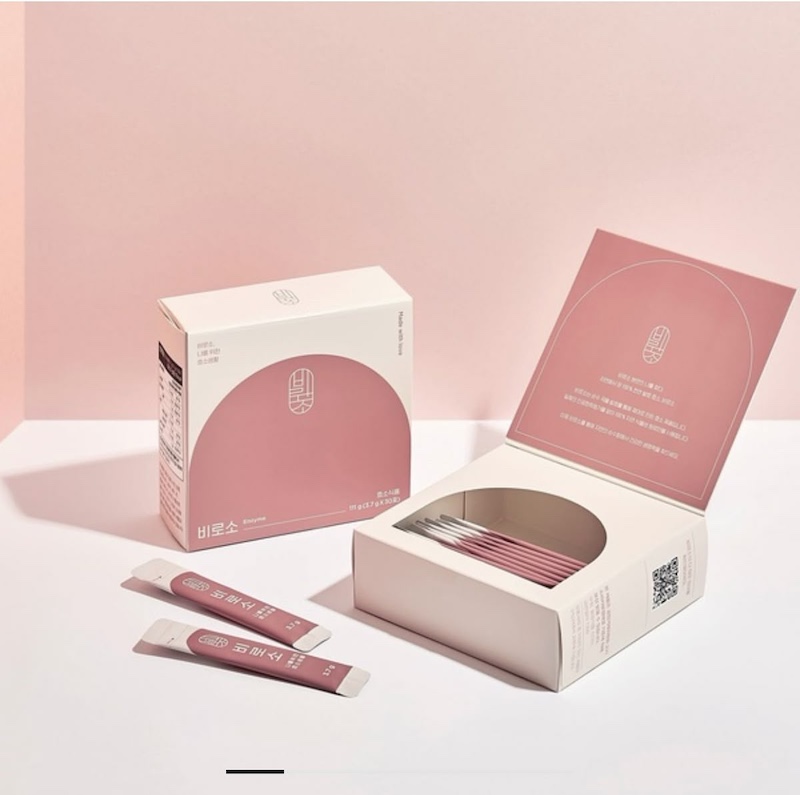
From a cost perspective, matte lamination is typically more affordable due to its widespread application and streamlined production process, making it an attractive choice for emerging skincare brands or mid-range product lines seeking premium appeal without excessive packaging investment. Soft-touch lamination, by contrast, involves higher material and processing costs, reflecting its positioning as a luxury enhancement rather than a standard finish, and brands must carefully evaluate whether the incremental expense aligns with their pricing strategy and target audience expectations. For prestige skincare lines with higher retail price points, the additional investment in soft-touch lamination can be justified by the elevated perceived value it generates, potentially supporting stronger margins and enhanced customer loyalty.
Sustainability Considerations
As sustainability becomes increasingly important in the skincare sector, packaging decisions must also consider environmental perception and material innovation, and while both matte and soft-touch lamination involve film application that may impact recyclability depending on local infrastructure, matte lamination often aligns more naturally with minimalist and eco-conscious branding aesthetics. Nevertheless, advances in recyclable and biodegradable film technologies are enabling more sustainable options in both categories, allowing brands to balance tactile luxury with responsible environmental practices when working with experienced packaging manufacturers who understand evolving material standards.
Strategic Brand Alignment
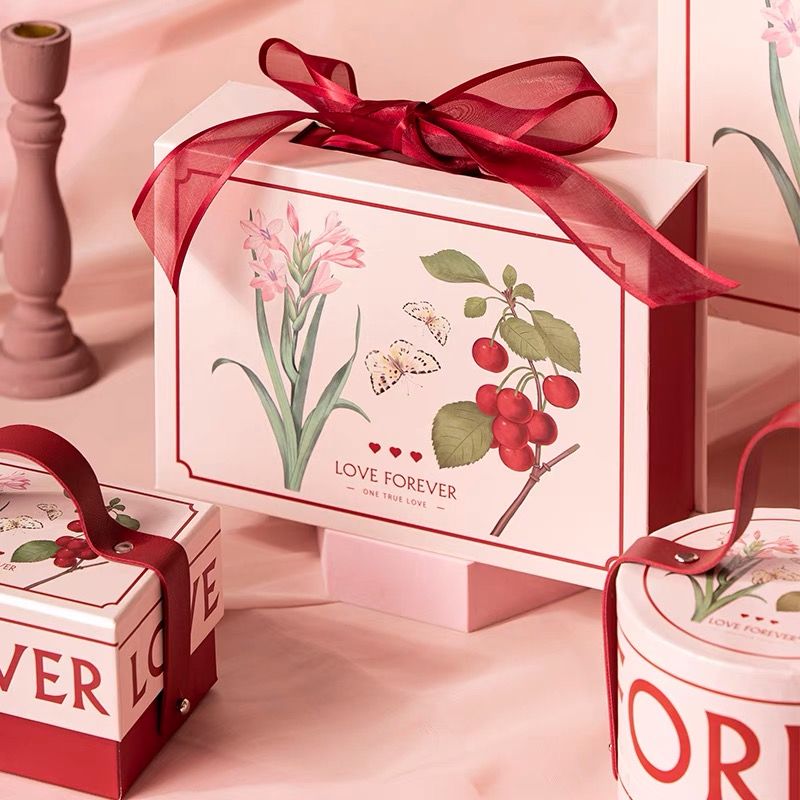
Ultimately, determining which lamination is better for skincare boxes requires alignment with brand identity rather than a universal answer, as matte lamination communicates clarity, professionalism, and modern minimalism that resonate with science-driven or ingredient-transparent brands, while soft-touch lamination conveys indulgence, comfort, and exclusivity that elevate luxury skincare narratives. A brand focused on dermatological authority and functional performance may find matte lamination better reinforces its message, whereas a prestige anti-aging brand seeking to create emotional resonance and gift-worthy presentation may benefit more from the sensory depth of soft-touch finishing.
Conclusion
Soft-touch and matte lamination both enhance skincare packaging in meaningful ways, yet they speak different visual and emotional languages that shape consumer perception at the moment of first contact. Matte lamination offers clean sophistication and dependable performance at a balanced cost, making it ideal for modern, minimalist, and clinically positioned skincare brands, while soft-touch lamination introduces a tactile luxury that elevates perceived value and strengthens emotional engagement, particularly in high-end product segments. The better choice ultimately depends on how a brand defines itself, how it wishes to be experienced, and how packaging can serve not merely as protection but as a powerful extension of its identity in an increasingly competitive global skincare market.

OEM Services
What quality control measures do you have in place?
We implement strict quality control throughout our production process, including:
ISO-certified quality management systems
pressSIGN color management for consistent printing quality
ERP production tracking for precision and efficiency
Rigorous inspections at every stage of production
About Printing Craftsmanship
What is embossing, and how is it different from debossing?
Embossing is a technique that creates a raised impression on a material, while debossing presses the design inward, creating a recessed effect. Both techniques add texture and sophistication to printed materials.
What are eco-friendly printing options?
Vegetable-based inks instead of petroleum-based inks.
Recycled paper or sustainably sourced materials.
Water-based coatings instead of harmful chemical coatings.
Digital printing to reduce waste and energy consumption.
Special Shape Boxes
How long does it usually take from design confirmation to delivery?
The lead time is usually 15-25 days, depending on the production of the order
About Us
How long does shipping take?
Air freight options range from 7-21 days, while ocean freight options range from 26-71 days. If you need some units expedited earlier, consider splitting your shipment between air and ocean!

Start Your Packaging Journey Today
Discover Our Curated Collection of Bespoke Packaging Cases & Tailored System Solutions
© 2025 WINPACK PRINTING. All rights reserved

Wenhua Printing packaging
winpackprinting
Winpack Printing