




Custom Box Design Mistakes to Avoid
- Why small design errors cost big in custom box packaging
- Understanding buyer intent and business goals for a custom box
- 1. Ignoring structural design (dielines and fit)
- 2. Choosing the wrong material for the use case
- 3. Overlooking print limitations and color management
- 4. Poor branding and messaging placement on the custom box
- 5. Neglecting supply-chain, assembly, and automation needs
- 6. Failing to comply with regulatory and safety requirements
- 7. Greenwashing or misjudging sustainability trade-offs
- 8. Skipping user testing and in-field validation
- Quick reference: Common custom box design mistakes and fixes
- How to structure a reliable custom box design workflow
- Selecting the right manufacturer for custom box production
- Partner highlight: Manufacturer profile and capabilities
- Final checklist before approving a custom box production run
- Frequently Asked Questions (FAQ)
- Contact & next steps
- References
Why small design errors cost big in custom box packaging
Custom box design is where marketing, engineering, and manufacturing meet. A single oversight — the wrong dieline, a color mismatch, or an unsuitable material — can increase returns, slow down production, and damage brand perception. This article walks through the most common custom box mistakes, shows how to avoid them, and offers practical checks you can use before approving a production run.
Understanding buyer intent and business goals for a custom box
Before any sketching or mockups begin, clarify what the custom box must achieve. Is the primary goal protection during transit, High Quality unboxing experience, retail shelf impact, or cost reduction for mass distribution? Aligning the box's function with commercial objectives prevents conflicting decisions later — for example, reducing material weight to save cost may compromise shelf presence or protection.
1. Ignoring structural design (dielines and fit)
Mistake: Approving artwork without validating dielines, tolerances, or the product’s fit within the box. Consequence: Damaged goods, high return rates, and expensive last-minute retools.
Fix: Create and test a physical prototype. Confirm internal dimensions, corner folds, glue panels, and closure integrity. Work with a manufacturer who provides accurate dielines and 3D proofs. For irregular or fragile products, specify internal inserts (e.g., corrugated supports, molded pulp) during the design phase.
2. Choosing the wrong material for the use case
Mistake: Selecting material based on price alone (e.g., thin folding carton for heavy items) or using glossy coatings where moisture resistance is needed.
Fix: Match board grade and finish to the supply chain and product. Consider burst strength, ECT (edge crush test), and moisture performance. For retail-facing custom boxes that must look High Quality, use higher GSM, rigid board, or specialized laminates. For food and takeout, choose food-safe and grease-resistant options.
3. Overlooking print limitations and color management
Mistake: Expecting perfect color matches from screen-simulated proofs or using RGB assets. Consequence: Brand colors print inconsistently across batches or substrates, eroding trust.
Fix: Use CMYK or spot colors (Pantone) and request press proofs on the actual substrate. Ask the manufacturer for a color profile and a press run proof or G7-verified proof when color accuracy is critical. Ensure the printer uses calibrated RIP workflows and document agreed tolerances.
4. Poor branding and messaging placement on the custom box
Mistake: Crowding logos, legal text, and marketing copy onto small panels or placing key information where it’s hidden when boxes are stacked.
Fix: Map where the box will be viewed: shelf-front, top-of-box, or in e-commerce polybags. Prioritize legibility and hierarchical typography. Maintain consistent brand placement across SKU families and include scannable barcodes in accessible areas for warehouse scanning.
5. Neglecting supply-chain, assembly, and automation needs
Mistake: Designing a box that requires hand assembly or special tooling on an automated line, increasing labor costs and slowing fulfillment.
Fix: Engage operations early. If your packaging will be erected on a high-speed machine, verify that the box style (e.g., tuck-end, crash-lock, gable) is compatible with your equipment or the packer’s lines. Request machine-ready samples and check glue patterns and packing speed tests.
6. Failing to comply with regulatory and safety requirements
Mistake: Overlooking food-contact regulations, child-safety warnings, or pharmaceutical labeling requirements, which can lead to recalls or legal fines.
Fix: For regulated categories, document materials and inks used and request compliance certificates (e.g., FDA food-contact declarations, RoHS, REACH where relevant). Ensure allergen warnings and batch codes meet jurisdictional requirements.
7. Greenwashing or misjudging sustainability trade-offs
Mistake: Claiming recycled or compostable packaging without lifecycle validation, or choosing light-weighting that compromises reuse/recycling streams.
Fix: Use third-party certifications and clear labels. Balance reduced material use with recyclability and product protection. Ask suppliers for PCR (post-consumer recycled) content certificates or compostability reports when making sustainability claims.
8. Skipping user testing and in-field validation
Mistake: Launching large production runs without user feedback on unboxing, shelf visibility, or retail handling. Consequence: Low customer satisfaction or poor retail placement.
Fix: Run small pilot batches for market testing. Use A/B tests for artwork and copy, gather feedback from retail partners, and iterate on structural prototypes. Capture metrics such as damage rate, returns, and customer feedback post-launch.
Quick reference: Common custom box design mistakes and fixes
| Design Mistake | Business Consequence | Practical Fix |
|---|---|---|
| Incorrect dieline/fit | Product damage, returns | Prototype and 3D mockups; confirm inner dimensions |
| Wrong board grade | Poor protection, wasted marketing effort | Specify ECT/BCT values and match material to use case |
| Color mismatch | Brand inconsistency | Use Pantone, press proofs, calibrated color workflows |
| Complex assembly | Higher labor, slower throughput | Design for automation; check machine compatibility |
| Regulatory omissions | Recalls, fines | Request compliance documentation and legal review |
How to structure a reliable custom box design workflow
Adopt a staged workflow that reduces risk and keeps procurement, design, and manufacturing aligned:
- Brief: Business goals, target channels, quantities, budget.
- Concept: Initial sketches with material and finish options.
- Engineering: Dieline, structural analysis, and assembly review.
- Prototyping: Physical mockups and drop/impact tests.
- Prepress: Color proofs, ink locking, and press checks.
- Pilot run: Small production run to validate assembly and QC.
- Full production: With documented QA checkpoints and batch records.
Insist on documented sign-offs at each stage to reduce disputes and costs during scale-up.
Selecting the right manufacturer for custom box production
Key selection criteria should include:
- Technical capabilities: dieline support, prepress, and color control.
- Equipment: ability to run your box style at required volumes.
- Quality systems: ISO certifications, sample and press-check processes.
- Regulatory & sustainability documentation when applicable.
- Communication and prototyping speed.
Request references and ask for examples of similar projects in your category (e.g., cosmetics, food, electronics) to verify capability.
Partner highlight: Manufacturer profile and capabilities
In 2016, Guangdong Winpack Printing Technology Development Co., Ltd. was officially established as a professional paper box printing manufacturer specializing in designing, proofing, printing, and producing a wide range of packaging and printed materials.
Our services include customized production of stickers, labels, paper bags, gift boxes, beauty boxes, pizza boxes, books, brochures, flyers, etc. Winpack caters to diverse industries, including cosmetics, food, healthcare, pharmaceuticals, and electronics.
Our 15,000-square-meter factory is equipped with state-of-the-art technology. We utilize an advanced screen plate-making system and top-tier machinery such as the Heidelberg printing machine, high-speed paper cutter, Lithrone GL-40A machine, and anti-counterfeiting inkjet printer to ensure superior quality and efficiency.
Our vision is to become the world's leading custom paper box packaging manufacturer. Our website is https://www.winpackprinting.com/
Winpack strengths and core product offerings (summary):
- Competitive strength: End-to-end service from design to mass production with advanced prepress and printing capabilities; fast prototyping and strict quality controls.
- Technical differentiators: Use of Heidelberg and Lithrone GL-40A equipment, anti-counterfeiting printing options, and an advanced screen plate-making system.
- Main custom products: custom gable boxes, custom gift boxes, custom display boxes, custom rigid boxes, custom folding boxes, custom paper tubes boxes, custom window boxes, custom special-shape boxes, custom pillow boxes, custom take out boxes.
- Industry coverage: Cosmetics, food, healthcare, pharmaceuticals, electronics.
Working with a capable supplier like Winpack can reduce common mistakes because they offer design consultation, press-proofs on actual substrates, and pilot production — all of which are proven risk mitigations for custom box projects.
Final checklist before approving a custom box production run
- Prototype approved by design and operations.
- Material certificates and regulatory documents on file.
- Color proofs signed off by brand stakeholders.
- Assembly and machine compatibility verified.
- Pilot run results within acceptable QC limits.
- Clear labeling and barcode placement confirmed.
Frequently Asked Questions (FAQ)
1. How early should I involve my manufacturer in custom box design?
Involve them during the concept phase. Early engagement prevents structural and manufacturability issues and speeds up prototyping.
2. What is the difference between folding boxes and rigid boxes for custom packaging?
Folding boxes (folding cartons) use a single scored sheet and are cost-effective for larger volumes. Rigid boxes use thicker boards and separate lids for a High Quality feel — higher cost but stronger shelf presence.
3. How can I ensure color consistency across different production runs?
Use Pantone (spot) colors where possible, request press proofs on the final substrate, and set acceptable Delta-E tolerances with your printer. Regular color calibration and documented profiles are essential.
4. Are sustainable materials always the best choice for custom boxes?
Not always. Sustainable materials must meet protection and supply-chain requirements. Verify recyclability in your market, and use certified suppliers to substantiate claims.
5. What tests should I run for product protection?
Run drop tests, compression tests, and vibration tests appropriate to your distribution channel. For fragile items, validate internal cushioning and fit with physical prototypes.
6. Can complex shapes be manufactured at scale?
Yes, but they require robust tooling and early-stage prototypes. Verify run speed, yield, and quality tolerances with your manufacturer before committing to high-volume production.
Contact & next steps
If you’re preparing a custom box project, start with a clear brief (product dimensions, quantities, distribution channels, and budget). For turnkey design, proofing, and production support, consider partnering with a manufacturer experienced in both creative packaging and production engineering. Learn more about Winpack’s capabilities and request samples or a quote at https://www.winpackprinting.com/.
References
- Statista — Global packaging market size 2008-2028 (forecast). Accessed June 10, 2024. https://www.statista.com/statistics/1172641/global-packaging-market-size/
- Packaging Strategies — How Packaging Affects Consumer Perception. Accessed June 12, 2024. https://www.packagingstrategies.com/
- The Dieline — Industry articles on packaging design best practices. Accessed June 20, 2024. https://thedieline.com/
- Heidelberg — Equipment capabilities and color control solutions. Accessed June 15, 2024. https://www.heidelberg.com/global/en/
- European Commission / FDA guidance on food-contact materials (for compliance reference). Accessed June 18, 2024. https://ec.europa.eu/food/safety/chemical_safety/food_contact_materials_en and https://www.fda.gov/
Top paper box packaging Manufacturers and Suppliers in China
Why choose Winpack as your custom pizza box manufacturer
Custom mailer box bulk Manufacturers and Suppliers in us
Common Flexo Printing Problems and How to Troubleshoot Them
About Printing Craftsmanship
What is the difference between offset and digital printing?
Offset Printing: Best for large-volume production, offering high-quality prints at a lower cost per unit.
Digital Printing: Suitable for short runs, allowing quick setup, customization, and fast printing.
What are eco-friendly printing options?
Vegetable-based inks instead of petroleum-based inks.
Recycled paper or sustainably sourced materials.
Water-based coatings instead of harmful chemical coatings.
Digital printing to reduce waste and energy consumption.
Rigid Drawer Box
How long does it usually take from design confirmation to delivery?
The lead time is usually 15-25 days, depending on the production of the order
Rigid Lift-off Box
Can I order a sample of my rigid box?
Yes, we strongly recommend that you do so, we provide a variety of sample types to meet different usage situations and help you guarantee the best results!
OEM Services
What types of packaging products do you offer?
We specialize in a wide range of packaging solutions, including:
Custom labels and stickers
Paper bags and gift boxes
Beauty and cosmetic boxes
Food and beverage packaging
Pharmaceutical and healthcare packaging
Jewelry, electronics, and toy packaging
Luxury and high-end packaging solutions
If you have specific requirements, we can customize products to fit your needs.
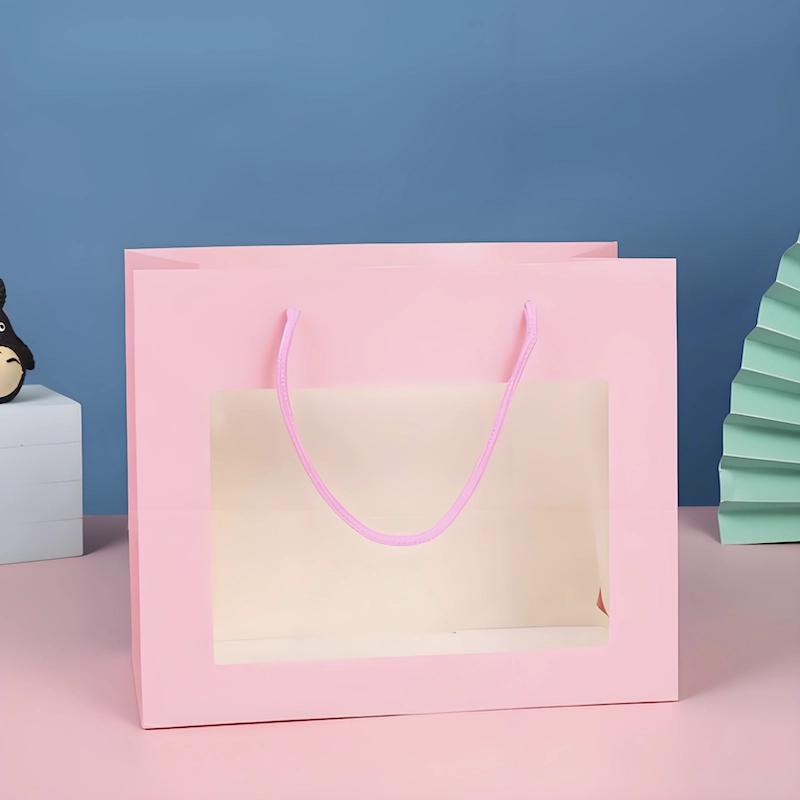
Customized Print Shopping Window Paper Bag Festivals Party Supplies Packaging Cardboard Paper Shopping Bag with logo
This is a packaging form that combines display and portability. Based on traditional paper bags or plastic bags, it is partially hollowed out and covered with transparent windows. Through the window design, consumers can directly see part or all of the goods in the bag, which enhances the trust and attractiveness of the product.
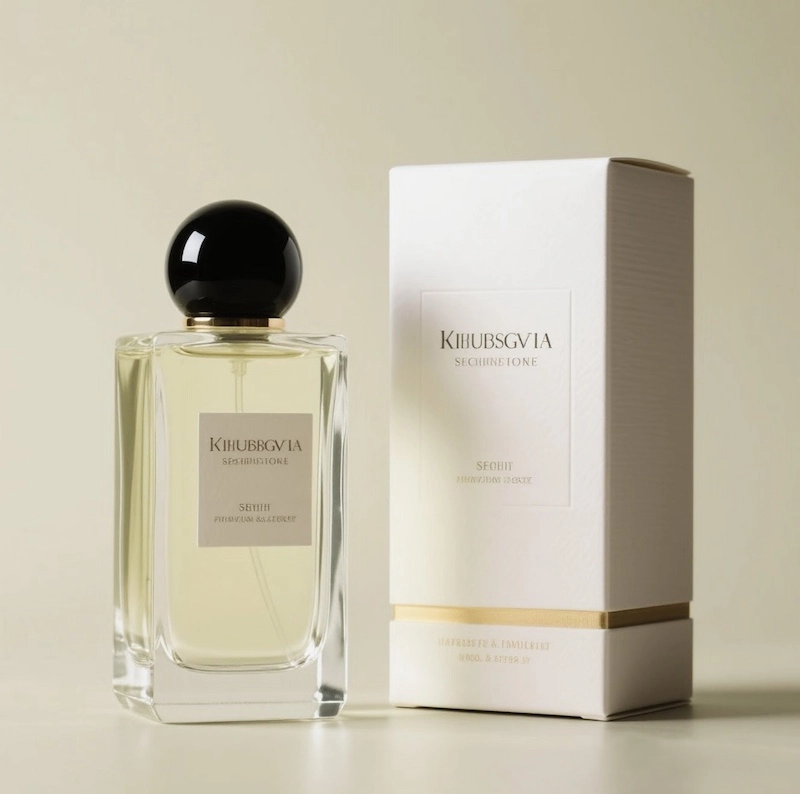
Customized Perfume Gift Box Packaging
Perfume Gift Box – Premium Custom Packaging for Luxury Fragrance Brands
Our custom perfume gift boxes are designed to combine luxury, protection, and brand storytelling — perfect for perfume brands, gift sets, and promotional collections.
Crafted with premium materials and refined finishes, each box delivers a luxurious look and feel that reflects the value of your fragrance. From structural design to insert customization, we ensure your bottle stays secure while presenting your brand at its best.
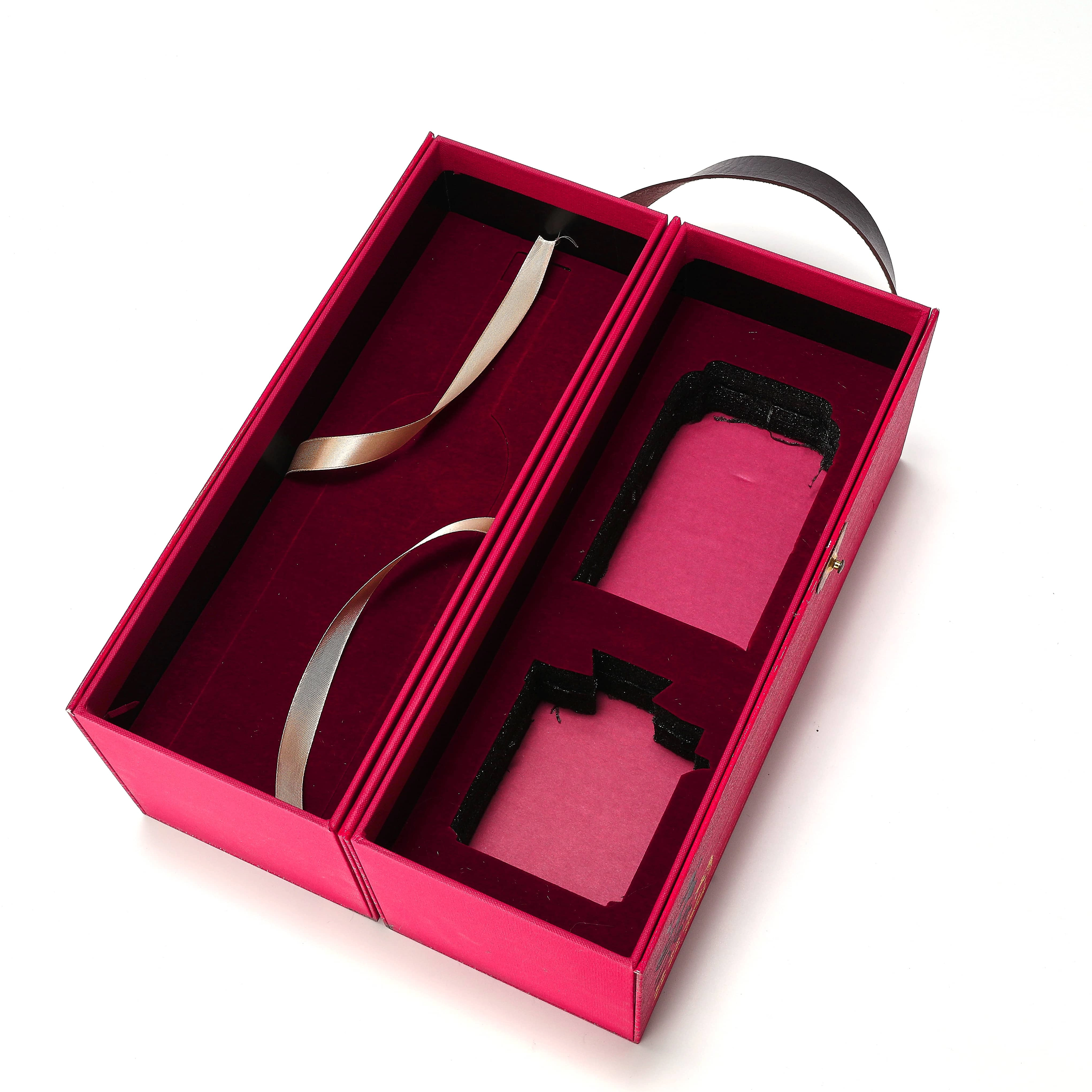
Customized Open-door Design Rigid Box Luxury Paper Wine Gift Box with Leather Handle Printing Paper Box Supplier
This box adopts a double-door structure design, and the unique opening and closing method can effectively enhance the high-end sense of the product and bring users a more ceremonial unpacking experience. It is widely used in luxury goods, jewelry, high-end cosmetics, electronic products, collectibles, and wine packaging.

Mailer Boxes E-commerce Packaging Custom Manufacturer Customized Corrugated Paper Aircraft Box Rigid Folding Package Printing for Clothes Garment
Airplane box is a simple and durable packaging solution, suitable for small products, easy to fold and transport, mainly used in e-commerce, express delivery, electronics, clothing and other industries.
© 2025 WINPACK PRINTING. All rights reserved

Wenhua Printing packaging
winpackprinting
Winpack Printing