




How to Choose the Right Takeout Box Size
- Selecting the Perfect Takeout Container: Size Matters
- Why box size matters for custom takeout boxes
- Common standard sizes and practical serving guidance (with comparison)
- How to measure menu items to pick the right custom takeout boxes
- Material and functional features: what matters beyond size
- Portion control, pricing, and inventory optimization for custom takeout boxes
- Environmental considerations and certifications
- Choosing a supplier: what to ask and evaluate
- Supplier profile: Winpack — capacity, capabilities, and product range
- Checklist to decide the right takeout box size (rapid action items)
- Frequently Asked Questions (FAQ)
- 1. What are the most common sizes of custom takeout boxes restaurants order?
- 2. How much headspace should I leave when choosing box height?
- 3. Are paperboard takeout boxes microwave-safe?
- 4. How do I choose between recyclable and compostable boxes?
- 5. What minimum order quantities should I expect for custom-printed takeout boxes?
- 6. How can I reduce costs while maintaining brand quality?
- Contact and product access
- References
Selecting the Perfect Takeout Container: Size Matters
Choosing the right takeout box size affects portion control, food quality during transit, packaging costs, and brand perception. For restaurants, caterers, and food brands ordering custom takeout boxes, making the correct choice requires balancing food volume, insulation, leak protection, stackability, and sustainability. This article walks you through measurable steps, evidence-based guidance, and supplier considerations to help you select the most effective takeout box sizes for your menu.
Why box size matters for custom takeout boxes
When ordering custom takeout boxes, size impacts several business outcomes: portion accuracy (affecting cost of goods sold), delivery experience (temperature and presentation), and waste (unused packaging capacity increases disposal costs). Studies of foodservice packaging show that overly large containers increase airborne cooling and allow foods to shift, while too-small boxes squish items and cause spills. Prioritizing the correct size reduces complaints, returns, and wasted packaging spend.
Common standard sizes and practical serving guidance (with comparison)
Most manufacturers offer a set of standard volumes and footprint dimensions. Below is a practical table mapping common container sizes to typical servings and menu use-cases. These are industry-typical dimensions used by major suppliers and can be customized for custom takeout boxes.
| Nominal Size/Label | Typical External Dimensions (L×W×H) | Approx. Volume | Best for (Menu Examples) |
|---|---|---|---|
| Small / 12 oz | 6.0 × 4.0 × 1.5 (152×102×38 mm) | ~350–400 mL | Side salads, small desserts, dips |
| Medium / 24 oz | 7.0 × 5.0 × 2.0 (178×127×51 mm) | ~700 mL | Main side dishes, single entrees, sandwiches |
| Large / 32–40 oz | 9.0 × 6.0 × 2.5 (229×152×64 mm) | ~950–1200 mL | Full meals, family-style portions, pasta |
| Extra Large / 50–64 oz | 10.0 × 8.0 × 3.0 (254×203×76 mm) | ~1500 mL+ | Large group orders, platters, mixed combos |
Sources for these typical sizes include major foodservice suppliers' product listings such as Uline and WebstaurantStore, which list dimension ranges and common capacities for takeout food containers (see references).
How to measure menu items to pick the right custom takeout boxes
Measure by volume and by footprint. For rigid boxes or folding cartons, measure the largest footprint of the plated item and the item height when stacked as you intend to pack it. Allow for at least 10–20% headspace for crispy items (steam clearance) and sauces. For liquids, choose containers with adequate depth and leakproof features. When designing custom takeout boxes for a specific menu item, prototype with a sample run of 10–25 units to validate portion fit, lid closure, and stackability.
Material and functional features: what matters beyond size
Size alone is not enough. Material choice—paperboard, corrugated, PLA-laminated, or molded fiber—changes how the box performs in heat retention, grease resistance, and refrigeration. For example, coated paperboard with a grease-resistant barrier preserves crispiness better than uncoated board for fried foods. If you plan to advertise microwavable convenience, confirm that the material and any inks or coatings are microwave-safe and food-contact compliant.
| Material | Best Use | Pros | Cons |
|---|---|---|---|
| Paperboard (coated) | Most takeout, sandwiches, salads | Printable, customizable, lightweight | Less durable when heavily wet unless coated |
| Corrugated | Heavy items, multi-tier delivery | Strong, excellent stacking protection | Thicker, more material cost, less refined print surface |
| Molded fiber | Hot foods, eco-focused brands | Good insulation, compostable options | Limited printing quality, shape constraints |
| PLA-coated / bioplastic liners | Greasy or wet foods where compostability desired | Improved grease and moisture barrier | Compostability depends on industrial facilities |
Regulatory compliance for food-contact materials is critical. Confirm materials and inks meet regional food safety rules (e.g., FDA food-contact guidance in the U.S.).
Portion control, pricing, and inventory optimization for custom takeout boxes
Ordering the right mix of sizes reduces over-packaging and holding costs. Track your sales mix to forecast required counts of each size, and apply the Pareto principle—if 80% of orders use 2–3 sizes, prioritize these for inventory. Pricing is driven by size, customization level (full-color print, special coatings), and order quantity. Typical price breaks occur at higher-volume thresholds (e.g., 5,000+ units). Request tiered quotes and ask for proofs or samples before a large production run.
Environmental considerations and certifications
Customers increasingly search for sustainable options. For custom takeout boxes, consider recycled content, recyclability, and compostability. Be careful: compostable claims only hold if local industrial composting exists. Refer to standards such as ASTM D6400 (compostability) and local municipal guidelines before marketing a product as compostable. Clear labeling on boxes helps consumers properly dispose of packaging and reduces contamination in recycling streams.
Choosing a supplier: what to ask and evaluate
When evaluating suppliers for custom takeout boxes, ask about minimum order quantity (MOQ), lead time, print capabilities (color gamut, spot UV, embossing), food-safety certifications, and production technologies. Request details on machinery and quality control: do they use modern flexo or offset presses, digital proofs, and plate-making systems? Check references and ask for photos of prior similar projects. For international suppliers, confirm import timelines and customs experience.
Supplier profile: Winpack — capacity, capabilities, and product range
In 2016, Guangdong Winpack Printing Technology Development Co., Ltd. was officially established as a professional paper box printing manufacturer specializing in designing, proofing, printing, and producing a wide range of packaging and printed materials. Our services include customized production of stickers, labels, paper bags, gift boxes, beauty boxes, pizza boxes, books, brochures, flyers, etc. Winpack caters to diverse industries, including cosmetics, food, healthcare, pharmaceuticals, and electronics. Our 15,000-square-meter factory is equipped with state-of-the-art technology. We utilize an advanced screen plate-making system and top-tier machinery such as the Heidelberg printing machine, high-speed paper cutter, Lithrone GL-40A machine, and anti-counterfeiting inkjet printer to ensure superior quality and efficiency. Our vision is to become the world's leading custom paper box packaging manufacturer. Our website is https://www.winpackprinting.com/.
Winpack offers custom-built solutions for custom takeout boxes and related products with competitive advantages: rapid prototyping, full-color offset printing, anti-counterfeiting print options, and a wide suite of box types including custom gable boxes, custom gift boxes, custom display boxes, custom rigid boxes, custom folding boxes, custom paper tubes boxes, custom window boxes, custom special-shape boxes, custom pillow boxes, and custom take out boxes. Their factory-scale production, modern machinery, and cross-industry experience make them a credible supplier for restaurants and food brands seeking reliable customization and volume capacity.
Checklist to decide the right takeout box size (rapid action items)
- Measure plated food (footprint and height) and add 10–20% headspace.
- Match material to food type (coated board for greasy items; molded fiber for hot foods when insulation/compostability is a priority).
- Prototype with 10–25 units for fit, lid closure, and printing color verification.
- Ask suppliers for MOQ, lead time, and price-break tiers; request sample proofs.
- Label packaging with proper disposal instructions if marketing recyclability or compostability.
Frequently Asked Questions (FAQ)
1. What are the most common sizes of custom takeout boxes restaurants order?
Common orders cluster around small (about 12 oz), medium (24 oz), and large (32–40 oz) sizes. These cover typical side items, single meals, and family portions. Exact dimensions vary by supplier; always measure and request samples.
2. How much headspace should I leave when choosing box height?
Leave 10–20% headspace to avoid steam condensation damage to crispy foods and to allow sauces and garnishes without spill-over.
3. Are paperboard takeout boxes microwave-safe?
Some paperboard constructions are microwave-safe, but depend on coatings, inks, and any foil or plastic liner. Verify with your supplier and request food-contact safety data and microwave testing if you advertise microwavability.
4. How do I choose between recyclable and compostable boxes?
Choose recyclable boxes if your customers have access to recycling streams and the board is uncontaminated by grease. Choose compostable options if you can confirm industrial composting collection in your service area and if you want to market compostability. Always verify certifications and local infrastructure.
5. What minimum order quantities should I expect for custom-printed takeout boxes?
MOQs vary widely. Small digital print runs may start at a few hundred, while offset-printed custom boxes commonly start at 1,000–5,000 units. Ask suppliers for tiered pricing and sample options.
6. How can I reduce costs while maintaining brand quality?
Consolidate to fewer size SKUs based on your sales mix, choose selective high-impact printing areas instead of full-wrap in some runs, and leverage quantity discounts. Work with suppliers who offer strong quality control to reduce reprints and waste.
Contact and product access
If you want help selecting sizes, prototyping, or requesting quotes for custom takeout boxes, consider contacting an experienced manufacturer such as Winpack. Visit https://www.winpackprinting.com/ to view product catalogs, request samples, and get production lead-time and pricing information for custom gable boxes, custom gift boxes, custom display boxes, custom rigid boxes, custom folding boxes, custom paper tubes boxes, custom window boxes, custom special-shape boxes, custom pillow boxes, and custom take out boxes. For a tailored consultation, request samples and provide measurements and menu examples so the manufacturer can recommend optimal sizes and materials.
References
- Uline — Takeout / Food Containers Product Listings. Uline. Accessed 2025-11-28. https://www.uline.com/Topic/Detail/food-containers
- WebstaurantStore — Food To Go Containers. WebstaurantStore. Accessed 2025-11-28. https://www.webstaurantstore.com/food-to-go-containers/397/
- U.S. Food & Drug Administration — 2017 Food Code. FDA. Accessed 2025-11-28. https://www.fda.gov/food/fda-food-code/2017-food-code
- U.S. Environmental Protection Agency — Composting at Home. EPA. Accessed 2025-11-28. https://www.epa.gov/recycle/composting-home
- ASTM International — Standards for Biodegradable Plastics such as ASTM D6400 (compostability). ASTM. Accessed 2025-11-28. https://www.astm.org/Standards/D6400.htm
Protective Design: Reducing Damage with Mailer Box Structures
Best professional paper box packaging manufacturers and supplier brands in Guangzhou
Wholesale customized paper bags manufacturer and supplier
Size Guide: Picking the Right Custom Sticker Bag Dimensions
OEM Services
Can I request a sample before mass production?
Yes, we provide sample proofing before mass production to ensure that the design, materials, and quality meet your expectations. We encourage testing and approval before proceeding with full-scale manufacturing.
What is the minimum order quantity (MOQ) for OEM orders?
Our MOQ varies depending on the type of packaging and material used. We offer flexible MOQ options to accommodate both small businesses and large-scale manufacturers. Contact us for a tailored quote based on your needs.
Rigid Lift-off Box
How long does it usually take from design confirmation to delivery?
The lead time is usually 15-25 days, depending on the production of the order
Can I print on the inside of the box?
Yes, you can print any effect you want on the inside.
About Printing Craftsmanship
How do I ensure high-quality printing results?
Use high-resolution images and vector files.
Choose the appropriate paper or substrate.
Work with a professional printing service.
Consider color matching systems like Pantone for consistent results.
Request print samples before full production.
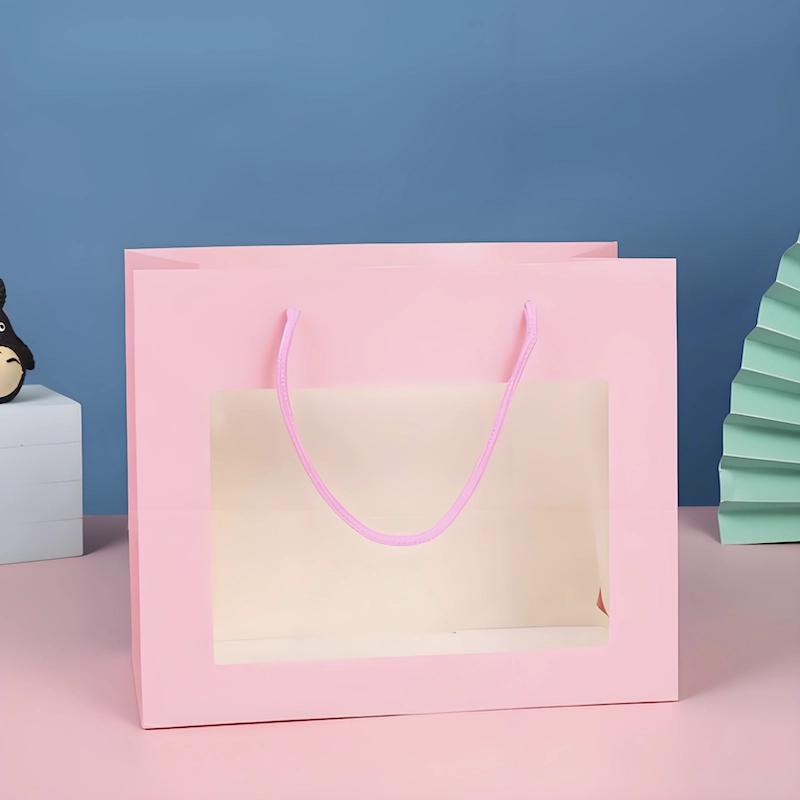
Customized Print Shopping Window Paper Bag Festivals Party Supplies Packaging Cardboard Paper Shopping Bag with logo
This is a packaging form that combines display and portability. Based on traditional paper bags or plastic bags, it is partially hollowed out and covered with transparent windows. Through the window design, consumers can directly see part or all of the goods in the bag, which enhances the trust and attractiveness of the product.
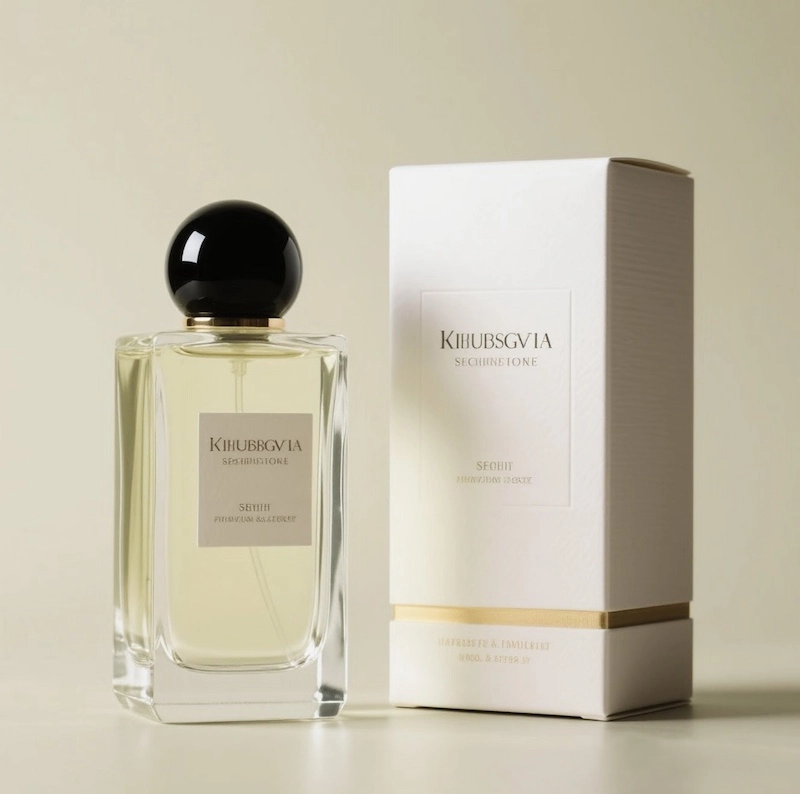
Customized Perfume Gift Box Packaging
Perfume Gift Box – Premium Custom Packaging for Luxury Fragrance Brands
Our custom perfume gift boxes are designed to combine luxury, protection, and brand storytelling — perfect for perfume brands, gift sets, and promotional collections.
Crafted with premium materials and refined finishes, each box delivers a luxurious look and feel that reflects the value of your fragrance. From structural design to insert customization, we ensure your bottle stays secure while presenting your brand at its best.
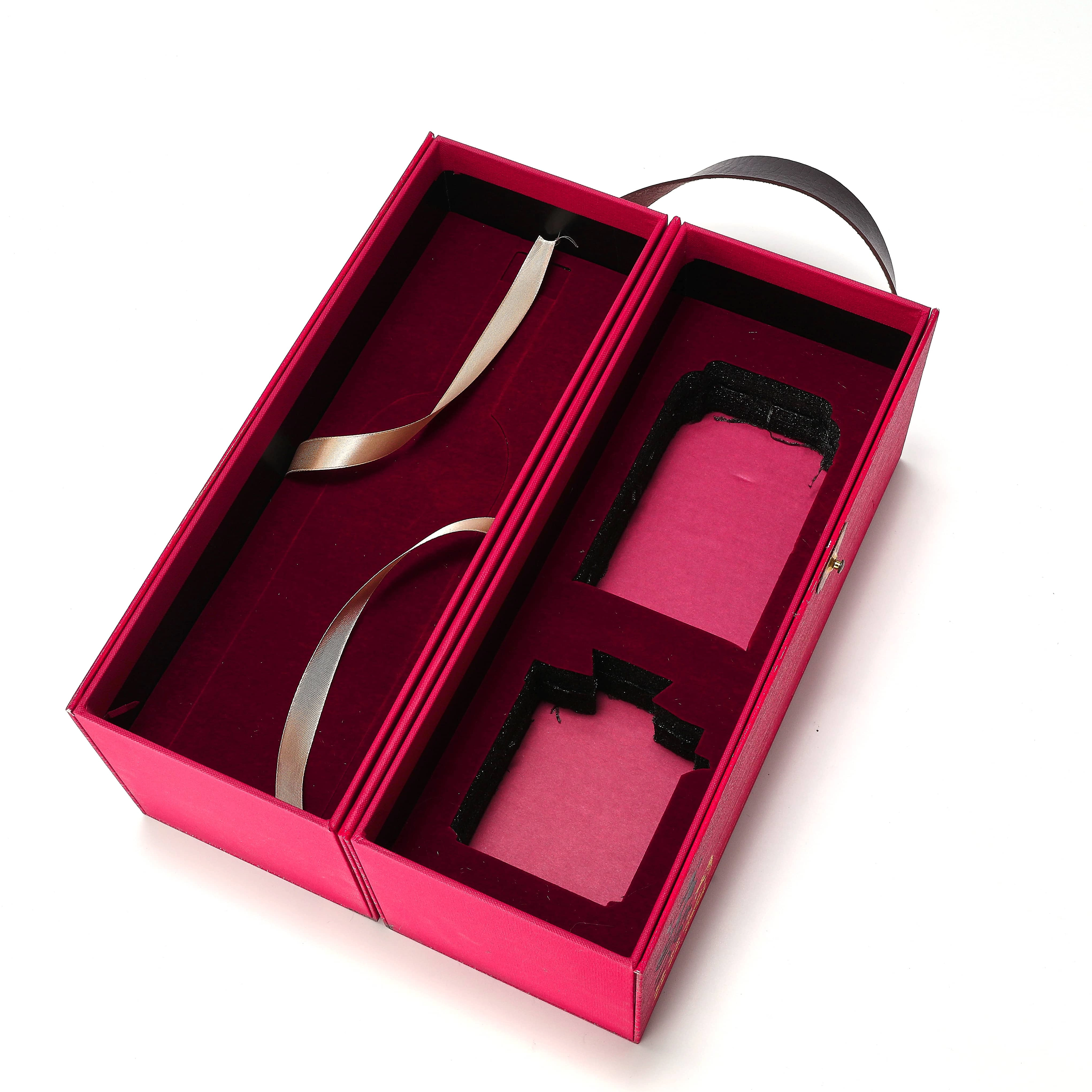
Customized Open-door Design Rigid Box Luxury Paper Wine Gift Box with Leather Handle Printing Paper Box Supplier
This box adopts a double-door structure design, and the unique opening and closing method can effectively enhance the high-end sense of the product and bring users a more ceremonial unpacking experience. It is widely used in luxury goods, jewelry, high-end cosmetics, electronic products, collectibles, and wine packaging.

Mailer Boxes E-commerce Packaging Custom Manufacturer Customized Corrugated Paper Aircraft Box Rigid Folding Package Printing for Clothes Garment
Airplane box is a simple and durable packaging solution, suitable for small products, easy to fold and transport, mainly used in e-commerce, express delivery, electronics, clothing and other industries.
© 2025 WINPACK PRINTING. All rights reserved

Wenhua Printing packaging
winpackprinting
Winpack Printing